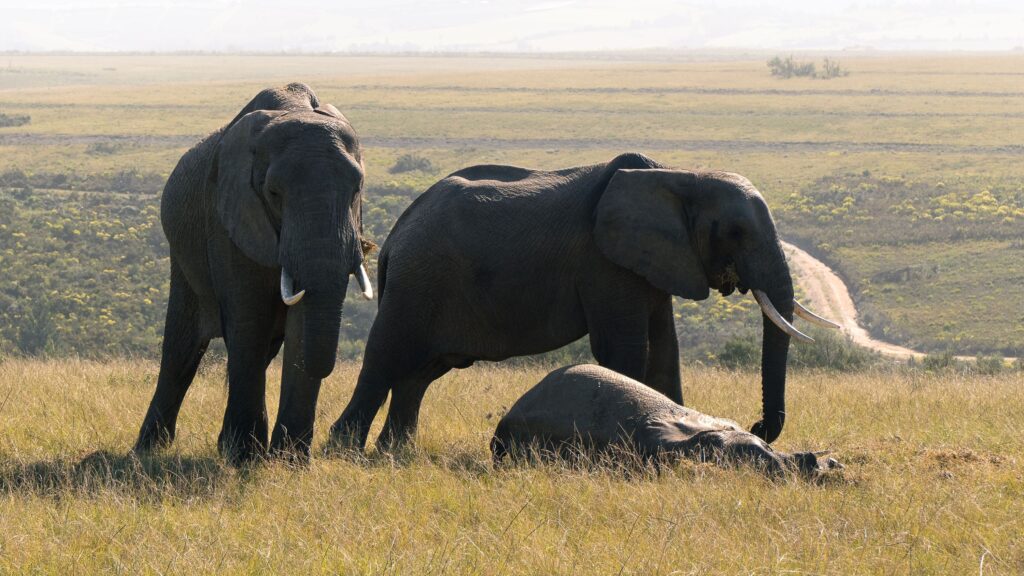
The thunder of hooves once shook the vast North American plains as millions of bison roamed free, sculpting the landscape in their wake. Today, after a near tragedy of extinction, these magnificent giants are at the heart of a breathtaking ecological comeback. Few stories in natural history are as dramatic—or as inspiring—as that of the bison. Their journey from the edge of oblivion to the center stage of grassland restoration is a testament to both nature’s resilience and the power of determined conservation. Imagine endless prairies, windswept and wild, suddenly animated again by herds of bison—each animal a living symbol of hope, healing, and the possibility of renewal.
The Legendary Icon of the Plains

Bison are more than just animals; they are an enduring symbol of the American wilderness. Towering and shaggy, with humps of muscle and sweeping horns, bison once numbered an estimated 30 to 60 million across North America. Indigenous peoples revered them as sacred and depended on them for food, shelter, and tools. The image of a bison silhouetted against the setting sun captures the very spirit of the Plains—untamed, powerful, and deeply connected to the land itself. For centuries, these animals shaped every aspect of prairie life, from plant growth to predator patterns.
The Catastrophic Decline: Near Extinction

In the 19th century, disaster struck. Driven by westward expansion, commercial hunting, and government policies aimed at subduing Native populations, bison herds were slaughtered at an almost unimaginable scale. By the late 1800s, fewer than 1,000 bison remained in the wild. The loss was staggering—not just for the animals themselves, but for the entire ecosystem and the cultures that depended on them. Fields once alive with the thunder of hooves fell eerily silent, the grasslands left without their most important architects.
How Bison Shape Their World

Bison are not passive grazers. They are dynamic ecosystem engineers, sculpting the land with every step, wallow, and mouthful of grass. Their unique grazing patterns prevent any one plant species from dominating, encouraging a vibrant patchwork of grasses and wildflowers. When bison graze, they leave behind nutrient-rich dung that fertilizes the soil, spurring new growth. Their wallows—shallow depressions where they roll in the dust—collect rainwater, creating microhabitats for insects, amphibians, and birds. Without bison, the plains lose their diversity and vitality, much like a symphony missing its main instrument.
Reintroducing Bison: A New Era for Conservation

The bison’s journey back from the brink began with a handful of visionaries and conservationists. In the early 20th century, ranchers, zoos, and Native tribes pooled the last surviving animals and bred them in captivity. Today, thanks to decades of hard work and collaboration, bison herds have been reintroduced to parks, tribal lands, and preserves across the Great Plains. These efforts are not just about saving a species—they are about restoring an ancient relationship between land, animal, and people. The sight of bison grazing where none had been seen for generations is a cause for celebration and hope.
Bison and Biodiversity: Breathing Life Into the Prairie

The return of bison has triggered remarkable changes across the grasslands. Studies show that areas with bison support more plant species and greater numbers of pollinators like bees and butterflies. Birds, such as the prairie chicken and meadowlark, thrive in bison-managed habitats. Even elusive creatures like the swift fox and burrowing owl benefit from the mosaic of plants and open spaces created by bison activity. It’s as if the plains, dormant for so long, are waking up—colorful, noisy, and bursting with life once more.
The Science Behind Bison Restoration

Ecologists have closely monitored what happens when bison return to their ancestral homes. Research reveals that bison grazing mimics the natural disturbances that once kept prairies healthy. Unlike cattle, which often graze uniformly and overuse some areas, bison move in unpredictable patterns, allowing plants to recover and seeds to spread. Scientists have found that bison-grazed lands are more resilient to drought, more resistant to invasive species, and better at storing carbon in the soil. The data is clear: bison are not just surviving, but actively healing the land.
Partnerships With Indigenous Communities

For many Native American tribes, the return of bison is a powerful act of cultural restoration. Tribes such as the Blackfeet, Lakota, and Cheyenne are leading efforts to reintroduce bison to their lands, blending traditional knowledge with modern science. This relationship goes far beyond ecology—it is spiritual, historical, and deeply personal. Bison are a living link to ancestors, ceremonies, and traditional ways of life. When the herds return, so does a sense of identity, pride, and possibility for the future.
Challenges and Controversies on the Path to Recovery

Restoring bison isn’t without challenges. Conflicts can arise between conservationists, ranchers, and landowners over grazing rights and disease management. Some worry about competition with cattle, while others fear the spread of diseases like brucellosis. Fences, highways, and fragmented habitats also limit the ability of herds to roam as they once did. Despite these hurdles, creative solutions—such as wildlife corridors and cooperative land management—are helping to bridge the gaps and build support for bison restoration.
Bison in National Parks and Wildlife Reserves

Iconic places like Yellowstone National Park and Wind Cave National Park have become sanctuaries for bison. Here, visitors can witness herds roaming free, a living reminder of what the Great Plains once were. These parks serve as vital genetic reservoirs and educational hubs, inspiring millions to care about bison and grassland conservation. Watching a herd move across the prairie, with calves gamboling and dust swirling in the golden light, is an unforgettable experience—one that connects people to the wild heart of America.
The Future of Bison and Grassland Restoration

Looking ahead, the story of bison is still being written. New projects aim to expand bison herds and connect fragmented landscapes, ensuring they have the space they need to thrive. Scientists and conservationists are exploring how bison can help mitigate climate change by boosting soil health and carbon storage. More communities are joining the movement, recognizing that the fate of bison and the fate of the prairies are inseparable. As long as there are people willing to fight for their return, the thunder of hooves will echo across the plains once again.
A Living Legacy of Hope and Renewal

The bison’s comeback is more than just a conservation success—it’s a powerful symbol of resilience, hope, and the possibility of healing what once seemed lost. Their presence transforms landscapes, revives cultures, and inspires people to imagine a future where wildness and humanity can coexist. The next time you see a bison, remember: you are looking at a living miracle, a survivor who now leads the charge in restoring an ancient and beautiful world. What other wonders might we revive, if we choose to care and act together?