Imagine standing at the edge of a vast, watery world where river meets sea, where the air is thick with the calls of birds and the murmur of tides. The Mississippi River Delta isn’t just another patch of American coastline—it’s a living, breathing wonderland, teeming with life and drama. Here, millions of birds pause on epic journeys, and marine creatures find sanctuary in tangled marshes and winding channels. This is a place shaped by water, mud, and the relentless pulse of nature itself, and its fate is deeply tied to the balance of life far beyond its borders.
The Remarkable Geography of the Mississippi River Delta

The Mississippi River Delta sprawls across southeastern Louisiana, forming a complex mosaic of wetlands, bayous, and barrier islands. This sprawling landscape is built from centuries of sediment carried downriver from as far away as Minnesota. Over time, the river’s shifting channels have sculpted a labyrinth of land and water, creating a natural masterpiece visible even from space. The delta is a living coastline, constantly changing with floods, storms, and the steady push and pull of tides. Its geography is not just visually stunning—it is also essential for countless species that depend on these habitats for survival. The delta’s ever-changing face is a testament to the power of nature and the intricate web of life it supports.
An Oasis for Migratory Birds

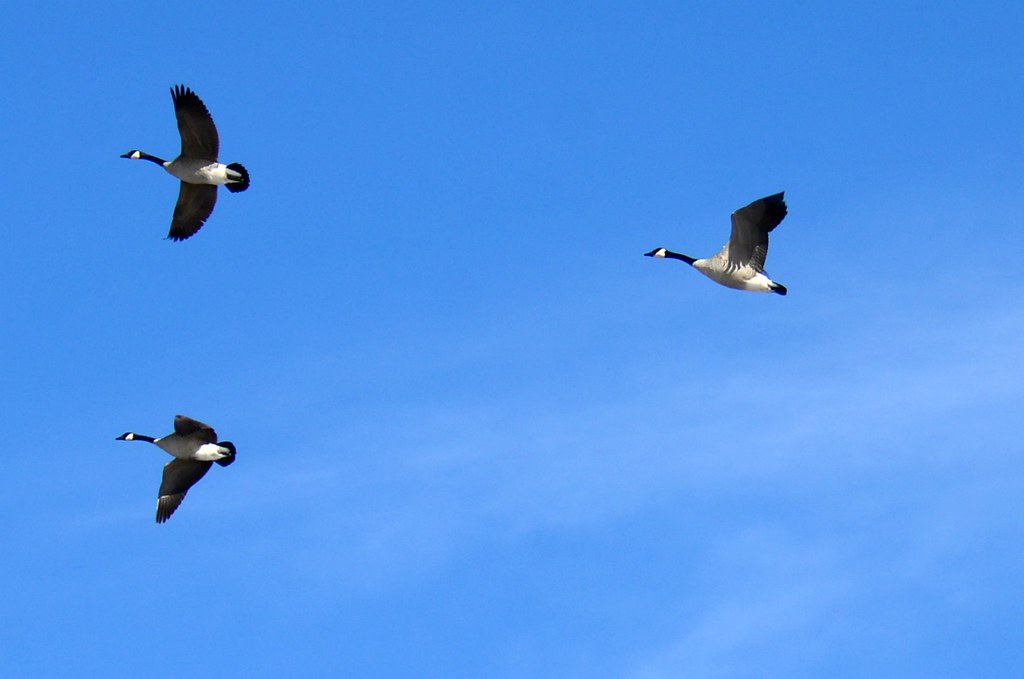
Each year, the Mississippi River Delta becomes a critical rest stop for millions of migratory birds traveling along the Mississippi Flyway. From tiny warblers to majestic herons and snow geese, birds flock here in astonishing numbers, relying on the delta’s rich wetlands to refuel and shelter during their long journeys. The abundance of food—fish, insects, seeds—makes this region a veritable buffet, supporting birds through challenging migrations that can span thousands of miles. Some species, like the endangered whooping crane, find rare sanctuary in the delta’s secluded marshes. Without this vital stopover, many birds would struggle to complete their journeys, and entire populations could falter.
Home to a Vibrant Underwater World

Beneath the surface, the delta’s winding channels and brackish waters are alive with marine life. Fish such as red drum, speckled trout, and catfish thrive in the nutrient-rich estuaries, while shrimp and blue crabs scuttle through the grasses. Dolphins sometimes venture into the delta’s deeper channels, chasing schools of fish. The delta’s underwater meadows of seagrass and oyster reefs provide vital nurseries for young marine species, giving them shelter from predators and a rich supply of food. This watery world is not only beautiful but essential for the health of the Gulf of Mexico’s entire web of life.
Wetlands: Nature’s Life Support System

The wetlands of the Mississippi River Delta are more than just soggy ground—they are one of nature’s most powerful life support systems. These marshes filter pollutants from river water, trapping sediments and breaking down toxins before they reach the Gulf. As storm barriers, wetlands absorb the energy of hurricanes, protecting inland communities from devastating floods. They also help store massive amounts of carbon, quietly fighting climate change beneath a blanket of green. The loss of wetlands, accelerated by development and sea-level rise, threatens not just wildlife but people and the planet.
The Delta’s Role in Global Bird Migration

The Mississippi River Delta is a linchpin in one of the world’s great migration stories. The Mississippi Flyway stretches from the Canadian Arctic to the tip of South America, and the delta is one of its busiest crossroads. Birds use this route to escape harsh winters or find the best breeding grounds, depending on the season. For many species, the delta is the only place to rest and refuel before crossing the daunting Gulf of Mexico. Scientists have tracked birds traveling unbelievable distances—sometimes over 2,000 miles without stopping—underscoring just how essential these stopover habitats are for avian survival.
Challenges Facing the Delta

Despite its beauty and importance, the Mississippi River Delta faces mounting threats. Human activities like levee construction, oil and gas drilling, and urban development have drastically altered the natural flow of water and sediment. As a result, the delta is shrinking—losing wetlands at an alarming rate, sometimes equivalent to a football field every hour. Rising sea levels and more intense storms, fueled by climate change, add to the pressure. Invasive species and pollution further challenge the delicate balance of life. Without urgent action, much of this iconic landscape could vanish within a generation.
The Delta’s Impact on Fisheries

The bounty of the delta isn’t just for wildlife—commercial and recreational fisheries depend on its productivity. The region’s rich estuaries act as nurseries for shrimp, oysters, and countless fish species that support coastal economies. Fishermen have relied on these waters for generations, passing down knowledge of the tides, seasons, and secret fishing spots. When the wetlands shrink, fish populations suffer, putting both wildlife and human livelihoods at risk. Sustainable management of the delta’s natural resources is crucial for ensuring that these traditions—and the seafood on our tables—continue for years to come.
Marshes and Mangroves: Defenders Against Storms

It’s easy to overlook the quiet strength of marshes and mangroves, but these habitats are among the delta’s greatest defenders. Their dense root systems anchor soil, reduce erosion, and act as natural buffers against storm surges. When Hurricane Katrina struck, areas with healthy wetlands suffered less damage than those where marshes had disappeared. These natural barriers can mean the difference between safety and disaster for coastal towns. Preserving and restoring marshes is not just an ecological concern—it is vital for the survival and resilience of communities that call the delta home.
Hidden Wonders: Rare and Endangered Species

Beyond the familiar herons and alligators, the delta shelters some of North America’s rarest creatures. The elusive Louisiana black bear, once on the brink of extinction, is making a slow comeback in the delta’s bottomland forests. The endangered pallid sturgeon, a prehistoric-looking fish, still patrols the river’s depths. Rare orchids and carnivorous plants bloom quietly in the wettest corners. Every species, from the smallest insect to the largest predator, weaves its own thread in the delta’s intricate tapestry. Protecting these hidden wonders is a race against time and change.
Human Stories: Cultures Shaped by the Delta

For centuries, the Mississippi River Delta has shaped the lives and cultures of those who live along its banks. Indigenous peoples, Cajun and Creole communities, and newcomers alike have learned to live with the rhythms of flood and tide. The delta’s bounty has inspired music, cuisine, and storytelling—think spicy gumbo, jazz, and tales of bayou adventures. Fishermen, farmers, and even poets find inspiration in its wild, unpredictable beauty. These human stories are as much a part of the delta as its wildlife, and preserving the landscape means preserving a way of life.
Restoration and Hope for the Future

Across the delta, passionate scientists, conservationists, and local communities are fighting to turn the tide. Large-scale restoration projects aim to reconnect the river with its wetlands, rebuild barrier islands, and plant new marsh grasses. Innovative solutions—like using dredged sediment to rebuild eroded land—offer hope for reversing some of the damage. Education and advocacy are empowering people to protect what remains. While challenges are daunting, the determination to save the delta is fierce and inspiring. The fate of countless birds, fish, and future generations hangs in the balance.
The Mississippi River Delta is more than a place on the map—it’s a living bridge between continents, a nursery for life, and a shield for communities. Its loss would echo far beyond Louisiana, affecting birds, marine life, and people around the world. The question that lingers: will we act in time to preserve this irreplaceable wonder for those who follow?