Imagine looking into a mirror and seeing a distant aquatic ancestor staring back at you. It sounds unbelievable, almost absurd, but it’s astonishingly true: every human, along with birds, reptiles, and mammals, owes their existence to curious, fleshy-finned fish that swam the Earth’s waters hundreds of millions of years ago. The story of the lobe-finned fish is not just a tale of ancient oceans and prehistoric creatures—it’s the story of how you came to be. If you’ve ever wondered about your most ancient roots, prepare to be amazed. You might just discover that you’re a lobe-finned fish in disguise.
The Ancient Waters: A World Dominated by Fins
Long before the first forests took root or the dinosaurs thundered across the land, Earth was a planet ruled by water. In these ancient seas, strange creatures glided and darted, but none were more significant than the lobe-finned fish. Unlike their ray-finned cousins, whose delicate, fan-like appendages dominate today’s rivers and oceans, lobe-finned fish boasted thick, fleshy fins with bones inside. These robust fins were more than just paddles—they were evolutionary treasures, setting the stage for an extraordinary transformation. Imagine paddling with muscular fins, not unlike stubby legs, in a primordial world teeming with life and mystery.
What Makes a Lobe-Finned Fish Unique?
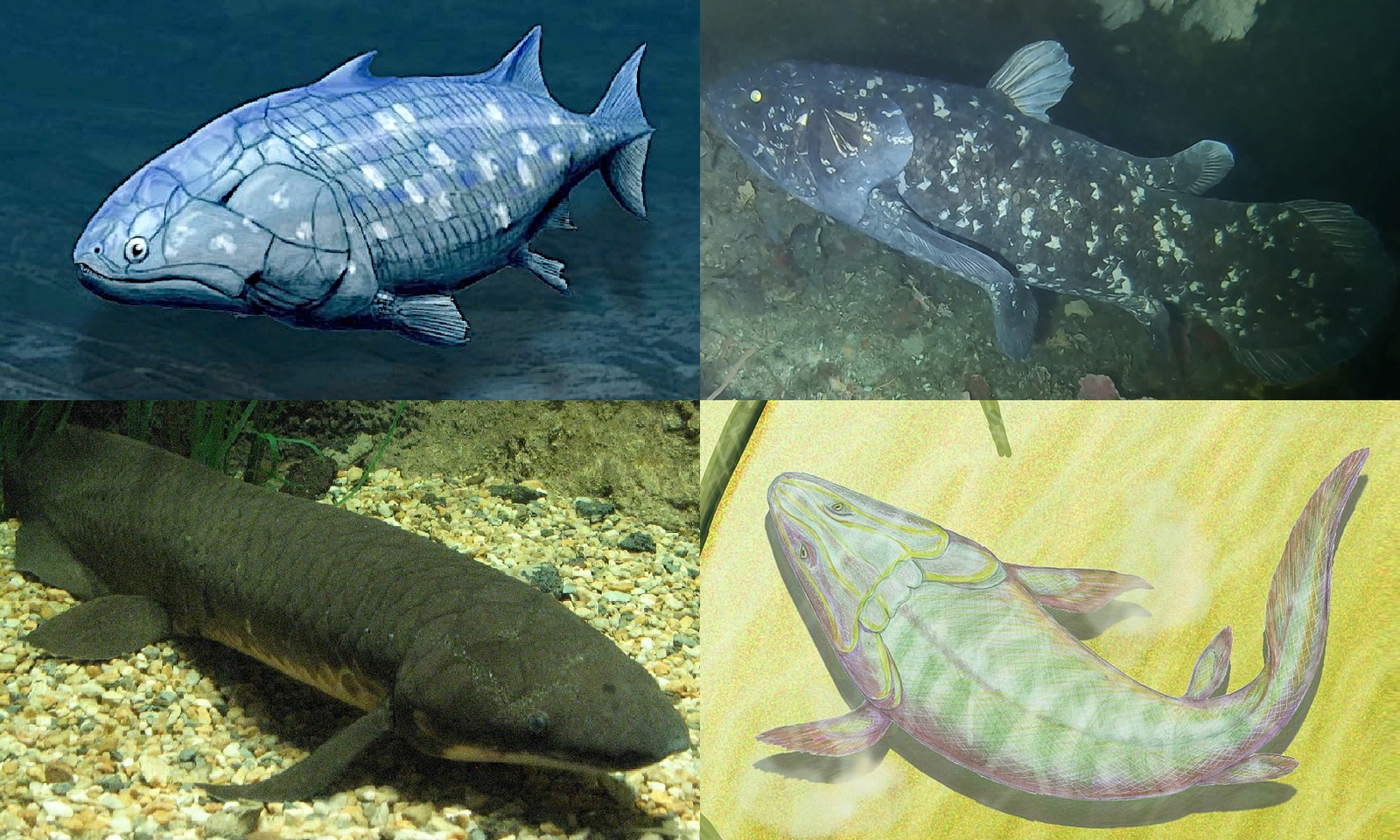
Lobe-finned fish, or sarcopterygians, stand apart in the grand tapestry of evolution. Their defining feature is their fins: instead of being supported by slender rays, their fins are fleshy and contain bones very similar to those found in the limbs of land animals. This unique structure gave them strength and flexibility, allowing them to “walk” along the bottom of shallow waters. Their lungs and gills provided a backup system for breathing, a trait that was absolutely revolutionary. It’s almost as if evolution was tinkering, laying down the blueprint for what would one day become arms and legs. These ancient fish held the secret recipe for life’s great migration onto land.
The Leap from Water to Land

The journey from fish to land animal is one of the most thrilling chapters in natural history. Over 360 million years ago, some adventurous lobe-finned fish began to explore the muddy margins of lakes and rivers. With their sturdy, limb-like fins, they could haul themselves through shallow water and even onto damp earth. This bold move opened new worlds—lands where predators were fewer and plants beckoned. The transformation was gradual, spanning millions of years, but it forever changed the course of life on Earth. Every step you take today is a silent echo of those first awkward crawls onto land.
Meet Your Ancestors: The Tiktaalik Surprise
One fossil, discovered in the Arctic tundra, stands as a symbol of our fishy heritage: Tiktaalik. This remarkable creature bridges the gap between lobe-finned fish and the first true land animals. Tiktaalik had a flat head, eyes on top, and—most importantly—fins with wrists and finger-like bones. It could support its body in shallow water or mud, a true pioneer on the edge of two worlds. Imagine a fish that could do a push-up! Tiktaalik stares back at us from the fossil record, a reminder of the strange, wonderful experiments of evolution that made our very existence possible.
From Fins to Limbs: The Hidden Blueprint
Take a look at your own arm. The bones inside—one long bone (the humerus), two shorter bones (the radius and ulna), followed by a cluster of smaller bones—mirror the structure found in lobe-finned fish. This is not a coincidence. The genetic instructions for building these bones were first written in our aquatic ancestors. Over time, those fins became limbs, and what once helped a fish maneuver through water now lets us throw a ball, wave to a friend, or climb a mountain. It’s a beautifully simple example of nature reusing and refining its own inventions.
The Living Fossils Among Us
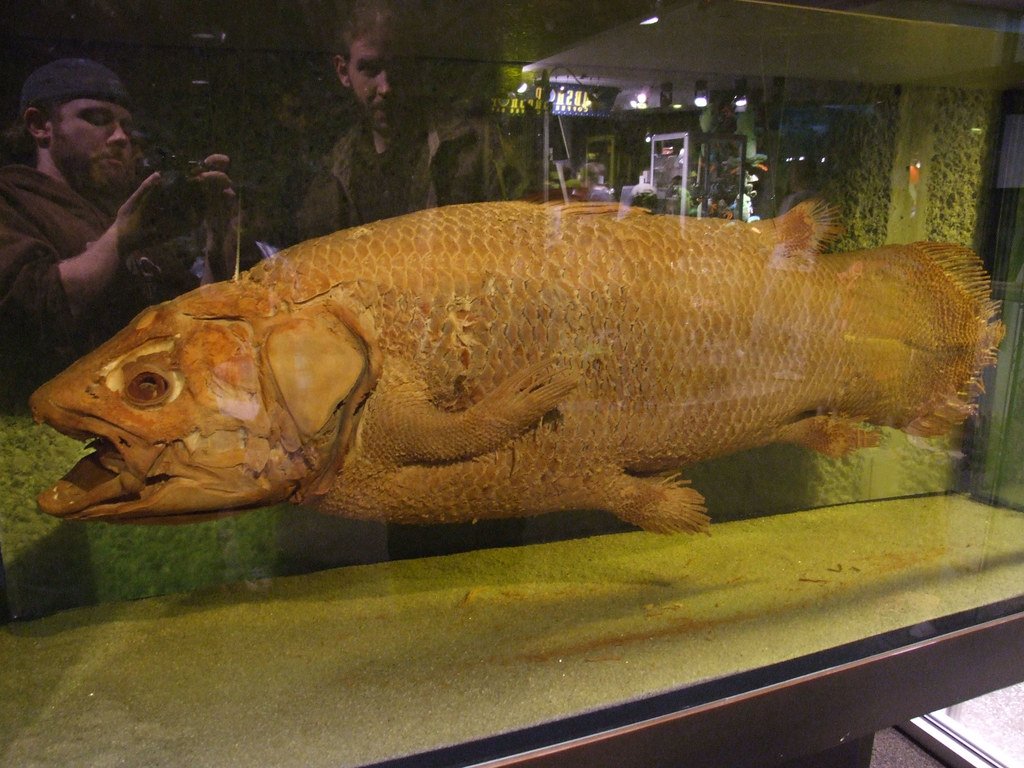
While most lobe-finned fish faded into extinction, a few remarkable survivors swim the oceans today. The coelacanth, with its thick, lobed fins and ancient appearance, was thought extinct until a live one was discovered off the coast of South Africa in 1938. Another distant cousin, the lungfish, can breathe air and bury itself in mud to survive droughts. These living fossils are not just relics; they are living links to our shared past, moving reminders of the deep history we all carry within our genes.
Why This Story Matters: The Power of Evolution
Understanding our lobe-finned ancestry isn’t just a quirky bit of trivia—it’s a window into the power of evolution. This story reveals how tiny changes, accumulated over eons, can transform fins into fingers and fish into philosophers. It shatters the illusion of separateness between humans and the rest of nature. We are part of a grand, unbroken chain, stretching back to those first lobe-finned pioneers. Their legacy lives on in every step we take and every breath we draw.
Modern Science Peers Into the Past
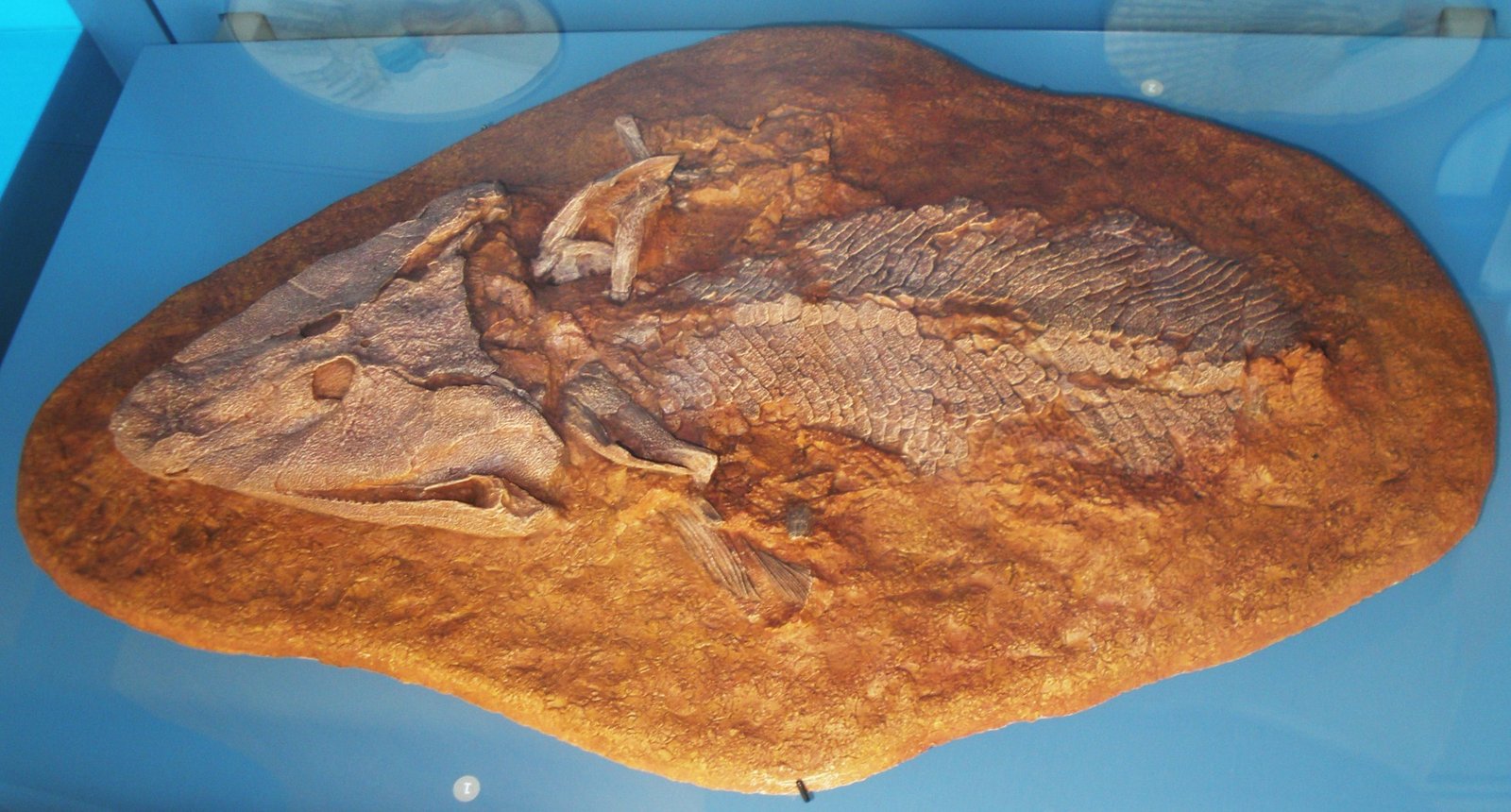
Scientists use tools like genetics, embryology, and paleontology to piece together this ancient puzzle. By comparing DNA from fish and land animals, researchers have pinpointed the genes responsible for limb development. Fossils like Tiktaalik fill in the gaps, while living species like the lungfish offer a living laboratory for studying evolution in action. The scientific journey is far from over; each new discovery deepens our understanding and brings fresh excitement to the story of life’s great transitions.
The Emotional Connection: We Are All Linked

There’s something profoundly moving about realizing that our hands, lungs, and even the way we move are gifts from ancient, water-dwelling relatives. This knowledge can foster a sense of humility and unity, reminding us that we are all connected—humans, animals, and the planet itself. It’s a reminder to cherish the natural world and respect the journey that brought us here. When you look at your own fingers or take a deep breath, you’re honoring a legacy that stretches back through the ages.
Imagination Unleashed: Picture Your Fishy Self
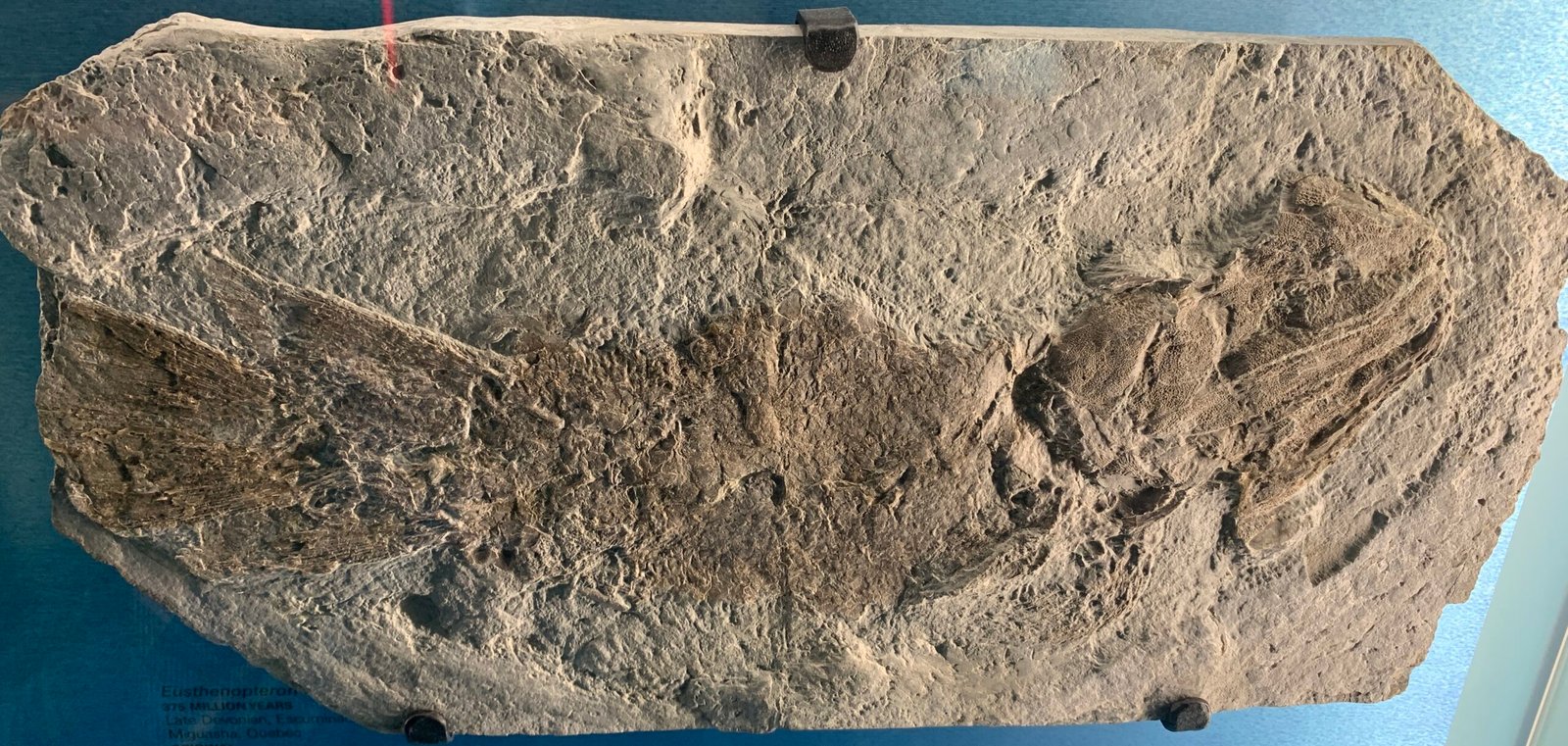
Close your eyes and picture your reflection morphing, just for a moment, into a lobe-finned fish gliding through warm, ancient waters. It’s an image that’s both funny and awe-inspiring, a playful way to connect with your evolutionary past. Next time you swim, walk, or simply flex your hand, think about the incredible journey that made it possible. Your body is a living museum, displaying the echoes of a time when fish dreamed of land.
The Legacy Continues
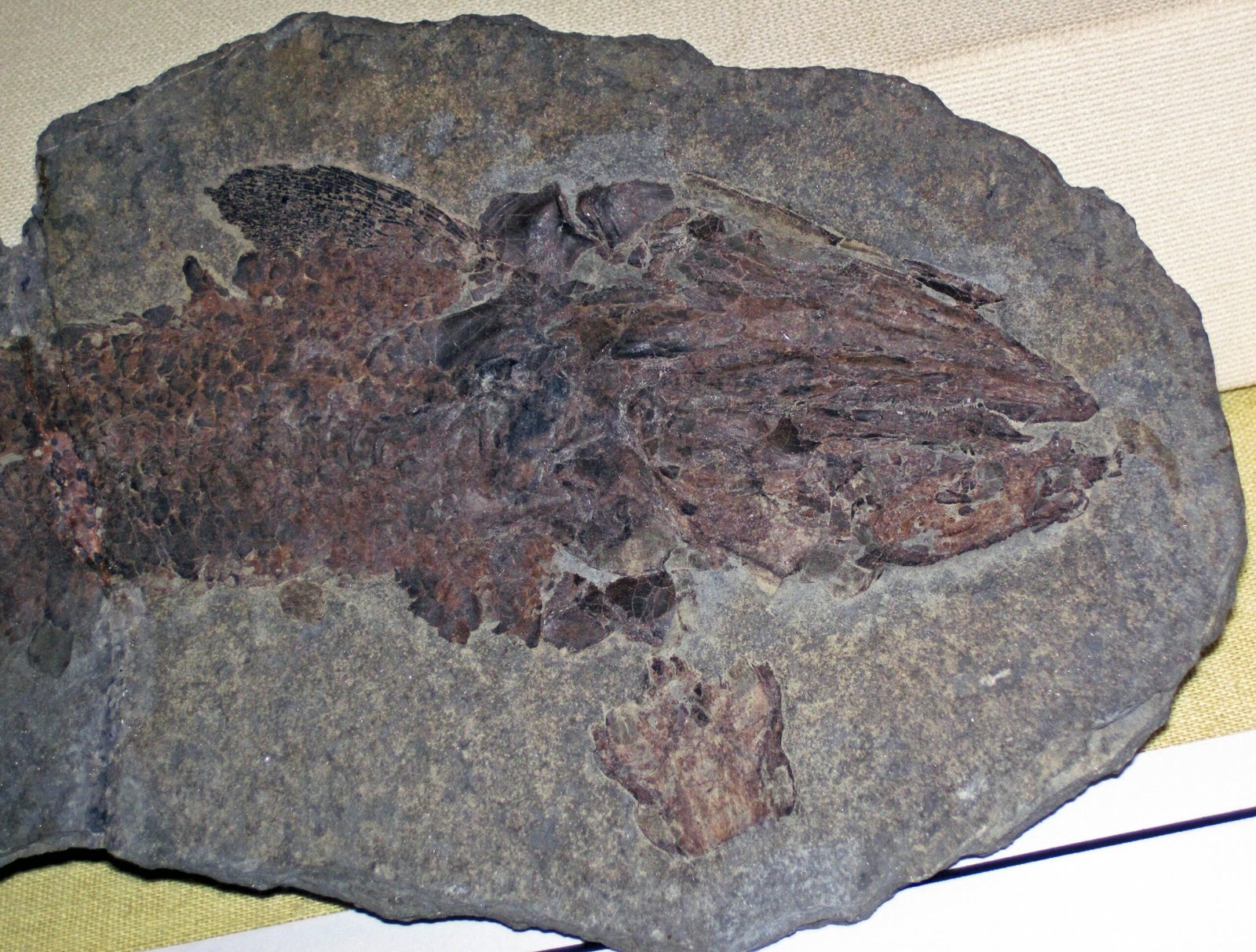
The story of the lobe-finned fish is not over; it’s alive in every living creature with bones in their limbs. From the tiniest mouse to the tallest giraffe, and from Olympic athletes to children learning to crawl, the legacy of those ancient pioneers lives on. Their leap from water to land started a chain reaction that led to forests, deserts, cities, and everything in between. Our shared origin story binds us together, across time and species.
The next time you look at your hands, remember: you’re more than just human. You’re a lobe-finned fish in disguise, carrying the story of life’s greatest adventure in every cell of your body. Isn’t it extraordinary to think just how fishy your family tree really is?