Imagine a world where silent heroes work tirelessly beneath the waves, shaping the fate of entire ecosystems without ever making a sound. These heroes are not whales or dolphins, but humble clams—creatures so unassuming that most people walk past them on beaches without a second thought. Yet these tiny shells are nature’s hidden powerhouses, tirelessly filtering our oceans, cleaning the water, and supporting a rich tapestry of marine life. The story of clams is not just about survival; it’s about resilience, environmental stewardship, and the breathtaking interconnectedness of life beneath the sea.
The Unsung Architects of Ocean Health
Clams may seem like simple creatures, but their role in the ocean is anything but ordinary. Acting as nature’s living water filters, clams pull in gallons of seawater each day, trapping particles, plankton, and even pollutants within their shells. This process not only clears the water but helps maintain the delicate balance needed for countless marine species to thrive. Much like the roots of a tree purify the soil, clams purify the ocean, supporting a healthy, vibrant aquatic environment. Their presence often marks the difference between murky, lifeless waters and sparkling, flourishing marine habitats.
How Clams Filter Water So Efficiently
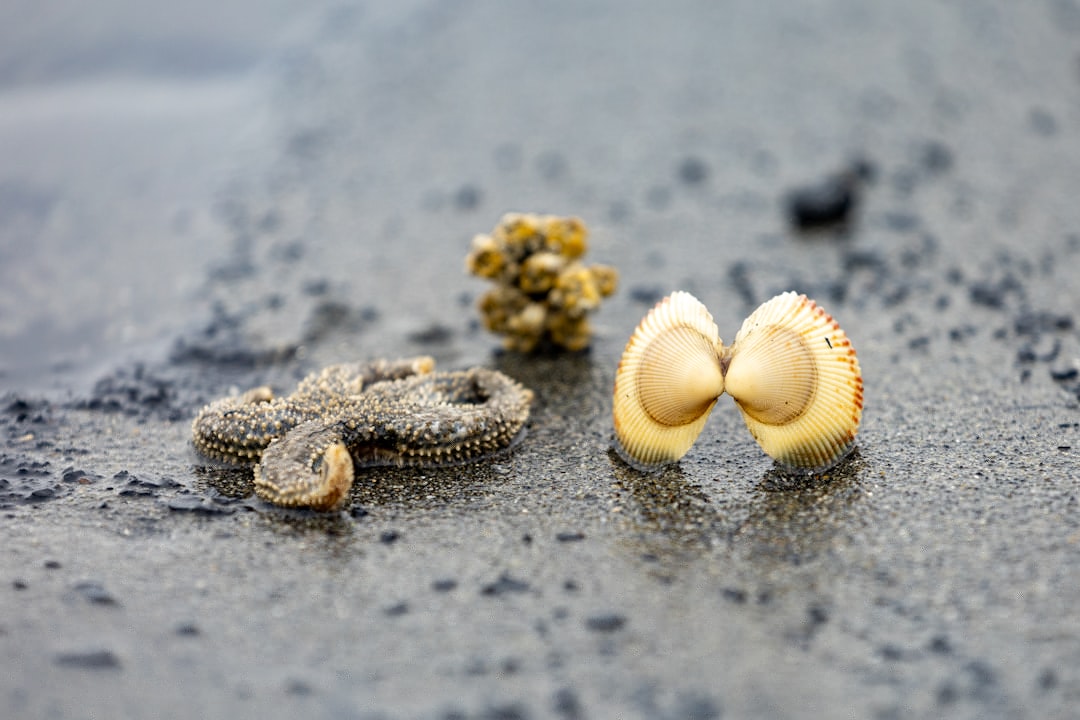
The magic of clam filtration lies in their anatomy. With specialized siphons, clams draw water into their bodies, passing it over gill structures that act like ultra-fine sieves. These gills trap tiny particles, from microscopic algae to organic debris, while clean water flows back out. In just one day, a single adult clam can filter up to 24 gallons of seawater—imagine the impact of an entire bed of clams working in harmony. This natural filtration system rivals even advanced human-made water purification methods, all powered by the simplicity and elegance of nature.
The Ripple Effect: Clams and Biodiversity
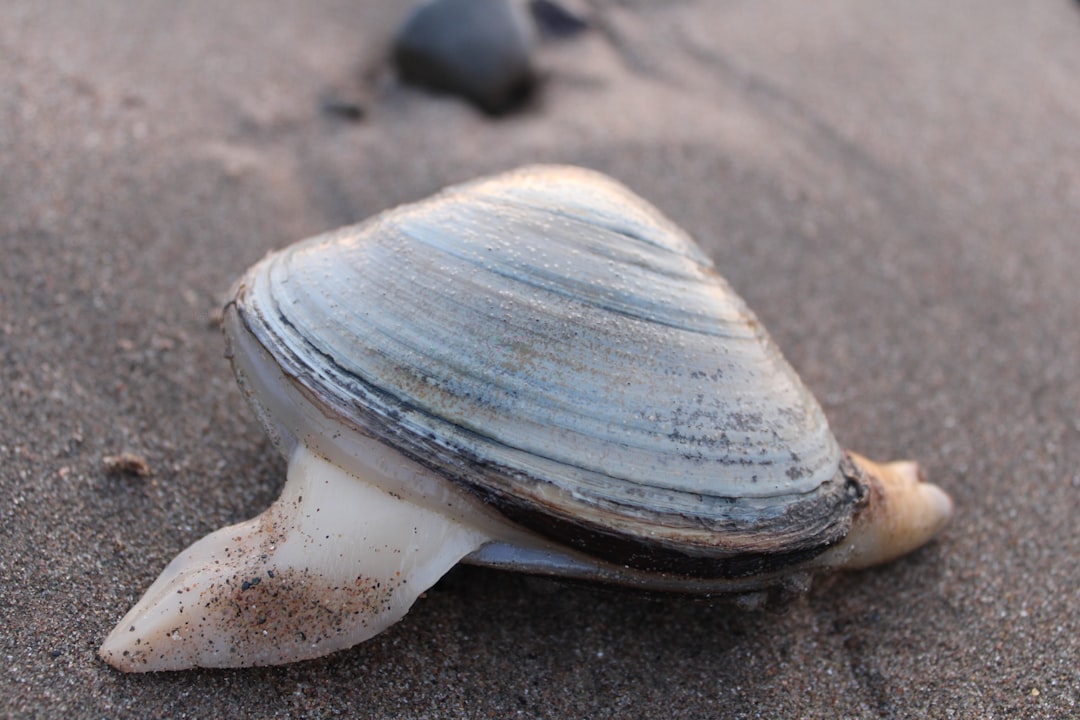
Clams do more than clean water; they create thriving neighborhoods for other sea creatures. Their shells offer shelter to small fish, crabs, and a host of invertebrates, transforming barren seafloors into bustling underwater cities. The nutrient-rich waste clams produce feeds seagrasses and algae, which in turn support other marine animals. This ripple effect fosters biodiversity, making clam beds vital hotspots of ocean life. Without clams, many species would struggle to find food and shelter, leading to a dramatic loss in marine diversity.
Clams Versus Pollution: Nature’s Cleanup Crew
In a world where pollution threatens every corner of the planet, clams stand out as natural allies in the fight against environmental damage. They are particularly skilled at removing excess nutrients, such as nitrogen and phosphorus, which can trigger harmful algal blooms and dead zones. By filtering these substances from the water, clams help restore the balance and prevent the suffocation of other marine life. Their ability to trap heavy metals and microplastics is still being studied, but early findings are promising—suggesting that these humble mollusks could play a key role in ocean cleanup efforts.
Famous Clams: Not All Shells Are Alike
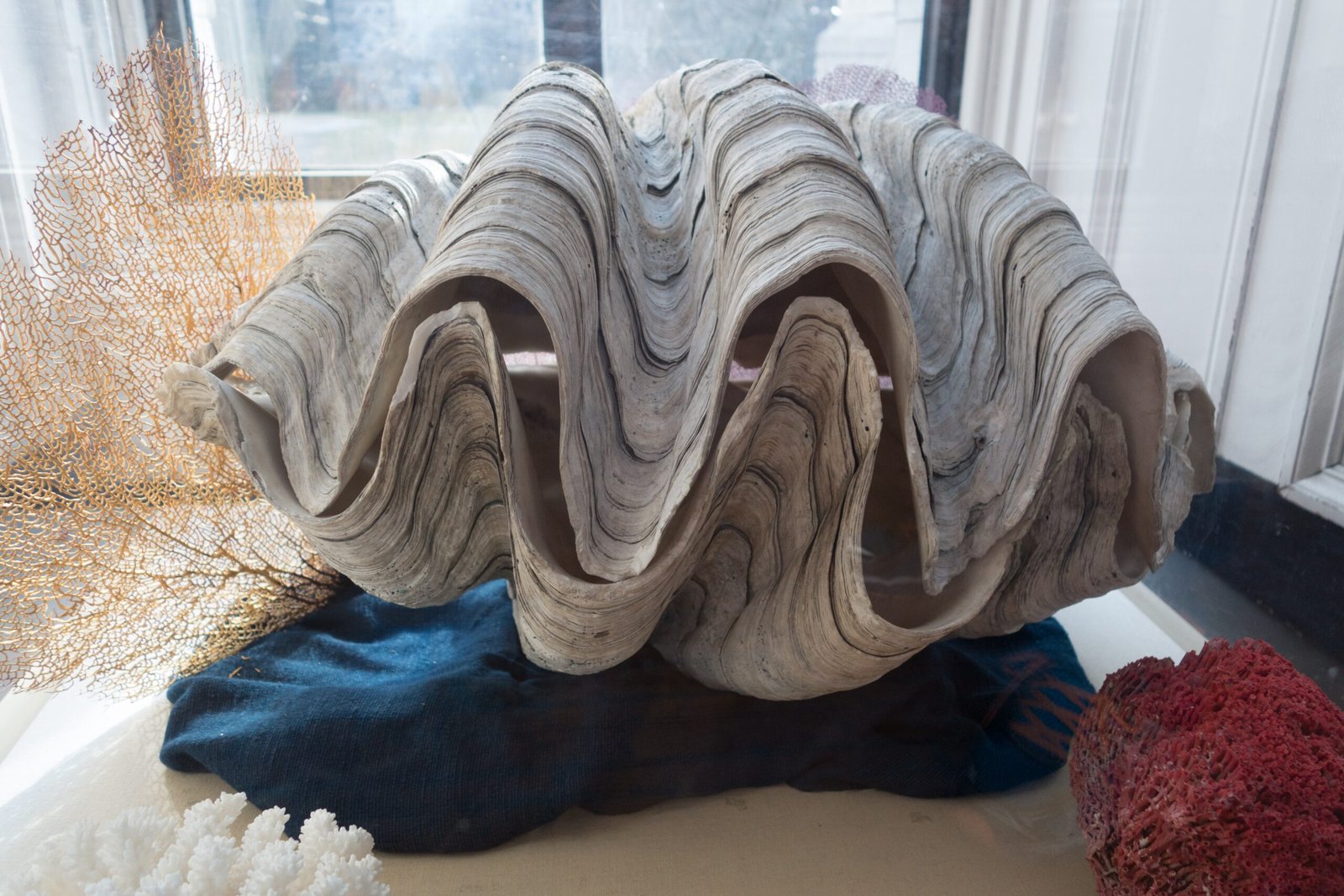
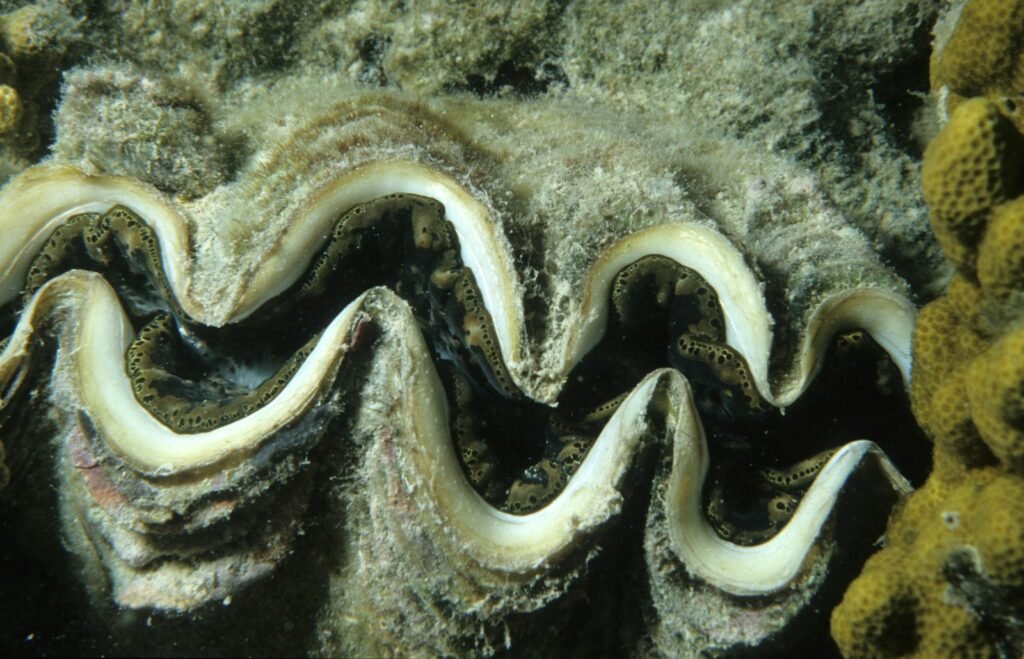
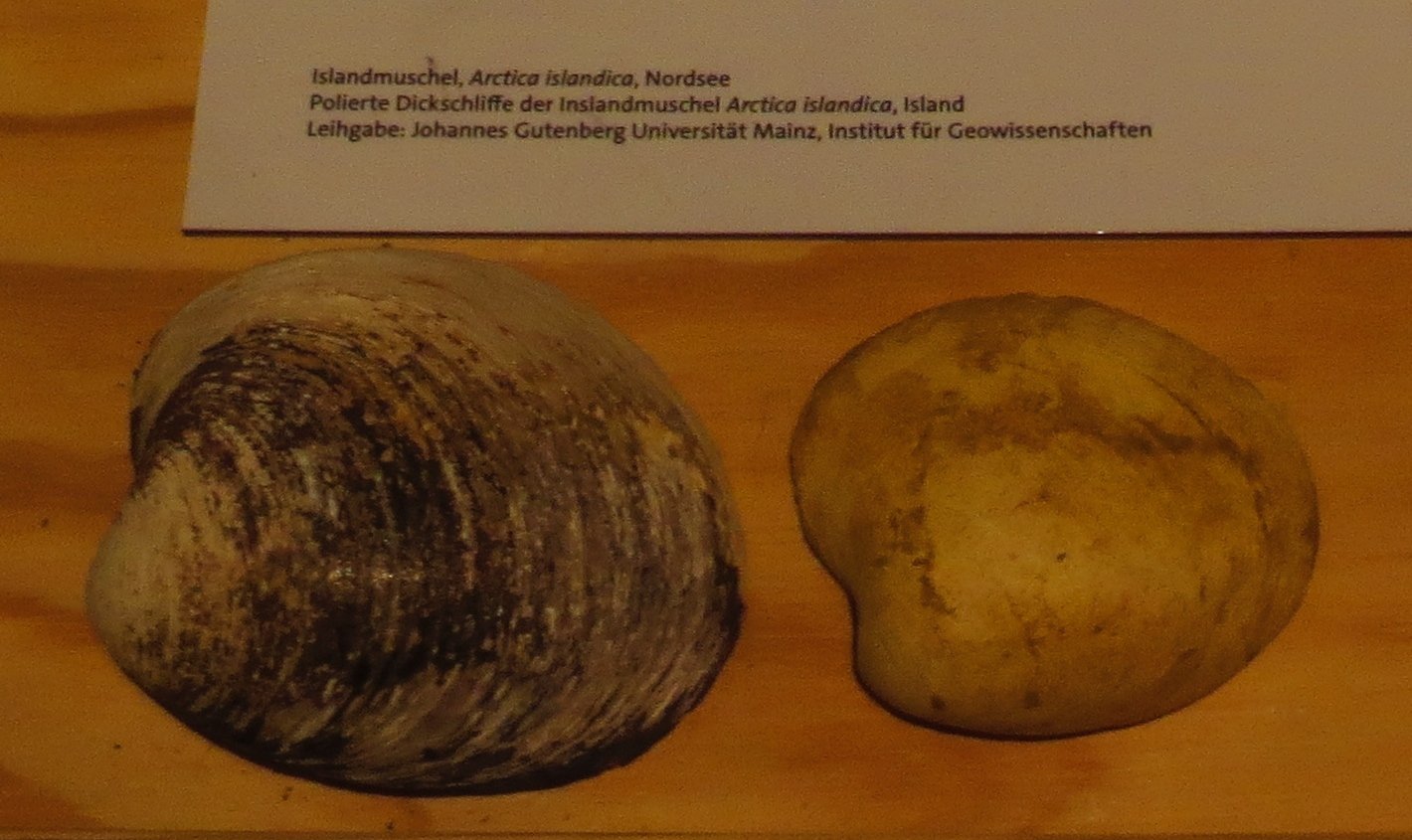
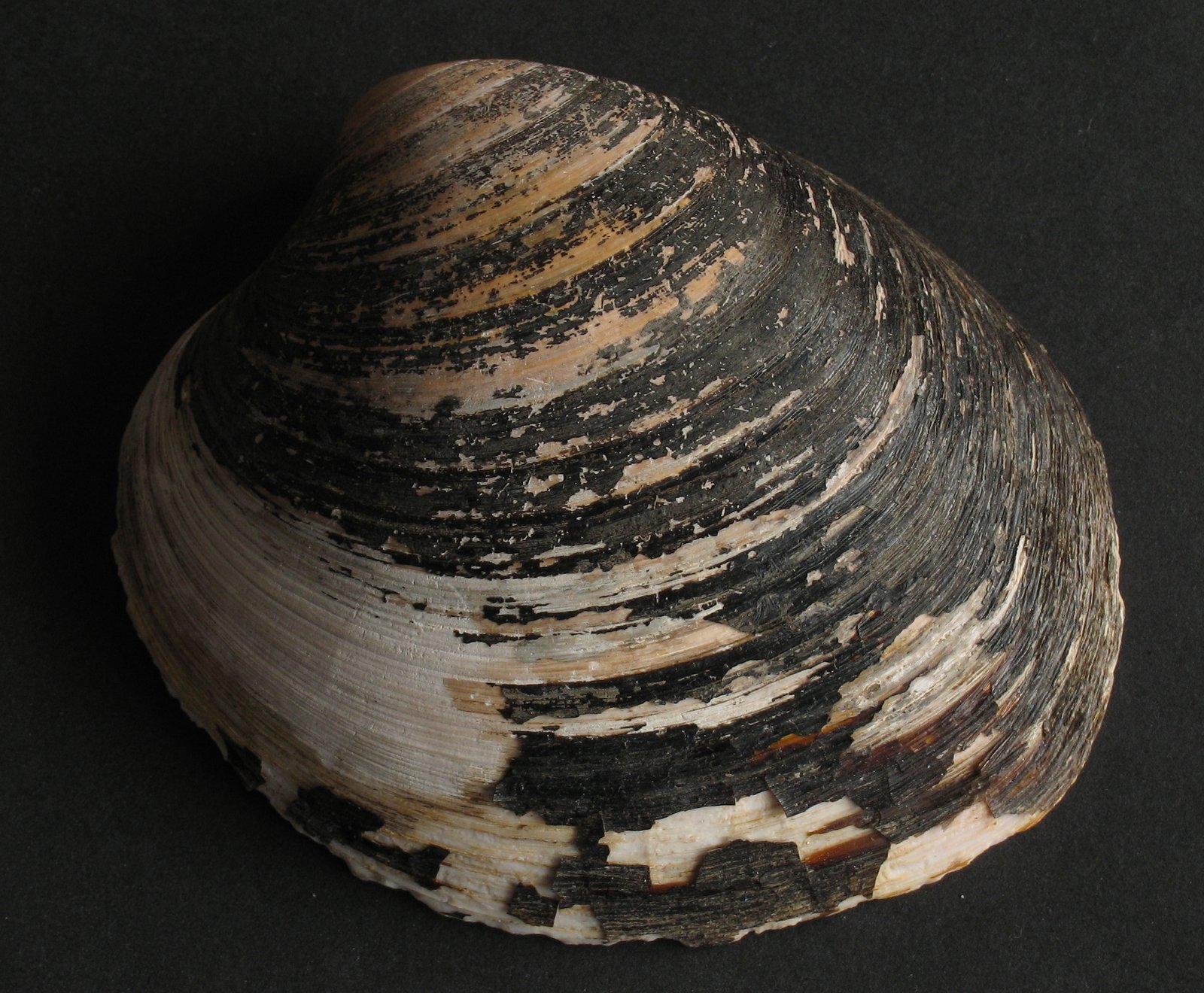
While all clams contribute to ocean health, some species are especially remarkable. The giant clam, for example, can reach over four feet in length and filter massive amounts of water daily. Soft-shell clams, found along many coastlines, are champions at surviving in shifting sands and brackish waters. Then there’s the quahog, a hard-shelled clam known for its longevity—some live over a century and continue filtering water throughout their lives. Each species brings unique strengths to its ecosystem, proving that even the smallest creatures can have outsized impacts.
Clams and Coastal Communities: A Shared Destiny
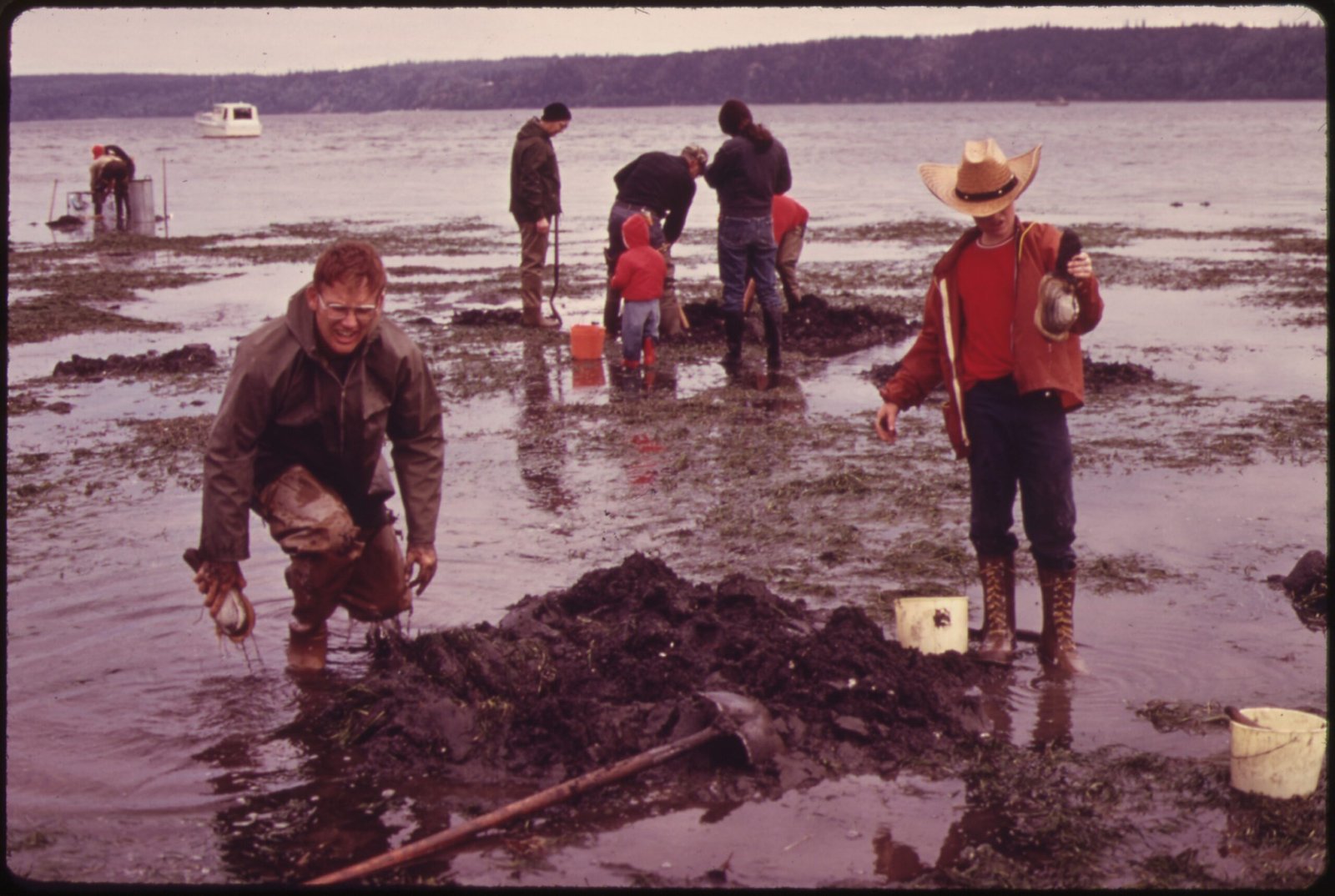
For countless coastal communities around the world, clams are more than just environmental stewards—they are a source of livelihood and cultural heritage. Harvesting clams has been a tradition for generations, providing food, income, and even medicinal uses. Local festivals celebrate the annual clam harvest, bringing people together and reminding everyone of their deep connection to the sea. The well-being of these communities is often tied to the health of clam populations, highlighting just how intertwined human and marine lives truly are.
Climate Change and the Clam Challenge
Rising ocean temperatures and acidification pose growing threats to clams. Warmer waters can disrupt their reproduction, while acidic conditions weaken their shells, making them more vulnerable to predators and disease. Scientists are racing to understand how these stressors will affect clam populations and, by extension, the ecosystems they support. In some areas, conservationists are restoring clam beds to help buffer coastlines against erosion and provide resilience in the face of a changing climate. The fate of clams, and the oceans they help sustain, hangs in the balance.
Restoring Clam Populations: Hope on the Horizon
Efforts to restore and protect clam populations are gaining momentum worldwide. Marine reserves and no-harvest zones allow clams to recover, while hatcheries raise young clams for reintroduction into the wild. In some regions, volunteers help plant millions of baby clams, giving nature a much-needed helping hand. These projects not only revive clam numbers but also rejuvenate entire ecosystems, bringing cleaner water and richer marine life back to struggling coastlines. The positive changes are often visible within just a few years, proving that dedicated action can yield remarkable results.
Clams in Science: Unlocking Nature’s Secrets
Researchers are fascinated by the clam’s ability to filter toxins and adjust to changing environments. By studying clams, scientists hope to develop new ways to monitor water quality and track pollution. Clams can serve as living indicators, revealing the health of an ecosystem with surprising accuracy. Their shells, marked by growth rings much like tree trunks, record past environmental conditions, offering clues to climate history and ocean changes over time. The more we learn about clams, the more we realize how much they have to teach us.
What We Can Do: Protecting the Ocean’s Filtration System
Ordinary people have a role to play in safeguarding clams and the oceans they clean. Simple actions—like reducing plastic use, supporting sustainable seafood, and participating in local beach cleanups—can make a real difference. Advocating for marine protected areas and responsible harvesting ensures that clam populations remain strong for future generations. By valuing these small but mighty creatures, we help protect the very foundation of ocean health. Every effort, no matter how small, contributes to a cleaner, more vibrant world beneath the waves.
The ocean’s future depends on the work of its tiniest citizens and the choices we make every day. What will you do to help these tiny shells continue their huge impact?