Cannibalism is a survival strategy observed in many species, but labyrinth spiders (Agelena labyrinthica) exhibit a fascinating twist. Despite their cannibalistic tendencies, these spiders avoid attacking their living siblings, even when starving. However, once a sibling dies, its body becomes a viable food source. Recent studies shed light on the mechanisms behind this behavior and its implications for understanding social signals in arachnids.
Sibling Tolerance: The Role of Social Signals
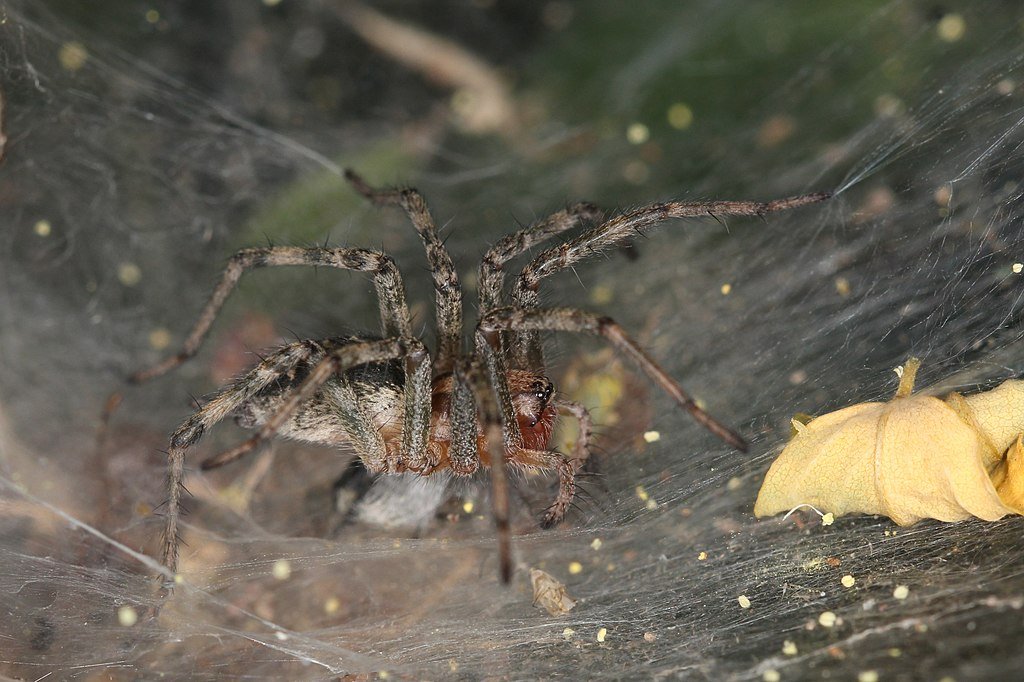
Labyrinth spiderlings emit specific social signals that prevent cannibalism among living siblings. These signals, which are likely chemical or mechanical in nature, help maintain harmony within the web. Researchers found that spiderlings raised in groups were significantly less aggressive toward each other compared to those raised in isolation. This suggests that social interactions play an important role in fostering sibling tolerance.
Cannibalism After Death: A Survival Mechanism
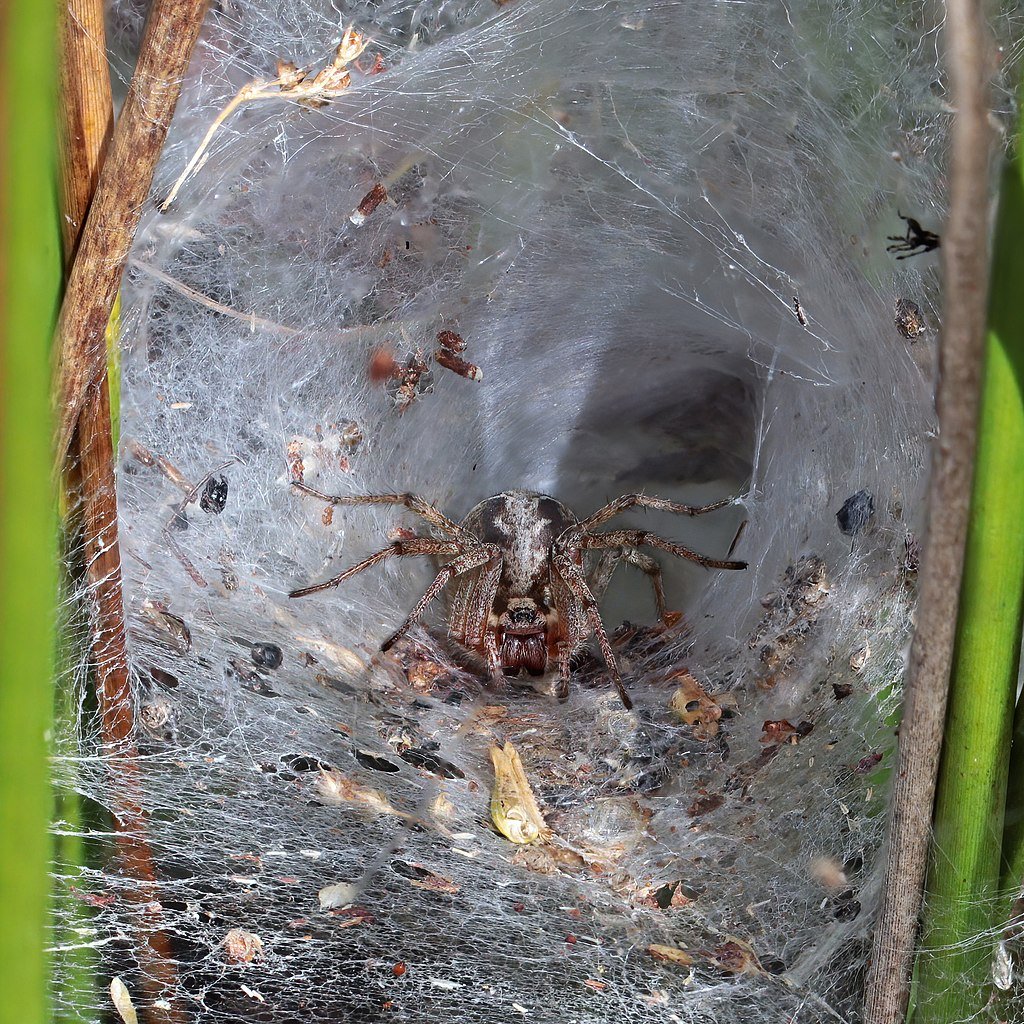
While living siblings are spared, the story changes once a spiderling dies. The same social signals that prevent cannibalism cease to function after death, making the corpse a viable food source. This behavior is surprising, as spiders typically prefer live prey. Researchers believe this adaptation allows spiderlings to maximize survival in resource-scarce environments.
Implications for Arachnid Behavior Studies
The findings highlight the complexity of arachnid social behaviors and their evolutionary significance. Understanding how spiders recognize and respond to social signals can provide insights into the development of rare social traits in typically solitary species. This research also opens avenues for studying the balance between cooperation and competition in animal groups.
Conclusion
The behavior of labyrinth spiders underscores the delicate balance between survival instincts and social tolerance. By sparing their living siblings and consuming only the dead, these spiders demonstrate a unique adaptation to their environment. As research continues, these findings may reveal broader patterns of social behavior and survival strategies in the animal kingdom.
Source: