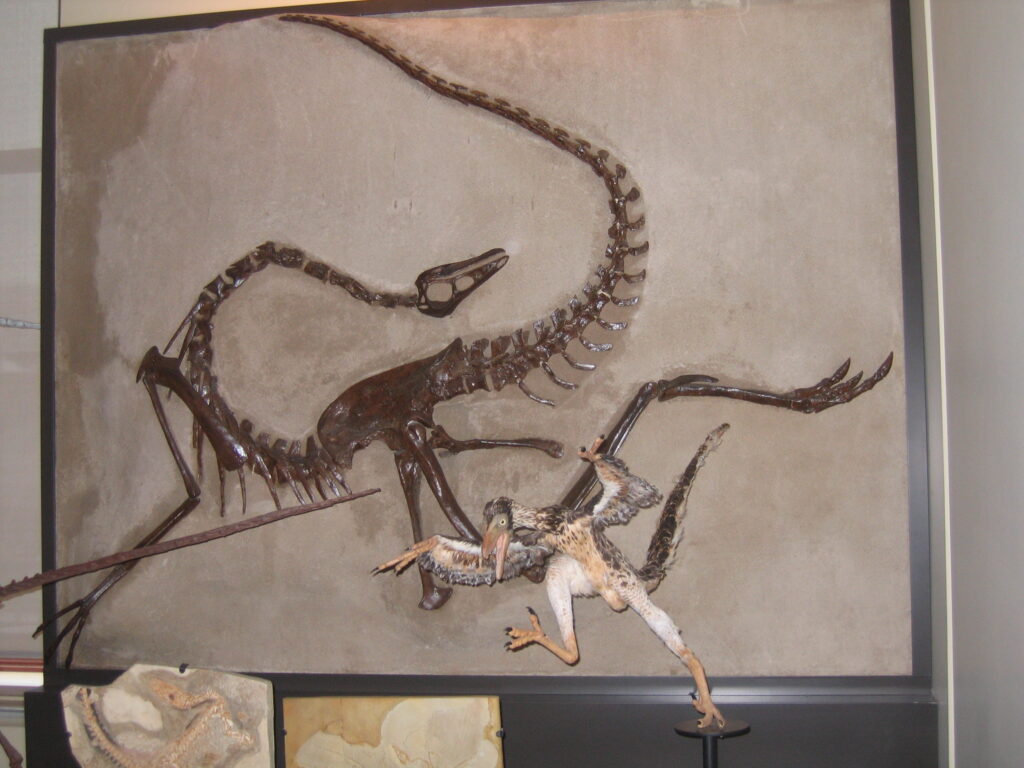
Have you ever wondered how certain creatures from millions of years ago are preserved so perfectly that they look like they could spring back to life? The answer lies in a fascinating process known as rapid burial. This natural phenomenon acts like nature’s time capsule, preserving organisms in a state that can last for eons. Imagine stumbling upon a snapshot of Earth’s ancient history, frozen in time. The process of rapid burial doesn’t just preserve bones; it captures a moment, a day, or even a season from a world long gone. But how does this happen, and why is it so pivotal for paleontologists? Let’s delve into the astonishing world of rapid burial and its role in the fossil record.
The Magic of Sediment: Nature’s Blanket
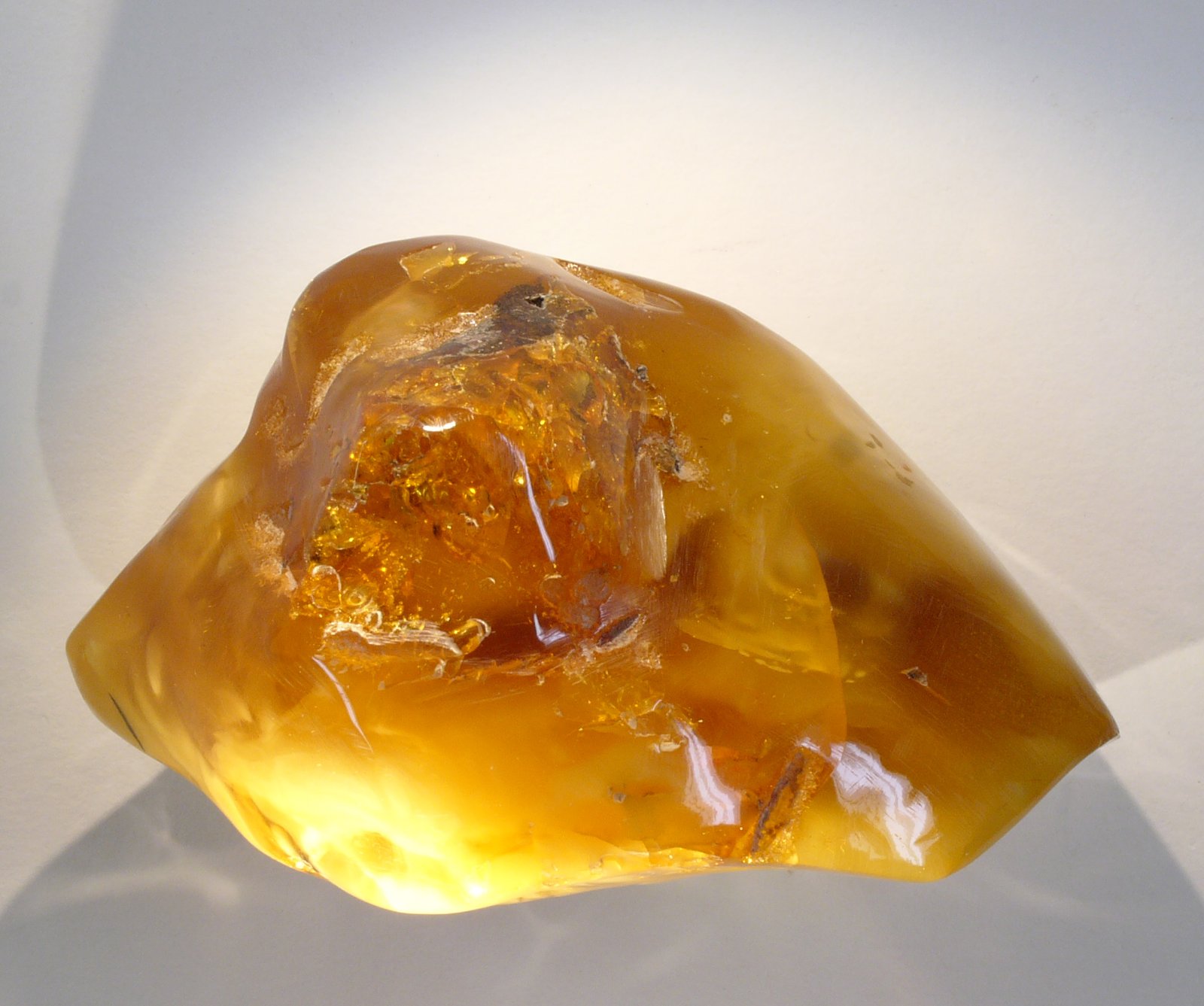
Sediment plays a crucial role in the fossilization process. When an organism dies, it is often rapidly covered by layers of sediment. Think of sediment as nature’s protective blanket, shielding the remains from scavengers and the elements. This immediate coverage is essential because it reduces the chances of decomposition. Without this protective layer, the remains would likely disintegrate, leaving no trace of their existence. The sediment acts as a barrier, allowing the slow process of fossilization to begin. Over time, minerals seep into the bones, turning them into stone and preserving them for millions of years.
From Flesh to Fossil: A Slow Transformation
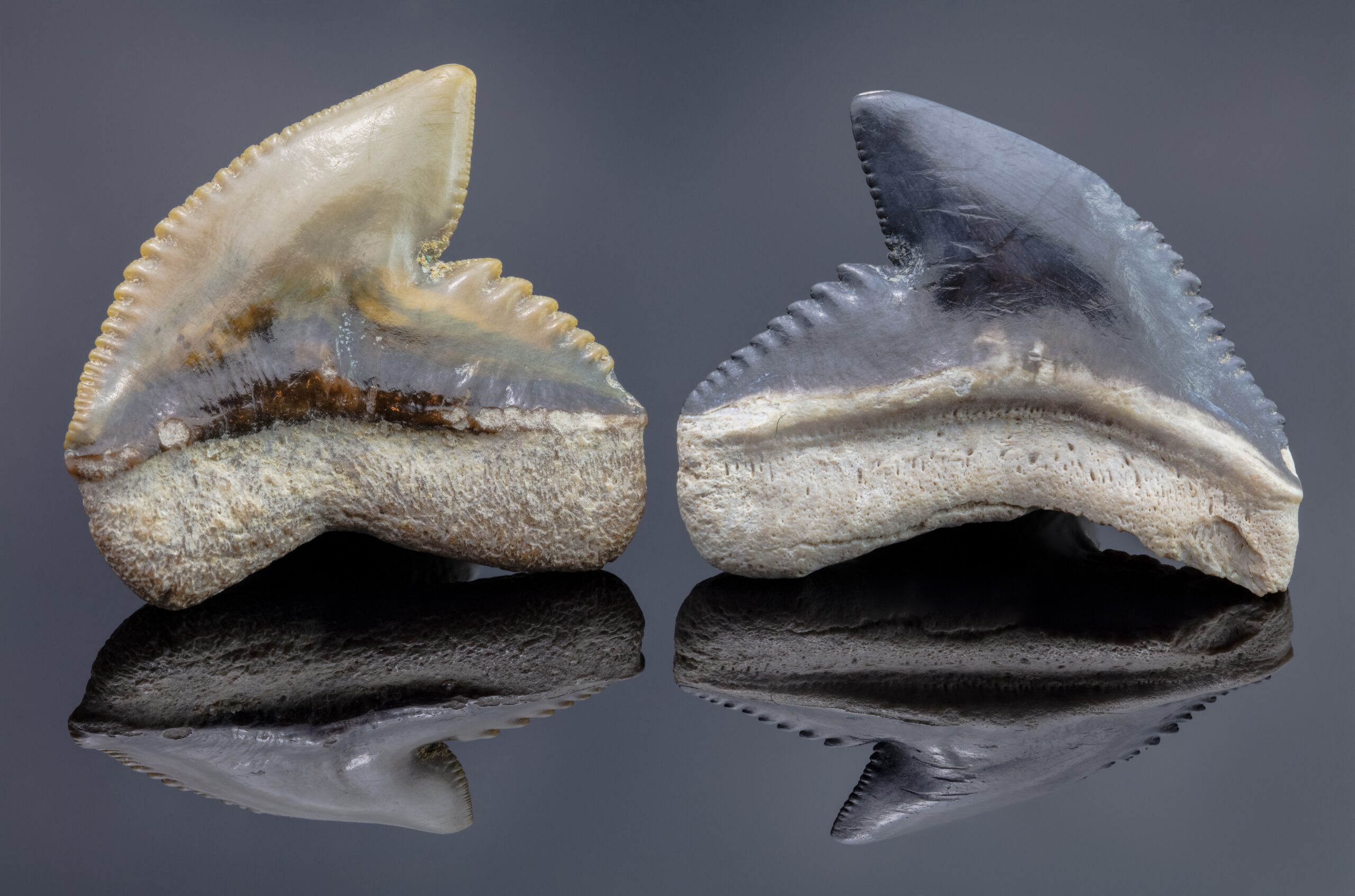
The journey from a living organism to a fossil is a slow and intricate transformation. Once buried, the soft tissues of the organism begin to decay, but the hard parts, like bones and shells, remain. As groundwater percolates through the sediment, it carries minerals that gradually replace the organic material. This process, known as permineralization, is what turns the remains into a fossil. It’s a slow but steady transformation, taking thousands to millions of years. The result is a rock-hard replica of the original organism, preserved for eternity.
Catastrophic Events: Nature’s Fast Forward Button
While sedimentation is a gradual process, certain catastrophic events can accelerate it dramatically. Think of volcanic eruptions, landslides, or floods. These events can bury living organisms in an instant, preserving them in their final moments. For example, the eruption of Mount Vesuvius in AD 79 rapidly buried the city of Pompeii, preserving its inhabitants and their surroundings in remarkable detail. Similarly, such events in the distant past have created fossil beds that capture entire ecosystems frozen in time, offering invaluable insights into ancient life.
Exceptional Preservation: The Role of Anoxic Environments
In some cases, fossils are preserved with astonishing detail, even down to the soft tissues. This level of preservation often occurs in anoxic environments, where oxygen is absent. Without oxygen, the bacteria that cause decay cannot thrive, allowing soft tissues to remain intact. The Burgess Shale in Canada is a famous example, where soft-bodied organisms from over 500 million years ago have been preserved with incredible detail. These fossils provide a rare glimpse into the diversity and complexity of early life on Earth.
The Fossil Record: A Window into Earth’s Past
The fossil record is like a vast library of Earth’s history, with each fossil acting as a page in a book. Through fossils, scientists can piece together the story of life on Earth, from the simplest single-celled organisms to the most complex dinosaurs. They reveal how species have evolved over time, adapted to changing environments, and even how they interacted with one another. Fossils are not just remnants of the past; they are keys to understanding our planet’s dynamic history.
Challenges in Fossilization: The Role of Rapid Burial
Despite the importance of fossils, the process of fossilization is fraught with challenges. Most organisms decompose before they can be fossilized, leaving gaps in the fossil record. This is why rapid burial is so critical. By covering remains quickly, it increases the chances of preservation. However, not all environments are conducive to rapid burial. Fossilization is more likely to occur in areas with active sedimentation, such as river deltas or ocean floors. This uneven distribution means that some periods of Earth’s history are better represented in the fossil record than others.
Unearthing the Past: The Work of Paleontologists
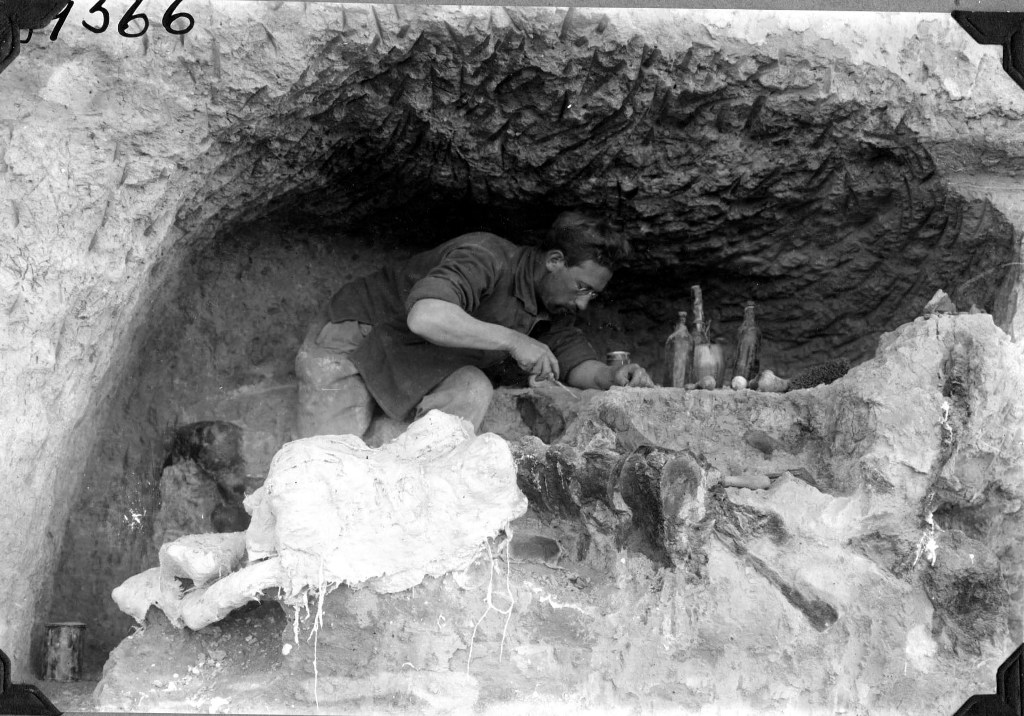
Paleontologists are the detectives of the ancient world, piecing together the story of life from the clues left behind in fossils. Their work involves painstaking excavation, careful analysis, and sometimes a bit of luck. When they uncover a fossil, it’s like opening a time capsule, offering a glimpse into a world that existed millions of years ago. Each discovery adds a new piece to the puzzle of Earth’s history, helping us understand how life has evolved and adapted over time.
Fossils and Evolution: Tracing the Tree of Life
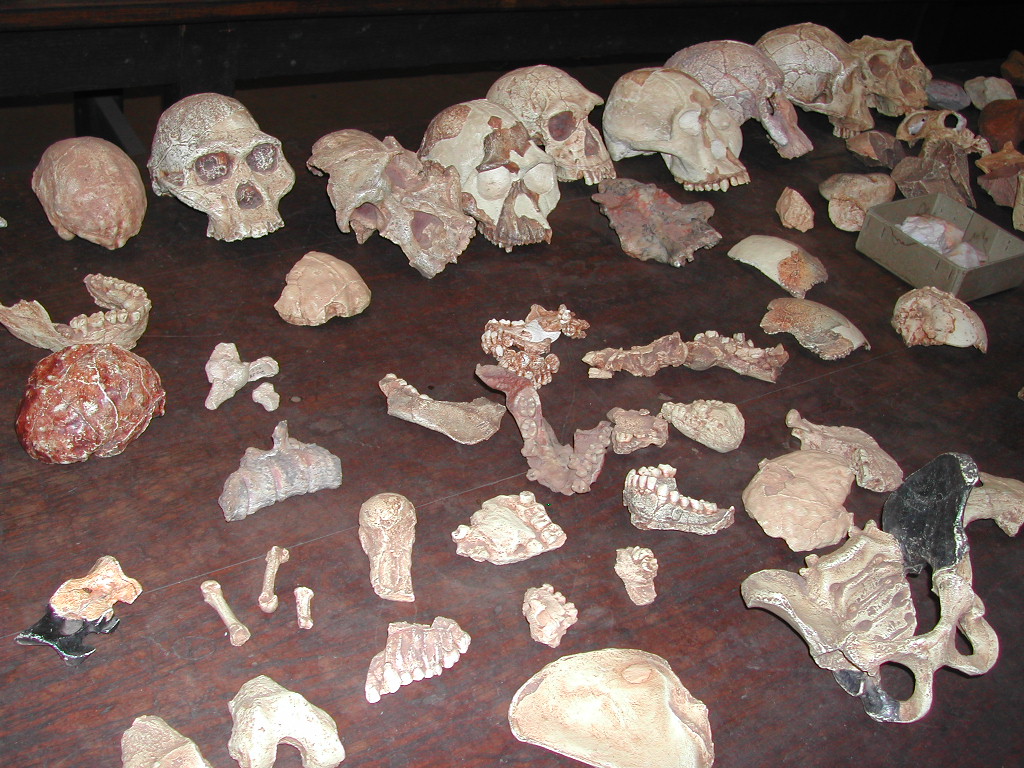
Fossils are crucial for understanding evolution, providing evidence of how species have changed over time. By studying fossils, scientists can trace the lineage of modern species back to their ancient ancestors. This helps us understand the connections between different species and how they have adapted to changing environments. The fossil record is a testament to the resilience and adaptability of life, showing how species have survived and thrived through countless challenges.
The Future of Fossil Discovery: New Techniques and Technologies
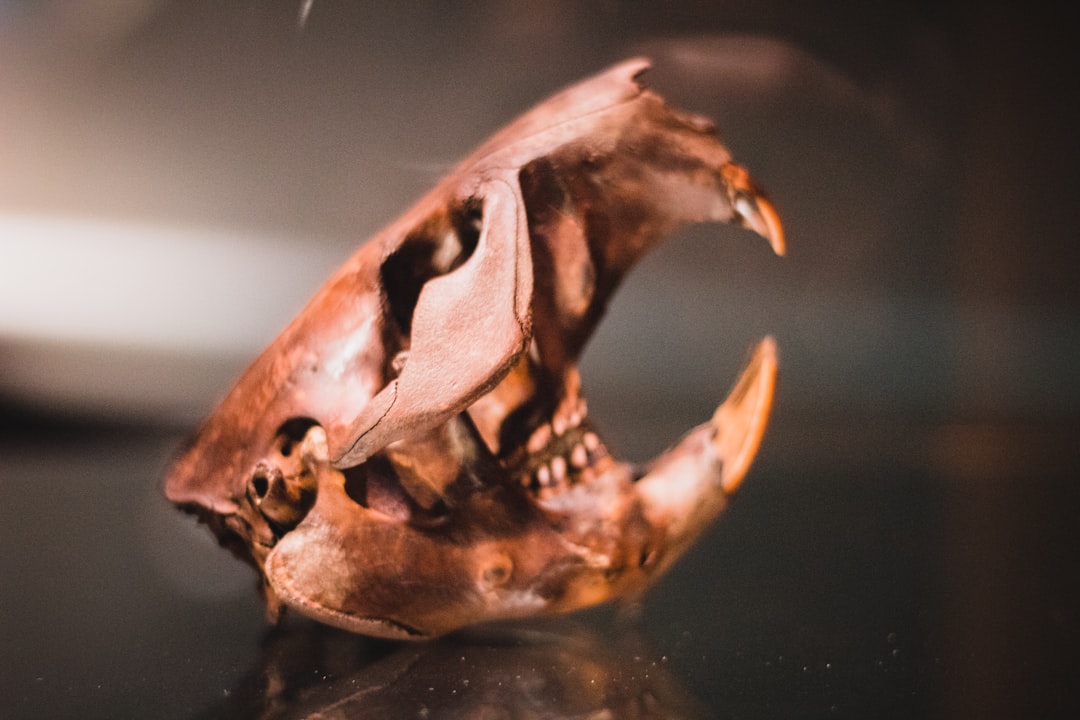
Advancements in technology are revolutionizing the field of paleontology, allowing scientists to study fossils in new and exciting ways. Techniques like CT scanning and 3D modeling provide detailed insights into the structure and function of ancient organisms. These tools enable researchers to uncover information that was previously inaccessible, offering a deeper understanding of the past. As technology continues to evolve, so too will our understanding of the fossil record, revealing even more secrets of Earth’s history.
The Legacy of Fossils: A Reminder of Earth’s Dynamic History
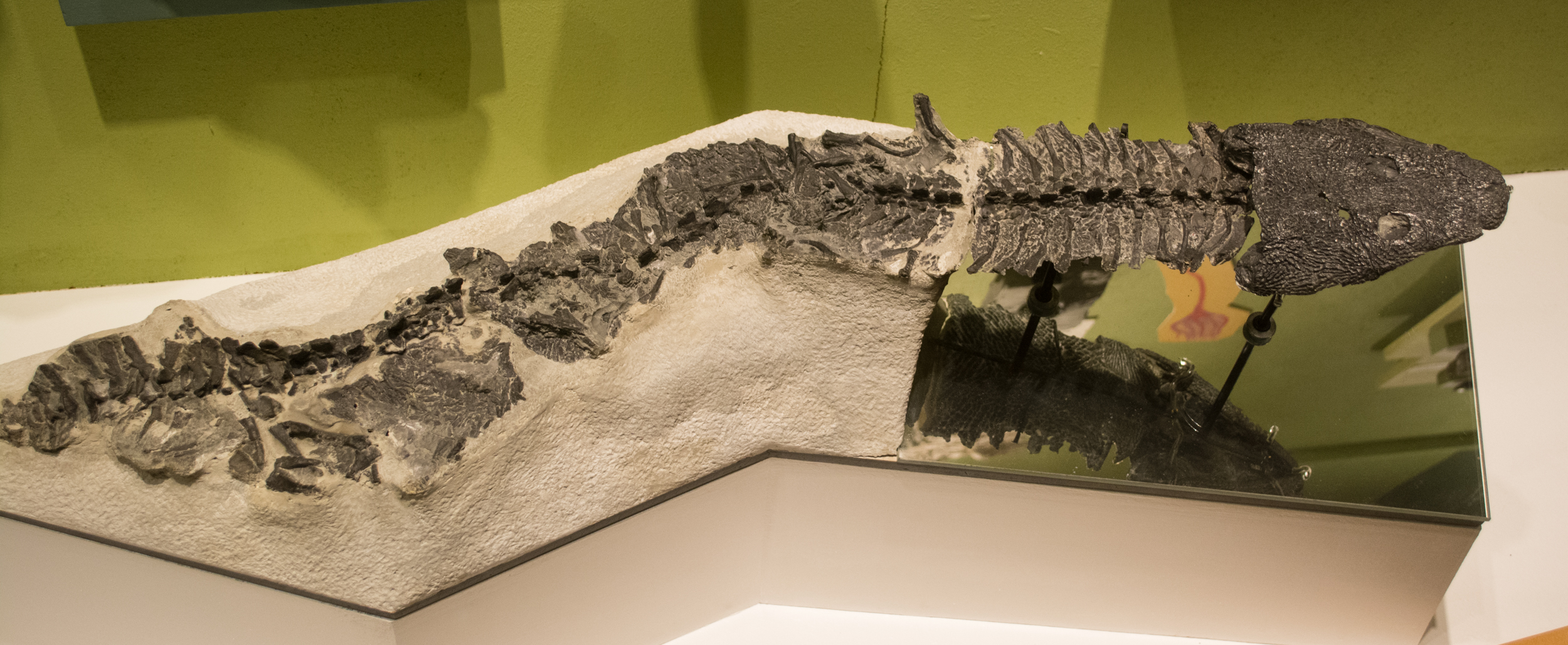
Fossils are more than just ancient relics; they are a reminder of Earth’s dynamic history and the ever-changing nature of life. They teach us about the diversity of life that once existed and the forces that have shaped our planet. Each fossil is a testament to the passage of time, a snapshot of a world that has long since vanished. As we continue to study fossils, we gain a greater appreciation for the complexity and beauty of life on Earth. What stories will the next fossil discovery tell?