


Imagine a river so mighty that it carved through mountains, created rich ecosystems, and nourished civilizations for centuries. Now, picture that same river slowly dwindling until it no longer reaches its final destination—the sea. This is the story of the Colorado River Delta, a poignant tale of transformation that raises questions about our relationship with nature and the consequences of human intervention. As we delve into the drying of the Colorado Delta, we uncover a narrative that is as surprising as it is sobering.
The Colorado River: A Lifeline Through Arid Lands
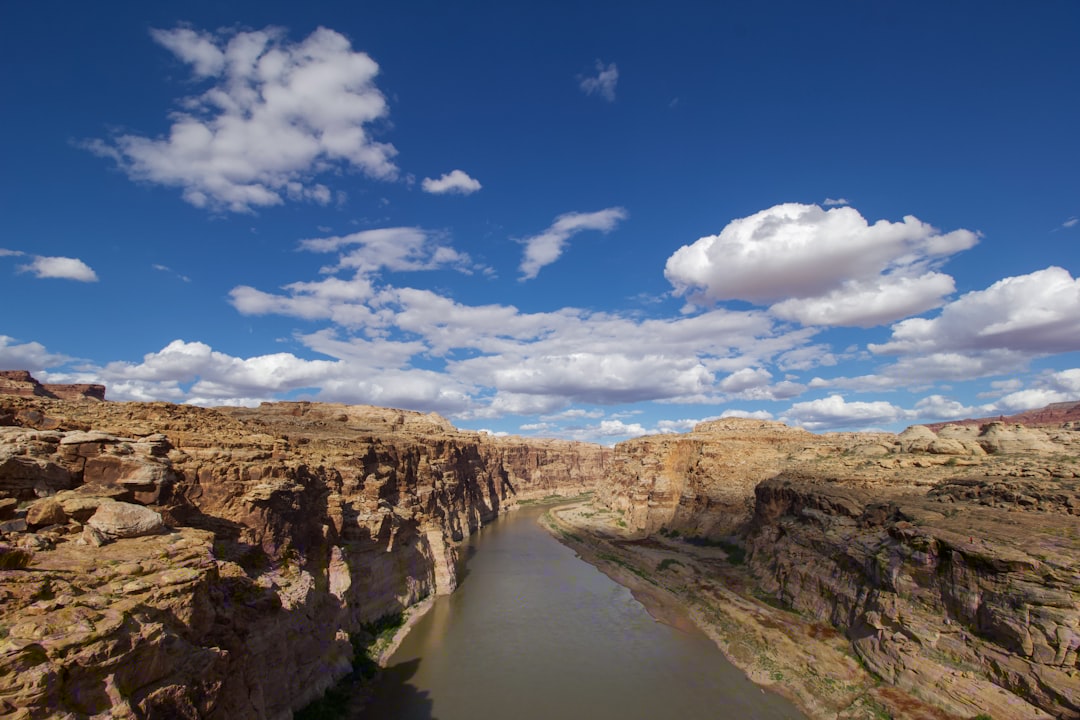
The Colorado River has long been a vital artery flowing through the arid landscapes of the American Southwest. Spanning over 1,400 miles, it provides water to millions of people and countless ecosystems. The river has been a source of life and prosperity, supporting agriculture and urban development in an otherwise inhospitable region. However, this reliance on the Colorado River has come at a cost. As demands on its water have increased, the river’s ability to sustain itself has been compromised, leading to a cascade of ecological consequences.
The Delta’s Decline: A Once-Thriving Ecosystem
The Colorado River Delta was once a lush, verdant expanse of wetlands and estuaries teeming with wildlife. It served as a critical habitat for migratory birds and a nursery for marine life. The delta’s decline began in earnest in the 20th century as water was diverted for agricultural and urban use upstream. As the flow of water decreased, the delta’s ecosystems began to wither. The once-vibrant wetlands turned to desolate mudflats, and the abundance of life that once thrived there dwindled to a fraction of its former glory.
The Human Impact: Balancing Needs and Sustainability
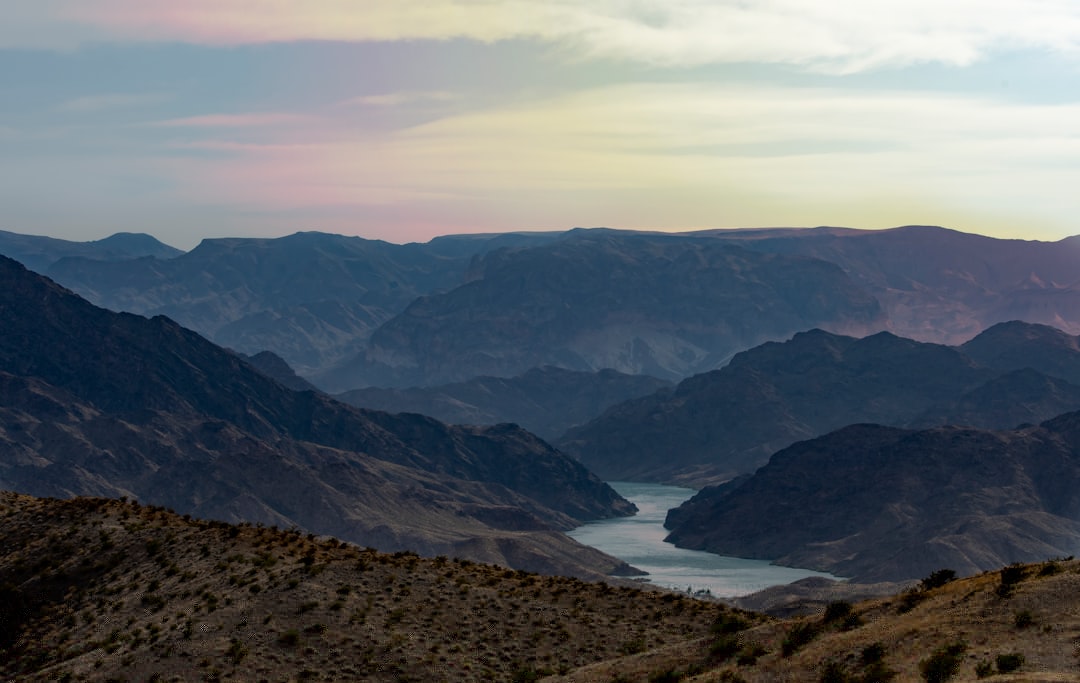
Human activity is at the heart of the Colorado Delta’s drying. The construction of dams and reservoirs, such as the Hoover Dam and Lake Mead, has dramatically altered the river’s natural flow. These structures were designed to control flooding, generate electricity, and provide water for irrigation and cities. While they have brought undeniable benefits, they have also disrupted the delicate balance of the river’s ecosystems. The challenge now is to find ways to meet human needs while also preserving the river’s health and vitality.
Restoration Efforts: A Glimmer of Hope
Despite the challenges, efforts to restore the Colorado Delta offer a glimmer of hope. Organizations and governments have initiated projects to reintroduce water to the delta, aiming to revive its ecosystems. One such effort is the “pulse flow” event of 2014, where a surge of water was released to mimic natural flooding. This initiative brought life back to parts of the delta, demonstrating the potential for recovery. However, these efforts require ongoing commitment and collaboration, highlighting the need for sustainable water management practices.
The Role of Climate Change: Compounding Challenges
Climate change adds another layer of complexity to the Colorado Delta’s plight. Rising temperatures and shifting precipitation patterns affect the river’s flow, exacerbating existing water scarcity issues. As snowpack in the Rocky Mountains—the river’s primary source—diminishes, the river’s future becomes increasingly uncertain. Addressing the impacts of climate change is crucial for the long-term viability of the Colorado River and its delta, necessitating adaptive strategies and policies.
Lessons from the Delta: A Call for Responsible Stewardship
The drying of the Colorado Delta serves as a powerful reminder of the need for responsible stewardship of natural resources. It underscores the importance of understanding the interconnectedness of ecosystems and the consequences of human actions. By learning from the delta’s decline, we can work towards more sustainable and equitable water management practices that balance human needs with ecological health. This calls for a shift in perspective, recognizing that our well-being is intrinsically linked to the health of the planet.
International Implications: A Cross-Border Challenge
The Colorado River’s journey does not end at the U.S. border. It continues into Mexico, where the delta’s drying has also profoundly affected local communities and ecosystems. The international nature of the river presents unique challenges and opportunities for collaboration. Agreements like the 1944 U.S.-Mexico Water Treaty highlight the need for cross-border cooperation in managing shared resources. By working together, countries can develop solutions that benefit both people and nature, fostering a shared sense of responsibility.
The Future of the Colorado Delta: Uncertain Yet Promising
The future of the Colorado Delta is uncertain, but there is reason for cautious optimism. Restoration efforts have shown that recovery is possible, and increased awareness of the delta’s plight has galvanized support for sustainable water management. The key lies in continued collaboration, innovation, and commitment to preserving this unique and invaluable ecosystem. By embracing a holistic approach that considers both human and ecological needs, we can work towards a future where the Colorado Delta thrives once more.
Personal Reflection: Our Role in Shaping the Delta’s Destiny
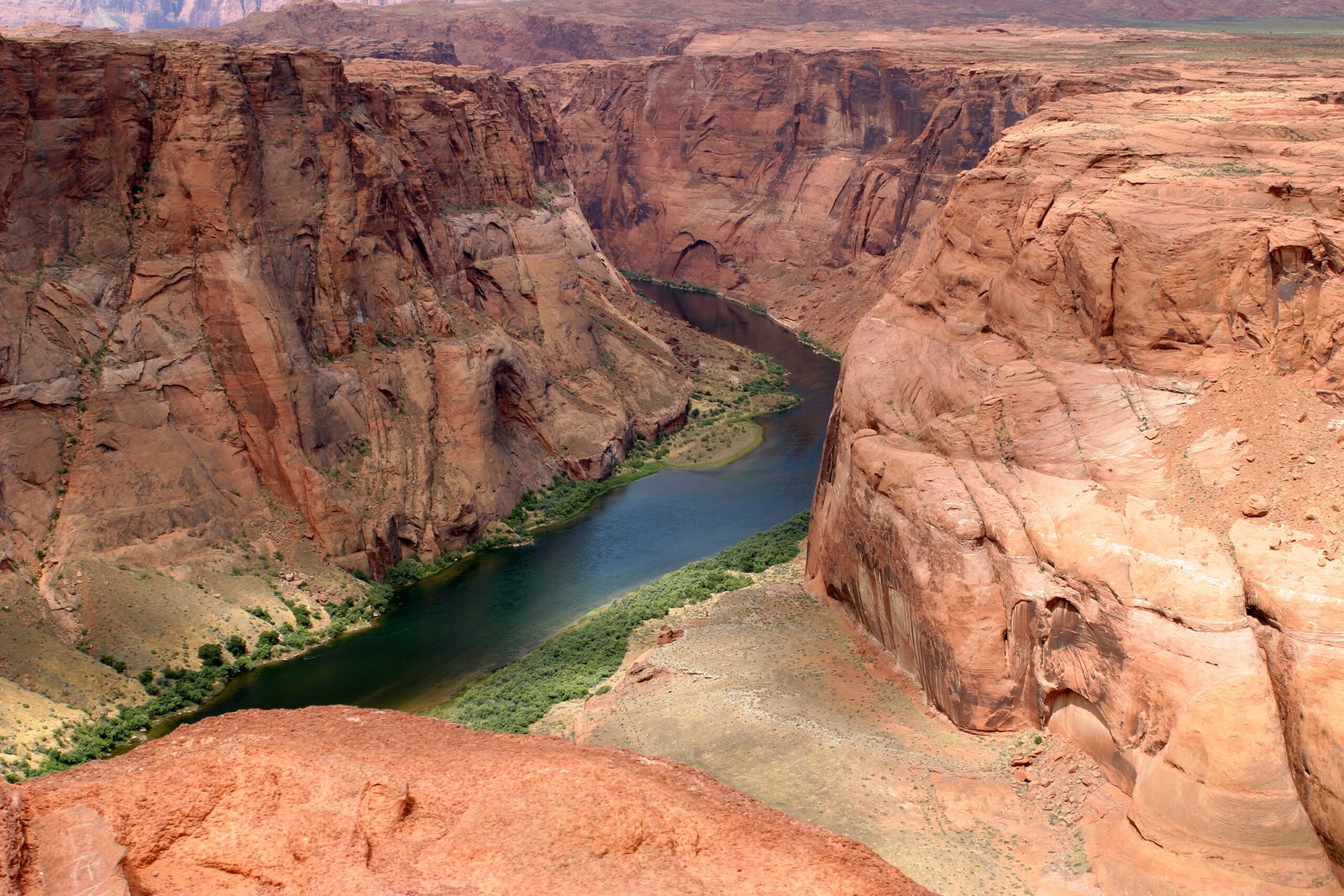
As individuals, we have a role to play in shaping the destiny of the Colorado Delta. Our choices, from water usage to advocacy, can influence the future of this iconic river and its ecosystems. By staying informed and engaged, we can contribute to a collective effort to protect and restore the delta. Ultimately, the story of the Colorado Delta is a testament to the power of human impact and the potential for positive change. It invites us to reflect on our relationship with nature and the legacy we wish to leave for future generations.
Conclusion: A River’s Journey and Our Shared Responsibility
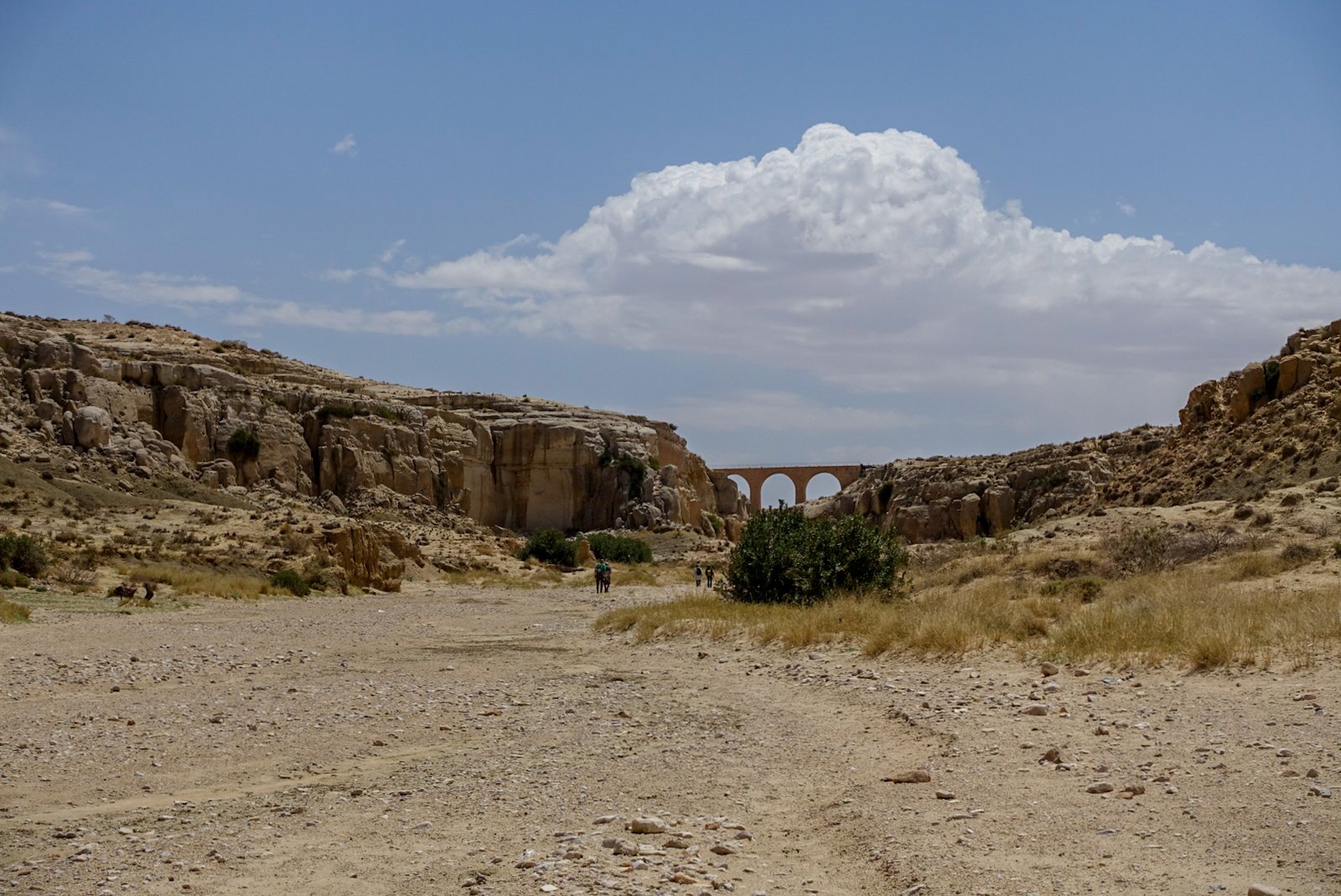
The drying of the Colorado Delta is a poignant chapter in the river’s journey, a story that speaks to the broader challenges of water management and environmental conservation. It reminds us of the profound impact of human actions on natural systems and the importance of balancing our needs with the health of the planet. As we navigate the complexities of water scarcity and climate change, we are called to act with foresight and responsibility. The fate of the Colorado Delta is intertwined with our own, urging us to embrace a shared responsibility for its future. What will we choose to do next?


