Beneath the vast, mysterious oceans lies something truly extraordinary. Imagine a network of veins, intricately woven across the seabed, connecting continents, and facilitating the digital symphony we experience daily. These are the undersea cables, the unsung heroes of the internet age. While satellites hover above us, it is these hidden cables that ensure we remain connected, informed, and entertained. They form the backbone of our digital world, yet many are unaware of their existence. How do these marvels of engineering function, and why are they so crucial to our global communication? Dive with us into the depths of the ocean to uncover the secrets of the internet’s physical skeleton.
The Origins of Undersea Cables
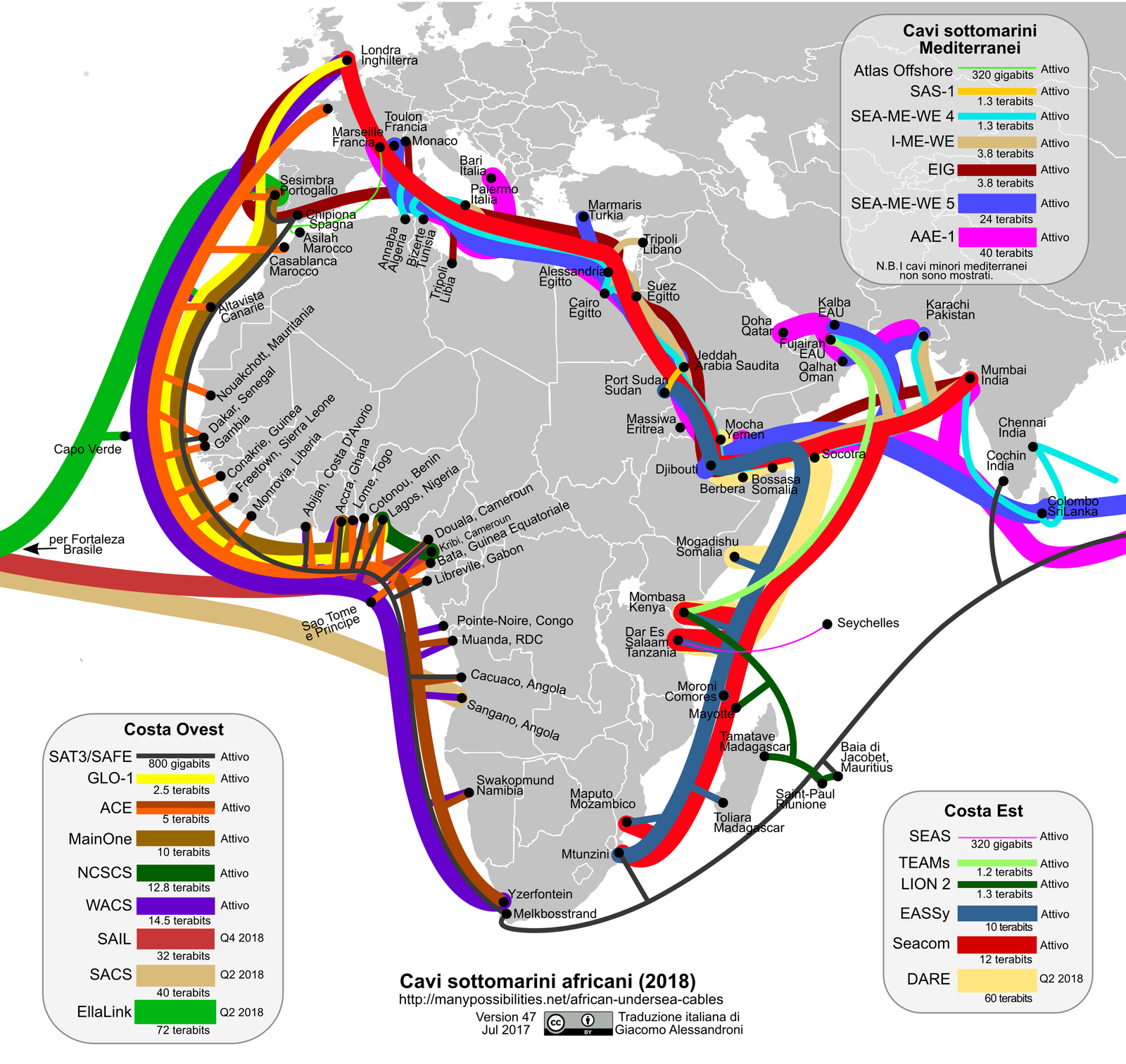
The tale of undersea cables begins in the mid-19th century, a time when the world was just beginning to understand the potential of telecommunication. The first successful transatlantic telegraph cable was laid in 1858, a monumental achievement that connected Europe and North America. This cable, though short-lived, marked a pivotal moment in history. It demonstrated the feasibility of long-distance communication, laying the groundwork for future innovations. Over the decades, technology advanced, and the cables evolved from transmitting simple Morse code messages to carrying vast streams of data. Today, they are indispensable to our global infrastructure, seamlessly bridging continents and cultures.
The Construction of Undersea Cables
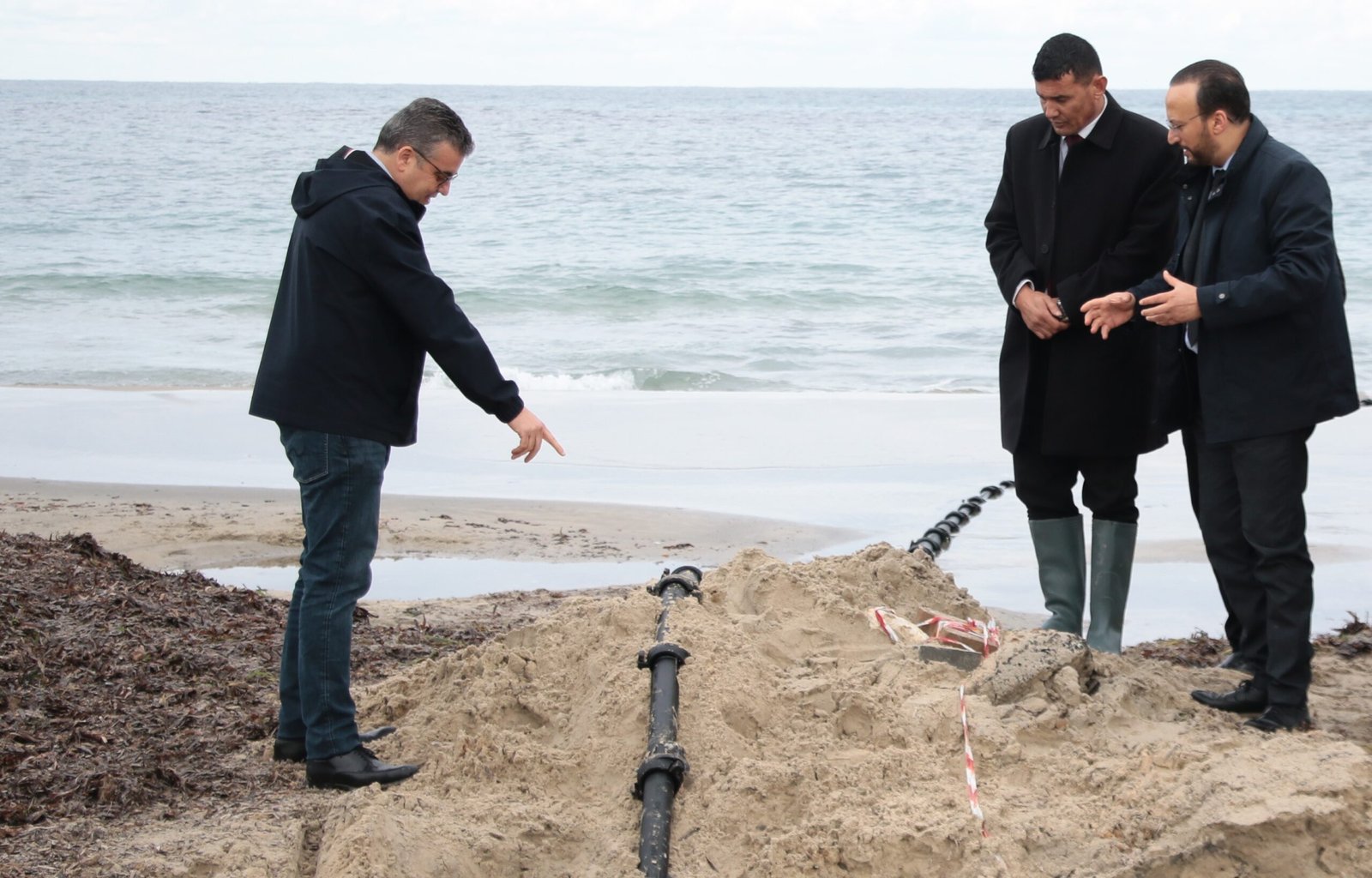
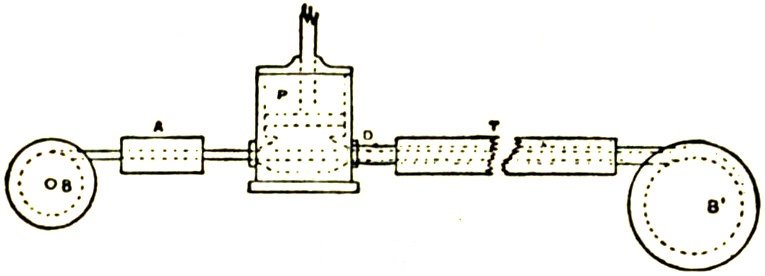
Constructing an undersea cable is no small feat. These cables, often spanning thousands of miles, are meticulously designed to withstand the harsh conditions of the ocean floor. They consist of multiple layers, each serving a specific purpose. At the core, you’ll find optical fibers, which transmit data as light signals. These are surrounded by protective layers of steel, copper, and polyethylene, shielding them from external threats. The process of laying these cables is equally complex, involving specialized ships that carefully deploy them onto the seabed. It’s a delicate operation, requiring precision and expertise to ensure the cables remain intact and functional.
The Role of Undersea Cables in Global Communication
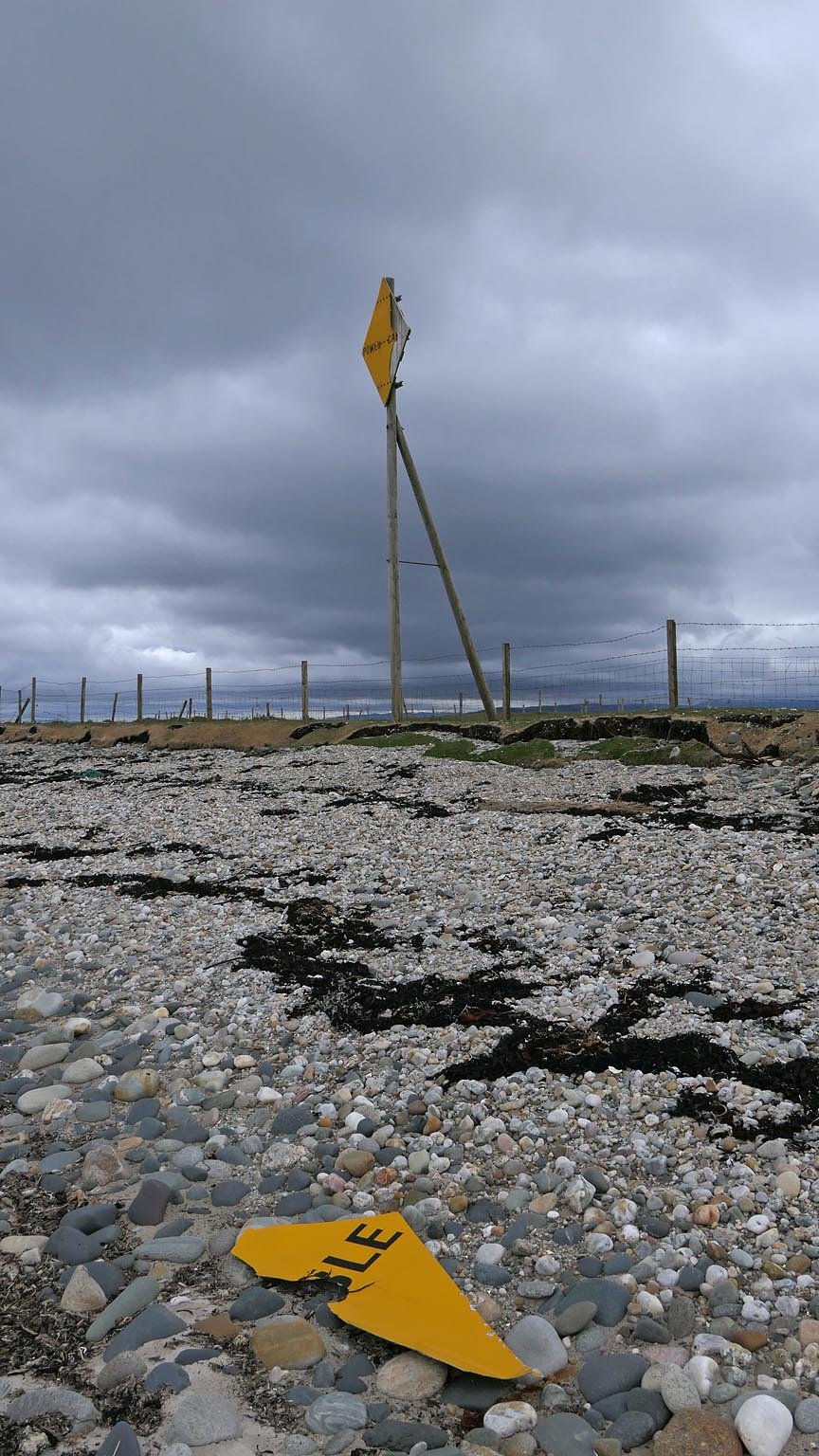
Undersea cables are the arteries of our digital world, responsible for transmitting over 95% of international data. They enable everything from video calls with loved ones across the globe to massive financial transactions. Without them, our internet experience would be vastly different, slower, and less reliable. These cables facilitate a seamless flow of information, making it possible for businesses to operate globally and individuals to access information instantaneously. In essence, they are the silent workhorses of the internet, tirelessly supporting the vast network of connections that define our modern lives.
Challenges Faced by Undersea Cables

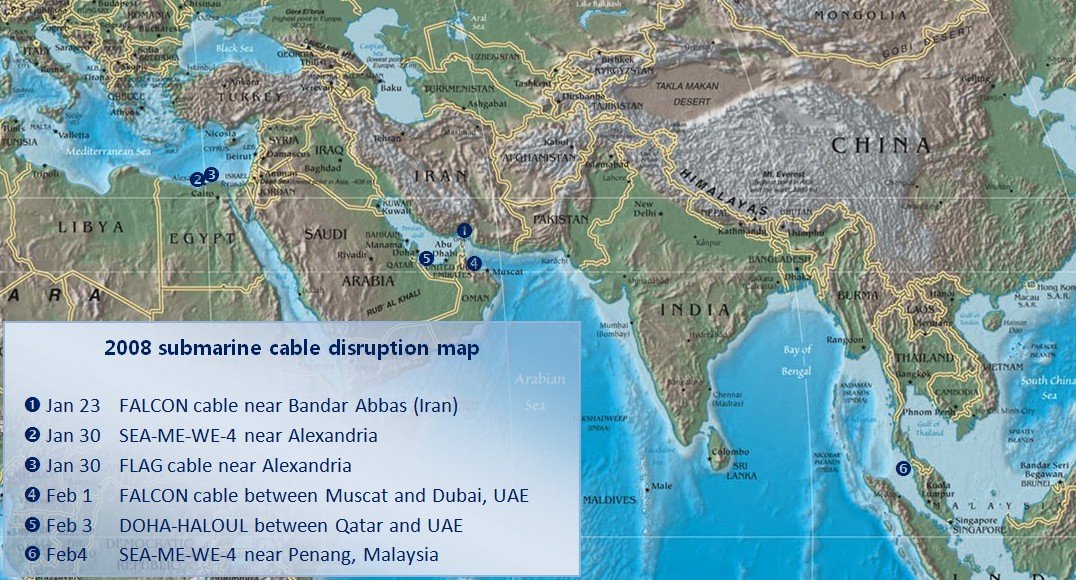
Despite their critical role, undersea cables face numerous challenges. Natural disasters, such as earthquakes and tsunamis, can damage these cables, disrupting communication. Human activities, including fishing and anchoring, also pose threats, as they can inadvertently sever or damage the cables. Additionally, geopolitical tensions can lead to intentional sabotage or interference. To mitigate these risks, constant monitoring and maintenance are essential. Specialized teams work around the clock to ensure the integrity and functionality of these cables, swiftly addressing any issues that arise.
Environmental Impact of Undersea Cables
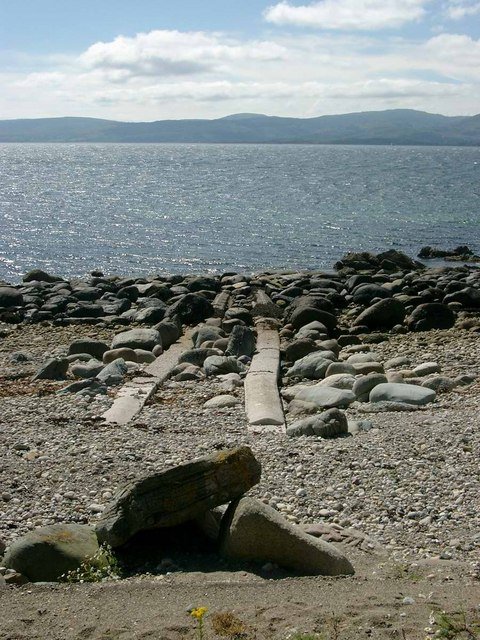
The environmental impact of undersea cables is a topic of ongoing research and debate. While their installation can disturb marine ecosystems, the long-term effects are generally considered minimal. Cables are designed to lie flat on the seabed, allowing marine life to adapt and thrive around them. Some studies suggest that these cables can even serve as artificial reefs, providing habitats for various species. However, it’s crucial to continue monitoring their impact to ensure that our pursuit of connectivity does not come at the expense of the ocean’s health.
Innovations in Undersea Cable Technology
Innovation never sleeps, and the world of undersea cables is no exception. Recent advancements have led to the development of cables with increased capacity and efficiency. New materials and technologies are being explored to enhance their durability and performance. One exciting development is the use of quantum encryption, which promises unparalleled security for data transmission. As our demand for data continues to grow, these innovations will be essential in meeting the needs of our ever-connected world.
The Future of Undersea Cables
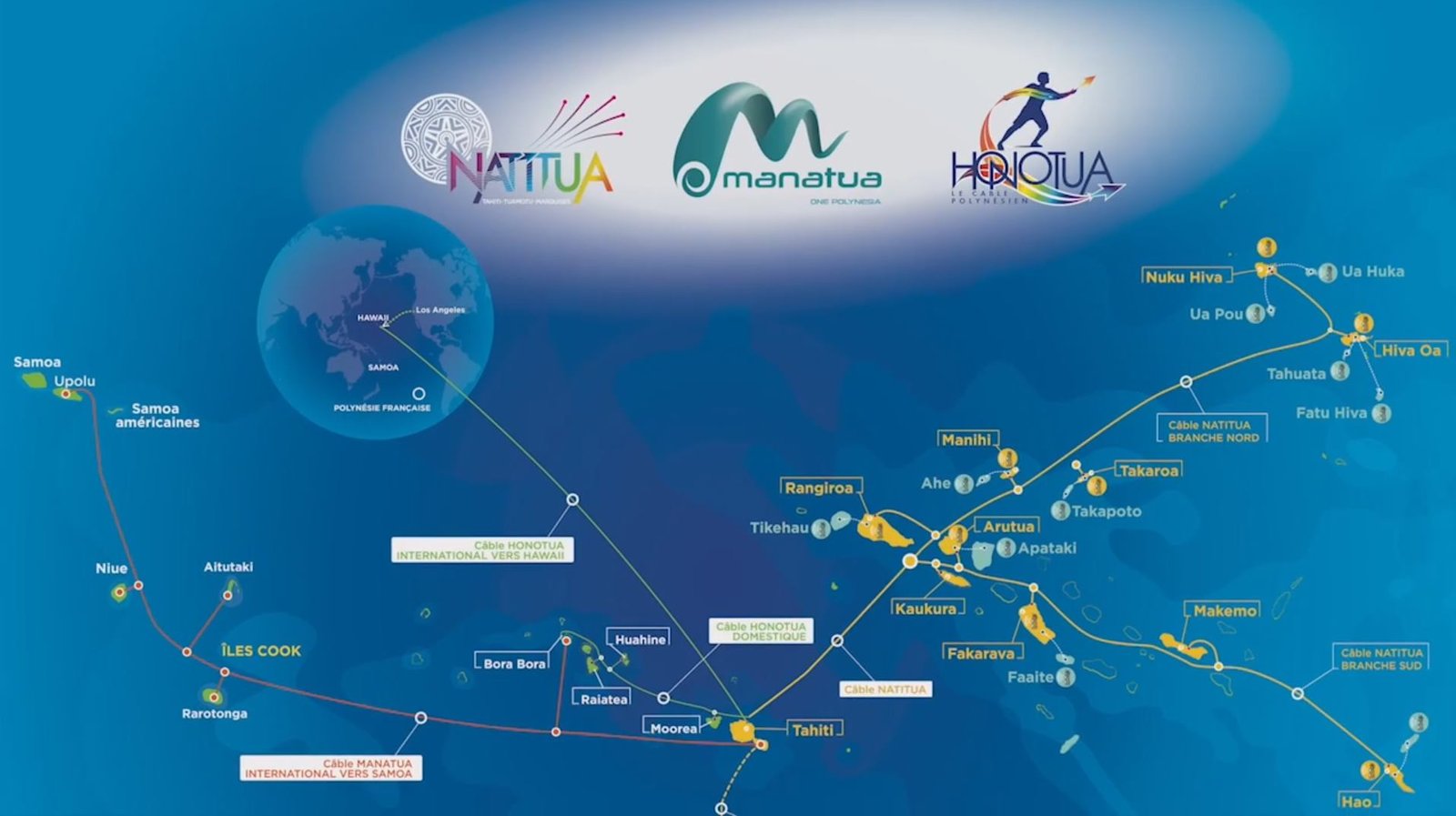
The future of undersea cables is bright, with new projects continually on the horizon. Companies and governments are investing heavily in expanding and upgrading the global network. This expansion is driven by the increasing demand for data, fueled by the rise of streaming services, cloud computing, and the Internet of Things. As technology evolves, so too will the cables that underpin it, ensuring that we remain connected in an increasingly digital world. The potential for growth is immense, and the possibilities are endless.
Real-World Examples of Undersea Cable Projects
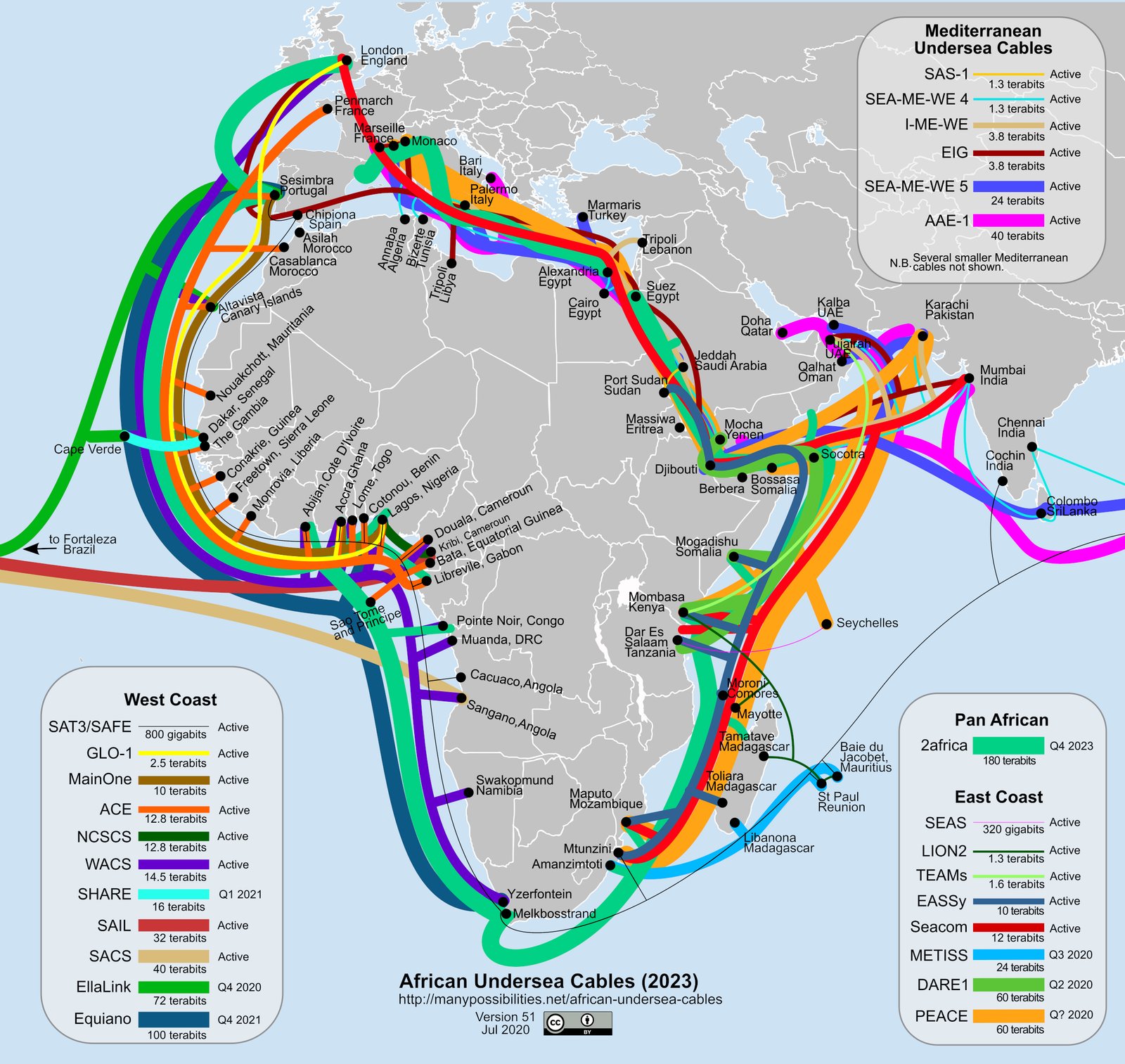
Several high-profile undersea cable projects highlight the scale and significance of these endeavors. The MAREA cable, a collaboration between Microsoft, Facebook, and Telxius, connects Virginia Beach in the United States to Bilbao, Spain. It spans over 4,000 miles and boasts a capacity of 160 terabits per second, making it one of the most advanced cables in existence. Another notable project is the 2Africa cable, set to be one of the longest in the world, connecting 23 countries across Africa, Europe, and the Middle East. These projects demonstrate the global commitment to expanding and enhancing our digital infrastructure.
Why Undersea Cables Matter to You
You might wonder why undersea cables should matter to you. The answer lies in their impact on your daily life. Every time you stream a movie, make an international call, or send an email, you’re relying on these cables. They ensure that your digital experiences are smooth, fast, and reliable. Without them, our world would be a much smaller place, limited by the constraints of slower, less efficient communication methods. Recognizing their importance helps us appreciate the intricate web of connections that make our modern lives possible.
The Unseen Heroes of the Digital Age
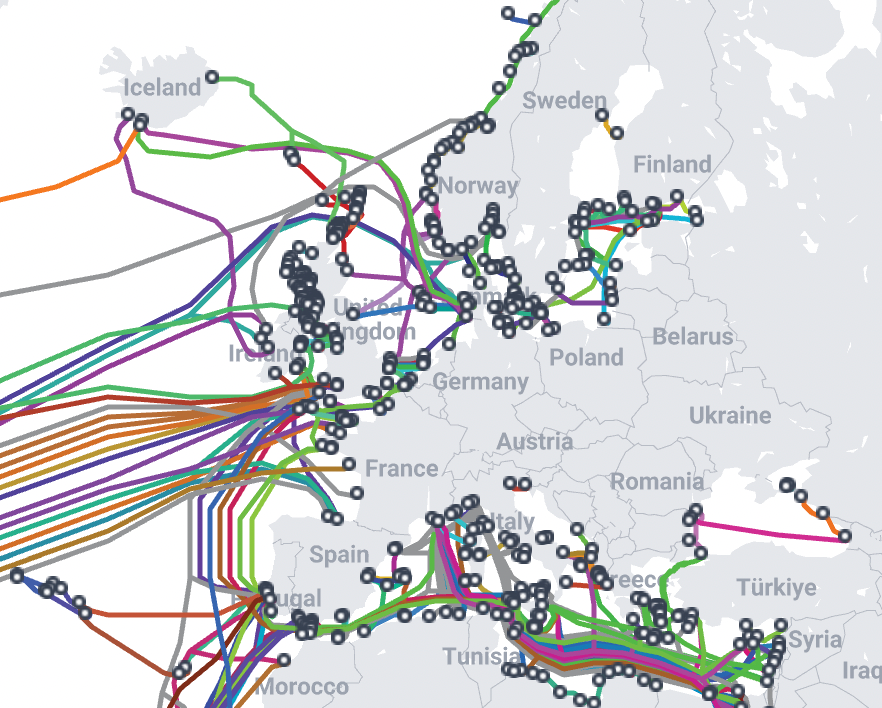
Undersea cables are the unsung heroes of the digital age, quietly working beneath the waves to keep us connected. They are a testament to human ingenuity and the relentless pursuit of progress. As we continue to rely on them for our communication needs, it’s essential to acknowledge their significance and the efforts of those who maintain them. These cables are more than just infrastructure; they are the lifelines of our digital world, ensuring that we remain connected, informed, and empowered. As you browse the internet, take a moment to appreciate the hidden network that makes it all possible.