Imagine taking a breath of air that originates from an era when dinosaurs roamed the Earth. A place where time has seemingly stood still, preserving ancient waters beneath the surface of our planet. This isn’t science fiction; it’s a fascinating reality that scientists are uncovering today. Deep within isolated aquifers, oxygen has been found in waters that have been untouched for millions of years. This discovery not only captivates the imagination but also challenges our understanding of life and the resilience of ecosystems in extreme conditions.
The Mysterious Depths of Earth’s Aquifers
Aquifers are nature’s hidden reservoirs, vast underground lakes that hold the secrets of our planet’s past. These geological formations are often buried beneath layers of rock and sediment, making them difficult to access and explore. Yet, they are crucial to our survival, supplying fresh water to billions of people worldwide. The oxygen found in these ancient waters raises intriguing questions about how these aquifers have maintained their composition over such extensive periods. It suggests that these isolated environments might have their own unique ecosystems, thriving in ways we have yet to fully comprehend.
Unraveling the Ancient Oxygen Mystery
The presence of oxygen in these ancient waters is a scientific puzzle that researchers are eager to solve. Oxygen is typically consumed by living organisms, so finding it in isolated waters suggests that there might be unknown processes at play. One hypothesis is that the oxygen was trapped during a time when the Earth’s atmosphere was different, and it has remained preserved ever since. Another possibility is that geological processes are continuously replenishing the oxygen, creating a delicate balance that supports life in these secluded aquifers.
The Role of Microbes in Isolated Ecosystems
Microbes are often the unsung heroes of extreme environments, and they might hold the key to understanding these ancient waters. In the absence of sunlight and organic matter, microbes have adapted to survive on minimal resources, potentially even producing oxygen through chemosynthesis. This discovery could redefine our understanding of life’s adaptability and resilience, as well as its potential existence in other isolated environments, such as the subsurface oceans of distant planets and moons.
Implications for Earth’s Climate History
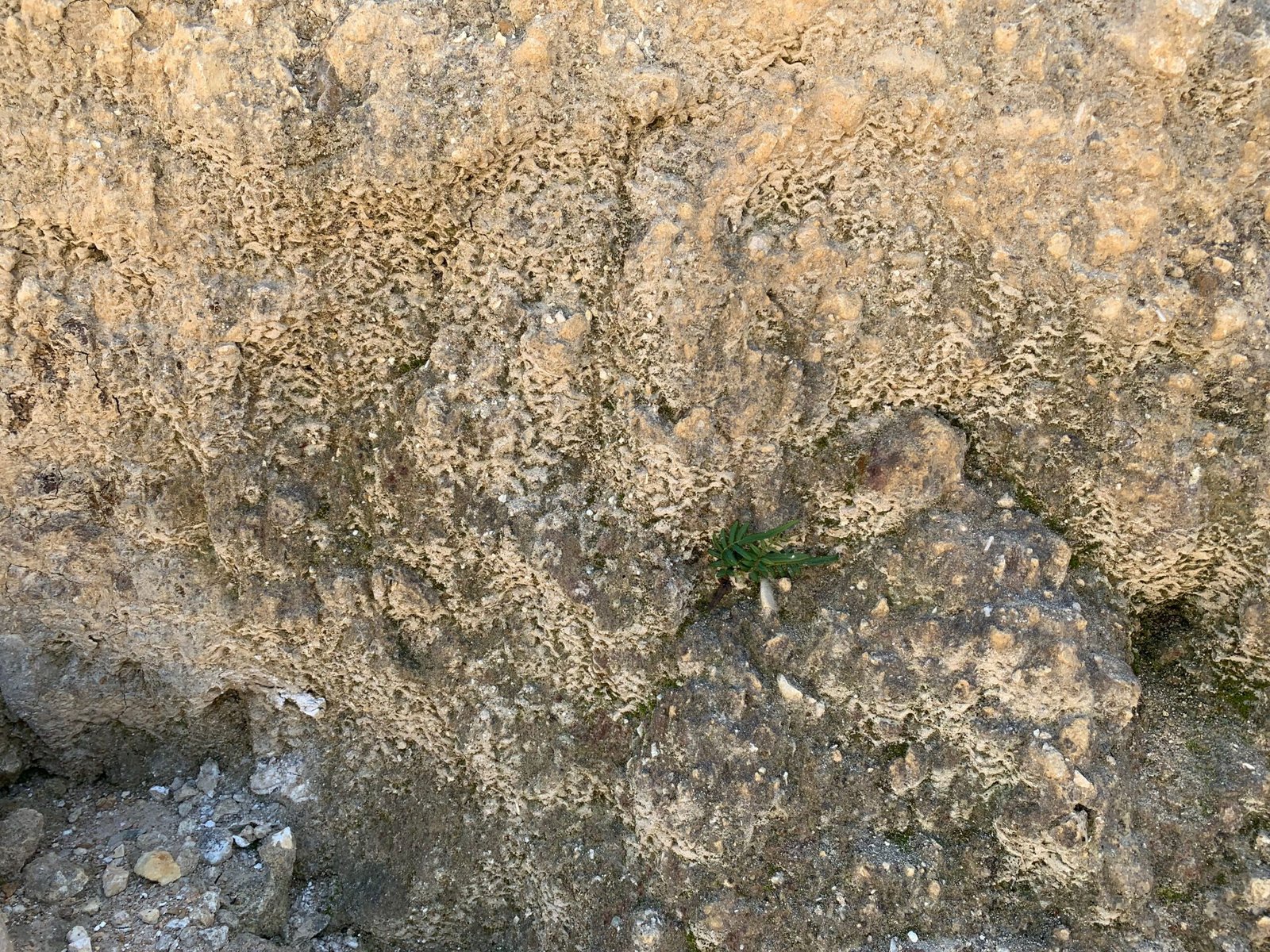
The study of these ancient aquifers can offer valuable insights into Earth’s climatic past. By analyzing the chemical composition of the water, scientists can reconstruct historical climate patterns, shedding light on how our planet has changed over millions of years. This information is crucial for predicting future climate scenarios and understanding the natural processes that regulate Earth’s atmosphere. The oxygen found in these waters serves as a time capsule, offering a glimpse into a world that has long since vanished from the surface.
Potential for New Scientific Discoveries
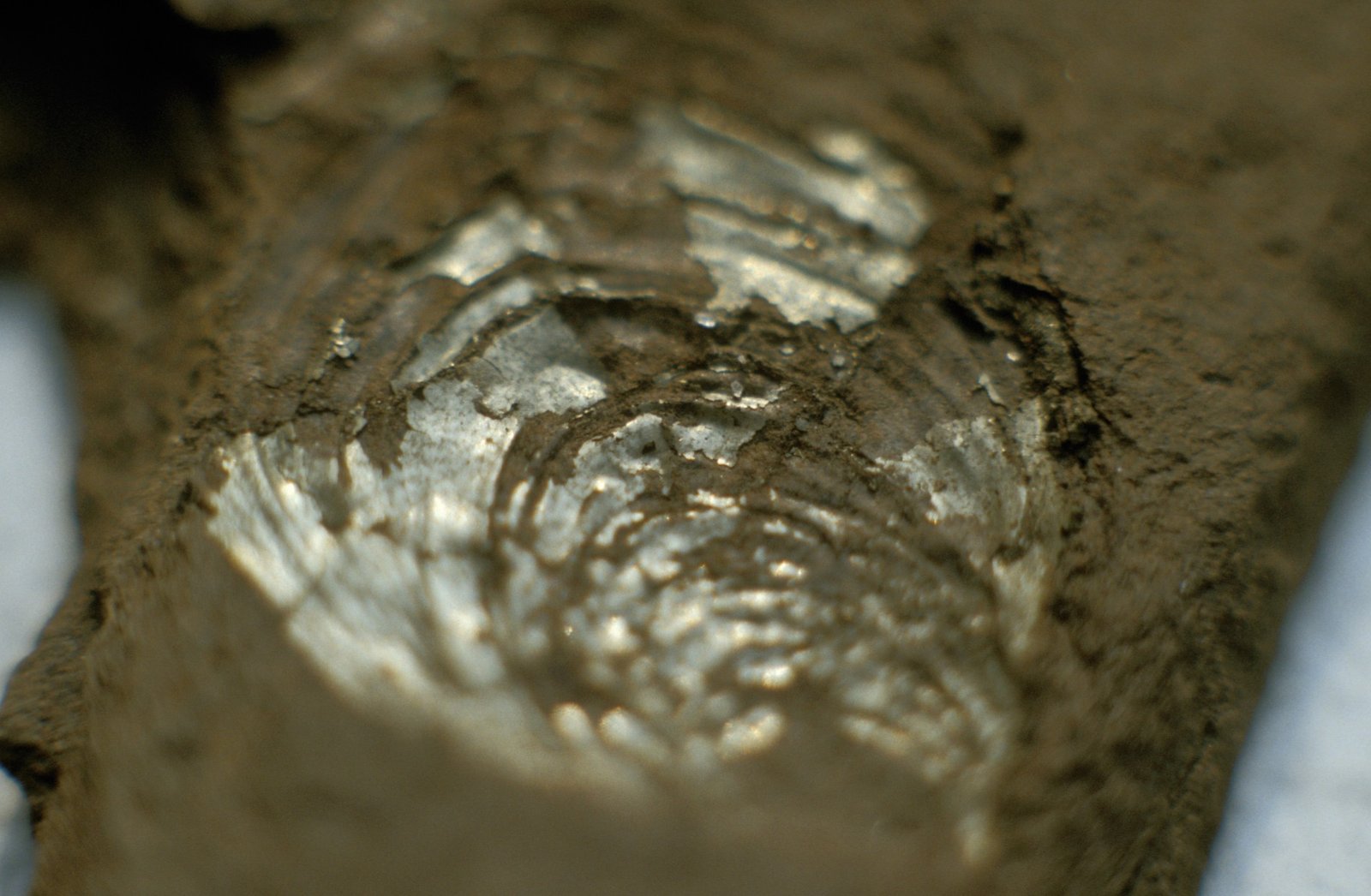
The discovery of oxygen in ancient aquifers opens up a new frontier for scientific exploration. Researchers are now keen to explore other isolated environments, both on Earth and beyond, to see if similar phenomena exist. These findings could revolutionize our understanding of life’s potential on other planets, where isolated aquifers might harbor microbial life. The quest to uncover these mysteries is not only a scientific endeavor but also a journey of human curiosity and wonder.
The Intersection of Geology and Biology
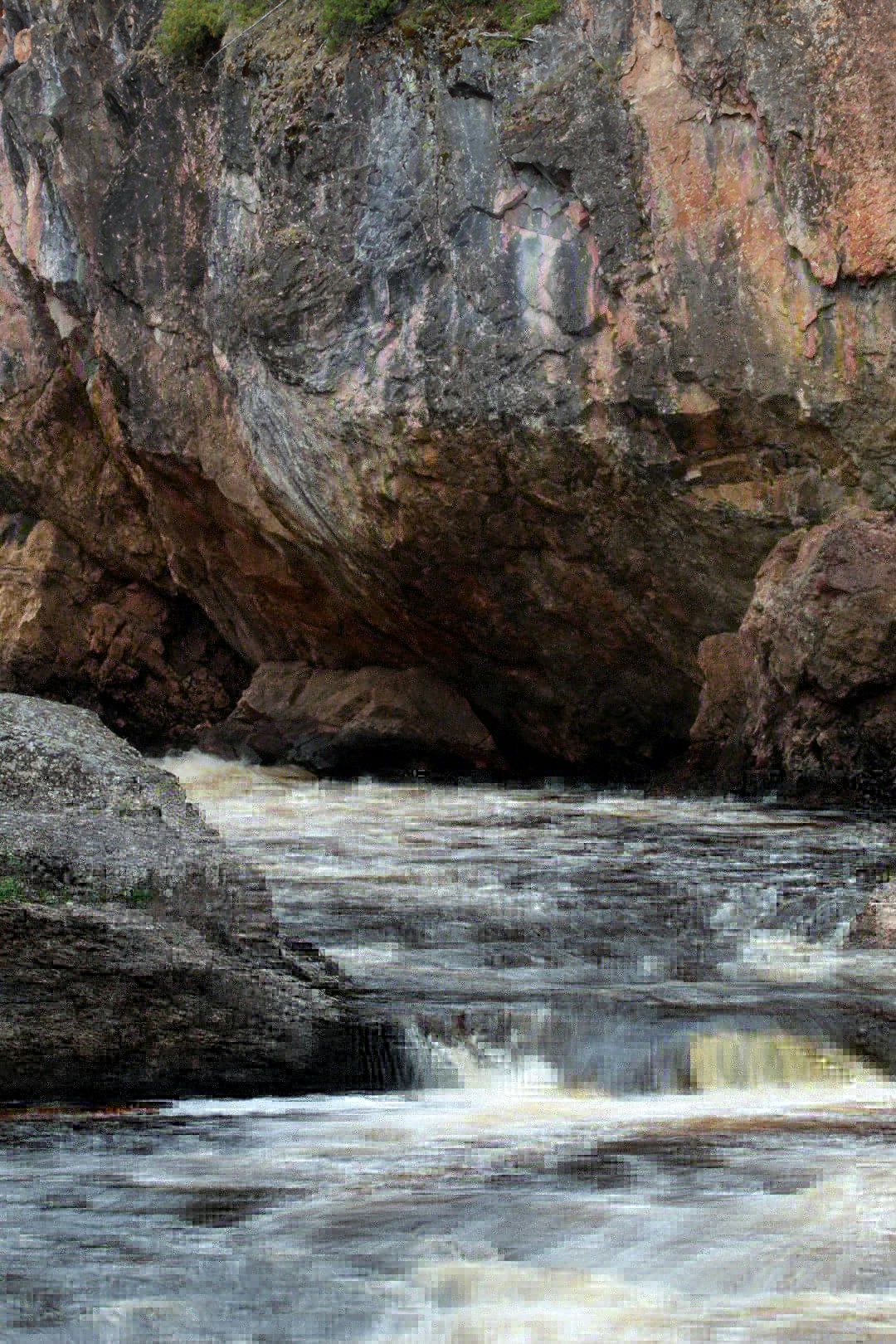
This discovery highlights the intricate relationship between geology and biology, demonstrating how life and the Earth’s physical processes are interwoven. The presence of oxygen in ancient waters challenges the traditional boundaries between these fields, prompting interdisciplinary collaboration. Geologists, biologists, and chemists must work together to unravel the secrets of these aquifers, each bringing their unique expertise to the table. This collaborative approach is essential for advancing our understanding of these complex systems.
Conservation and Sustainable Management of Aquifers
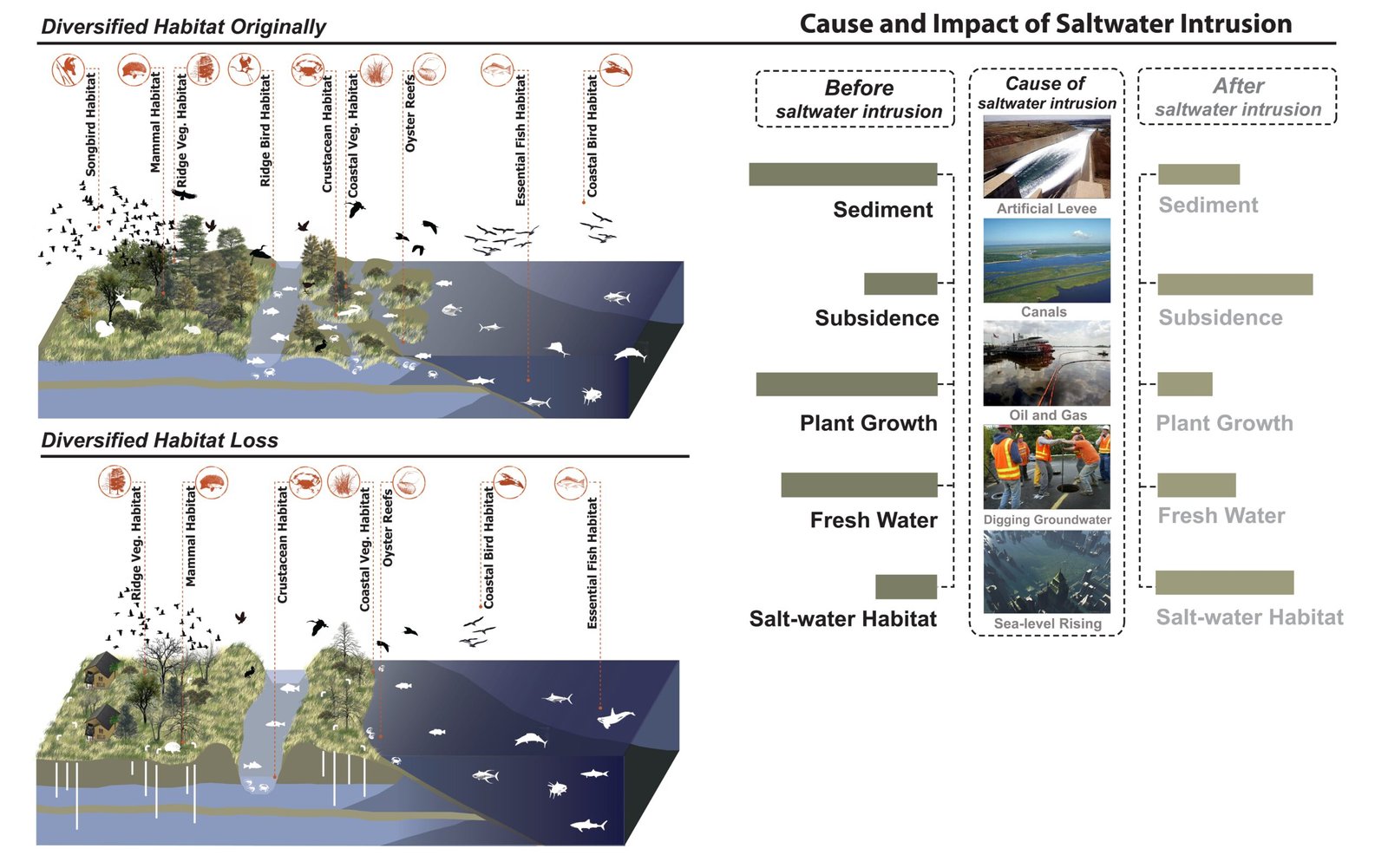
As we learn more about the ancient waters beneath our feet, it becomes increasingly important to protect these vital resources. Aquifers are under threat from over-extraction, pollution, and climate change, which can disrupt their delicate balance. Sustainable management practices are crucial to preserve these ecosystems for future generations. By understanding the natural processes that sustain these aquifers, we can develop strategies to protect them, ensuring that they continue to provide fresh water and valuable scientific insights.
The Future of Aquifer Research

The discovery of ancient oxygen in aquifers marks the beginning of a new era in hydrogeology. As technology advances, we will be able to explore these hidden reservoirs more thoroughly, unlocking their secrets. Future research will focus on developing new methods to study these environments without disturbing their delicate balance. This will require innovative approaches and cutting-edge technologies, paving the way for groundbreaking discoveries in the years to come.
Reflecting on Earth’s Ancient Breath
The oxygen found in ancient aquifers serves as a reminder of the Earth’s incredible history and the resilience of life. It challenges us to think about our planet in new ways, appreciating the complex systems that sustain us. As we continue to explore these hidden worlds, we are reminded of the vastness of our planet and the mysteries that still await discovery. What other secrets lie beneath the surface, waiting to be uncovered?