Imagine a world where the majestic Alpine landscapes, with their snow-capped peaks and verdant valleys, are under threat. Climate change is altering these ecosystems at an alarming rate, leaving scientists and conservationists scrambling for solutions. One of the most unexpected heroes in this battle is artificial snow. Yes, you read that right. Artificial snow is not just for ski resorts anymore; it’s becoming a vital tool in preserving our precious Alpine ecosystems. But how exactly does this work? Let’s dive into the fascinating world of artificial snow and its surprising role in saving our Alpine forests.
The Threat to Alpine Ecosystems
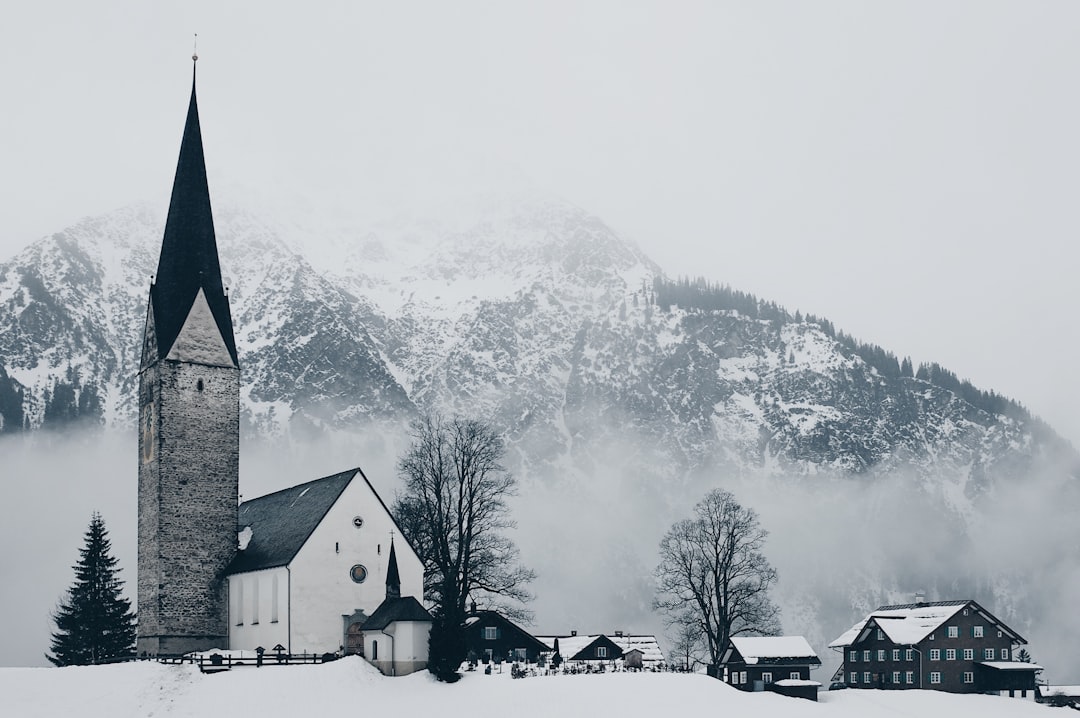
Before we explore the solution, it’s crucial to understand the problem. Alpine ecosystems are incredibly sensitive to changes in temperature and precipitation. These areas rely on consistent snowfall to maintain their ecological balance. However, with rising global temperatures, snow is becoming increasingly scarce. This lack of snow affects everything from soil moisture levels to plant growth and animal habitats. Without adequate snow cover, these ecosystems face the risk of drying out, leading to a domino effect of environmental degradation.
What Is Artificial Snow?
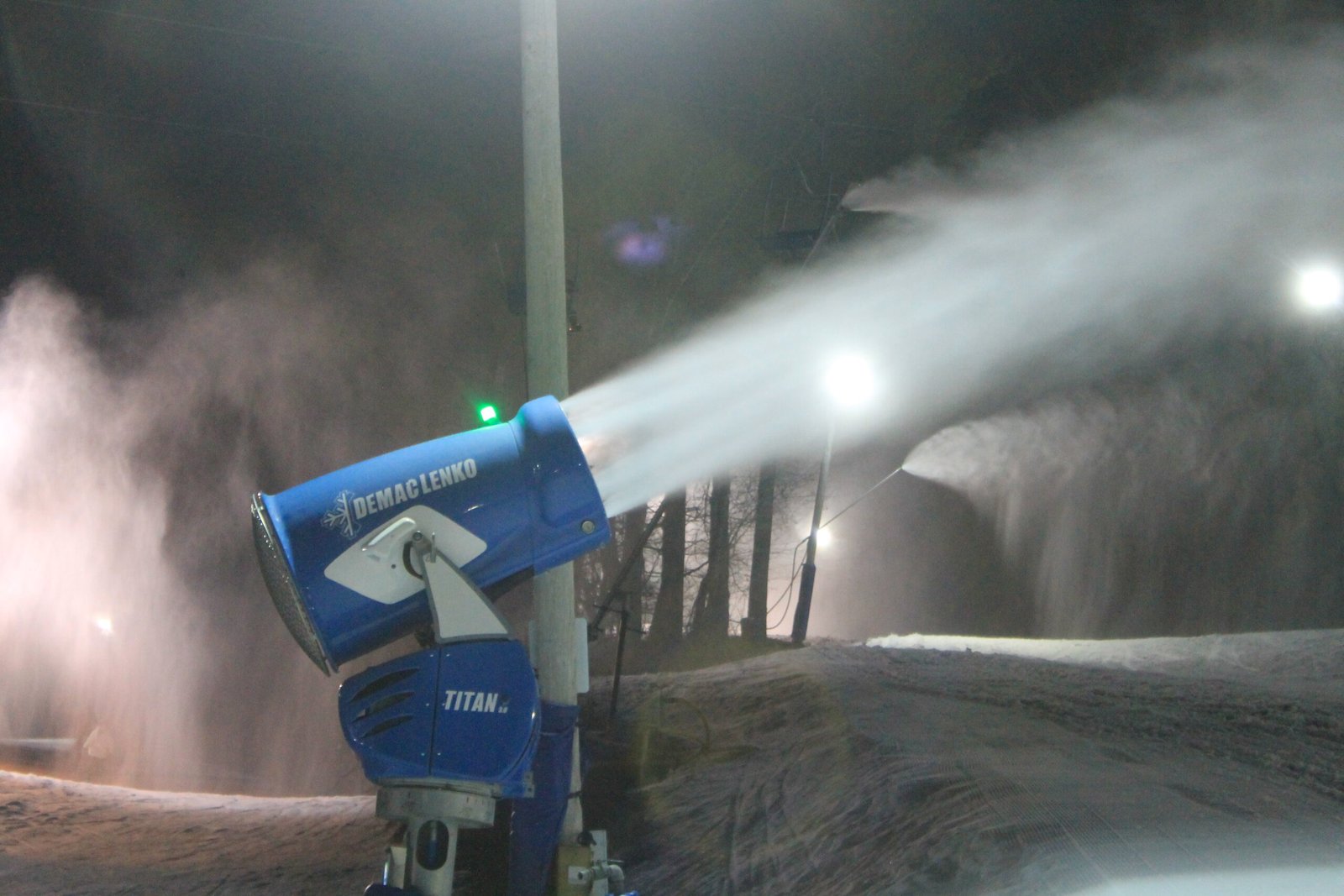
Artificial snow is not just frozen water sprayed onto ski slopes. It’s a carefully engineered substance designed to mimic the properties of natural snow. The process involves using snowmaking machines that mix water and compressed air to create snow crystals. This technology has been around for decades, primarily for recreational purposes. However, its potential as a conservation tool is only now being realized. By strategically deploying artificial snow, scientists can help maintain the snowpack levels crucial for Alpine ecosystems.
The Science Behind Artificial Snow
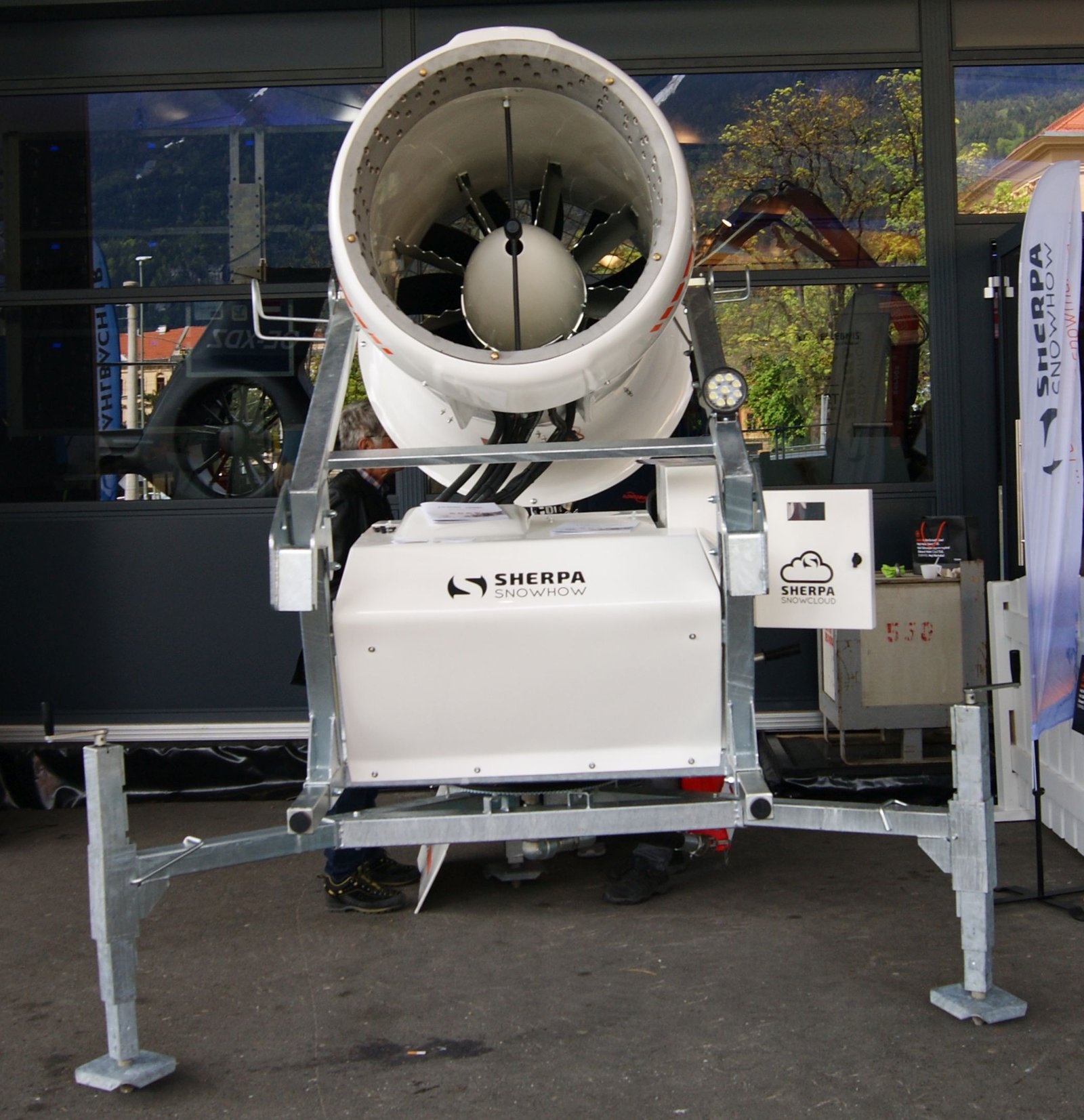
Creating artificial snow is a complex process that requires a deep understanding of meteorological and environmental conditions. The snowmaking machines must be precisely calibrated to produce snow that is similar in density and moisture content to natural snow. This process involves controlling variables like air temperature, humidity, and water quality. The science is so advanced that some machines can even create snow at temperatures above freezing. This innovation allows for snow to be produced even in less than ideal conditions, offering a lifeline to struggling ecosystems.
Benefits of Artificial Snow in Ecosystems

The benefits of using artificial snow extend beyond just maintaining a picturesque landscape. For starters, it helps to stabilize soil temperatures, preventing permafrost from thawing and reducing soil erosion. This stability is crucial for plant life, which relies on consistent temperatures and moisture levels to thrive. Additionally, artificial snow can provide a habitat for winter-active species, ensuring they have the resources they need to survive harsh conditions. In essence, artificial snow acts as a protective blanket, preserving the delicate balance of Alpine ecosystems.
Real-World Success Stories
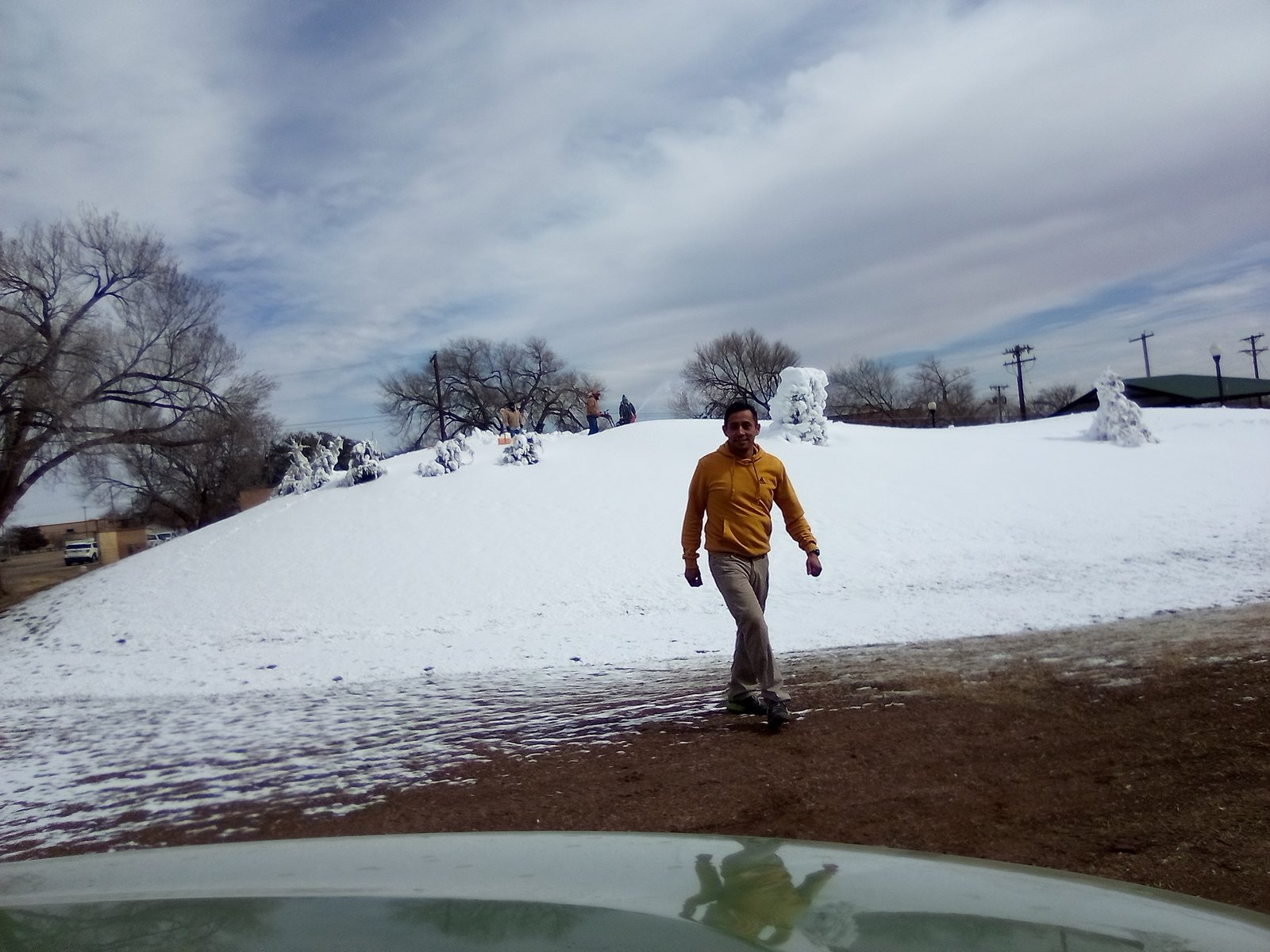
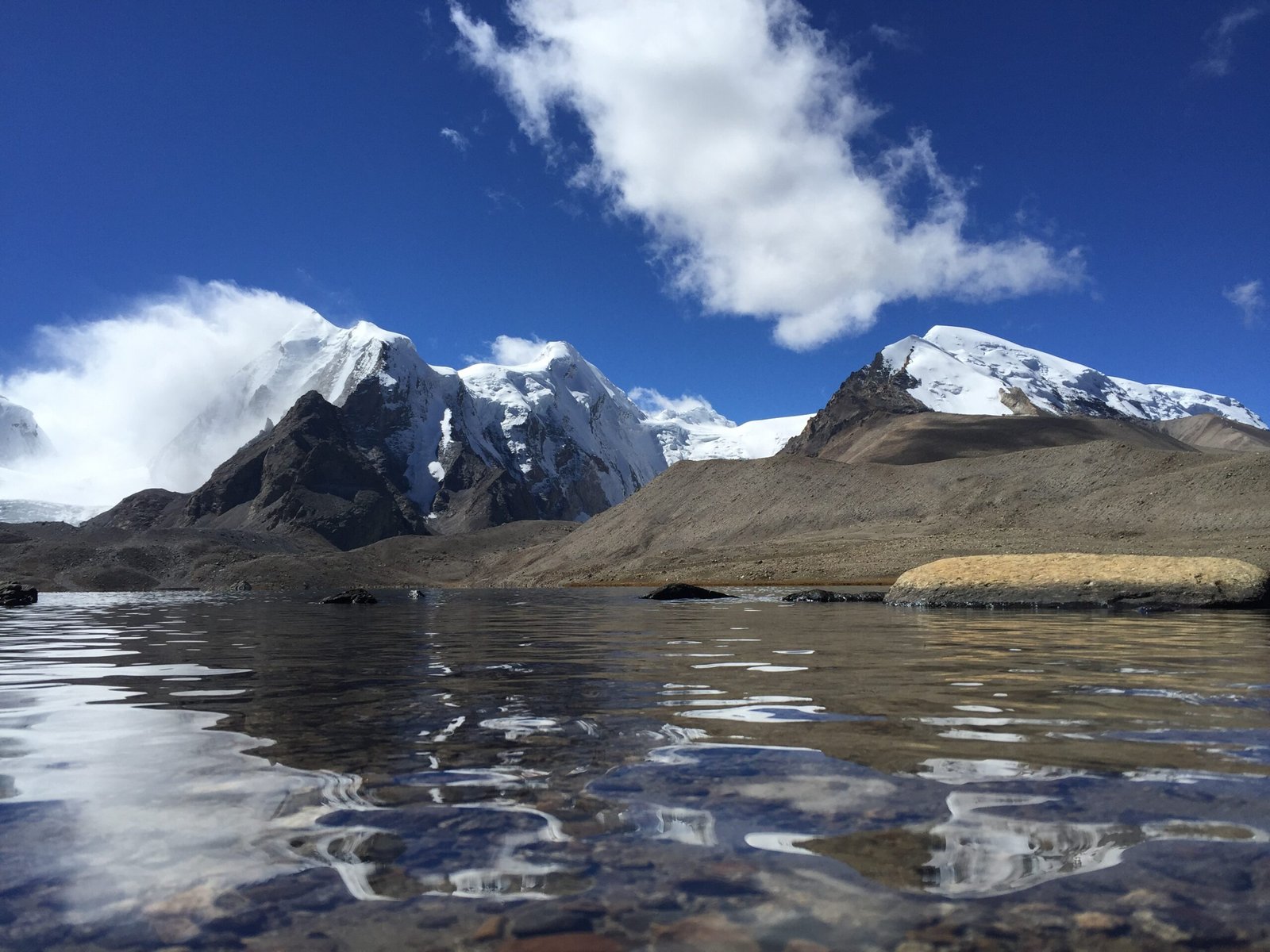
Several regions have already begun to implement artificial snow as a conservation strategy, with promising results. In Switzerland, for example, scientists have used artificial snow to protect the sensitive habitats of the Swiss Alps. The initiative has led to a noticeable improvement in soil moisture levels and plant growth. Similarly, in Austria, artificial snow has been used to maintain the snowpack in critical wildlife corridors, ensuring that animals can migrate safely. These success stories highlight the potential of artificial snow as a viable solution to climate change challenges.
Challenges and Limitations
While artificial snow offers significant benefits, it’s not without its challenges. The process is resource-intensive, requiring large amounts of water and energy. This raises concerns about the environmental impact and sustainability of widespread snowmaking. Additionally, the long-term effects of artificial snow on ecosystems are still not fully understood. Researchers are working tirelessly to address these issues, exploring ways to make snow production more efficient and environmentally friendly.
The Role of Technology in Snowmaking
Advancements in technology are playing a crucial role in making artificial snow a more sustainable option. Innovations such as energy-efficient snow guns and water recycling systems are reducing the environmental footprint of snowmaking. Furthermore, the integration of data analytics and weather forecasting is allowing for more precise snow application, minimizing waste and maximizing effectiveness. These technological advancements are paving the way for a new era of eco-friendly snowmaking.
The Future of Artificial Snow in Conservation
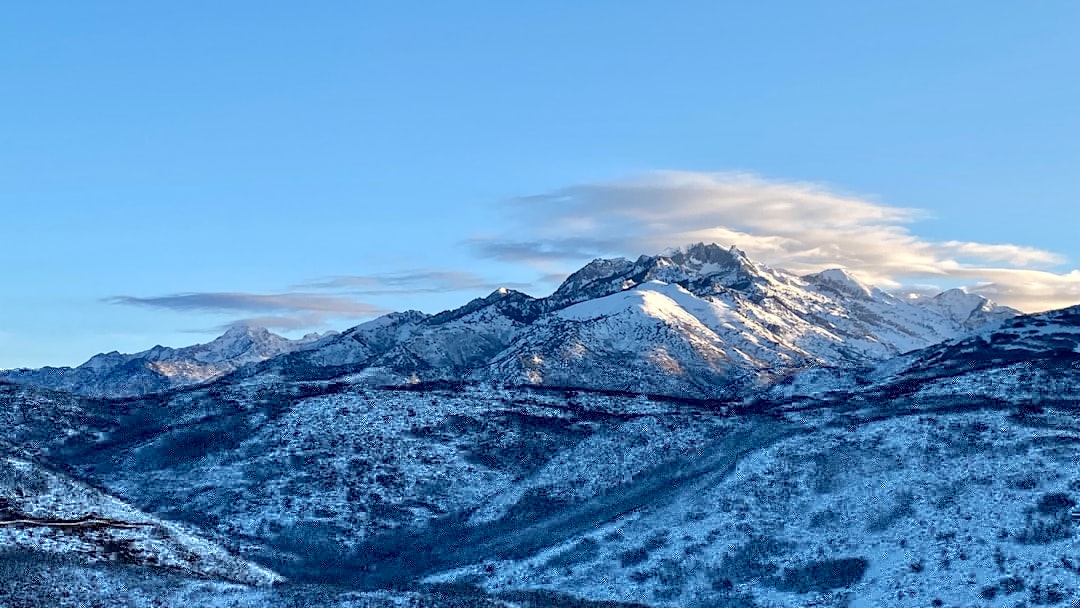
As climate change continues to threaten Alpine ecosystems, the importance of artificial snow will only grow. Future developments may see the integration of artificial snow with other conservation strategies, such as reforestation and habitat restoration. The goal is to create a comprehensive approach to ecosystem preservation that leverages the strengths of each method. By doing so, we can ensure that our Alpine landscapes remain vibrant and resilient for generations to come.
Community Involvement and Awareness
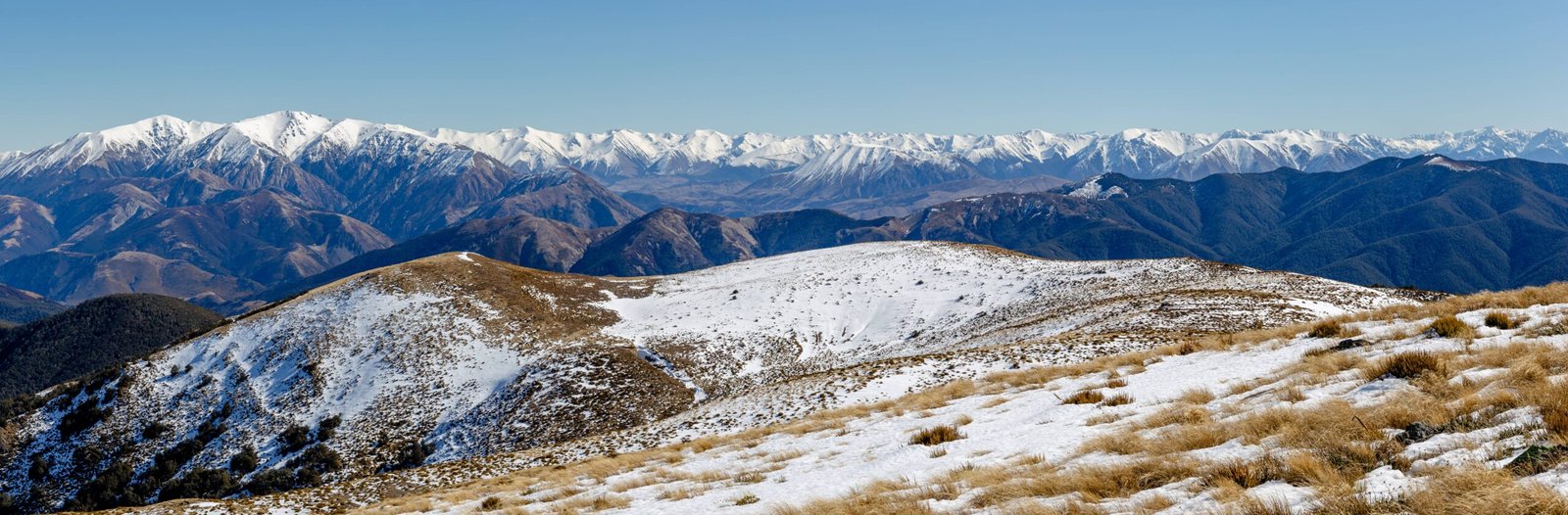
For artificial snow to be truly effective, community involvement and awareness are essential. Local communities play a vital role in conservation efforts, and their support can significantly enhance the success of artificial snow projects. Educational programs and outreach initiatives can help raise awareness about the importance of preserving Alpine ecosystems and the role of artificial snow in this endeavor. By fostering a sense of collective responsibility, we can inspire action and drive positive change.
A Call to Action
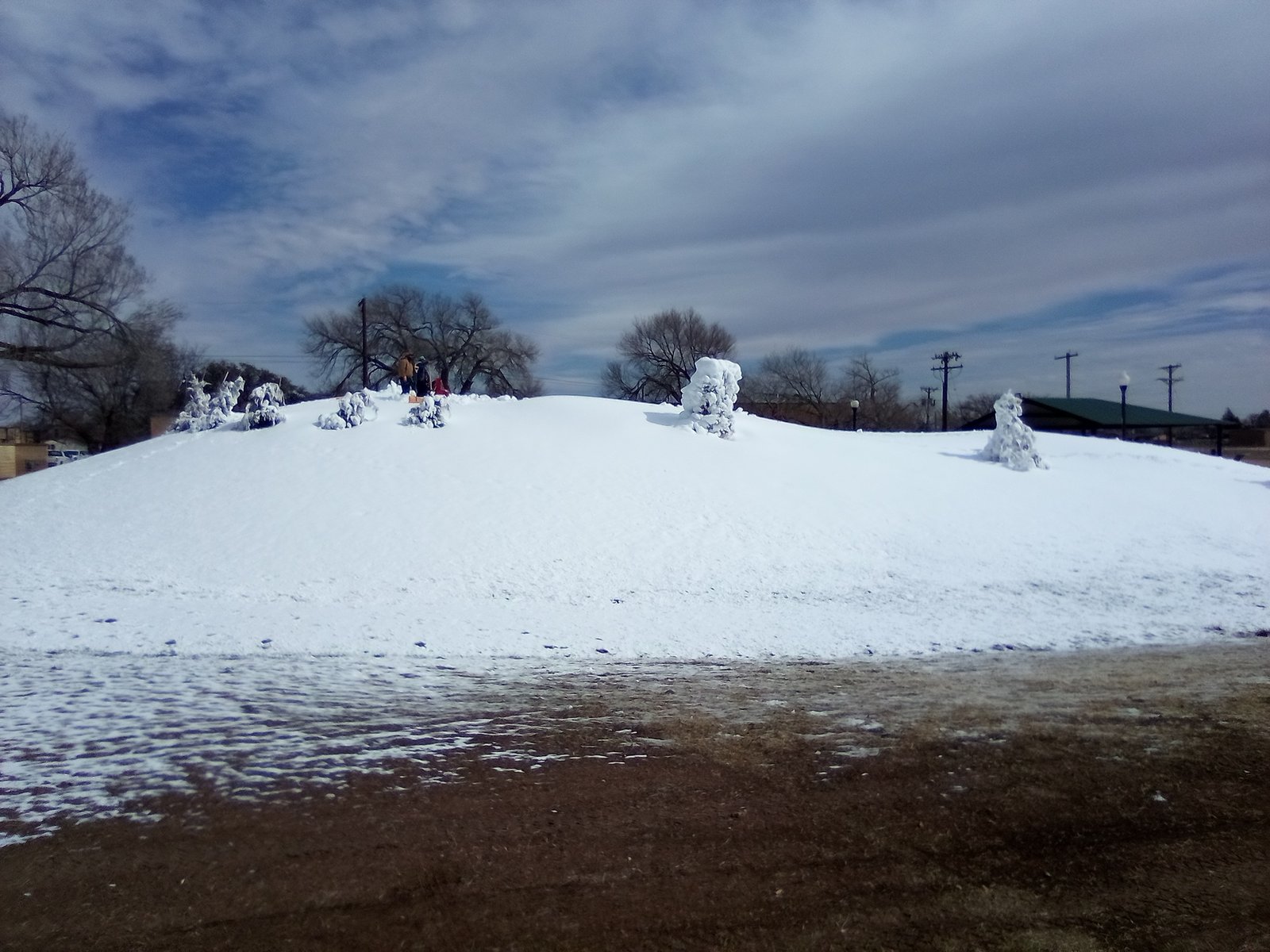
The use of artificial snow in Alpine ecosystems represents a beacon of hope in the fight against climate change. However, it is not a standalone solution. It requires collaboration, innovation, and a commitment to sustainability. As we move forward, it is imperative that we continue to explore and invest in strategies that protect our natural world. The future of our Alpine ecosystems depends on the choices we make today. Will we rise to the challenge and embrace the potential of artificial snow, or will we let these magnificent landscapes fade into memory?