Imagine a creature so intelligent, so adaptable, that it can rewire its brain without altering its DNA. Welcome to the fascinating world of the octopus. These mysterious sea dwellers have long intrigued scientists and captivated the imaginations of many. But what is it about the octopus that sets it apart from other creatures in the ocean? It’s their extraordinary ability to adapt and learn, all while keeping their genetic code intact. This unique capability challenges our understanding of intelligence and adaptability in the animal kingdom. Dive into the depths of the ocean and the intricacies of octopus biology as we explore how these amazing creatures achieve such a feat.
The Enigmatic Intelligence of Octopuses

Octopuses are often hailed as the geniuses of the ocean. With a brain-to-body ratio comparable to that of birds and mammals, they possess a level of intelligence that is both surprising and inspiring. Their ability to solve puzzles, escape enclosures, and even recognize individual humans has left scientists in awe. Unlike many animals that rely on instinctual behaviors, octopuses exhibit behaviors that suggest a capacity for learning and problem-solving. This intelligence is not just a product of their biology but a testament to their highly adaptable neural architecture.
Neural Plasticity: The Key to Adaptation

At the heart of the octopus’s adaptability lies its neural plasticity. Neural plasticity refers to the brain’s ability to change and reorganize itself in response to new experiences. This means that octopuses can form new neural connections, enhancing their ability to learn and adapt to their environment. This is particularly crucial for survival in the ever-changing landscape of the ocean, where new challenges and opportunities arise daily. Unlike humans, who rely on genetic changes over generations, octopuses can adapt within their own lifetimes, making them uniquely equipped to face the unpredictable.
RNA Editing: A Revolutionary Mechanism

One of the most fascinating aspects of octopus biology is their reliance on RNA editing. Instead of changing their DNA, octopuses modify their RNA, the messenger that carries genetic instructions from DNA to proteins. This allows them to alter protein functions without altering their genetic blueprint. This process, known as RNA editing, provides the octopus with a remarkable degree of flexibility in its response to environmental changes. It’s akin to having a toolkit that can be adjusted on the fly, allowing the octopus to fine-tune its physiological responses without waiting for evolutionary changes.
Comparing Octopus Adaptation to Human Evolution

While humans have evolved over millennia through genetic mutations and natural selection, octopuses take a different approach. Their ability to rewire their brains through RNA editing offers a stark contrast to the slow process of genetic evolution. This rapid adaptability raises questions about the nature of intelligence and evolution. Could there be more efficient ways for organisms to adapt that we have yet to understand? The octopus challenges our conventional views and invites us to reconsider the possibilities of life’s adaptability.
The Role of Environment in Octopus Adaptability

The ocean is a vast and unpredictable environment, demanding constant adaptation from its inhabitants. Octopuses thrive in this dynamic setting, thanks to their extraordinary adaptability. Their ability to change color, texture, and even shape is a testament to their environmental responsiveness. This adaptability is not just a survival mechanism but a way of life for the octopus. It allows them to blend into their surroundings, evade predators, and hunt more effectively. The ocean is both a playground and a battleground for the octopus, and their neural plasticity ensures they are always ready for the next challenge.
Octopus Behavior: A Window into Their Minds
Observing octopus behavior offers a glimpse into their complex minds. From opening jars to using tools, their actions reflect a level of cognitive sophistication that is rare in the animal kingdom. These behaviors are not just instinctual but demonstrate a capacity for learning and adaptation. Each octopus seems to have its own personality, with some being more curious or bold than others. This individuality adds another layer of intrigue to their already fascinating biology, highlighting the depth of their intelligence and adaptability.
Implications for Human Technology and Medicine

The unique biology of the octopus has far-reaching implications beyond the ocean. Scientists are studying their neural plasticity and RNA editing mechanisms to gain insights into human medicine and technology. Understanding how octopuses adapt could lead to breakthroughs in neural repair and regeneration, offering hope for conditions like spinal cord injuries and neurodegenerative diseases. Additionally, the octopus’s ability to change its appearance and texture has inspired innovations in materials science, leading to the development of camouflage technologies and flexible robotics.
Conservation Concerns: Protecting the Octopus
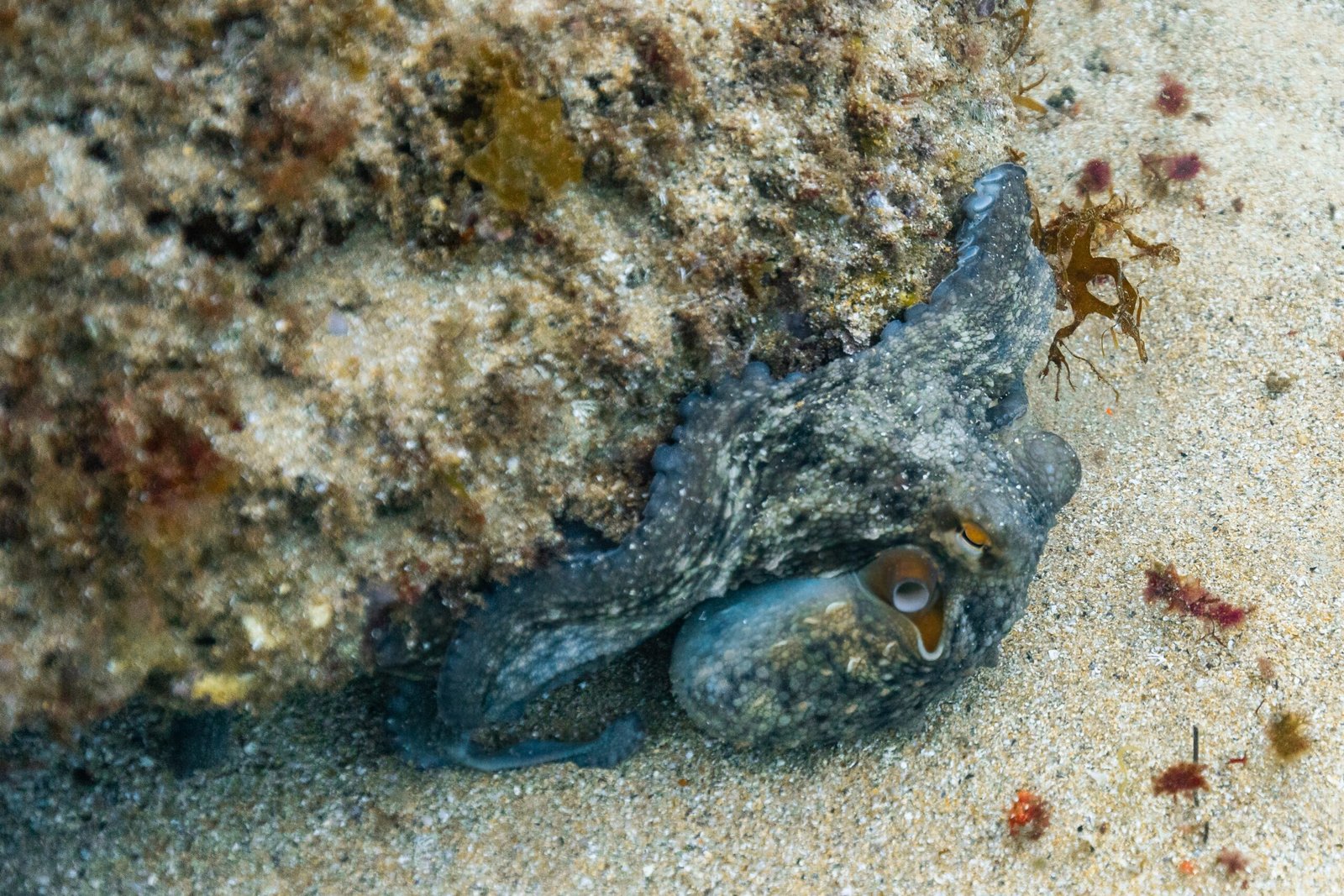
As we continue to unravel the mysteries of the octopus, it’s crucial to address conservation concerns. These remarkable creatures face threats from overfishing, habitat destruction, and climate change. Protecting their natural habitats is essential to ensure their survival and continued contribution to our understanding of biology and adaptation. Conservation efforts must prioritize sustainable fishing practices and marine habitat protection to safeguard the future of these intelligent sea dwellers.
The Future of Octopus Research

The study of octopuses is still in its infancy, with many questions yet to be answered. As research continues, we can expect to uncover even more astonishing aspects of their biology and behavior. The octopus serves as a reminder of the vastness of the natural world and the endless possibilities for discovery. Their ability to rewire their brains without changing their DNA challenges our understanding of life and adaptation, offering a tantalizing glimpse into the future of biological research.
Final Thoughts: The Marvel of the Octopus

The octopus stands as a marvel of the natural world, a testament to the wonders of evolution and adaptation. Their ability to rewire their brains without altering their DNA is a remarkable feat that continues to captivate scientists and nature enthusiasts alike. As we delve deeper into their world, we are reminded of the complexity and beauty of life on Earth. The octopus invites us to explore, question, and marvel at the mysteries of nature. What other secrets might the ocean hold, and how can we learn from its most intelligent inhabitants?