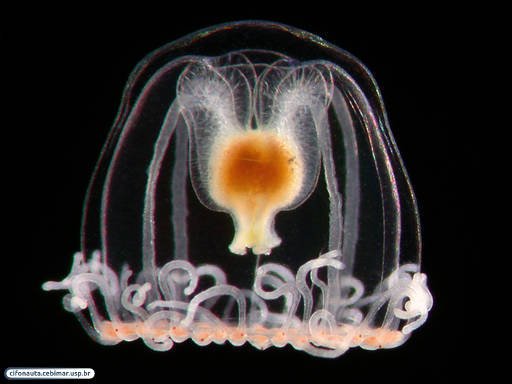
Beneath the vast, mysterious ocean lies a creature so enigmatic, it has puzzled scientists and intrigued the curious minds of nature enthusiasts worldwide. The Turritopsis dohrnii, more commonly known as the immortal jellyfish, possesses an extraordinary ability that many can only dream of: the power to cheat death and potentially live forever. This tiny organism, no larger than a pinky nail, holds secrets that could revolutionize our understanding of aging and longevity.
The Unique Life Cycle of the Immortal Jellyfish
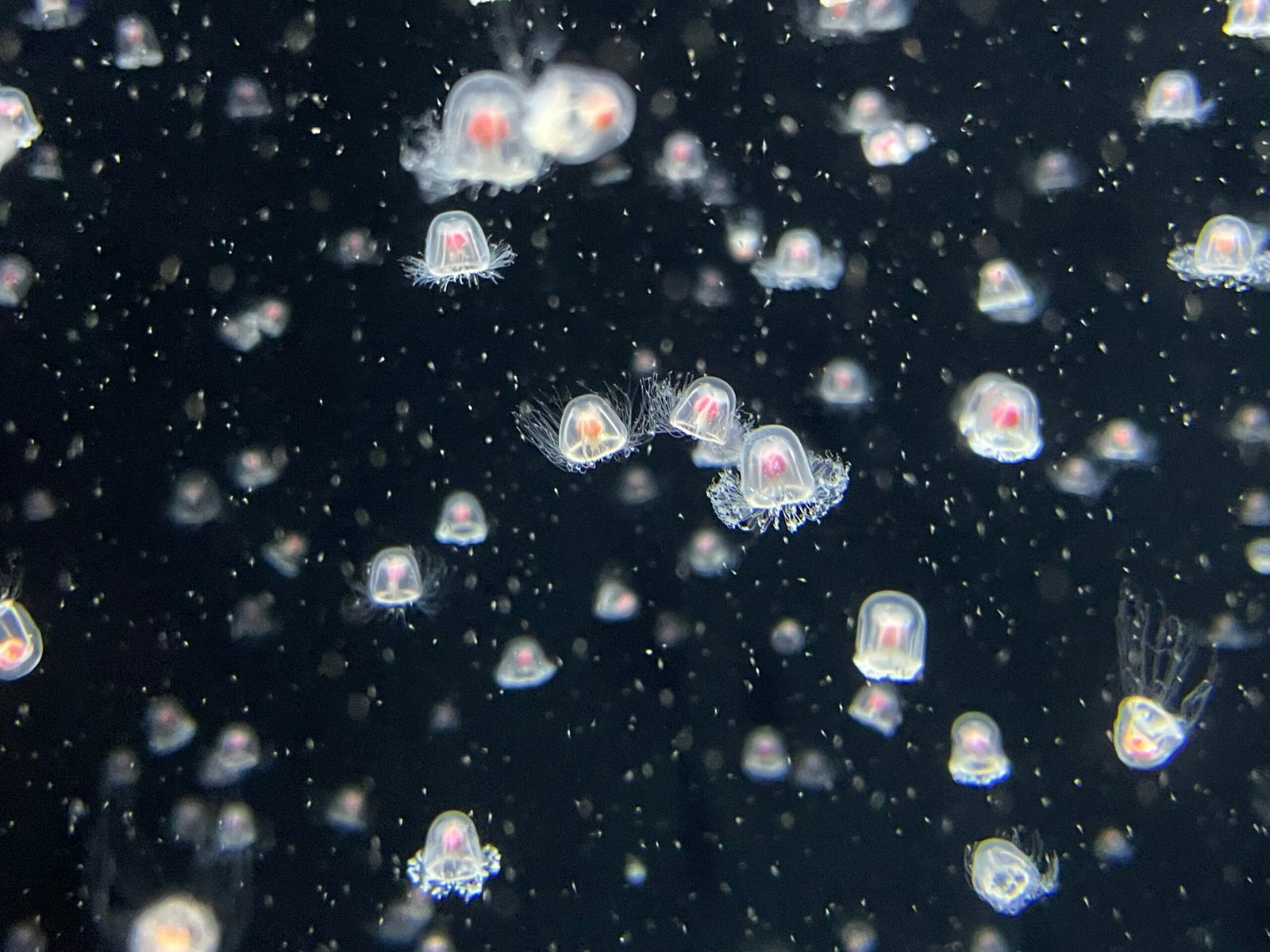
The immortal jellyfish’s life cycle is unlike any other. While most creatures follow a linear path from birth to death, this jellyfish can revert to an earlier stage of its life cycle. When faced with environmental stress or physical damage, it undergoes a process called transdifferentiation. This means it can transform its cells into different types, effectively reversing its aging process and starting anew as a polyp. Imagine a butterfly turning back into a caterpillar—it’s a fascinating concept, and the jellyfish does it with remarkable ease.
Transdifferentiation: The Secret to Reversing Aging
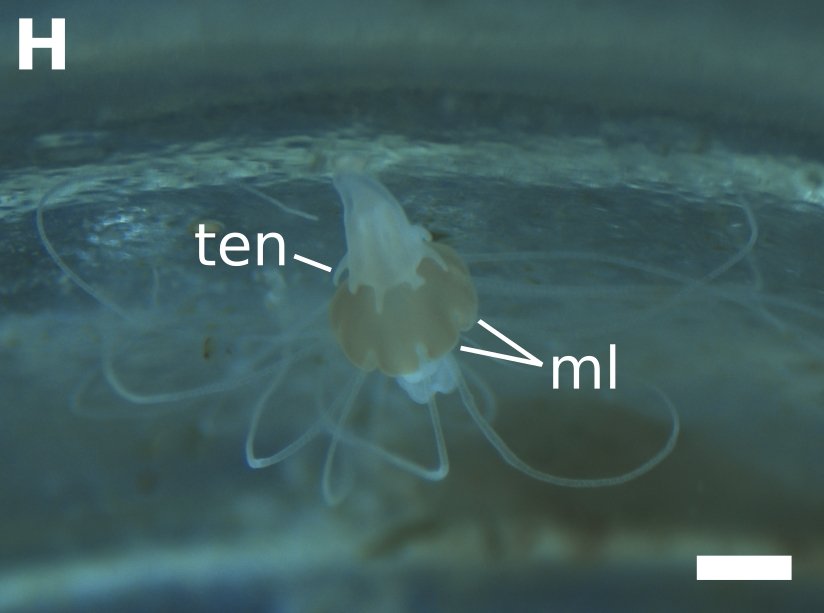
Transdifferentiation is the magical process that grants the immortal jellyfish its remarkable ability. This biological phenomenon allows mature cells to change into different types, bypassing the usual path of cell aging and death. It’s akin to a chameleon changing colors, but at a cellular level. Scientists are keenly studying this process, hoping to unlock secrets that could lead to breakthroughs in regenerative medicine. The implications are vast, potentially offering new ways to treat degenerative diseases and extend human life.
Adaptations for Survival
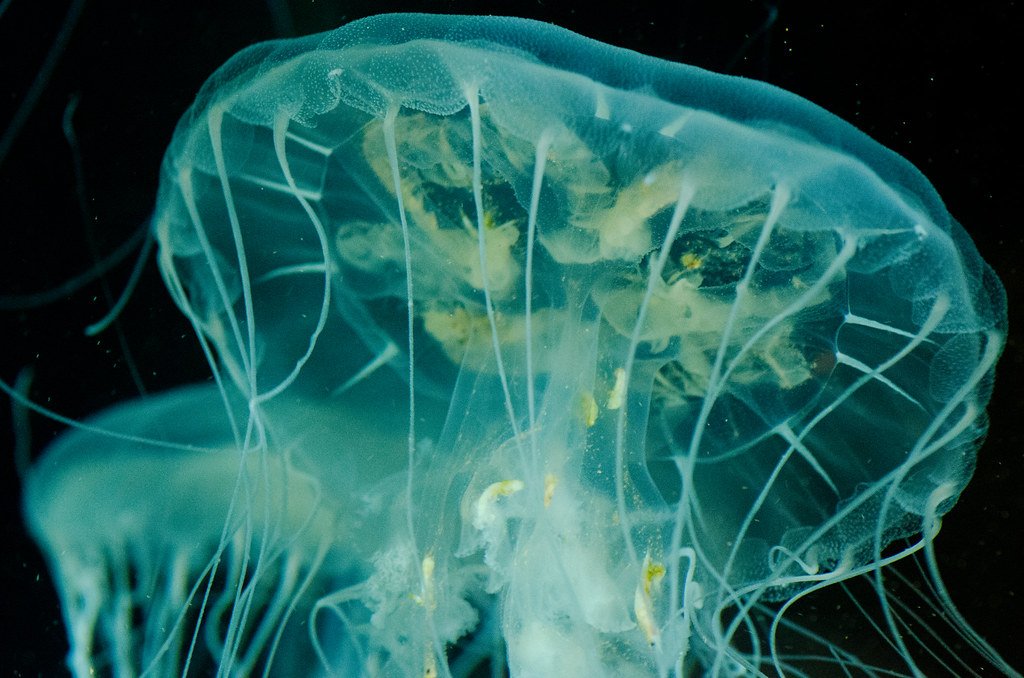
The immortal jellyfish’s ability to reverse its aging is not just a party trick; it’s a survival mechanism. In the ocean’s unpredictable environment, this adaptability is crucial. When faced with threats like predators or changing ocean conditions, reverting to a younger state allows the jellyfish to escape potential harm. It’s like hitting a reset button, granting it another chance at life. This adaptability ensures its survival even in the most hostile conditions, making it one of the ocean’s most resilient inhabitants.
Where Can You Find the Immortal Jellyfish?
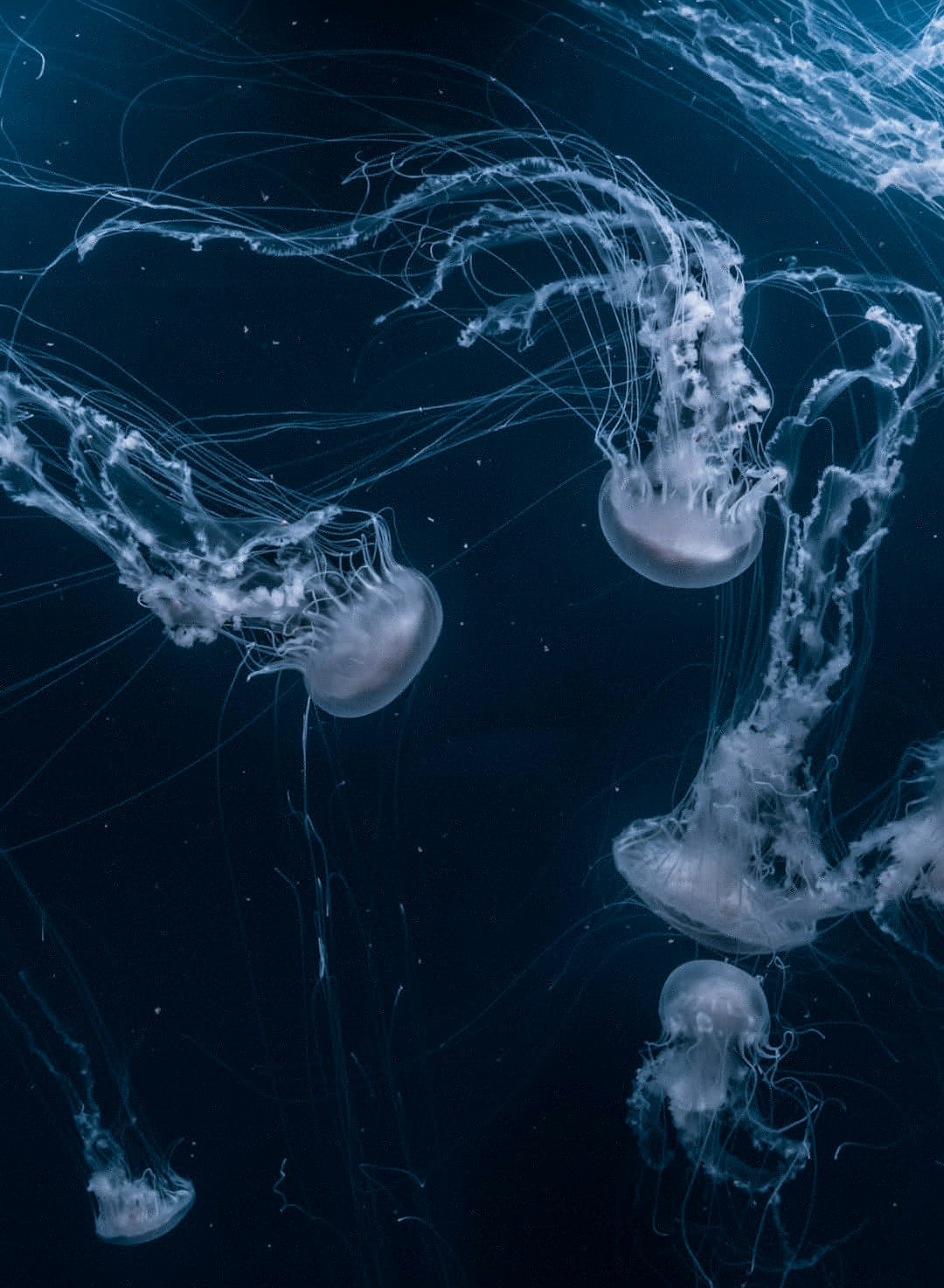
Originally discovered in the Mediterranean Sea, the immortal jellyfish can now be found in oceans across the globe, from the coasts of Japan to the waters of the Americas. Its widespread distribution is a testament to its adaptability. Despite its small size, it thrives in various marine environments, blending seamlessly with its surroundings. Its transparent body makes it nearly invisible, a clever camouflage against predators. This widespread presence means that wherever you are, you might just be swimming alongside nature’s very own fountain of youth.
The Role of Genetics in Immortality
At the heart of the immortal jellyfish’s abilities lies its unique genetic makeup. Scientists have discovered that certain genes play a pivotal role in its regenerative abilities. These genes regulate the transdifferentiation process, orchestrating the complex dance of cellular transformation. By understanding these genetic pathways, researchers hope to uncover the blueprint for cellular regeneration. It’s a genetic puzzle, and each piece brings us closer to understanding the mysteries of life and longevity.
Potential Implications for Human Medicine
The study of the immortal jellyfish is not just an academic exercise; it holds potential benefits for human medicine. If scientists can harness the jellyfish’s ability to regenerate cells, it could lead to breakthroughs in treating age-related diseases, repairing damaged tissues, and even extending human life. Imagine a world where aging is no longer an inevitable decline but a process that can be reversed or slowed. The possibilities are endless, and the jellyfish might just hold the key to unlocking them.
Challenges in Studying the Immortal Jellyfish
Despite its fascinating abilities, studying the immortal jellyfish is no easy task. Its small size and delicate nature make it difficult to observe in the wild. Furthermore, replicating its unique life cycle in laboratory settings presents its own set of challenges. Scientists must navigate these hurdles to unlock the jellyfish’s secrets. It’s a race against time, but the potential rewards make it a pursuit worth undertaking. Each discovery brings us one step closer to understanding the marvels of nature.
How Does the Immortal Jellyfish Impact Ecosystems?
While the immortal jellyfish’s abilities are remarkable, its role in marine ecosystems is equally important. As both predator and prey, it plays a crucial part in the ocean’s food web. Its presence can influence the populations of other marine organisms, maintaining the delicate balance of marine life. This tiny creature’s impact is far-reaching, reminding us that even the smallest organisms can have a profound effect on the world around them. It’s a testament to the interconnectedness of nature.
The Future of Research on Immortal Jellyfish

As technology advances, so too does our ability to study the immortal jellyfish. New tools and techniques allow researchers to delve deeper into its biology, uncovering insights that were once out of reach. Collaborations between marine biologists, geneticists, and medical researchers are paving the way for groundbreaking discoveries. The future is bright, with the potential for revolutionary advancements in science and medicine. The journey is ongoing, and the immortal jellyfish continues to inspire and captivate those who seek to understand its mysteries.
Reflections on the Wonders of Nature
The story of the immortal jellyfish is a reminder of nature’s boundless wonders. In a world where aging and mortality are constants, this tiny creature defies the odds, offering glimpses into possibilities beyond our current understanding. It challenges us to rethink the nature of life and longevity, inspiring curiosity and admiration. As we continue to explore the depths of the ocean and the intricacies of life, the immortal jellyfish stands as a symbol of resilience and the endless potential of nature’s ingenuity.