
Picture a lost city and your brain probably serves up the movie version: crumbling walls swallowed inch by inch by jungle vines or drifting sand, a slow fade over centuries. That’s not what the dirt actually shows at some of the most famous sites on Earth. Layer by layer, a handful of ancient cities look like they went from bustling to empty in the span of a single lifetime – sometimes a single season.
Even stranger, the experts don’t always agree on why. Some of these places got hit by fire, ash, or invading armies you could point to on a map. Others just stopped, with no smoking gun anywhere in the soil, only an eerie, sudden silence where a city used to be. Eleven places, eleven different collapses – and the fastest ones might change how you think about how permanent “permanent” really is.
#11 – Çatalhöyük, Turkey: The “Prehistoric Megacity” That Emptied Fast
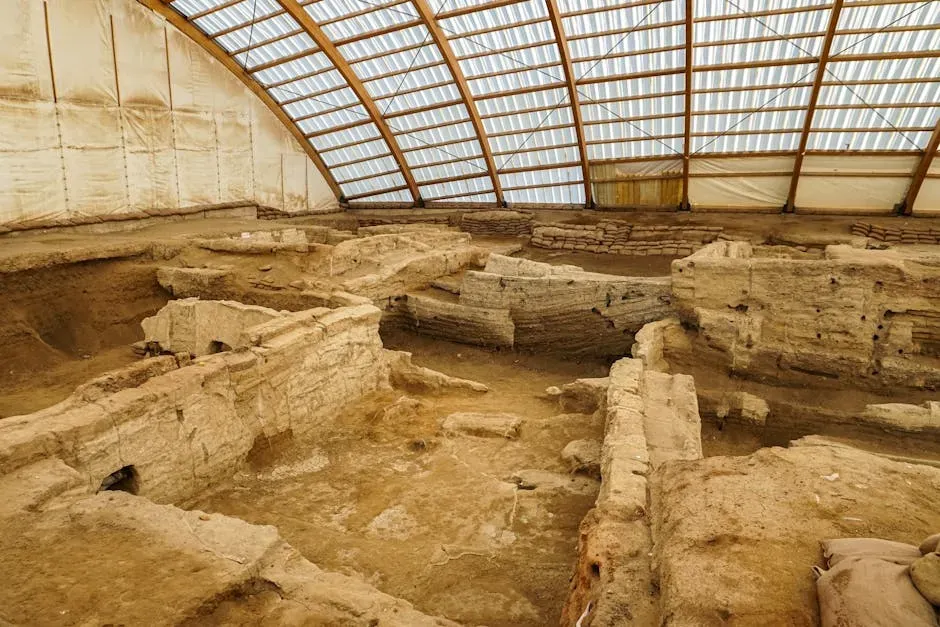
On paper, Çatalhöyük should have lasted forever. In reality, it burned out shockingly fast for a Neolithic powerhouse. This 9,000-year-old settlement in central Turkey was once home to several thousand people crammed into dense, apartment-like housing, with elaborate rituals built around burying the dead beneath the floors they walked on.
Archaeologists now argue that environmental stress and sheer crowding triggered a swift decline around 6000 BCE. Bone layers show rising disease markers and worsening air quality from indoor hearths, alongside piling garbage – some of the earliest “city problems” in human history, possibly bad enough to make daily life unbearable within a few generations. There’s no destruction layer, no fire, no war. Just a rapid thinning out of use, like the whole community quietly agreed the experiment had failed and walked off toward smaller, calmer settlements nearby. But wait until you see how fast paradise disappeared at #10.
#10 – Akrotiri, Santorini (Thera): Buried in a Single Catastrophic Day
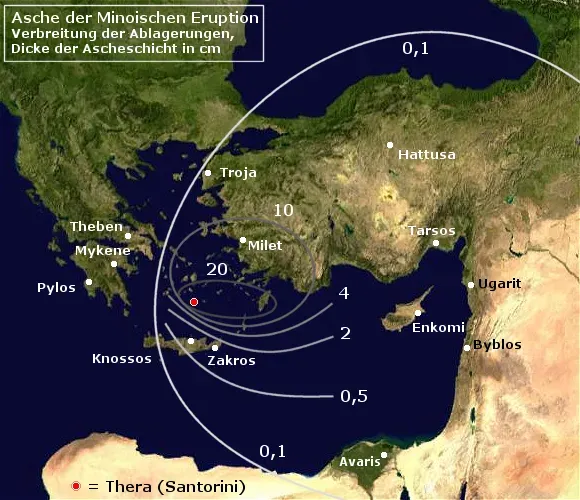
If any ancient city fits the phrase “gone overnight,” it’s Akrotiri – because a volcano literally froze it mid-evacuation. On the island now called Santorini, Akrotiri was a prosperous Bronze Age port tied deep into the Minoan trading world. Then the Thera volcano erupted in one of the largest explosions in recorded human history, and ash and pumice buried the city so quickly that wall paintings, furniture, and even staircases survived almost perfectly intact.
Fast Facts
- The Thera eruption is dated to roughly 1600 BCE, ranked among the most powerful volcanic events in recorded history
- Ash and pumice buried Akrotiri under several meters of debris almost instantly
- Multi-story buildings, staircases, and vivid frescoes survived largely intact
- Almost no human remains have been found, pointing to a rushed but successful evacuation
Here’s the eerie part: archaeologists have found almost no bodies. That strongly suggests residents felt the warning signs – earthquakes, smaller eruptions rumbling under their feet – and got out in a rushed but organized evacuation before the sky turned to fire. To outsiders, though, it looked like an entire trading hub vanished in an instant. One week ships were docking and painters were finishing frescoes; the next, the harbor was gone, the island’s shape was permanently altered, and regional trade routes shattered along with it. Compared to what came next, though, Akrotiri’s ash cloud was almost merciful.
#9 – Ugarit, Syria: A Coastal Capital Wiped Out in One Letter
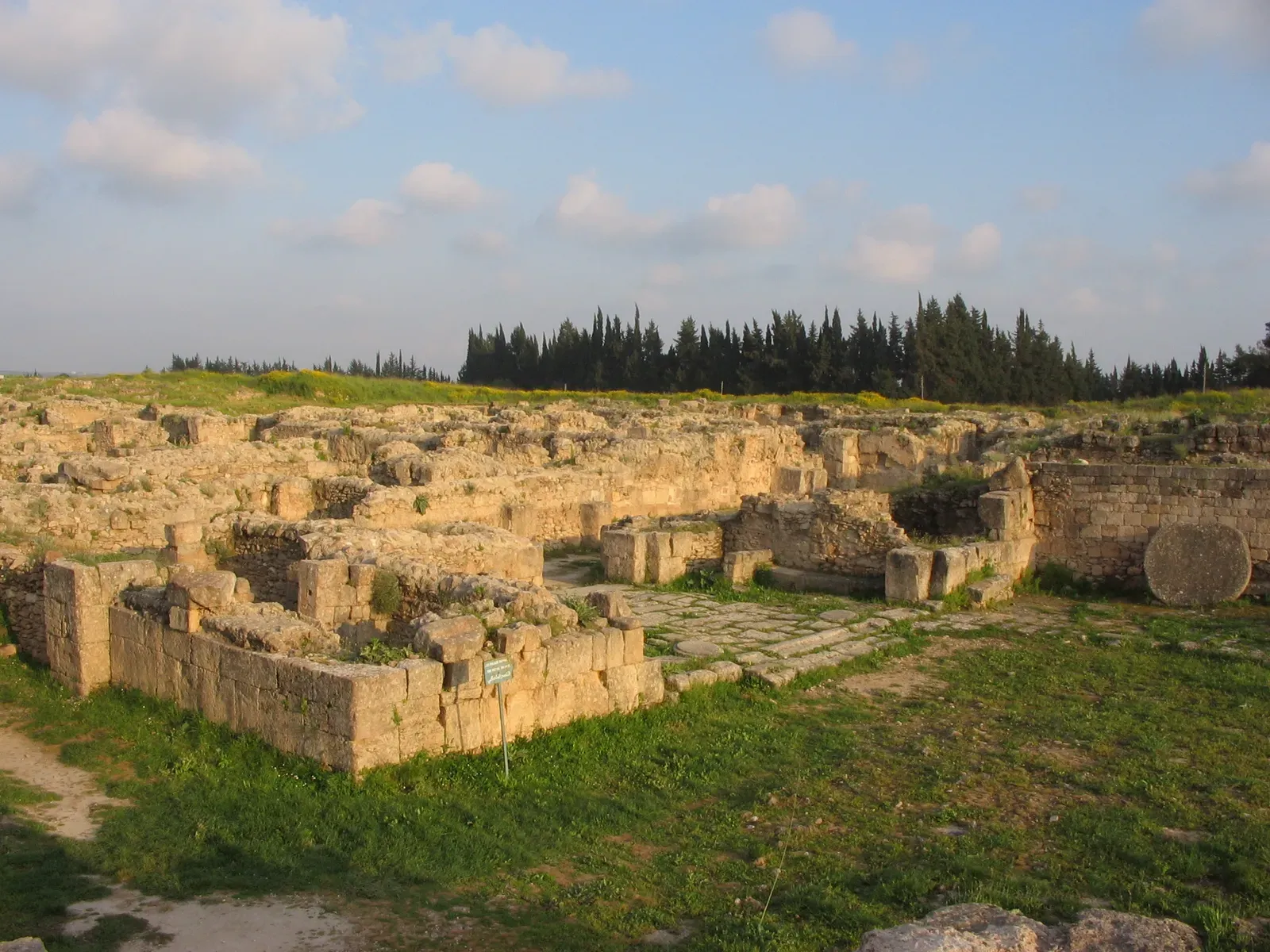
Ugarit didn’t just vanish; it left behind a breakup text with history. This Late Bronze Age port on the Syrian coast was a diplomatic heavyweight, wired into Egypt, the Hittites, and Cyprus through archives full of clay tablets – royal correspondence, trade contracts, even petty legal disputes. Then, around 1190 BCE, the letters stop mid-crisis. One tablet mentions enemy ships on the horizon; another begs for help that never arrived.
Excavations show thick destruction layers packed with fire damage, collapsed buildings, and weaponry, all dated to a startlingly narrow window of time. After that, Ugarit was never properly rebuilt. Its harbor silted up, its bureaucracy died with its scribes, and its role in international politics evaporated in what looks, archaeologically, like a blink. Many researchers connect this to the broader “Sea Peoples” upheavals rattling the Mediterranean at the time, though the label itself is still debated. What’s not debated: a sophisticated, literate city went from writing treaties to total silence almost overnight. Ugarit’s silence is heavy – but #8 disappears in a completely different way.
#8 – Nan Madol, Micronesia: A Coral City Islanders Walked Away From
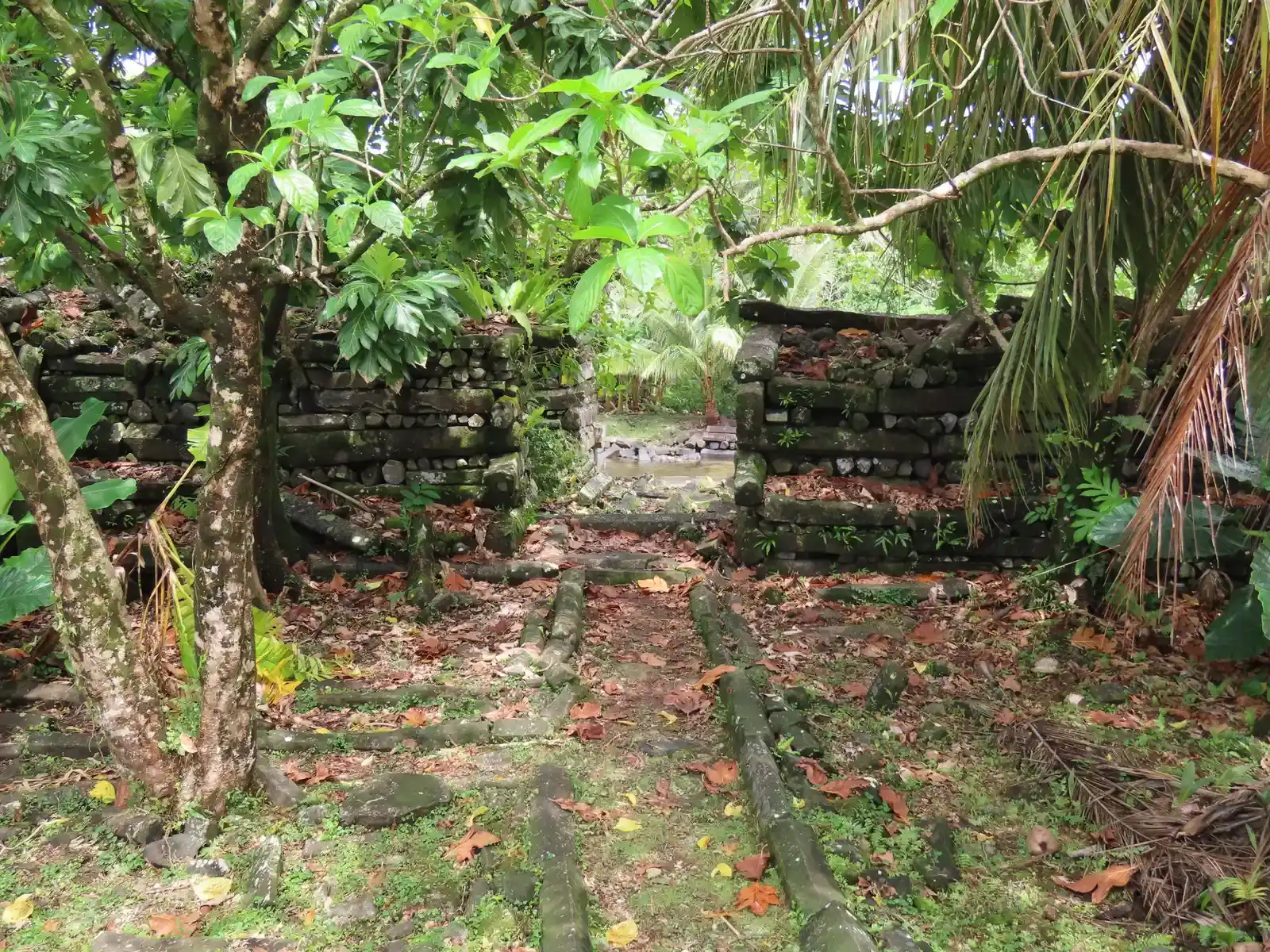
Nan Madol looks like fantasy: a city of stone rising straight out of the ocean, built on artificial islets off Pohnpei as a ritual and political center for the Saudeleur dynasty. Massive basalt columns were stacked into walls and platforms, forming more than 90 islets stitched together by tidal canals – a stone Venice in the middle of the Pacific. For centuries it concentrated real power and real people.
Then, sometime between roughly the 1500s and 1600s CE, use plummeted fast. Oral traditions talk about tyrannical rulers, foreign conquerors, and spiritual fear tied to the site. Archaeologists see something more physical underneath the legends: food strain, shifting trade, and the sheer difficulty of forcing a population to live on tiny artificial islets with almost no fresh water. Once political control slipped, people seem to have moved inland fast, leaving the ocean city to rot quietly in salt and roots – no long, graceful decline, just an abrupt regime change written in coral and basalt. Nan Madol’s canals are eerie, but #7 shows a city that turned on itself.
#7 – Teotihuacan, Mexico: The Metropolis That Imploded From Within
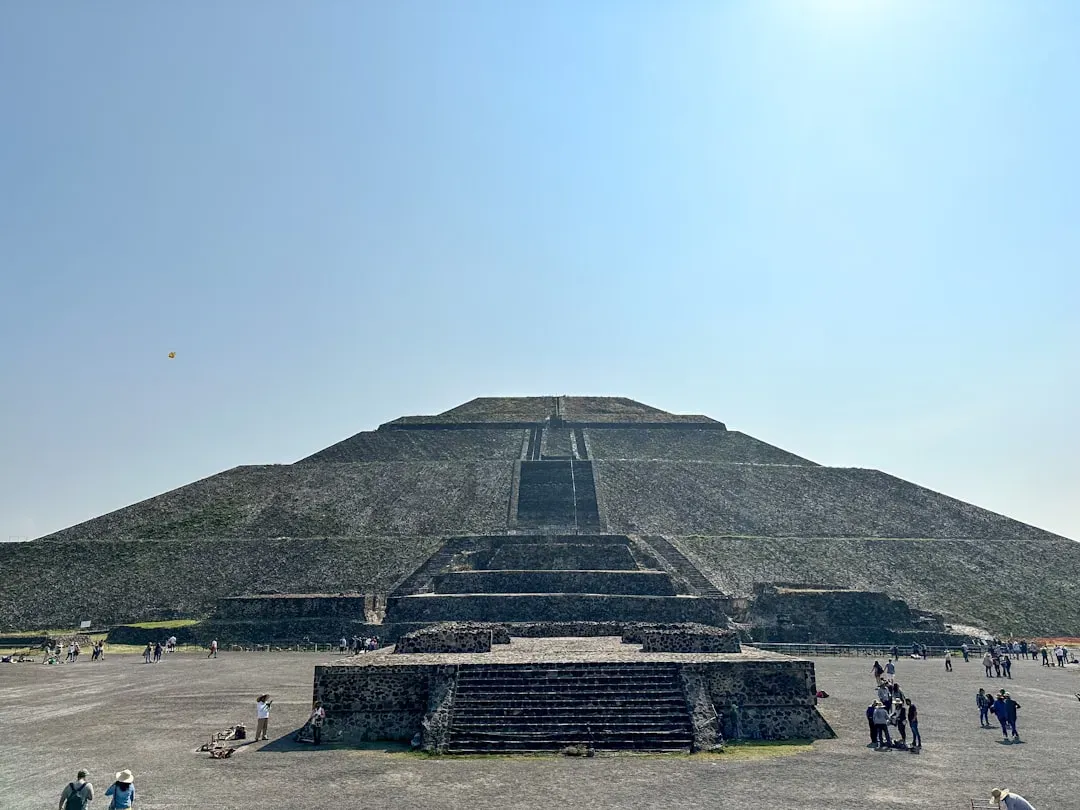
Teotihuacan didn’t die because someone conquered it; it may have died because its own people torched it. At its peak, roughly 1 to 550 CE, Teotihuacan near modern Mexico City was one of the largest cities on Earth, home to perhaps 100,000 to 150,000 residents living among wide avenues, towering pyramids, apartment compounds, and busy workshops.
Worth Knowing
- At its height, Teotihuacan may have housed 100,000 to 150,000 people, rivaling contemporary Rome
- The Pyramid of the Sun, one of the largest pyramids ever built, anchored the city’s ceremonial core
- Burning concentrated on elite and civic compounds rather than ordinary residential neighborhoods
- Teotihuacan’s writing system remains undeciphered, so most collapse theories rely on physical, not textual, evidence
Then, in the 6th century, something snaps. Excavations reveal coordinated burning of elite and civic compounds, smashed sculptures, and a sudden halt in monument-building – the signature of an internal revolt cascading through neighborhoods, not an outside invasion. Once the political heart was burned, urban life thinned out dramatically across just a few generations. The city didn’t disappear from one day to the next, but its identity as the dominant power in central Mexico did, so completely that later civilizations treated Teotihuacan as a mythic ruin – the “City of the Gods” – rather than a place their own grandparents remembered living in. Teotihuacan burned from the inside; #6 shows a slower fuse with the same explosive ending.
#6 – Ani, Turkey: The “City of 1,001 Churches” Left to the Wind
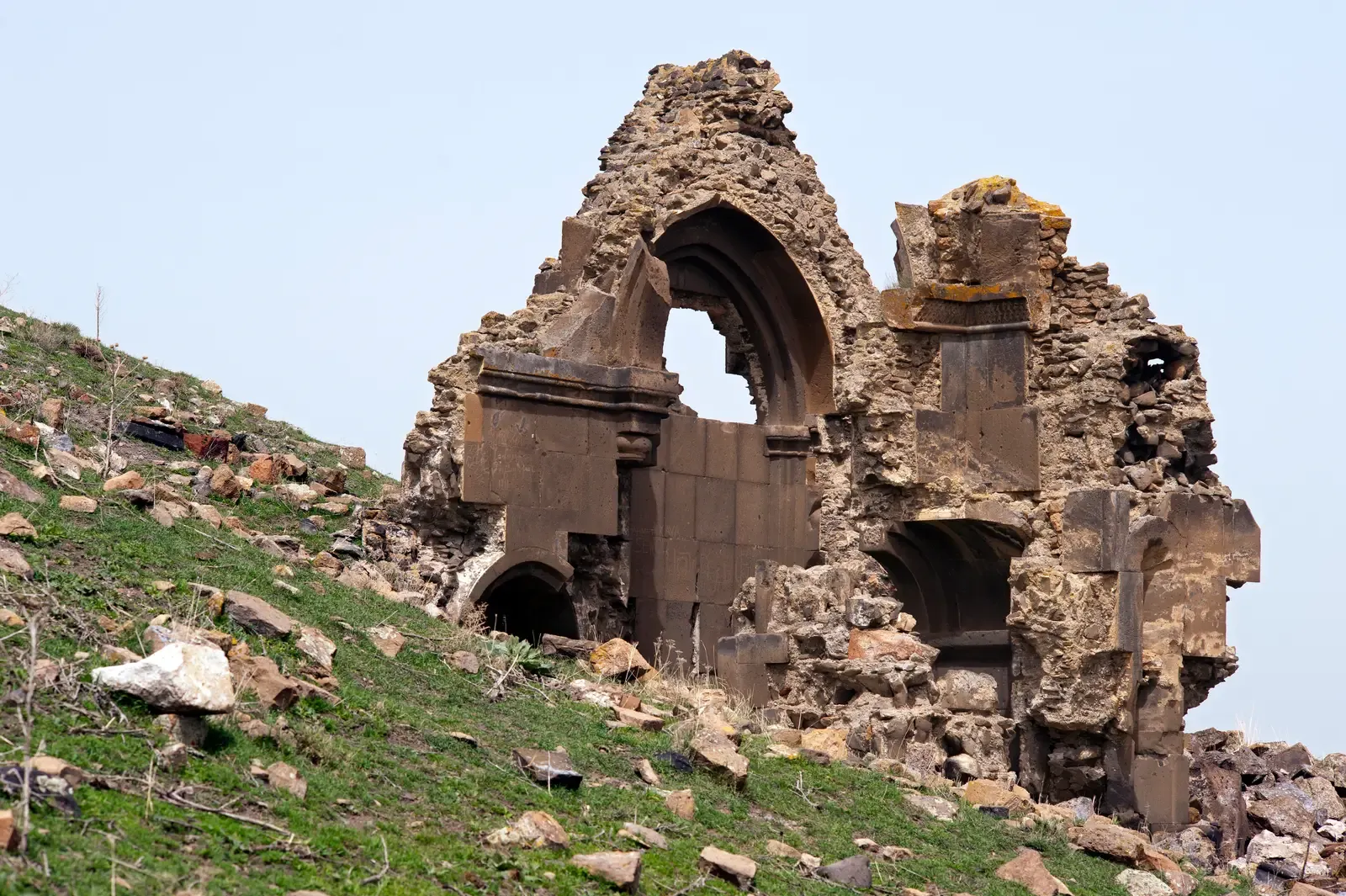
Ani is a rare case where the ruins sell a romantic story, and the archaeology shows how brutally fast fortune can flip. Straddling old trade routes near today’s Turkey-Armenia border, medieval Ani boomed around the 10th and 11th centuries CE, its population possibly hitting 100,000 behind fortifications, palaces, and scores of churches that rivaled the great cities of its day.
Then, over just a few centuries, everything unravels. Earthquakes strike, political control shifts hands, trade routes realign, and repeated sieges shred whatever stability was left. Records describe massacres, deportations, and abrupt regime changes chipping away at the population year after year. By the 14th century, observers describe Ani as effectively empty – astonishing when you remember how enormous it had been just two or three lifetimes earlier. It tumbles from capital to ghost city at a speed that feels almost modern, as merchants and craftsmen simply follow safer, more profitable roads elsewhere. Ani’s fall is fast, but #5 shows a civilization that saw its own collapse coming and left anyway.
#5 – Great Zimbabwe, Zimbabwe: A Stone Power Center Quietly Abandoned
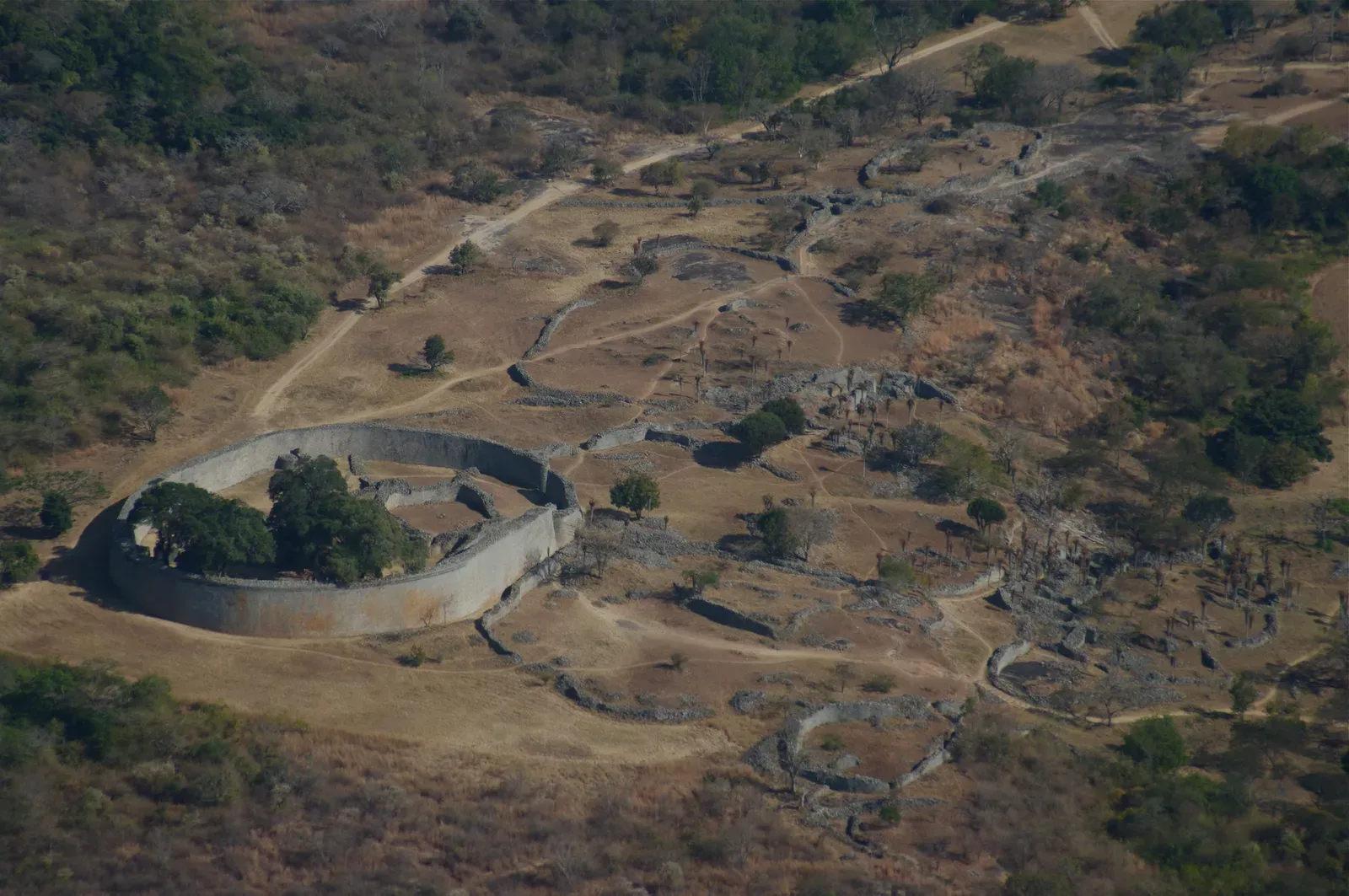
Great Zimbabwe didn’t fall to invaders or explode in volcanic fire. It died the quieter death of a system that pushed its environment too hard. Between roughly 1100 and 1450 CE, it was the heart of a powerful Shona-speaking polity plugged into Indian Ocean trade, its elite enclosures ringed by dry-stone walls up to 11 meters high and stuffed with status goods – glass beads, Chinese porcelain, gold.
Then, within a relatively narrow window in the 15th century, the site loses its central role fast. Population declines quickly, elite structures stop being maintained, and nearby centers rise to take its place. Most archaeologists now argue this wasn’t some mysterious curse; it was overreach – deforestation for building and fuel, overgrazed pastures, and exhausted soil likely undercut the whole economy. Once rival centers offered better land and trade access, abandoning the overtaxed capital was probably a brutally pragmatic decision, not a tragedy. To later Europeans it looked like a city that vanished inexplicably; to its own people, it may have been a fast and very intentional relocation of power. Great Zimbabwe walked away on its own terms – #4 shows an entire civilization doing the same thing, at scale.
#4 – Mohenjo-daro, Pakistan: An Urban Experiment That Failed Fast
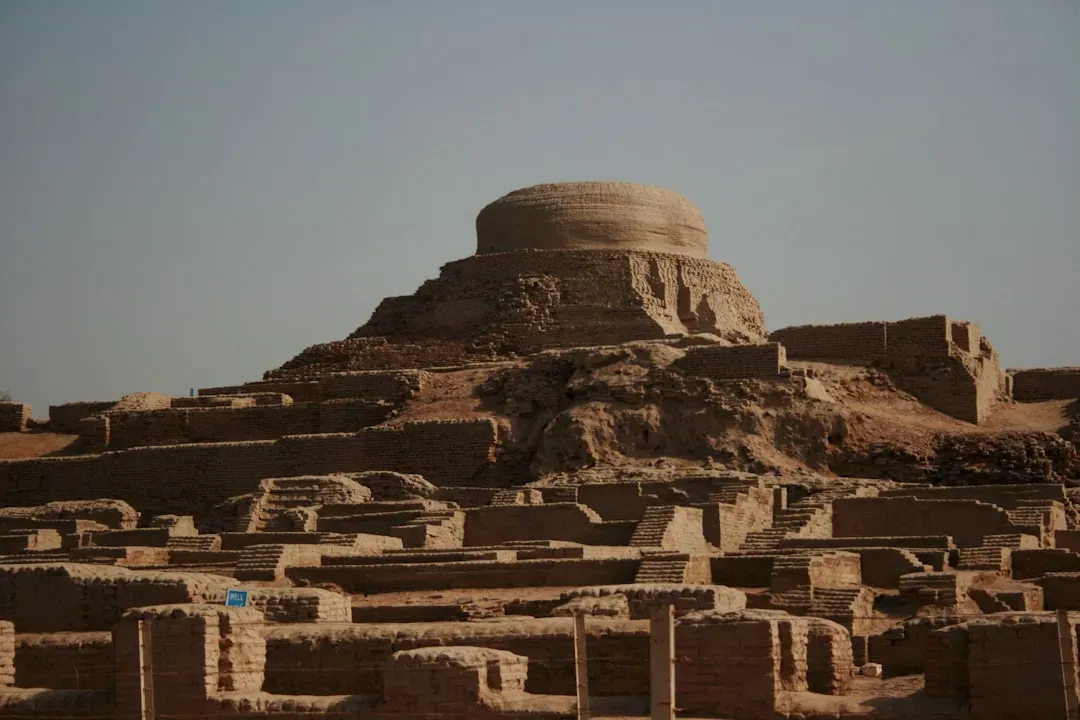
The Indus Valley city of Mohenjo-daro is famous for its planning and notorious for how suddenly that planning stops. Laid out around 2500 BCE with grid-like streets, sophisticated drains, and standardized brick sizes, it was the poster child for early urban civilization done right.
Yet by around 1900 BCE, urban functions fade across the entire region at once. Building standards slip, public works deteriorate, and large structures go out of use within a tight chronological band – not a smooth, centuries-long decline, but a sharp, synchronized turn away from dense city life. Climate change likely played the starring role: weakening monsoons and shifting river courses made large, water-dependent cities a genuine gamble. Many residents appear to have dispersed into smaller rural settlements rather than wait around for total collapse. The exact trigger is still debated – floods, trade shifts, disease – but nobody seriously believes the old “sudden invasion” story anymore. Urbanism itself became the problem. Mohenjo-daro’s residents scattered quietly; #3 is anything but quiet.
#3 – Mycenae, Greece: Palatial Greece Snuffed Out in a Generation
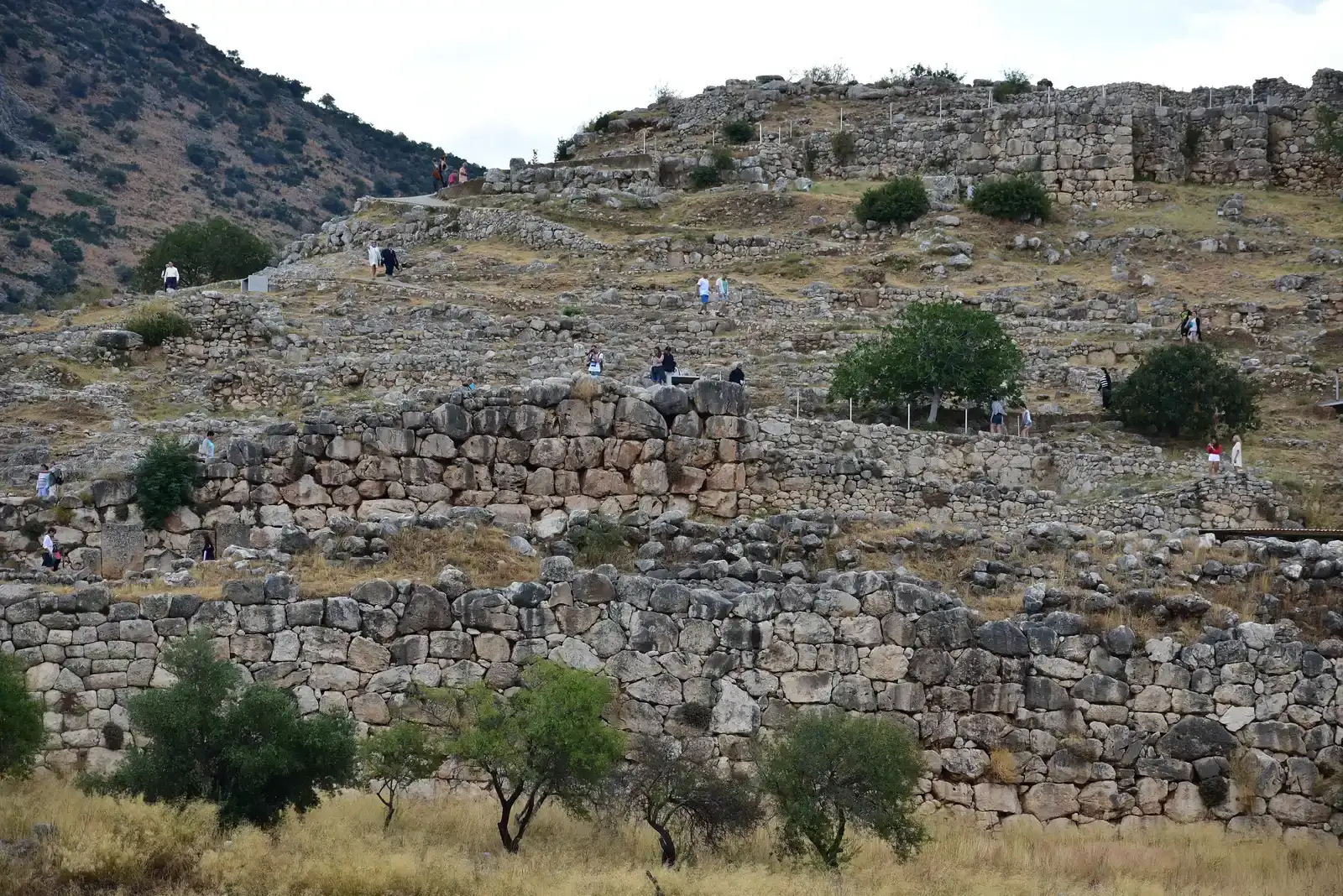
The world of Agamemnon really did end in something close to a single bad century. Mycenae was one of several palatial centers dominating Greece around 1400 to 1200 BCE, its Cyclopean walls, gold-stuffed shaft graves, and administrative tablets written in Linear B pointing to a centralized, militarized elite at the height of its power.
Quick Compare
- Before, roughly 1400-1250 BCE: fortified palaces, gold-rich shaft graves, and Linear B record-keeping
- After, roughly 1200-1100 BCE: no writing anywhere in Greece, shrunken trade, and modest defensible villages
- The shift between these two Greeces took only a few generations to complete
Then, between roughly 1200 and 1100 BCE, the whole system disintegrates. Archaeologists find destruction layers from fires, followed by rebuilding, followed by more hits, until the palace system is simply gone and literacy vanishes for centuries. On an archaeological timescale, that’s lightning fast: the palaces don’t slowly evolve into something else, they’re abandoned or repurposed as humble dwellings while trade shrinks and settlements shift to more defensible, modest sites. Within about three or four generations, the landscape changes from complex bureaucracy to what we now call the Greek “Dark Age.” To later Greeks spinning heroic myths, those cities really did feel like they’d vanished into legend almost overnight. Mycenae’s fall shaped Greek mythology forever; #2 looks like something out of a ghost story.
#2 – Skara Brae, Scotland: A Stone Village Frozen Mid-Move
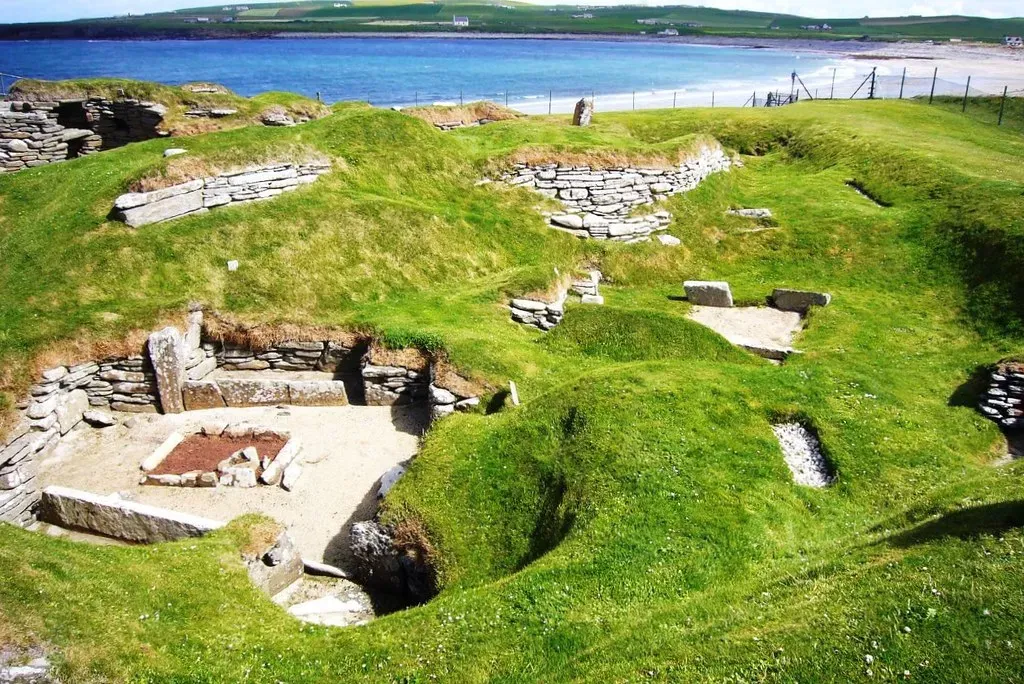
Skara Brae looks like its residents stepped out for a moment and never came back. This Neolithic village in Orkney, dating from around 3180 to 2500 BCE, is made up of stone-built houses complete with beds, dressers, and hearths still sitting in place. When a storm exposed the site in the 19th century, it seemed almost too perfect, like a genuine slice of time travel.
Archaeologists now think the village was abandoned relatively quickly, possibly driven by coastal erosion, shifting sand, or social changes that made the exposed shoreline less appealing to live on. What sells the “overnight” narrative are the small details: stone furniture intact, pathways still clear, artifacts left behind like nobody planned on staying gone. There’s no sign of violent destruction – instead it looks like a community that packed what it could carry, locked up nothing, and walked inland for good. Some researchers caution against over-dramatizing it, but compared with other long-fading sites, Skara Brae’s story still feels like a sudden neighborhood relocation, frozen mid-step. Skara Brae vanished gently; #1 vanished violently, and nothing on this list compares.
#1 – Pompeii & Herculaneum, Italy: The Gold Standard of “Gone in a Day”
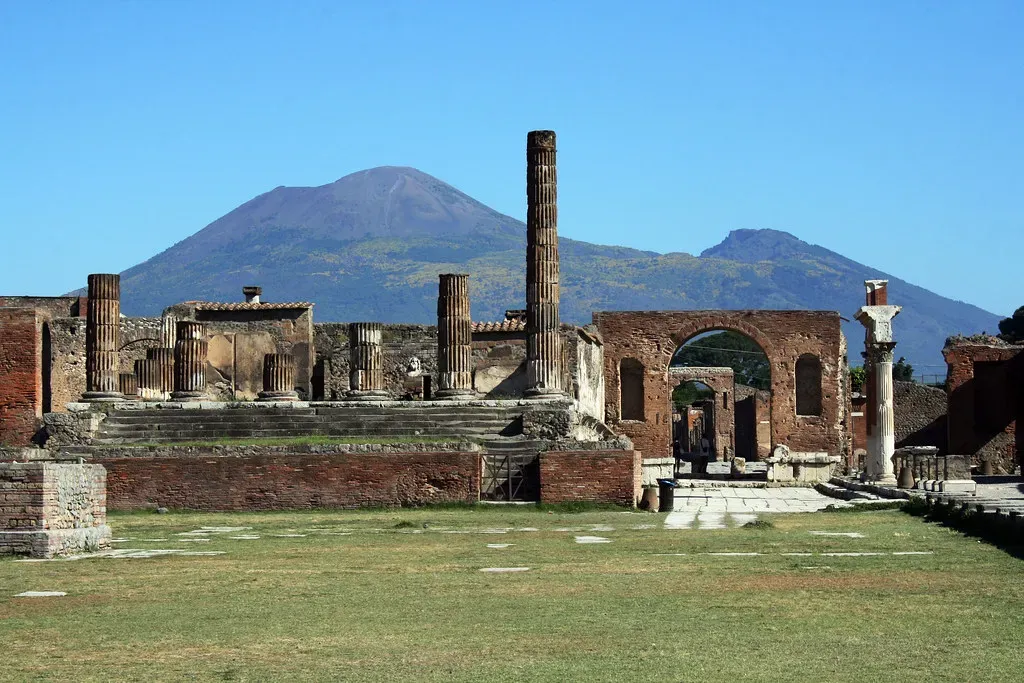
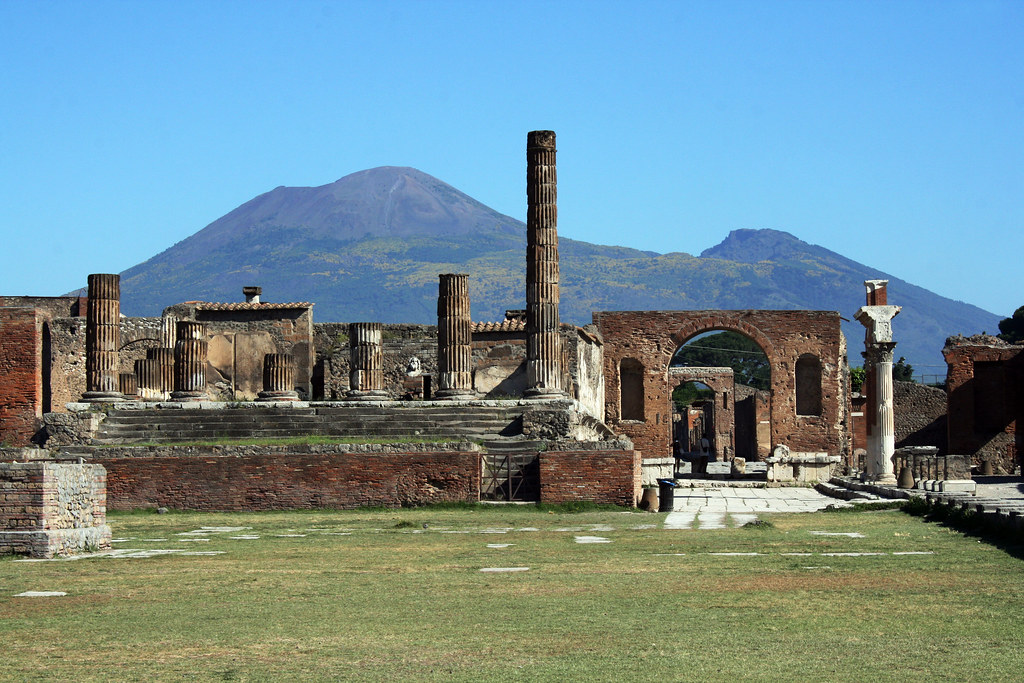
When archaeologists talk about a city vanishing overnight, they are secretly comparing everything to Pompeii and Herculaneum. In 79 CE, Mount Vesuvius erupted and buried these Roman towns under meters of ash and pyroclastic flows in less than 24 hours. People died in the streets, in their homes, even in seaside chambers where they thought they’d found safety.
Ash was falling now, but not yet very thickly. I looked round: a dense black cloud was coming up behind us, spreading over the earth like a flood.
Pliny the Younger
At a Glance
- Mount Vesuvius erupted in 79 CE, burying Pompeii and Herculaneum in under a day
- Pyroclastic flows and ash reached depths of several meters across both towns
- Carbonized bread, wine bars, and mid-preparation meals were preserved almost exactly as left
- Both cities stayed buried and forgotten for nearly 1,700 years before rediscovery
Shops still displayed their goods, graffiti still advertised upcoming shows, and meals sat abandoned mid-preparation. Excavations have turned up wine bars, bakeries with carbonized loaves still in the oven, and frescoes so vivid they look freshly painted. Unlike every slower collapse on this list, there was no chance to adapt, migrate, or reinvent – the urban fabric stayed physically intact but instantly, completely dead. For nearly 1,700 years both towns lay hidden, perfectly preserved and utterly erased from living memory, going from fully functioning communities to archaeological sites in a single day. That’s why, even as historians argue over every other “overnight” disappearance on this list, Vesuvius remains the brutal benchmark everyone else gets measured against.
Looking closely at these “overnight” vanishing acts exposes an uncomfortable truth: cities are far more fragile than their stone walls suggest. Sometimes the trigger is brutally obvious, like a volcano or an invading army. More often, it’s an accumulation of pressure – environmental strain, political missteps, overcentralized power – that only looks sudden in hindsight, once you zoom out far enough to see the whole collapse at once.
My honest take? The volcano stories get all the attention, but the quiet ones are scarier. Çatalhöyük, Great Zimbabwe, and Mohenjo-daro didn’t need an eruption or an army – they simply outgrew what their environment and their own systems could support, and walked away before it got worse. Archaeologists now suspect many famous “mysteries” are actually fast-moving, entirely human spirals of bad luck and bad decisions. That’s less romantic than curses and lost continents, but it’s a far more useful warning if we’re paying attention – because the bigger and more complex a city gets, the harder it becomes to save once things start to wobble. Did we overrate any city here, or miss one that belongs on this list more than Ani or Nan Madol? Drop your take in the comments.