Imagine diving into the depths of the ocean, exploring the vibrant underwater world with ease, and holding your breath for what seems like an eternity. For most of us, this is a thrilling fantasy, but for the Bajau people, it is a reality. Known as the Sea Nomads, the Bajau have captivated scientists and enthusiasts alike with their astounding breath-holding abilities. This unique skill, reaching up to ten minutes underwater, is not just a product of rigorous training but is deeply rooted in their genetic makeup. Let’s delve into the fascinating story of the Sea Nomad gene and uncover the secrets behind these aquatic marvels.
The Enigma of the Bajau People
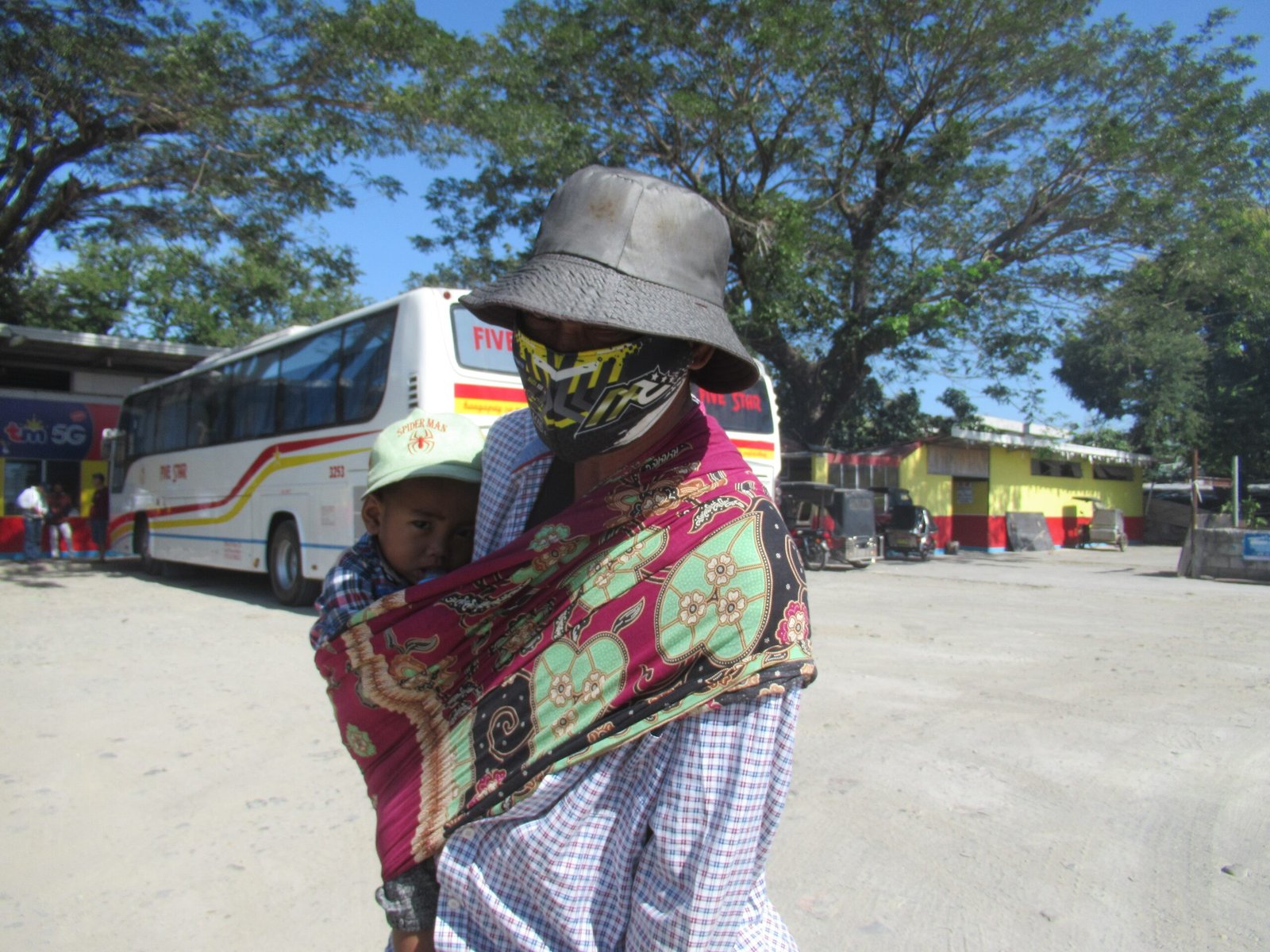
The Bajau people, often referred to as the Sea Nomads, have lived in harmony with the ocean for centuries. Originating from the regions of Southeast Asia, primarily around the waters of Indonesia, Malaysia, and the Philippines, their lives are intricately woven with the sea. For generations, they have fished and hunted underwater, relying on their remarkable ability to hold their breath for extended periods. This extraordinary skill has intrigued researchers, who have sought to understand the underlying factors that enable such feats. The Bajau’s lifestyle, deeply connected to the marine environment, offers a unique lens through which we can explore human adaptability and evolution.
Unveiling the Genetic Secret
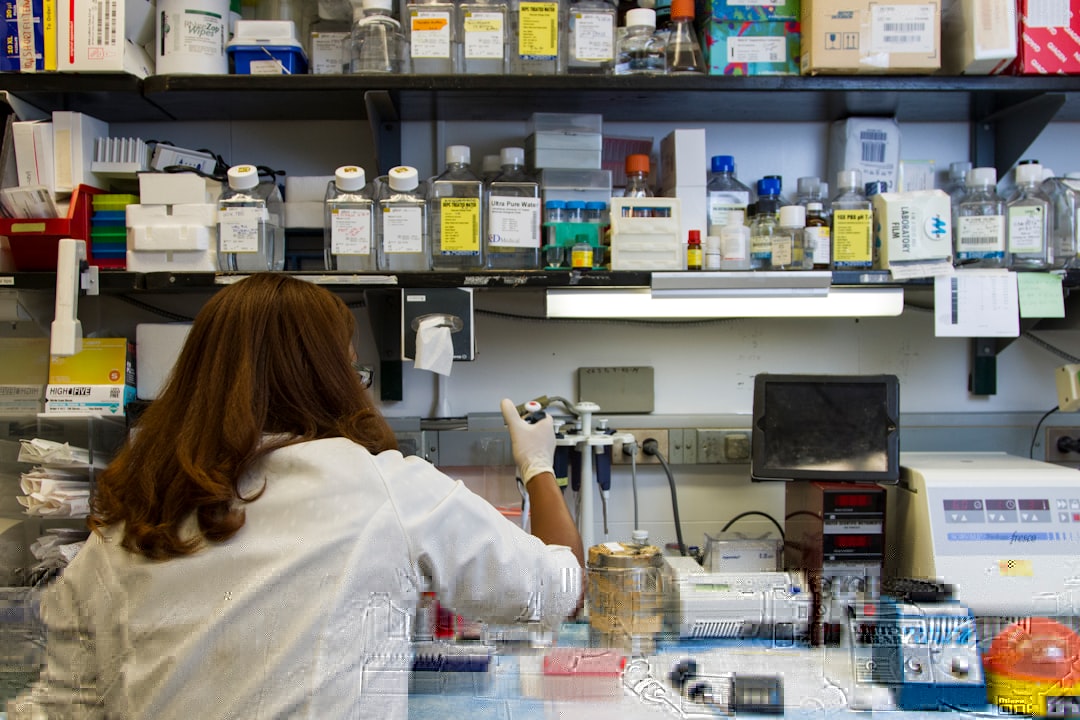
In recent years, scientists have turned their attention to the genetic makeup of the Bajau people, hoping to uncover the secret to their breath-holding prowess. A groundbreaking study revealed that the Bajau possess a unique genetic adaptation that sets them apart from other populations. This genetic trait, often referred to as the “Sea Nomad gene,” involves an enlarged spleen. The spleen plays a crucial role in regulating blood oxygen levels, and an enlarged spleen means more oxygen-rich red blood cells are released into the bloodstream during a dive. This adaptation provides the Bajau with a significant advantage, allowing them to remain submerged longer than most humans. The discovery of this genetic trait has opened new avenues for understanding human evolution and adaptation to extreme environments.
The Role of the Spleen in Breath-Holding
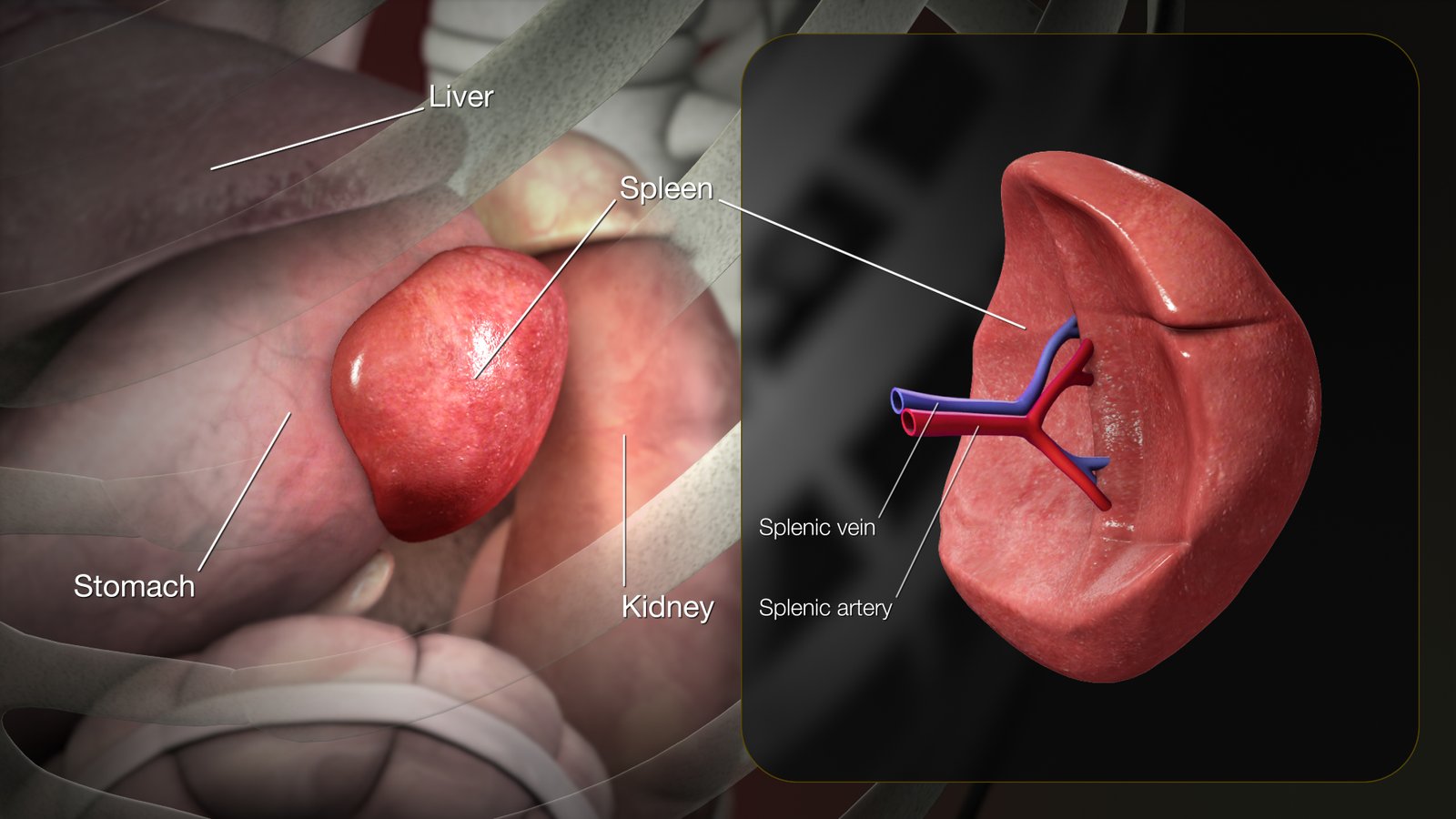
The spleen, often overshadowed by other organs, plays a starring role in the breath-holding capabilities of the Bajau people. During a dive, the body undergoes a series of physiological changes known as the diving reflex. This reflex, present in all humans to some degree, involves a reduction in heart rate, constriction of blood vessels, and the release of oxygen-rich red blood cells from the spleen. For the Bajau, this process is amplified due to their enlarged spleens. The spleen acts as a reservoir, storing a surplus of red blood cells, which are crucial for maintaining oxygen supply to vital organs while underwater. This remarkable adaptation highlights the spleen’s importance in the Bajau’s ability to thrive in their aquatic environment.
Training and Tradition: The Bajau Lifestyle
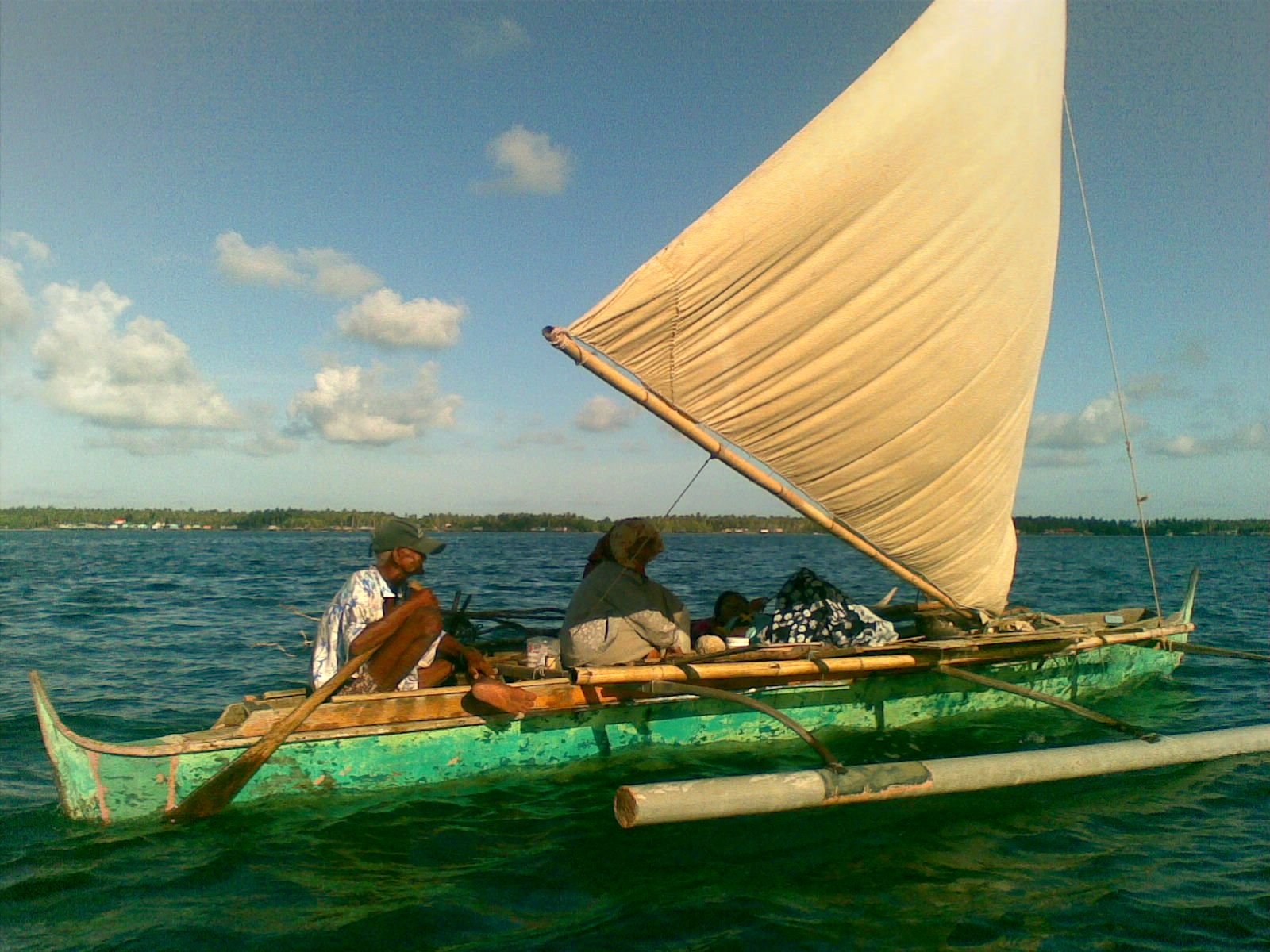
While genetics play a significant role in the Bajau’s breath-holding abilities, their lifestyle and training cannot be overlooked. From a young age, Bajau children are introduced to the water, learning to swim and dive with remarkable ease. Their daily routines often involve spearfishing and free diving, activities that naturally enhance their lung capacity and endurance. The Bajau’s intimate relationship with the sea is not just a means of survival but a cultural tradition passed down through generations. This harmonious blend of genetic adaptation and environmental conditioning creates a unique synergy, enabling the Bajau to excel in their underwater endeavors.
Comparisons with Other Diving Mammals
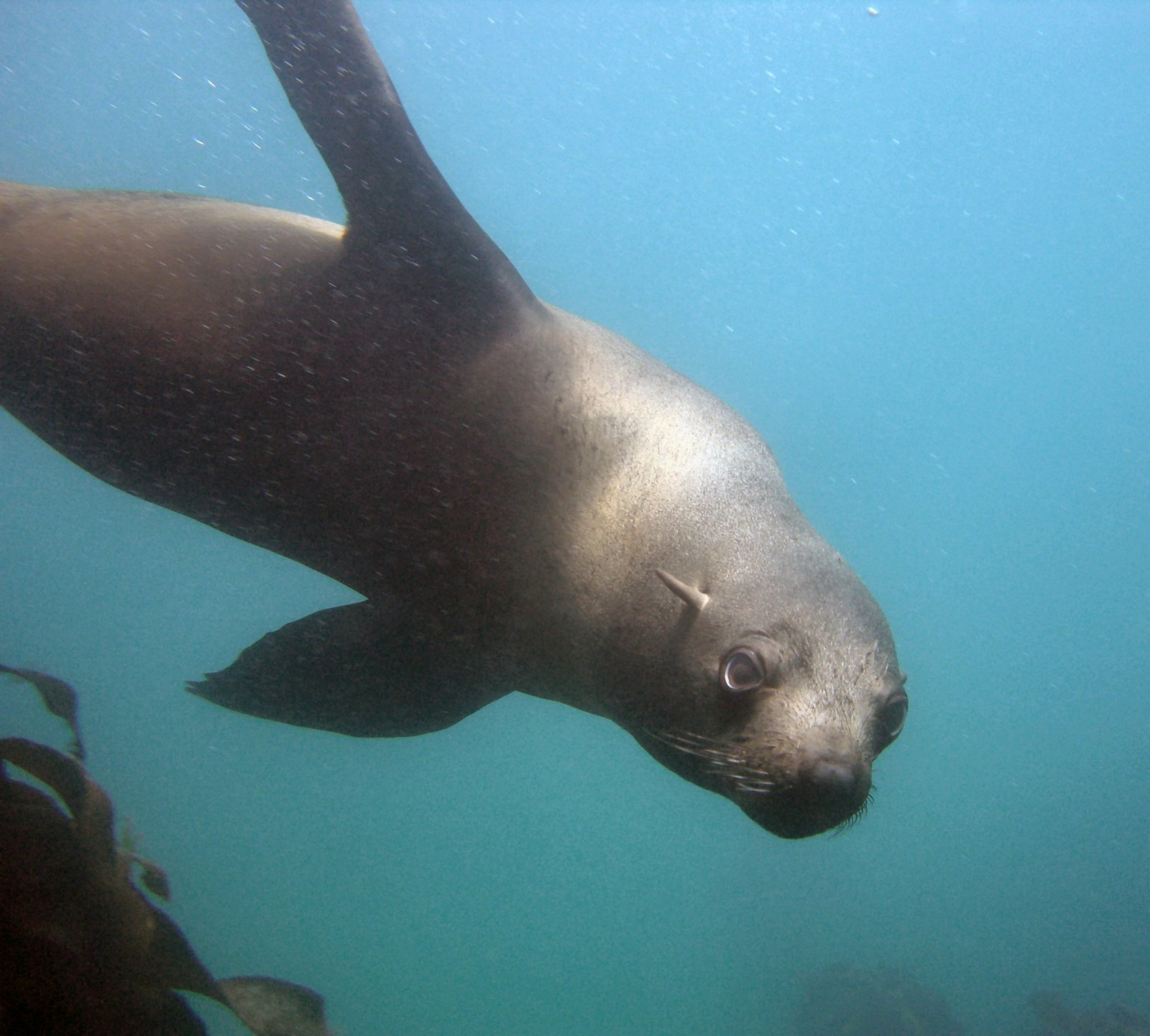
The Bajau’s extraordinary breath-holding abilities draw parallels to diving mammals such as seals and dolphins. These marine animals have evolved similar physiological adaptations, allowing them to thrive in aquatic environments. Seals, for example, possess enlarged spleens that facilitate extended dives by releasing oxygen-rich red blood cells. Dolphins, on the other hand, have adapted to efficiently manage oxygen consumption, enabling them to dive to great depths. The similarities between the Bajau and these marine mammals underscore the remarkable adaptability of life on Earth. It also highlights the potential for humans to evolve unique traits in response to environmental pressures.
The Science of Human Adaptation
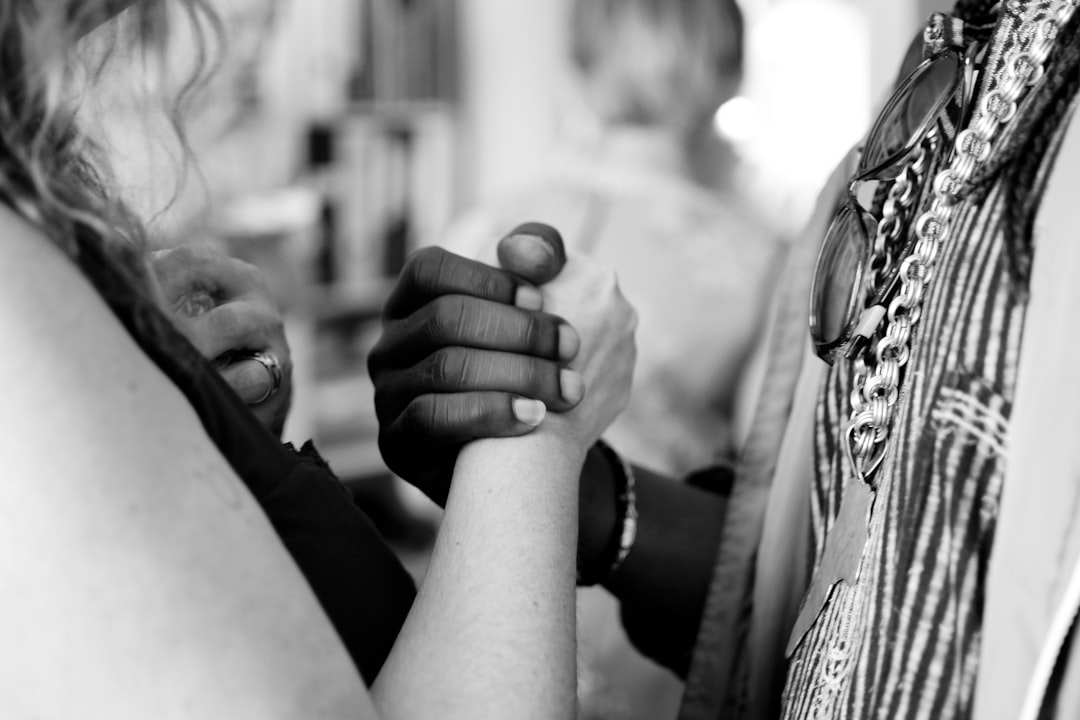
The study of the Bajau people sheds light on the broader concept of human adaptation. Throughout history, humans have demonstrated an incredible ability to adapt to diverse environments, from the frigid Arctic to the scorching deserts. The Bajau’s genetic adaptation serves as a compelling example of how specific traits can evolve in response to environmental challenges. This knowledge not only enriches our understanding of evolution but also has practical implications. By studying these adaptations, scientists can gain insights into improving human performance in extreme conditions, such as enhancing breath-holding capabilities for divers or developing strategies for high-altitude acclimatization.
Implications for Medical Research
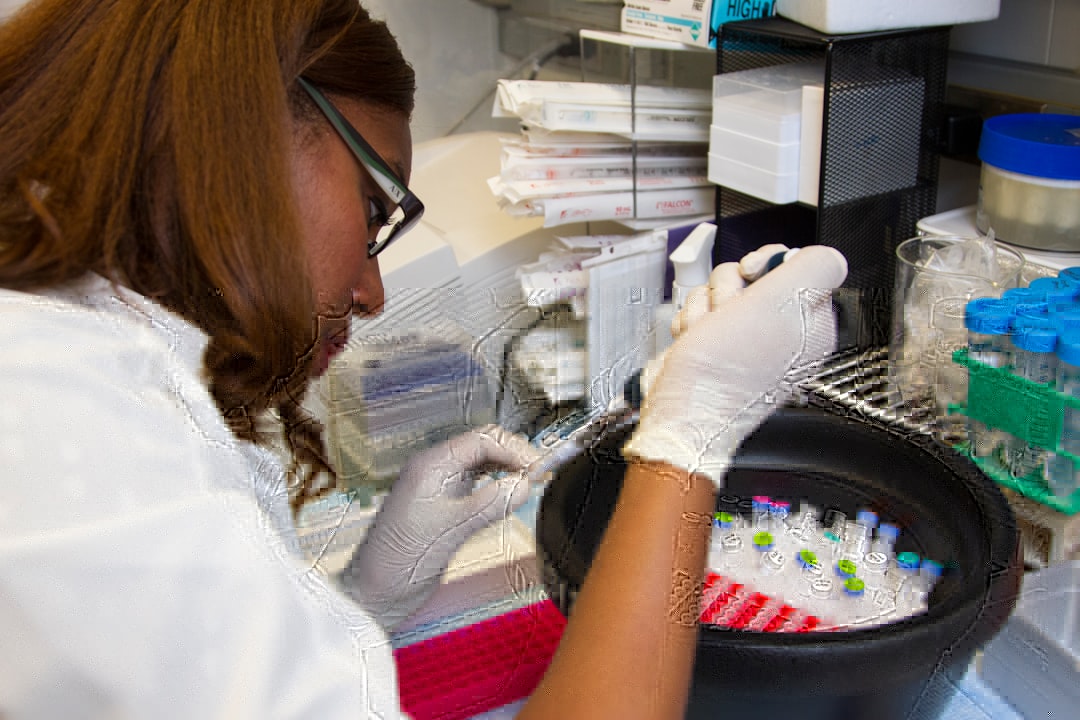
The discovery of the Sea Nomad gene holds promise for medical research and advancements. Understanding the genetic and physiological mechanisms that enable the Bajau to hold their breath for extended periods could have implications for various medical conditions. For instance, insights gained from studying the Bajau’s adaptation may lead to innovative treatments for respiratory disorders or conditions that involve oxygen deprivation. Additionally, this research could pave the way for developing techniques to enhance human performance in high-pressure environments, such as space exploration or deep-sea diving. The Bajau’s unique genetic makeup serves as a valuable resource for advancing our understanding of human physiology and potential.
The Interplay of Nature and Nurture
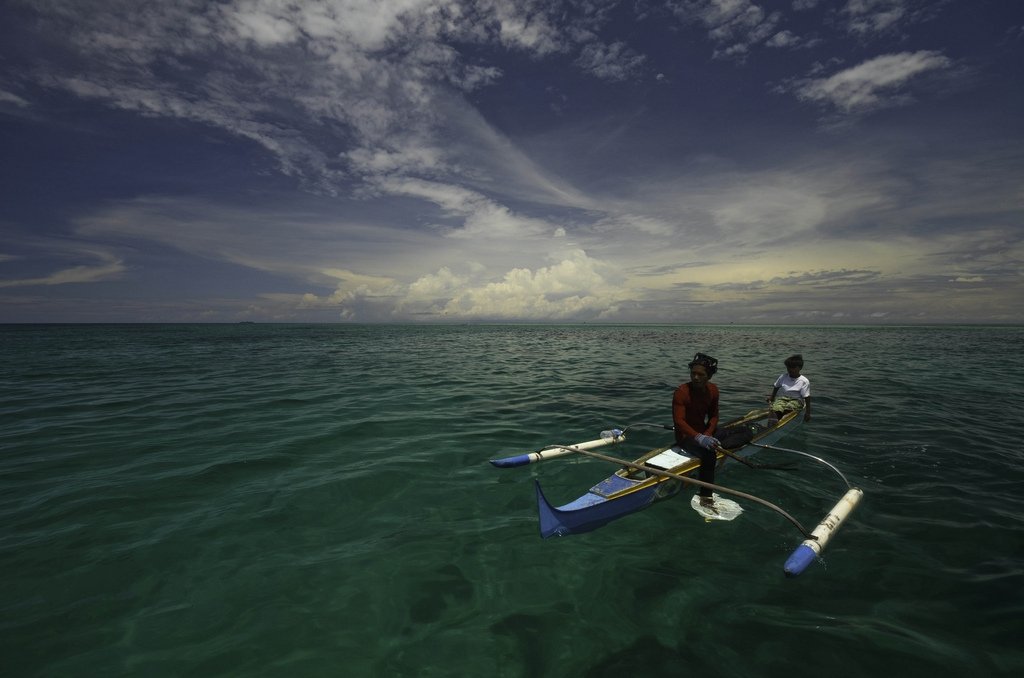
The Bajau’s breath-holding abilities provide a fascinating case study of the interplay between nature and nurture. While their genetic adaptation undoubtedly contributes to their remarkable skills, the nurturing environment in which they live plays an equally vital role. The Bajau’s close-knit communities, where diving is a way of life, foster a culture of learning and sharing knowledge. This communal approach ensures that each generation inherits not only genetic traits but also valuable skills and techniques honed over centuries. The Bajau’s story serves as a testament to the symbiotic relationship between genetics and environment in shaping human capabilities.
A Glimpse into the Future of Human Evolution
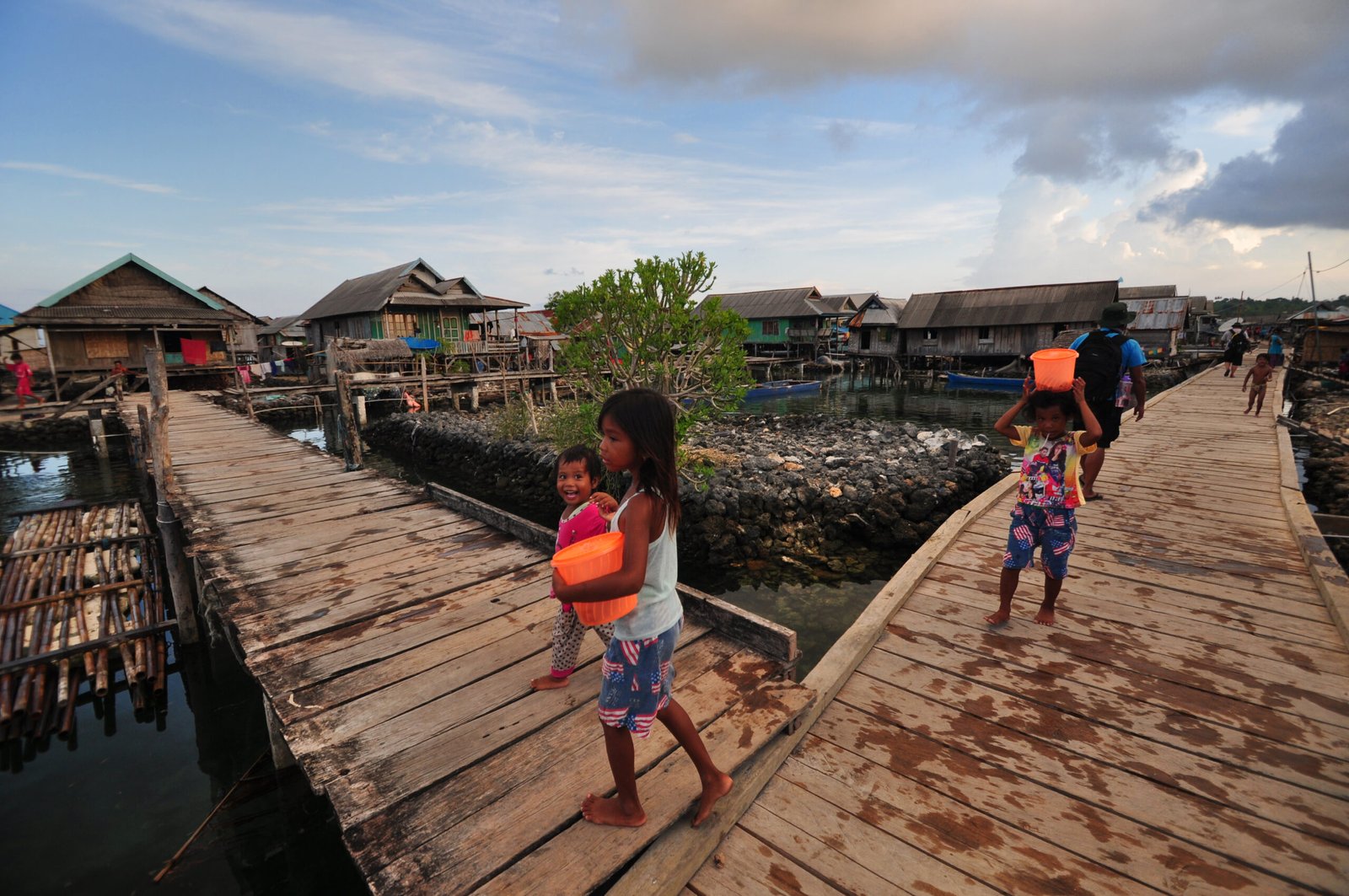
The Bajau people offer a glimpse into the future of human evolution and adaptation. As our planet continues to face environmental challenges, understanding how humans can adapt to extreme conditions becomes increasingly relevant. The Bajau’s remarkable genetic trait serves as a reminder of the potential for human ingenuity and resilience in the face of adversity. By studying their adaptations, we can gain valuable insights into our own evolutionary journey and explore new frontiers in science and medicine. The Bajau’s story is a testament to the boundless possibilities of human evolution and the mysteries that await discovery in the depths of our genetic code.
Embracing the Wonders of Human Diversity
The tale of the Bajau people and their Sea Nomad gene invites us to embrace and celebrate the wonders of human diversity. Each unique adaptation, whether it be the Bajau’s breath-holding prowess or the Sherpa people’s high-altitude resilience, enriches the tapestry of human existence. In a world that often emphasizes uniformity, the Bajau’s story reminds us of the beauty and strength found in our differences. By acknowledging and appreciating these variations, we can foster a deeper understanding of our shared humanity and the incredible potential that lies within each of us.