In the vast expanse of the universe, where galaxies stretch infinitely and stars twinkle with ancient light, a profound question lingers: could consciousness be the fundamental force that shapes everything? This idea challenges the conventional view that matter came first, suggesting instead that consciousness might be the building block of reality itself. Imagine if every thought and every emotion were not just personal experiences but were woven into the very fabric of the cosmos. Such a notion invites us to rethink what we know about the universe and our place within it.
The Age-Old Debate: Mind vs. Matter
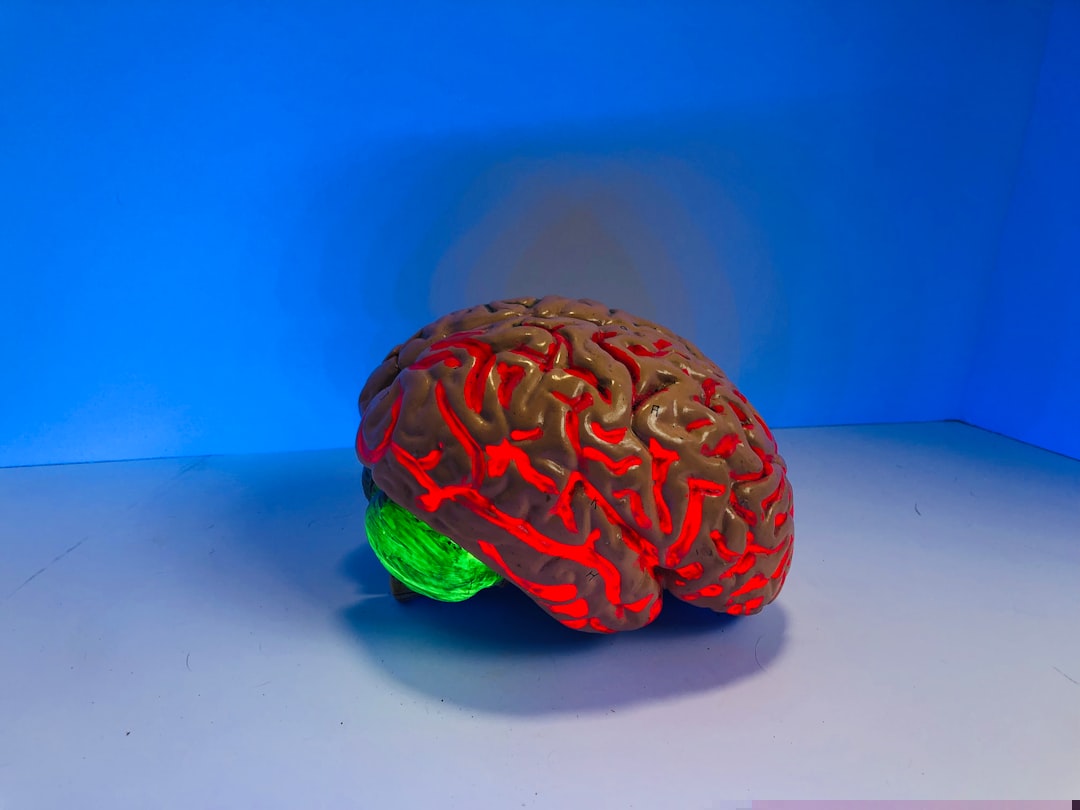
The debate over whether mind or matter came first is as old as philosophy itself. For centuries, thinkers have grappled with this question, each offering different perspectives. Materialists argue that consciousness arises from physical processes within the brain, while idealists believe that consciousness precedes and gives rise to matter. This philosophical tug-of-war has shaped countless theories and continues to influence scientific inquiry. The idea that consciousness might be a universal force offers a tantalizing twist, suggesting that perhaps both sides have been missing a crucial piece of the puzzle.
Consciousness as the Fundamental Fabric
What if consciousness is not just a byproduct of the brain but the very essence of the universe? This concept posits that consciousness is the primary reality, with matter emerging from it. Imagine the universe as a vast tapestry, with consciousness as the thread that weaves everything together. This perspective forces us to reconsider the nature of existence, prompting us to explore whether our thoughts and perceptions are more than mere illusions of the mind.
The Quantum Connection
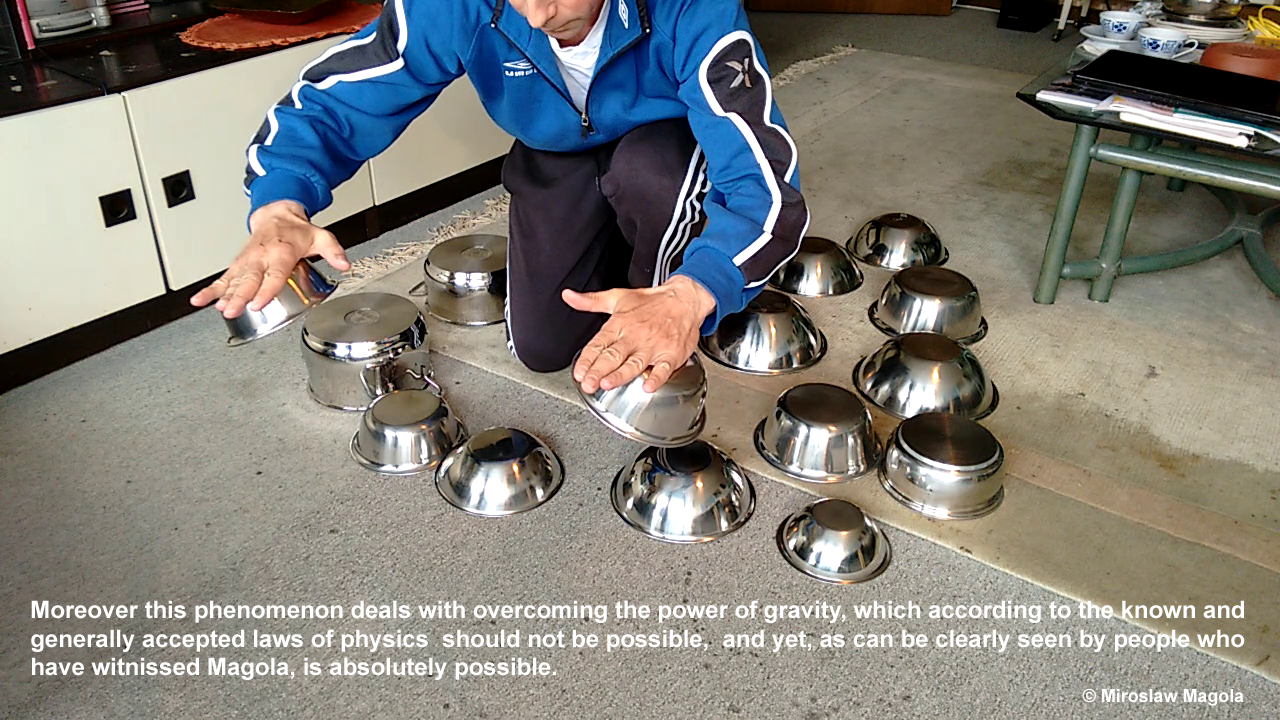
Quantum physics has long fascinated scientists with its mysterious and counterintuitive findings. Some interpretations of quantum mechanics suggest that consciousness might play a role in the behavior of particles at the smallest scales. The observer effect, for instance, implies that the mere act of observation can alter the outcome of a quantum event. Could this hint at a deeper connection between mind and matter? Perhaps consciousness is not just a passive observer but an active participant in the dance of the universe.
Consciousness and the Cosmos
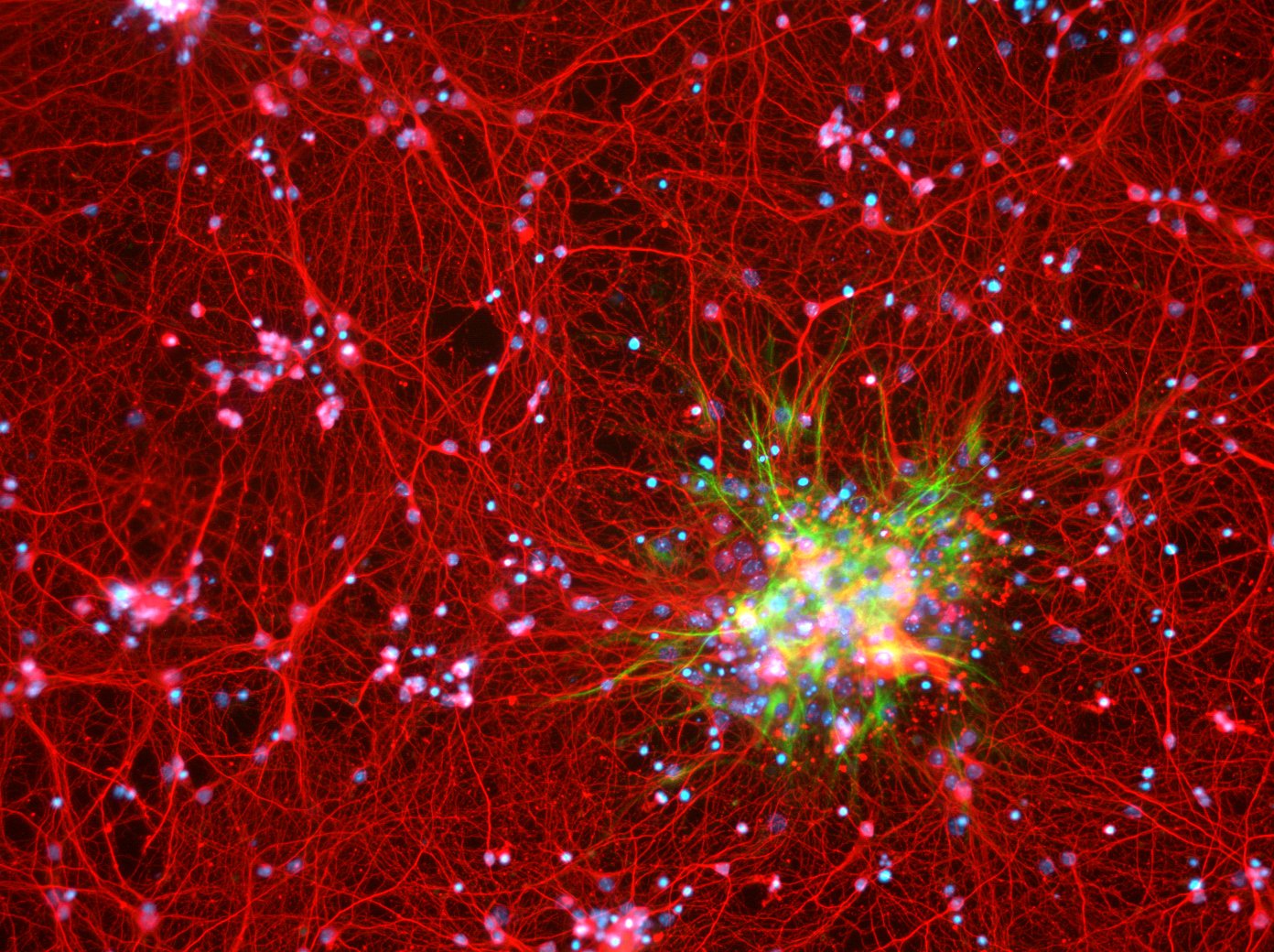
The idea that consciousness is a universal force raises intriguing questions about the cosmos. If consciousness permeates the universe, could it be responsible for the order and complexity we observe in nature? From the intricate patterns of a snowflake to the spiraling arms of a galaxy, perhaps consciousness is the architect behind these phenomena. This notion invites us to view the universe not as a cold, indifferent expanse but as a living, breathing entity infused with awareness.
The Role of Human Perception

As beings capable of introspection and self-awareness, humans occupy a unique position in the universe. Our perceptions shape our reality, influencing how we interact with the world around us. If consciousness is indeed a universal force, it suggests that our thoughts and actions have far-reaching consequences. This perspective encourages us to consider the impact of our choices, not just on ourselves but on the interconnected web of existence.
Consciousness and Evolution
Could consciousness have played a role in the evolution of life on Earth? Some theorists propose that the emergence of consciousness was a pivotal moment in the evolutionary timeline, driving the development of increasingly complex organisms. This idea challenges the traditional view of evolution as a purely random process, suggesting instead that consciousness may have guided the course of life in subtle and profound ways.
Implications for Artificial Intelligence

As we venture into the realm of artificial intelligence, the question of consciousness becomes increasingly relevant. If consciousness is a universal force, can machines ever truly possess it? This inquiry raises ethical and philosophical dilemmas about the nature of AI and its potential impact on society. Understanding consciousness as a fundamental force could reshape our approach to developing intelligent machines, prompting us to consider the deeper implications of creating entities with the capacity for awareness.
Consciousness Beyond Earth

The search for extraterrestrial life has captivated humanity for generations. If consciousness is a universal force, could it exist elsewhere in the universe? This possibility expands our understanding of life and consciousness, suggesting that the universe may be teeming with awareness in forms we have yet to imagine. The idea that consciousness could be a common thread connecting all life invites us to explore the cosmos with an open mind and a sense of wonder.
Mind Over Matter: A New Paradigm
Embracing the idea that consciousness is a universal force requires a paradigm shift in our understanding of reality. It challenges the notion that the physical world is the ultimate reality, suggesting instead that mind and matter are intertwined in ways we are only beginning to comprehend. This shift opens new avenues for exploration, inviting scientists, philosophers, and curious minds alike to delve deeper into the mysteries of consciousness and its role in shaping the universe.
The Journey of Exploration

The notion that consciousness is a universal force invites us on a journey of exploration and discovery. It encourages us to question long-held assumptions and to seek new insights into the nature of reality. Whether through scientific inquiry, philosophical reflection, or personal introspection, the quest to understand consciousness as a fundamental force holds the promise of unlocking profound truths about ourselves and the universe. This journey is not just an intellectual pursuit but a call to embrace the mystery and wonder of existence.