The universe is a mysterious place, and nowhere is this more evident than at the quantum level. Here, the familiar laws of physics seem to bend, twist, and sometimes outright break, creating a world that’s more like a surreal dream than the structured reality we know. Imagine a place where particles can be in two places at once, where the mere act of observing changes what is observed, and where the fabric of reality itself is woven from probability rather than certainty. Welcome to the quantum realm, where the very rules of existence seem to warp and twist in the strangest ways.
The Uncertainty Principle: A Dance of Possibilities

One of the most mind-bending aspects of quantum physics is Heisenberg’s Uncertainty Principle. This principle tells us that the more precisely we know the position of a particle, the less precisely we can know its momentum, and vice versa. It’s as if the universe is playing a cosmic game of hide and seek with us. Imagine trying to pin down a dancer’s exact position while they’re in the midst of a twirl; the more you focus on their position, the blurrier their movement becomes. This uncertainty isn’t just a limitation of our measurement tools; it’s a fundamental property of reality at the quantum level.
Quantum Entanglement: The Cosmic Connection
Quantum entanglement is one of the most intriguing phenomena in the quantum world. It describes a situation where two or more particles become interconnected in such a way that the state of one particle instantly influences the state of the other, no matter how far apart they are. Albert Einstein famously referred to this as “spooky action at a distance.” It’s as if the universe has its own invisible threads, tying distant particles together in a cosmic web. This defies our classical understanding of space and time, hinting at a deeper level of interconnectedness in the universe.
Wave-Particle Duality: The Dual Nature of Reality

In the quantum realm, particles like electrons and photons exhibit a strange duality, behaving as both particles and waves. This wave-particle duality is like a cosmic masquerade ball where particles don different masks based on how we observe them. When not observed, these particles exist in a state of potential, like a ripple on a pond. However, when measured, they collapse into a definitive state, much like a wave crashing onto the shore. This duality challenges our intuitive notions of reality, suggesting that the act of observation plays a pivotal role in shaping the universe.
Quantum Superposition: The Art of Being Everywhere
Quantum superposition is a concept that defies our everyday experience. It posits that particles can exist in multiple states or locations simultaneously until they are observed or measured. Consider Schrödinger’s famous thought experiment with a cat that’s simultaneously alive and dead until someone opens the box. This paradox illustrates the bizarre nature of superposition, where reality itself seems to hover in a liminal space of possibilities. It’s as if reality is a vast canvas, and every possibility is a brushstroke waiting to be observed into existence.
Quantum Tunneling: The Great Escape
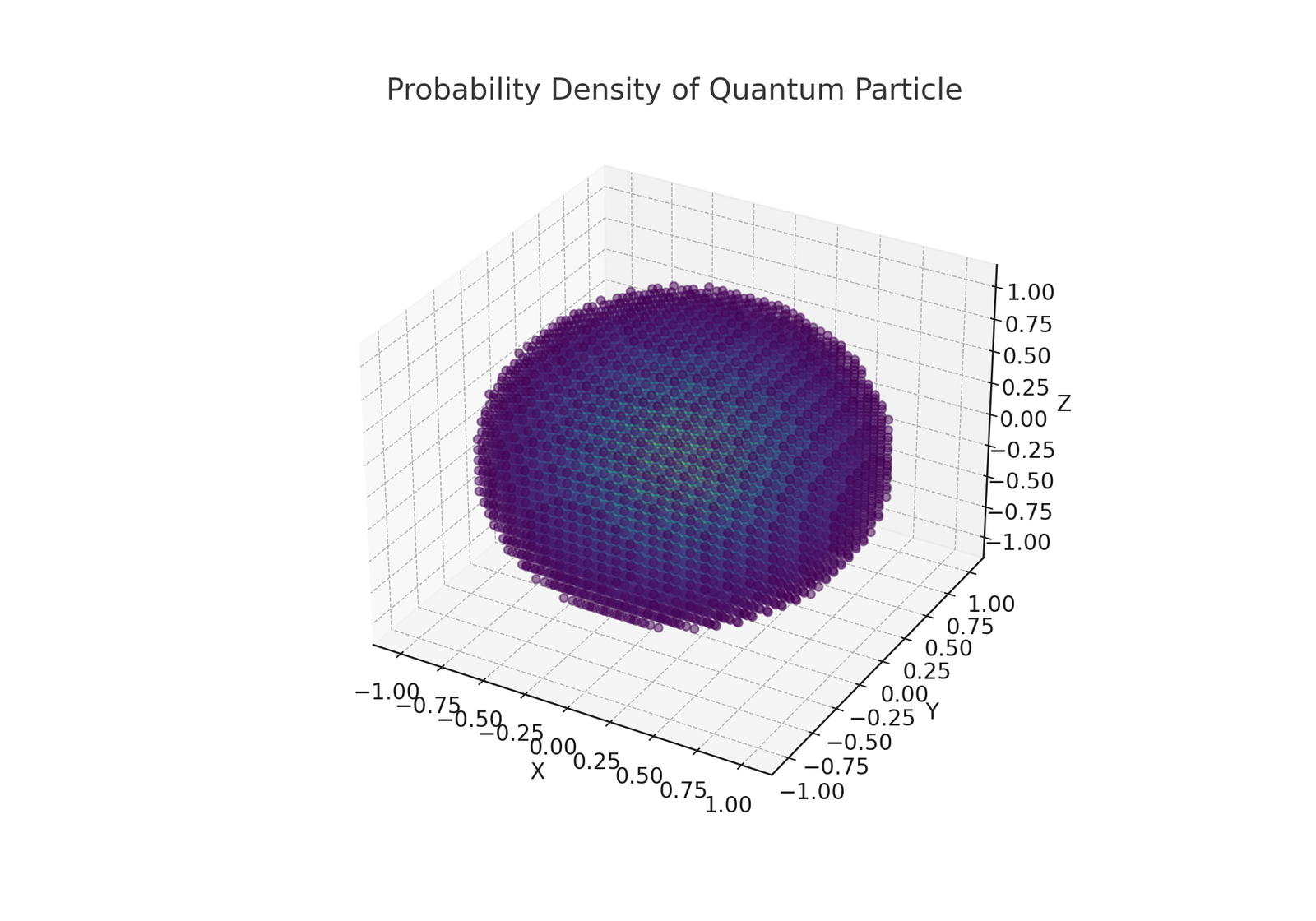
Quantum tunneling is another fascinating phenomenon where particles can pass through seemingly insurmountable barriers. Imagine a ghost effortlessly passing through walls. In the quantum world, particles can do something similar, appearing on the other side of an energy barrier that, under classical physics, they shouldn’t be able to surmount. This ability to “tunnel” through obstacles has practical applications, such as in the workings of semiconductors and the sun’s fusion process, where tunneling enables nuclear reactions that power our solar system.
The Observer Effect: Reality’s Shapeshifter

The observer effect suggests that the act of measurement or observation can alter the state of a quantum system. It’s as if reality is a shape-shifting entity, responding to the gaze of an observer. When scientists try to measure certain properties of a particle, they find that the very act of observing changes what they see. This idea challenges the traditional notion of an objective reality, suggesting instead that reality is, to some extent, a participatory phenomenon shaped by observers.
Quantum Decoherence: The Collapse of Possibilities

Quantum decoherence is the process by which quantum systems lose their quantum behavior and transition into classical states. It’s like a magician’s trick being revealed, where the mystical possibilities of quantum superpositions collapse into the mundane reality we experience. Decoherence helps explain why we don’t see superpositions in our daily lives, as it describes how the environment interacts with quantum systems, causing them to lose their quantum weirdness and behave in a predictable manner.
The Quantum Vacuum: A Sea of Virtual Particles
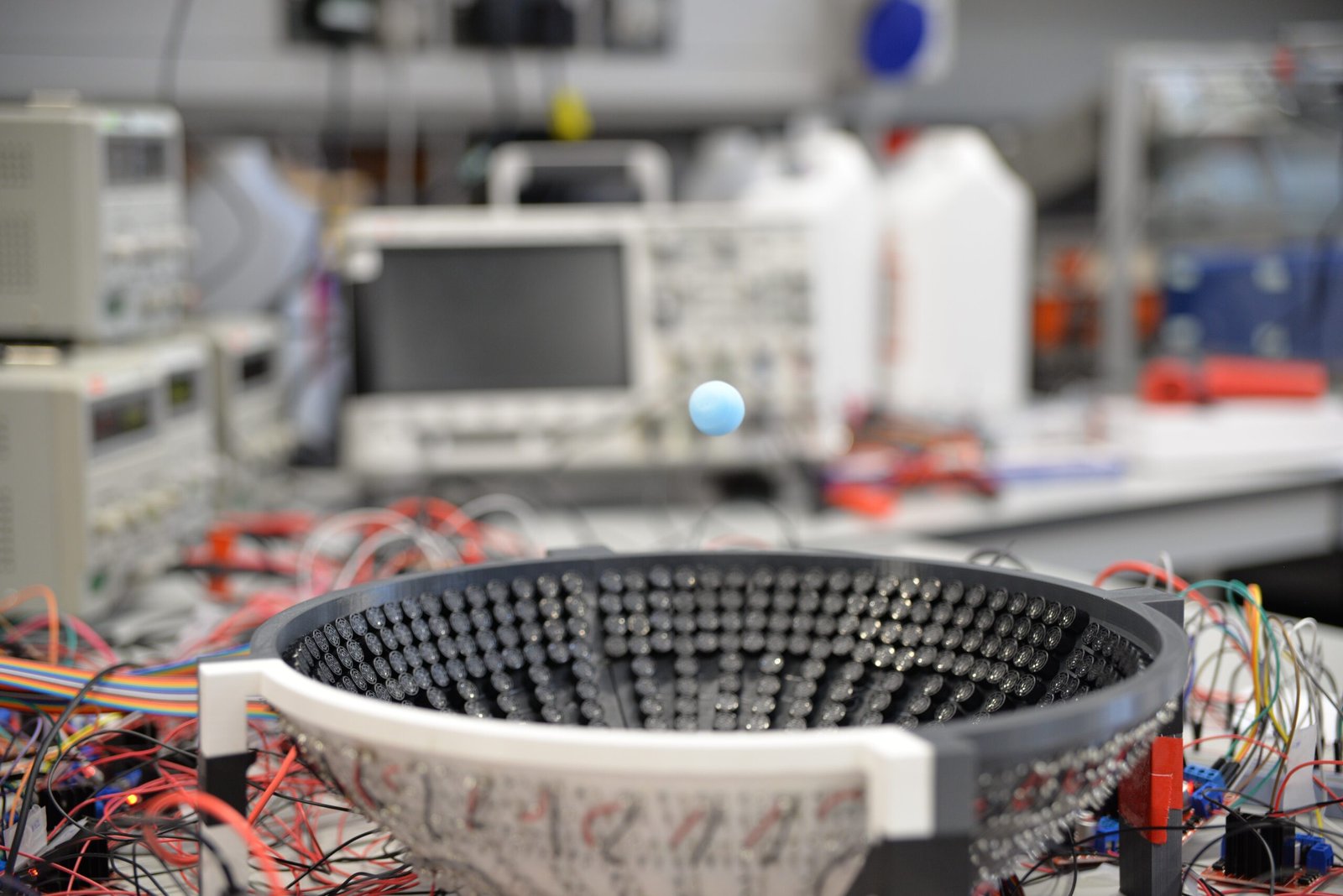
Even in a perfect vacuum, the quantum world is teeming with activity. The quantum vacuum is a seething sea of virtual particles that pop in and out of existence in a fleeting dance of creation and annihilation. It’s as if the universe is a restless ocean, with waves of energy constantly surging beneath the surface. These virtual particles, though ephemeral, have real effects, contributing to phenomena like the Casimir effect and Hawking radiation, which in turn shape our understanding of the universe’s fundamental nature.
Quantum Gravity: The Quest for Unification
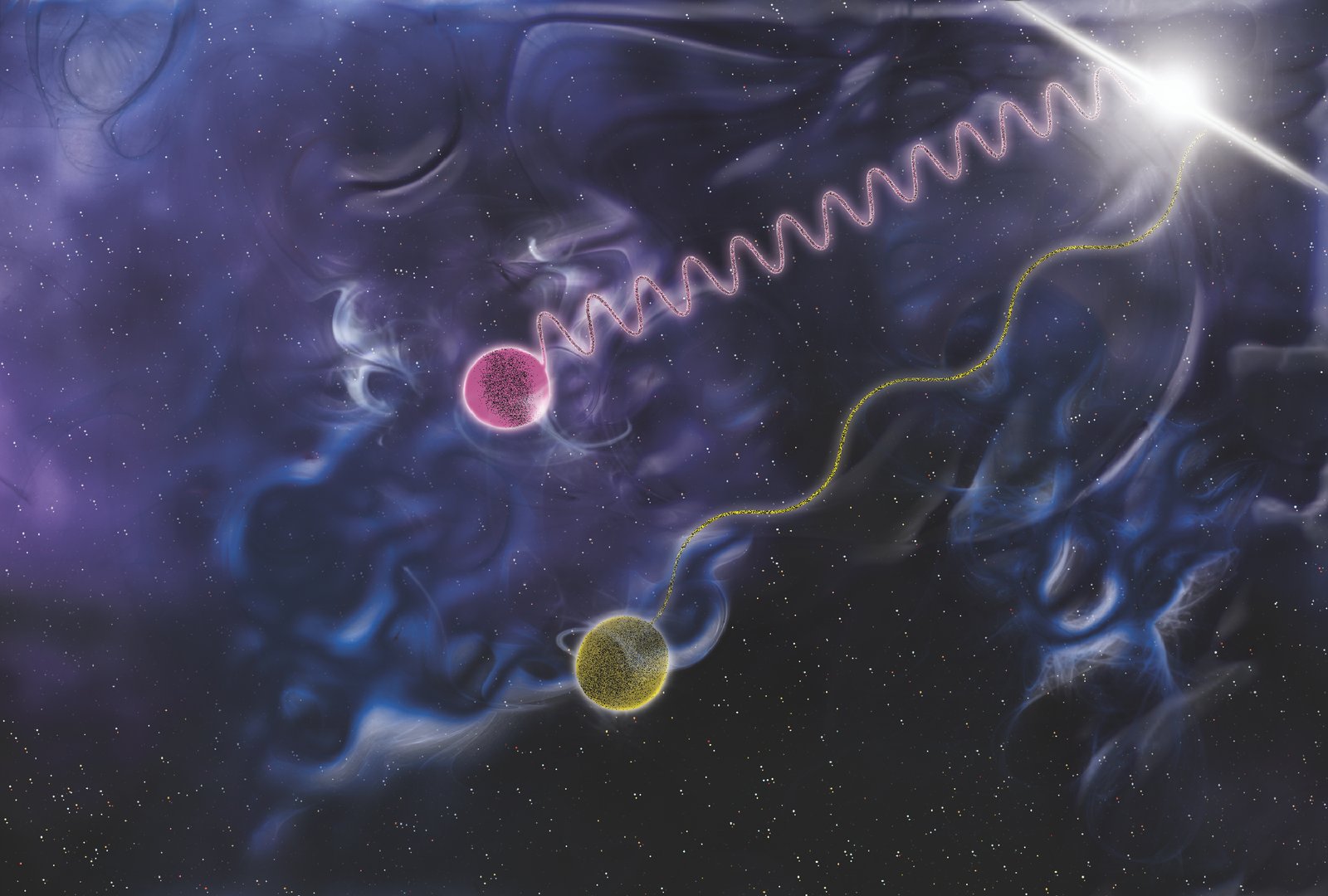
One of the greatest challenges in modern physics is the quest to unify quantum mechanics with general relativity, the theory of gravity. Quantum gravity seeks to reconcile these two seemingly incompatible frameworks, offering a cohesive understanding of the universe. It’s like trying to merge two different languages into a single, harmonious dialogue. The pursuit of quantum gravity involves exploring concepts such as string theory and loop quantum gravity, which aim to uncover the underlying fabric of spacetime where gravity and quantum mechanics coexist.
The Many-Worlds Interpretation: Parallel Realities

The many-worlds interpretation of quantum mechanics proposes that every quantum event spawns a multitude of parallel universes, each representing a different outcome. It’s like a cosmic choose-your-own-adventure book, where every decision leads to a branching narrative. In this view, the universe is a vast multiverse, with countless realities existing alongside our own. While this interpretation challenges our understanding of reality, it offers a tantalizing glimpse into the infinite possibilities that may lie beyond our perceptual horizon.
In conclusion, the quantum realm is a place where reality as we know it breaks down, giving rise to a world of paradoxes, possibilities, and profound mysteries. Each of these strange phenomena challenges our traditional understanding of the universe, urging us to rethink the very nature of reality. As we continue to explore the quantum frontier, we are reminded that the universe is far more mysterious and wondrous than we could ever imagine.