Imagine a world where the entire internet, with its vast archives of information, could be stored in something as small as a spoonful of DNA. This might sound like a plot from a science fiction novel, but it is fast becoming a reality in the realm of genetic data storage. DNA, the building block of life, has been found to possess an incredible ability to store data more efficiently than any technology we currently possess. With the exponential growth of digital data, researchers are exploring DNA as a potential medium to revolutionize how we store information. This article delves into the fascinating world of DNA data storage, exploring its possibilities and challenges, and asks whether the future of data storage truly lies within our genetic code.
The Basics of DNA Data Storage
DNA, or deoxyribonucleic acid, is nature’s data storage system. It holds the genetic instructions necessary for the development, functioning, growth, and reproduction of all known living organisms. Unlike traditional data storage devices, DNA has an impressive capacity to store vast amounts of information in a minuscule space. Scientists have discovered that DNA can store up to 215 petabytes of data in a single gram. This is equivalent to storing millions of high-definition movies in a space smaller than a sugar cube. By converting binary data into the four-letter nucleotide code of DNA (A, T, C, and G), researchers have been able to encode digital information into synthetic DNA strands, paving the way for a new era of data storage.
How Does DNA Store Information?
The process of storing information in DNA involves encoding digital data into sequences of nucleotides, the building blocks of DNA. Digital files, composed of binary code (0s and 1s), are translated into the four nucleotide bases: adenine (A), cytosine (C), guanine (G), and thymine (T). This conversion is achieved through a coding scheme that assigns specific nucleotide sequences to binary data. Once encoded, the DNA sequence can be synthesized in a laboratory, creating a physical strand of DNA that contains the desired information. To retrieve the data, the DNA is sequenced, and the nucleotide sequences are translated back into binary code, allowing the original digital files to be reconstructed.
The Advantages of DNA Data Storage
One of the most significant advantages of DNA data storage is its density. As mentioned earlier, DNA can store an enormous amount of data in a tiny space. This makes it an attractive option for addressing the growing demand for data storage as digital information continues to multiply exponentially. Additionally, DNA is remarkably stable and can last for thousands of years if kept in the right conditions, far surpassing the lifespan of current storage devices like hard drives and magnetic tapes. This longevity ensures that data stored in DNA can be preserved and accessed by future generations, making it an ideal solution for long-term archival storage.
Challenges in DNA Data Storage
Despite its potential, DNA data storage faces several challenges before it can become a mainstream technology. One of the primary obstacles is the cost of synthesizing and sequencing DNA. Currently, the process is expensive and time-consuming, making it impractical for large-scale data storage applications. Additionally, the error rate in DNA synthesis and sequencing can lead to data corruption, necessitating error correction techniques to ensure the accuracy of stored information. Researchers are actively working to overcome these challenges by developing more efficient and cost-effective methods for DNA synthesis and sequencing.
Real-World Applications of DNA Data Storage
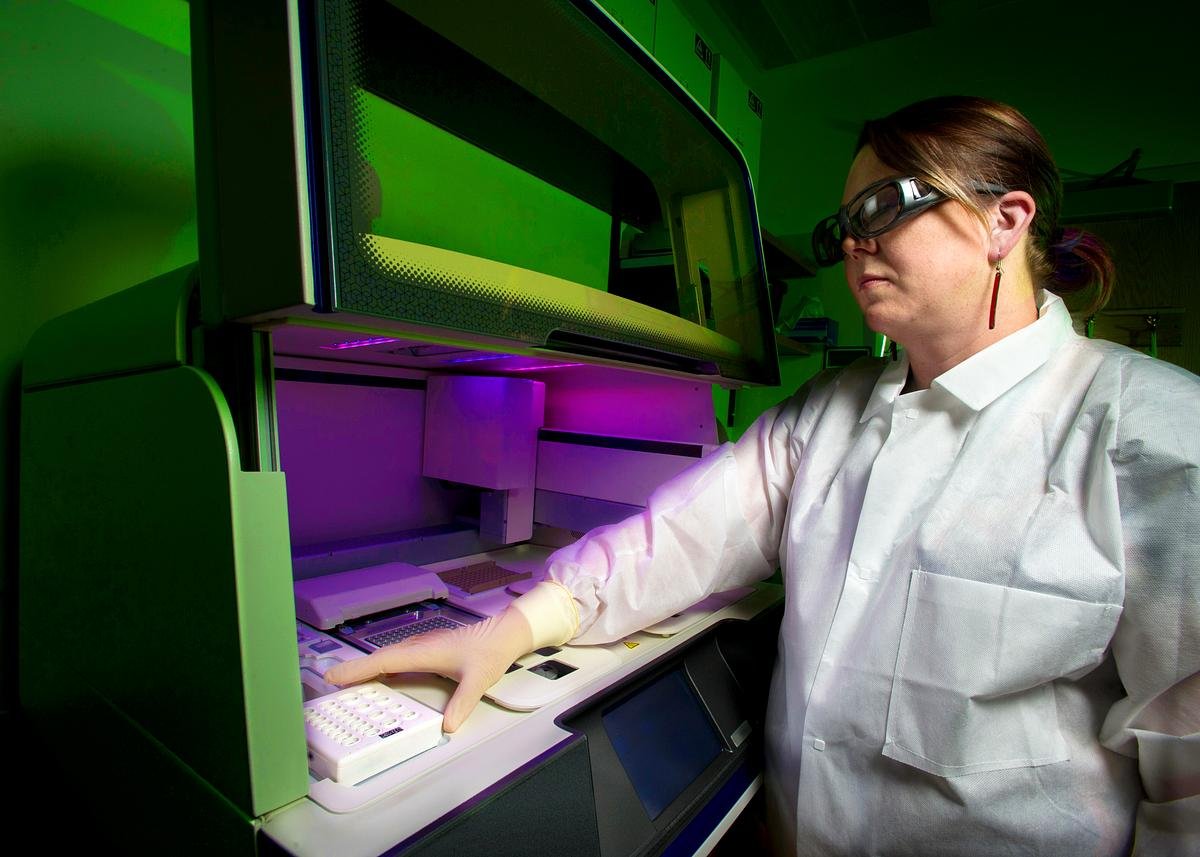
Several organizations and research institutions are already exploring the potential applications of DNA data storage. For example, Microsoft and the University of Washington have collaborated on a project to develop a DNA storage system capable of archiving data from the internet. In another instance, a group of scientists encoded a music video into a DNA strand, demonstrating the practicality of storing digital media in genetic material. These pioneering efforts highlight the potential for DNA data storage to revolutionize industries such as archiving, cloud computing, and data centers by providing a more sustainable and efficient means of managing the world’s ever-growing data.
The Environmental Impact of DNA Data Storage

As the demand for data storage increases, so does the environmental impact of traditional storage solutions. Data centers consume vast amounts of energy and resources, contributing to carbon emissions and environmental degradation. DNA data storage offers a more sustainable alternative, as it requires minimal energy and space compared to conventional storage technologies. By reducing the need for large data centers, DNA storage could significantly lower the environmental footprint of data storage, helping to mitigate the impact of digital data on our planet.
Future Prospects: A Spoonful of DNA
The concept of storing the entire internet in a spoonful of DNA may seem far-fetched, but the rapid advancements in DNA data storage technology suggest that it could become a reality in the not-too-distant future. As researchers continue to refine the techniques for encoding, synthesizing, and sequencing DNA, the possibility of using genetic material as a primary data storage medium becomes increasingly feasible. This could lead to a paradigm shift in how we think about data storage, with DNA serving as a compact, efficient, and environmentally friendly solution for the digital age.
DNA Data Storage: A Solution for the Data Deluge
The world is experiencing a data deluge, with the volume of digital information increasing at an unprecedented rate. This surge in data generation has placed immense pressure on existing storage infrastructures, necessitating the development of innovative solutions to manage and preserve digital information. DNA data storage offers a promising answer to this challenge, providing a means to accommodate the growing demand for storage capacity while addressing the limitations of current technologies. By harnessing the power of DNA, we can unlock new possibilities for data management and preservation, ensuring that our digital legacy is safeguarded for generations to come.
Ethical Considerations of DNA Data Storage

As with any groundbreaking technology, DNA data storage raises several ethical considerations that must be addressed. The prospect of storing digital information in genetic material raises questions about privacy, security, and the potential misuse of DNA technology. Ensuring that data stored in DNA is protected from unauthorized access and tampering is essential to maintaining trust in this emerging technology. Additionally, the ethical implications of manipulating genetic material for data storage purposes must be carefully considered to prevent unintended consequences and ensure that DNA data storage is used responsibly and ethically.
DNA as the Future of Data Storage
The potential of DNA data storage to revolutionize how we store and manage information is undeniable. By harnessing the remarkable properties of DNA, scientists are paving the way for a future where data is stored more efficiently, sustainably, and securely than ever before. While challenges remain, the rapid advancements in DNA technology and the growing interest in genetic data storage suggest that DNA could become a cornerstone of the digital age. As we continue to explore the possibilities of DNA data storage, we are reminded of the incredible potential of nature’s own data storage system and the limitless opportunities it offers for the future of information technology.