Solar storms, often seen as captivating displays of nature’s power, have fascinated humans for centuries. These cosmic events, characterized by intense bursts of solar wind and magnetic fields, can have profound effects on our planet. As we delve into the history of these celestial phenomena, we uncover tales of awe and wonder, as well as the potential for disruption in our modern world. Imagine, for a moment, the impact of a major solar storm striking our technology-dependent society today. The consequences could be both mesmerizing and daunting.
The Carrington Event of 1859
The Carrington Event is often regarded as the most powerful solar storm in recorded history. Named after the British astronomer Richard Carrington, who first observed the solar flare, this event unleashed a geomagnetic storm of unprecedented magnitude. Telegraph systems, the cutting-edge technology of the time, experienced widespread failures. Operators even reported receiving electric shocks from their equipment. The night skies were illuminated with vibrant auroras, visible as far south as the Caribbean. If a similar event were to occur today, our reliance on technology would make us far more vulnerable to its effects.
The Solar Storm of 1921
The solar storm of May 1921, also known as the “New York Railroad Storm,” caused significant disruptions to communication and transportation systems. Telegraph and telephone lines were severely affected, leading to interruptions in communication across vast distances. In New York City, the storm even sparked fires in telegraph exchanges. This event serves as a stark reminder of the interconnectedness of our infrastructure and the potential chaos that a major solar storm can bring. As our dependency on digital communication continues to grow, so does our vulnerability to similar events.
The March 1989 Geomagnetic Storm
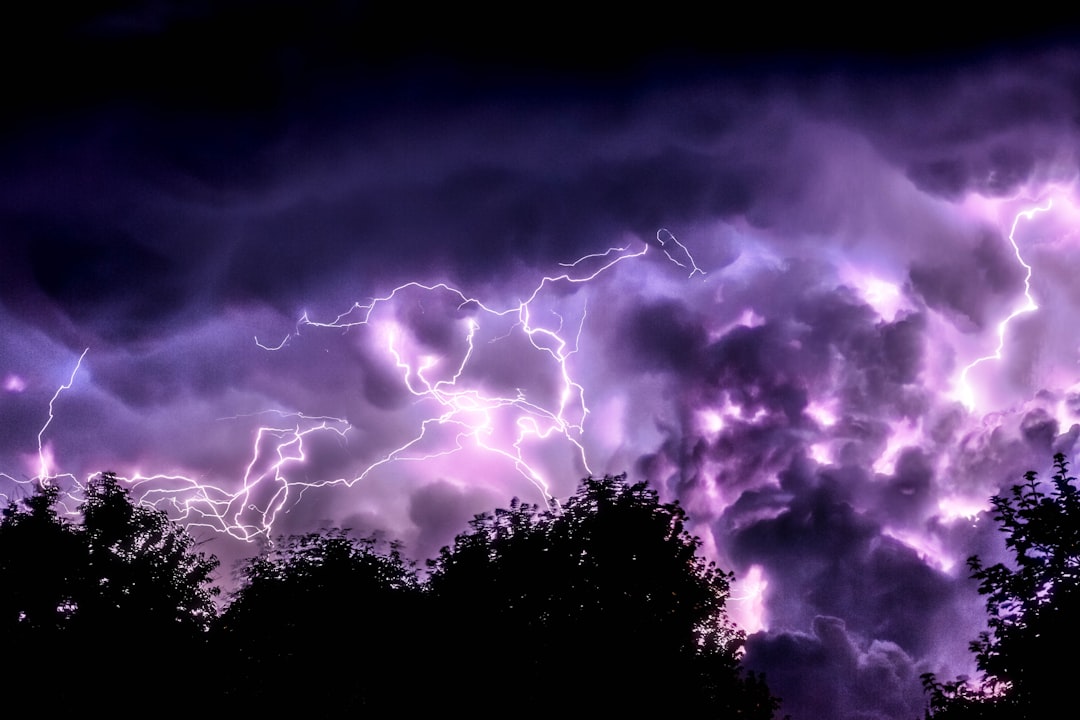
In 1989, a powerful solar storm triggered a massive blackout in Quebec, Canada. The storm caused the Hydro-Québec power grid to collapse, leaving millions without electricity for hours. The auroras danced across the night sky, captivating onlookers with their beauty, yet underscoring the disruptive potential of solar storms. This event highlighted the vulnerability of power grids to geomagnetic disturbances. Today, with smart grids and interconnected power systems, the stakes are higher, with potential cascading effects on global energy supplies.
The Halloween Storms of 2003

The Halloween storms of late October and early November 2003 were a series of intense solar storms that impacted satellite operations, GPS signals, and even air travel. These storms were caused by multiple coronal mass ejections (CMEs) from the Sun, releasing vast amounts of energy into space. Airlines rerouted flights to avoid high-latitude routes, where radiation exposure was increased. The storms served as a wake-up call for the aviation industry, emphasizing the need for real-time space weather monitoring to ensure passenger safety. In today’s world, where air travel is crucial for global connectivity, such disruptions could have significant economic consequences.
The July 2012 Near Miss

In July 2012, Earth narrowly escaped a solar storm that could have rivaled the Carrington Event in intensity. A massive CME erupted from the Sun, but fortunately, it was directed away from our planet. Had it struck Earth, the consequences would have been catastrophic, potentially causing widespread power outages and damage to satellite infrastructure. This near miss serves as a stark reminder of the unpredictable nature of solar storms and the need for preparedness. As we continue to explore and expand our presence in space, understanding and mitigating the risks posed by solar storms becomes increasingly critical.
Understanding Solar Storms

Solar storms are complex phenomena resulting from the Sun’s dynamic activity. They occur when the Sun emits bursts of energy, releasing charged particles into space. These particles interact with Earth’s magnetic field, creating geomagnetic storms. While the effects of solar storms can be awe-inspiring, such as the mesmerizing auroras, they also pose significant risks to our technological infrastructure. Satellite communications, power grids, and navigation systems are all susceptible to disruptions. As we become more reliant on technology, the need for accurate space weather forecasting and resilient infrastructure becomes paramount.
The Science Behind Solar Storms
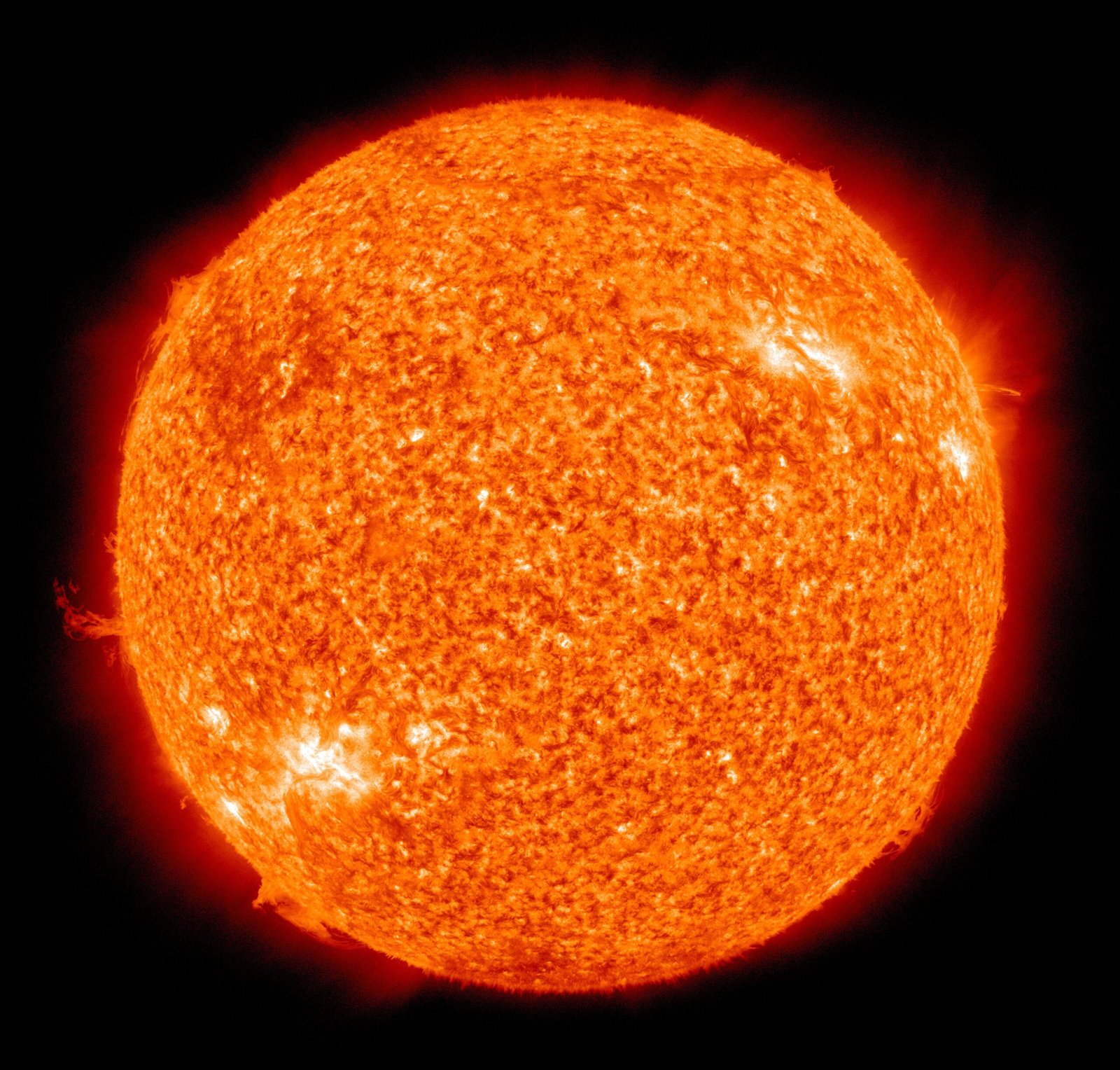
The Sun is a massive ball of hot plasma, constantly undergoing nuclear fusion. This process generates magnetic fields that can become twisted and tangled, leading to solar flares and CMEs. When these eruptions occur, they release a tremendous amount of energy into space. Scientists study the Sun’s activity through observatories and satellites, aiming to predict and understand solar storms. By analyzing solar data, researchers can better anticipate potential impacts on Earth. As our understanding of solar physics advances, so does our ability to prepare for and mitigate the effects of solar storms.
Impact on Modern Technology

In our digital age, the impact of a major solar storm could be far-reaching. Communication networks, reliant on satellites and undersea cables, could experience significant disruptions. GPS systems, crucial for navigation and timing, might become unreliable. Power grids, already vulnerable to geomagnetic disturbances, could suffer widespread outages, leading to a cascade of challenges in various sectors. The economic implications are staggering, with potential losses in the billions of dollars. As we continue to innovate and integrate technology into our daily lives, understanding the risks posed by solar storms becomes increasingly important.
Mitigation and Preparedness
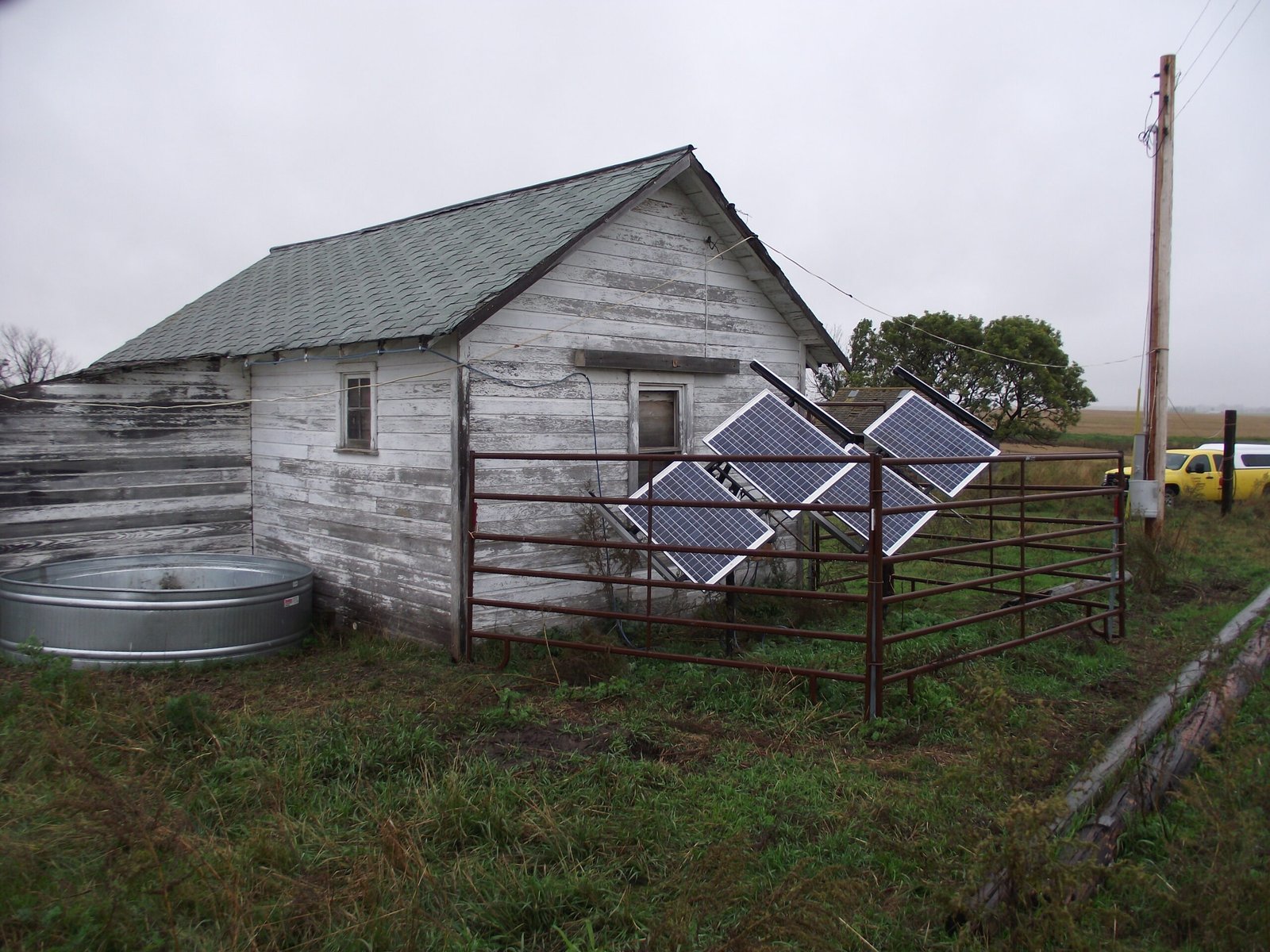
Governments and organizations worldwide are working to mitigate the risks associated with solar storms. Space weather forecasting has become a critical component of disaster preparedness, allowing for timely warnings and protective measures. Power companies are investing in infrastructure upgrades to improve resilience against geomagnetic storms. The aviation industry is developing protocols to minimize radiation exposure for passengers and crew during solar events. By raising awareness and implementing strategies to safeguard critical systems, we can better protect ourselves from the potentially devastating effects of solar storms.
Conclusion: A Call to Action
The history of great solar storms serves as a reminder of the immense power and unpredictability of our Sun. As we stand on the precipice of technological advancement, we must recognize the vulnerabilities that accompany our reliance on modern infrastructure. Preparing for the possibility of a major solar storm requires collaboration, innovation, and a commitment to understanding the science behind these celestial phenomena. By investing in research, infrastructure, and education, we can navigate the challenges posed by solar storms and ensure a resilient future for generations to come.