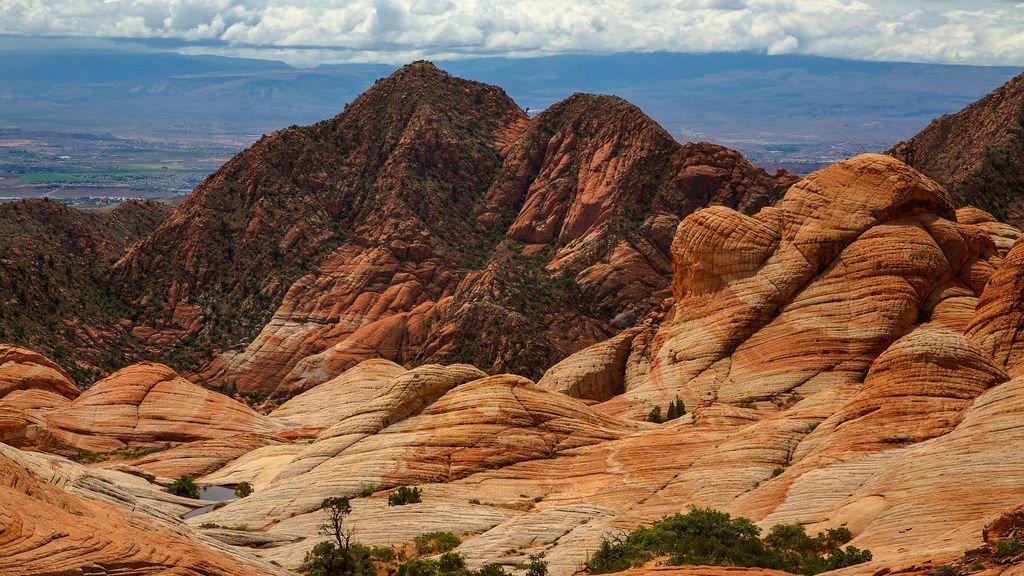
The Ancestral Puebloans, often referred to as the Anasazi, were a remarkable civilization that once thrived in the American Southwest. Their legacy is etched into the canyons and mesas of the region, where remnants of their cliff dwellings and great houses still stand. These structures, with their intricate masonry and strategic locations, speak volumes about the ingenuity and adaptability of the Ancestral Puebloans. However, despite their impressive achievements, these people vanished from their cities by the end of the 13th century, leaving behind a mystery that continues to intrigue historians and archaeologists. What led to the demise of this once-flourishing society?
The Rise of the Ancestral Puebloans
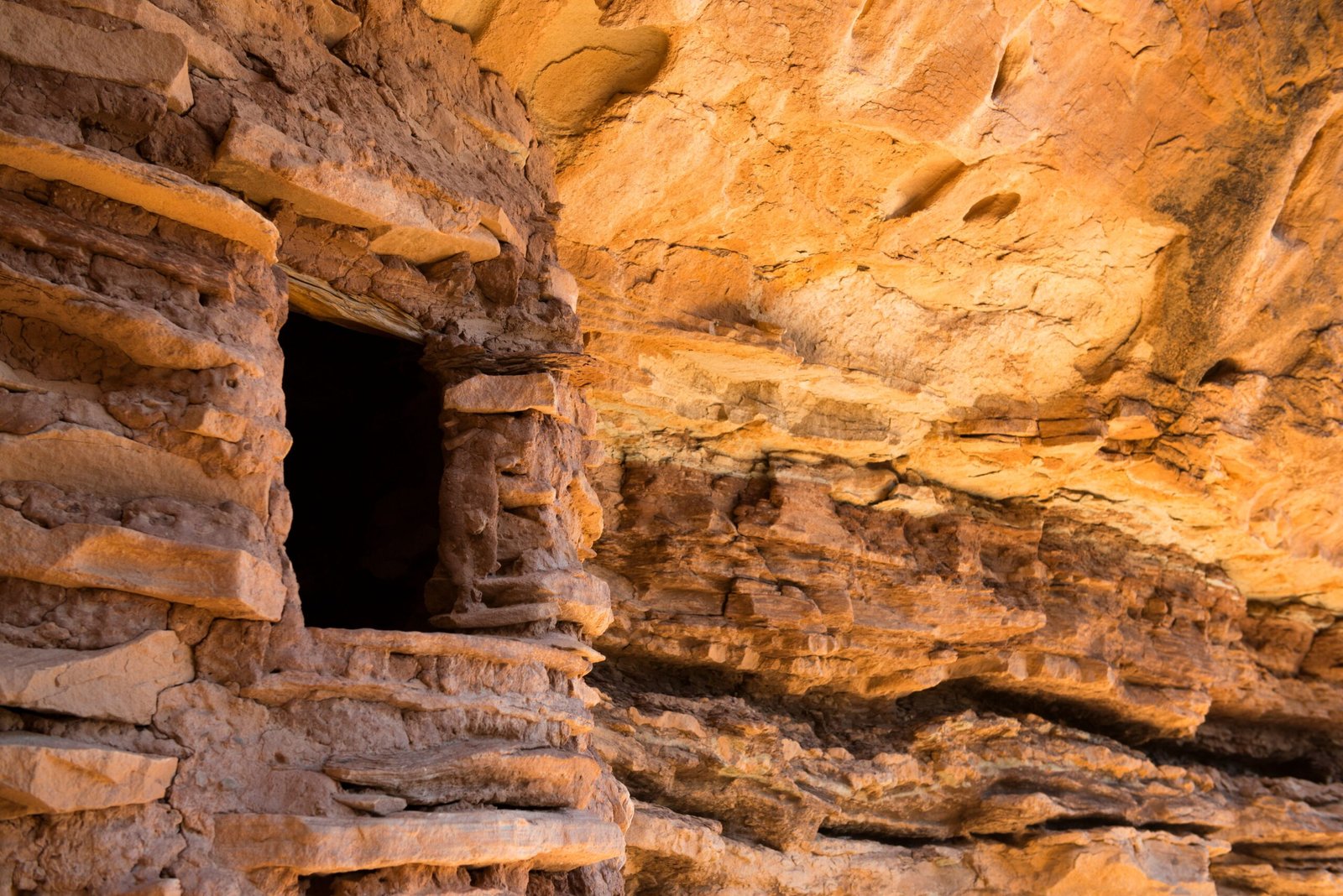
The story of the Ancestral Puebloans begins around AD 750, when they started to settle in the Four Corners region, where present-day Utah, Colorado, Arizona, and New Mexico meet. These early settlers were skilled farmers who cultivated corn, beans, and squash, relying on the region’s scarce water resources. By AD 900, they began constructing the famous cliff dwellings and pueblos that would define their culture. The Great Houses of Chaco Canyon, with their hundreds of rooms and kivas, became the political and religious centers of the Ancestral Puebloan world. These structures were not merely homes; they were architectural masterpieces that demonstrated advanced planning and community organization.
Architectural Marvels in Stone
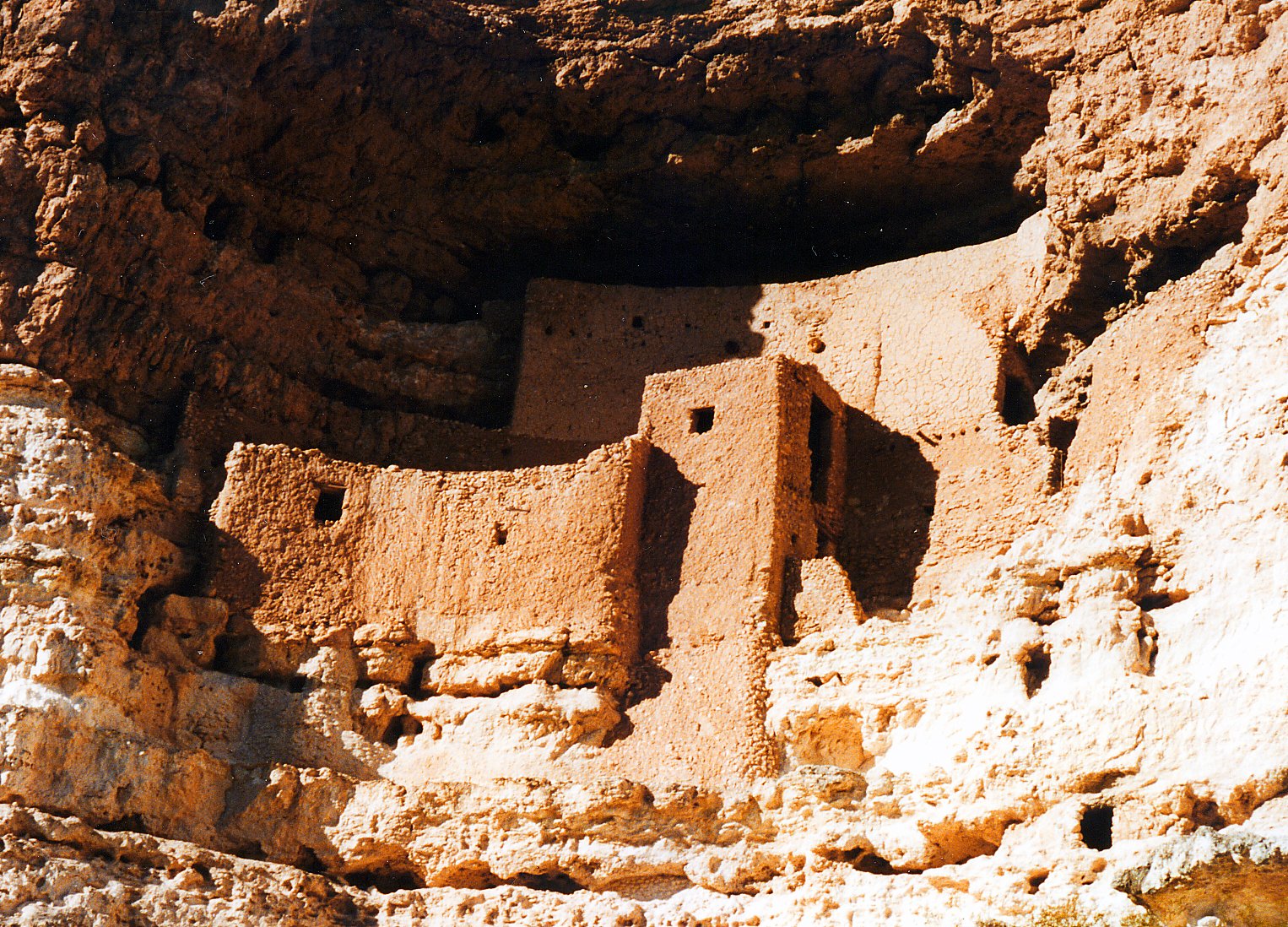
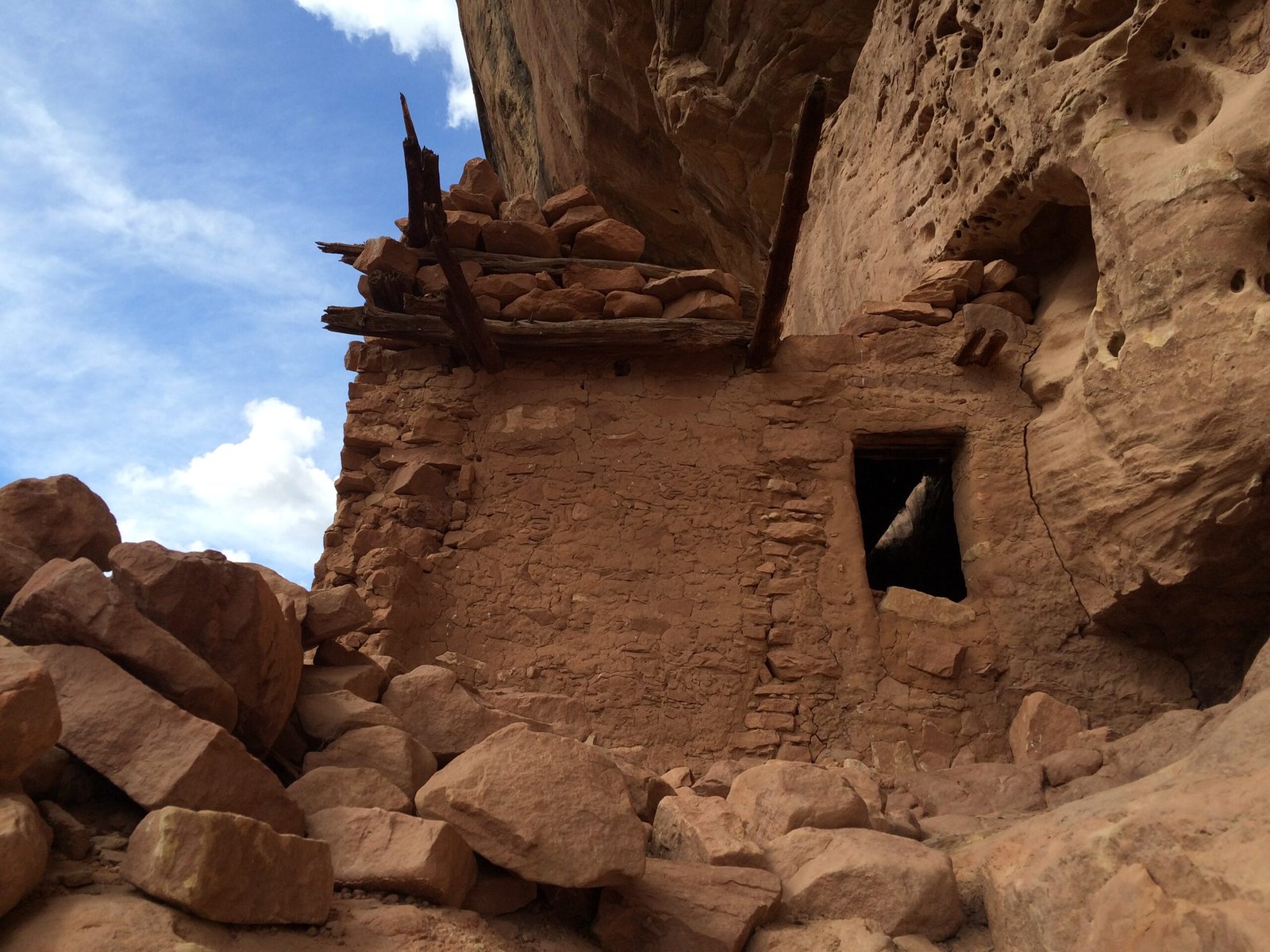
The architectural achievements of the Ancestral Puebloans are nothing short of astonishing. Their cliff dwellings, such as those found in Mesa Verde, were built into the sides of steep canyons, providing natural protection from the elements. The precision with which they stacked stones and crafted mortar showcases their deep understanding of engineering principles. Kivas, circular ceremonial rooms, were constructed with such precision that they remain stable to this day. These structures were not only functional but also held significant cultural and spiritual importance. They served as gathering places for rituals and community activities, binding the society together.
The Role of Agriculture
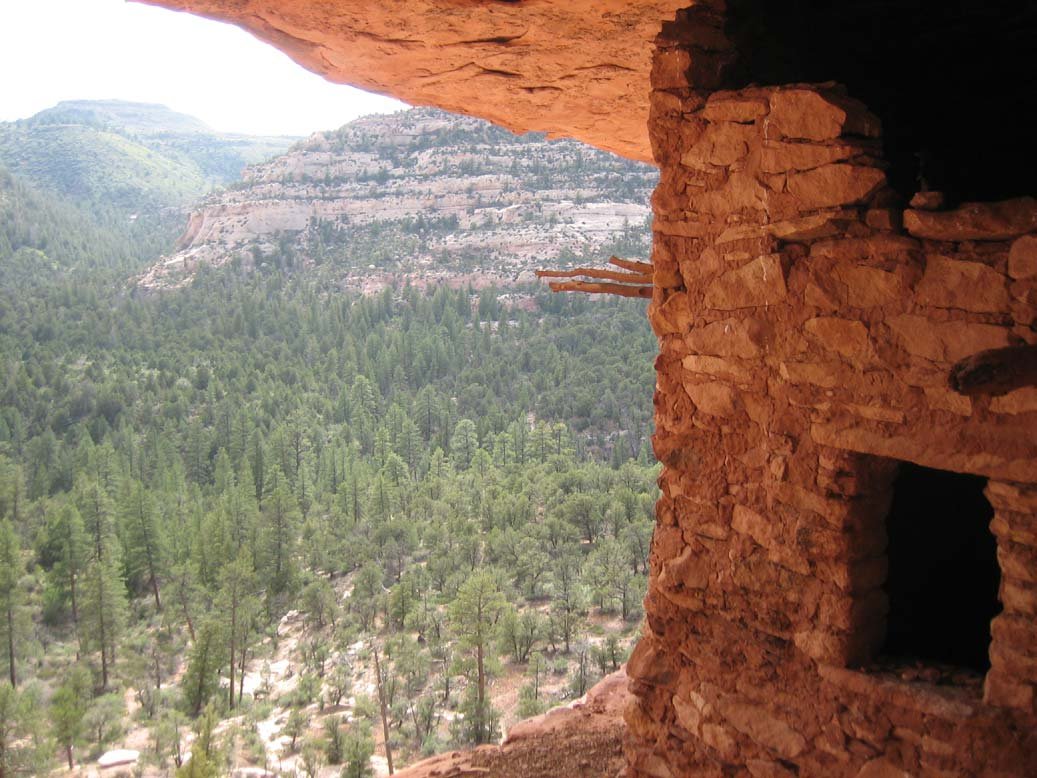
Agriculture was the backbone of Ancestral Puebloan society, and their ability to cultivate crops in the arid Southwest was a testament to their ingenuity. They developed complex irrigation systems to channel water from distant sources to their fields. The introduction of drought-resistant strains of corn allowed them to sustain their communities even during periods of low rainfall. Farming was not just a means of survival; it was a cultural cornerstone that influenced every aspect of their lives, from their religious beliefs to their social structure. The changing climate, however, would eventually test the limits of their agricultural prowess.
Climate Change and Environmental Stress
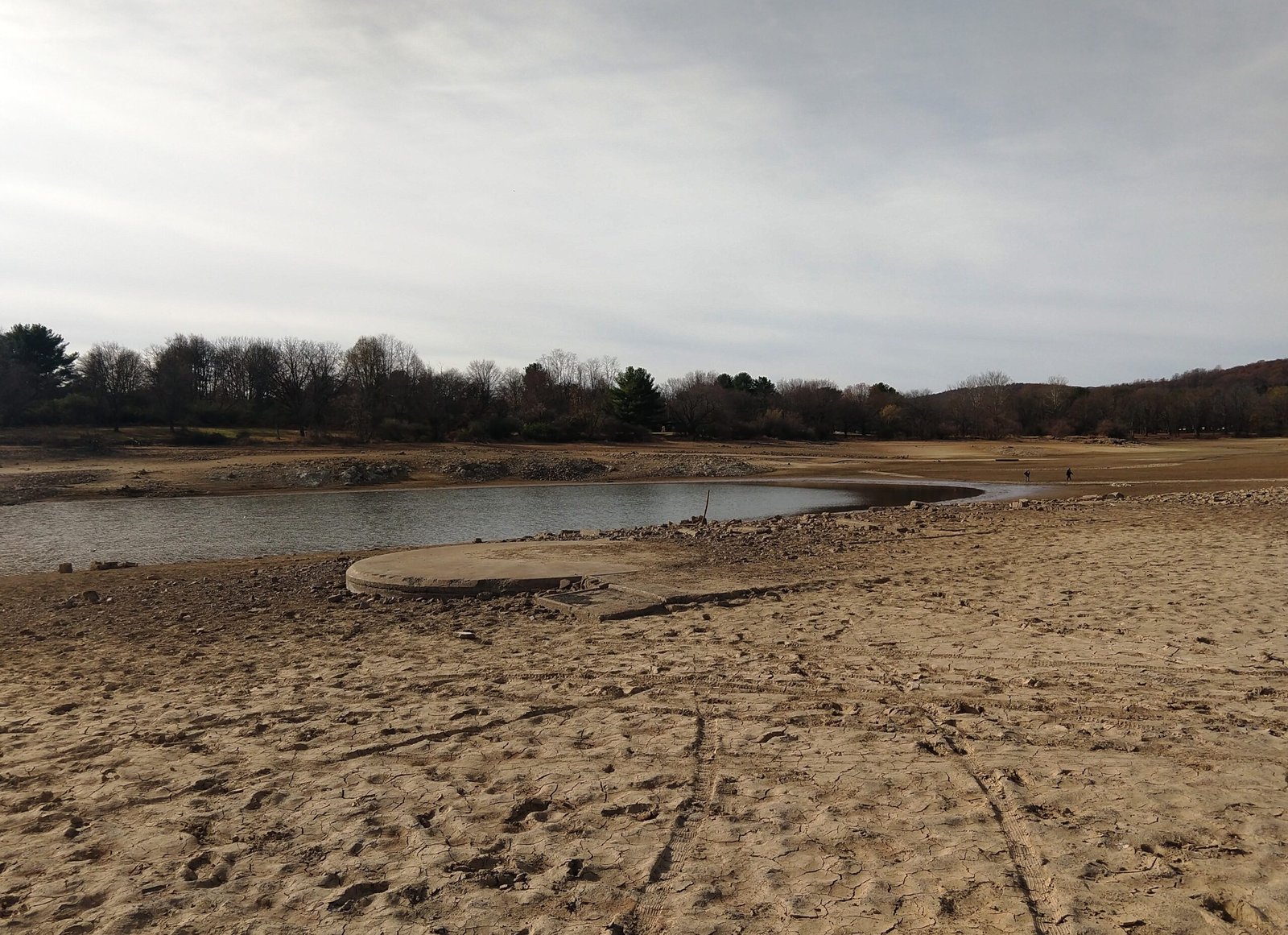
The American Southwest is a region known for its climatic extremes, and the Ancestral Puebloans were no strangers to these challenges. Around AD 1130, the region experienced a prolonged drought known as the Great Drought, which lasted nearly half a century. This environmental stress put immense pressure on the Ancestral Puebloans’ agricultural systems. As water sources dwindled and crops failed, communities faced food shortages and increased competition for resources. The once-thriving cities became increasingly unsustainable, leading to social unrest and the eventual abandonment of many settlements.
Social Dynamics and Internal Conflict
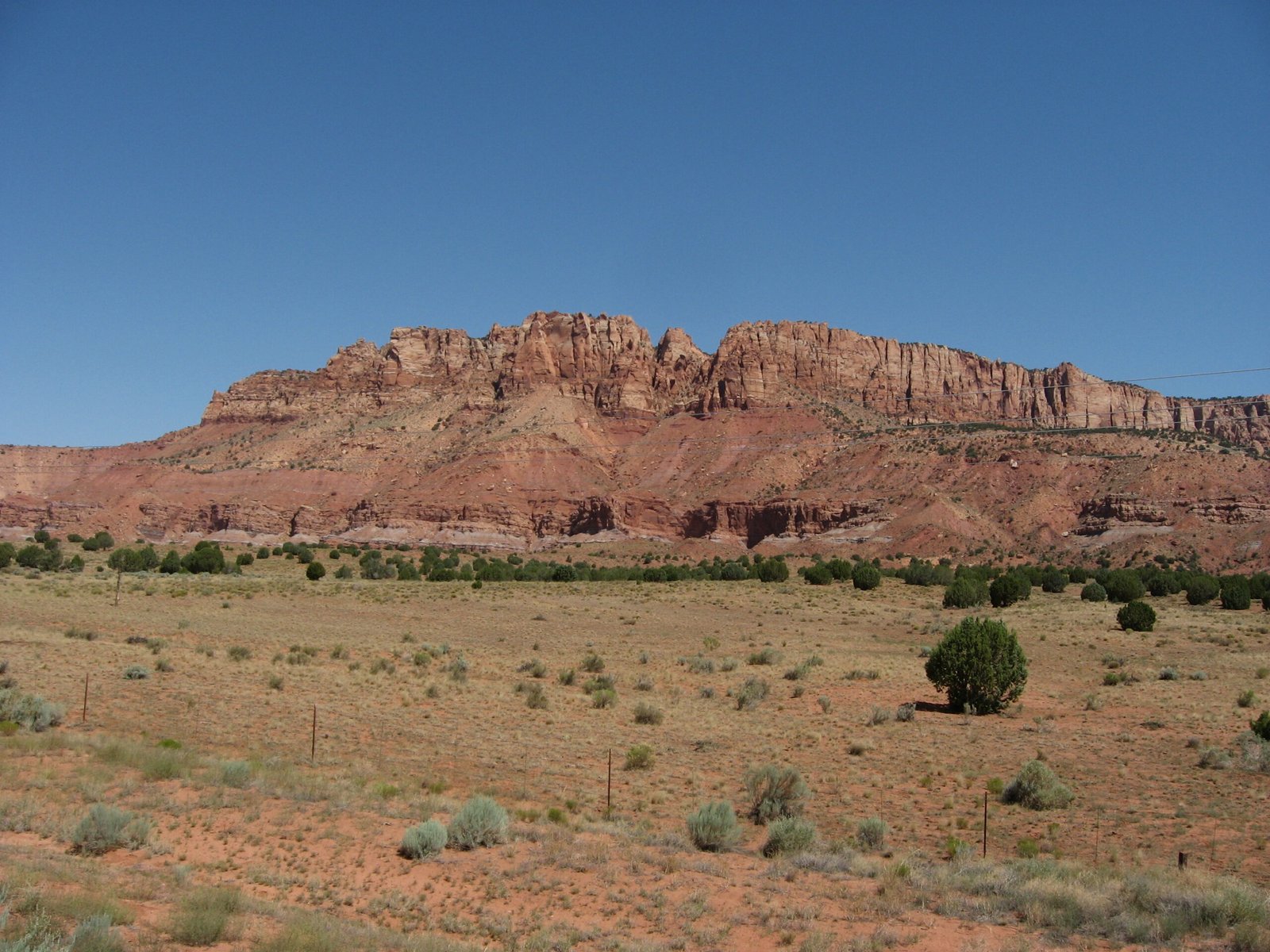
While environmental factors played a significant role in the decline of the Ancestral Puebloans, social dynamics cannot be overlooked. As resources became scarce, tensions likely rose between different communities, leading to internal conflict. Evidence of fortifications and signs of violence in some archaeological sites suggest that disputes over land and resources may have escalated into warfare. The social fabric of the society, once held together by shared religious practices and communal living, began to unravel. As the pressures of survival mounted, the cohesion that had defined the Ancestral Puebloans began to break down.
The Mystery of Migration
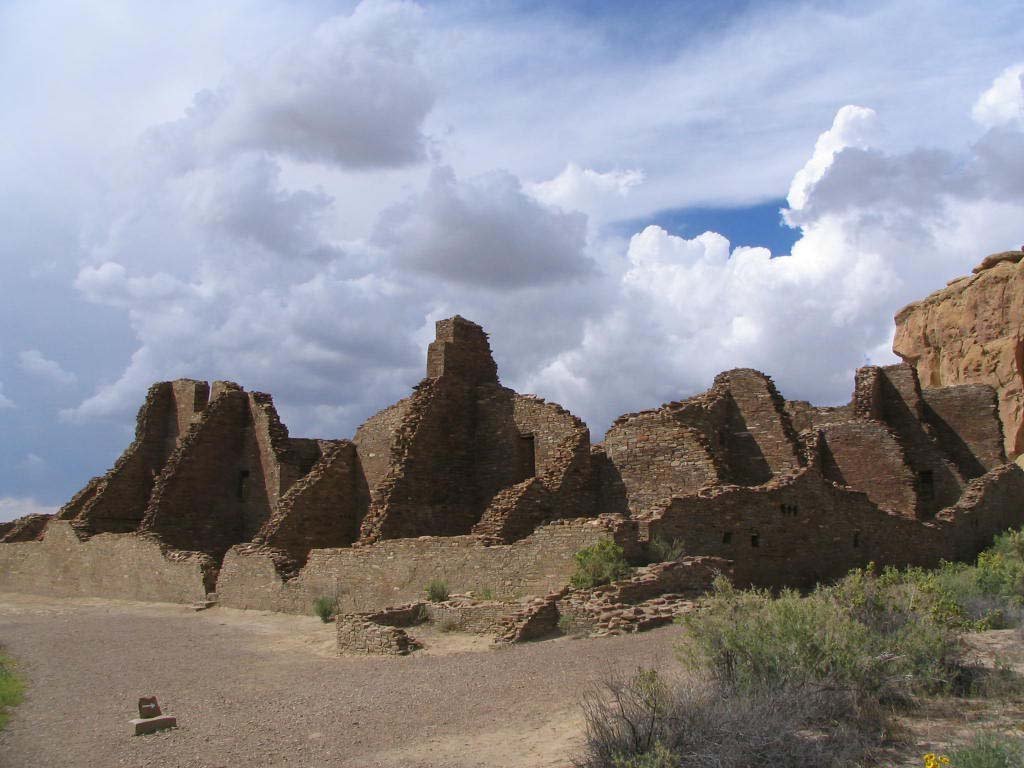
As the 13th century progressed, many Ancestral Puebloans began to leave their homes in search of more hospitable environments. The reasons for this mass migration remain a subject of debate among scholars. Some suggest that they moved southward to the Rio Grande Valley, while others believe they integrated with other Native American groups. This movement was not a simple relocation; it was a profound cultural shift that saw the dispersion of a once-unified society. The abandonment of their cities marked the end of an era, but it also laid the foundation for the diverse cultures that would emerge in the following centuries.
The Legacy of the Ancestral Puebloans
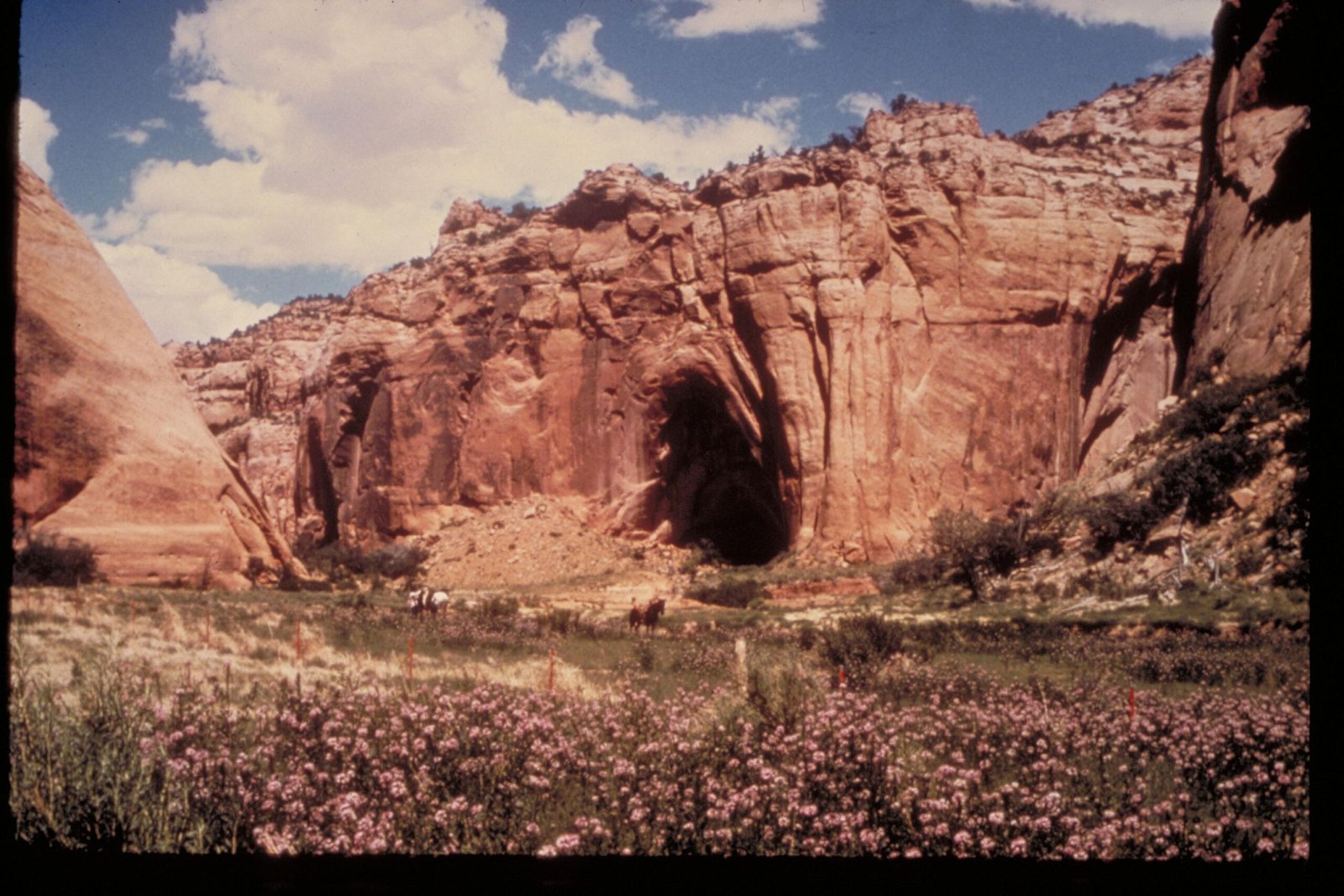
Despite their disappearance, the legacy of the Ancestral Puebloans endures in the landscapes they shaped and the cultures they influenced. Their descendants, including the Hopi, Zuni, and other Puebloan peoples, continue to honor their traditions and maintain a deep connection to the land. The architectural techniques and agricultural practices developed by the Ancestral Puebloans have been passed down through generations, reflecting a resilience that transcends time. Their story is a testament to human adaptability and the enduring spirit of a people who thrived in one of the most challenging environments on Earth.
Scientific Investigations and Discoveries
Modern archaeology has shed light on many aspects of Ancestral Puebloan life through advanced scientific techniques. Dendrochronology, the study of tree rings, has been instrumental in understanding the climatic conditions they faced. By analyzing the growth patterns of ancient trees, researchers can reconstruct the region’s climate history and correlate it with periods of cultural change. Additionally, isotopic analysis of human remains provides insights into the diet and health of the Ancestral Puebloans, revealing the impacts of environmental stress on their society. These scientific discoveries continue to unravel the mysteries of a civilization that left no written records.
The Cultural and Spiritual World
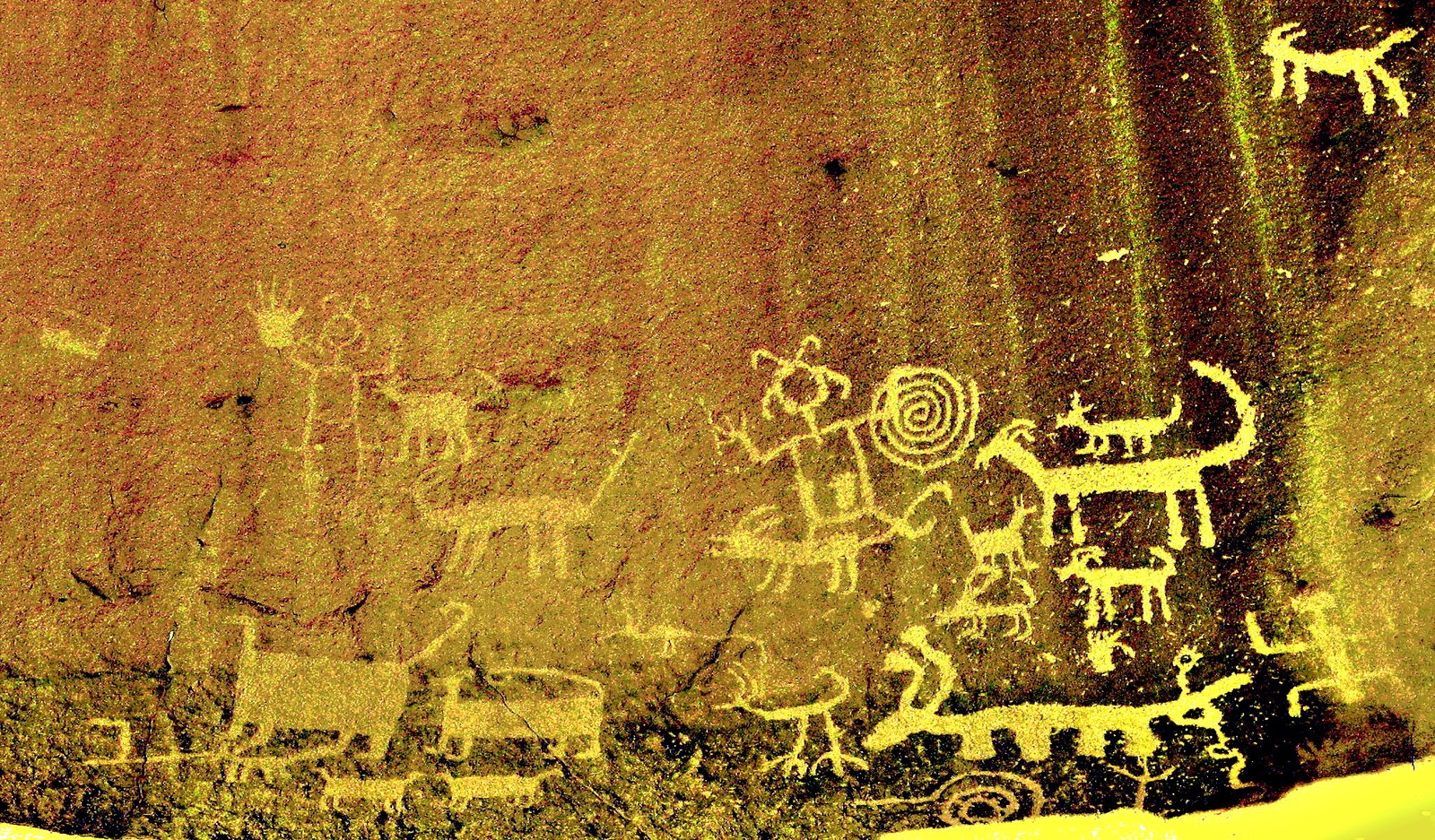
The Ancestral Puebloans were deeply spiritual people, and their beliefs were intricately tied to the natural world. Their cosmology revolved around the concept of balance and harmony with nature, as reflected in their art and architecture. Petroglyphs and pictographs found throughout the Southwest depict sacred symbols and stories that offer glimpses into their worldview. These artistic expressions served as both religious symbols and historical records, preserving the collective memory of the society. The spiritual connection to the land remains a fundamental aspect of Puebloan identity, underscoring the enduring legacy of their ancestors.
Lessons from the Past
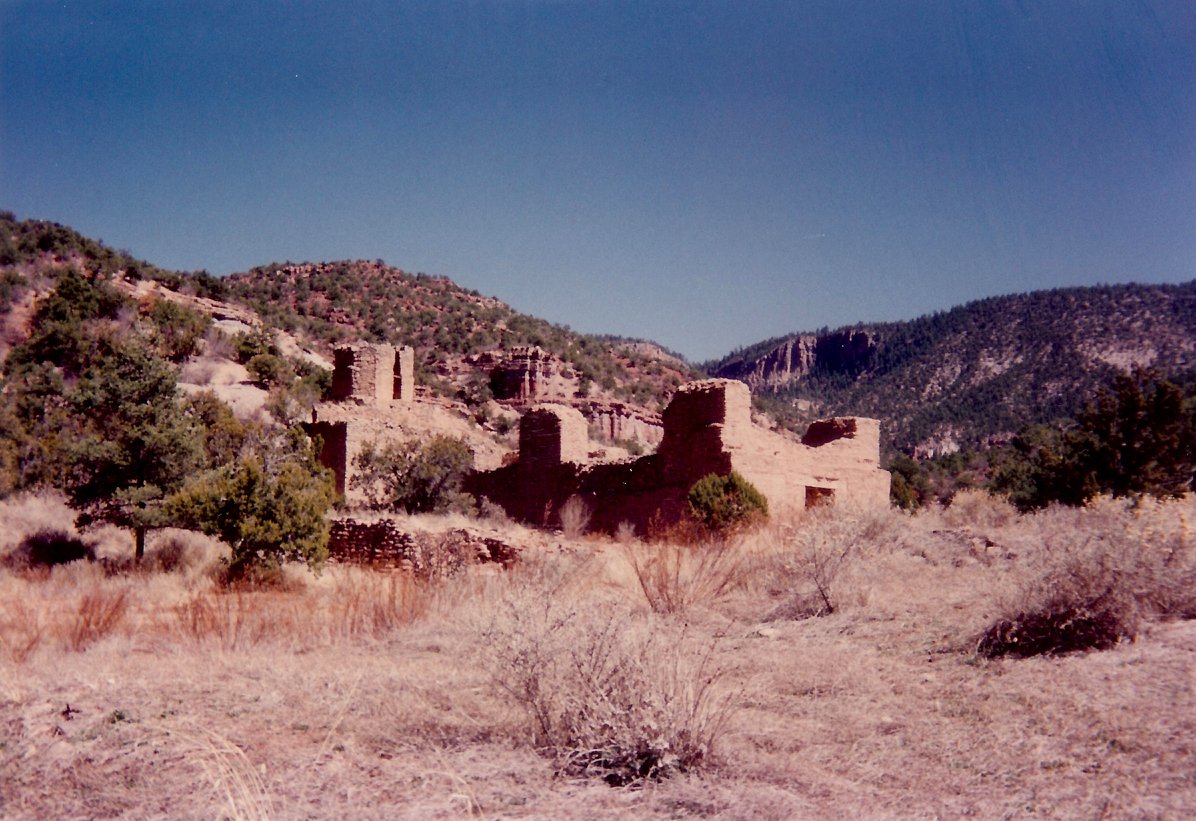
The story of the Ancestral Puebloans offers valuable lessons for contemporary society. Their ability to adapt to a challenging environment, coupled with their eventual decline, serves as a reminder of the delicate balance between human civilization and nature. In an era of climate change and environmental uncertainty, their experiences highlight the importance of sustainable practices and community resilience. As we seek to understand their story, we are compelled to reflect on our own relationship with the environment and the legacy we leave for future generations.
In conclusion, the Ancestral Puebloans remain a source of fascination and inspiration. Their rise and fall are a testament to the complex interplay of environmental, social, and cultural factors that shape human history. While much about their disappearance remains shrouded in mystery, their enduring legacy continues to captivate the imagination and offer insights into the resilience of the human spirit.