In the vast tapestry of the natural world, birds occupy a unique and enchanting niche. Their ability to soar through the skies has long captivated human imagination. Yet, amidst this avian ballet, there exists a curious anomaly: some birds have forgotten how to fly. This phenomenon, while seemingly counterintuitive, is a fascinating chapter in the story of evolution. These flightless birds, such as ostriches, emus, and penguins, have adapted in ways that prioritize survival over the allure of flight. But why does this keep happening? What drives a bird to forsake its wings and embrace life on the ground or in water? The answers lie in a complex interplay of environmental pressures, evolutionary advantages, and the ever-present dance of survival.
The Evolutionary Trade-Off
The decision to abandon flight is not one taken lightly by nature. It is a calculated trade-off where the benefits of flight are weighed against the advantages of staying grounded. For many birds, the energy required to maintain flight capabilities can be a significant burden. The muscles and structures needed for flight are demanding in terms of energy and resources. For instance, flightless birds often have stronger legs and larger bodies, allowing them to run swiftly or navigate challenging terrains. These adaptations can be crucial in environments where predators are scarce, and the need for flight diminishes in favor of other survival strategies.
Adapting to Island Life
Islands serve as unique laboratories for evolution, often leading to the development of flightless birds. The isolation of islands means fewer predators, reducing the necessity for flight as a means of escape. Birds like the kiwi and the dodo thrived in such environments, where their flightlessness became an advantage rather than a hindrance. Without the constant threat of predators, these birds could invest their energy in other survival strategies, such as foraging and reproduction. However, this also made them vulnerable to new threats when humans and other predators arrived, leading to the extinction of species like the dodo.
The Role of Predation
Predation plays a pivotal role in the evolution of flightless birds. In regions where ground-dwelling predators are rare or absent, the selective pressure to maintain flight diminishes. Birds like the kakapo of New Zealand evolved in predator-free environments, which allowed them to adopt a nocturnal and flightless lifestyle. However, when predators are introduced, either naturally or by human intervention, these flightless birds face significant challenges. Their inability to fly makes them easy targets, leading to drastic reductions in their populations.
Climate and Environmental Changes
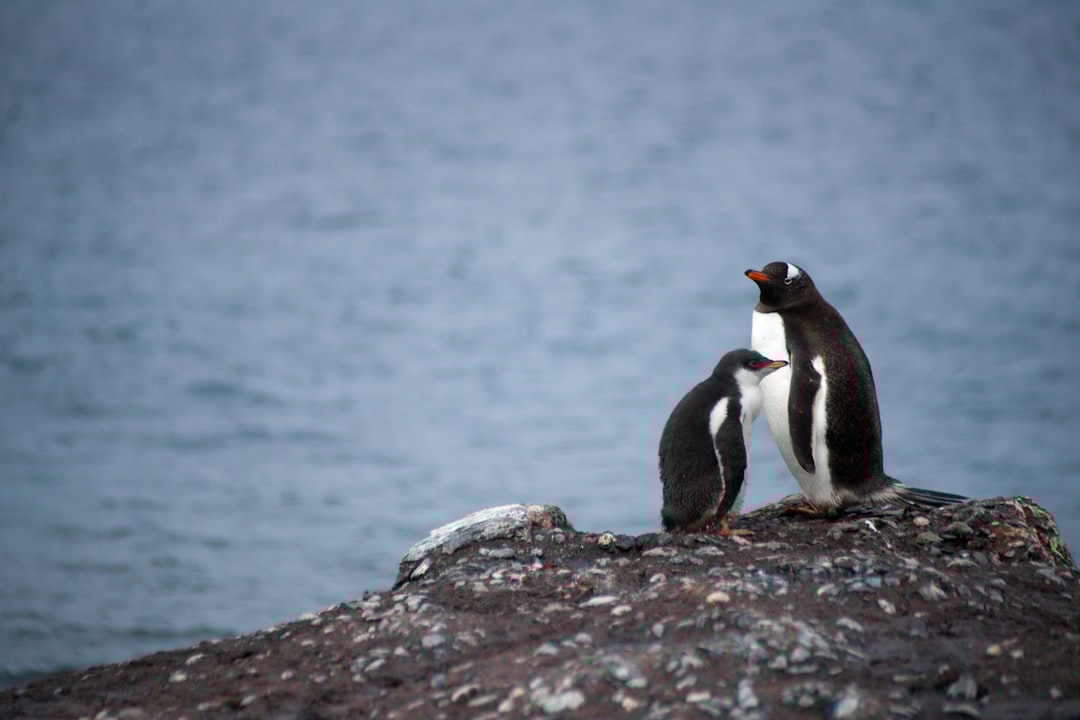
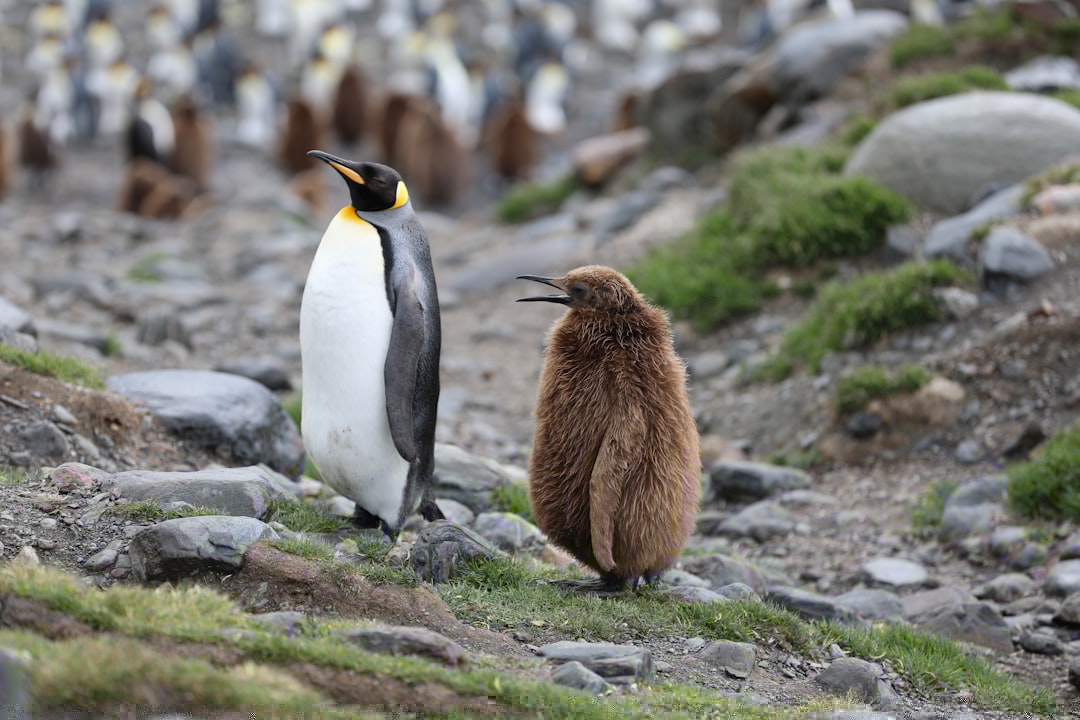
The environment is ever-changing, and birds must adapt to survive. In some cases, changes in climate or habitat can lead to the evolution of flightlessness. For example, in cold climates, the energy required to maintain flight can be counterproductive. Penguins, for instance, have adapted to life in icy waters, where their wings have evolved into flippers suited for swimming rather than flying. This adaptation allows them to hunt efficiently in their aquatic environment, showcasing the incredible versatility of evolution.
Resource Allocation and Survival
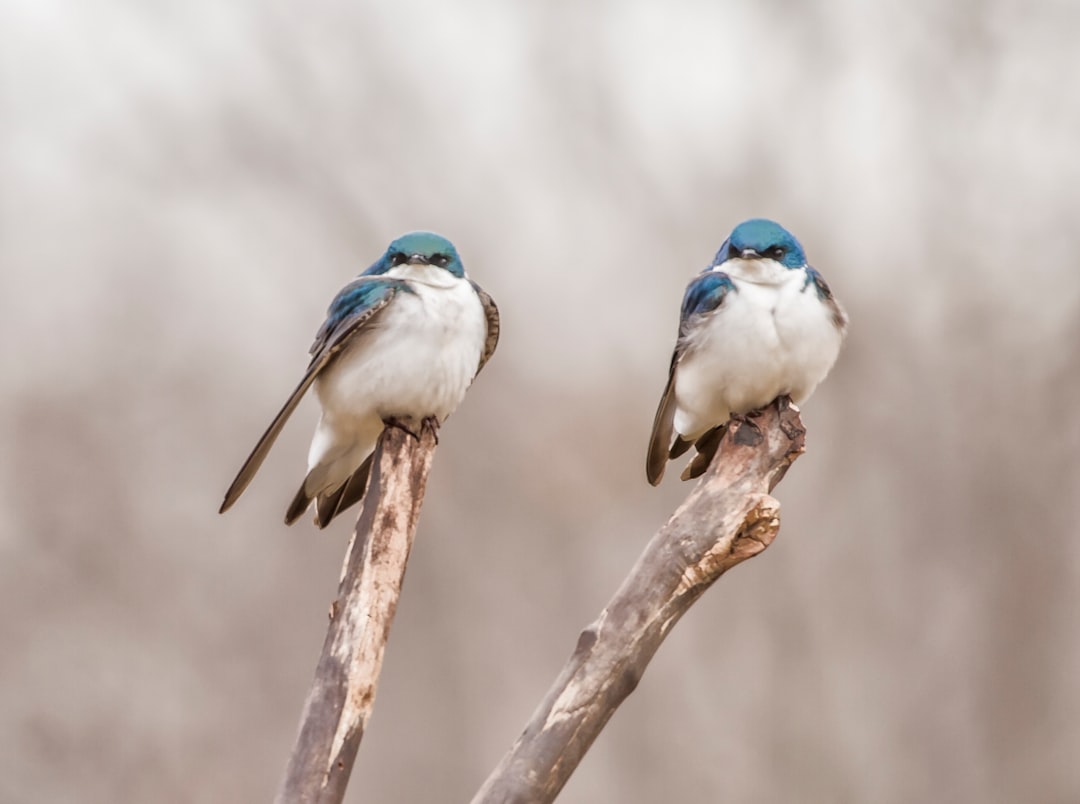
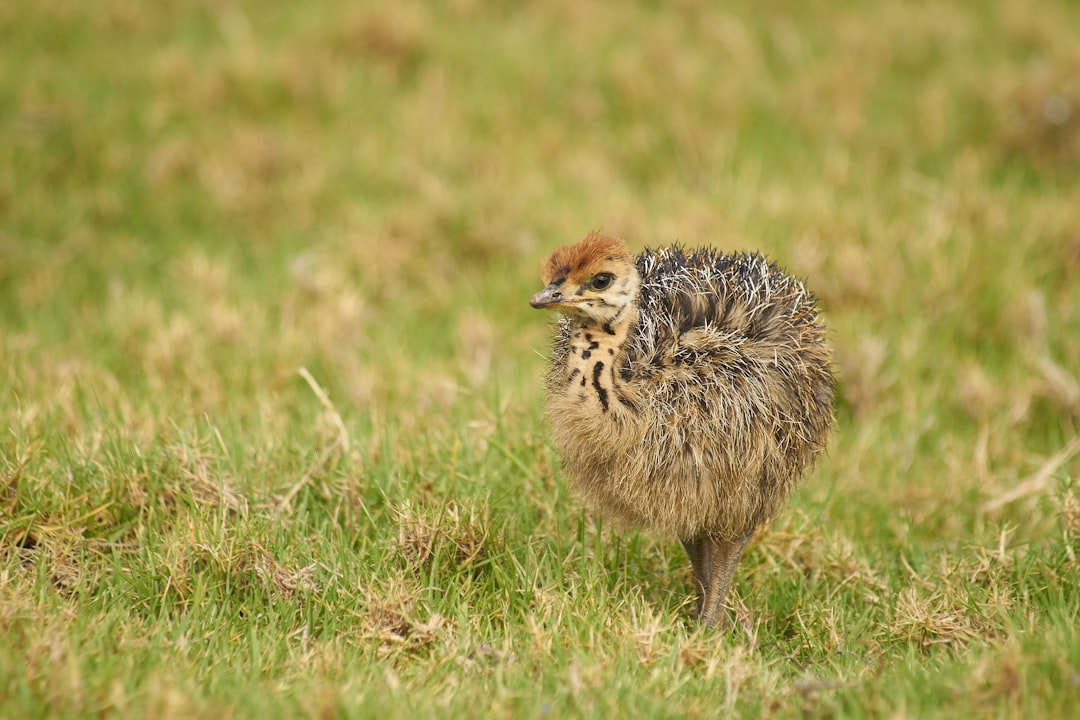
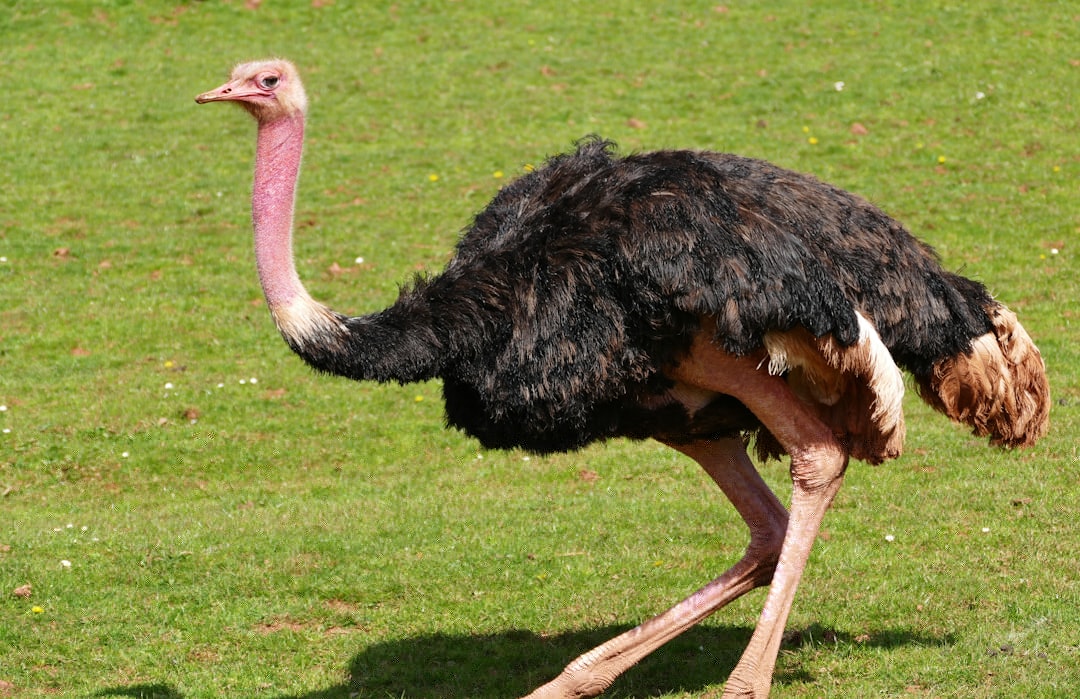
Survival is often a game of resource allocation. Birds that have forgotten how to fly often redirect their energy towards other survival functions. By sacrificing flight, they can develop stronger limbs, larger bodies, or other physical traits that enhance their ability to thrive in specific environments. For example, the ostrich, the world’s largest bird, has powerful legs that enable it to run at high speeds, providing an effective means of escape from predators without the need for flight.
The Influence of Human Activity
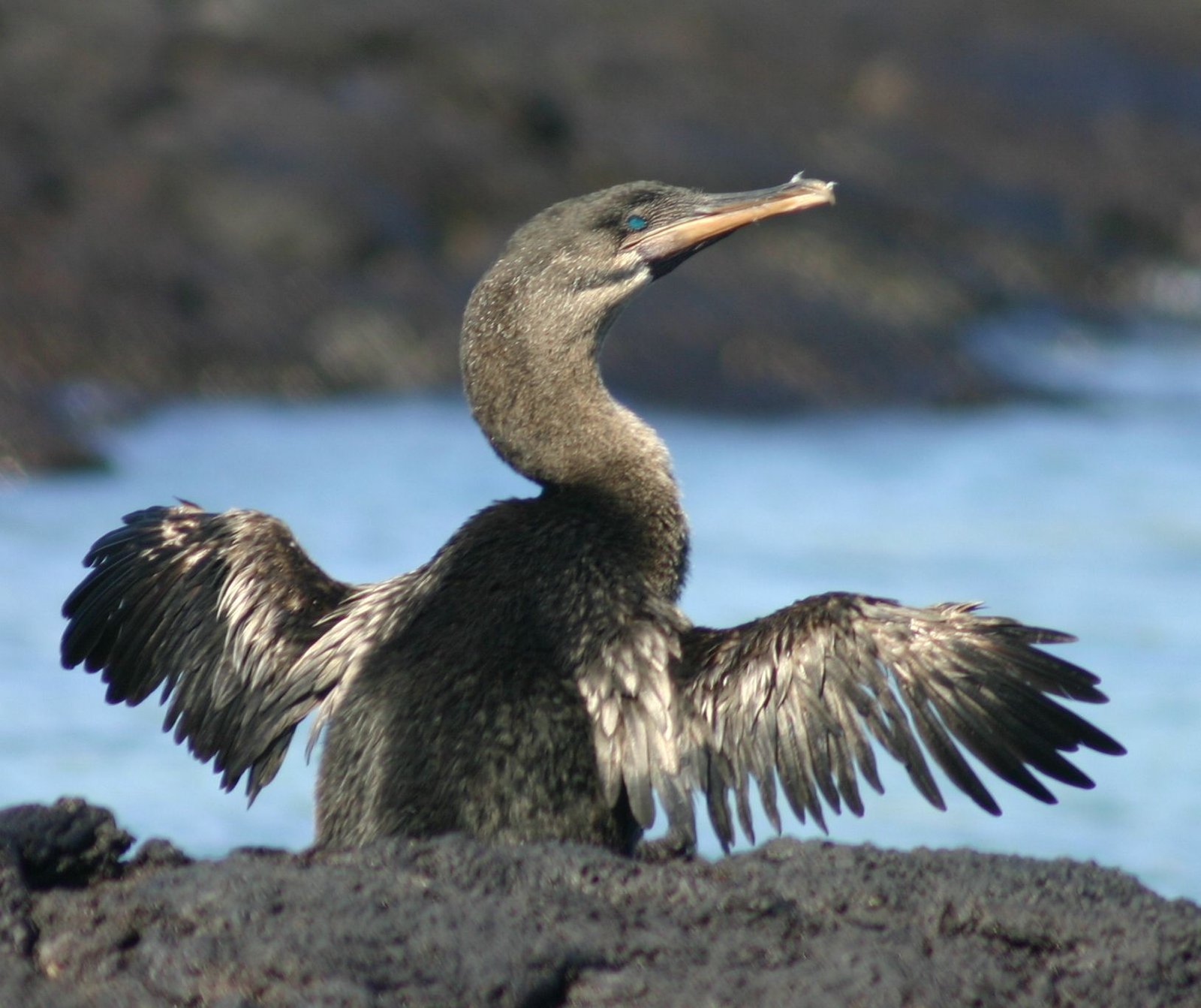
Human activity has significantly impacted the evolution of flightless birds. Habitat destruction, the introduction of new predators, and hunting have all played roles in shaping the fate of these birds. The extinction of the dodo is a stark reminder of how human actions can hasten the demise of flightless species. Conservation efforts today aim to protect these unique birds, recognizing the delicate balance between human progress and the preservation of biodiversity.
Genetic Factors at Play
The genetic makeup of birds also influences their ability to fly. Mutations and genetic variations can lead to the development of flightlessness over generations. In some cases, these genetic changes may confer advantages in specific environments, allowing flightless birds to thrive. Understanding these genetic factors provides insights into the complex web of evolution and the myriad paths it can take.
Social Structures and Flightlessness
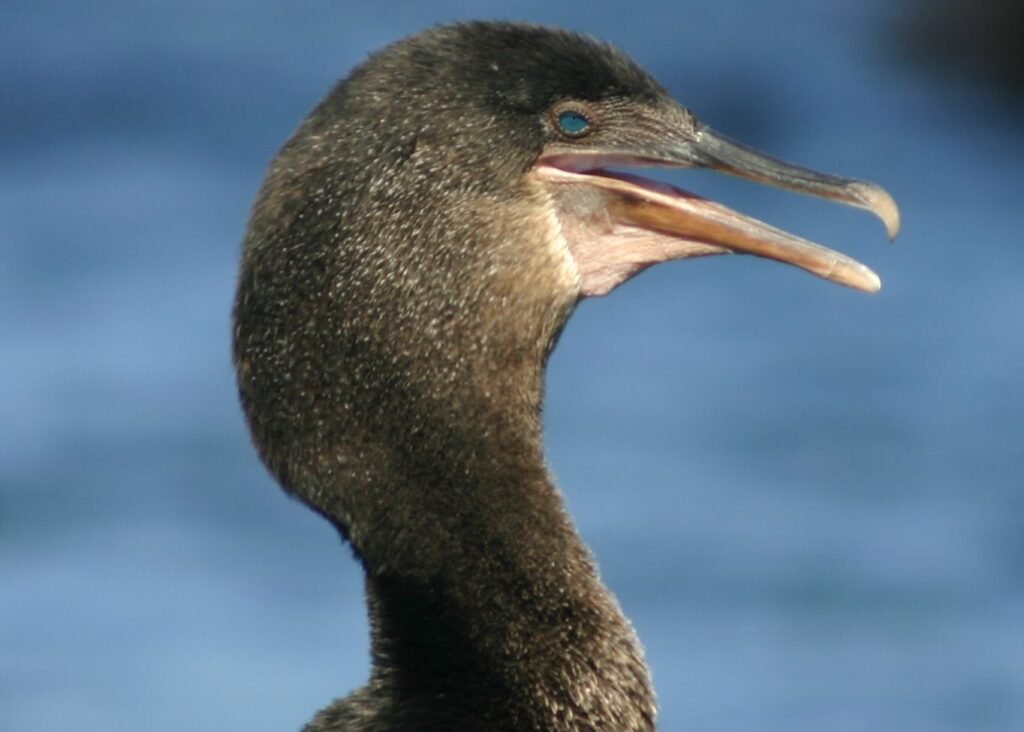
Social behavior and structures can influence the evolution of flightlessness. In some species, the need for cooperative breeding or social cohesion may reduce the necessity for flight. Birds that rely on community living may find that staying grounded allows for better protection and resource sharing. This social adaptation demonstrates the interconnectedness of evolution, where physical traits and behavioral strategies work in tandem to ensure survival.
Lessons from Flightless Birds

The story of flightless birds offers valuable lessons about adaptation and survival. It highlights the importance of flexibility and the willingness to embrace change in the face of shifting environmental conditions. These birds remind us that evolution is not about perfection but about finding the right balance for survival. By understanding their journey, we gain a deeper appreciation for the complexity and beauty of the natural world.
Conservation and Future Prospects

The future of flightless birds hinges on our ability to protect their habitats and mitigate the impacts of human activity. Conservation efforts must focus on preserving the ecosystems that support these unique species. By safeguarding their environments, we ensure that flightless birds continue to thrive and evolve, offering future generations the opportunity to marvel at their remarkable adaptations. The story of these birds is a testament to the resilience of life and a call to action for preserving the rich tapestry of biodiversity on our planet.