Imagine a world teeming with vibrant coral reefs and lush rainforests, where the air is filled with the songs of exotic birds and the aroma of tropical blooms. These ecosystems are not just breathtakingly beautiful; they are vital to the planet’s health. However, this natural wonderland is under severe threat due to habitat loss and overharvesting. These twin challenges are causing irreversible damage, pushing countless species closer to extinction and disrupting delicate ecological balances. As we delve into the intricate web of life that these habitats support, it becomes clear that urgent action is needed to preserve them for future generations.
The Magnificence of Coral Reefs
Coral reefs are often referred to as the “rainforests of the sea” due to their astonishing biodiversity. Covering less than 1% of the ocean floor, they support about 25% of all marine species. These underwater gardens are home to vibrant corals, colorful fish, and myriad other marine creatures. In addition to their beauty, reefs provide essential services such as coastal protection, food security, and tourism opportunities. However, despite their importance, coral reefs are incredibly fragile and sensitive to changes in their environment.
The Threat of Habitat Loss
Habitat loss is one of the most pressing threats facing coral reefs and rainforests. In the case of reefs, habitat loss often occurs due to coastal development, pollution, and destructive fishing practices. When coral reefs are damaged, the entire ecosystem suffers, including the fish and other marine life that depend on them for survival. Similarly, rainforests are being cleared at an alarming rate for agriculture, logging, and urban expansion. This deforestation leads to the loss of countless plant and animal species and contributes to climate change by releasing stored carbon into the atmosphere.
Overharvesting: An Unsustainable Practice
Overharvesting refers to the unsustainable extraction of resources from the environment, and it poses a significant threat to both reefs and rainforests. In marine environments, overfishing can deplete fish populations, disrupt food chains, and alter entire ecosystems. Coral reefs, already stressed by climate change and pollution, can be further damaged by the removal of key species. In rainforests, overharvesting of timber and non-timber forest products can lead to the depletion of valuable resources and the destruction of habitats for countless species.
The Ripple Effects on Biodiversity
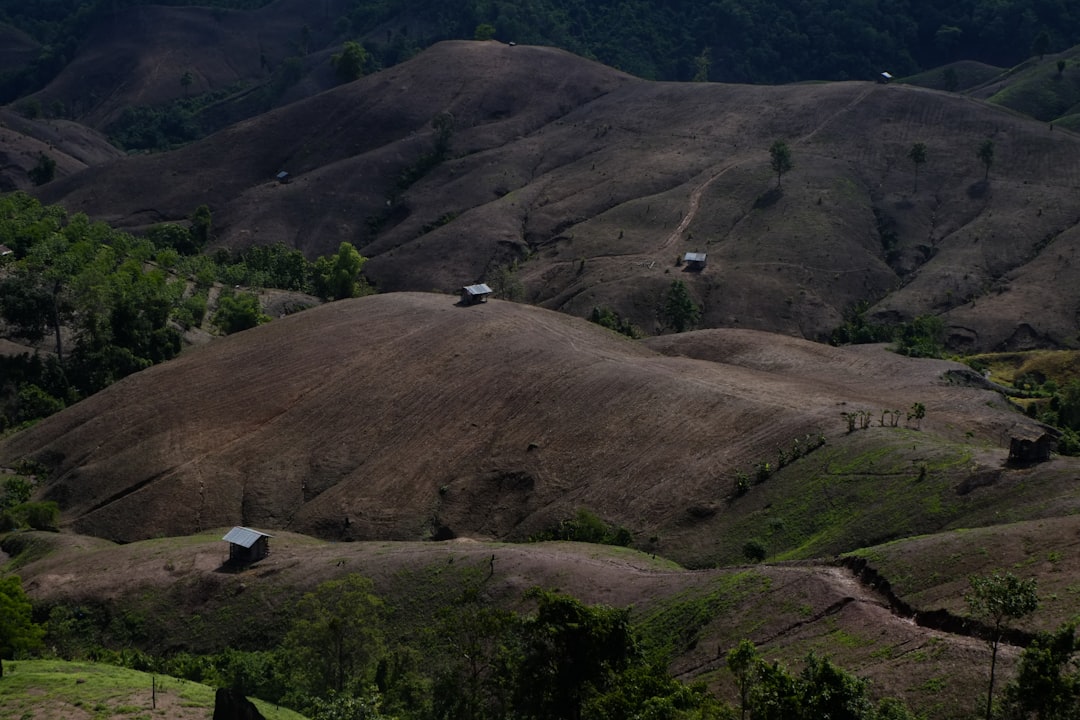
The loss of habitats and overharvesting have far-reaching consequences for biodiversity. As species are driven to extinction, the intricate web of life begins to unravel. Coral reefs and rainforests are home to many endemic species, meaning they cannot be found anywhere else on Earth. When these species disappear, we lose unique genetic resources, potential medicines, and vital ecosystem services. Moreover, the loss of biodiversity can lead to ecosystem imbalances, making them more vulnerable to diseases and environmental changes.
Climate Change: A Compounding Factor
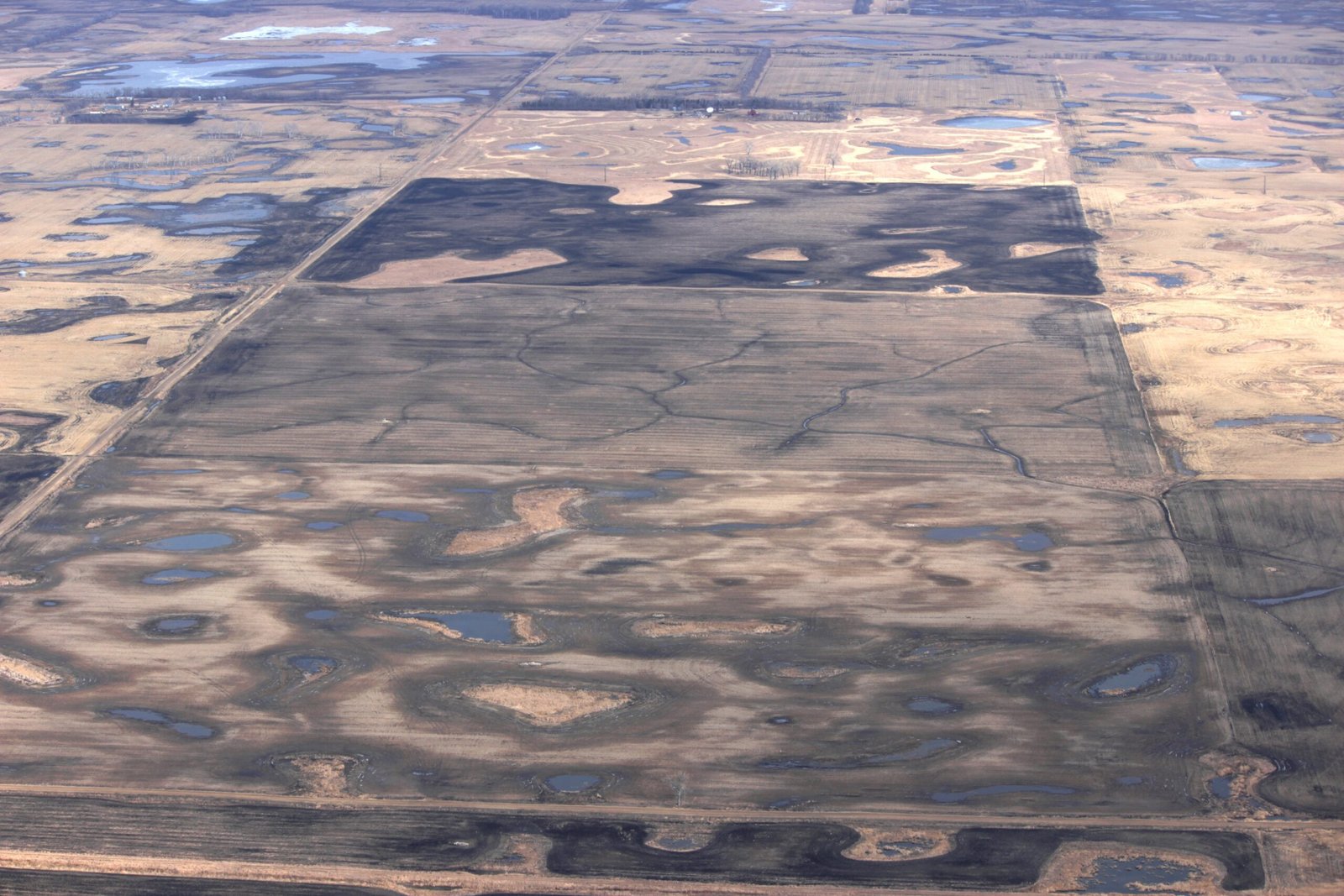
Climate change exacerbates the effects of habitat loss and overharvesting. Rising ocean temperatures and acidification threaten coral reefs, causing coral bleaching and mortality. Similarly, changing precipitation patterns and increasing temperatures can alter rainforest ecosystems, making them more susceptible to fires and invasive species. These changes not only affect the ecosystems themselves but also have broader implications for global biodiversity and climate regulation.
Human Dependence on Ecosystem Services
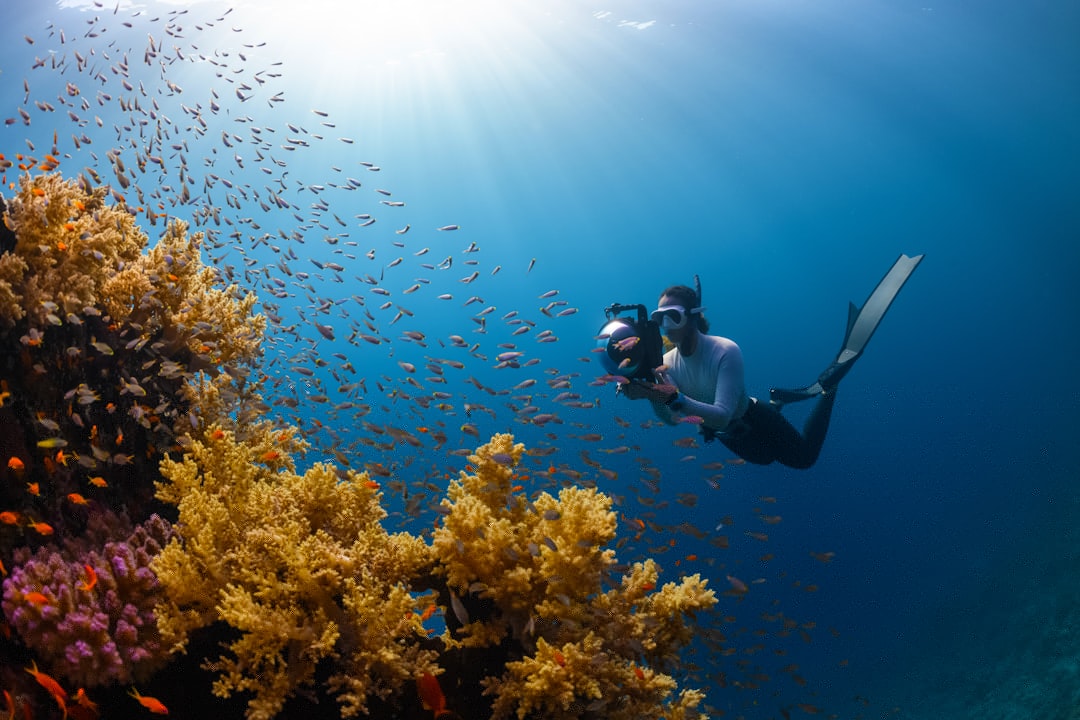
Human societies are deeply connected to and dependent on the ecosystem services provided by coral reefs and rainforests. These ecosystems supply food, clean air, and fresh water, and they play a crucial role in regulating the Earth’s climate. Furthermore, they are a source of livelihoods for millions of people around the world. The loss of these ecosystems would have profound impacts on human well-being, particularly for communities that rely directly on natural resources for their survival.
Conservation Efforts and Success Stories

Despite the challenges, there are successful conservation efforts that offer hope for the future of reefs and rainforests. Marine protected areas have been established to safeguard critical reef habitats and allow ecosystems to recover. Similarly, community-based forest management programs have been successful in protecting rainforests while providing sustainable livelihoods for local people. These initiatives demonstrate that with the right strategies and collaboration, it is possible to protect these vital ecosystems.
The Role of Technology in Conservation
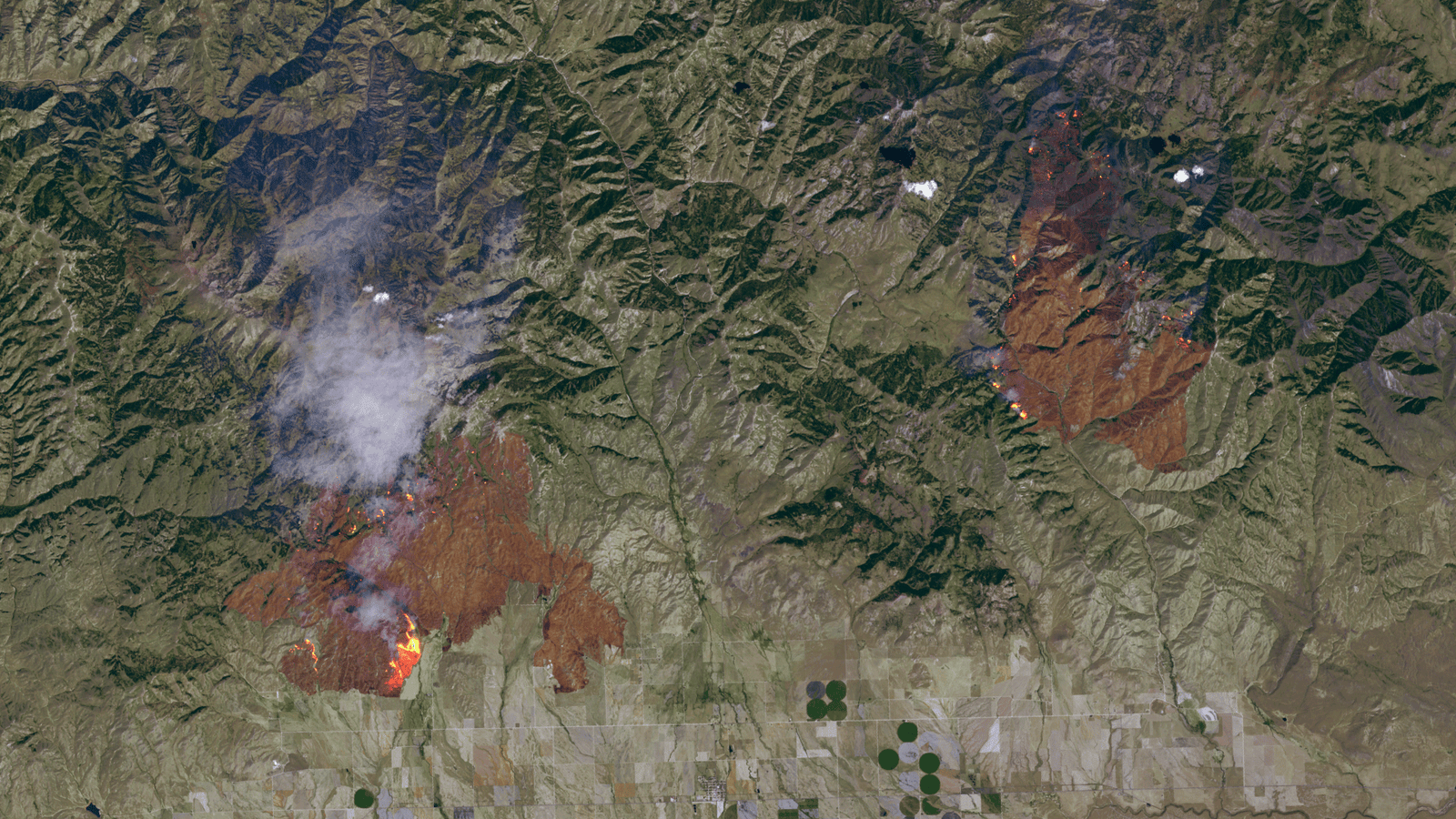
Advancements in technology are playing a significant role in conservation efforts. Remote sensing and satellite imagery are used to monitor deforestation and illegal fishing activities in real-time. Additionally, genetic research and biotechnology offer new tools for restoring degraded ecosystems and conserving endangered species. These technological innovations provide valuable data and insights that can inform conservation strategies and improve their effectiveness.
The Importance of Education and Awareness

Education and awareness are crucial components of conservation efforts. By raising awareness about the importance of coral reefs and rainforests, we can inspire individuals and communities to take action. Educational programs can empower people with the knowledge and skills needed to protect and restore these ecosystems. Moreover, fostering a sense of stewardship and connection to nature can motivate people to make sustainable choices in their daily lives.
A Call to Action for a Sustainable Future

The challenges facing coral reefs and rainforests are daunting, but they are not insurmountable. By addressing habitat loss and overharvesting, we can protect these vital ecosystems and the countless species they support. This requires a collective effort from governments, organizations, and individuals to implement sustainable practices and conservation strategies. The future of our planet depends on our ability to recognize the value of these ecosystems and take decisive action to preserve them.