In the heart of our bustling world, where technology often overshadows nature, there’s a powerful movement gaining momentum. Community science, a collaboration between the general public and professional scientists, is reshaping how we understand and protect wildlife. This initiative is not just about collecting data; it’s about creating a bridge between ordinary citizens and the natural world, fostering a sense of shared responsibility for the environment. As people from all walks of life contribute their observations, they are not just spectators but active participants in wildlife conservation. This article delves into the profound impact of citizen observations, exploring how they are driving transformative changes in the field of conservation.
The Rise of Community Science

Community science, once a niche endeavor, has risen to prominence in recent years. This approach leverages the power of everyday people who are passionate about nature and eager to contribute to scientific research. Unlike traditional scientific methods that often rely on limited teams, community science taps into the vast network of individuals globally. With the advent of smartphones and apps, it’s easier than ever for citizens to document their observations. This collective effort has not only democratized data collection but also made science more accessible and engaging for the general public.
Empowering Citizens Through Technology
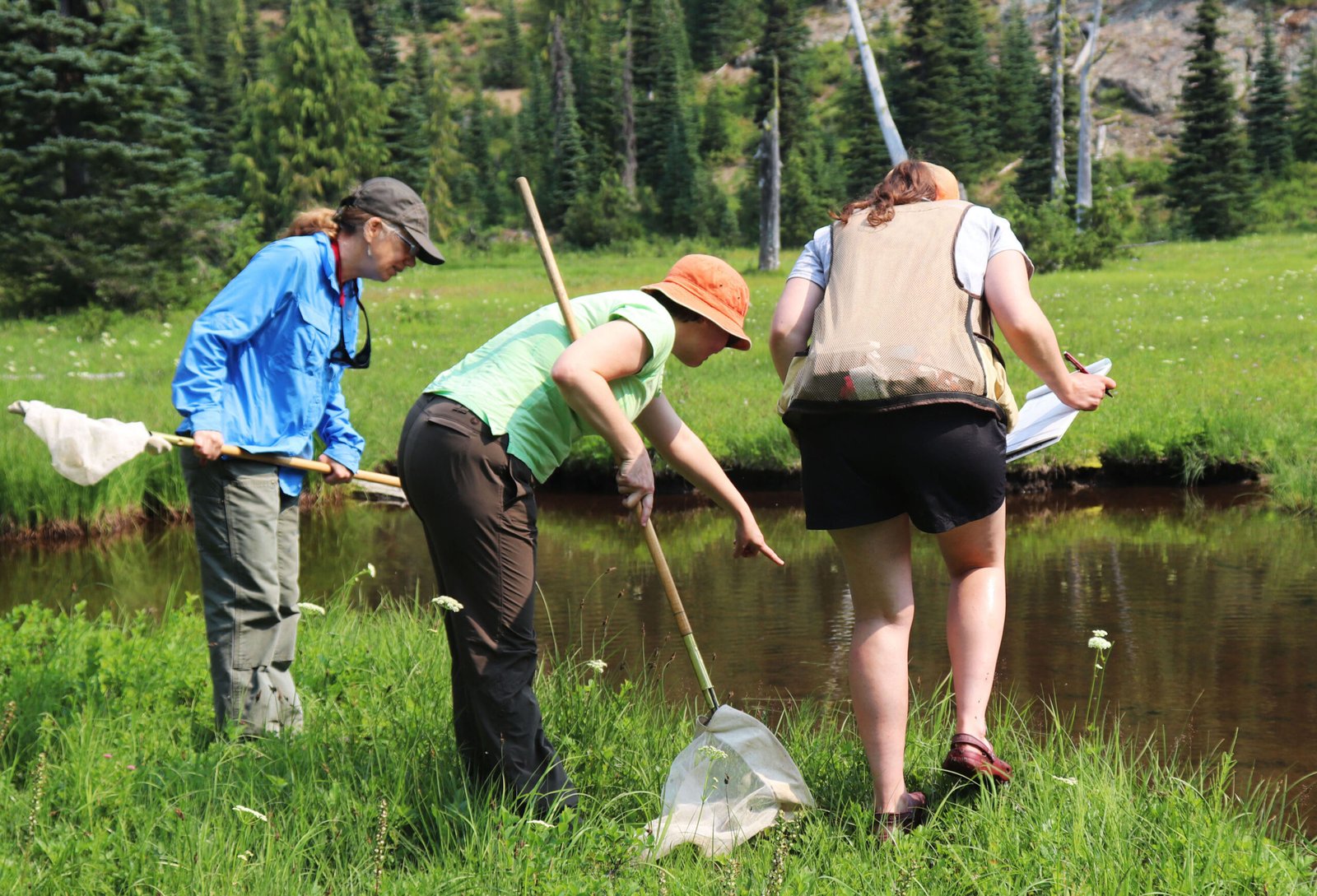
Technology plays a pivotal role in the success of community science. Mobile applications like iNaturalist and eBird allow users to record sightings of plants, animals, and birds with just a few clicks. These platforms are user-friendly, ensuring that even those with limited tech skills can participate. By uploading photos and observations, citizens contribute valuable data that scientists use to analyze trends and patterns in wildlife populations. This technological empowerment transforms ordinary people into citizen scientists, creating a global network of informed and engaged nature enthusiasts.
Bridging the Gap Between Science and Society
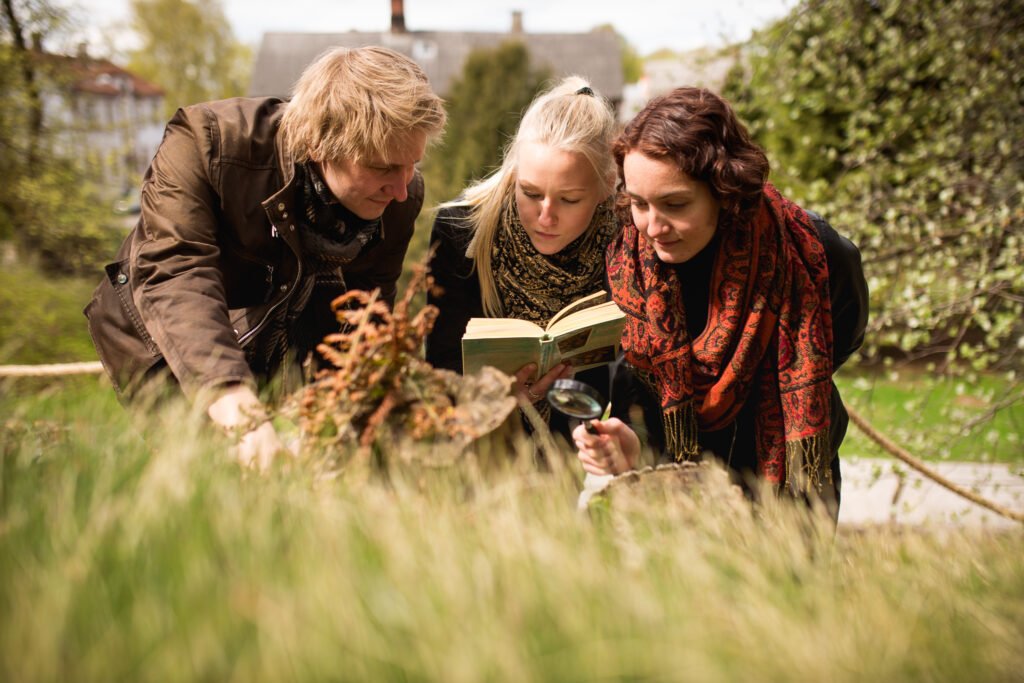
One of the most significant impacts of community science is its ability to bridge the gap between science and society. Traditionally, scientific research was conducted in isolated labs or remote field sites, far removed from everyday life. Community science brings scientific inquiry into the public sphere, making it a part of daily life. By involving citizens in research, it fosters a deeper understanding and appreciation for scientific processes. This engagement not only enhances public knowledge but also builds trust in scientific findings, which is crucial for informed decision-making in conservation efforts.
Real-World Impact: Case Studies
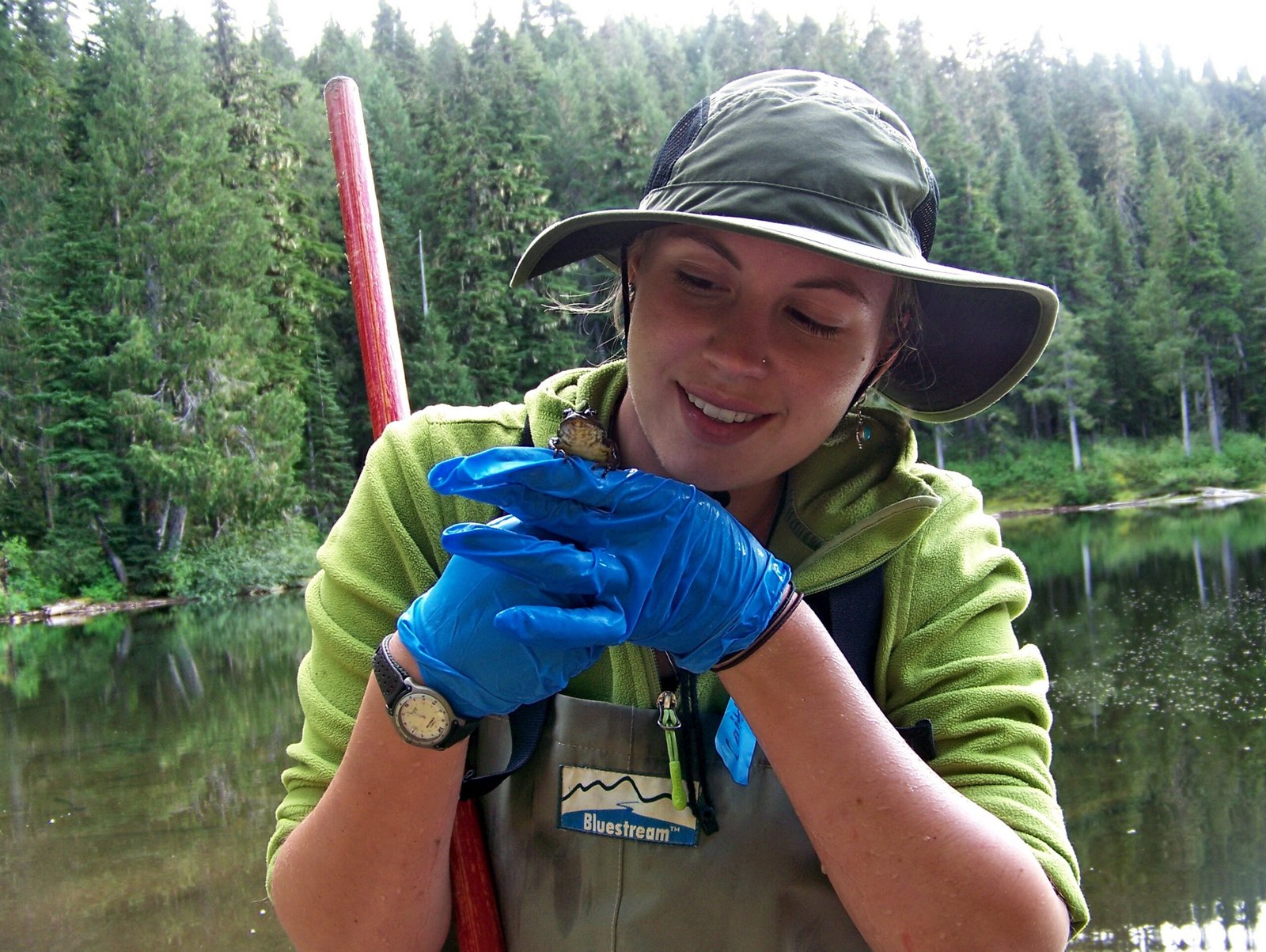
Community science has led to remarkable conservation outcomes worldwide. In California, for instance, citizen scientists have played a crucial role in tracking the migration patterns of monarch butterflies. Their observations helped identify critical habitats and informed conservation strategies to protect these iconic insects. Similarly, in the United Kingdom, bird enthusiasts have contributed to long-term studies on avian populations, providing insights into the effects of climate change. These real-world examples demonstrate the tangible impact of community science and highlight its potential to address complex environmental challenges.
Engaging Youth in Conservation
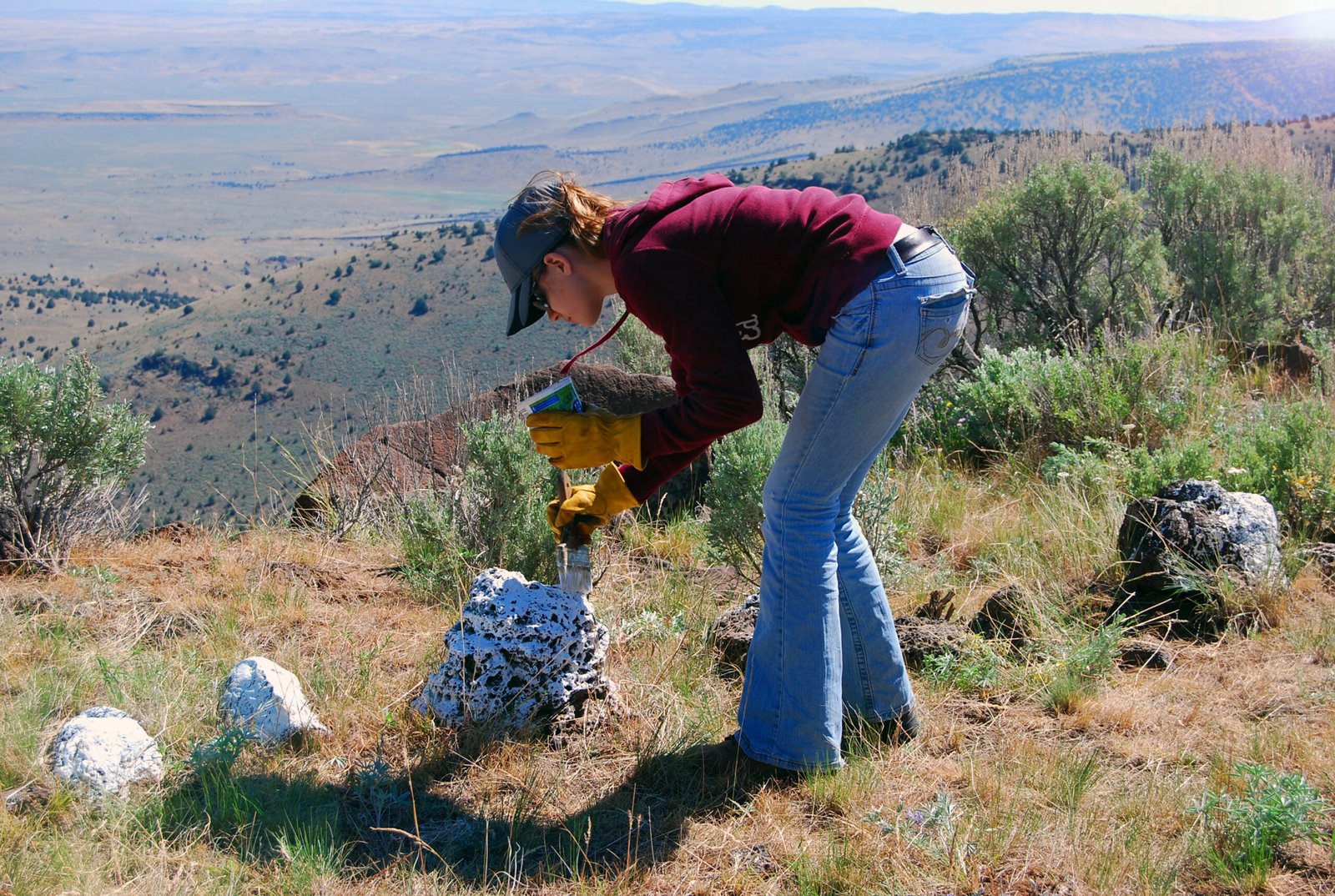
Community science also offers an invaluable opportunity to engage young people in conservation. By involving students in hands-on data collection, educators can inspire a new generation of environmentally conscious individuals. Programs like BioBlitz events, where participants record as many species as possible within a designated area, are particularly effective in sparking curiosity and enthusiasm among youth. These experiences not only teach scientific skills but also instill a sense of stewardship for the natural world, ensuring that future generations remain committed to conservation efforts.
The Role of Social Media in Community Science

Social media platforms have further amplified the reach and impact of community science. By sharing their observations and experiences online, citizen scientists can connect with like-minded individuals across the globe. This virtual community fosters collaboration, knowledge exchange, and a sense of belonging among participants. Social media also serves as a powerful tool for raising awareness about conservation issues, encouraging more people to get involved. The viral nature of social media campaigns can mobilize large groups quickly, making it an invaluable asset in the community science toolkit.
Challenges and Opportunities
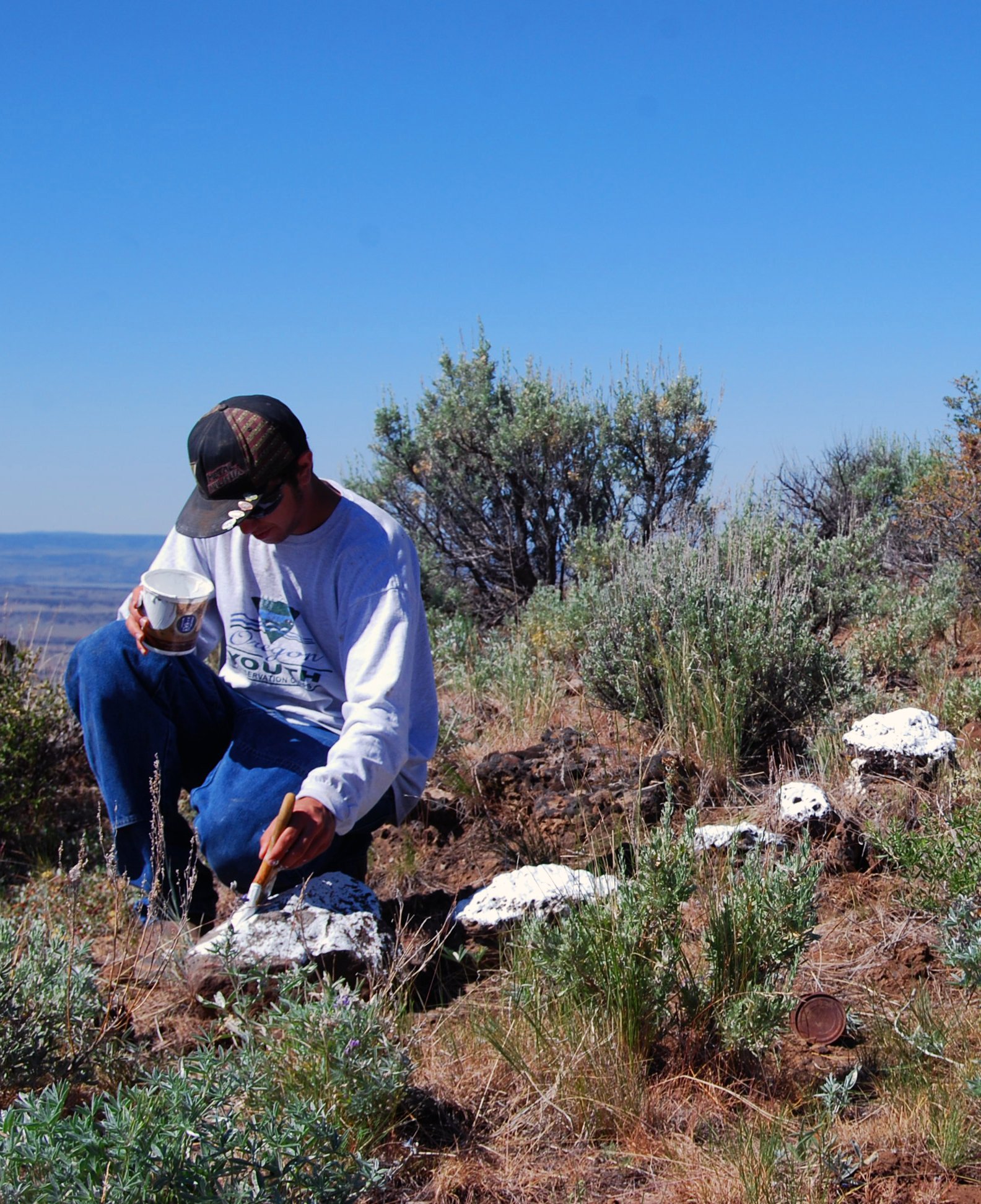
While community science holds immense potential, it also faces several challenges. Ensuring data accuracy is a primary concern, as citizen observations may vary in quality. To address this, many platforms incorporate verification processes and provide training resources for participants. Additionally, there is a need for more inclusive participation, as certain demographics may be underrepresented in community science initiatives. By addressing these challenges, the field can continue to evolve and maximize its impact, paving the way for more inclusive and comprehensive conservation efforts.
The Future of Wildlife Conservation

As we look to the future, the role of community science in wildlife conservation is set to expand even further. With advancements in technology and increased public awareness, the potential for citizen contributions is limitless. By integrating community science into mainstream conservation strategies, we can create a more holistic approach to environmental protection. This collaborative model not only enhances scientific understanding but also empowers individuals to take action in their communities, fostering a culture of conservation that transcends borders.
Fostering a Culture of Conservation
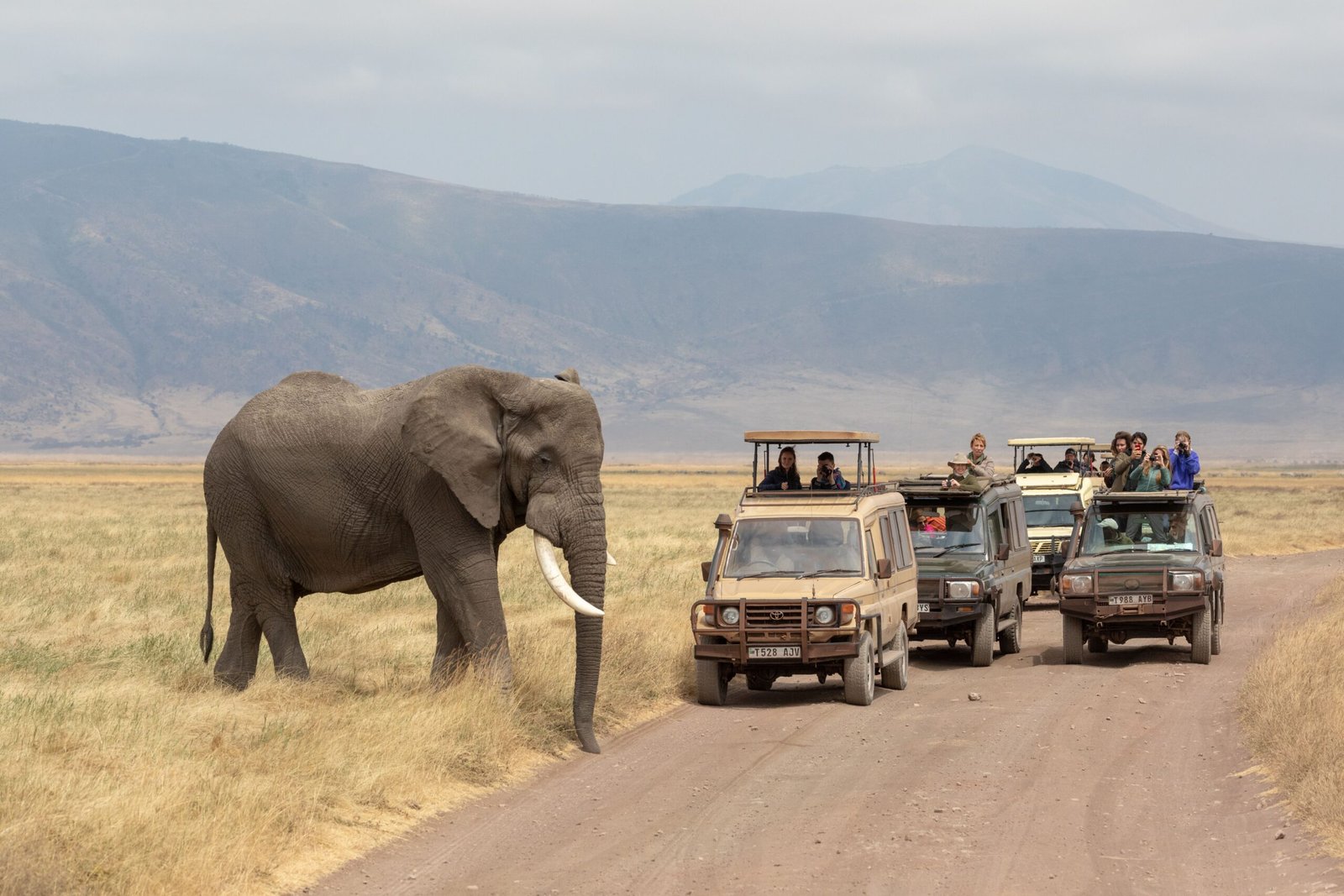
At its core, community science is about more than just data collection; it’s about fostering a culture of conservation. By engaging citizens in scientific research, we cultivate a sense of responsibility and connection to the natural world. This cultural shift is essential for addressing the environmental challenges we face today. As more people become aware of their impact on the planet, they are more likely to adopt sustainable behaviors and advocate for policies that protect wildlife and ecosystems. Community science is not just a tool for research; it’s a catalyst for change, inspiring individuals to become stewards of the Earth.
Conclusion
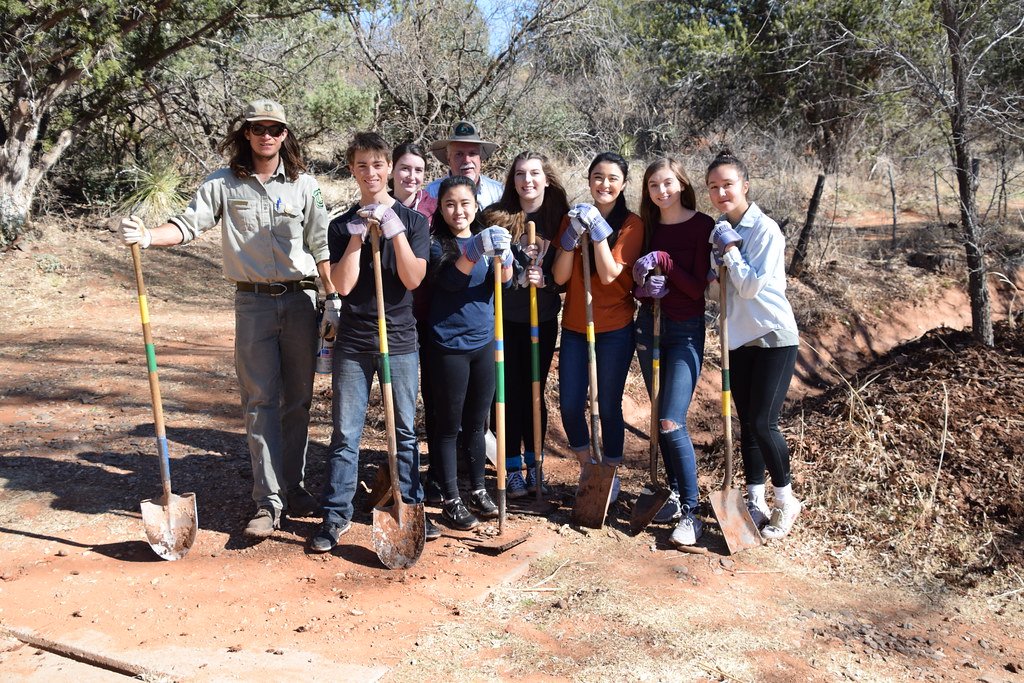
In conclusion, community science represents a transformative approach to wildlife conservation, harnessing the collective power of citizens to drive meaningful change. By democratizing scientific research and fostering a culture of conservation, it empowers individuals to take an active role in protecting the planet. Through technology, education, and collaboration, community science has the potential to redefine how we approach conservation in the 21st century. As we continue to face unprecedented environmental challenges, the involvement of citizen scientists will be crucial in shaping a sustainable future for all living beings.