Singapore, a bustling city-state known for its breathtaking skyline and vibrant culture, has carved out a unique reputation in the realm of urban biodiversity. As one of the most densely populated places on Earth, Singapore faces challenges that many other cities encounter—overpopulation, pollution, and limited green spaces. However, the city has ingeniously turned these challenges into opportunities, transforming itself into a green oasis. With its innovative approach to urban planning, Singapore demonstrates that nature can thrive amid concrete jungles.
The Green Vision of a Concrete Jungle
Singapore’s journey towards becoming a green city began with a vision—a vision to integrate nature into urban living. The government recognized the necessity of blending nature with urban development for sustainable growth. This vision was not merely about adding parks but about creating a living environment where people and nature coexist harmoniously. Singapore’s leaders saw the potential in turning the city into a ‘City in a Garden,’ where greenery is interwoven into the urban fabric. This vision has been central to Singapore’s planning since the 1960s, leading to a city where every street, building, and sidewalk is an opportunity to introduce biodiversity.
Transforming Skyscrapers into Vertical Gardens
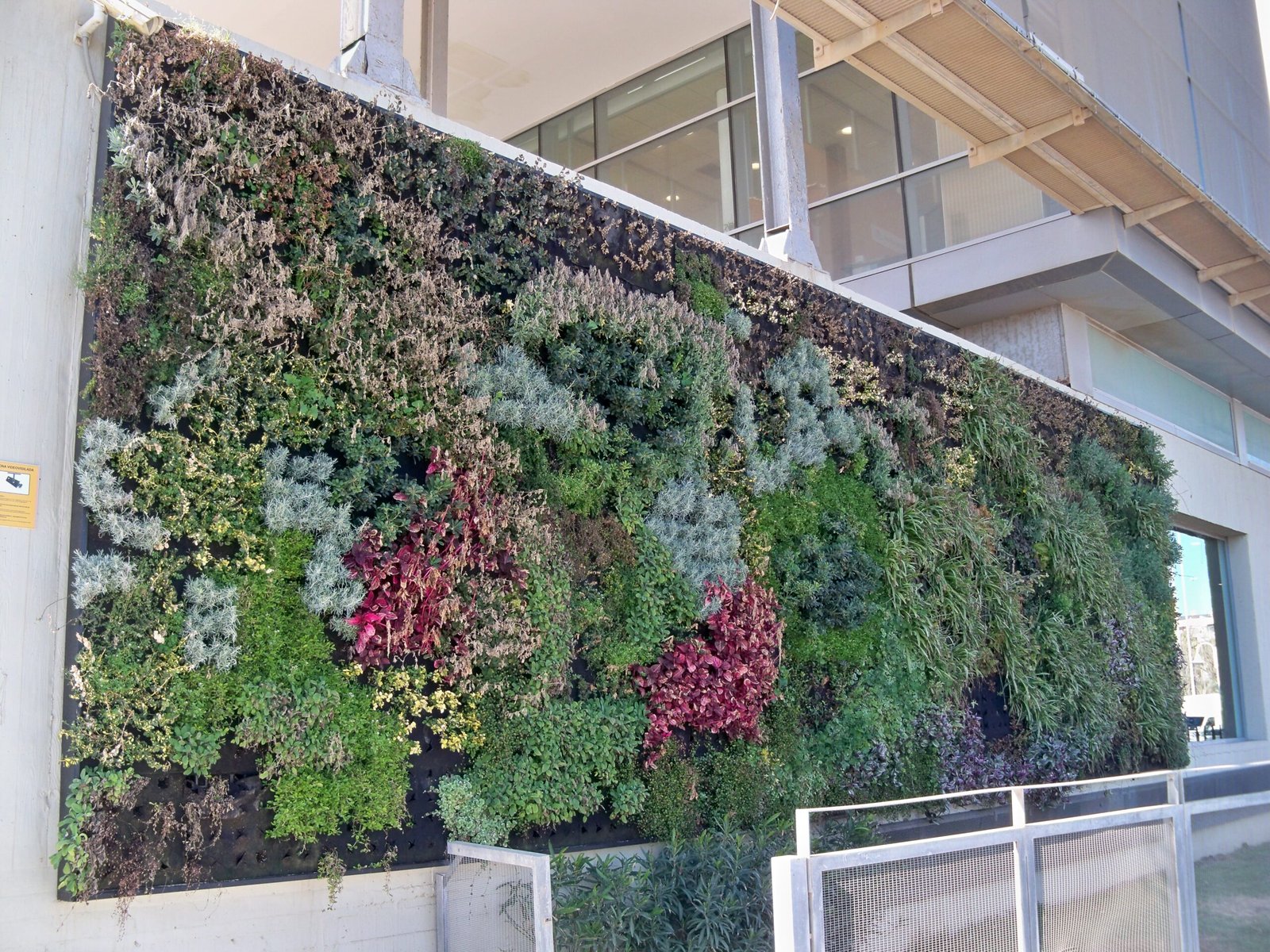
In Singapore, skyscrapers are not just symbols of economic power; they are canvases for nature. The city has pioneered the concept of vertical gardens, turning high-rise buildings into green towers. These vertical gardens are not only visually stunning but serve functional purposes such as reducing heat and improving air quality. Iconic structures like the Oasia Hotel Downtown boast lush greenery climbing their walls, creating habitats for birds and insects. This innovation shows that even in the sky, there’s room for nature. By utilizing vertical spaces, Singapore maximizes limited land, providing more areas for biodiversity to flourish.
Parks and Nature Reserves: Breathing Lungs of the City
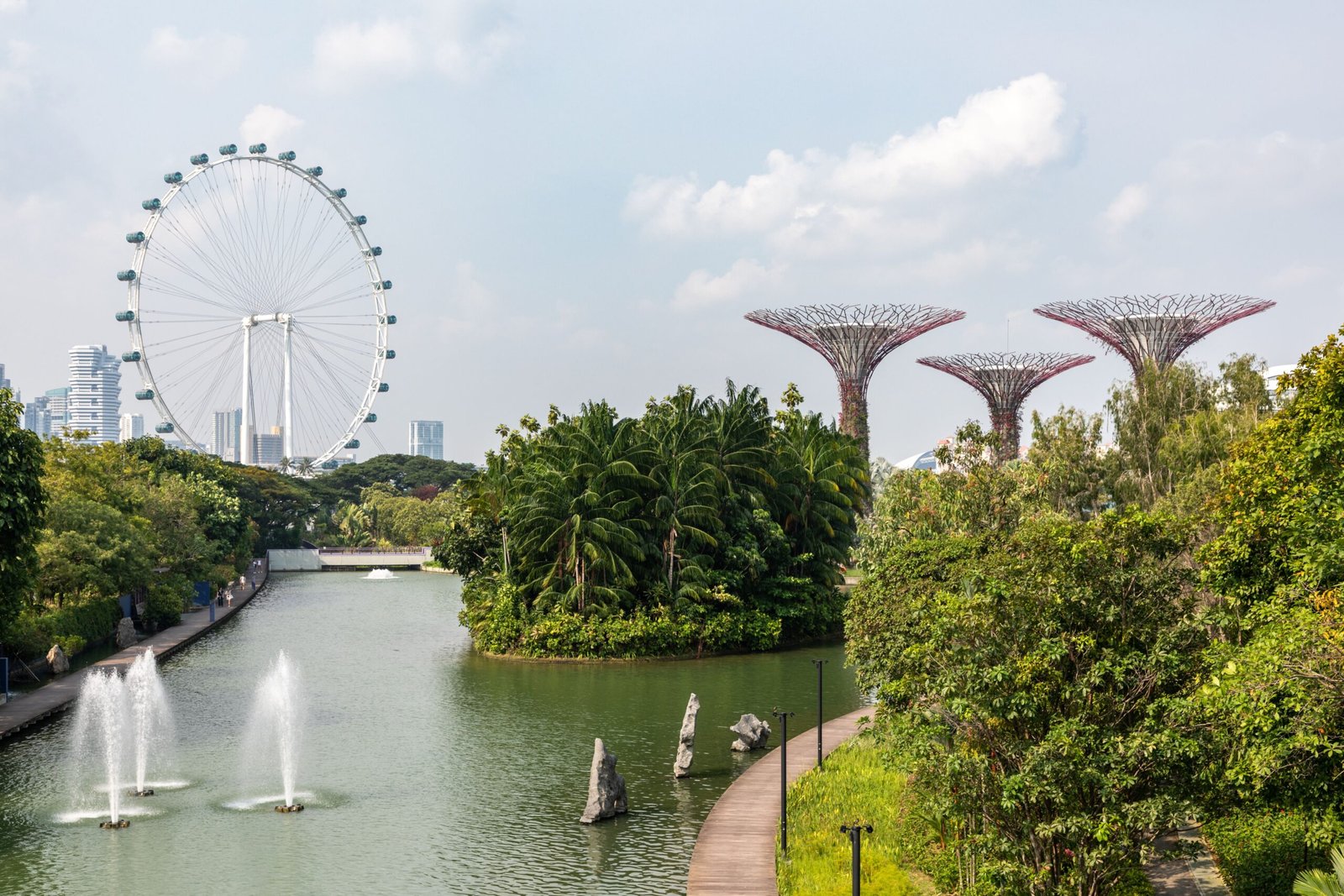
Despite its urban density, Singapore is home to numerous parks and nature reserves. The Bukit Timah Nature Reserve and the Sungei Buloh Wetland Reserve are just a few of the protected areas that offer refuge to countless species. These green spaces act as the lungs of the city, purifying air and offering citizens a respite from urban life. They are meticulously maintained, ensuring that native flora and fauna thrive. By preserving these areas, Singapore not only protects its natural heritage but also offers educational opportunities for its residents to learn about local ecosystems.
Eco-Link at BKE: A Bridge for Wildlife
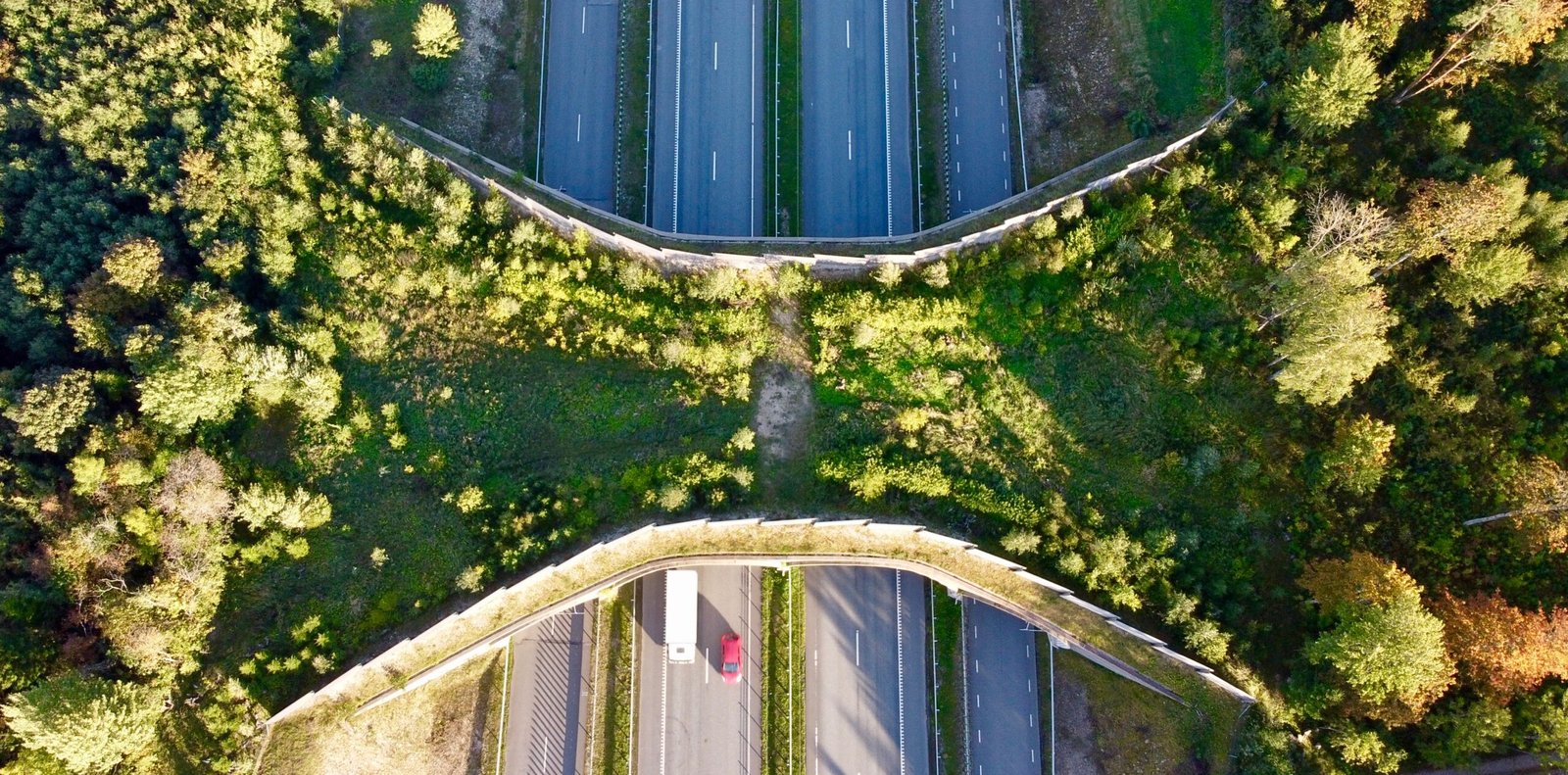
One of Singapore’s most innovative projects is the Eco-Link@BKE, a wildlife bridge that connects two nature reserves across a busy expressway. This ecological corridor allows animals to move safely between habitats, promoting genetic diversity and reducing roadkill. The Eco-Link is a testament to Singapore’s commitment to wildlife conservation in urban settings. By bridging fragmented habitats, the city enhances the movement of species, ensuring their survival. This project exemplifies how urban planning can accommodate both human needs and ecological integrity.
Waterways: Corridors of Life
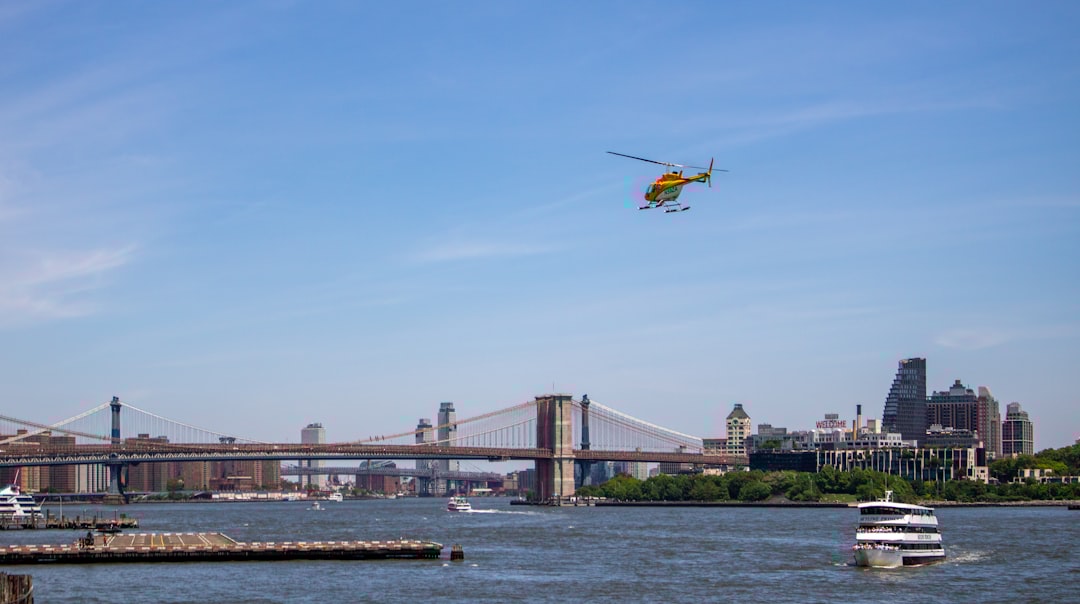
Water plays a crucial role in Singapore’s urban biodiversity strategy. The city has transformed concrete canals into naturalized rivers, creating blue corridors that support aquatic life and provide recreational spaces for residents. The Bishan-Ang Mo Kio Park, for instance, features a meandering river that replaces a former canal, attracting wildlife and offering a slice of nature in the heart of the city. These waterways not only manage stormwater but also enhance the urban landscape. By reimagining its waterways, Singapore demonstrates how cities can reconnect with their aquatic ecosystems, enhancing biodiversity and community wellbeing.
Community Involvement: A Collective Effort
Singapore’s success in urban biodiversity is not solely due to government initiatives; it’s also a result of active community involvement. Citizens are encouraged to participate in greening efforts, from planting trees to maintaining community gardens. This collective effort fosters a sense of ownership and responsibility towards the environment. Programs like the Community in Bloom initiative engage residents in gardening, transforming neighborhoods into vibrant green spaces. By involving the community, Singapore ensures that its green vision is shared and sustained by all.
Integrating Green Spaces into Urban Design
In Singapore, green spaces are not afterthoughts but integral components of urban design. The city employs biophilic design principles, ensuring that nature is present in all aspects of urban living. From green roofs to pocket parks, every element of the cityscape is designed to enhance biodiversity. Developments like Gardens by the Bay showcase how urban planning can incorporate large-scale green spaces that serve both ecological and recreational purposes. By prioritizing nature in design, Singapore creates environments that promote health and wellbeing for both humans and wildlife.
Innovative Policies and Legislation
Singapore’s approach to urban biodiversity is supported by forward-thinking policies and legislation. The city enforces strict regulations to protect green spaces and promote sustainable development. The Land Transport Authority, for example, ensures that transportation projects include green buffers and ecological considerations. These policies encourage developers to adopt environmentally friendly practices, ensuring that growth does not come at the expense of nature. By establishing a robust regulatory framework, Singapore balances development with conservation, setting a precedent for sustainable urban planning.
Educational Initiatives: Nurturing Future Stewards

Education is a cornerstone of Singapore’s strategy to promote urban biodiversity. Schools incorporate environmental education into their curricula, nurturing a generation of eco-conscious citizens. Programs like the Nature Society’s workshops and guided tours educate the public about local ecosystems and the importance of conservation. By empowering individuals with knowledge, Singapore cultivates a culture of environmental stewardship. These educational efforts ensure that the city’s green vision is passed on to future generations, inspiring them to continue the legacy of sustainability.
A Model for the World
Singapore’s innovative approach to green urban planning positions it as a model for cities worldwide. Its success demonstrates that urbanization and biodiversity are not mutually exclusive. By prioritizing nature, Singapore redefines what a city can be—a place where humans and nature coexist in harmony. As cities around the globe grapple with the challenges of urbanization, Singapore offers a blueprint for sustainable living. Its commitment to urban biodiversity shows that with creativity and dedication, cities can thrive as green havens, nurturing both human and ecological communities.