Australia’s unique biodiversity is one of its most cherished treasures, yet it is under constant threat from invasive species. These unwelcome visitors disrupt the delicate balance of ecosystems, endangering native wildlife. Tackling this issue requires innovative approaches, blending science, technology, and community efforts. From cutting-edge research to grassroots initiatives, Australia is at the forefront of combating this growing threat. Let’s delve into some of the most promising innovations that are making a difference.
Understanding the Invasive Species Menace
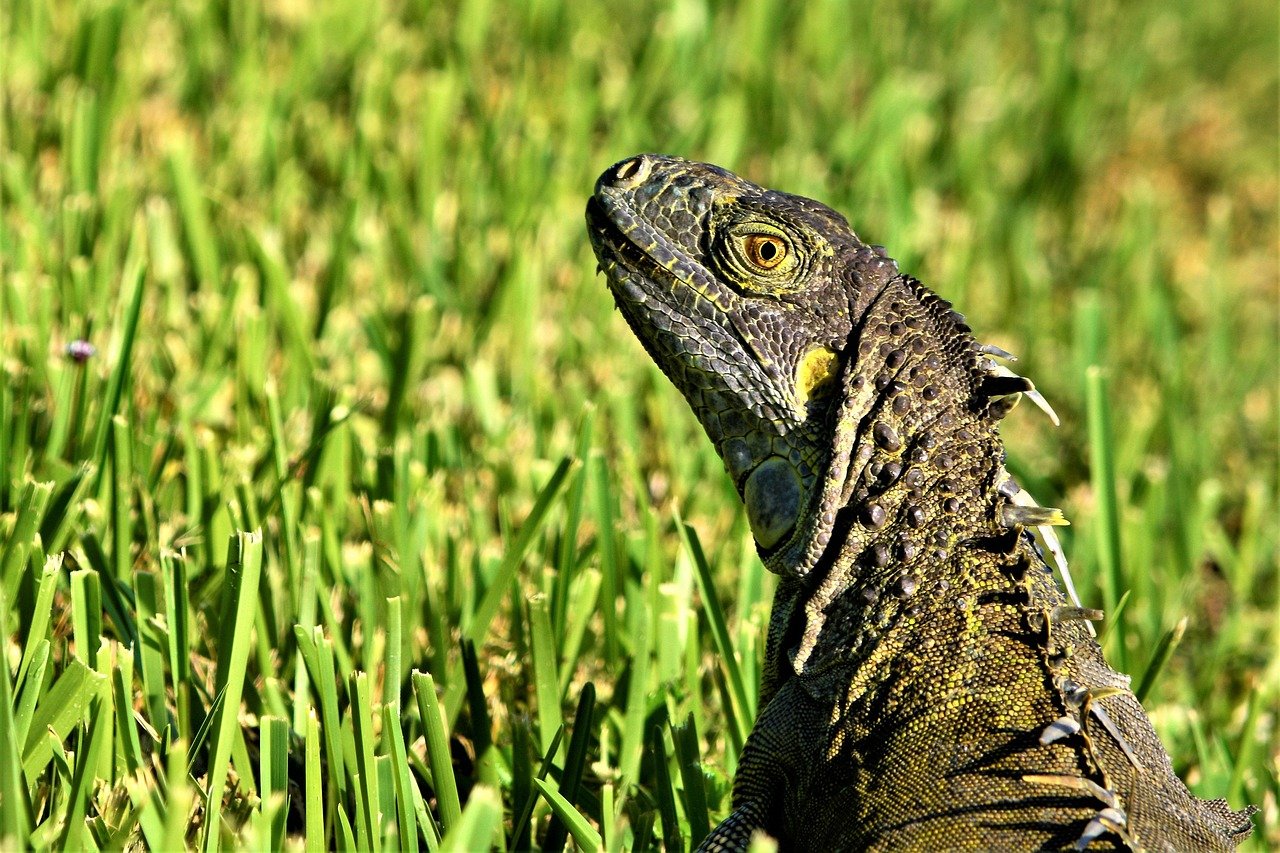
Invasive species are non-native organisms that cause harm to the environment, economy, or human health. In Australia, they range from notorious pests like rabbits and foxes to aggressive plant species. These invaders compete with native wildlife for food and habitat, often leading to a decline in indigenous populations. The impact is profound, with some species being pushed to the brink of extinction. Understanding the scope of this menace is crucial for developing effective strategies to mitigate its effects.
Genetic Engineering: A Double-Edged Sword
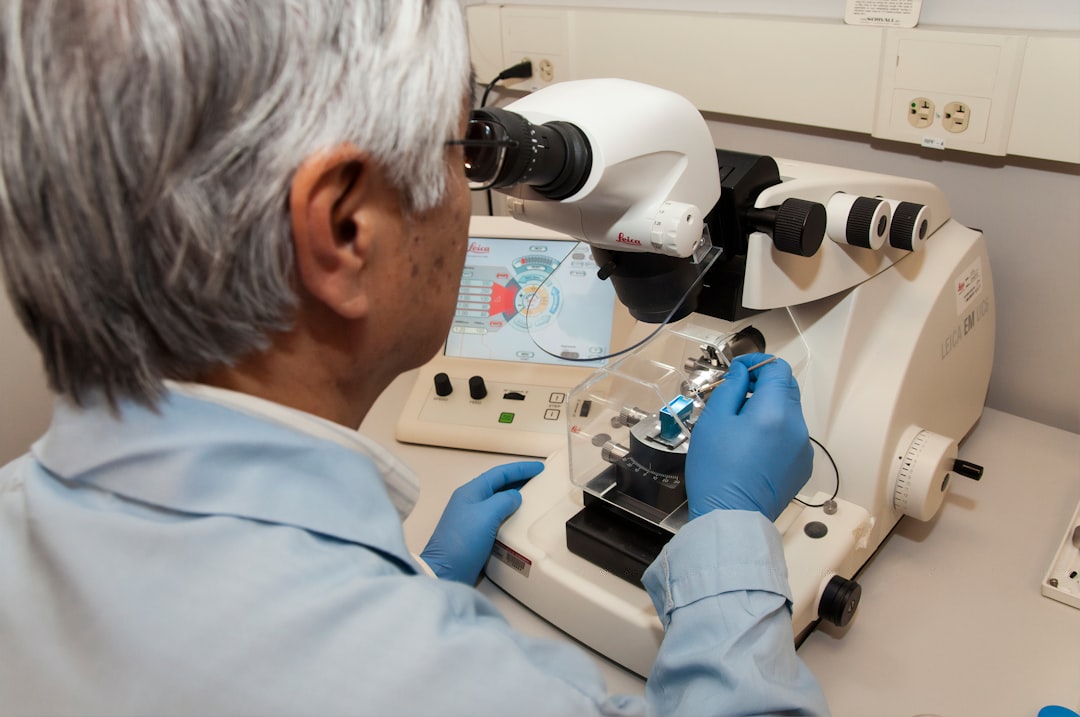
Genetic engineering holds promise as a tool to combat invasive species. Techniques like gene drive technology aim to alter the genetic makeup of pests, reducing their population. For instance, altering the genes of mosquitoes to prevent them from reproducing can curb their numbers. However, this approach is not without its challenges. Ethical concerns and the potential for unintended ecological consequences make it a double-edged sword. Balancing innovation with caution is essential to ensure that genetic solutions are both effective and safe.
Biological Control: Nature’s Own Solution

Biological control involves using natural predators or pathogens to manage invasive species. In Australia, this method has shown success with the introduction of the myxoma virus to control rabbit populations. By harnessing nature’s own mechanisms, biological control offers a sustainable solution. However, it requires careful implementation to avoid unintended ecological impacts. Ongoing research and monitoring are vital to ensure that these biological agents target only the intended species without harming native wildlife.
Community Involvement: People Power

Engaging local communities is a powerful strategy in the fight against invasive species. Citizen science initiatives empower individuals to participate in monitoring and managing invasive populations. Programs like “FeralScan” enable communities to report sightings of invasive animals, aiding in their control. This grassroots approach not only fosters a sense of stewardship but also provides valuable data for researchers. By harnessing people power, Australia can create a united front against invasive threats.
Technological Advancements: The Digital Frontier

Technology plays a pivotal role in addressing the invasive species challenge. Drones and satellite imagery are used to monitor remote areas, providing real-time data on invasive populations. Machine learning algorithms analyze this data, predicting trends and aiding in decision-making. These technological advancements offer a bird’s-eye view of the problem, allowing for targeted interventions. As technology continues to evolve, so too will its applications in conservation efforts.
Restoring Habitats: A Holistic Approach
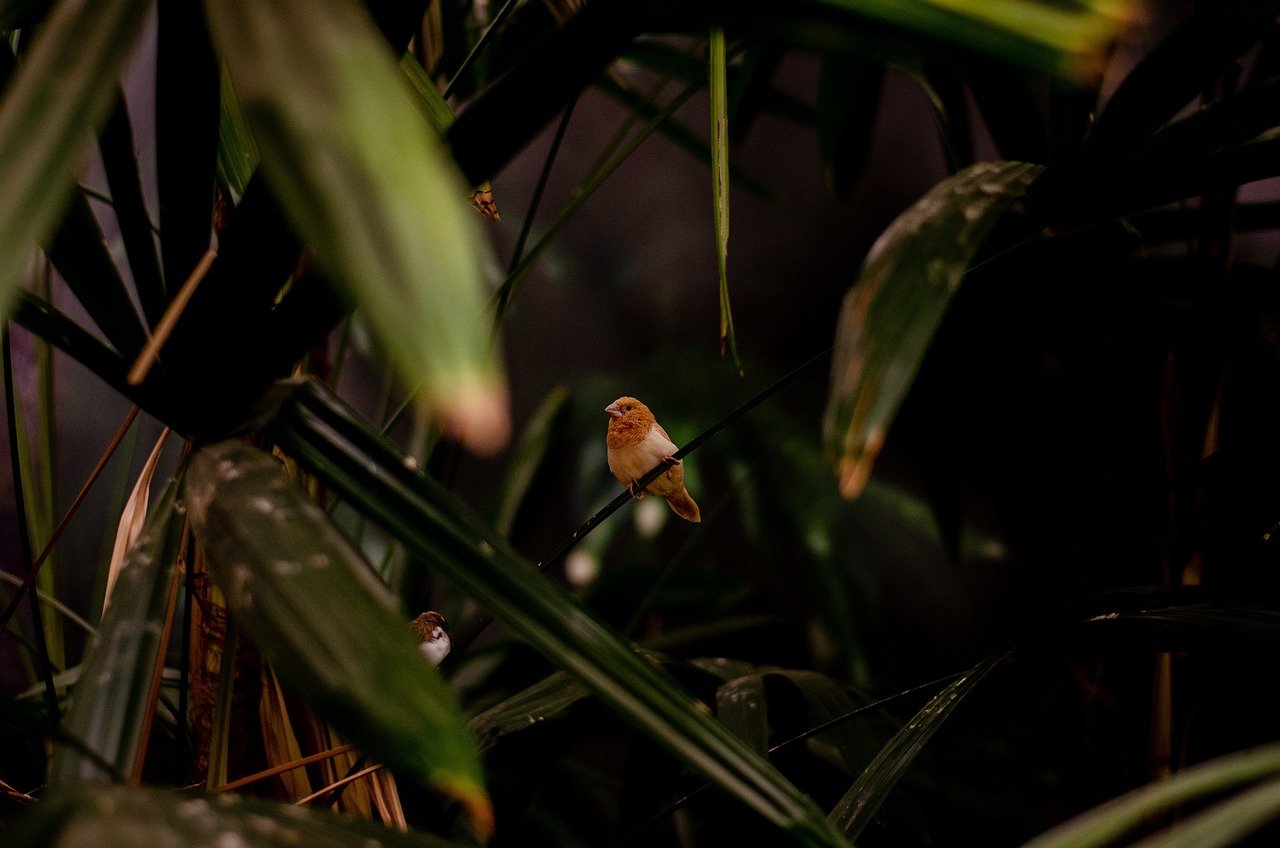
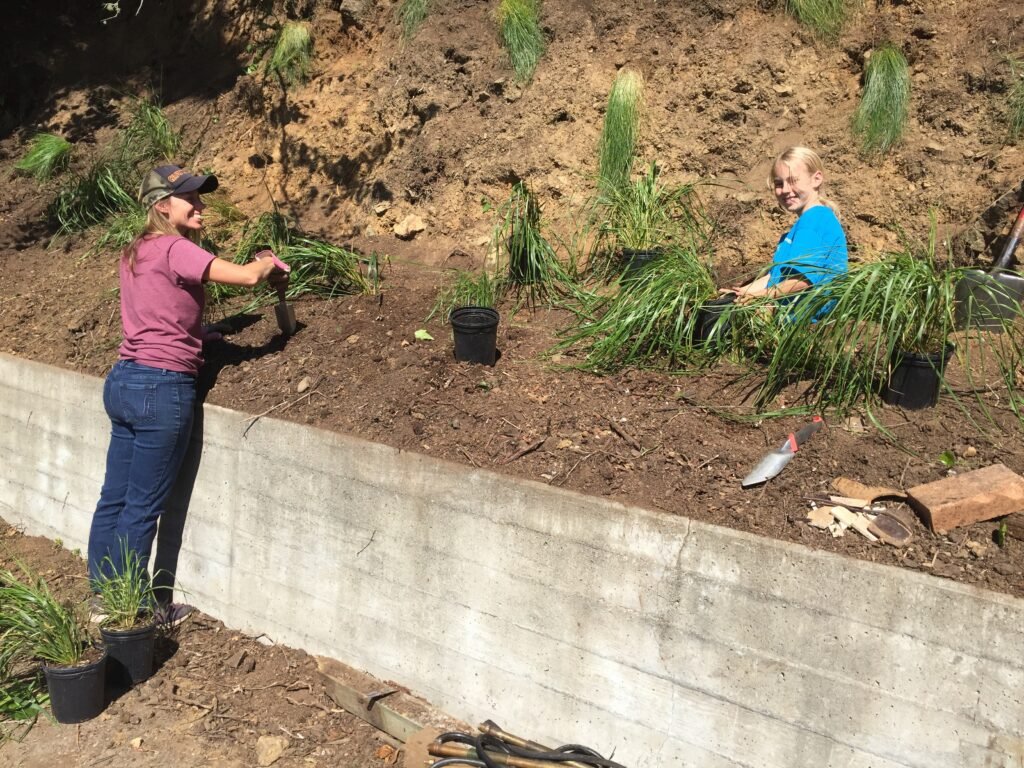
Restoring native habitats is a crucial part of managing invasive species. By enhancing the resilience of ecosystems, native species are better equipped to compete with invaders. Initiatives involve planting native vegetation, reintroducing indigenous animals, and removing invasive plants. This holistic approach not only benefits wildlife but also improves ecosystem services like water quality and carbon storage. Restoration efforts are a testament to the interconnectedness of nature, where every action can have far-reaching impacts.
Policy and Legislation: The Backbone of Conservation
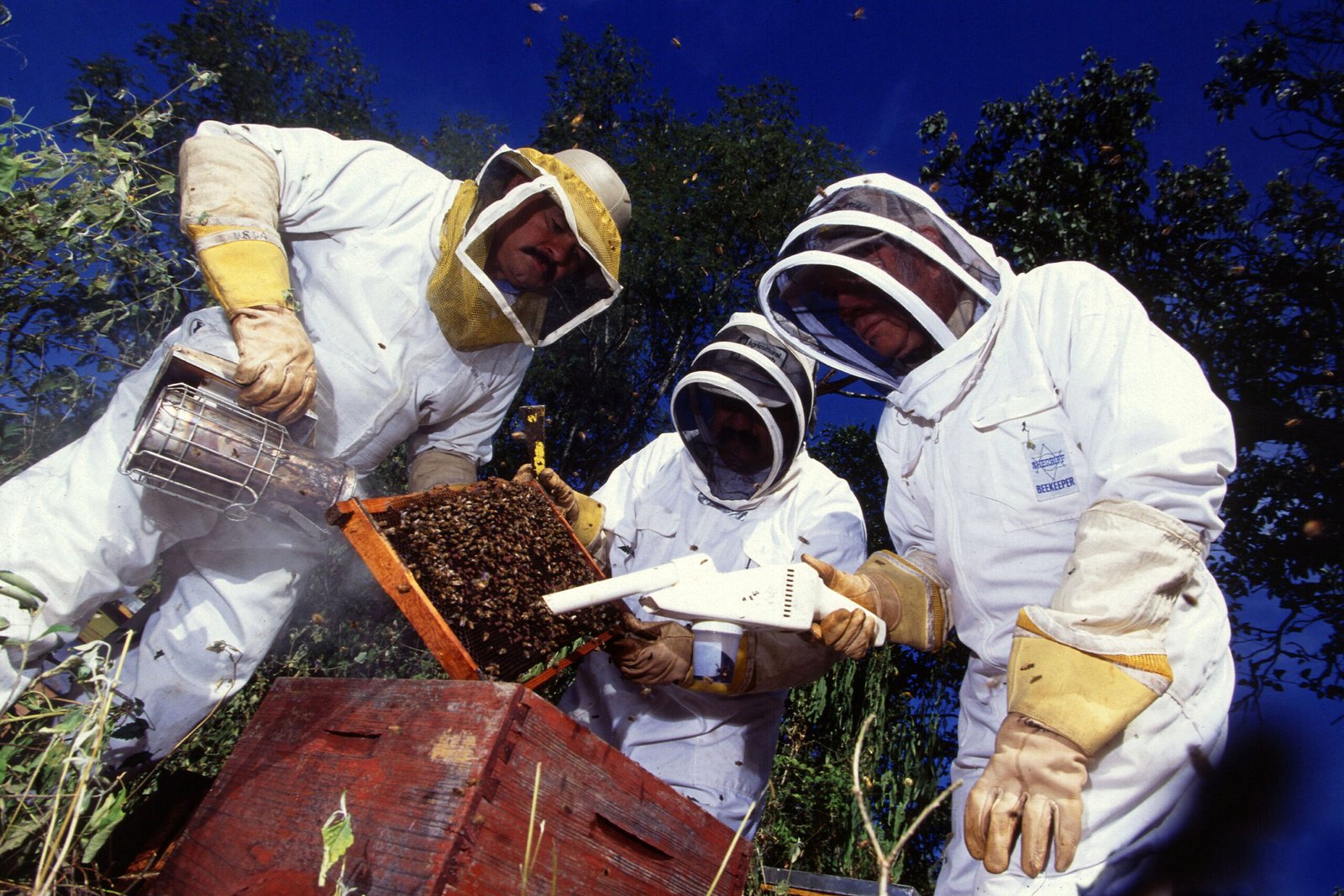
Effective policy and legislation are essential in the battle against invasive species. Regulations govern the importation and management of non-native organisms, preventing new invasions. Australia’s biosecurity laws are among the strictest in the world, reflecting the seriousness of the threat. However, enforcement and compliance remain challenges. Strengthening these frameworks and ensuring adequate resources for their implementation is vital for long-term success.
Education and Awareness: Knowledge is Power

Raising awareness about the impact of invasive species is a key component of conservation efforts. Educational programs in schools and communities highlight the importance of protecting native wildlife. By fostering a culture of conservation, future generations are equipped with the knowledge and passion to continue the fight. Knowledge truly is power, and when it comes to invasive species, informed citizens are a formidable force.
Collaborative Research: United for a Common Cause

Collaboration between scientists, policymakers, and conservationists is crucial for tackling invasive species. Research initiatives bring together diverse expertise, fostering innovation and new solutions. International partnerships also play a role, as invasive species are a global issue. By sharing knowledge and resources, the scientific community can develop strategies that transcend borders. This collaborative spirit is a testament to the shared responsibility of protecting our planet’s biodiversity.
Future Prospects: A Call to Action
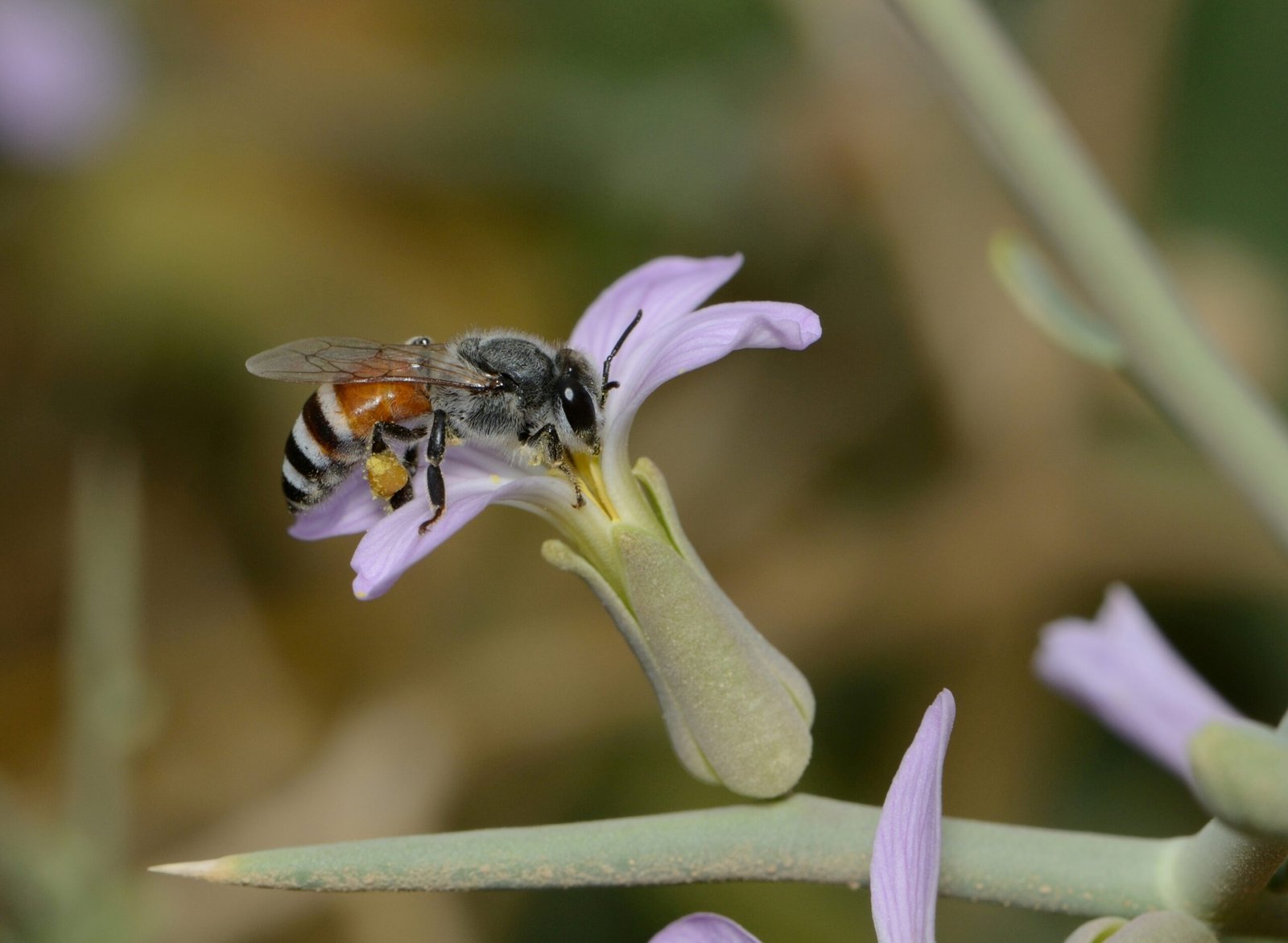
The fight against invasive species is ongoing, with new challenges and opportunities on the horizon. Continued investment in research, technology, and community engagement is vital. As individuals, we can contribute by staying informed, supporting conservation efforts, and advocating for policy change. The stakes are high, but the potential rewards are even greater. By working together, we can protect Australia’s unique wildlife for future generations to enjoy.