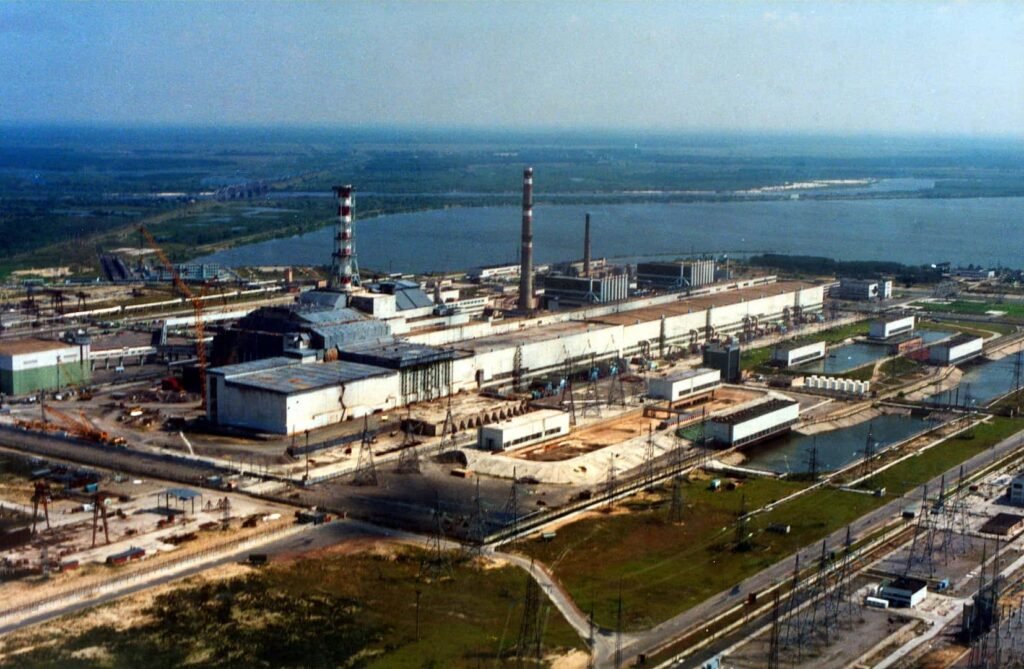

The world stands at a pivotal point where energy demands are rising rapidly, and the quest for sustainable solutions is more urgent than ever. Nuclear energy, with its potential to provide large-scale, low-carbon power, is gaining renewed interest globally. Amidst this landscape, Russia emerges as a significant player, wielding its influence in the nuclear sector across continents. This article delves into the intricacies of Russia’s global reach in nuclear energy and the environmental concerns that accompany this expansion. Through a nuanced exploration, we uncover the layers of technological prowess, geopolitical strategies, and ecological implications tied to Russia’s nuclear energy ventures.
Russia’s Pioneering Role in Nuclear Technology
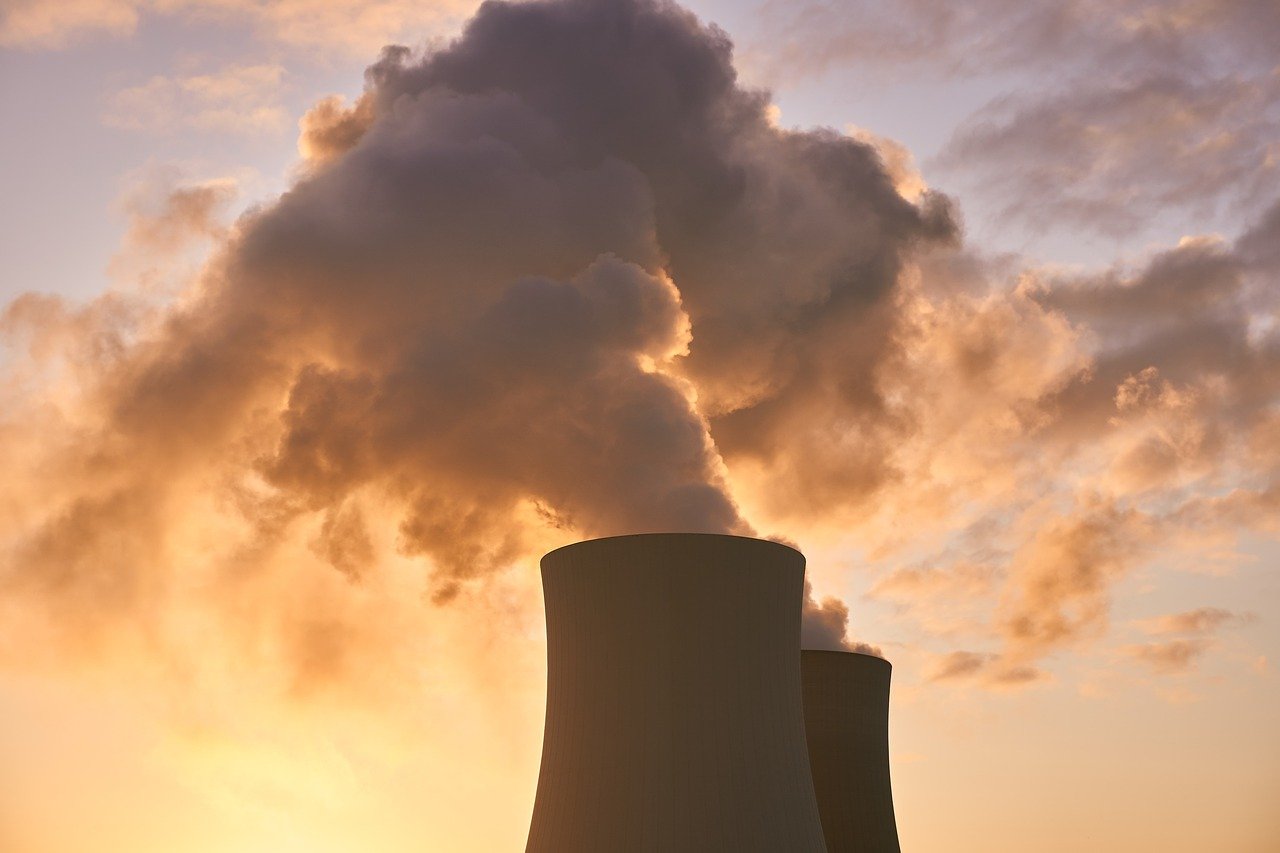
Russia’s journey with nuclear technology dates back to the Soviet era when it was a frontrunner in nuclear research and development. Today, Russia remains at the forefront, boasting advanced nuclear technology that has been instrumental in several international projects. The Russian state corporation, Rosatom, is a key player, offering competitive nuclear solutions worldwide. Their technology is not just about power production; it also encompasses nuclear safety and waste management, areas where Russia has made significant strides. This technological prowess allows Russia to position itself as an indispensable partner for countries seeking to develop or expand their nuclear capabilities. However, the same technology that promises progress also raises questions about safety and long-term environmental impact.
Russia’s Global Nuclear Footprint
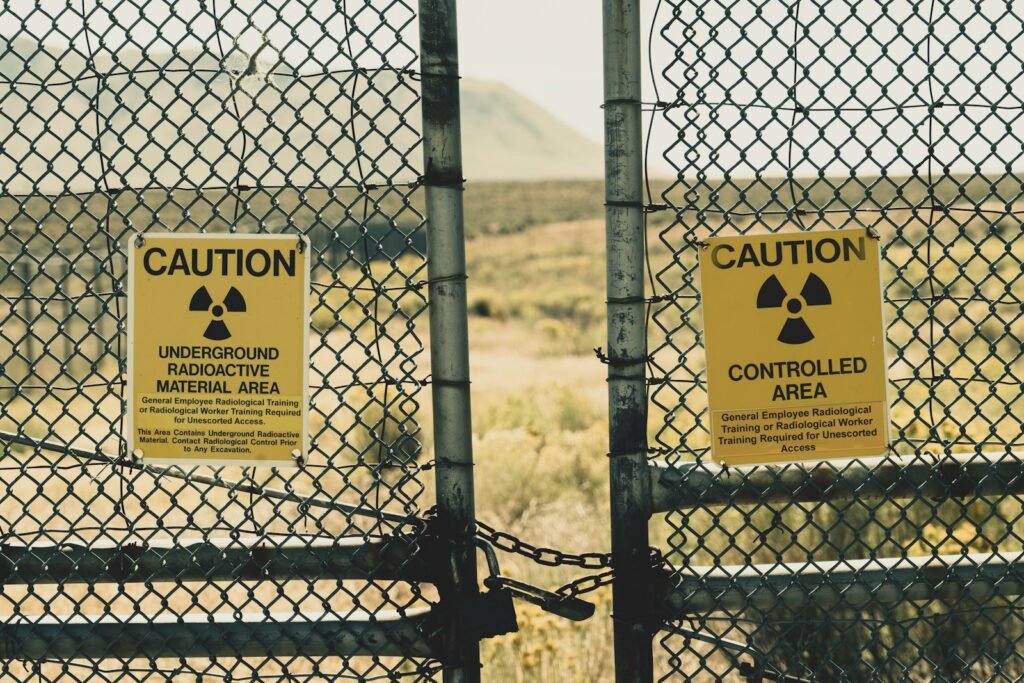
Russia’s influence in the global nuclear arena is vast, with numerous projects spread across Asia, Africa, and Europe. Countries like India, China, and Turkey have signed agreements with Russia for the construction of nuclear power plants. These projects are not just about energy production; they are strategic partnerships that enhance Russia’s geopolitical clout. The export of Russian nuclear technology is often accompanied by long-term fuel supply agreements and operational support, ensuring Russia’s involvement for decades. While this global footprint underscores Russia’s dominance, it also brings to light concerns about energy dependency and the potential for political leverage.
Economic Implications of Russia’s Nuclear Deals
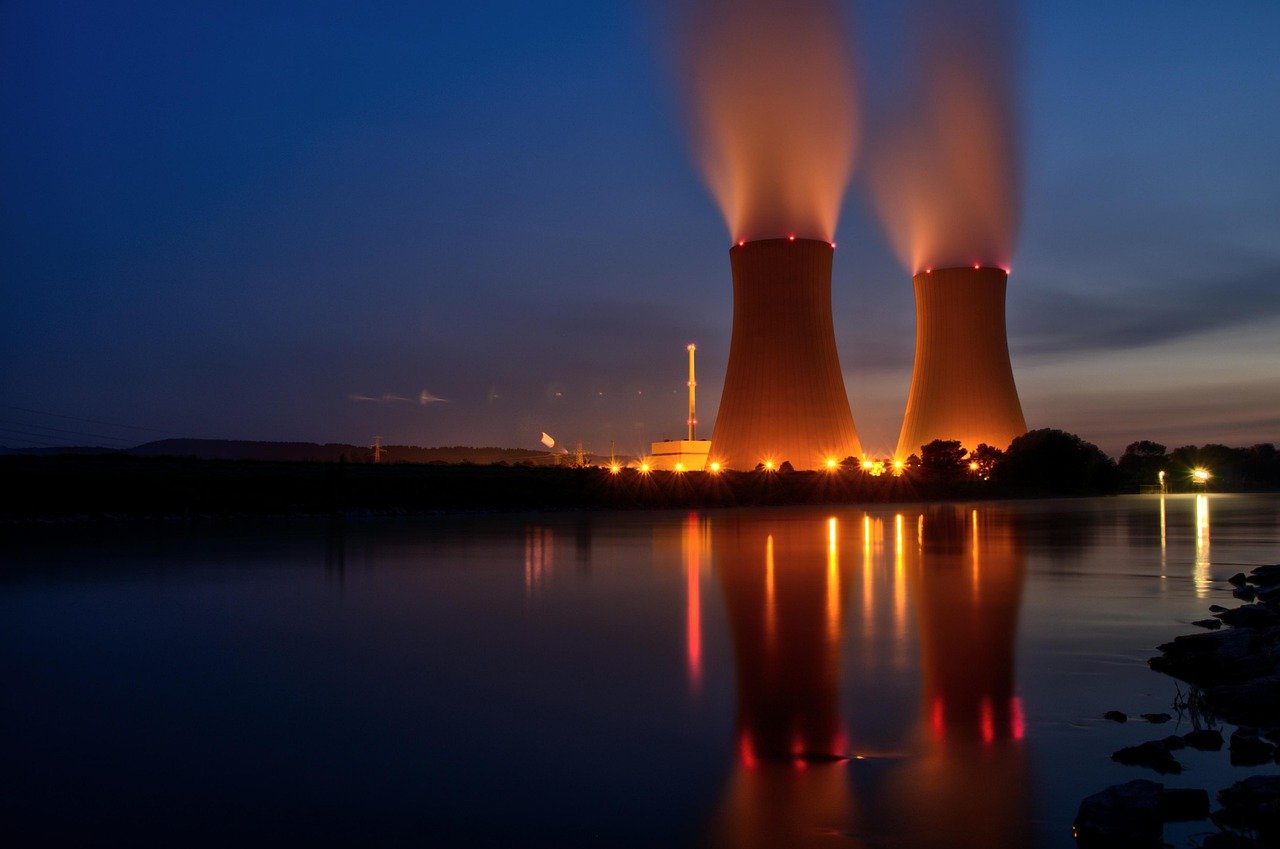
The economic dimension of Russia’s nuclear expansion is multifaceted. For the host countries, these projects represent significant investments in their infrastructure and energy security. The construction of nuclear power plants stimulates local economies by creating jobs and enhancing technological capabilities. However, these benefits come with substantial financial commitments, often leading to long-term debt. Russia, on the other hand, reaps significant economic rewards through these international contracts, solidifying its position as a leading nuclear technology exporter. The economic ties forged through these deals also serve as a tool for Russia to strengthen its global influence.
Environmental Concerns and Safety Challenges
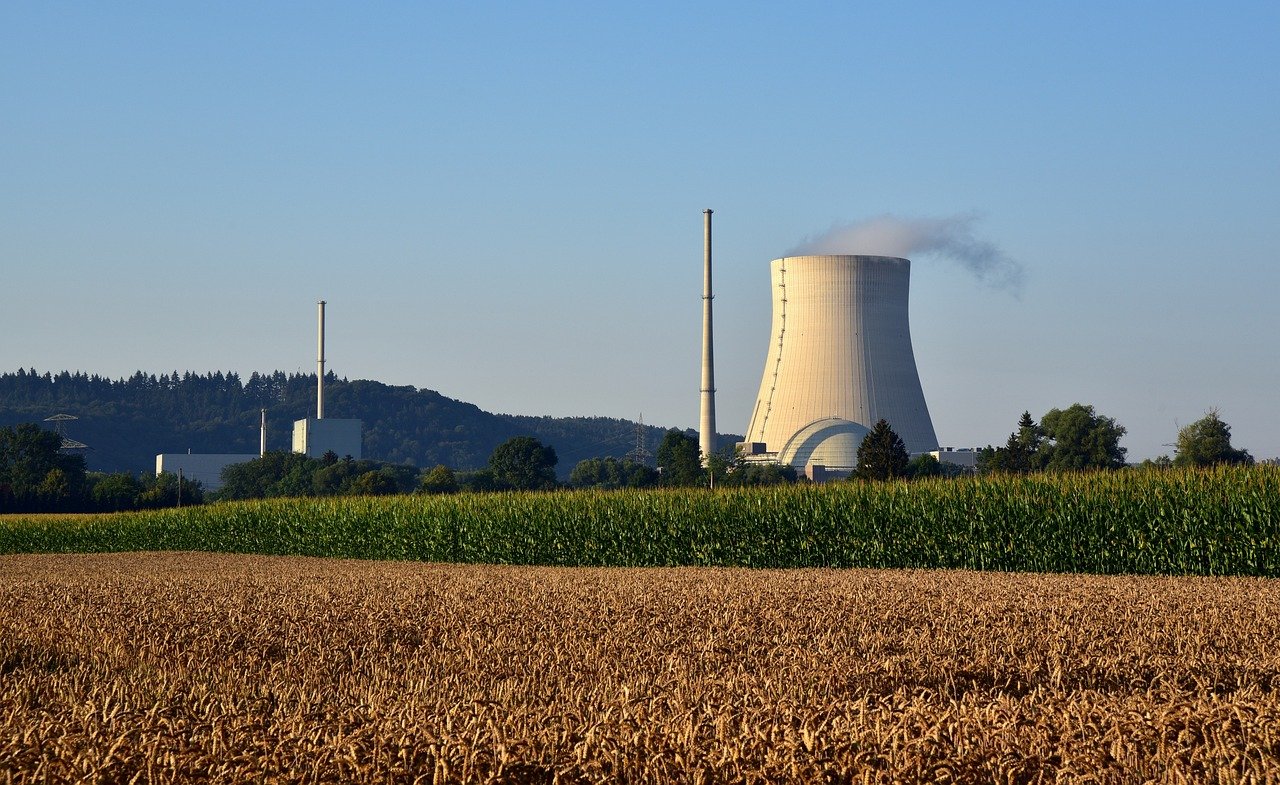
While nuclear energy presents a cleaner alternative to fossil fuels, it is not without environmental concerns. The potential for catastrophic accidents, as history has shown, remains a significant fear. Russia’s own experiences with nuclear incidents, such as the Chernobyl disaster, highlight the stakes involved. Modern Russian reactors are equipped with advanced safety features, but the risk of human error or unforeseen events cannot be entirely eliminated. Additionally, the issue of nuclear waste disposal poses a long-term environmental challenge. The safe management and storage of radioactive waste require stringent measures and an unwavering commitment to environmental protection.
Technological Innovations in Russian Nuclear Reactors
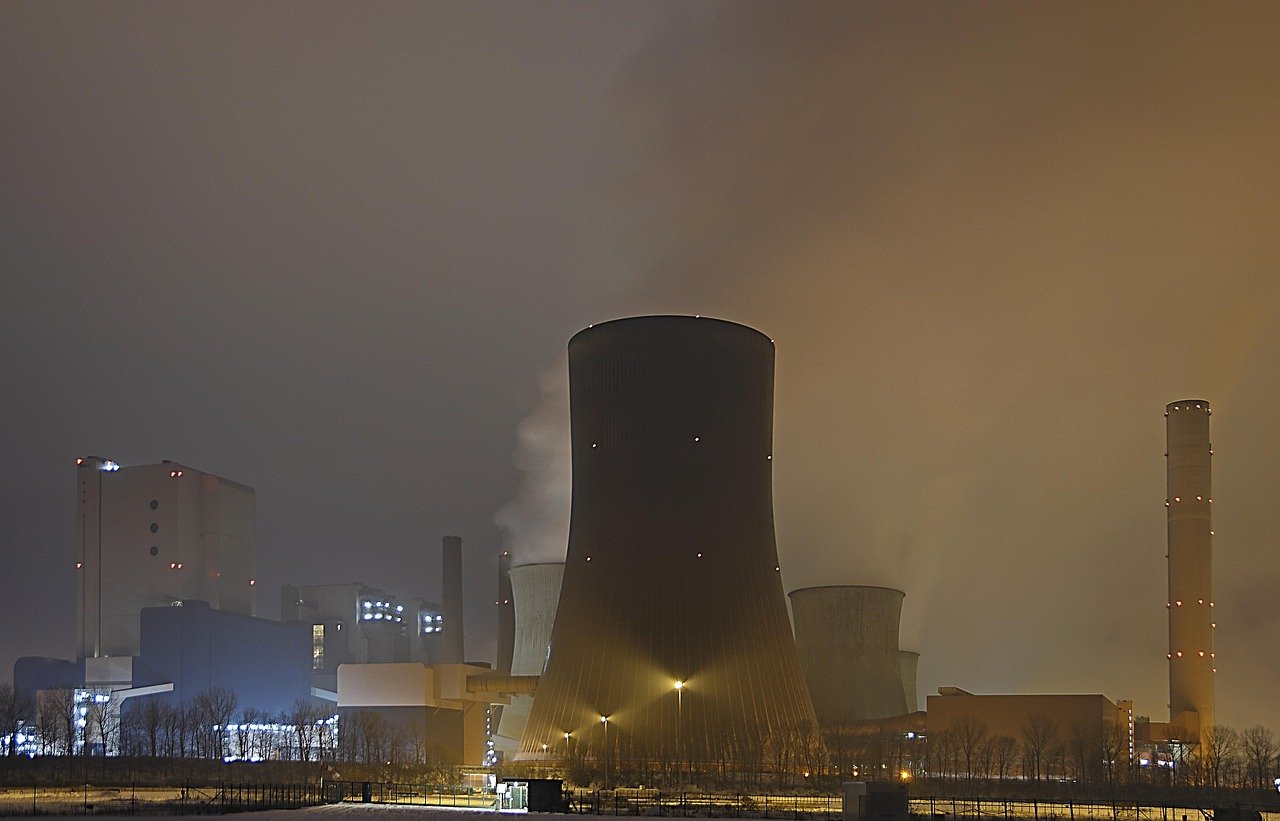
Russian nuclear reactors are renowned for their technological innovations, which aim to enhance efficiency and safety. The VVER (Water-Water Energetic Reactor) series, for example, incorporates cutting-edge design features that improve operational stability and reduce the risk of accidents. These reactors are equipped with passive safety systems that function without human intervention in emergencies. Moreover, Russia is investing in the development of fast-breeder reactors, which have the potential to utilize nuclear fuel more efficiently and reduce waste. Such innovations underscore Russia’s commitment to advancing nuclear technology, yet they also demand rigorous scrutiny to ensure that safety standards are consistently met.
Geopolitical Ramifications of Nuclear Partnerships

The geopolitical implications of Russia’s nuclear partnerships are profound. By entering into long-term nuclear agreements, Russia strengthens its ties with partner countries, creating dependencies that extend beyond energy. These partnerships can influence political alliances and sway international relations in Russia’s favor. The strategic nature of nuclear collaborations means that they are often intertwined with broader geopolitical agendas. For countries seeking to balance global power dynamics, engaging with Russia on nuclear projects can be both an opportunity and a challenge. The geopolitical landscape is thus intricately linked to the expansion of nuclear energy, with Russia playing a pivotal role.
Public Perception and Acceptance of Nuclear Energy
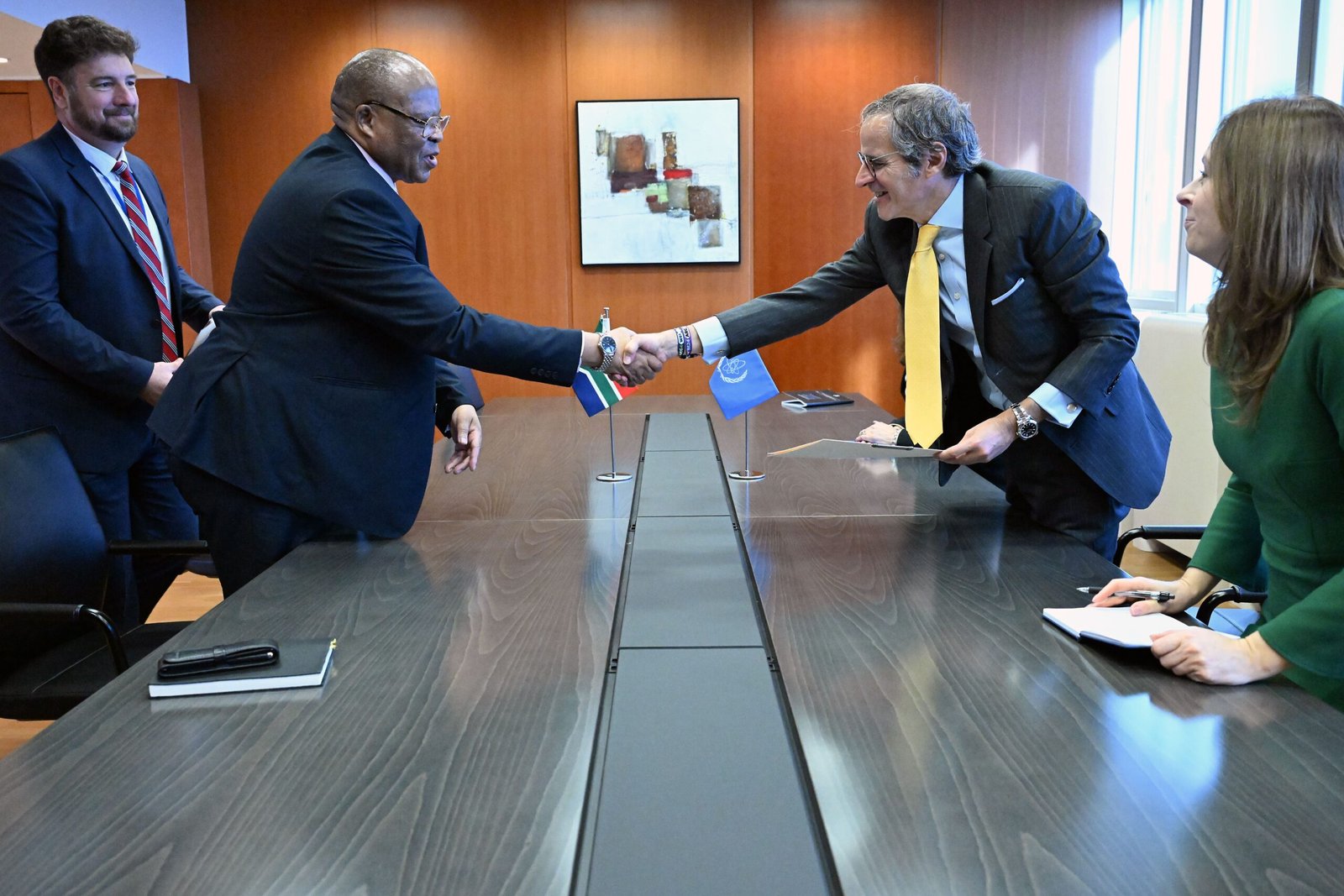
Public perception plays a critical role in the acceptance and success of nuclear energy projects. In many countries, there is a lingering fear of nuclear technology due to past accidents and the potential for catastrophic consequences. Russia faces the challenge of overcoming these perceptions as it seeks to expand its nuclear influence. Efforts to educate the public about the safety and environmental benefits of modern nuclear technology are essential. Transparent communication and community engagement are key to building trust and fostering acceptance. As nuclear energy becomes more prevalent, understanding and addressing public concerns is crucial for its sustainable development.
Russia’s Commitment to Nuclear Non-Proliferation
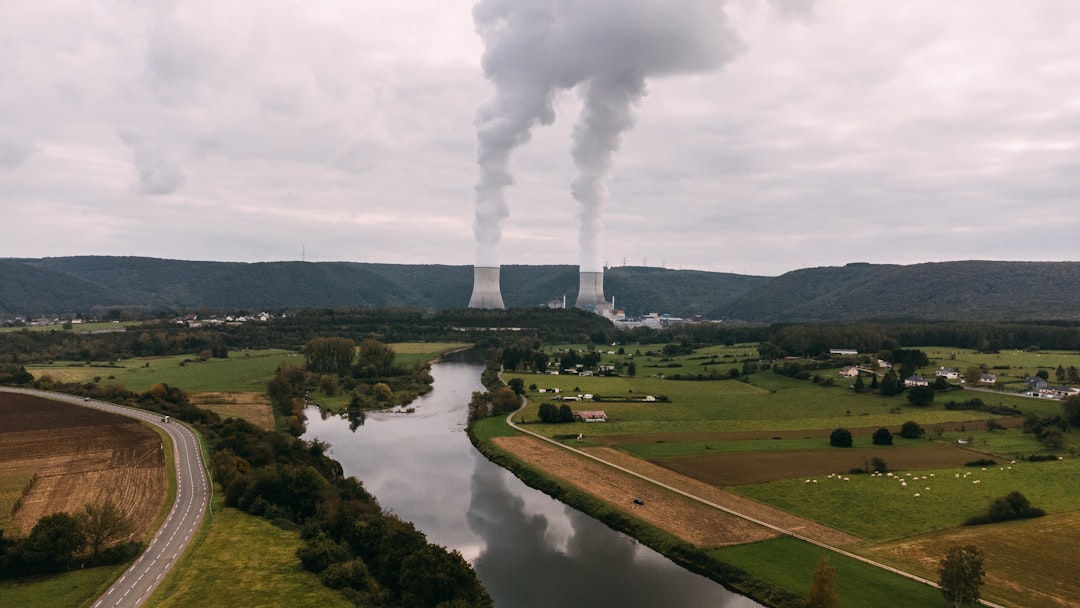
As a major player in the nuclear sector, Russia bears significant responsibility for promoting nuclear non-proliferation. The export of nuclear technology is governed by stringent international regulations to prevent the spread of nuclear weapons. Russia’s adherence to these regulations and its role in international treaties are critical for global security. The dual-use nature of nuclear technology, which can be used for both civilian and military purposes, necessitates vigilant oversight. Russia’s commitment to non-proliferation is a cornerstone of its international nuclear engagements, underscoring the importance of balancing energy ambitions with global security concerns.
Future Prospects of Russia’s Nuclear Energy Expansion
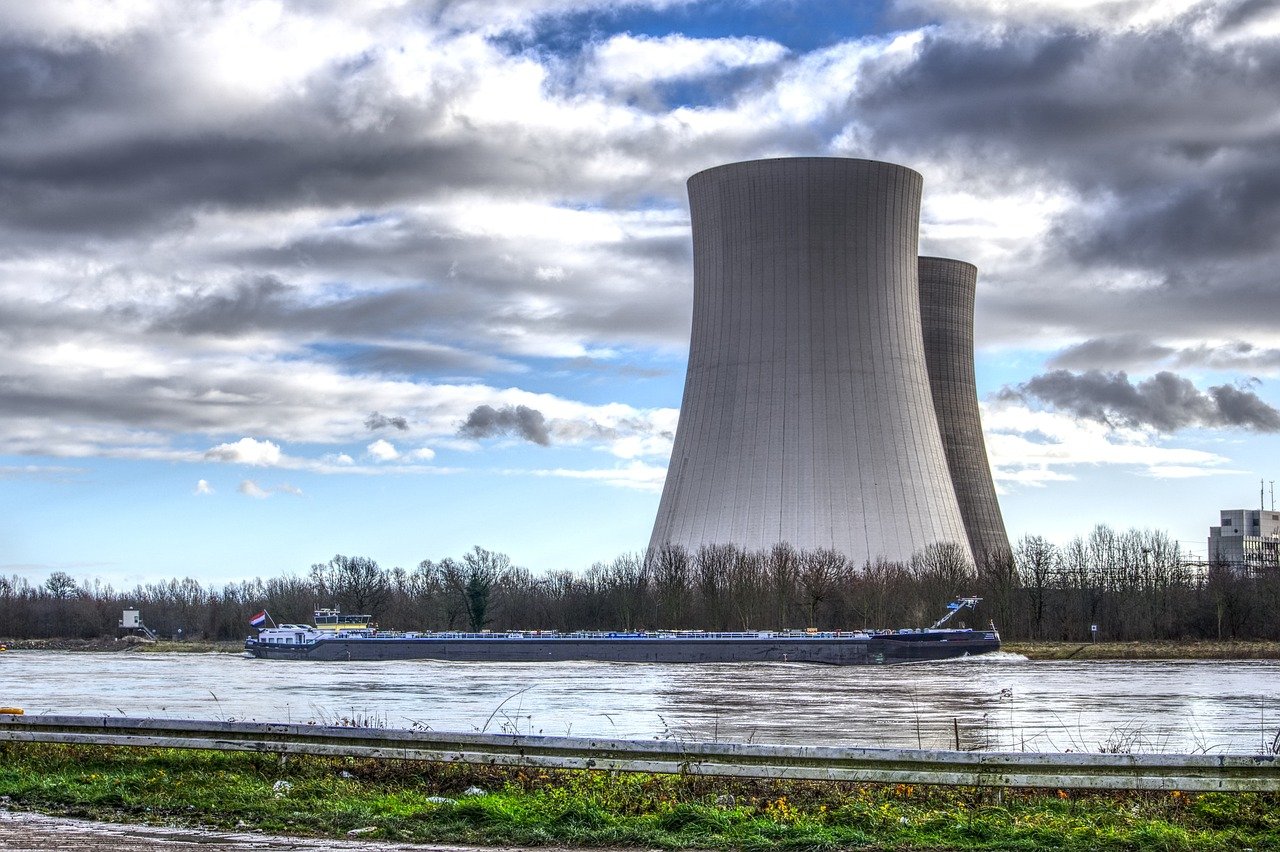
The future of Russia’s nuclear energy expansion is shaped by both opportunities and challenges. As global demand for sustainable energy solutions grows, Russia is poised to play a leading role in meeting this demand. The development of advanced reactor technologies and the exploration of new markets are likely to drive Russia’s nuclear agenda. However, the path forward is fraught with uncertainties, including geopolitical tensions, economic fluctuations, and environmental considerations. Navigating these complexities requires a strategic approach that balances technological innovation with responsible stewardship of natural resources.
Conclusion: A Complex Balancing Act
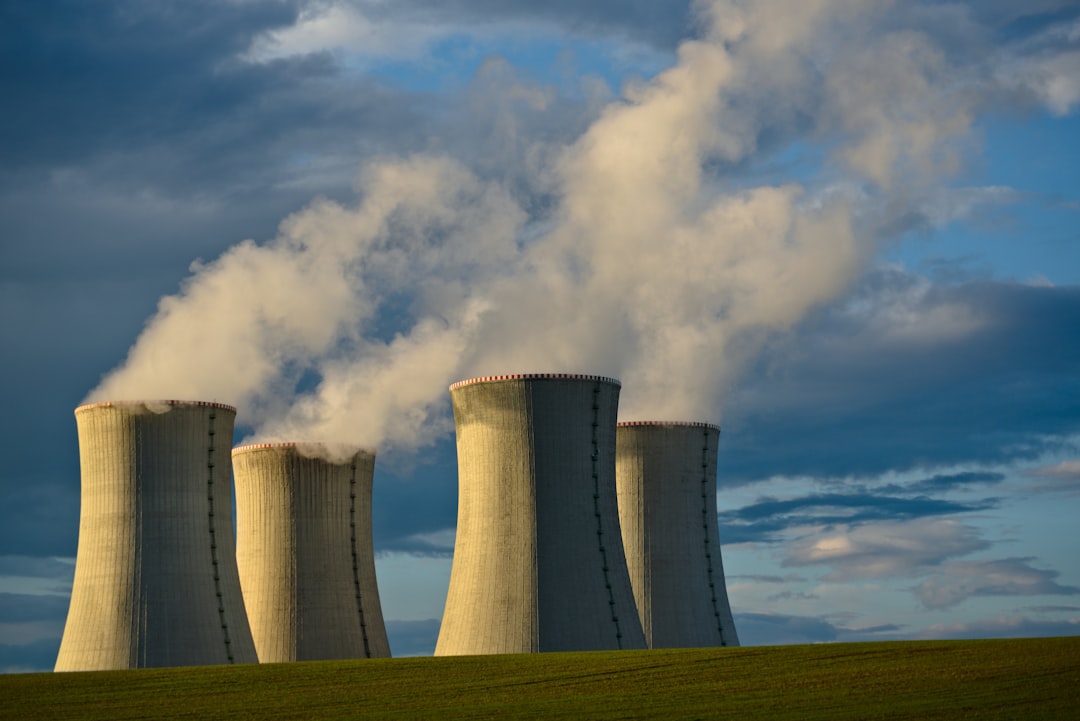
Russia’s global influence in nuclear energy is a testament to its technological prowess and strategic foresight. The expansion of its nuclear footprint presents a complex balancing act between economic interests, environmental stewardship, and geopolitical dynamics. As the world grapples with the challenges of climate change and energy security, Russia’s role in shaping the future of nuclear energy cannot be understated. The path forward demands a commitment to innovation, safety, and international cooperation, ensuring that the promise of nuclear energy is realized in a manner that safeguards both people and the planet.