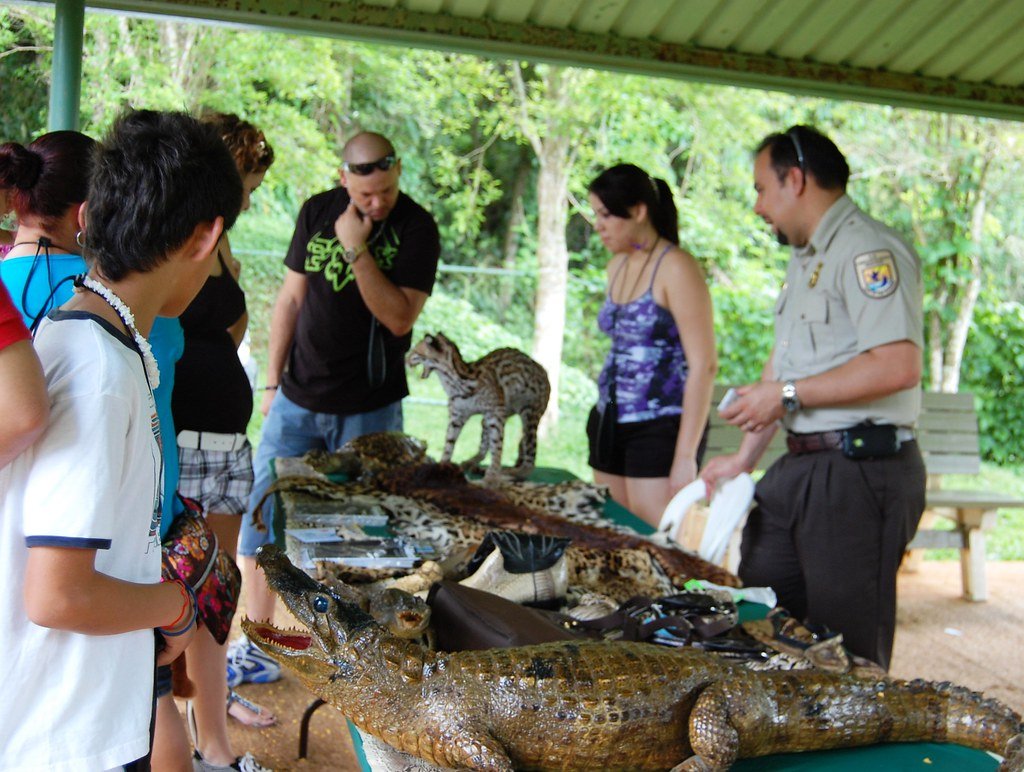
In the vibrant tapestry of Mexico’s diverse ecosystems, the illegal wildlife trade casts a shadow that threatens to unravel the intricate balance of nature. Home to a staggering array of flora and fauna, Mexico is a biodiversity hotspot. However, the illegal trade in wildlife poses a grave threat to its ecosystems, endangering both iconic species and lesser-known organisms that play crucial roles in maintaining ecological stability. This article delves into how this rampant trade impacts Mexico’s environment, shedding light on the urgent need for conservation efforts.
Rich Biodiversity Under Siege

Mexico boasts one of the richest biodiversities in the world, with its vast deserts, lush rainforests, and extensive coastlines. However, this diversity is increasingly under threat from illegal wildlife trade. Species like the jaguar, one of the country’s most majestic predators, are hunted for their pelts. Similarly, the vaquita, a critically endangered porpoise, is caught in nets meant for the illegal totoaba fish trade. Such activities not only endanger individual species but also disrupt entire ecosystems, leading to a cascade of negative effects on biodiversity.
The Ripple Effect on Ecosystems

The removal of a single species from an ecosystem can have far-reaching consequences. Consider the jaguar, a top predator that helps regulate the populations of other animals. Its decline due to poaching can lead to an overpopulation of herbivores, which in turn affects vegetation and the animals that depend on it. This ripple effect can lead to a significant imbalance, altering the ecosystem’s structure and function. As species are removed, the delicate web of life becomes increasingly fragile, making it more susceptible to further disruptions.
Threat to Local Communities

Local communities in Mexico often rely on the natural resources provided by their ecosystems for sustenance and economic activities. The illegal wildlife trade undermines these resources, threatening livelihoods and cultural practices tied to the land. For instance, the depletion of fish stocks due to illegal fishing impacts the food security of coastal communities. Additionally, the loss of charismatic species like the jaguar can diminish ecotourism, which many communities depend on for income. The illegal trade not only harms wildlife but also the people who coexist with them.
Illegal Trade Hotspots

Certain regions in Mexico are particularly vulnerable to illegal wildlife trade due to their rich biodiversity and geographic location. The states of Chiapas and Oaxaca, for example, are known hotspots where numerous species are trafficked. These areas are often exploited due to weak enforcement of wildlife protection laws and the involvement of organized crime. The illegal trade operates through complex networks that smuggle animals and plants across borders, making it a challenging issue to combat. The presence of such hotspots emphasizes the need for targeted conservation efforts.
Conservation Challenges and Solutions
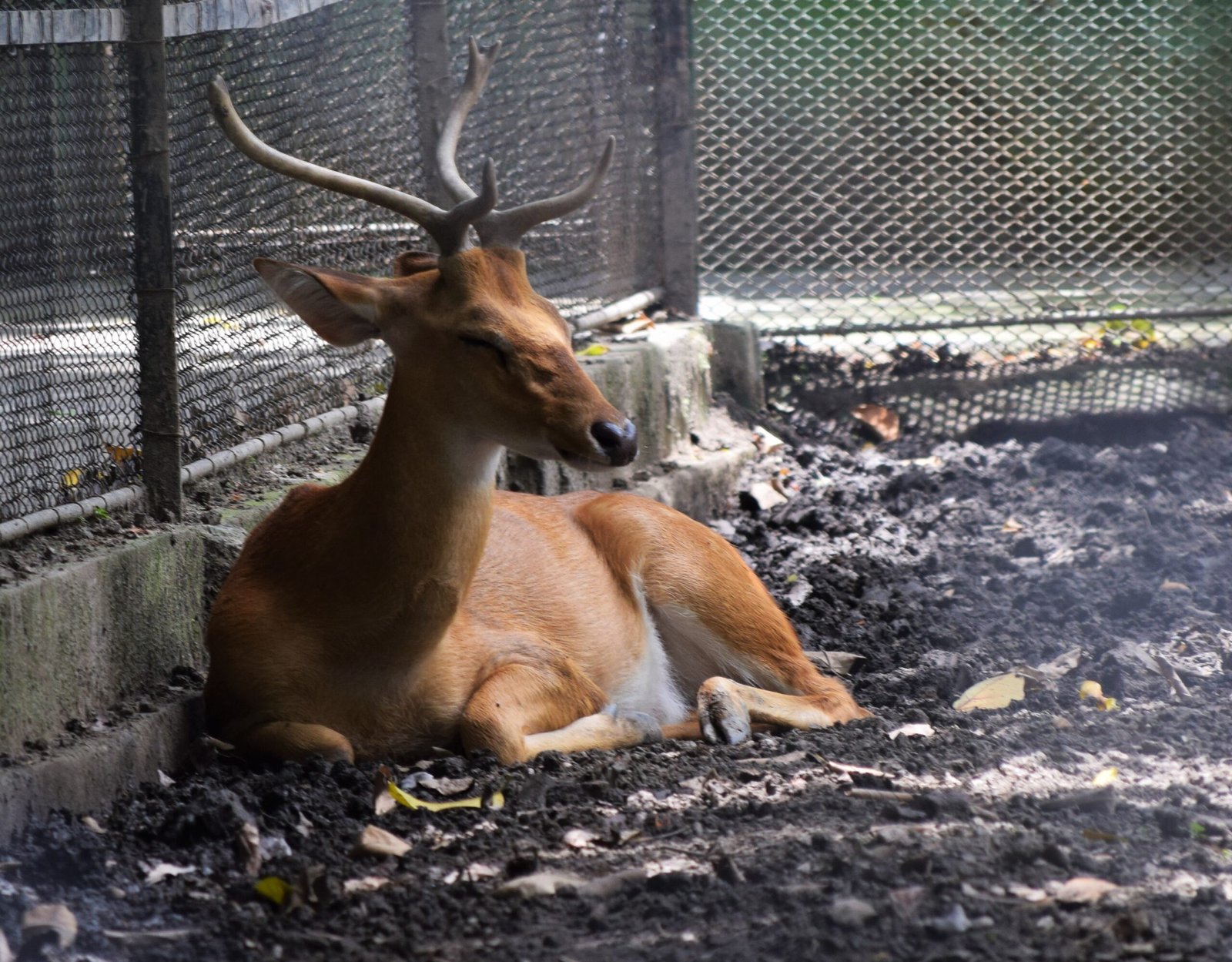
Addressing the illegal wildlife trade in Mexico involves overcoming numerous challenges. One of the primary obstacles is the lack of resources and funding for effective enforcement of wildlife protection laws. However, there are promising solutions. Community-driven conservation initiatives have shown success by involving local people in protecting their natural heritage. Education and awareness campaigns play a crucial role in reducing demand for illegal wildlife products. Moreover, international cooperation is essential, as the trade often crosses borders and requires a coordinated response.
Role of Technology in Combating Trade

Technology has emerged as a powerful tool in the fight against illegal wildlife trade. Drones, for example, are used to monitor remote areas and detect illegal activities. DNA analysis helps in identifying and tracing trafficked species, aiding law enforcement in prosecuting offenders. Social media platforms are also leveraged to track and shut down online wildlife trade networks. By integrating technology into conservation strategies, authorities can enhance their ability to protect Mexico’s ecosystems from illegal exploitation.
Economic Incentives for Conservation

Creating economic incentives for conservation is a strategy that can deter illegal wildlife trade. By promoting sustainable tourism and wildlife-friendly practices, communities can benefit financially from preserving their natural environments. Programs that reward conservation efforts, such as payments for ecosystem services, can motivate local populations to protect wildlife rather than exploit it. By aligning economic interests with environmental goals, Mexico can create a sustainable pathway for both people and nature.
Impact on Marine Ecosystems

The illegal wildlife trade is not limited to terrestrial environments; it significantly impacts marine ecosystems as well. The illegal fishing of species like the totoaba fish, whose swim bladders are highly valued in traditional medicine, threatens marine biodiversity. This not only endangers the vaquita, which gets caught in totoaba nets, but also disrupts the balance of marine life. Coral reefs, which are vital for marine biodiversity, are also at risk from destructive fishing practices. Protecting marine ecosystems is crucial for maintaining the health of the oceans.
Legal Framework and Enforcement

Mexico has established laws to combat illegal wildlife trade, but enforcement remains a significant challenge. Corruption, lack of training, and insufficient resources hinder effective implementation. Strengthening the legal framework and increasing penalties for offenders are essential steps. Collaborating with international organizations can provide the support needed to enhance enforcement capabilities. Strengthening legal measures and ensuring accountability are vital for curbing the illegal trade and protecting Mexico’s ecosystems.
A Call to Action
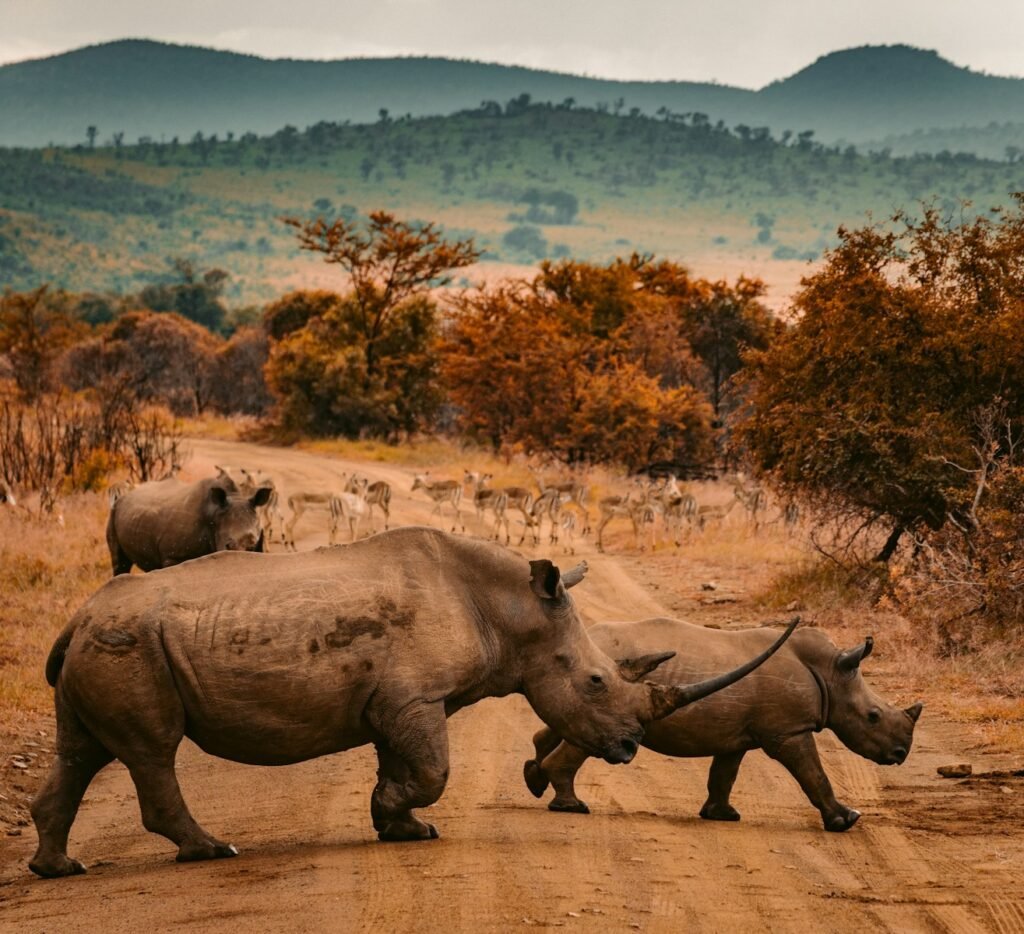
The illegal wildlife trade poses a dire threat to Mexico’s ecosystems, but it is not an insurmountable challenge. Collective action from governments, organizations, and individuals can make a difference. Supporting conservation initiatives, raising awareness, and advocating for stronger enforcement are crucial steps. As stewards of the planet, we have a responsibility to protect the incredible biodiversity of Mexico for future generations. By taking action today, we can ensure that Mexico’s ecosystems continue to thrive, providing a sanctuary for both wildlife and humans alike.