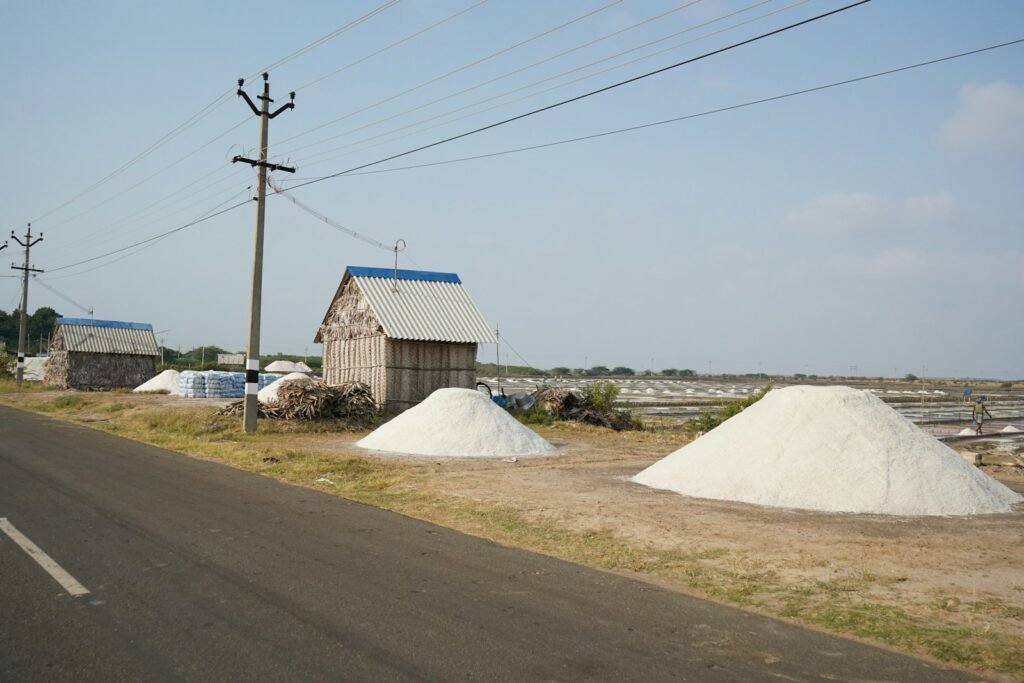
In a world grappling with the challenges of waaste management, recycling has emerged as a beacon of hope. This isn’t just about sorting plastics from paper; it’s about transforming what we consider waste into valuable resources. Around the globe, innovative recycling projects are not only reducing waste but also breathing new life into communities. From turning plastic waste into building materials to harnessing the power of organic waste for energy, these projects are making a significant impact. Let’s dive into some of these groundbreaking initiatives that are reshaping our world.
Plastic Waste: Building the Future
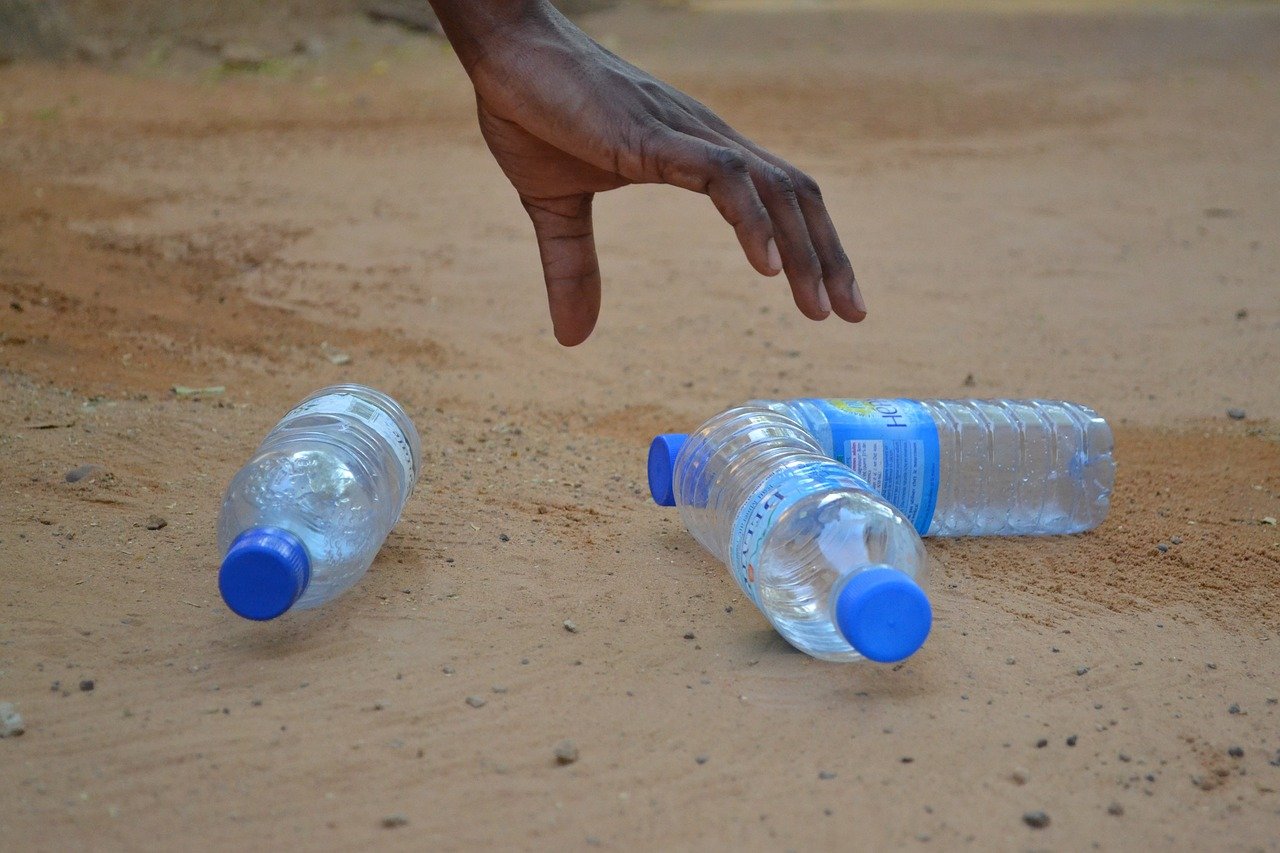
Plastic is often seen as the villain in the environmental story, but innovative minds are rewriting its narrative. In countries like Nigeria, plastic waste is being transformed into bricks. These eco-bricks are not only affordable but also more durable than traditional options. They offer a sustainable solution to both the housing crisis and the plastic pollution problem. Imagine walking down a street lined with homes that were once heaps of discarded bottles. This transformation is a testament to human ingenuity and a step towards a more sustainable future.
Turning Food Waste into Fertile Soil

Food waste is a massive problem, with tons of it ending up in landfills every day. However, through composting projects, communities are turning this waste into rich, fertile soil. Cities like San Francisco have embraced composting on a large scale. By converting organic waste into compost, they not only reduce landfill use but also enrich the soil for local farms and gardens. This process mimics nature’s recycling system, where nothing goes to waste. It’s a beautiful cycle of life, turning yesterday’s leftovers into tomorrow’s nutrients.
Electronic Waste: Mining for Precious Metals
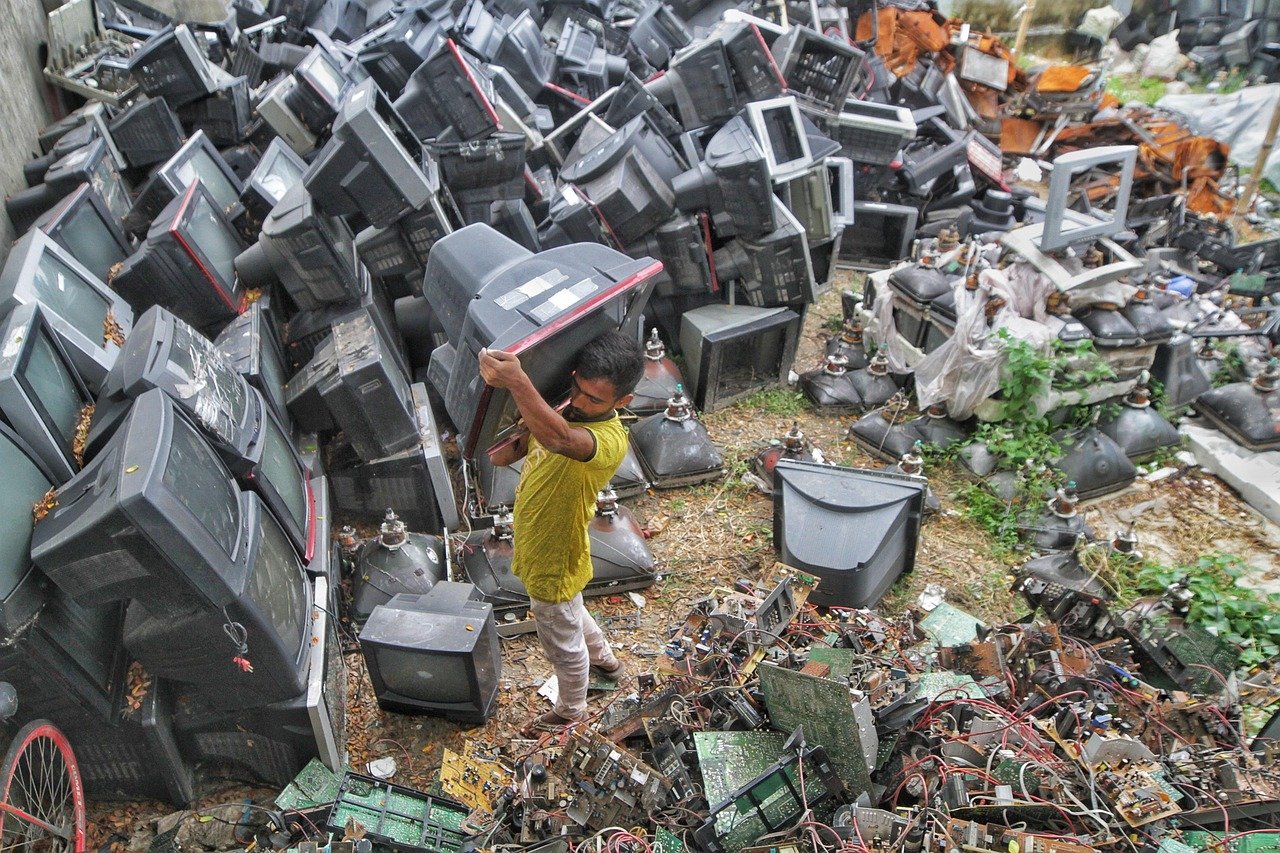
In our tech-driven world, electronic waste is piling up at an alarming rate. But rather than letting these gadgets rot, innovative recycling projects are mining them for precious metals. Projects in Japan, for example, are extracting gold, silver, and other valuable materials from discarded electronics. This not only reduces the need for destructive mining practices but also turns e-waste into a valuable resource. It’s like finding treasure in the forgotten corners of our digital lives.
Textile Waste: Weaving New Possibilities

The fashion industry is notorious for its waste, but some are turning this around by recycling textiles. In places like Sweden, old clothes are being turned into new fabrics, reducing the need for virgin materials. This circular approach to fashion not only cuts down on waste but also lowers the industry’s carbon footprint. By rethinking how we use and reuse fabrics, these projects are paving the way for a more sustainable fashion industry.
Glass Waste: A New Perspective

Glass is one of the easiest materials to recycle, yet much of it ends up in landfills. Innovative projects are giving glass waste a new lease on life. In Australia, glass is being crushed and used as a substitute for sand in construction. This not only reduces the demand for sand, a finite resource, but also finds a use for what would otherwise be wasted. It’s a simple yet effective way to turn trash into treasure and rethink our approach to materials.
Harnessing the Power of Organic Waste
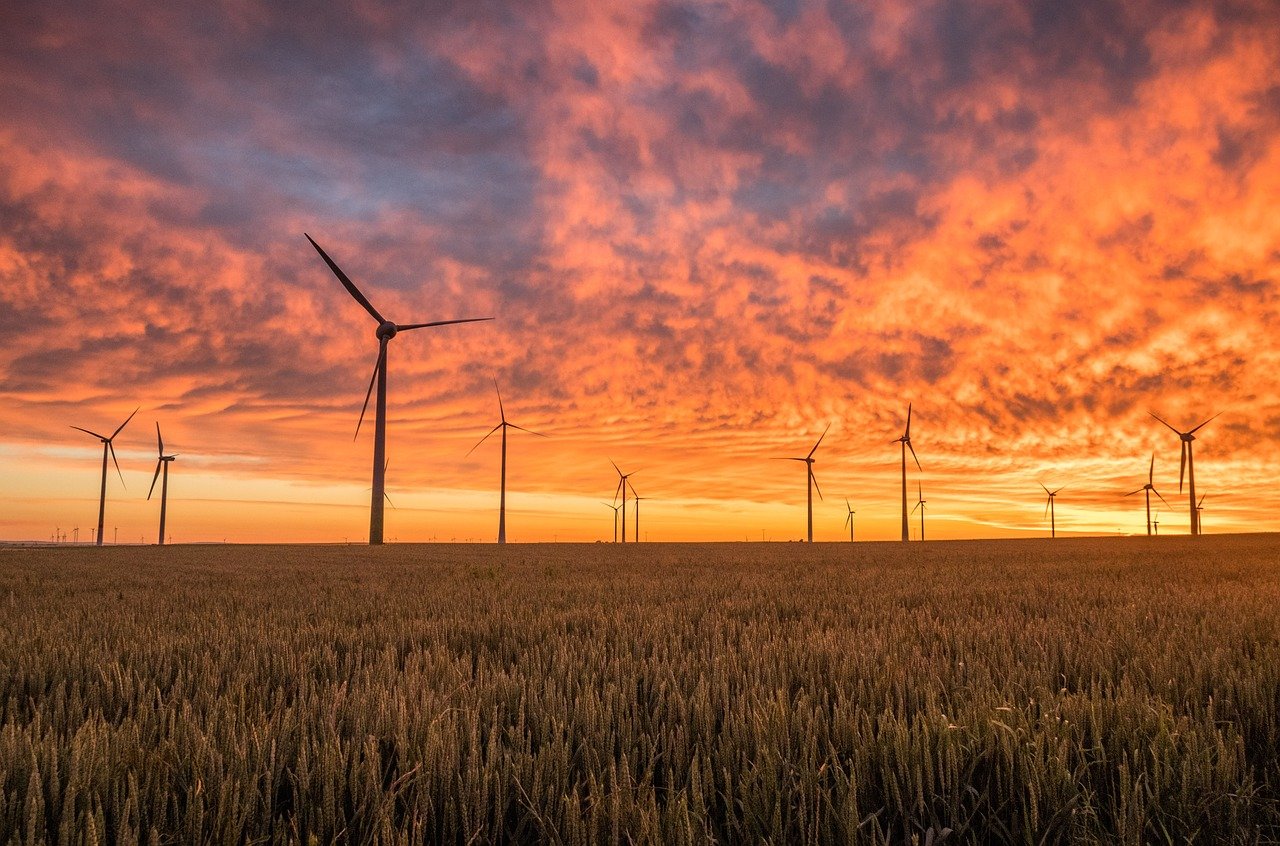
Organic waste, from food scraps to yard debris, holds tremendous potential as a source of energy. In Germany, biogas plants are converting this waste into electricity and heat. By harnessing the power of decomposition, these projects provide a renewable energy source that benefits the environment and local communities. It’s a powerful reminder that even what we discard can have immense value if we look at it through a different lens.
Community-Led Recycling Initiatives

Grassroots recycling projects are popping up in communities around the world, driven by local leaders and passionate volunteers. In Brazil, catadores, or waste pickers, have formed cooperatives to recycle materials and earn a living. These initiatives empower communities by providing jobs and reducing waste. They show that when people come together with a common goal, they can create impactful change and build a more sustainable future.
Recycling Innovation in the Automotive Industry

The automotive industry is also getting on board with innovative recycling projects. Companies are now recycling old car parts to create new vehicles. In Japan, for instance, manufacturers are using recycled materials to produce new car components, reducing the need for raw materials and minimizing waste. This is a significant step towards a circular economy, where products are designed with their end of life in mind, ensuring that nothing goes to waste.
Creative Upcycling: Art from Waste

Art has always been a powerful medium for change, and artists worldwide are using waste as their canvas. From sculptures made of discarded metals to paintings created with recycled materials, these works of art are not only visually stunning but also carry a message of sustainability. They challenge us to rethink our relationship with waste and see beauty in what we often overlook. It’s a creative reminder that with a little imagination, anything can be turned into treasure.
The Future of Recycling: A Circular Economy

The concept of a circular economy is gaining traction, where products are designed to be reused, repaired, or recycled. This shift requires innovative thinking and collaboration across industries. It’s about creating systems where waste is minimized, and resources are continually cycled back into the economy. As more communities and businesses adopt this model, we move closer to a world where recycling isn’t just a project but a way of life. This future vision is not just about reducing waste; it’s about creating a sustainable world for generations to come.