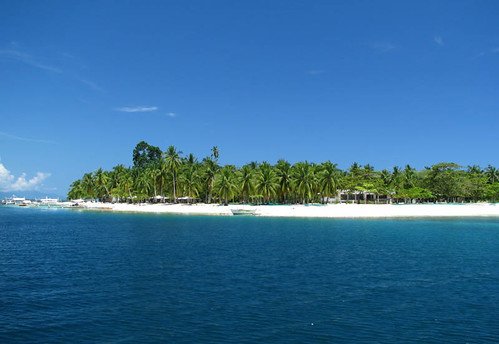

Imagine yourself standing on the pristine shores of the Philippines, where the azure waves kiss the golden sands and the sun casts its gentle glow on the expansive seascape. The Philippine seas are a tapestry of life, teeming with vibrant coral reefs, diverse marine species, and a thriving ecosystem. However, beneath this picturesque surface lies a complex narrative of environmental challenges and opportunities. Central to this story are Marine Protected Areas (MPAs), which hold the promise of a sustainable future for fisheries and the preservation of marine biodiversity.
The Rich Biodiversity of Philippine Seas
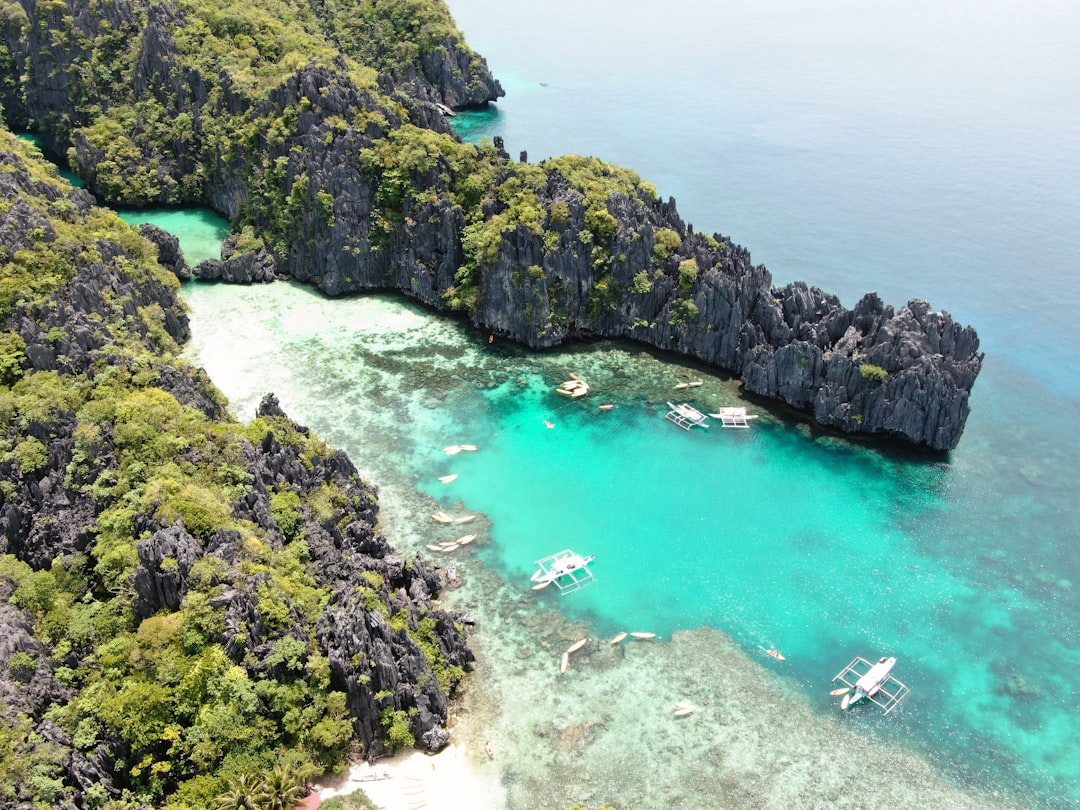
The Philippine seas are among the most biologically diverse marine environments in the world. They are part of the Coral Triangle, a region known for its extraordinary marine biodiversity. Home to over 500 coral species and thousands of fish species, the Philippine waters are a sanctuary for marine life. This richness is not just a spectacle for the eyes; it plays a critical role in supporting the livelihoods of millions of Filipinos who rely on fishing as a primary source of income. The sheer abundance of life forms here is akin to a bustling metropolis under the sea, each creature playing a vital role in the health of the ecosystem.
Understanding Marine Protected Areas (MPAs)
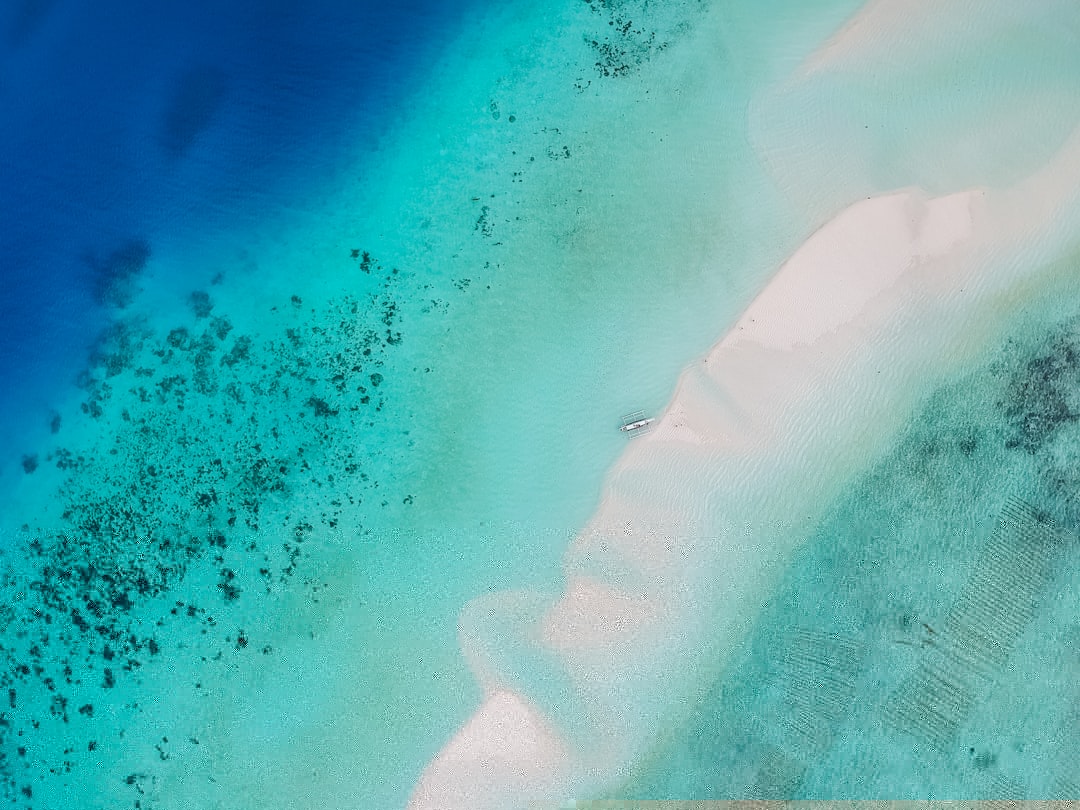
Marine Protected Areas are designated regions within the ocean where human activities are more regulated than surrounding waters. They are established to conserve marine habitats and promote sustainable use of marine resources. Think of MPAs as safe havens for ocean life, much like national parks are for terrestrial wildlife. These areas provide a refuge for fish populations to breed and grow, ensuring that future generations can continue to enjoy and benefit from the sea’s bounty. By limiting activities such as fishing, diving, and boating, MPAs help maintain the delicate balance necessary for marine ecosystems to thrive.
The Role of MPAs in Sustainable Fisheries

Sustainable fisheries are essential for the long-term health of both marine ecosystems and human communities. MPAs contribute to this sustainability by serving as breeding grounds for fish, allowing populations to replenish and spill over into adjacent fishing areas. This spillover effect can lead to increased fish catches outside the protected zones, benefiting local fishermen. The concept is similar to a well-tended garden that yields a plentiful harvest year after year. By nurturing the marine environment within MPAs, we are investing in a future where fishing remains a viable livelihood for coastal communities.
Community Involvement in MPA Management

The success of MPAs often hinges on the involvement of local communities. In the Philippines, community-based management has proven to be an effective strategy. By engaging local fishermen, community leaders, and other stakeholders in the decision-making process, MPAs can be tailored to meet the specific needs of the area. This participatory approach fosters a sense of ownership and responsibility, empowering communities to protect their marine resources. It’s akin to a neighborhood watch program, where everyone plays a part in safeguarding the shared environment.
Challenges Facing MPAs in the Philippines
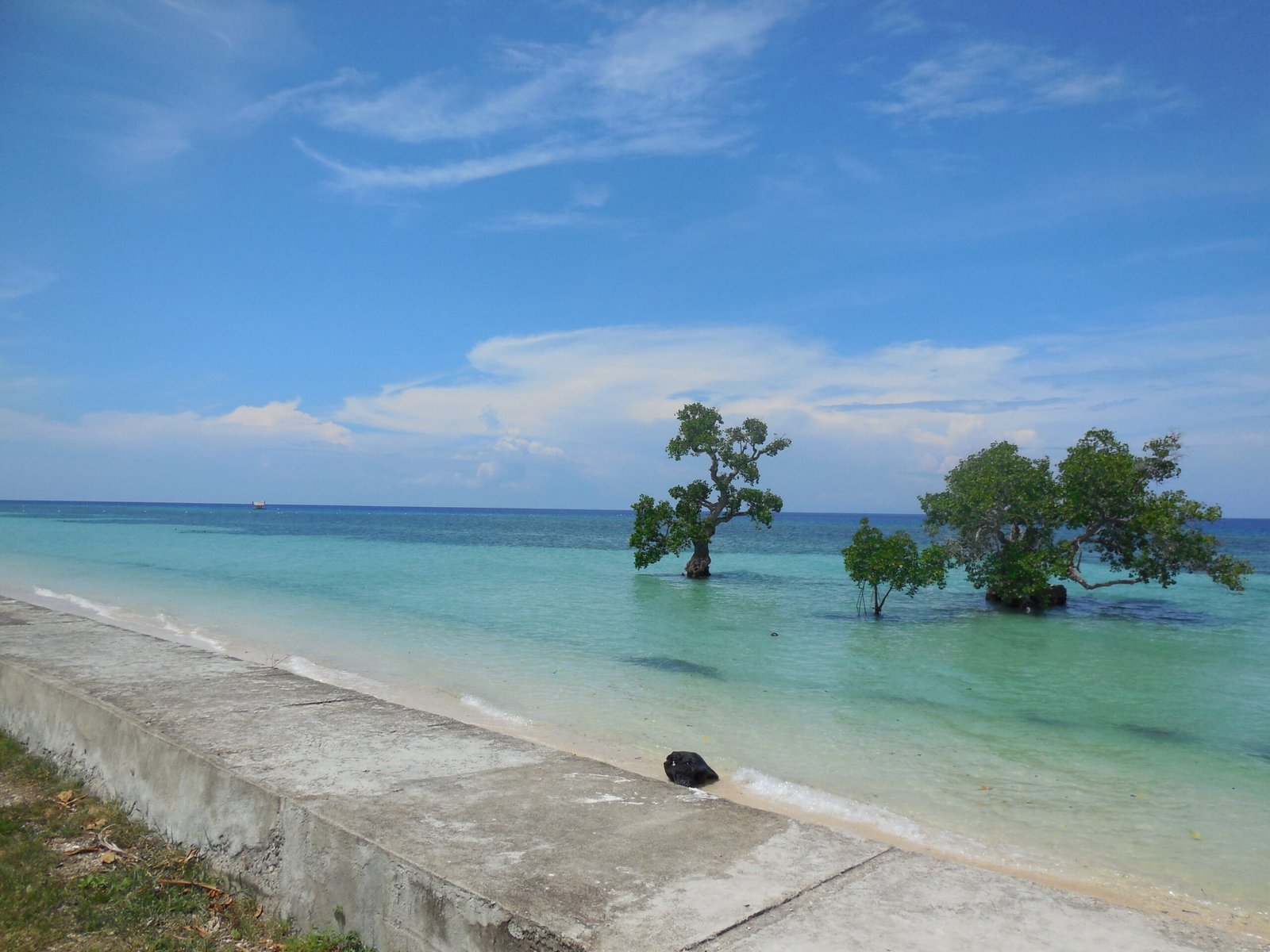
Despite their potential, MPAs in the Philippines face numerous challenges. Illegal fishing, lack of enforcement, and insufficient funding are significant hurdles to effective management. Imagine trying to guard a treasure chest with a broken lock; without proper protection, the treasure is at risk. Similarly, without adequate resources and enforcement, MPAs cannot fulfill their intended purpose. Addressing these challenges requires a concerted effort from both government and non-governmental organizations to provide the necessary support and resources.
Success Stories of MPAs in the Philippines
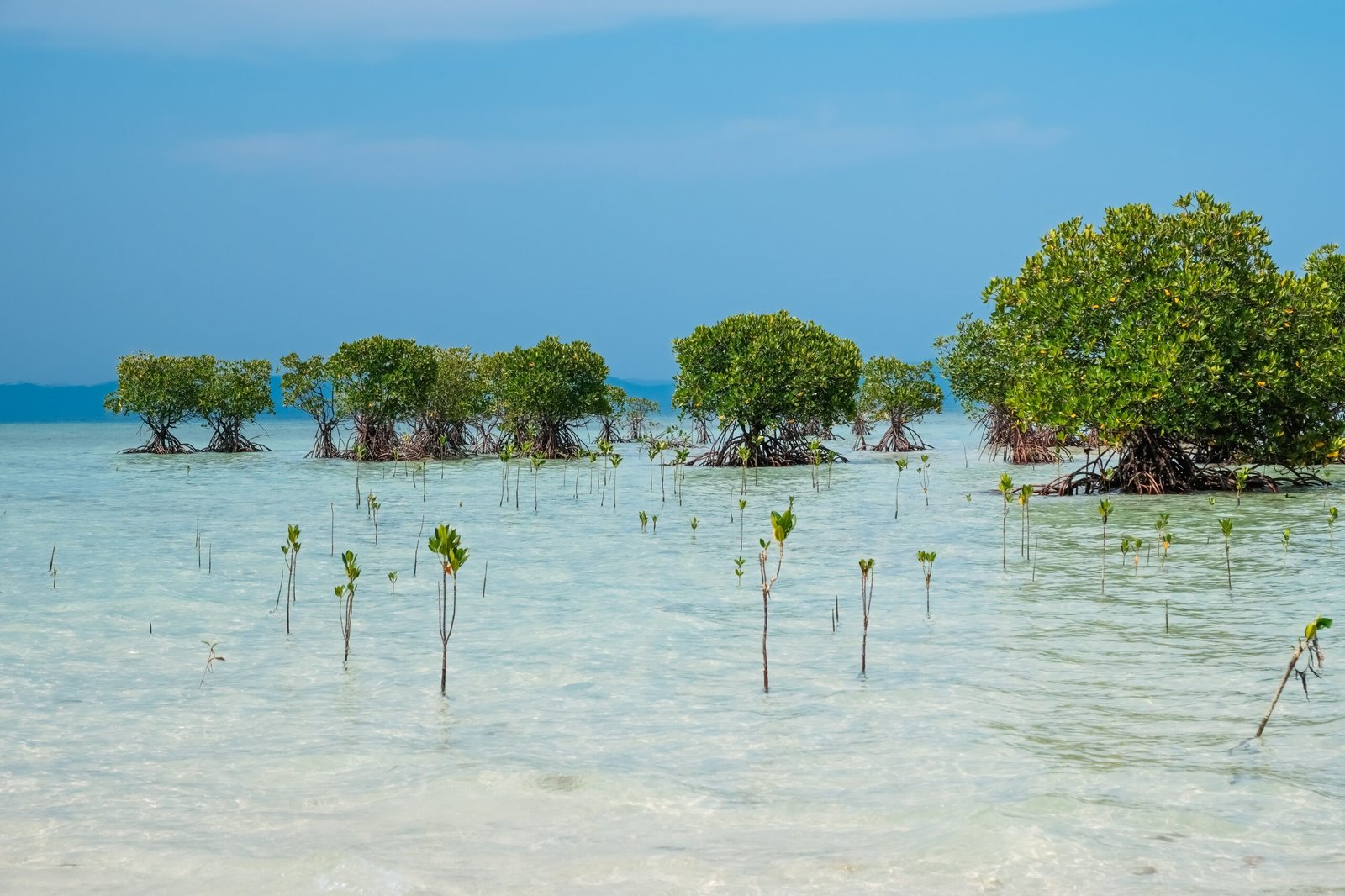
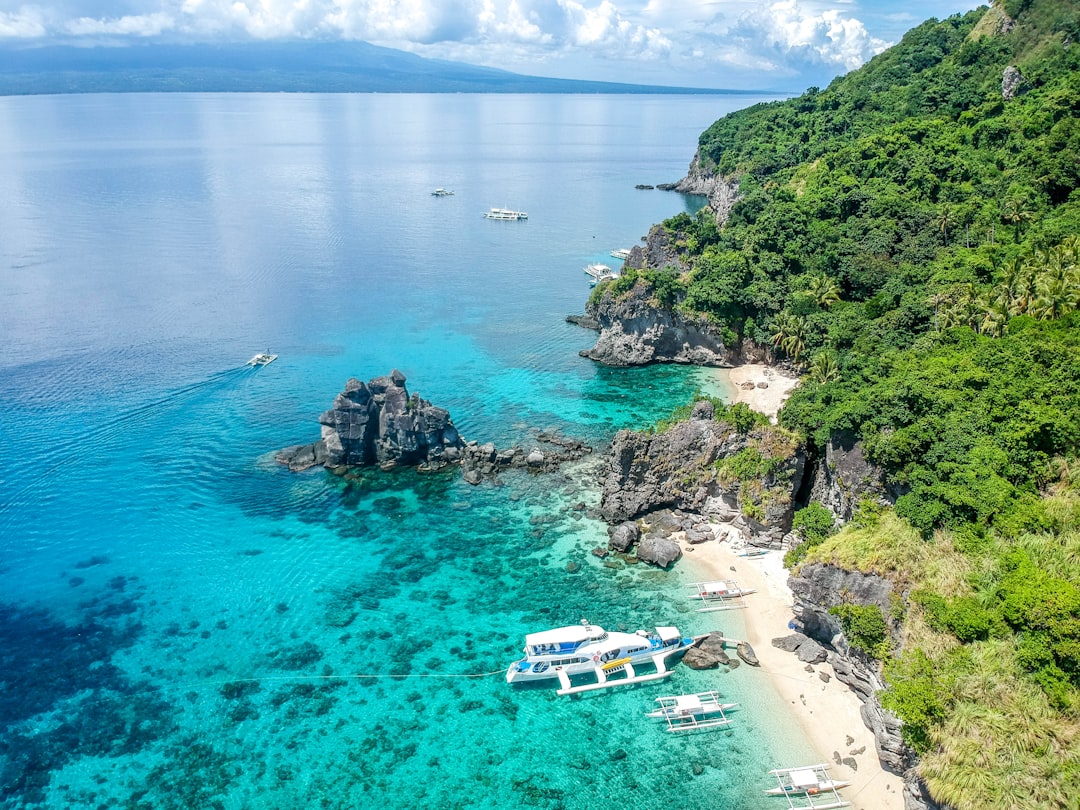
Several MPAs in the Philippines have achieved remarkable success, serving as models for others. Apo Island in Negros Oriental is a prime example. Established in the early 1980s, Apo Island’s MPA has led to a significant increase in fish biomass and biodiversity. The island has become a popular ecotourism destination, providing economic benefits to the local community. This success story highlights the potential of well-managed MPAs to not only conserve marine life but also enhance local livelihoods. It’s a testament to the power of collaboration and commitment to conservation.
The Economic Benefits of MPAs
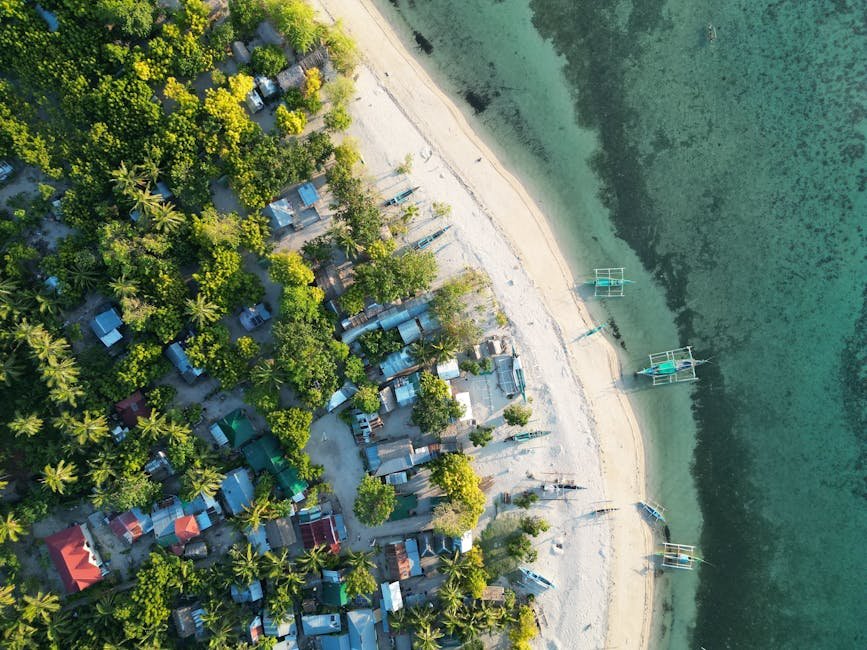
Beyond environmental conservation, MPAs offer economic benefits that extend to various sectors. By boosting fish stocks, they support the fishing industry, ensuring a steady supply of seafood. Additionally, MPAs attract tourists, creating opportunities for ecotourism ventures such as snorkeling and diving. This influx of visitors generates revenue for local businesses, from hotels to restaurants, contributing to the overall economic development of coastal areas. MPAs can be likened to a bank account that, when managed wisely, yields dividends for all stakeholders.
Integrating Traditional Knowledge with Modern Science
Incorporating traditional ecological knowledge with scientific research enhances the effectiveness of MPA management. Local communities possess a wealth of knowledge about their marine environment, passed down through generations. By integrating this indigenous wisdom with contemporary scientific methods, MPAs can be managed more holistically. It’s like blending the old with the new, creating a synergy that respects cultural heritage while embracing modern advancements. This approach fosters a deeper understanding of the ecosystem and promotes sustainable practices.
The Role of Policy and Legislation
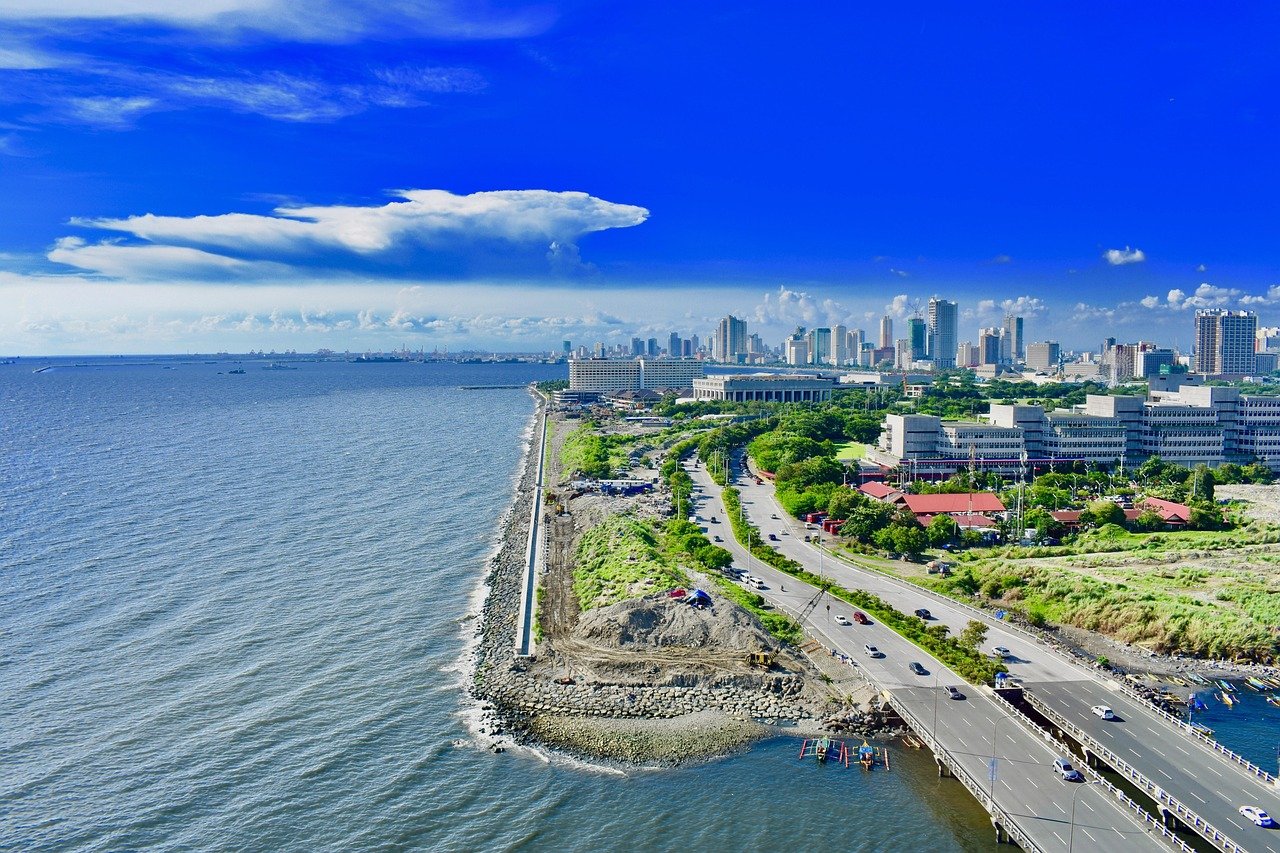
Effective policy and legislation are crucial for the establishment and management of MPAs. The Philippine government has enacted laws to support marine conservation, but implementation remains a challenge. Stronger enforcement mechanisms and clear guidelines are needed to ensure compliance and protect marine resources. Imagine a well-drafted law as a sturdy ship; without a capable crew to steer it, the ship remains anchored, unable to fulfill its purpose. Strengthening policy frameworks and enhancing enforcement are vital steps toward realizing the full potential of MPAs.
A Vision for the Future
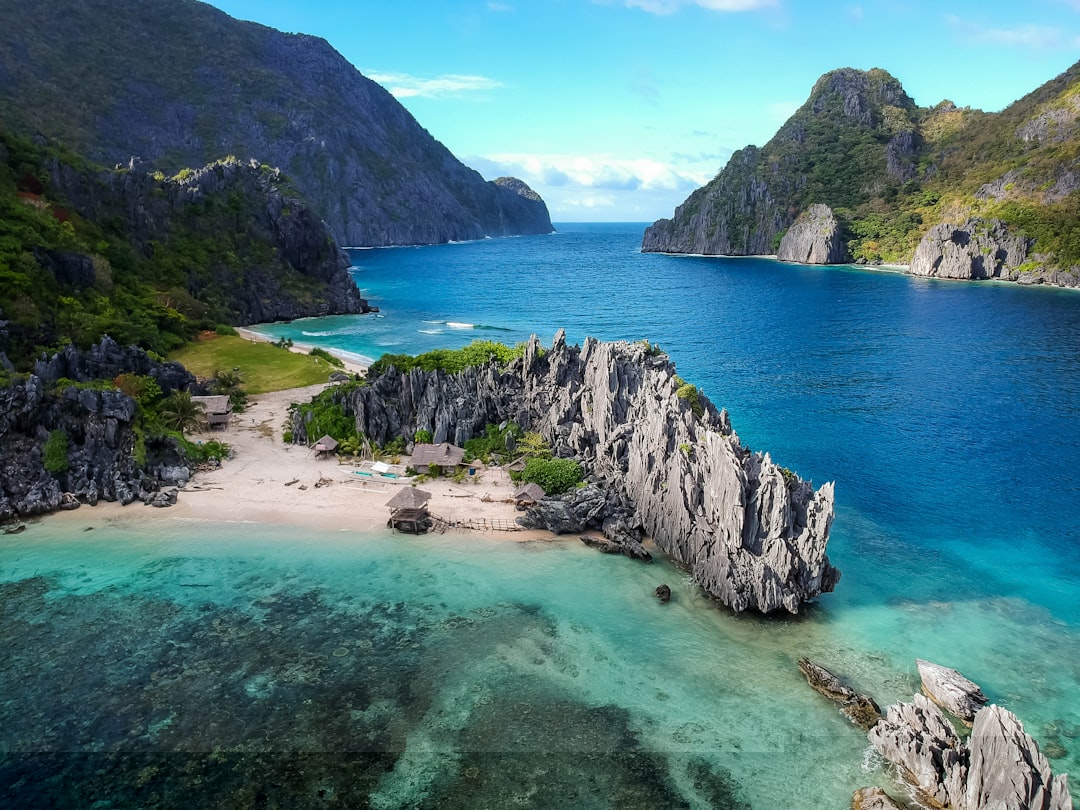
The future of Philippine seas depends on our collective efforts to protect and sustain them. MPAs are a vital tool in this endeavor, offering hope for a healthier ocean and a brighter future for coastal communities. By addressing challenges, fostering community involvement, and integrating traditional knowledge with modern science, we can ensure that the Philippine seas continue to thrive. As we look to the horizon, let us commit to safeguarding these marine treasures for generations to come. Our actions today will shape the legacy we leave behind, and the time to act is now.