The natural world is filled with marvels, but few are as astonishing as the ability of some creatures to survive being frozen solid. Imagine being encased in ice, your heart stopped, and your body hardened like a rock. Yet, when the thaw comes, life resumes as if nothing happened. This miraculous adaptation has intrigued scientists and nature enthusiasts alike for generations. Let’s delve into how these extraordinary creatures manage such a feat, exploring the secrets behind their icy resilience.
Frozen Yet Alive: An Unbelievable Phenomenon

The idea of living creatures surviving freezing temperatures seems like something out of a science fiction novel. However, it’s a reality for several species, from Arctic frogs to certain insects. These organisms enter a state called suspended animation, where their metabolic processes slow down to a near halt. This is akin to pressing pause on a video, where everything stops but can resume with the push of a button. The key lies in their remarkable ability to control ice formation in their bodies, preventing lethal ice crystals from damaging cells and tissues.
The Wood Frog’s Winter Trick

One of the most fascinating examples of this phenomenon is the wood frog. Native to North America, this amphibian can survive being frozen for weeks at a time. How does it do this? The wood frog produces glucose, a natural antifreeze, which floods its cells and prevents them from freezing. It’s like wrapping yourself in a thermal blanket during a cold night. This glucose acts as a cryoprotectant, safeguarding the frog’s internal organs and ensuring that, come spring, it can hop back to life as if nothing happened.
Insect Artistry: The Case of the Woolly Bear Caterpillar

In the world of insects, the woolly bear caterpillar stands out for its ability to endure freezing temperatures. This fuzzy creature can survive in temperatures as low as -60 degrees Fahrenheit. It achieves this by accumulating cryoprotectants like glycerol in its tissues. These compounds lower the freezing point of bodily fluids, preventing ice formation. It’s like adding salt to icy roads, which keeps them from freezing over. As a result, the caterpillar can survive harsh winters and eventually transform into a beautiful moth.
Antarctic Fish: Masters of the Ice

While on land, several creatures have adapted to freezing conditions, the aquatic world also boasts its share of icy survivors. The Antarctic icefish has evolved to live in freezing waters, thanks to a special protein in its blood that prevents ice crystals from forming. This protein acts like a microscopic shield, protecting the fish from the lethal effects of freezing. It’s a bit like wearing a wetsuit in icy waters, keeping the body warm and functional despite the chill.
Biochemical Marvels: The Role of Antifreeze Proteins
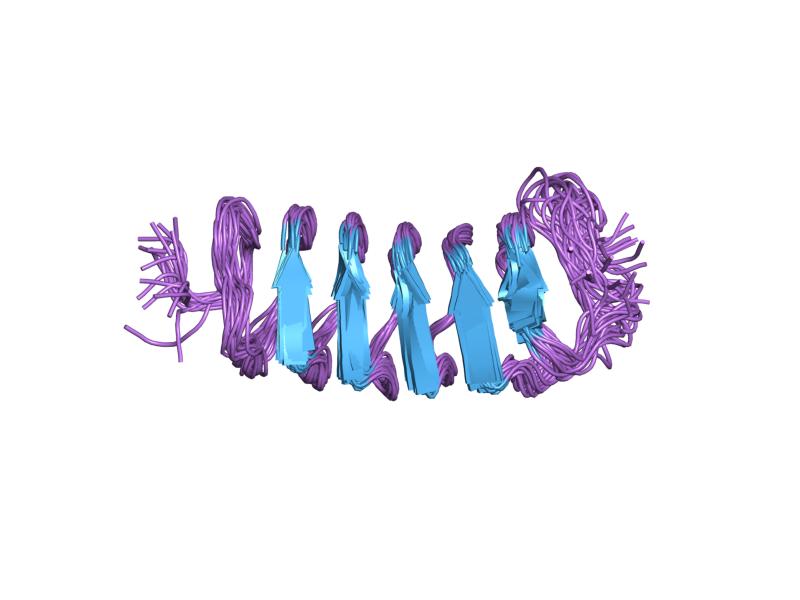
Antifreeze proteins play a crucial role in the survival of many freeze-tolerant species. These proteins bind to small ice crystals, inhibiting their growth and preventing damage to cellular structures. Think of them as tiny guards, standing watch and ensuring that no harm comes to the cells. By preventing large ice crystals from forming, these proteins help maintain the integrity of tissues, allowing creatures to survive sub-zero temperatures without harm.
Lessons from Nature: Implications for Science and Medicine

The study of freeze-tolerant organisms offers valuable insights for science and medicine. Understanding how these creatures survive extreme conditions could lead to breakthroughs in preserving human organs for transplantation. By mimicking nature’s strategies, scientists hope to develop methods to store organs at low temperatures without damaging them. It’s a bit like finding the perfect recipe for preserving food, ensuring freshness and quality even after long periods.
Surviving the Freeze: A Dance with Death

Survival in freezing conditions is a delicate dance with death, where timing and precision are everything. These creatures have evolved intricate mechanisms to ensure their survival, fine-tuning their responses to the smallest changes in temperature. It’s like a symphony, where each instrument plays its part perfectly, creating a harmonious balance that allows life to continue despite the cold.
The Role of Evolution: Adapting to Harsh Environments

Evolution has played a significant role in shaping the freeze tolerance of various species. Over millions of years, these creatures have developed adaptations that enable them to thrive in harsh environments. It’s a testament to the power of natural selection, where only the fittest survive. By studying these adaptations, scientists gain a deeper understanding of the complex interplay between life and environment, revealing the intricate web of connections that sustain life on Earth.
Challenges and Mysteries: Unanswered Questions

Despite significant advancements in understanding freeze tolerance, many mysteries remain. Researchers continue to explore how different species have developed unique strategies for surviving the cold. Some questions, such as how certain organisms can survive multiple freeze-thaw cycles, remain unanswered. These challenges drive scientific inquiry, pushing the boundaries of knowledge and inspiring future generations to explore the wonders of the natural world.
A Call to Curiosity: Embracing Nature’s Wonders
The ability of some creatures to survive being frozen solid is a remarkable testament to nature’s ingenuity. It challenges our understanding of life and pushes us to explore the boundaries of what’s possible. As we learn more about these extraordinary adaptations, we are reminded of the vastness and complexity of the natural world. This knowledge not only deepens our appreciation for the wonders of life but also inspires us to protect and preserve the delicate ecosystems that sustain these incredible creatures.