Exploring the depths of Earth’s fascinating geological features takes us to unexpected places, and among these are Kentucky’s mesmerizing underground rivers. These aquatic labyrinths, hidden beneath the layers of the state’s majestic landscapes, serve as both natural wonders and scientific goldmines. Unseen by most eyes, they hold secrets that may illuminate our understanding of extreme environments. In this article, we journey into the heart of Kentucky’s subterranean waterways to uncover their potential as the ultimate laboratories for extreme environment research.
Understanding Kentucky’s Underground Rivers
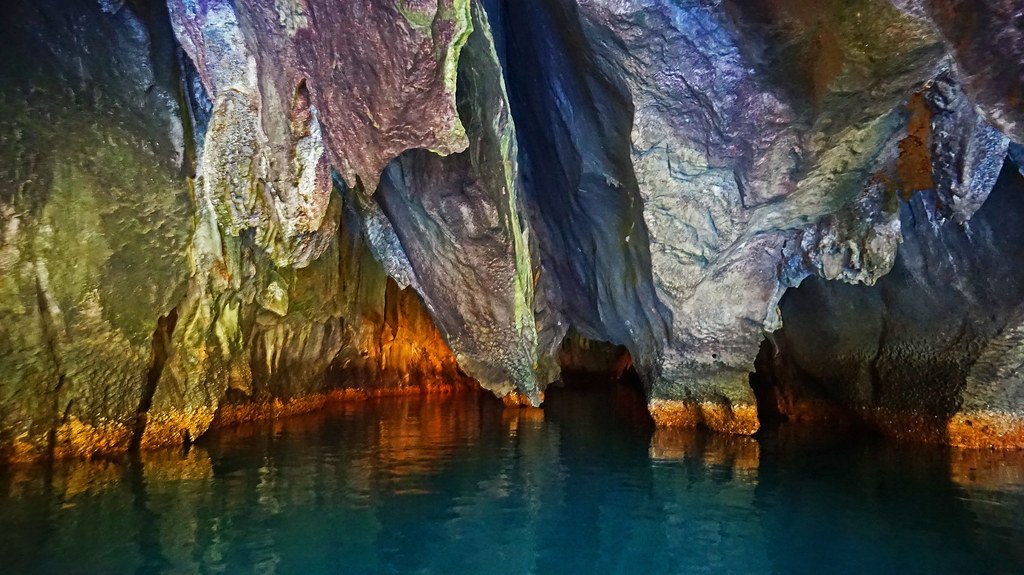
Kentucky is renowned for its intricate cave systems, with Mammoth Cave National Park being the most prominent. Beneath this rugged terrain lies an extensive network of underground rivers. These rivers form when surface water erodes limestone over millennia, creating vast cavernous passages through which water now flows. This natural process has granted us these unique ecosystems, where specific biological and geological phenomena occur, offering insights into life’s adaptability in extreme conditions.
The Biosphere Beneath

The ecosystems within these underground rivers are isolated, fostering the evolution of unique biological communities. The absence of light mandates that organisms rely on chemosynthesis rather than photosynthesis, allowing for the study of life under conditions similar to those found in extreme environments, such as in deep-ocean vents or on other planets. Studying these organisms could offer clues on how life might exist in extraterrestrial settings.
Extreme Adaptations

In the perpetual darkness of these underground rivers, organisms have developed remarkable adaptations. Troglobites, for example, are species that have adapted to life in dark caves. These organisms often lose pigmentation and eyesight over generations, developing enhanced non-visual senses instead. Understanding these adaptations allows scientists to explore genetic mutations and evolutionary processes at play in isolated environments.
Geological Insights

The geological formations alongside the rivers offer valuable data. Stalagmites and stalactites found in caves are essentially earth’s historical record keepers, capturing climatic changes over thousands of years. By analyzing these formations, researchers can infer past environmental conditions and better understand how such extreme environments have evolved over time.
Mimicking Martian Conditions

With the prospect of exploring Mars and other celestial bodies offering similar conditions to Earth’s subterranean environments, these underground rivers serve as analogs for extraterrestrial research. The study of these karst systems helps scientists understand how potential life forms might survive beneath Mars’ surface, particularly in subsurface ice or potential aquifers.
Insights into Hydrology

The flow patterns and hydrology of these subterranean rivers are complex and less understood compared to surface rivers. By studying them, hydrologists can gain insights into groundwater flow, aquifer replenishment, and water resource management that can be vital in other parts of the world facing water scarcity.
Impacts of Climate Change

As climate change continues to alter environments worldwide, the study of these underground water systems helps in predicting changes in water dynamics. The stability or variability of these systems can have implications for understanding broader environmental changes and their impact on water resources.
Conservation Efforts

Understanding the biodiversity and ecological importance of Kentucky’s underground rivers is essential for conservation efforts. Human activities such as pollution and land development can adversely affect these delicate ecosystems. By learning more about them, we can implement measures to protect these irreplaceable natural laboratories.
Scientific Collaborations

The exploration of underground rivers has sparked collaborations among geologists, biologists, hydrologists, and astrobiologists. This interdisciplinary approach enriches our understanding and fosters innovative methods to study and safeguard these environments while inspiring new hypotheses in various fields of science.
Technological Innovations

Exploring these challenging environments has led to technological advancements in cave research. Remote-operated vehicles (ROVs) and advanced mapping technologies now allow scientists to explore and document these rivers in ways that were previously impossible. These innovations not only enhance our scientific knowledge but also contribute to safety and preservation efforts.
Education and Public Awareness

Public engagement through education campaigns can raise awareness of the importance of preserving these natural environments. Encouraging public interest in geology and environmental science can inspire the next generation of scientists to take an active role in understanding and protecting these natural wonders.
Exploratory Future

The untapped potential of Kentucky’s underground rivers beckons further exploration. Future expeditions may unearth even more significant discoveries, revealing additional insights into extreme environments and biodiversity, not just on Earth but possibly beyond.
Conclusion: The Untold Story Beneath Our Feet
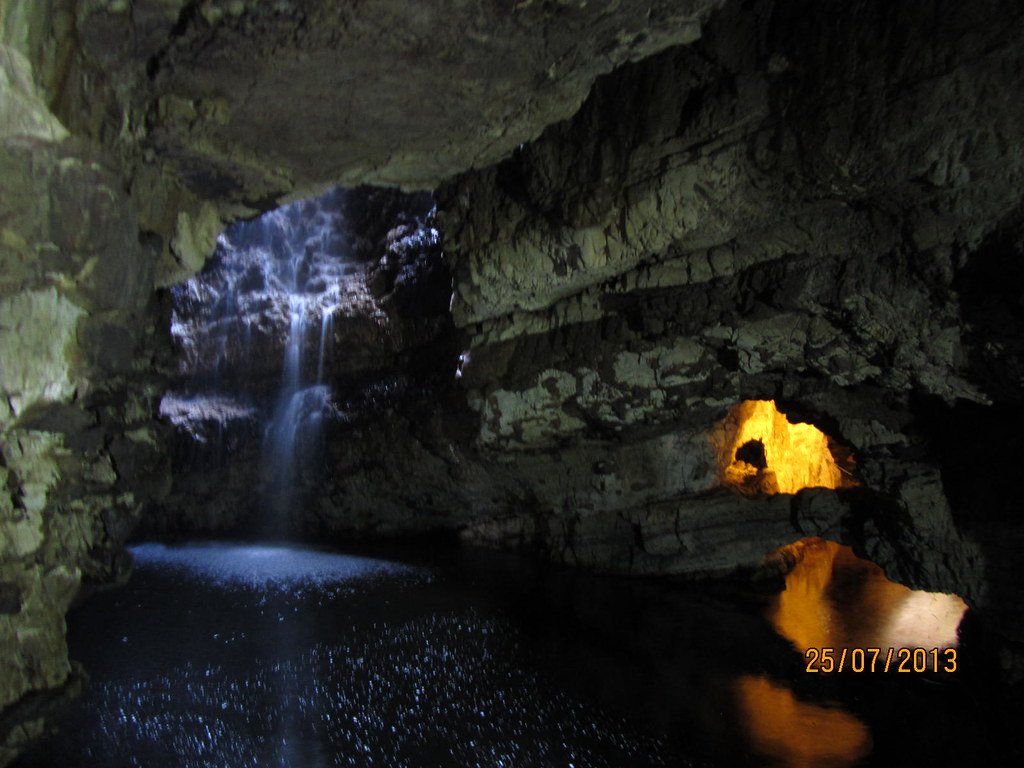
Kentucky’s underground rivers are more than a local marvel; they are windows into the past and the future of life in extreme environments. As we continue to explore these hidden waterways, we uncover the stories written in their currents, providing us with valuable lessons on survival, adaptation, and the intricate network of life. In our quest to understand the mysteries of our world and beyond, these rivers may indeed hold the key.