Amid the turquoise waters of northeastern Australia lies the Great Barrier Reef, a sprawling living structure visible from space and one of the most biodiverse ecosystems on Earth. This marine splendor, however, is at the forefront of a battle against the looming threats of climate change. With rising temperatures and ocean acidification taking a toll, scientists are embarking on an ambitious quest to engineer corals capable of withstanding such environmental hardships. Can these efforts offer a lifeline to the dying reefs?
Understanding the Threats to Coral Reefs

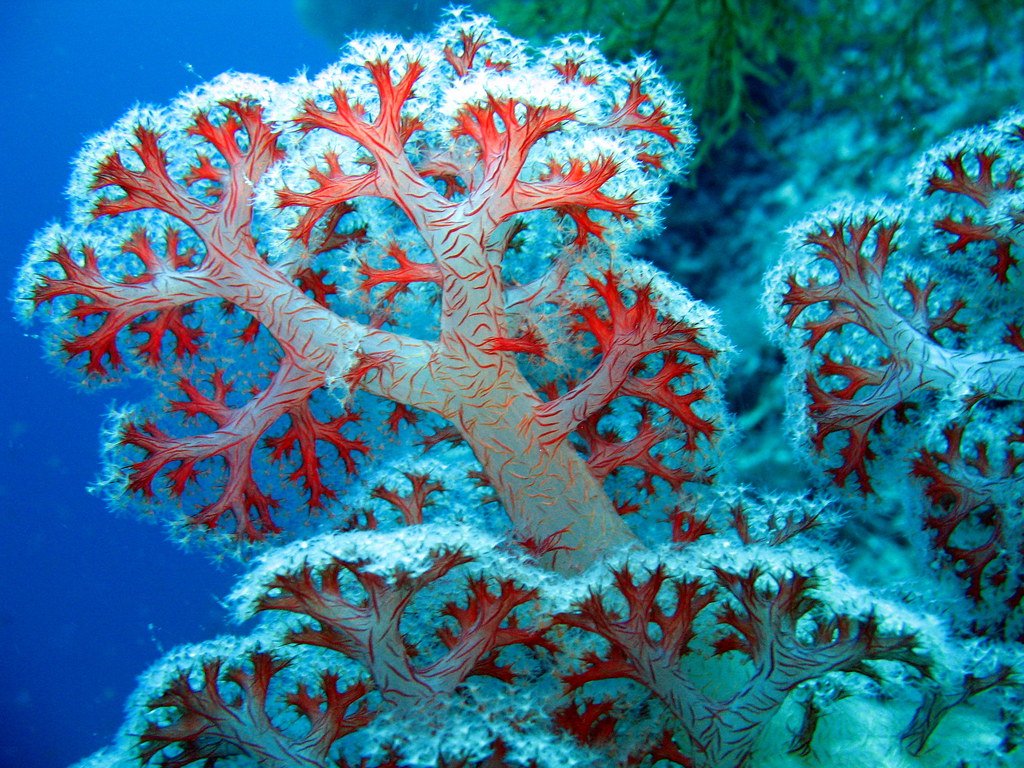
The vibrant coral gardens that form the backbone of the Great Barrier Reef are currently under significant threat. Climate change, primarily through global warming, results in higher ocean temperatures. These elevated temperatures lead to coral bleaching, an event where corals expel the symbiotic algae that give them color and nutrients. Without these algae, corals can become white and die if stress conditions persist. Additionally, ocean acidification, stemming from increased carbon dioxide absorption, diminishes the ability of corals to produce their calcium carbonate skeletons.
The Role of Corals in Marine Ecosystems

Corals are not just passive elements of their marine environment; they are vital hubs of biodiversity. They provide food and shelter to a wide array of marine life, support fisheries, and protect coastlines from erosion. The loss of coral reefs would thus ripple through marine ecosystems, affecting innumerable species, including the crucial human communities that depend on them for sustenance and economic activities.
Traditional Conservation vs. Coral Engineering

Conservation efforts for coral reefs have traditionally focused on minimizing local stressors such as pollution, overfishing, and destructive tourism practices. However, these methods fall short when addressing the global challenge of climate change. This inadequacy has spurred interest in a futuristic solution: engineering corals that can withstand higher temperatures and acidic waters.
Coral Resilience Research

Resilience in corals entails their ability to recover from stress events like bleaching. Scientists are investigating naturally resilient corals, which survive in warmer and more acidic waters than their counterparts. Understanding the genetic and biological characteristics that grant them this resilience is key to developing engineered corals.
The Promise of Genetic Engineering
Genetic engineering offers a promising avenue for enhancing coral resilience. By modifying specific genes associated with heat and acid tolerance, scientists aim to create corals that can better adapt to changing environmental conditions. This approach, while groundbreaking, also presents ethical and ecological considerations about altering natural ecosystems.
Selective Breeding of Corals

Similar to agricultural practices, selective breeding involves cross-breeding resilient coral strains to produce offspring with enhanced stress tolerance. This method takes advantage of natural genetic variations and may provide a less controversial alternative to genetic engineering.
Microbiome Manipulation in Corals
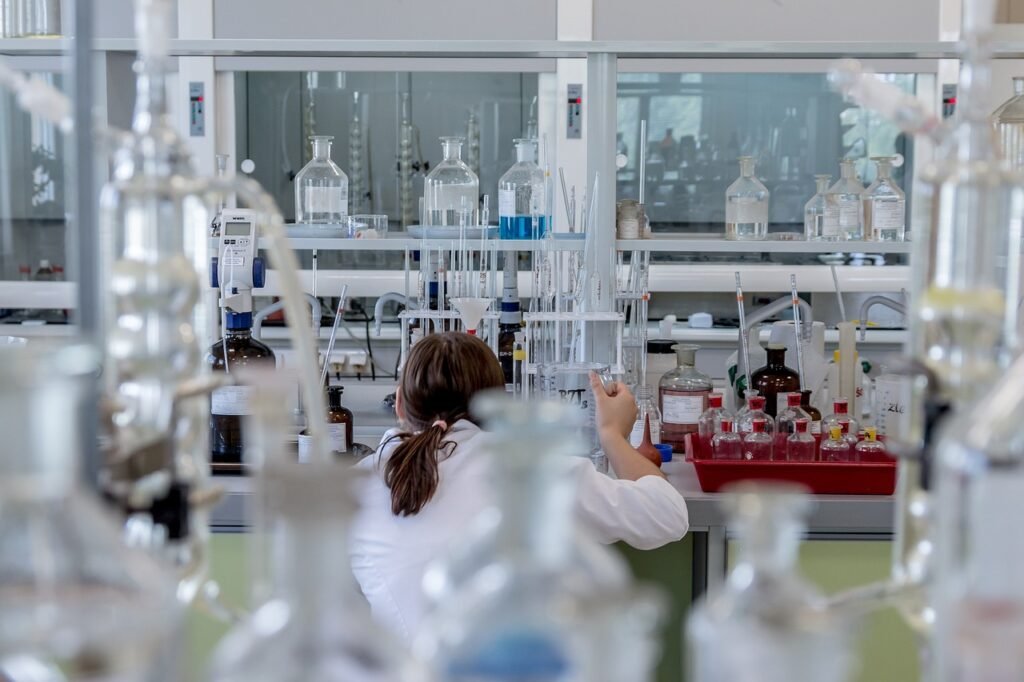
Corals rely on a symbiotic relationship not just with algae, but also with diverse microbial communities. Manipulating these microbial communities could lead to improved coral health and stress resilience. Researchers are exploring ways to introduce beneficial microbes that bolster coral defense mechanisms against climate-induced stresses.
Field Trials and Real-World Applications
Laboratory successes must transition to field trials to test engineered corals under actual reef conditions. These trials will evaluate the long-term viability and ecological impact of introducing engineered corals into natural ecosystems. Collecting data from such trials is crucial for scaling up these initiatives to larger reef systems.
Challenges and Concerns

Engineering corals is not without its challenges. Concerns arise regarding the ecological implications of introducing genetically modified organisms into natural environments. There’s also a risk that engineered corals may overshadow naturally resilient strains, leading to reduced biodiversity. Thorough research and ethical considerations are essential to address these challenges.
The Role of Policy and International Cooperation

Global collaboration and sound policy-making are critical in supporting coral engineering efforts. Initiatives like the Paris Agreement aim to limit global temperature rise, directly benefiting coral ecosystems. International collaboration can also ensure equitable distribution of advanced coral strains to vulnerable reef systems worldwide.
Community Engagement and Indigenous Knowledge

Engaging local communities and incorporating Indigenous knowledge are vital for the success of coral conservation projects. Indigenous practices often offer traditional insights into effective reef management that modern science can complement. Collaborative efforts can enhance the sustainability and acceptance of coral engineering initiatives.
The Future of Coral Reefs

While coral engineering presents a hopeful avenue, it is not a panacea for climate change. The future of coral reefs hinges on broader climate action efforts, including reducing greenhouse gas emissions. Coral engineering, coupled with traditional conservation and global climate initiatives, could offer a multifaceted approach to preserving these vital ecosystems.
The Great Barrier Reef stands as a natural marvel and a stark reminder of the urgent need to innovate and adapt. While the quest to engineer corals is fraught with challenges, it represents humanity’s determination to preserve one of its most precious natural treasures. Through scientific ingenuity and global cooperation, we strive to ensure that corals continue to thrive in a rapidly changing world.