The medaka fish, often overlooked in the vast world of aquatic life, holds secrets that intrigue researchers and nature enthusiasts alike. These small but resilient creatures are more than just delicate inhabitants of freshwater environments. Recently, scientists have turned their gaze toward the medaka’s nocturnal behaviors, unraveling a hidden world that challenges our understanding of these vibrant fish. This article delves into the fascinating nighttime habits of wild medaka fish, shedding light on what happens when the rest of the world sleeps.
Introduction to Medaka Fish
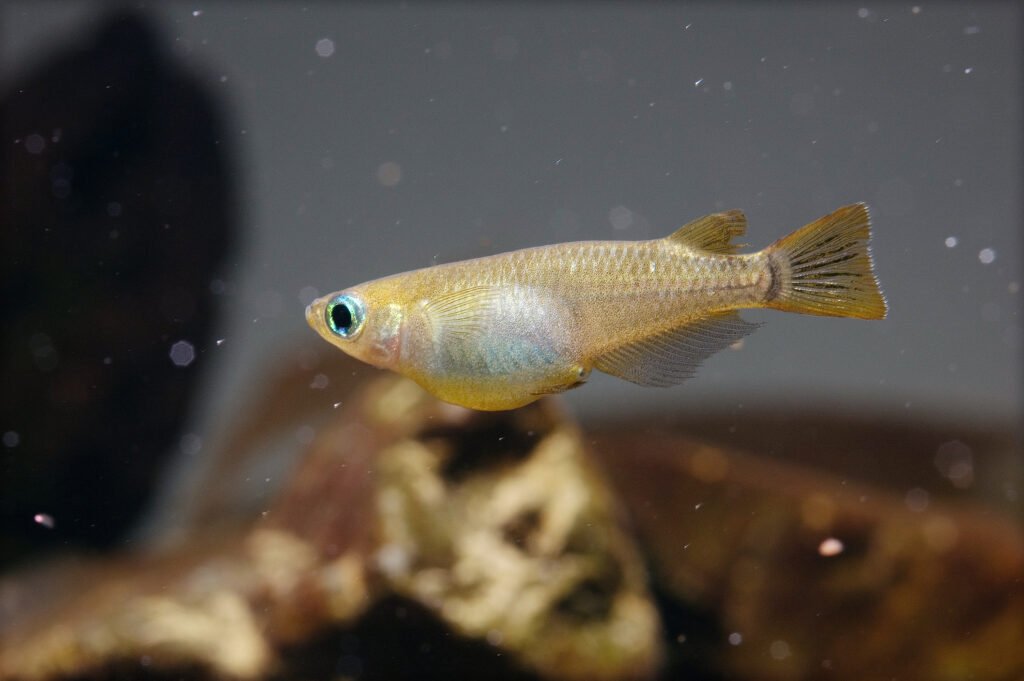
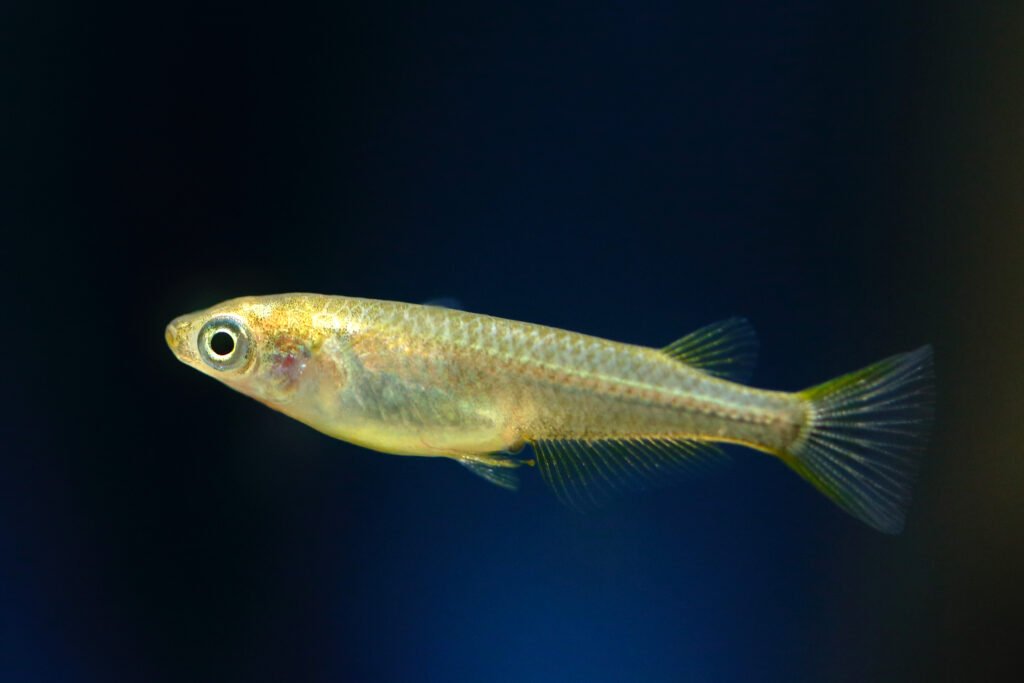
Medaka fish, or Oryzias latipes, are small, colorful freshwater fish native to East Asia, particularly found in Japan, China, and Korea. Known for their adaptability, they thrive in various environments including rice paddies, ponds, and marshes. These fish are often used in scientific research due to their hardy nature and transparent embryos, which allow researchers to observe internal processes without invasive procedures.
The Mystery of Medaka’s Night Life
While medaka fish are active during the day, spending their time foraging and interacting in social shoals, a lesser-known side of their lives comes alive at night. Contrary to the assumption that these fish simply rest in the dark, evidence suggests that they engage in a different set of behaviors after sunset, hinting at a complex circadian rhythm. These nocturnal activities have piqued the curiosity of researchers aiming to uncover the purpose and significance of their nighttime escapades.
Nocturnal Foraging Habits
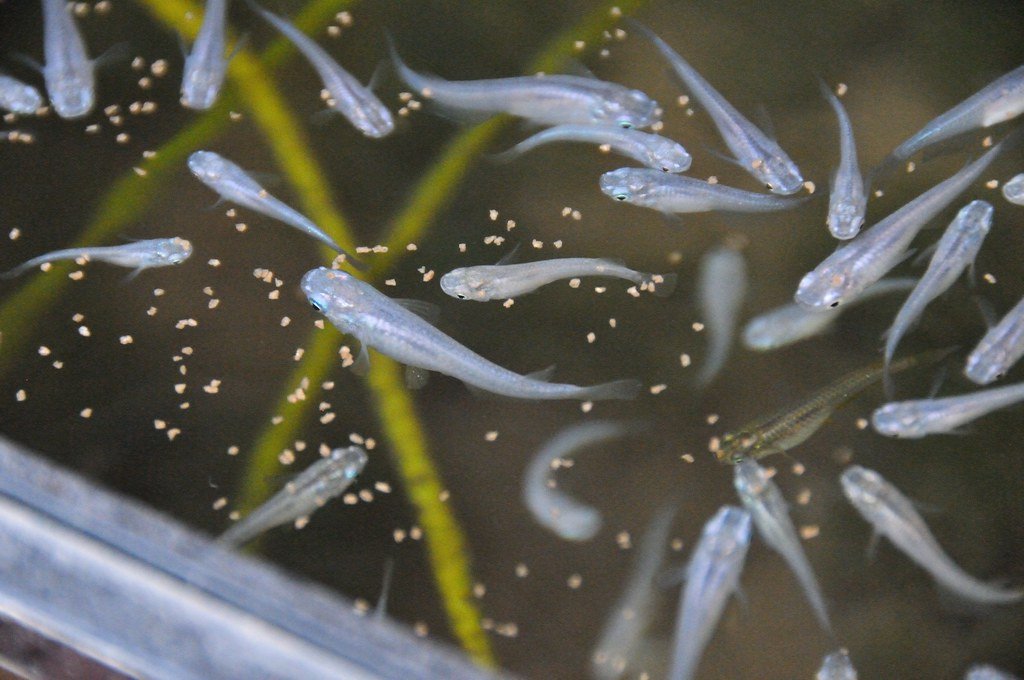
Diving into the darkness of night, medaka fish often continue their foraging activities, albeit in a more subdued and strategic manner. With reduced visibility, these fish rely on their other senses to find food, potentially seeking out smaller prey or using scent trails left by food sources during the day. This behavior highlights the medaka’s adaptability and resourcefulness in exploiting available resources regardless of the light conditions.
Social Dynamics Under the Stars

Medaka fish are known for their vibrant social interactions, which are maintained even at night. Observations reveal that these fish often engage in unique social behaviors under the moonlight, potentially strengthening bonds within their social groups. These interactions could play a crucial role in communication, territory marking, or mate selection, emphasizing the complexity of their social structures beyond daylight hours.
Predator Avoidance Strategies
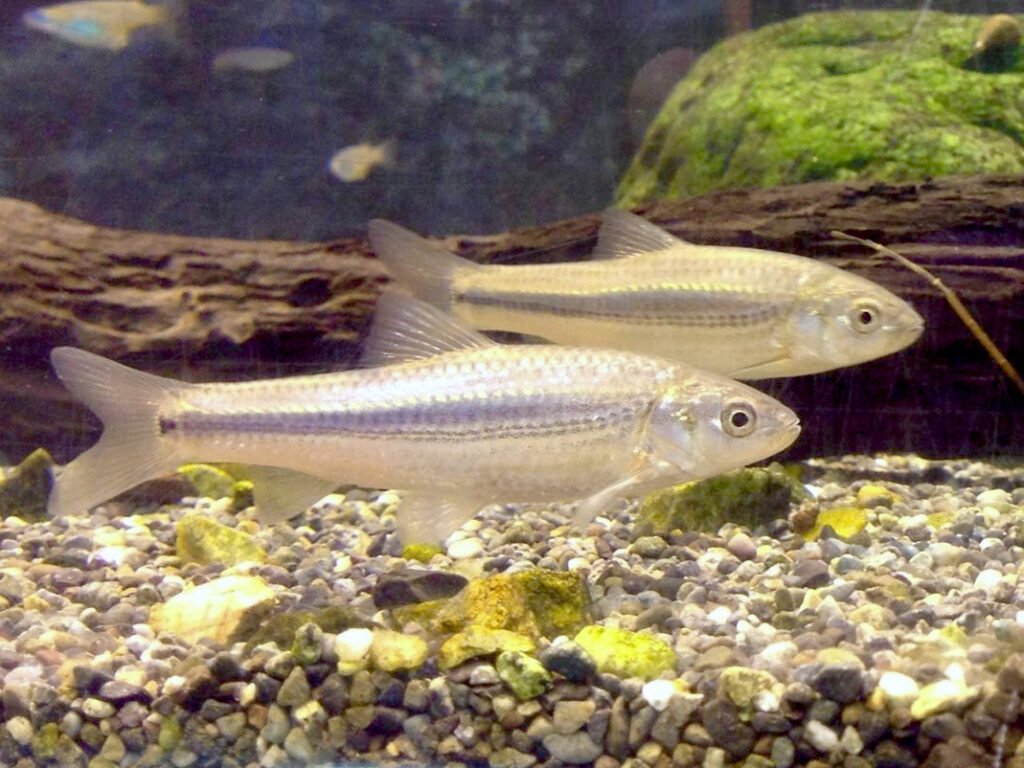
With the cover of darkness offering both opportunities and threats, medaka fish have developed fascinating strategies to avoid nocturnal predators. By staying closer to the substrate or congregating in larger groups, these fish can reduce their chances of being singled out by nocturnal hunters. Their ability to blend into the environment is an evolved trait that highlights the importance of survival tactics in the face of potential nighttime dangers.
The Role of Light and Environment
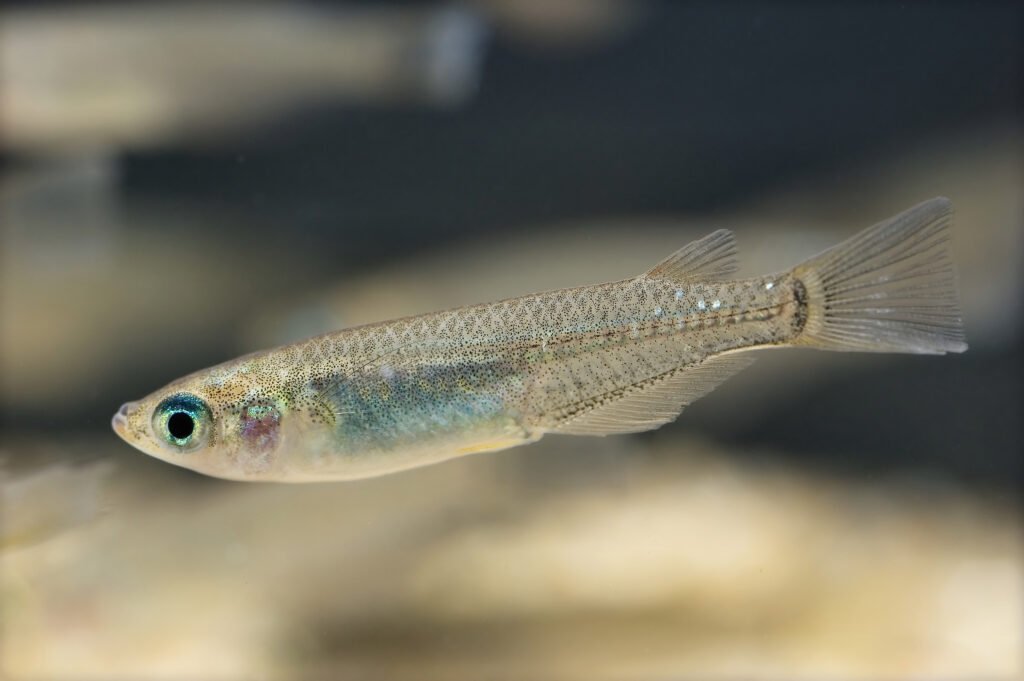
Environmental factors, particularly light pollution from urban areas, can significantly impact the nocturnal behavior of medaka fish. Studies suggest that artificial lighting disrupts their natural activity patterns, potentially affecting their feeding and social behaviors. Understanding these impacts is critical as it informs conservation efforts and underscores the need for preserving natural habitats to maintain the delicate balance of aquatic ecosystems.
Research and Technological Advances

Advancements in research techniques have allowed scientists to observe medaka fish in their natural nighttime environment without disturbing their behaviors. Tools such as infrared cameras and non-invasive tracking systems provide valuable insights into how these fish navigate and survive in the dark. These technologies continue to unveil the enigmatic lives of medaka, offering a window into previously unseen aspects of their existence.
The Implications for Aquarium Enthusiasts

For those who keep medaka fish as pets, understanding their nocturnal behaviors can enhance their care. Providing environments that mimic natural conditions, including periods of darkness and varied habitats, can promote healthier, more resilient fish. Observing medaka at night can also offer hobbyists a unique perspective on their pets, revealing hidden aspects of their behavior that are not usually visible during the day.
Concluding Thoughts
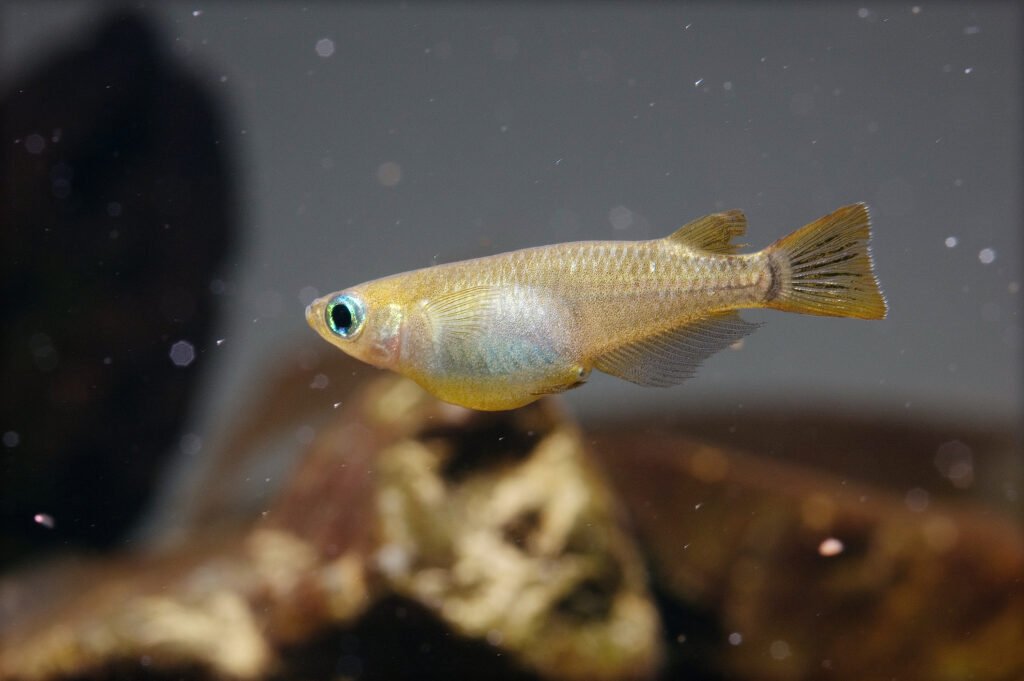
The secret nightlife of wild medaka fish offers a captivating glimpse into the complex world of these small but mighty creatures. Through continued research and observation, we gain a deeper appreciation for the adaptive strategies and social dynamics that characterize their nocturnal lives. As we uncover more about these fascinating fish, we enrich our understanding of the delicate interconnections that define aquatic ecosystems and emphasize the importance of conservation efforts dedicated to preserving their natural habitats.