
Dinosaurs have long captured the imagination of both scientists and the public with their enormous sizes and varied forms. However, the prehistoric world was home to an array of other creatures that, in many ways, outshine dinosaurs in terms of weirdness and wonder. These fascinating beings filled the oceans, skies, and lands, each with unique adaptations that made them perfectly suited to their prehistoric environments. Join us as we journey back in time to explore ten astonishing creatures that thrived before or alongside dinosaurs, challenging our perceptions of ancient life.
Anomalocaris: The Bizarre Sea Predator
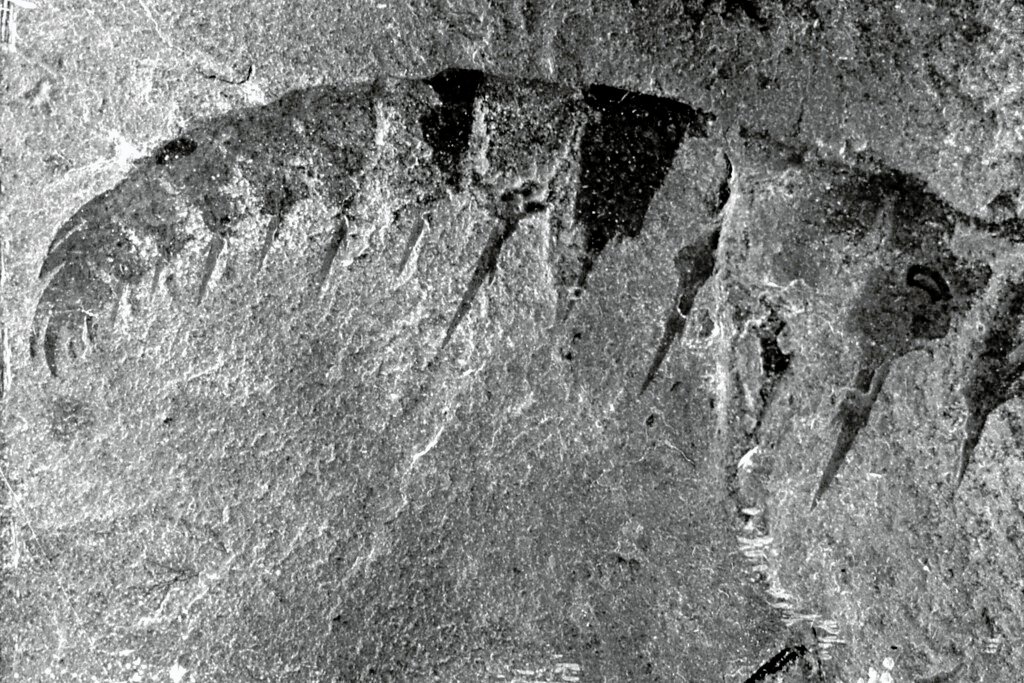
Anomalocaris, often translated to “abnormal shrimp,” was one of the most peculiar and formidable predators of the Cambrian period, around 520 million years ago. Measuring nearly three feet long, this marine creature had a soft, segmented body and a mouth full of radiating plates, resembling a pineapple slicer, which it used to crush its prey. It also had two large, compound eyes that provided excellent vision and a pair of armlike appendages to grasp its food. The Anomalocaris was a dominant force in the ancient seas, preying on trilobites and other marine organisms in a world that was just beginning to see an explosion in life’s diversity.
Dunkleosteus: The Armored Fish Giant

Dwelling in the Devonian period, around 358-382 million years ago, Dunkleosteus was a predatory fish unlike any other. It grew up to 33 feet long and possessed a heavily armored head with sharp, beak-like jaw plates capable of slicing through prey with tremendous force. Despite lacking true teeth, Dunkleosteus could crush and consume anything from fish to other armored residents of the ancient seas. As one of the top predators of its time, Dunkleosteus illustrates the incredible diversity and size that vertebrate life achieved before the age of dinosaurs.
Opabinia: The Five-Eyed Mystery
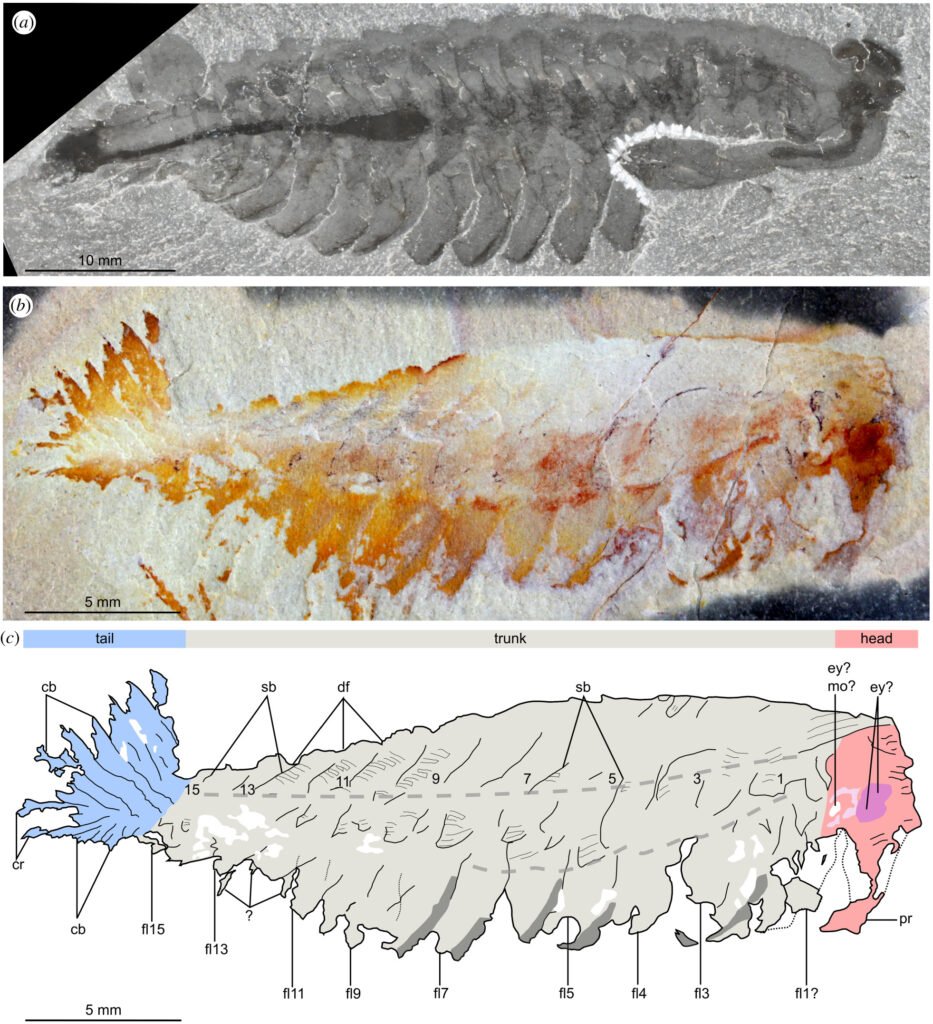
The small, soft-bodied Opabinia, measuring about three inches long, inhabited the shallow seas of what is now the Burgess Shale during the Middle Cambrian period, approximately 505 million years ago. Distinctive for its five stalked eyes and a long, flexible proboscis used for catching prey, Opabinia is one of the most bizarre creatures ever discovered. Its mouth was located under its head, facing backward, and its body was segmented with lobes for swimming. The peculiar anatomy and ecology of Opabinia provide a glimpse into the experimental designs of early animal life.
Hallucigenia: The Spiked Enigma
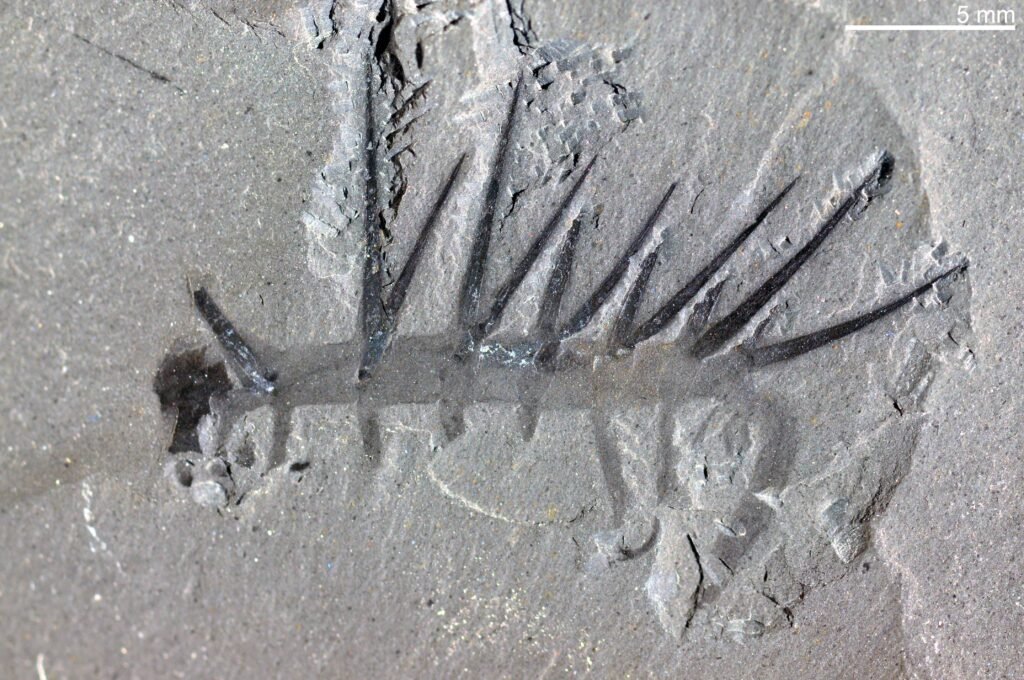
Hallucigenia, aptly named for its bizarre and almost hallucinatory appearance, walked the oceans of the Cambrian period over 500 million years ago. This tiny creature, only about an inch long, sported seven pairs of spiny legs on an elongated body, with each leg tipped with a single claw. Researchers initially struggled to understand this organism’s orientation, often debating which side was the top. Its colorful spikes and unusual body structure made Hallucigenia a standout among its contemporaries, surviving in the soft seabeds by scavenging for food particles.
Helicoprion: The Buzzsaw Killer

Helicoprion was an eerie, spiral-jawed marine predator that roamed the oceans around 290 million years ago. Its most distinct feature was its spiral-shaped dentition, a “whorl” of teeth within its lower jaw that looked uncannily like a buzz saw. These structures likely helped the creature to shred through prey, such as cephalopods and small fish. Helicoprion’s fossilized remains mainly consist of these jaw structures, leaving scientists to imagine its full form. This creature offers insight into the wild diversity of ancient marine ecosystems and the evolution of cartilaginous fish.
Meganeura: The Giant Dragonfly

Meganeura were ancient relatives of modern dragonflies that soared through the skies during the Carboniferous period, around 300 million years ago. With a wingspan reaching up to 2.5 feet, they were among the largest flying insects ever. The warm, oxygen-rich atmosphere of the Carboniferous period likely supported their enormous size. Their diet probably consisted of other insects and small amphibians, making them formidable aerial predators of their time. Meganeura demonstrates how ancient atmospheric conditions influenced insect evolution, leading to sizes not seen among terrestrial arthropods today.
Arthropleura: The Armored Millipede

The Arthropleura was a colossal millipede-like creature that roamed the lush coal forests during the Carboniferous period, roughly 340 million years ago. Growing over eight feet long, it holds the title of the largest known land invertebrate. Its extensive, armor-like segments and jointed legs made it a formidable presence in its environment, likely feeding on decomposed plant material. Arthropleura’s size and survival are credited to the vast array of vegetation and high oxygen levels of the time, offering a glimpse into a period when invertebrates ruled the forest floors.
Therizinosaurus: The Clawed Herbivore
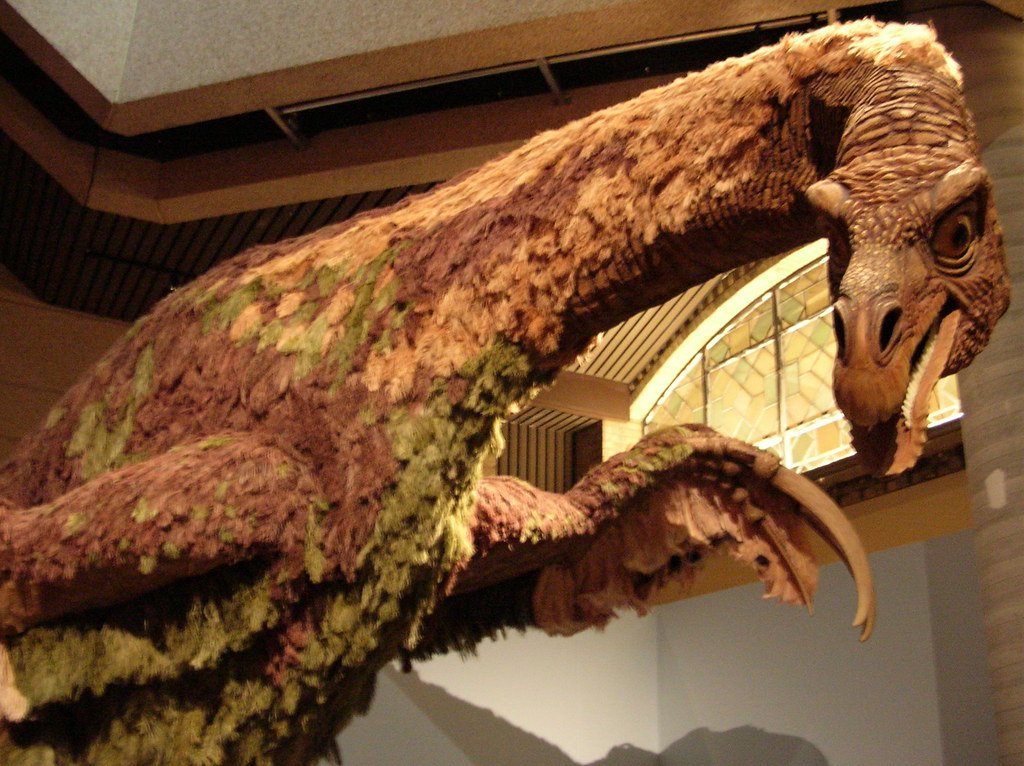
While dinosaurs often dominate prehistoric discussions, some species sit at the intersection of weirdness and isolation from their reptilian counterparts. Therizinosaurus, a theropod from the Late Cretaceous period around 70 million years ago, is one such example. Standing about 33 feet in length and equipped with enormous, scythe-like claws that extended over three feet, it appeared menacing but was likely an herbivore. Its peculiar adaptations include a long neck, a broad body, and a beak for stripping vegetation, providing valuable insight into convergent evolutionary paths.
Arandaspis: A Jawless Ancestor
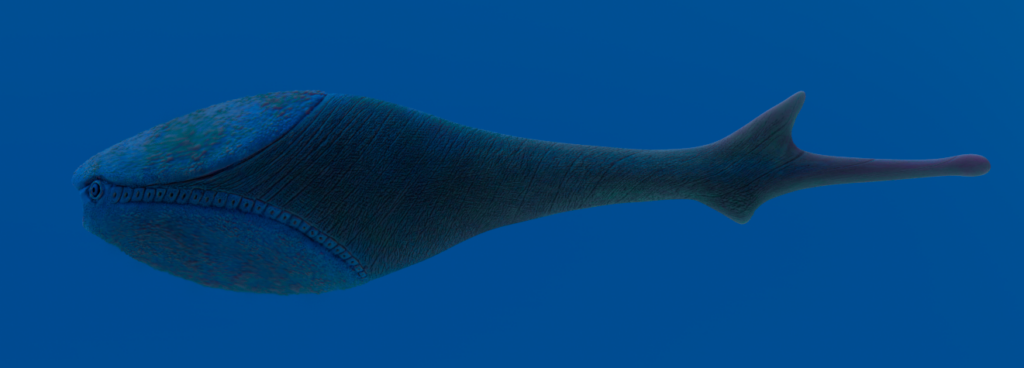
Arandaspis was one of the earliest types of fish and identifiable by its lack of jaws. Living during the Ordovician period, over 460 million years ago, it was a small, streamlined creature protected by bony scales. Equipped with filter-feeding capabilities similar to modern-day bivalves, Arandaspis glided through ancient marine environments feeding on plankton. Its simple design and place in the fossil record make it a pivotal step in understanding the evolution of vertebrates and the shift from primitive to complex animal forms.
Estemmenosuchus: The Plant-Eating Beast
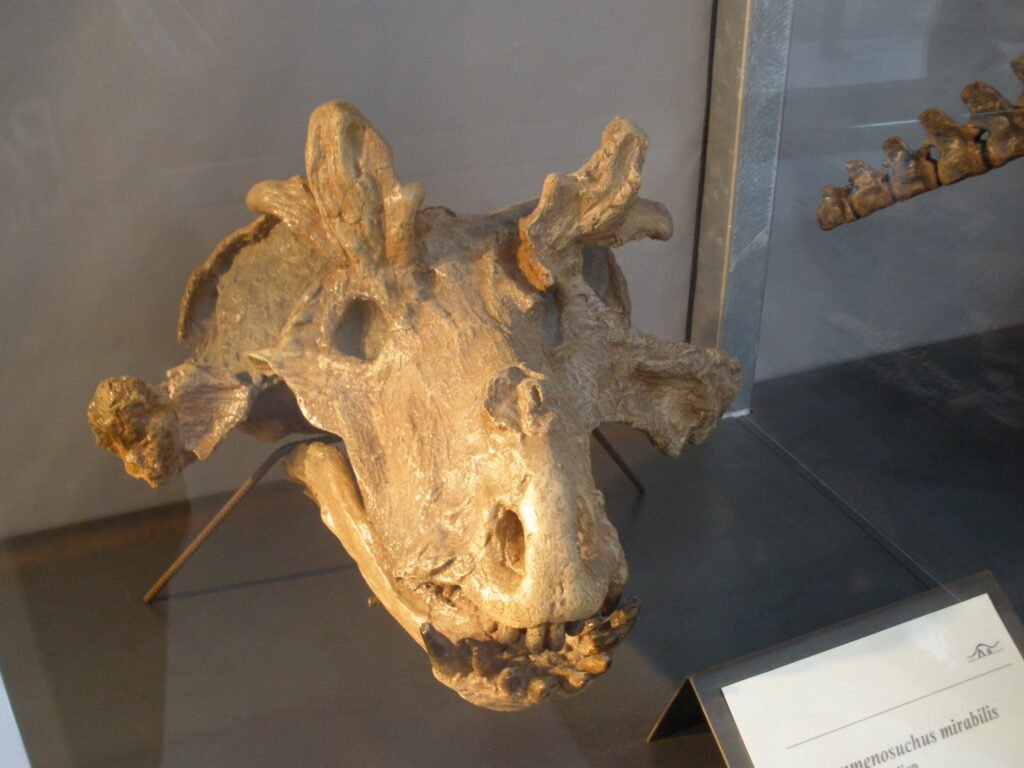
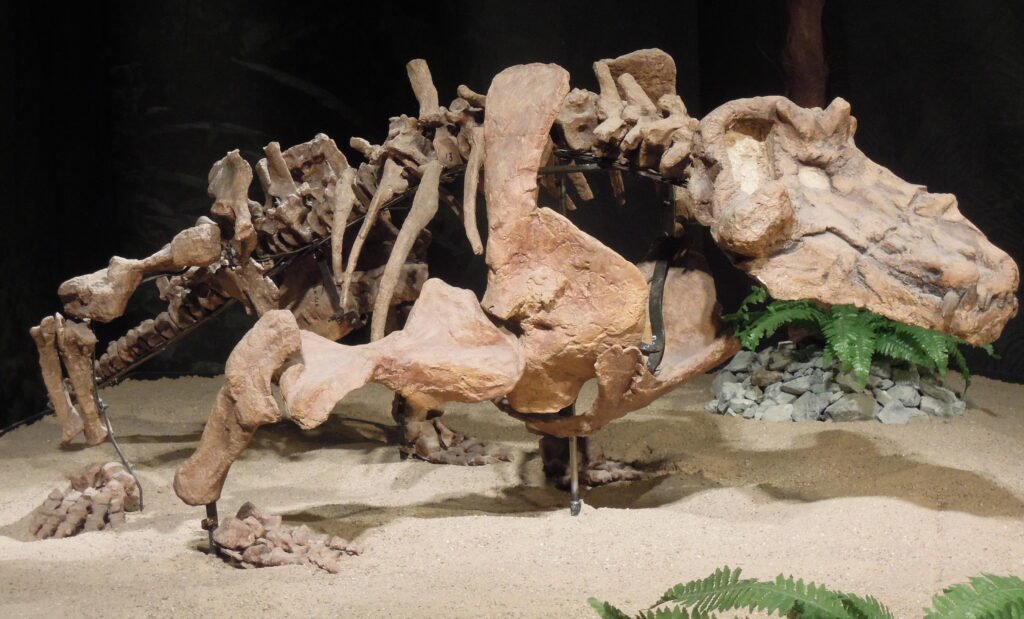
Estemmenosuchus, a non-mammalian synapsid, roamed the Permian landscape around 260 million years ago. Sporting a robust, body with horn-like projections on its skull, it initially appeared to be a predator. However, evidence suggests a herbivorous lifestyle, using its large body to process vast quantities of plant material. Estemmenosuchus demonstrates early terrestrial vertebrate diversity and provides crucial context for the evolution leading to mammals. This peculiar creature highlights the complex and varied evolutionary paths taken by prehistoric life.
Concluding our journey into the prehistoric world, we observe that the history of life on Earth is as diverse as it is bizarre. Each of these remarkable creatures demonstrates unique adaptations and evolutionary strategies, emphasizing that dinosaurs were not exclusive residents of ancient Earth. The wide array of peculiar forms speaks to a time of incredible experimentation by nature, leading to the dynamic tapestry of life we see today. As paleontologists continue uncovering the mysteries of the past, these extraordinary beings remind us of the planet’s awe-inspiring history and the perpetual march of evolution.