
Zoos have been a topic of debate for decades, oscillating between premises of education, conservation, and ethical concerns. As global ecosystems face unprecedented challenges, the question arises: Are zoos contributing positively to conservation efforts, or do they hinder the natural progression of species? While this is a complex issue, exploring the multifaceted role zoos play in both conserving and sometimes conflicting with the welfare of wildlife offers insights into their evolving future.
Historical Background of Zoos
Historically, zoos evolved from royal menageries of the past, where exotic animals were collected primarily for display and prestige. The modern zoo concept began in the 19th century, with a focus on public education and the conservation of species. Over time, public attitudes shifted towards more ethical considerations in animal care, prompting zoos to adapt their policies in response to these changing perspectives.
Zoos as Conservation Centers
In recent years, zoos have positioned themselves as critical players in global conservation efforts. Many institutions participate in breeding programs for endangered species, aiming to reintroduce these animals back into the wild. For instance, the successful reintroduction of the Arabian oryx and the California condor illustrates zoos’ potential as sanctuaries for species restoration.
The Role of Zoos in Research
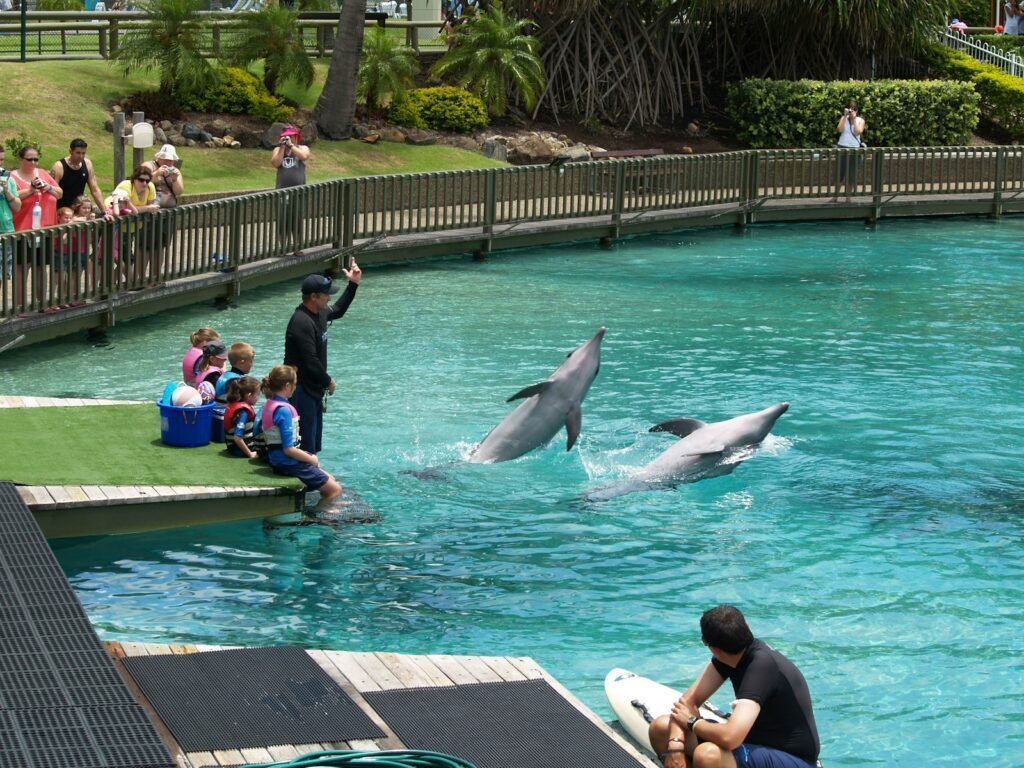
Zoos also serve as hubs for research, offering valuable data on animal behavior, genetics, and health. This research facilitates better understanding of species’ needs and challenges, paving the way for improved conservation strategies. Collaborations between zoos and academic institutions further enhance the credibility and impact of these research initiatives.
Educational Outreach and Public Engagement
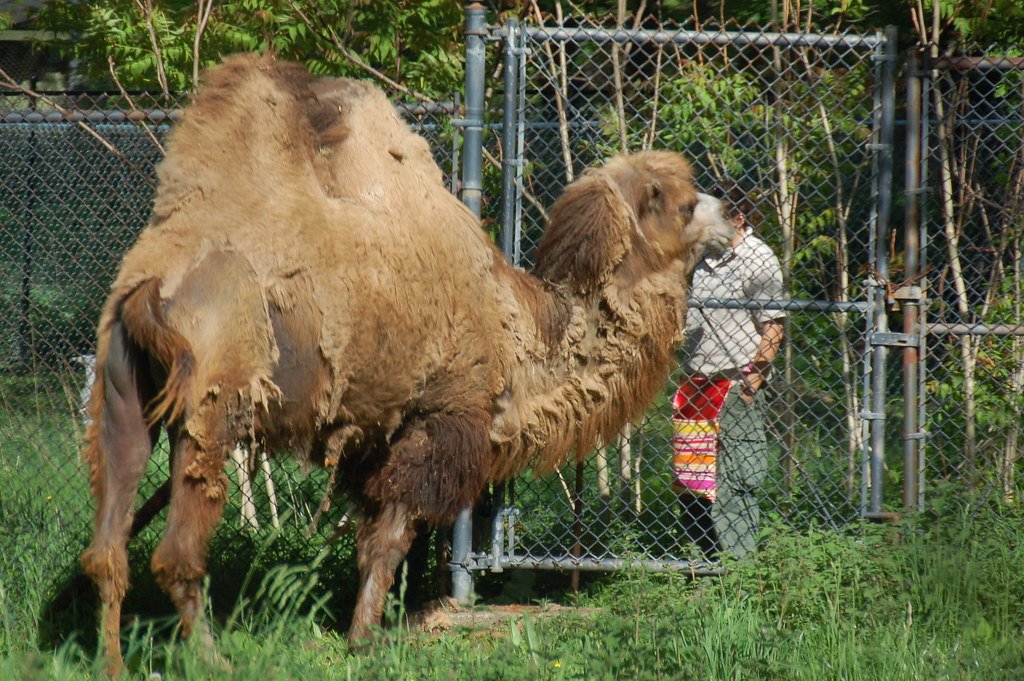
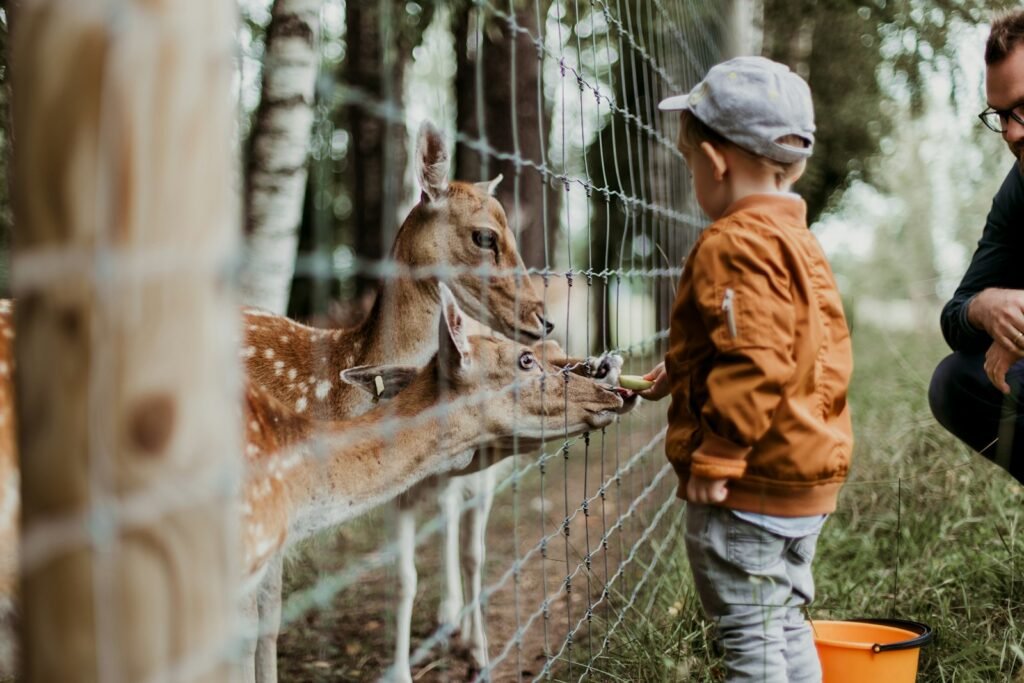
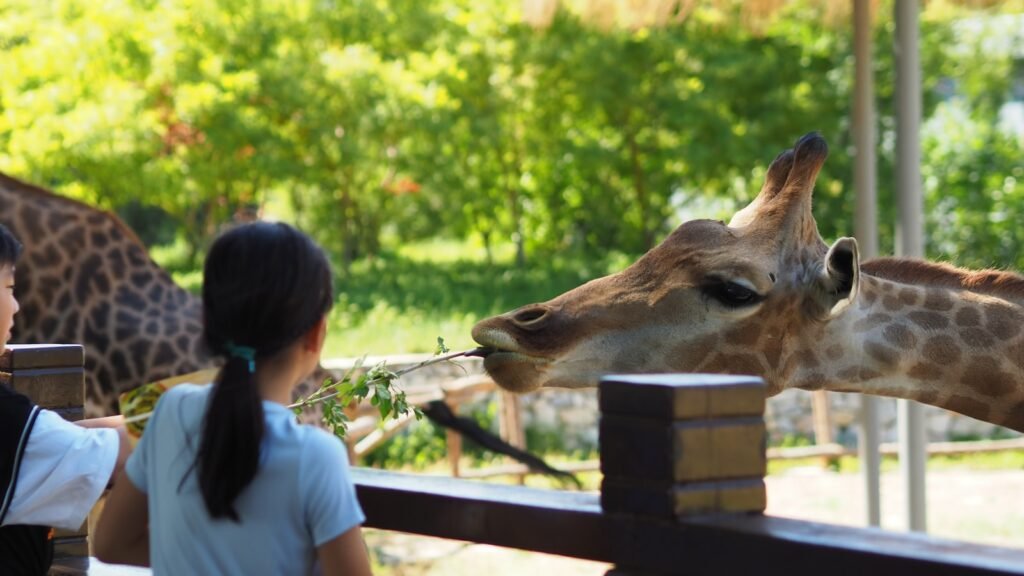
Zoos have traditionally played an important role in educating the public about biodiversity and the importance of conservation. By creating immersive experiences and informative programs, zoos facilitate a connection between humans and wildlife, fostering a sense of stewardship towards the environment.
Criticisms and Ethical Concerns
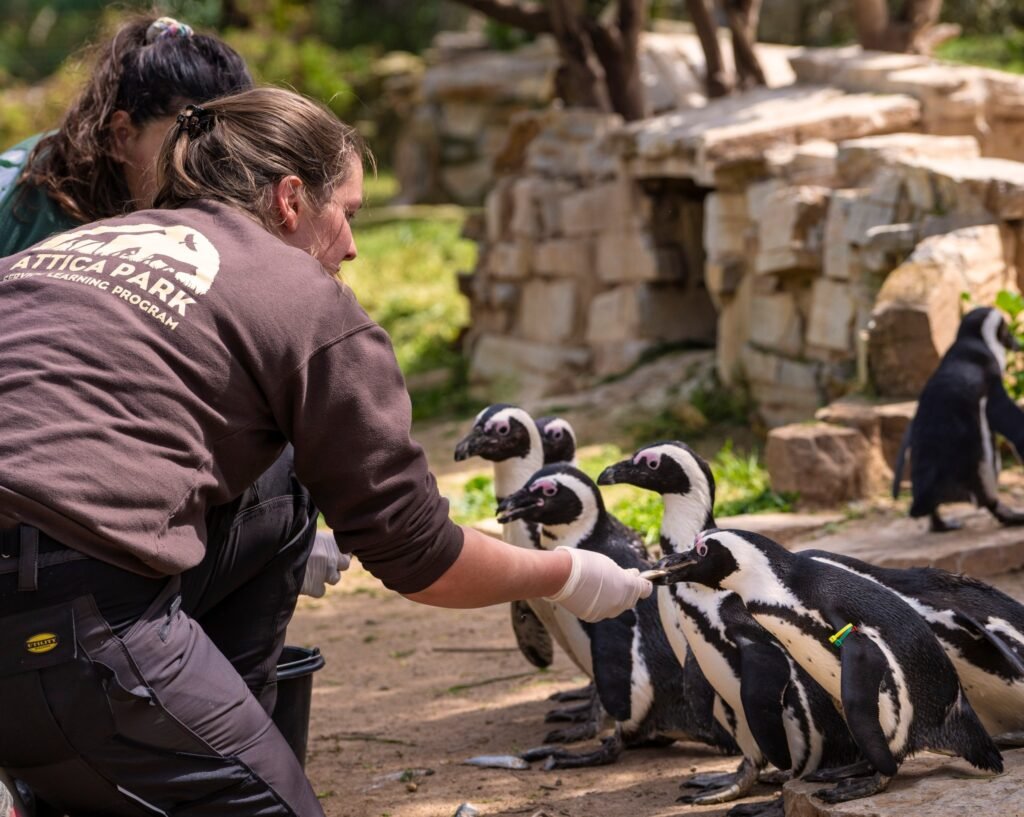
Despite their contributions, zoos face significant criticism regarding animal welfare and ethical practices. Critics argue that confinement can lead to physical and psychological distress in animals, which contradicts conservation efforts. High-profile incidents and reports of poor conditions have occasionally tainted the reputation of these institutions, raising questions about the moral implications of keeping animals in captivity.
Impact on Animal Behavior and Development
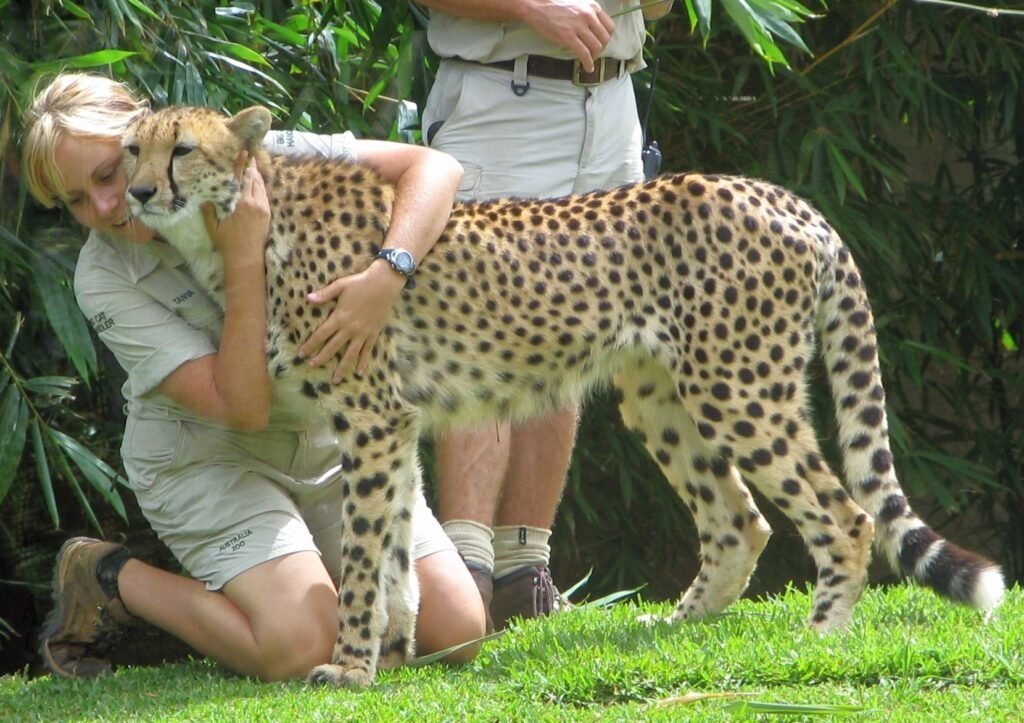
Animals in zoos can exhibit behaviors not typically observed in the wild, such as pacing or excessive grooming, which are often indicators of stress or boredom. Such conditions can hinder the animals’ ability to thrive should they be reintroduced into their natural habitats, questioning the effectiveness of captive breeding programs.
Redefining Zoo Culture
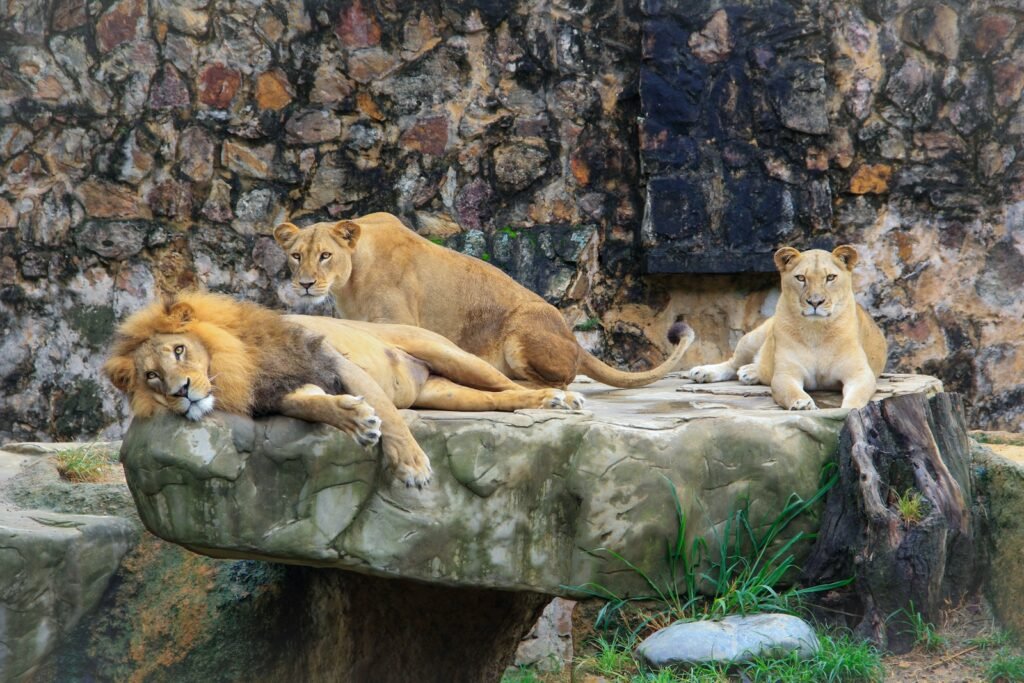
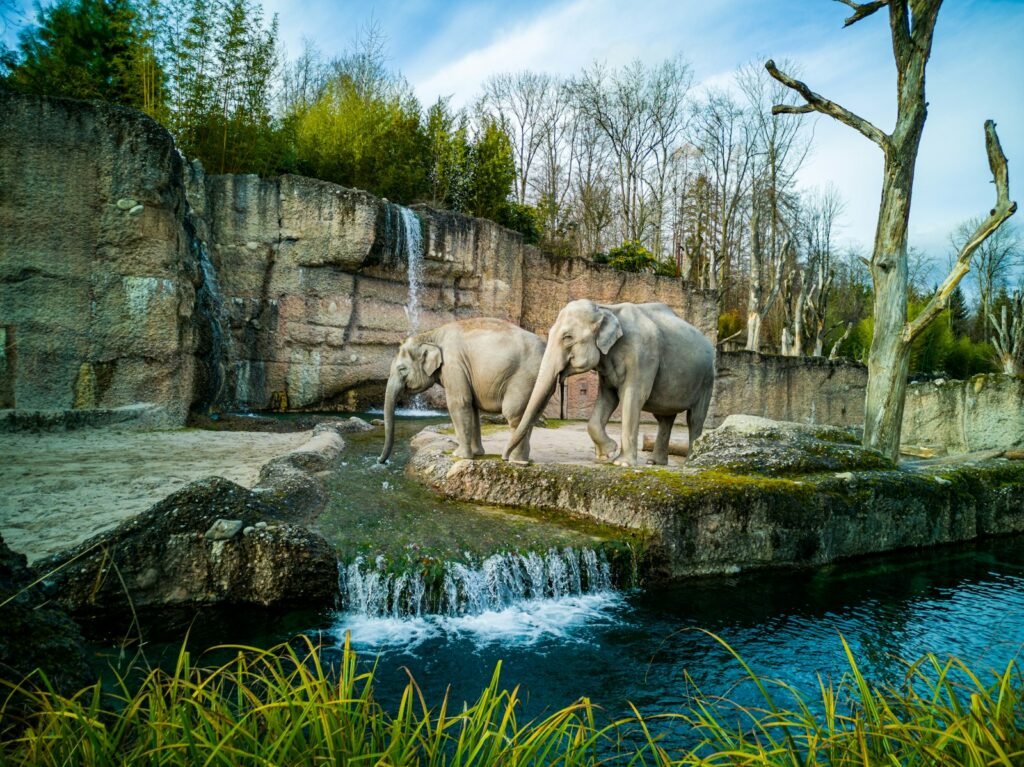
In response to growing ethical concerns, many zoos are transforming their models to prioritize animal welfare and naturalistic habitats. Innovations in zoo design focus on mimicking natural environments where animals can exhibit natural behaviors, thus improving their quality of life.
In Situ vs. Ex Situ Conservation
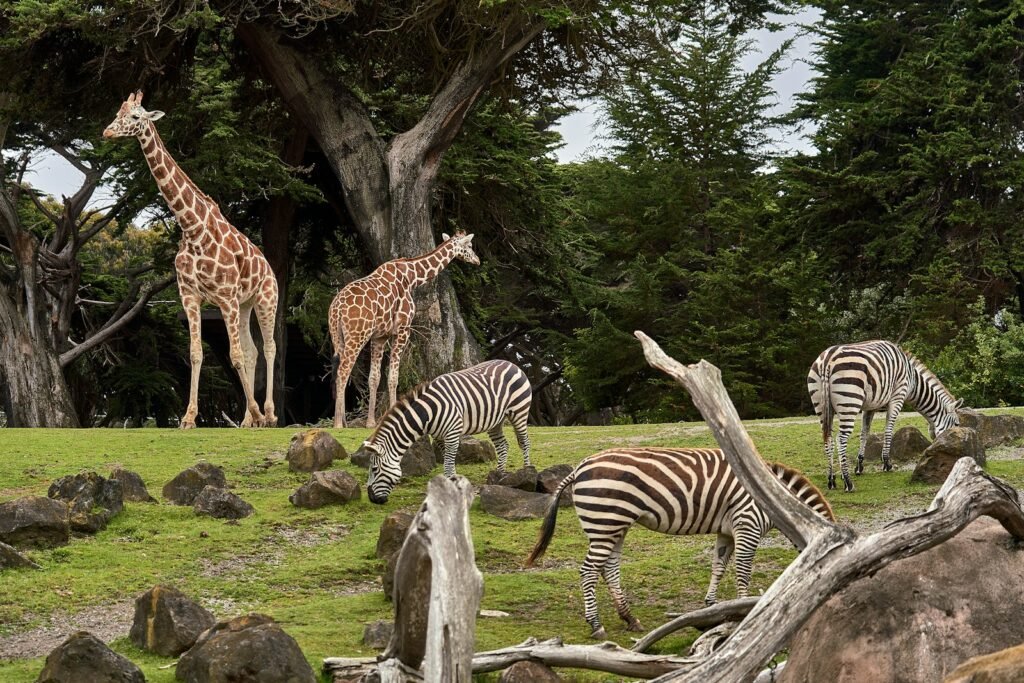
While zoos traditionally focus on ex situ conservation (outside the natural habitat), there’s an increasing emphasis on in situ efforts (within the natural habitat). By partnering with local and international conservation groups, zoos can support habitat preservation and community-based conservation efforts, offering a holistic approach to wildlife protection.
Challenges and Limitations
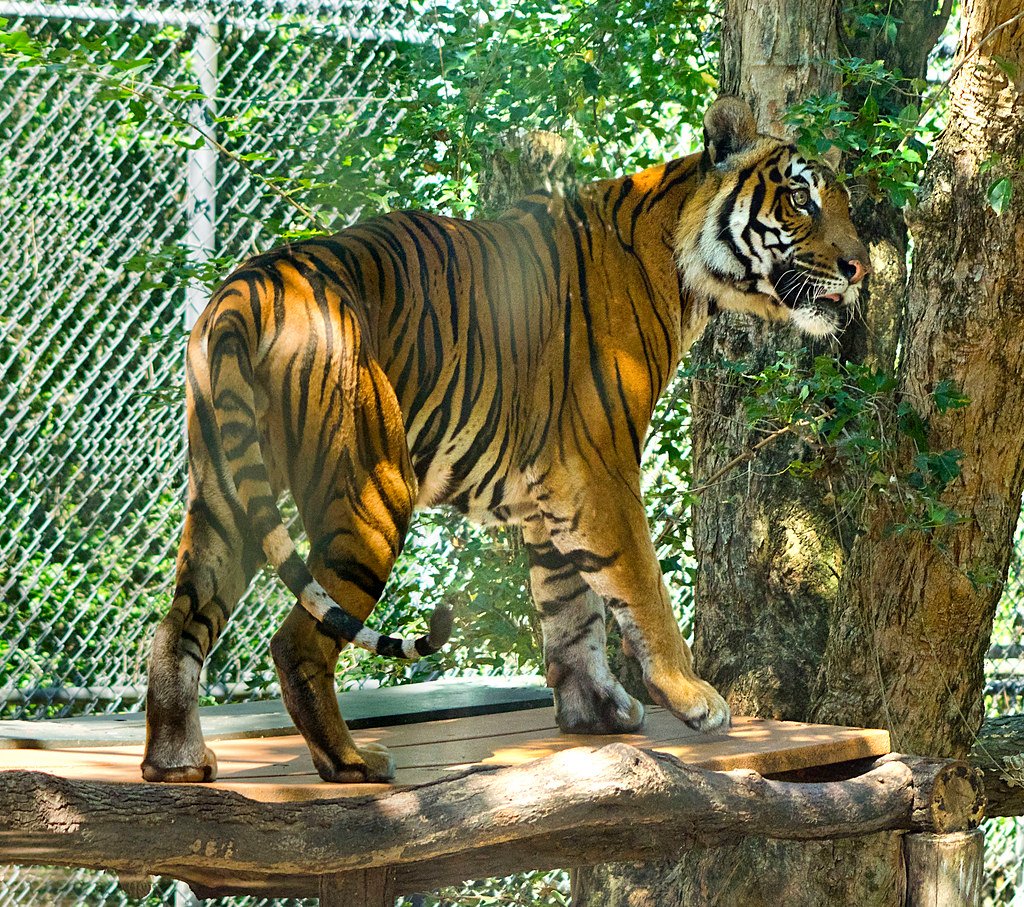
Despite these initiatives, challenges remain. The financial demands of maintaining state-of-the-art facilities and conservation programs are high, and not all zoos have access to the resources needed to implement changes. This disparity raises concerns over the consistent quality of care and the ethical implications across different institutions.
The Future of Zoos
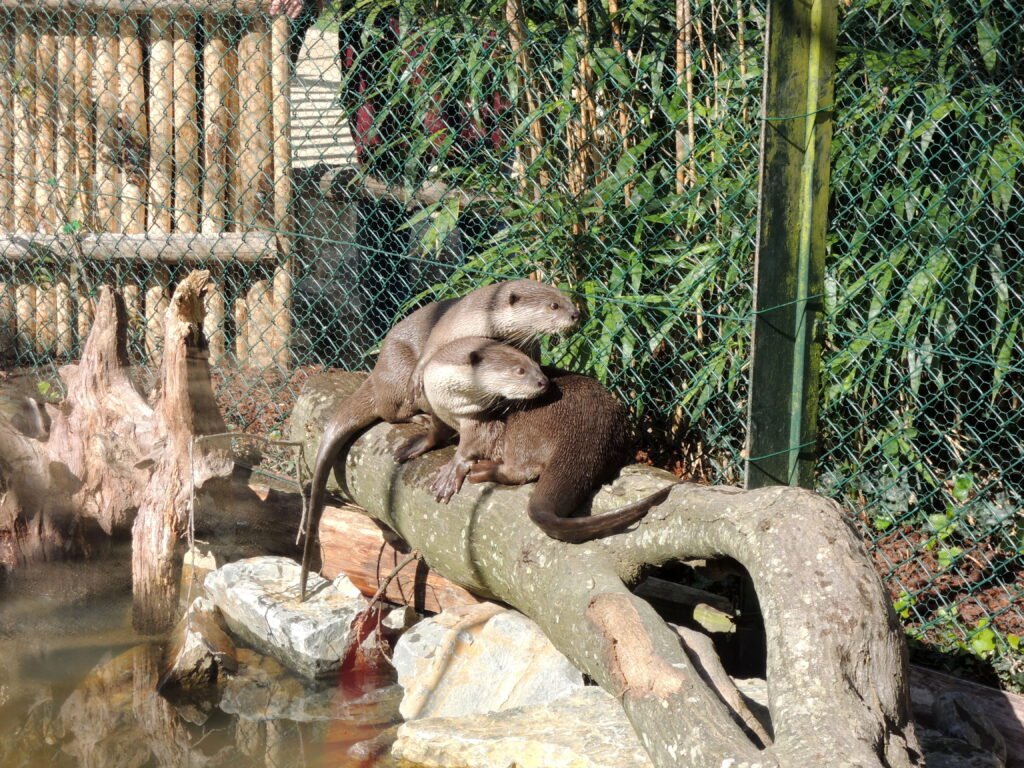
As conservation priorities continue to evolve, the future of zoos lies in balancing their role as sanctuaries, educators, and research centers while ensuring ethical practices that prioritize animal welfare. Innovative approaches, stakeholder collaboration, and community involvement will be crucial in redefining the purpose and function of zoos worldwide.
Conclusion

Zoos occupy a unique position at the intersection of conservation, education, and ethical debate. While they possess the potential to make significant contributions to wildlife conservation, they must overcome considerable challenges and ethical concerns. The future of zoos will depend on their ability to adapt to changing societal values and to find more sustainable, humane ways to support global biodiversity.