Ben Barres was a celebrated neurobiologist whose groundbreaking work significantly impacted the field of neuroscience. Though he was widely recognized for his scientific contributions, Barres also championed gender equality in science, both through his advocacy and life as a transgender scientist. However, his association with a mysterious plant compound allegedly capable of treating cancer is an intriguing narrative that often fascinates those with a penchant for medical tales. While Barres largely contributed to neuroscience, the prospect of a plant-based cancer treatment underscores the multidisciplinary nature of scientific discovery.
Ben Barres: A Trailblazer in Neuroscience
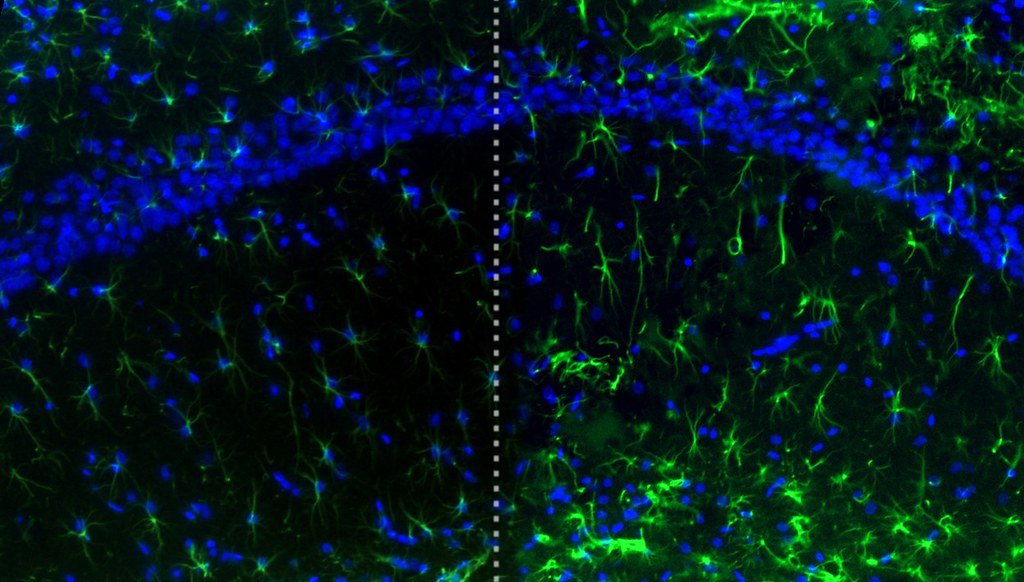
Ben Barres’ professional life predominantly revolved around studying glial cells, particularly astrocytes, a type of cell in the central nervous system that supports neurons. Barres’ research unveiled the critical role of astrocytes in the maintenance and functionality of synapses, significantly advancing our understanding of brain biology. His work on glial cells opened new avenues for understanding complex brain processes and the pathology of neurodegenerative diseases.
Barres was not only a dynamic scientist but also a vocal advocate for diversity in STEM fields. He spoke openly about issues like gender bias and closed the gap between different groups within the scientific community, making sure everyone — regardless of their identity — had an equal opportunity to contribute.
The Discovery of a Mysterious Plant Compound

In the realm of plant-based treatments, many naturally occurring compounds have shown promise in preliminary studies. The quest to harness plant compounds for cancer treatment reflects a broader scientific effort to discover and refine new therapeutic agents. Many plants have been utilized in traditional medicine for centuries, and researchers continue to explore their biochemical properties seeking innovative ways to combat diseases such as cancer.
The tale of a mysterious plant compound linked to cancer treatment highlights the potential of nature’s pharmacy. Though Ben Barres did not directly engage in researching plant compounds, the convergence of his findings on cellular processes with botanical biochemistry underscores the interdisciplinary nature of modern medicine.
Mechanisms of Plant-Based Cancer Compounds

The idea behind plant-based treatments in cancer therapy rests on the biological activity of naturally occurring compounds. These compounds often exhibit properties such as anti-inflammatory, antioxidant, and anticancer activities. For instance, compounds like flavonoids, alkaloids, and terpenoids — commonly found in plants — have shown potential anticancer properties in various studies.
One of the mechanisms through which these plant compounds operate is by inducing apoptosis in cancerous cells — a process of programmed cell death that eliminates damaged or dangerous cells. By activating specific cellular pathways, these compounds help in curbing cancer proliferation without harming healthy cells, which is a crucial factor in cancer treatment.
Integrating Discoveries: A Holistic Approach to Treatment

While Ben Barres’ work was primarily focused on neuroscience, his methodologies and approaches can be extrapolated to multidisciplinary studies, including the field of cancer research. His emphasis on the intricate roles of cellular processes can be analogous to understanding how plant compounds interact at the molecular level to promote cell health and counteract cancer development.
The potential to integrate such holistic approaches in scientific research aligns with the growing trend towards personalized medicine. This approach focuses on individualized patient care, taking into account unique genetic, environmental, and lifestyle factors. Exploring plant compounds fits well into this model, offering customizable and potentially less toxic treatment options.
Conclusion: The Ever-Evolving Landscape of Cancer Treatment

The story of Ben Barres and the discovery of a plant compound capable of treating cancer draws attention to the dynamic and interlinked nature of scientific fields. While Barres’ direct contributions to neurobiology are well-documented, his approach and advocacy for integrating diverse perspectives remain highly relevant today. The exploration of plant-based compounds continues to inspire optimism and research into alternative cancer therapies, highlighting the importance of continuing cross-disciplinary studies in our quest for innovative treatments.