Marine biology, the study of life in oceans and other saltwater environments, is as challenging as it is enthralling. The field offers exciting opportunities for discovery and innovation but also presents unique challenges, particularly for women. Although gender diversity is improving, women in marine biology often navigate a variety of professional and personal hurdles. This article delves into the experiences of women in marine biology, offering insights and advice for aspiring marine scientists.
The Journey into Marine Biology
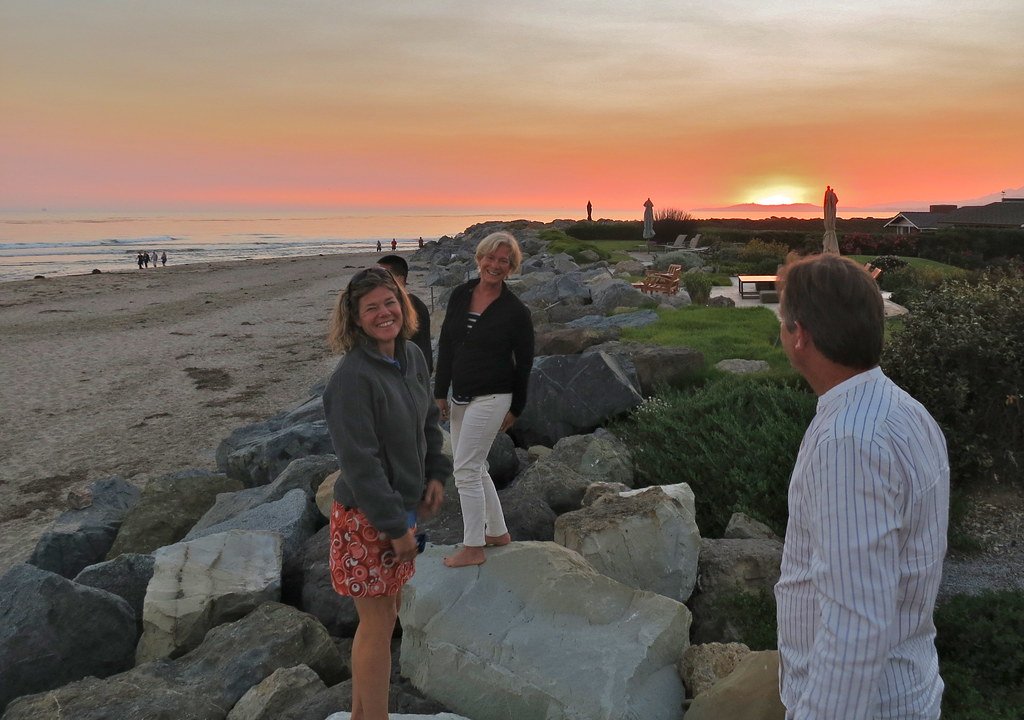
The path to a career in marine biology typically begins with a passion for the ocean and its inhabitants. Many women in marine biology cite childhood experiences, such as beach visits or aquarium trips, as the catalysts for their interest. Academic pathways commonly include degrees in biology, oceanography, or environmental science, emphasizing coursework in marine ecology and fieldwork. Networking and finding mentors are crucial steps in cultivating a successful career, as they provide guidance and open doors to research opportunities.
Challenges Faced by Women in the Field

While marine biology captivates the imagination, it is not without its challenges for women. Gender bias and underrepresentation persist, especially in leadership roles. Women marine biologists often report experiencing barriers such as unequal pay, limited mentorship, and challenges in work-life balance, particularly those juggling family responsibilities with fieldwork demands. Fieldwork itself can be rigorous and isolating, requiring women to navigate physically demanding, sometimes unsafe environments.
Breaking the Glass Ceiling

Despite obstacles, many women marine biologists have made significant contributions, advancing both their fields and the role of women within them. Programs and initiatives aimed at increasing diversity, such as those by the Association for the Sciences of Limnology and Oceanography, have been instrumental. Moreover, female role models such as Dr. Sylvia Earle, an acclaimed oceanographer, inspire a new generation of women to pursue marine science careers, steadily breaking the glass ceiling.
Creating Supportive Networks

For women in marine biology, building a supportive network is vital. Platforms such as networking events, online forums, and professional organizations enable women to share experiences, opportunities, and advice. Initiatives like Women in Ocean Science are dedicated to fostering connections and providing support, highlighting the importance of community in overcoming professional challenges.
Advice for Aspiring Women Marine Biologists

For aspiring female marine biologists, persistence is key. Embrace your passion for marine life but remain prepared to face and overcome challenges. Seek mentors actively and take advantage of networking opportunities to expand your professional circle. Stay informed about diversity and inclusion programs that can provide support and resources. Prioritize work-life balance and seek environments that respect and accommodate personal and family needs. Lastly, contribute to change by advocating for equality and supporting fellow women in your field.
Conclusion

Being a woman in marine biology is both a challenge and an opportunity. While the path may be fraught with obstacles, it is also rich with possibilities for groundbreaking discovery and personal fulfillment. Through resilience, community support, and a commitment to fostering equality, women in marine biology continue to navigate their paths and shape the future of the field, paving the way for future generations.