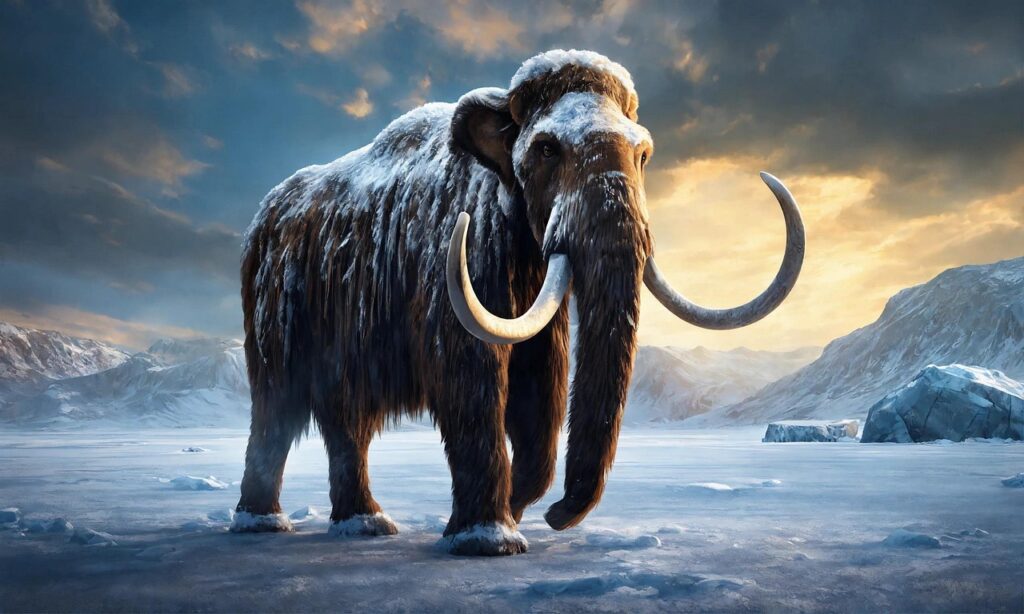
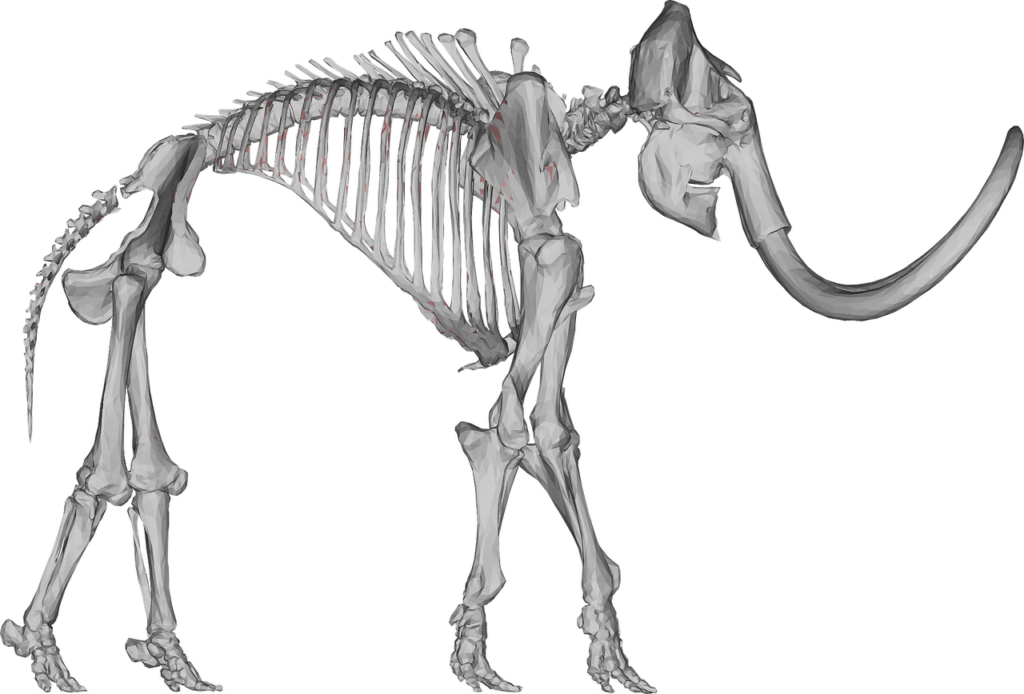
The woolly mammoth, a majestic creature of the Pleistocene epoch, roamed the vast cold steppe of the Northern Hemisphere. These giants were well-adapted to the harsh, frigid conditions that characterized their environment. Similar in size to modern elephants, woolly mammoths had long, shaggy fur and a thick layer of fat beneath their skin to insulate against the bitter cold.
These creatures lived in herds and migrated based on climate shifts and food availability. Their diet primarily consisted of grasses, herbs, and sedges, which they dug up from under the snow using their long, curved tusks. Woolly mammoths played a critical role in their ecosystem, as their grazing helped maintain the grasslands that other species relied upon for survival.
The Enigma of Extinction: What Led to the Mammoth’s Demise?
The disappearance of the woolly mammoth remains one of the great mysteries of prehistoric times. Scientists propose several theories to explain their extinction approximately 4,000 years ago. Climate change is a prominent hypothesis, as the end of the last Ice Age brought more temperate conditions that could have reduced their habitat and food sources.
Another possibility is overhunting by humans. As humans spread across the continents, they encountered mammoths, which were a valuable resource for meat, tools, and clothing. The combined pressures of hunting and environmental change likely created circumstances too challenging for the mammoths to overcome.
DNA Discoveries: What Genetics Reveal About Woolly Mammoths

Recent advancements in genetic research have opened new windows into understanding the woolly mammoth. Scientists have successfully sequenced the woolly mammoth genome, which provides insights into their adaptations to cold environments, such as genes related to fat insulation and hair growth. These genetic discoveries also indicate that woolly mammoths were closely related to Asian elephants, giving further understanding of their evolutionary lineage.
Moreover, DNA analysis has sparked discussions about the possibilities of de-extinction. Some scientists aim to use genetic engineering techniques to bring back the woolly mammoth, or at least a genetically similar hybrid, raising important ethical and ecological questions.
Frozen Remains: The Impact of Permafrost Preservation
Permafrost, a layer of permanently frozen ground, has preserved numerous mammoth specimens, providing invaluable information to researchers. Remarkably intact carcasses have been discovered in Siberia and other northern regions, with skin, hair, and organs still present. These finds allow scientists to study the mammoths’ physiology and even analyze their last meals to understand their diet in greater detail.
The discovery of frozen specimens not only helps in reconstructing the life of these ice age pachyderms but also contributes to our understanding of prehistoric climatic conditions. Pollen and other plant material found in the digestive tracts of these mammoths have painted a clearer picture of the ecosystems in which they thrived.
The Woolly Mammoth in Culture and Legacy
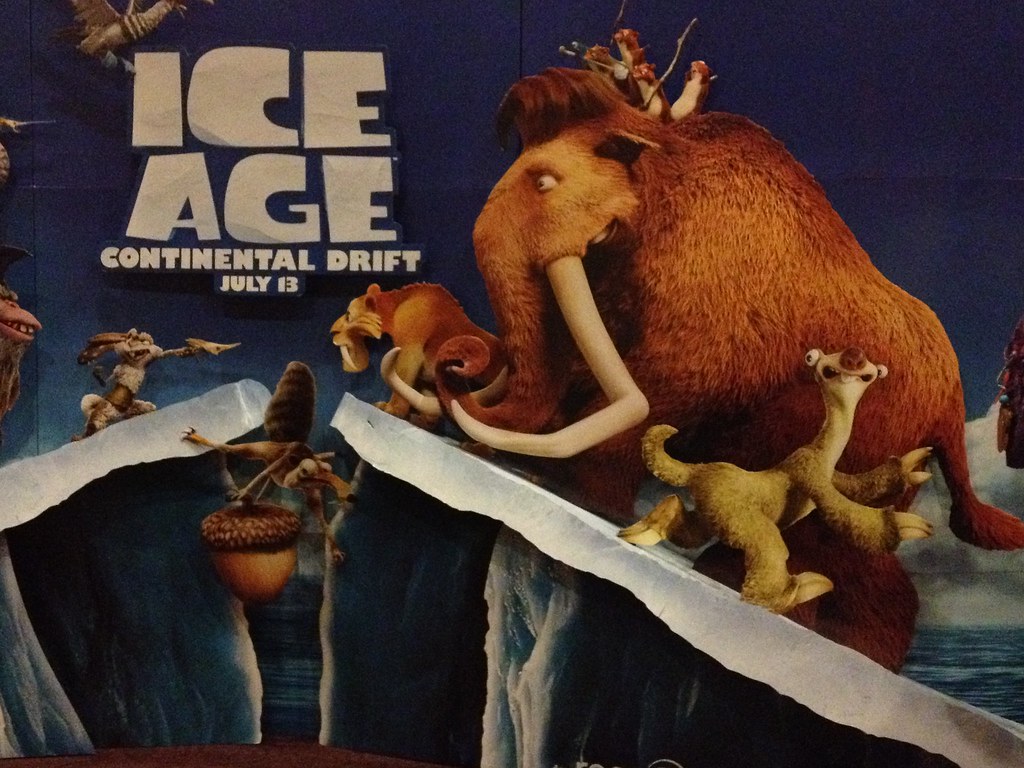
The woolly mammoth has captured the human imagination for thousands of years. Ancient peoples across the Northern Hemisphere depicted mammoths in cave art, and their bones were used to construct shelters and tools. They have become symbols of the Ice Age and are often referenced in literature and media exploring themes of prehistoric life and extinction.
In contemporary society, woolly mammoths inspire scientific inquiry and debate, especially regarding the ethics of genetic manipulation and conservation efforts. They remind us of the fragility of ecosystems and the impact of climate change, offering lessons for current and future conservation strategies.
Conclusion: Learning from the Past
The mysteries of the woolly mammoth continue to intrigue scientists and the public alike, as they provide a fascinating glimpse into a world long gone. While debates about their extinction and the potential for reviving the species persist, the knowledge gained from studying woolly mammoths informs a greater understanding of Earth’s past climates, ecosystems, and the ongoing relationships between humans and nature.