Evolution is the process through which nature constantly redesigns itself, shaping the diversity of life forms we see today. This natural phenomenon underpins the adaptation and survival of organisms, rendered over millions of years through gradual changes. Charles Darwin’s theory of natural selection forms the foundation of our understanding, where advantageous traits become more common in a population over generations.
The Mechanisms of Evolution

Evolution operates through several key mechanisms, primarily natural selection, mutation, gene flow, and genetic drift. Natural selection involves the survival and reproduction of individuals that are best suited to their environment, leading to the proliferation of advantageous traits. Mutations introduce genetic variations by altering DNA sequences, which can produce new traits or alter existing ones. Gene flow refers to the transfer of genetic material between populations, increasing genetic diversity. Genetic drift is the random fluctuation of allele frequencies within a population, which can lead to significant evolutionary changes over time.
Adaptations: Nature’s Ingenious Solutions
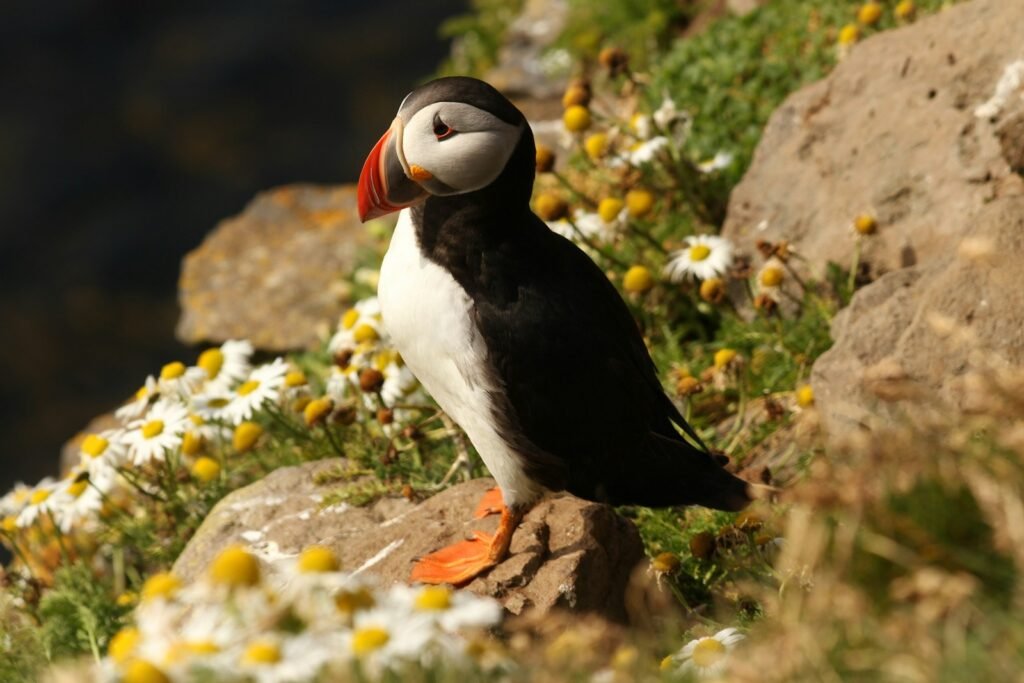
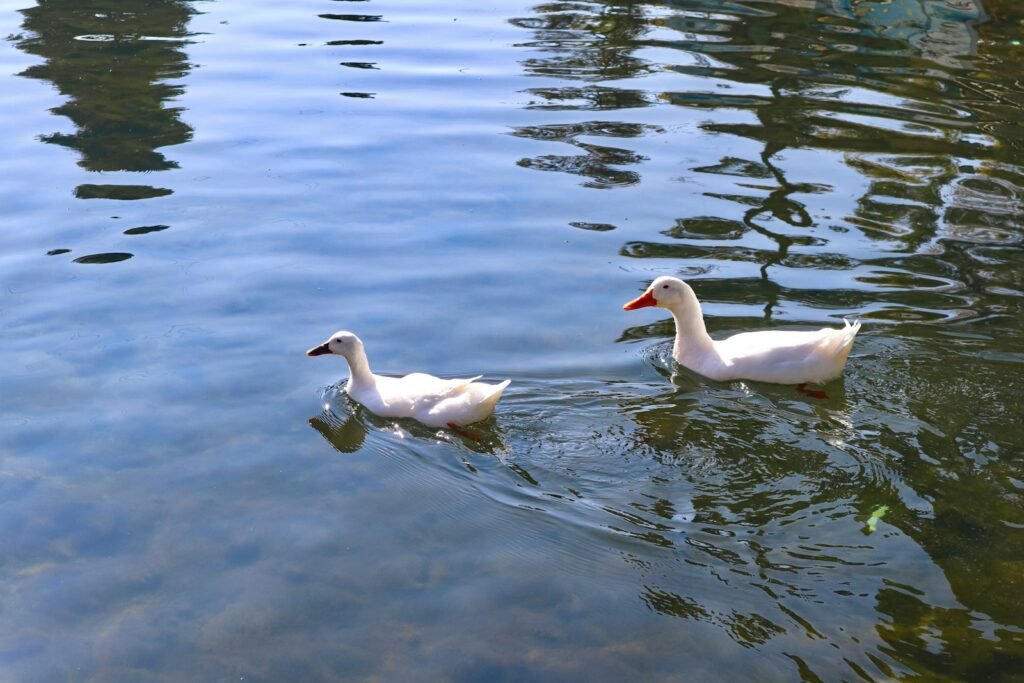
Adaptations are evolutionary innovations that improve an organism’s ability to survive and reproduce. These can be structural, such as the webbed feet of aquatic birds facilitating swimming, or behavioral, such as migration patterns that optimize resource use and climate conditions. Physiological adaptations include the development of venom in predators like snakes, used for hunting and defense.
Speciation: The Birth of New Species
Speciation is the evolutionary process by which populations evolve to become distinct species. This can occur through mechanisms including allopatric, sympatric, and parapatric speciation. Allopatric speciation occurs when populations are geographically separated, leading to evolutionary changes sufficient to create distinct species. Sympatric speciation happens within the same geographic area, often through ecological or behavioral factors that reduce interbreeding. Parapatric speciation occurs when populations occupy adjacent but distinct habitats, resulting in reduced gene flow and divergent evolution.
Convergent Evolution: Similar Solutions in Different Worlds
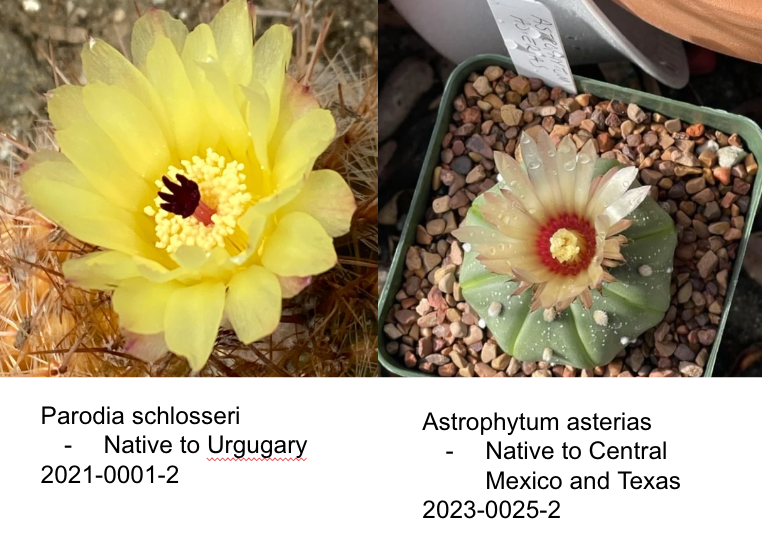
Convergent evolution demonstrates how different lineages can independently develop similar traits in response to comparable environmental challenges. This phenomenon highlights the efficiency of certain adaptations, as seen in the streamlined bodies of dolphins and sharks, both adapted to life in the water despite their separate evolutionary inheritances.
Coevolution: The Dance of Interdependent Species

Coevolution occurs when two or more species reciprocally affect each other’s evolution. This interdependence can lead to the development of complex ecological relationships, such as those between pollinators like bees and flowering plants that have evolved specific traits to facilitate pollination. Predator-prey relationships also exemplify coevolution, where the evolutionary arms race can drive adaptations like improved camouflage in prey and enhanced hunting strategies in predators.
Human Impact and Evolutionary Pressures

While evolution is a natural process, humans have become significant agents of evolutionary change. Our activities have accelerated extinction rates and altered natural selection pressures. Urban environments, climate change, and pollution are influencing evolutionary trajectories, leading some species to adapt rapidly to these new conditions. Urban-dwelling animals, for instance, may develop altered behaviors and physical traits distinct from their rural counterparts.
The Future of Evolutionary Studies
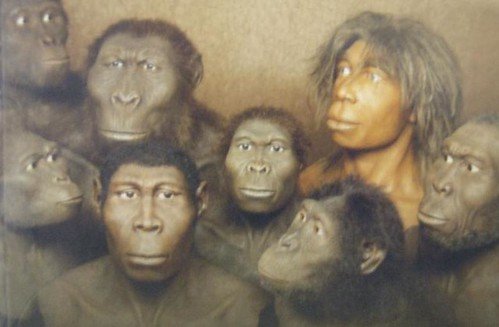
As we advance in understanding genetic makeup and evolutionary processes, we comprehend more about how species change and adapt. Technologies like CRISPR and genomic sequencing are shedding light on the underlying mechanisms of evolution, offering insights into genetic variation, adaptation, and the potential for future innovations in medicine and conservation. The study of evolution remains a dynamic field, continuously unveiling the complexities of nature’s capacity for change and resilience.
In conclusion, the ongoing process of evolution highlights nature’s ability to perpetually redesign itself, ensuring the survival and adaptability of life on Earth. This intricate dance of adaptation and change underscores the interconnectedness of all life forms, driven by the timeless force of evolution.