

Forests are often described as the lungs of the Earth, playing a crucial role in regulating our planet’s climate. However, they are much more than just a collection of trees. These vibrant ecosystems are bustling centers of biodiversity, supporting a myriad of wildlife through intricate relationships. Understanding the hidden lives of forests can enrich our appreciation of these natural wonders and the critical roles they play in ecological balance.
The Symphony of Life: Trees and Plant Diversity

Trees are the foundation of any forest ecosystem. They come in various shapes, sizes, and species, each adapted to specific environmental conditions. This diversity is crucial, as different species provide unique habitats and resources that support distinct types of wildlife.
The forest canopy, primarily composed of tall trees, offers shelter and nesting sites for numerous birds and mammals. Meanwhile, the understory and forest floor are rich with smaller plants, fungi, and decomposing material, providing food and habitat for insects, amphibians, and other creatures. This multilayered structure creates a mosaic of habitats essential for biodiversity.
Nutrient Cycles: The Role of Trees in Food Webs
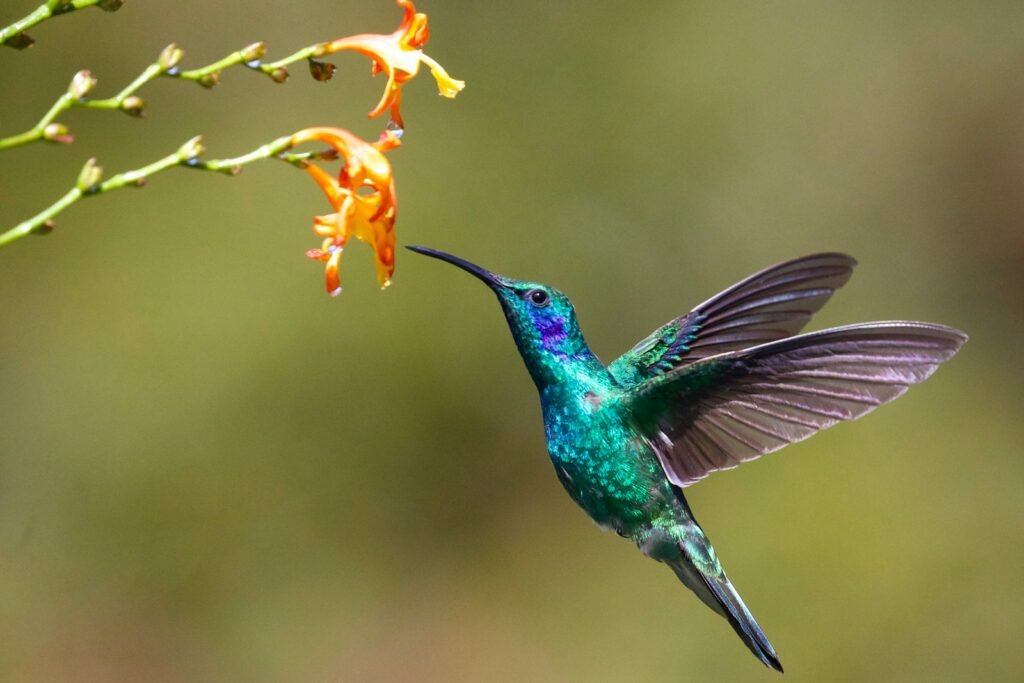
Trees and plants are pivotal in forest food webs, acting as primary producers through the process of photosynthesis. They convert sunlight into energy, forming the base of the food chain. Herbivores, such as deer and insects, feed directly on plant materials, while carnivores and omnivores depend on these herbivores as prey.
This interconnected web ensures the flow of energy and nutrients throughout the ecosystem. For instance, fallen leaves and branches decompose with the help of fungi and microorganisms, recycling essential nutrients back into the soil to nourish future plant growth.
Mutual Benefits: Symbiotic Relationships

Forests are home to numerous symbiotic relationships, where trees and animals benefit from one another. One of the most fascinating examples is mycorrhizal fungi, which form networks with tree roots to enhance nutrient uptake. In return, trees supply fungi with carbohydrates produced during photosynthesis.
Similarly, many bird species assist in seed dispersal. As they consume fruits and nuts, they inadvertently spread seeds over wide areas, helping propagate various plant species. This mutualism is vital for forest regeneration and the continued survival of both flora and fauna.
Tree Hollows and Cavities: Nature’s Condominiums
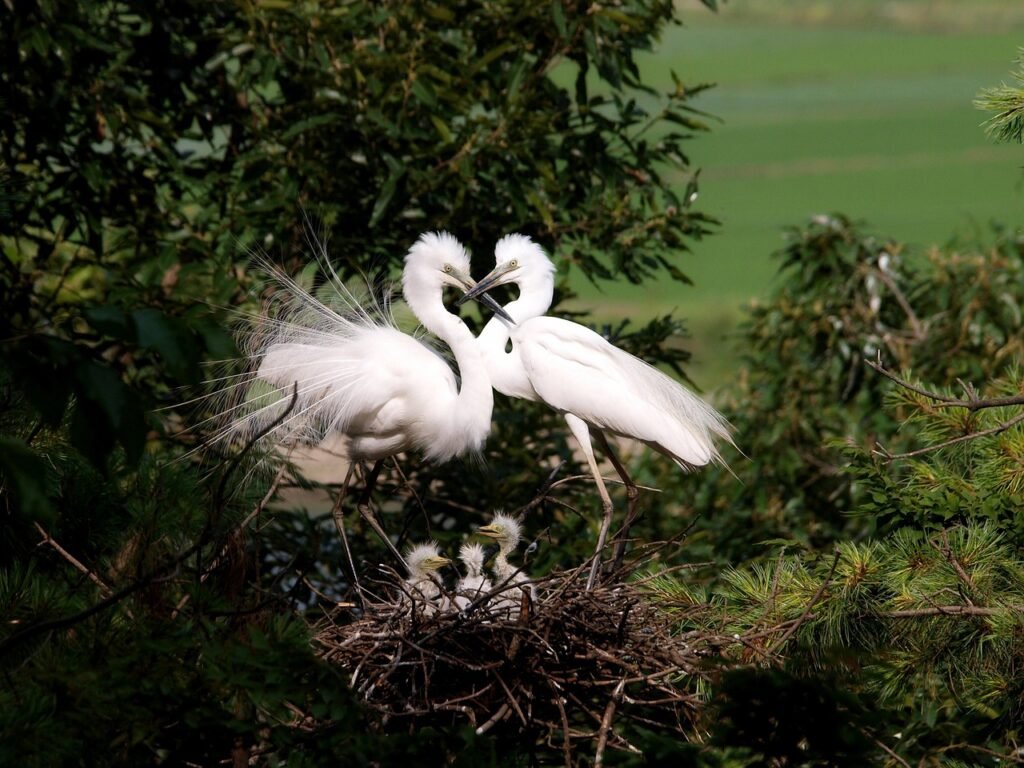
Old and fallen trees are not just dead wood. They are essential components of forest ecosystems, providing habitats for a range of wildlife. Tree hollows and cavities offer nesting and roosting sites for species such as owls, bats, and squirrels.
The availability of these natural shelters is crucial, especially in mature forests. Many animals rely on the protection they offer from harsh weather and predators, which is why the preservation of older trees is vital for maintaining biodiversity.
Forest Edge Effects: The Boundary Between Worlds

The edges of forests, where ecosystems transition into different landscapes, are often hotspots for biodiversity. These areas, known as edge habitats, support a unique mix of species from both forest interiors and surrounding environments. They provide additional resources and refuge for various wildlife.
Edge habitats are critical for species such as deer and certain bird species that thrive in these transitional zones. However, managing these areas is challenging, as they are also more vulnerable to human activities such as agriculture and urban development.
The Impact of Human Activity: Conservation Challenges

Despite the resilience and adaptability of forests, human activities pose significant threats to these ecosystems. Deforestation, climate change, and pollution are major concerns that disrupt the delicate balance within forests, leading to habitat loss and a decline in biodiversity.
Conservation efforts are crucial to protect forest ecosystems and the wildlife they support. Sustainable forestry practices, reforestation projects, and the establishment of protected areas are some of the strategies employed to safeguard these natural habitats for future generations.
Conclusion: The Vital Role of Forests in Supporting Wildlife

The hidden lives of forests reveal the remarkable ways trees and plants support wildlife. From providing food and habitat to fostering complex symbiotic relationships, forests are essential for sustaining biodiversity. As we become more aware of these intricate connections, it is our responsibility to preserve and protect these vital ecosystems. By doing so, we ensure that forests continue to thrive and support the incredible array of life they harbor.