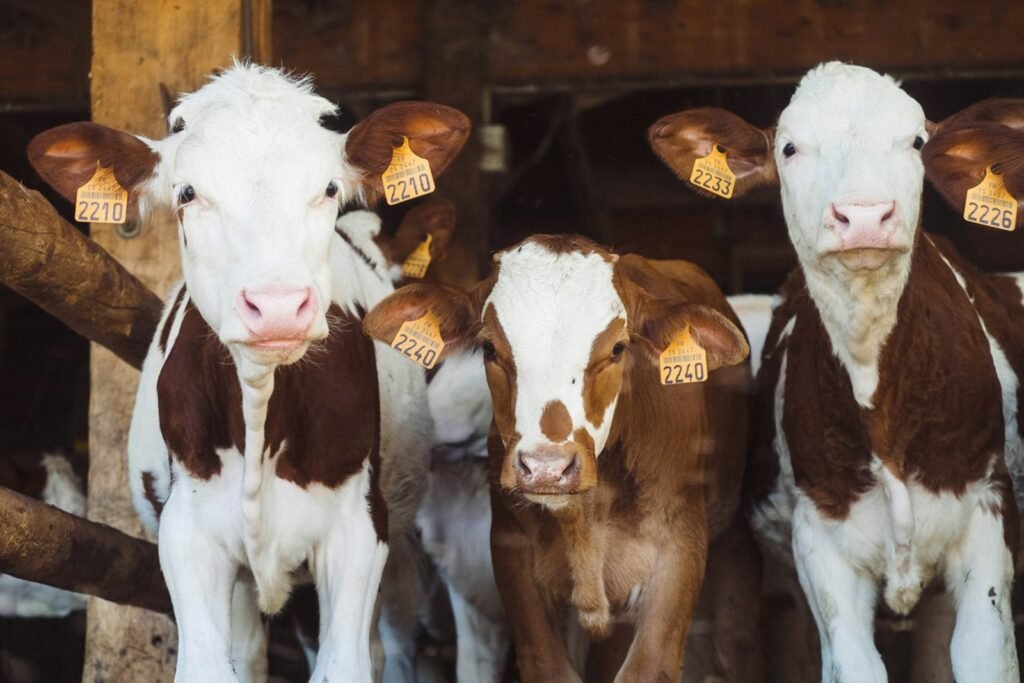
Factory farming, also known as intensive animal farming, is a modern agricultural practice that involves raising large numbers of animals in confinement to maximize production and profit. This form of farming has revolutionized the meat, dairy, and egg industries by increasing productivity and reducing costs. However, it has also triggered numerous environmental concerns and sparked debates about its impact on animal welfare. One aspect that warrants attention is the effect of factory farming on wild animal populations and biodiversity.
Habitat Destruction
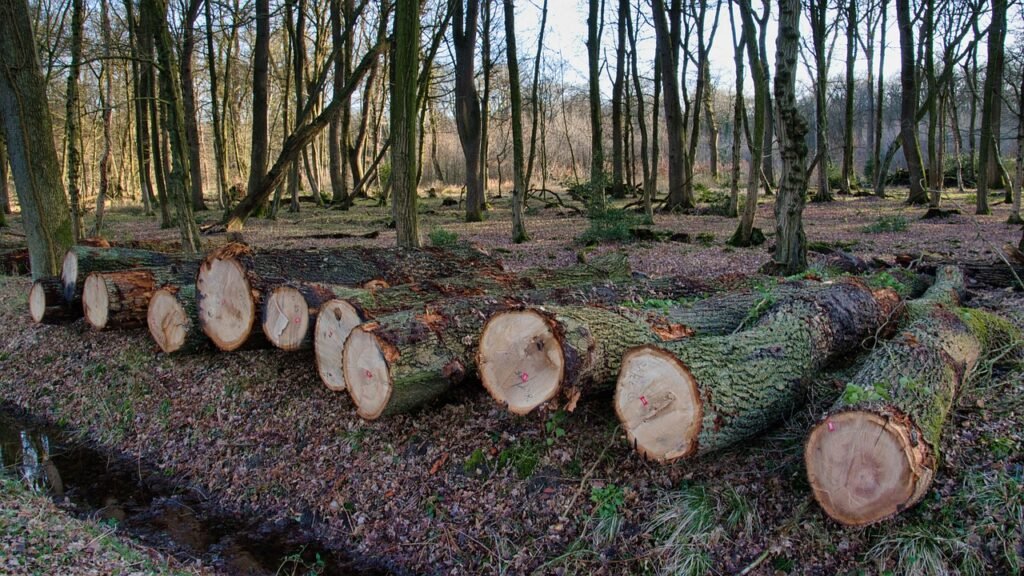
One of the primary ways factory farming affects wild animal populations is through habitat destruction. To accommodate large-scale farming operations, vast areas of natural habitats are cleared to create space for livestock facilities and to grow feed crops like soy and corn. This deforestation and land conversion result in the displacement of countless species, reducing available habitat as well as the resources essential for survival.
For example, regions like the Amazon rainforest are being deforested at alarming rates, partly due to the demand for land to cultivate soybeans used primarily as animal feed. This loss of habitat leads to a decline in species diversity and abundance as animals struggle to find new territories, leading to increased competition and potential extinction.
Pollution and Its Impact on Wildlife
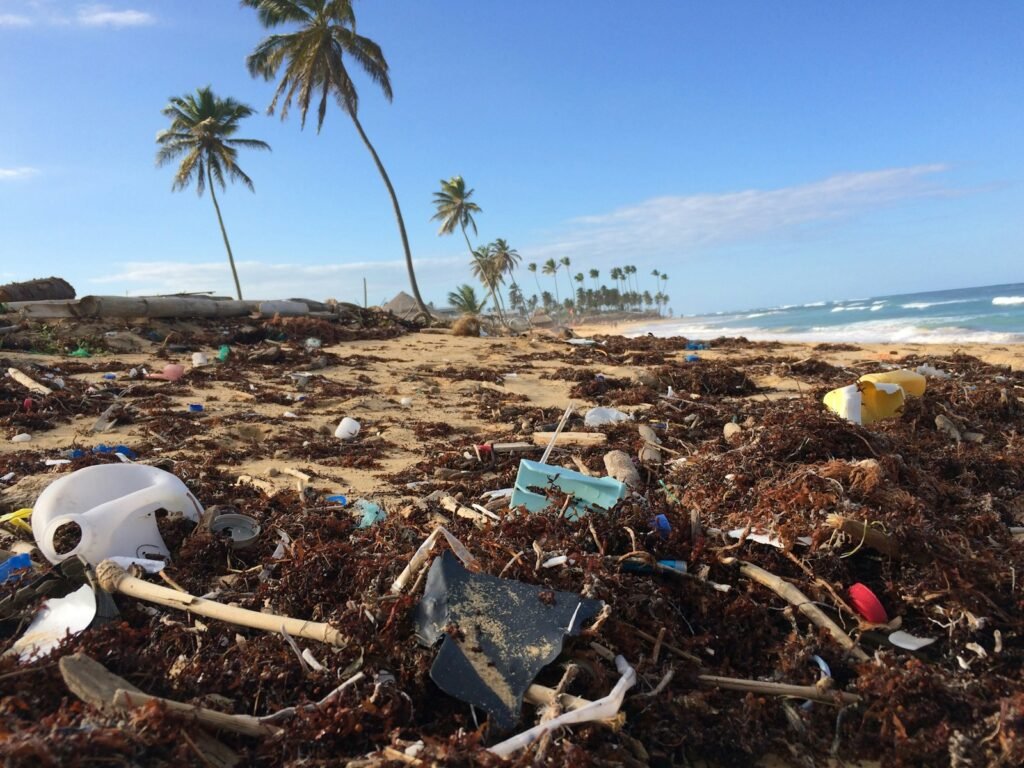
Factory farming contributes significantly to pollution, which can have dire consequences for wildlife. The high concentration of animal waste, often containing harmful chemicals like ammonia and nitrates, can contaminate water sources and soil. This pollution can lead to eutrophication in aquatic environments, where excess nutrients cause explosive algae blooms that deplete oxygen levels, resulting in dead zones that cannot support aquatic life.
Additionally, the use of pesticides and fertilizers in feed crop production can poison non-target species, including beneficial insects, amphibians, and birds, further disrupting ecosystems and food chains. As these chemicals filter into the natural environment, they pose a threat to both terrestrial and aquatic wildlife.
Spread of Disease

Intensive farming conditions, characterized by high-density animal populations, can serve as breeding grounds for diseases. The spread of infectious diseases, facilitated by factory farming, threatens both domesticated and wild animal populations. Pathogens can transfer from livestock to wildlife through direct contact, escape of farmed species into the wild, or indirectly through air and water.
Outbreaks of diseases like avian influenza and swine fever not only endanger livestock health but also pose a risk to wild birds and mammals, potentially leading to population declines. As these diseases cross species barriers, they can alter predator-prey dynamics and affect biodiversity.
Competition for Resources
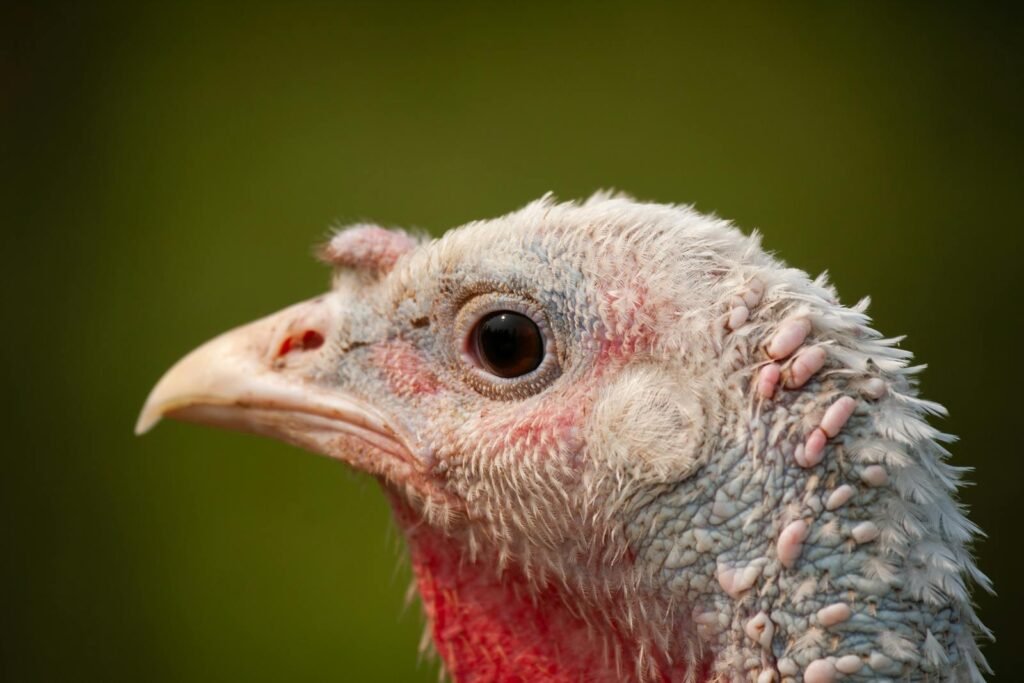
Factory farming operations consume significant amounts of resources, including water and land, which can intensify competition with wild animals. This strain on natural resources can exacerbate conflicts between human agriculture and wildlife, as animals may be forced to migrate or starve due to depleted resources.
Moreover, over-extraction of water for irrigation and livestock needs can reduce water availability for wild species, impacting aquatic ecosystems and altering habitat conditions. This imbalance can destabilize ecosystems, threatening the survival of many species.
Loss of Genetic Diversity

In factory farming, livestock breeds are often selected for specific traits like rapid growth or high yield, leading to genetic uniformity. While this may benefit agricultural productivity, it diminishes the genetic diversity that is vital for the resilience and adaptability of animal populations. A similar trend is mirrored in wild populations affected by this homogeneity, as they may interbreed with escapees from farms, leading to hybridization that can dilute unique genetic traits.
The loss of genetic diversity in both farmed and wild animal populations reduces their capacity to respond to environmental changes, diseases, and other threats, potentially leading to population declines and the extinction of vulnerable species.
Conclusion: A Call for Sustainable Practices
Factory farming has undeniable impacts on wild animal populations and biodiversity, presenting significant challenges for environmental conservation and ecosystem health. As the demand for animal products continues to rise, it is crucial to implement sustainable farming practices that minimize habitat destruction, pollution, and resource consumption. Solutions such as rotational grazing, integrated pest management, and reducing food waste can help reconcile agricultural productivity with environmental preservation.
Ultimately, striking a balance between human needs and ecological stewardship is essential to ensure the sustainable coexistence of factory farming and the natural world, preserving the rich tapestry of life on Earth for future generations.