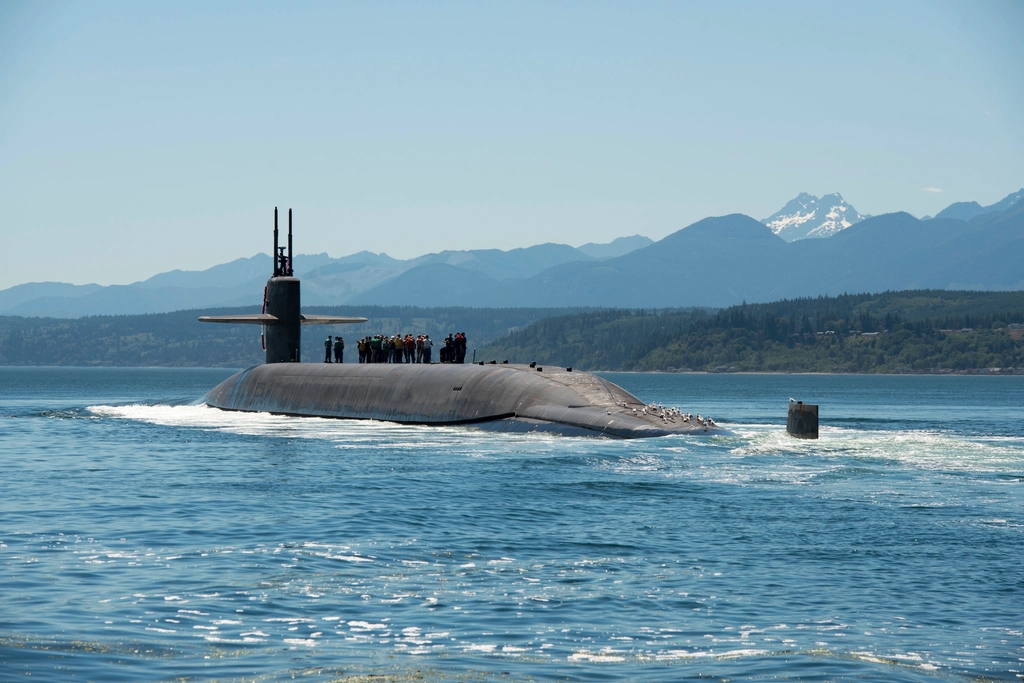

You spend most of your life assuming the ocean is mapped, measured, and mostly understood. Then you start digging into what submariners quietly write in official logs and post-mission reports – and the floor drops out from under you. Mixed in with the usual whales, thermal layers, and noisy merchant ships are a handful of incidents that no engineer, biologist, or sonar guru has been able to nail down. These are not campfire stories passed along by a friend of a friend. In each case below, trained crews followed procedure, logged what they saw or heard, and filed formal reports because what they were dealing with did not match any known submarine, torpedo, marine mammal, or geological event. When you read them as a set, you start to feel something uncomfortable: the ocean might be hiding a chapter of physics or technology you have not even opened yet.
1. The Cold War Sonar Contacts That Moved Faster Than Any Known Submarine
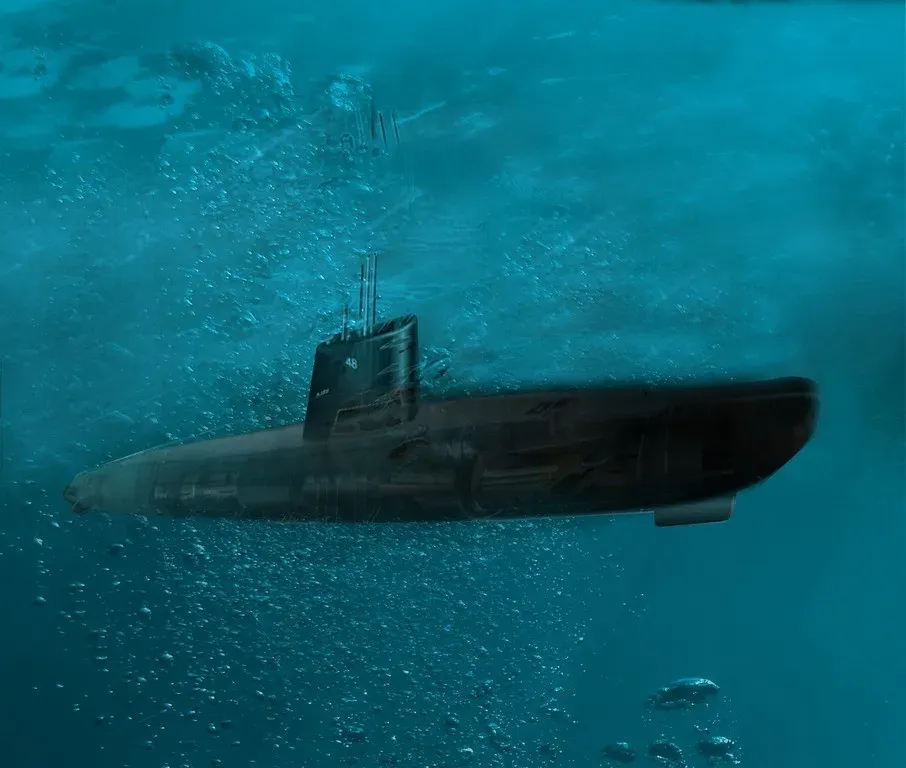
Imagine you are on a Cold War attack submarine, deep in the North Atlantic, where your whole job is listening. You know the acoustic signature of Soviet diesel boats, of whales, of distant storms breaking against faraway coasts. Then your sonar screen suddenly shows a contact that appears from nowhere, races across the display at a speed you know no man-made submarine can reach, and disappears into deep water before you can classify it. You check the gear, you cross-check with a second operator, but the contact is still there – and the math makes no sense. Modern nuclear subs, even the fastest ever built, top out around several dozen knots underwater. You are trained to treat anything beyond that as an error, a reflection, or a false target caused by layers of water at different temperatures. Yet throughout the latter half of the twentieth century, sonar operators quietly reported isolated tracks that seemed to move far beyond those limits, changing depth and direction in ways that did not fit torpedoes or known undersea drones. Official write-ups usually filed them under “unknown” and moved on, but when you hear enough veterans describe how seriously they took those crazy plots, you realize this was not just imagination. Something was occasionally lighting up the world’s most sensitive hydrophones, and you were supposed to pretend it never happened.
2. When Official Logs Use the Phrase “Unidentified Submerged Object” and Mean It
If you think “unidentified submerged object” sounds like something out of a documentary voiceover, you might be surprised to learn the term actually shows up in technical and research language. You are taught that navies routinely catalog contacts they cannot match to known vessels, wildlife, or terrain as just that: unidentified submerged objects. Most of those end up being whales, errant fishing gear, or acoustic illusions created by complex water conditions. But not all of them. When analysts dig into declassified summaries and long-term pattern studies, you start seeing a much stranger picture. You see references to objects tracked underwater that show no associated ship on the surface, no obvious biological acoustic signature, and no conventional propulsion noise. You see mission reconstructions where the safest answer was simply to mark the contact as an official unknown and move on. Reading those lines, you can feel how uncomfortable it must have been for the officers involved: you are required to report everything, but you are also expected to have an explanation. In these rare cases, even the best people in the room did not.
3. A Near-Collision With an Unknown Object in Deep Water
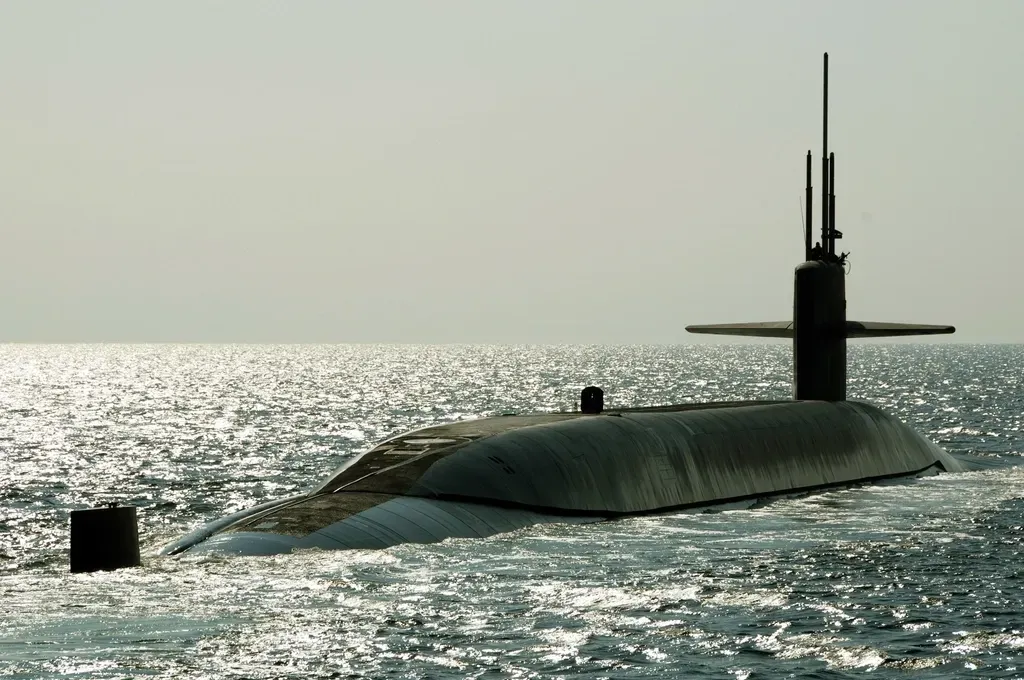
Now put yourself inside a nuclear ballistic missile submarine, the kind that spends months hiding in some of the darkest parts of the ocean. You are cruising quietly, following a well-rehearsed patrol pattern, when the watch suddenly calls out an unexpected contact directly ahead and closing. That is not supposed to happen. Your route has been chosen precisely to avoid other traffic, and your sonar search picture has been clean. Yet the new contact is there, solid enough that collision alarms and emergency procedures kick in. In at least one public testimony by a former submarine officer, that is exactly what you are dealing with: an underwater object that appears on the instruments where nothing should be, then passes by at a relative speed and angle no known sub should be able to manage. The crew does what you would do – record it, plot it, and submit an incident report when you surface. The official paperwork frames it in sterile language as an unidentified object exhibiting unusual behavior. Between the lines, though, you can feel the tension: you almost hit something in a part of the ocean where, according to every chart and intelligence brief, you were alone.
4. The High-Speed “Fast Mover” That Outran a Modern Attack Submarine
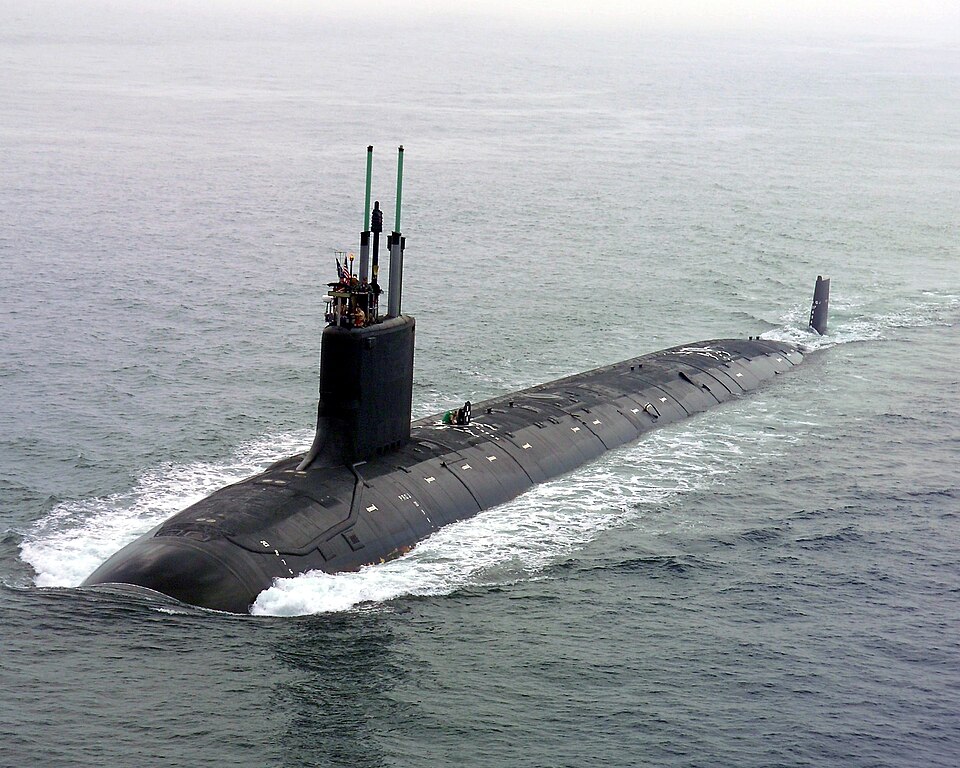
Picture yourself as a civilian specialist riding along on a U.S. fast attack submarine during an exercise, watching the sonar team at work. The gear in front of you represents billions in research and development, refined to pick up the quietest adversary boats on Earth. In the middle of a routine watch, an operator calls out a new contact. You watch the data roll in: speed estimates climb well past anything you have seen in training, and the track line looks almost vertical as it races by. Everyone in the room understands the implications. You ask if they are going to log it as an unidentified submerged object and forward it up the chain. Instead, you learn a more sobering truth: filing that kind of report is often seen as more trouble than it is worth. You are told it could bring unwanted attention, extra questions, and possibly career blowback. So the contact becomes one more entry in the informal lore of “fast movers,” objects that occasional sonar teams swear they have tracked moving at impossible speeds underwater. When you zoom out, what you really see is a pattern of encounters that never fully make it into official doctrine because no one has a framework to store them in.
5. Soviet-Era Reports of Impossible Maneuvers in Lakes and Deep Inland Waters
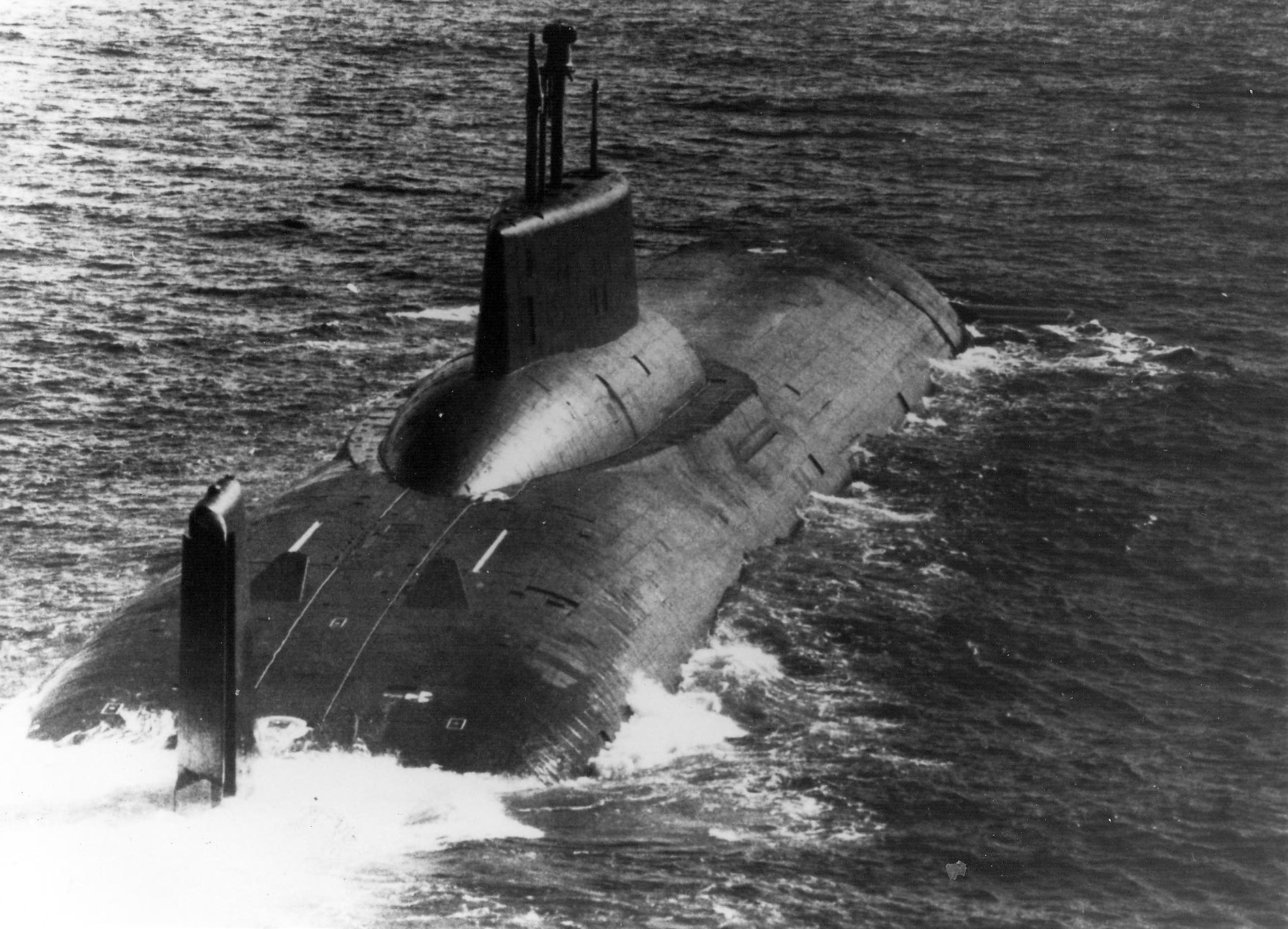
If you only look at Western navies, you miss a big part of the story. During the Soviet era, submarine crews and military divers filed internal reports of strange underwater objects in places you would never expect, including deep lakes far from any ocean. Imagine you are part of a Soviet Navy detachment working in a large inland lake, running tests and routine dives, when your sonar shows multiple large contacts moving in tight formation beneath you. There is no known fleet maneuver happening, no friendly submarines, and no civilian traffic authorized anywhere close. You track these objects as they climb, dive, and accelerate together in a synchronized way that does not match fish, thermal fronts, or experimental vehicles. You write it up because doctrine requires that you do so, and your report quietly vanishes into a classified archive. Decades later, when fragments of those records and testimonies start leaking out, you can sense how baffled those crews were. You know Soviet engineers were experimenting with unconventional hulls and propulsion systems, but even with that context, some of the speeds and turns described would shred any metal known at the time. The simplest explanation is that you misread your instruments. The more unsettling one is that you did not.
6. The Norwegian and North Atlantic Anomalies That Refused to Be “Just Submarines”
If you have ever seen a sonar plot from the Norwegian fjords or the North Atlantic gap, you know how complicated that underwater soundscape can be. Thermal layers bend sound, seafloor ridges bounce signals, and commercial traffic clutters the picture. It is a place where you expect confusion. Yet, over the years, enough Nordic and NATO crews have recorded clear, coherent tracks of unknown objects in these waters that dedicated researchers have built entire catalogs just to keep them straight. You read summaries where an unknown underwater contact appears, tracks steadily against the background, and then performs a maneuver – an instantaneous acceleration, a straight-line sprint, or a sudden right-angle turn – that no standard submarine can reproduce. Because of Cold War paranoia, the first assumption is always that you are chasing an adversary with some new kind of propulsion. But when the decades roll by and no such platform ever surfaces in any navy’s inventory, you are left with a puzzle. Either you and many other trained crews repeatedly misinterpreted your instruments in exactly the same way, or you were brushing up against a technology that has never been publicly acknowledged.
7. Encounters Near Strategic Coastlines and Test Ranges
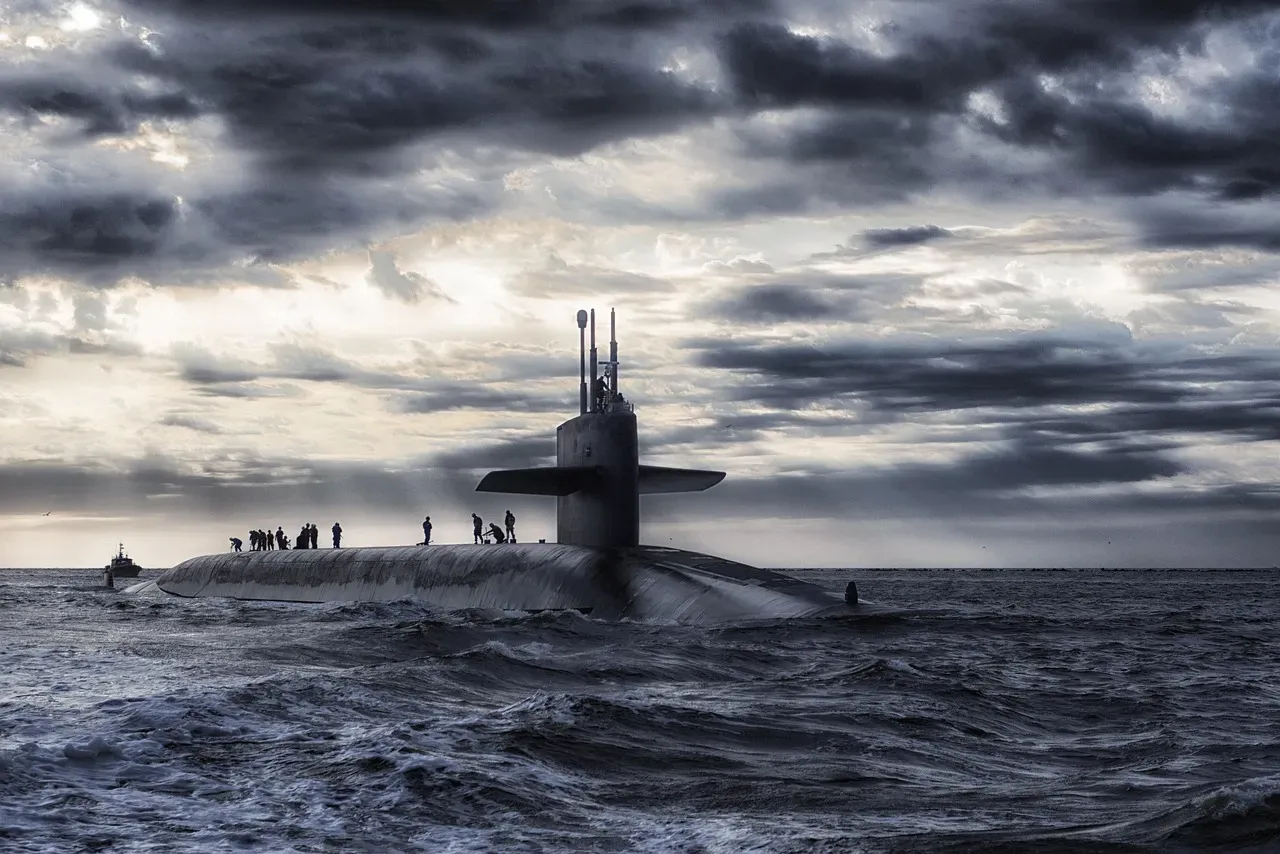
You might expect strange contacts in the middle of nowhere, but some of the most intriguing reports come from just off major coastlines and near underwater test ranges. Picture serving on a patrol off Southern California, where the waters near deep channels and offshore islands are packed with military sensors. One night, your instruments pick up a submerged object that appears under one ship, darts away at remarkable speed, and then reappears miles away on another sensor network, all while staying well below the surface. In that situation, you are operating in one of the most heavily monitored patches of ocean on Earth. You can cross-check with surface ships, aircraft, and fixed listening systems, yet you still end up with a target no one can reliably classify. The after-action paperwork will call it an unknown contact with anomalous performance. For you and your shipmates, it feels like something was moving among your assets with ease, as if it understood the layout of your sensors better than you did. Whether you lean toward secret technology, misidentified wildlife, or something more exotic, you cannot escape the fact that your best gear logged something that did not match the textbook.
8. Official Hearings Hinting at Underwater Encounters You Are Not Allowed to See
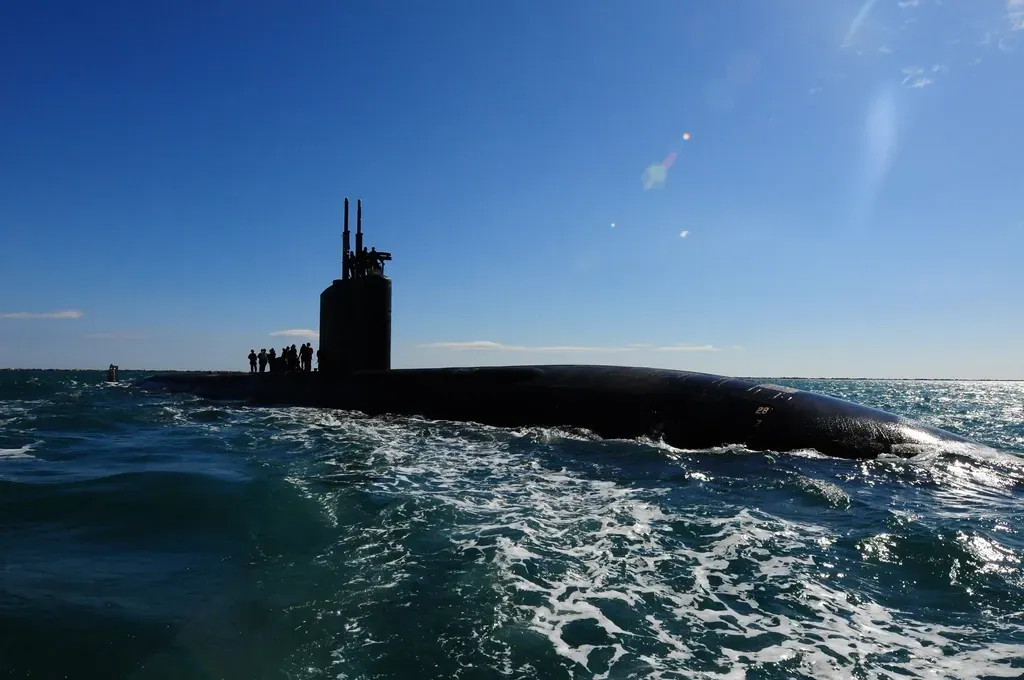
If you follow recent government hearings and briefings on unidentified anomalous phenomena, you start to notice a pattern: officials keep mentioning that the mystery is not only in the sky. You hear references to unknown objects tracked underwater, to near-miss incidents involving submarines, and to data that remains locked behind classification barriers. As a citizen, you see only the most carefully chosen wording in public transcripts. As someone paying attention, you realize there are whole case files you will probably never read. From your perspective, this is where things get both more credible and more frustrating. On the one hand, the mere fact that underwater encounters come up at all in high-level discussions tells you this is not just folklore. Militaries do not bring sea stories to formal hearings. On the other hand, without access to the raw sonar plots, environmental conditions, and full investigation records, you are left making educated guesses. You can say with confidence that at least some submarine crews have officially reported underwater contacts that defied routine explanation. You just cannot know yet how many, how detailed, or how conclusive those encounters really were.
9. What Submariners Quietly Tell You When the Uniform Comes Off
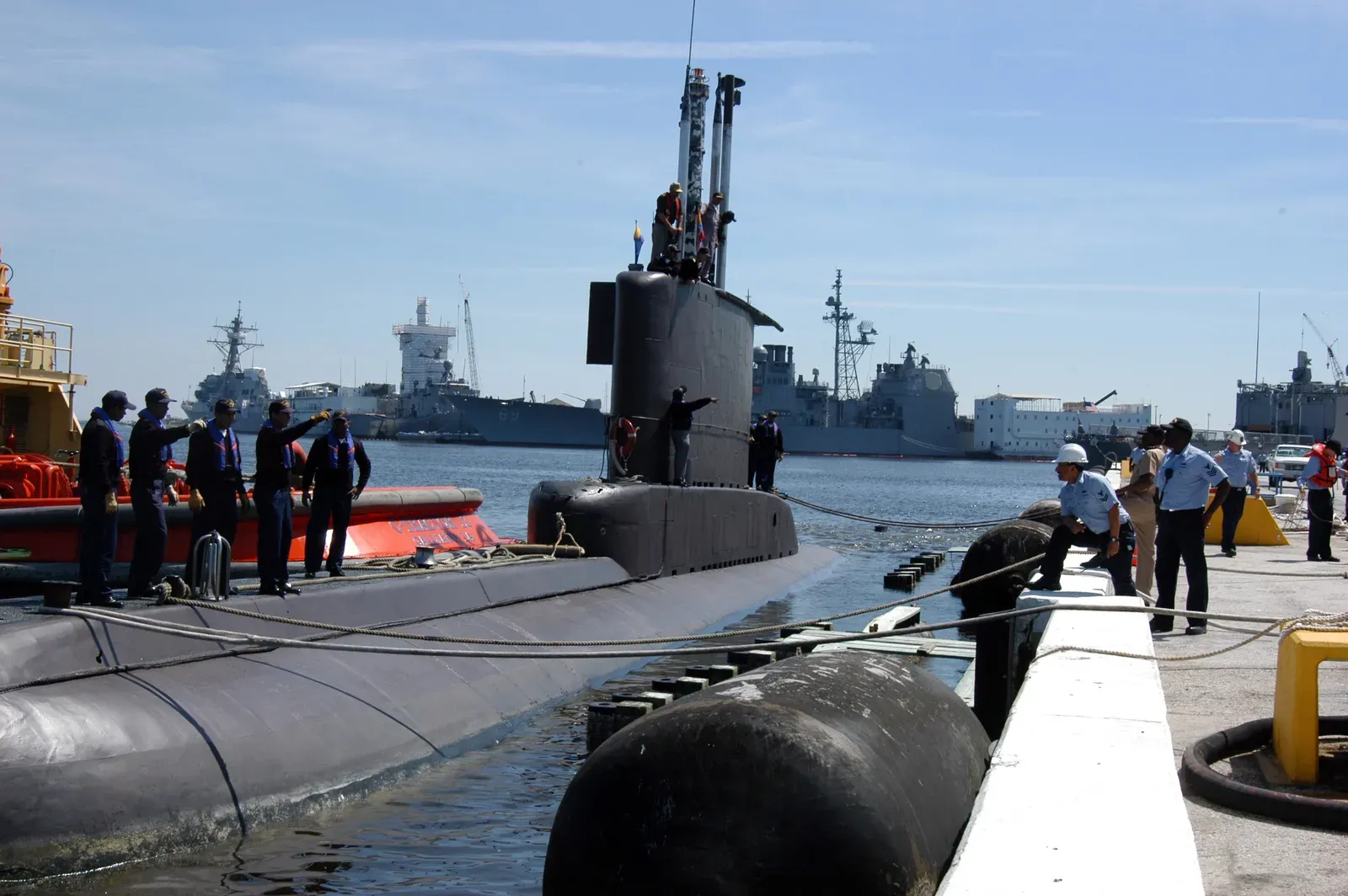
If you spend time with former submariners over coffee or at a reunion bar, you eventually hear the off-the-record stories. You hear about “ghost” contacts that show up in deep water, zigzag across the display at absurd speeds, and vanish when chased. You hear about nights when the sonar stack got so weird that everyone instinctively agreed not to mention it in more than the bare minimum of official language. You even hear about crews joking that if something truly impossible happened, they would rather forget it than spend months explaining themselves to suspicious superiors. From a distance, that might sound like exaggeration. But when you watch how careful these people are about everything else – about classification rules, about not overstating technical details, about being blunt when a story is just a myth – their hesitation around the strangest encounters hits differently. You are left with the impression that the weirdest logs are the tip of a much larger iceberg of half-reported and underreported events. None of that proves alien craft or revolutionary secret submarines are cruising beneath you. It does prove that, even with the best sensors and the best training, there are moments when the ocean presents you with something you simply cannot fit into any known box.
Conclusion: The Ocean Keeps More Secrets Than the Sky
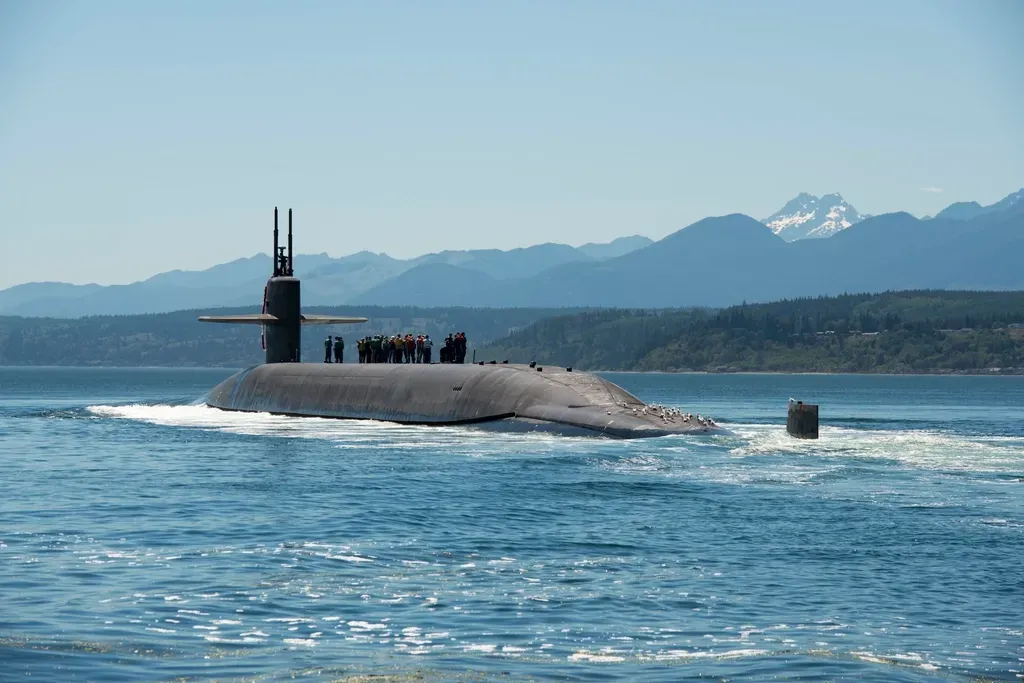
When you line up these nine threads – impossible speeds, near-collisions, synchronized formations, high-level hints, and hushed barroom confessions – you start to see a pattern that is less about any one spectacular case and more about a quiet, persistent anomaly. You live in an era where naval sonar can detect a submarine from dozens of miles away and map the seafloor in exquisite detail, yet trained crews still file reports of encounters that no cataloged animal or documented vessel can explain. The deeper you dive into those accounts, the more you feel that the ocean, not the sky, might be where your most humbling mysteries are hiding. The honest answer, if you care about evidence, is that you do not know what these objects are. You know only that professional sailors and submariners have repeatedly encountered something that broke the rules they learned in school, and they took it seriously enough to put their names to official paperwork. Maybe future technology, better data sharing, and more open research will show that every one of these incidents had a mundane cause. Or maybe you will discover that you have been sharing this planet with a form of engineering, biology, or physics that you still do not have words for. Until then, the next time you stand on a shoreline and look out at the water, you might catch yourself wondering: if something impossible passed just beneath those waves tonight, would anyone even tell you?