
You know that weird shift that happens the moment you close the door, sit down, and realize it’s just you and your thoughts? One second you’re scrolling, working, talking; the next, your inner world gets a lot louder. Your brain does not just “relax” when you’re alone. It changes gears completely, turning inward, digging up memories, fantasies, worries, and ideas you didn’t invite but suddenly have to deal with. You might think you’re simply resting, but inside your skull there’s a whole backstage crew firing up a different set of mental lights and props. Some of what happens is comforting; some of it is unsettling; all of it is strangely human. When you understand these odd mental habits, you stop feeling broken or “weird” for having them – and you can actually use them to feel calmer, kinder to yourself, and more in control of your alone time.
Your “Default Mode Network” Turns On And Starts Narrating
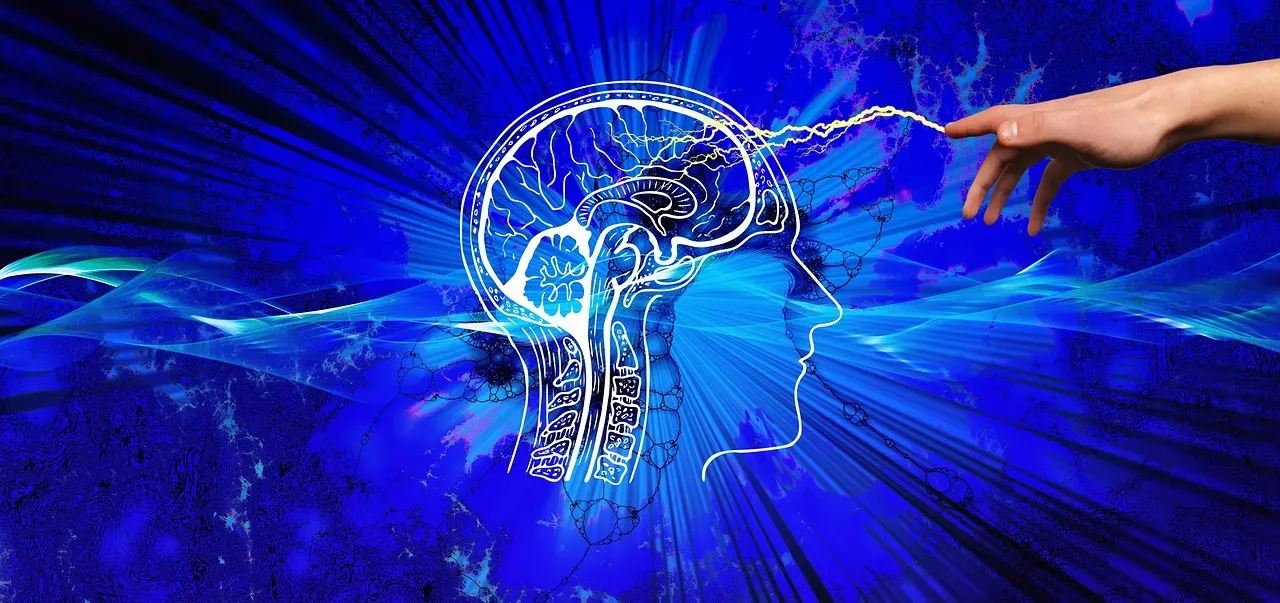
The moment you stop actively doing something – no emails, no conversation, no task – your brain quietly flips into a different mode. Instead of focusing on the outside world, it turns inward and a network of regions often called the default mode network lights up. You experience this as your mind wandering, rehashing old conversations, imagining the future, or suddenly remembering that embarrassing thing you did years ago. When you are finally alone, that inner narrator gets louder because there’s less external noise to drown it out. You might feel like your thoughts are happening to you, but what you’re really seeing is your brain’s baseline setting: storytelling. It’s constantly making sense of your life, stitching events together, and building a version of “who you are.” You’re not weird for spiraling into old memories in the shower; your brain is literally built to wander there when nothing else is demanding attention.
Your Inner Critic Grabs The Mic (And Exaggerates Everything)
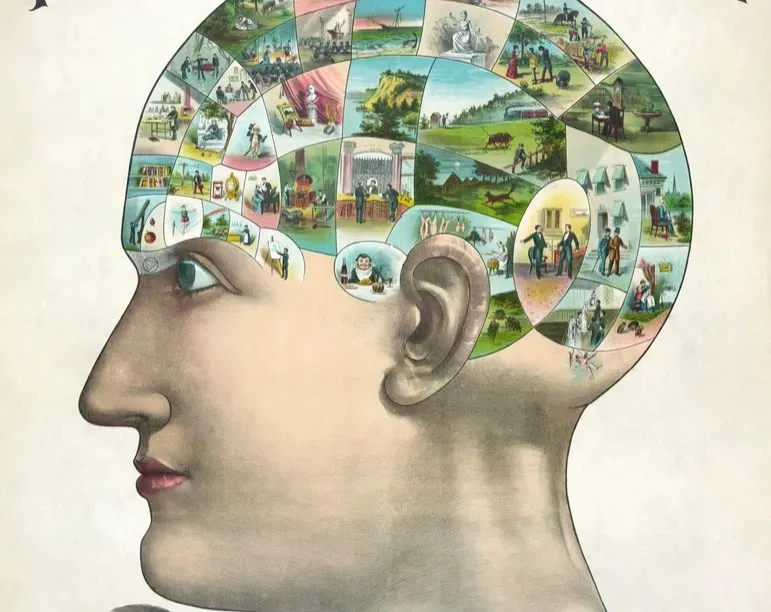
Alone time can feel brutally loud because your harshest voice suddenly has no competition. When you are around other people, you’re busy reacting: listening, responding, reading body language. When you’re alone, that energy turns inward, and your self-critical thoughts have room to expand. You might replay things you said, magnify tiny mistakes, or assume other people are judging you as harshly as you judge yourself. Your brain is wired to pay more attention to potential social threats than to neutral or positive cues, and that includes the risk of rejection. So, your inner critic thinks it’s “helping” by scanning for flaws and highlighting every misstep so you will not repeat it. The problem is, it rarely knows when to stop. When you catch yourself spiraling – calling yourself names, rewriting the past – remind yourself that this is your brain’s safety alarm on overdrive, not an objective assessment of who you are.
Your Sense Of Time Gets Weirdly Distorted

When you’re busy and surrounded by people, time feels chopped into tasks, meetings, and conversations. Alone, especially in quiet, that structure disappears and your brain’s sense of time can stretch or collapse in strange ways. A few minutes of scrolling can vanish like seconds, while ten minutes of anxiety can feel like an hour. You might sit down “just for a bit” and suddenly realize a whole evening has evaporated. Your perception of time is tied to how much new and meaningful information your brain processes. When you’re alone and doing something repetitive or numbing, your brain does not log many memorable moments, so later it feels like time went missing. On the other hand, if you’re alone and hyper-aware – overthinking, worrying, or feeling lonely – your brain records more emotional detail, and time seems to crawl. You are not broken; your brain is measuring time in experiences, not minutes.
Your Imagination Quietly Goes Into Overdrive
When the world finally stops shouting at you, your brain gets a chance to start daydreaming properly. You might find yourself imagining future conversations, replaying scenes from movies in your head, or building entire fantasy scenarios where you win arguments, change careers, or move to a new country. That tendency to drift is not a flaw – it’s your brain running mental simulations. These made-up scenes help you rehearse possible futures and test emotional reactions in a safe space. You might feel silly for imagining a perfect comeback three hours too late, but underneath that, your brain is practicing social problem-solving. You are experimenting with different versions of yourself, which can be incredibly useful if you do it with some awareness. The trick is noticing when your imagination shifts from playful rehearsal into catastrophizing every worst-case scenario.
Your Brain Starts “Tidying Up” Emotions You Ignored All Day
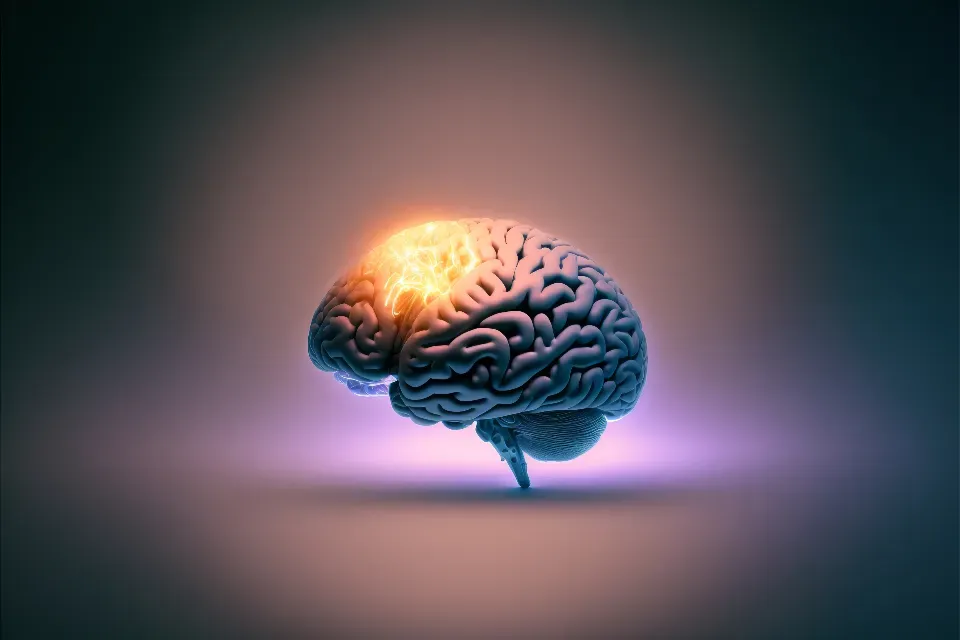
When you’re busy, you can shove feelings to the back of the mental closet just to get through your responsibilities. Alone, with fewer distractions, your brain finally opens that door. Old irritation from earlier in the day, sadness from last week, or a vague sense of dread you have been avoiding can suddenly show up as a wave of emotion that feels out of nowhere. It is not random; it is backlog. Your emotional system does not just delete things because you are busy. It waits. When your cognitive load drops – when you are sitting on your bed, staring at the ceiling, or washing dishes alone – your brain has the capacity to process what you parked. That might feel like you are “more emotional” when you are alone, but really, you are just finally hearing what has been there all along. Giving those feelings some honest attention, instead of instantly reaching for your phone, can stop them from turning into chronic stress.
Your Social Brain Starts Inventing Imaginary Conversations

Human brains are intensely social, so even when you’re physically alone, your mind often fills the gap with people who are not there. You might mentally argue with someone, imagine confessing something, rehearse a confrontation, or even “talk” to someone who has been out of your life for years. It can feel like you’re haunted by relationships, but your social circuitry is just doing its usual job without real humans to plug into. Your brain uses these inner dialogues to help you navigate complex social dynamics. When you are finally alone, it has the space to run through what you wish you had said or might say next time. That can be useful, like role-playing a tough conversation before it happens. But it can also trap you in loops – especially if you keep reliving one painful scene. When you notice you are stuck in an imaginary argument for the third time this week, it’s a sign your brain is still trying to solve something you might need to address more directly in real life.
Your Attention Jumps Between Hyper-Focus And Total Fog
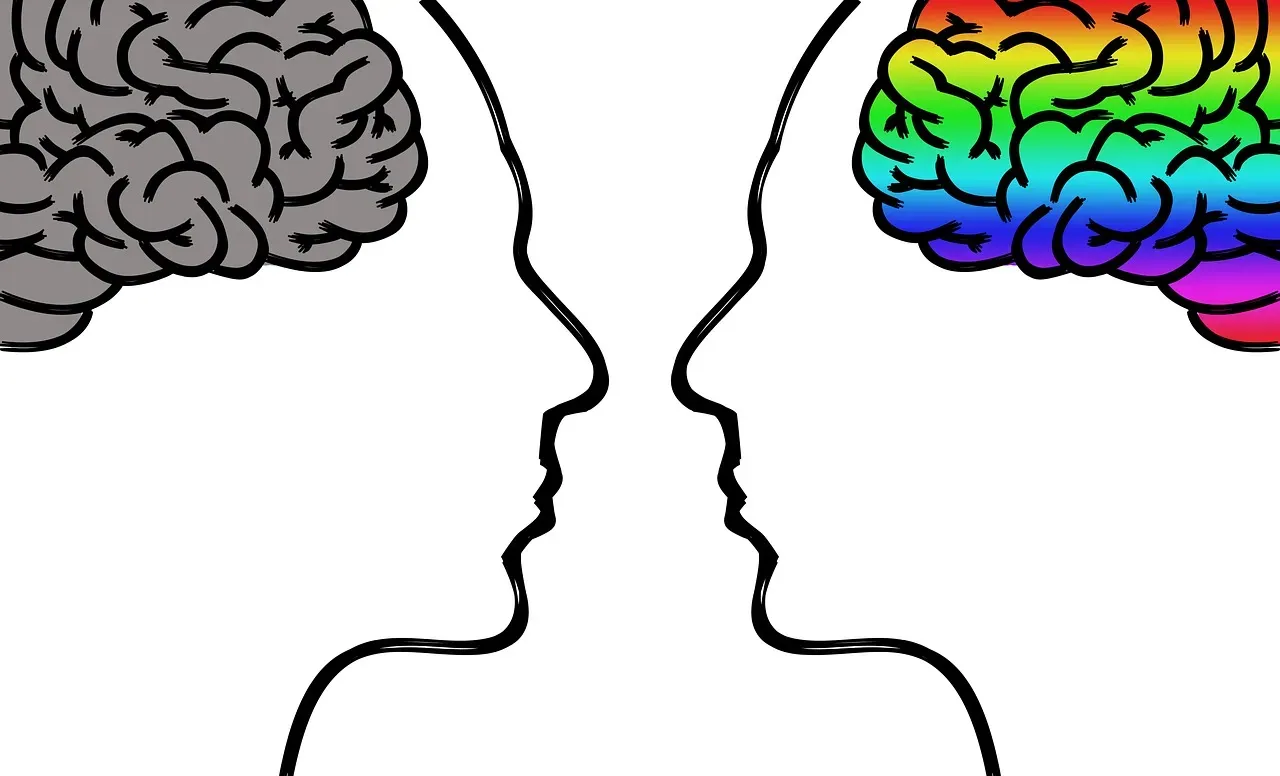
You might notice something odd when you are alone: your ability to focus becomes strangely unpredictable. Some days, you drop into deep concentration and lose yourself in reading, gaming, cleaning, or a hobby, and it feels effortless. Other days, your mind slips away from tasks like soap in the shower. You pick up your phone, pace, start five things, and finish none of them. The silence of being alone can amplify both extremes. Without outside structure – no one watching, no deadlines in your face – your brain has to self-regulate attention, and that is a lot harder than it sounds. If you are a bit anxious, tired, or bored, your mind will desperately seek stimulation, bouncing between distractions. But when you stumble onto something that feels meaningful or rewarding, your brain can lock in, almost like a spotlight on a dark stage. You are not lazy when you drift or magically “disciplined” when you focus; you are responding to how your brain balances interest, reward, and effort in that particular moment.
Your Body Signals Get Louder Once The Noise Stops

Have you ever noticed that you do not feel how exhausted, tense, or hungry you are until you finally sit alone for a minute? When your day is packed, your brain often suppresses body signals so you can keep functioning. Once the demands drop, those signals come rushing back in: jaw tightness, a sore back, a racing heart, or a heavy, drained feeling. Alone, you can no longer outrun your own nervous system. This can be unsettling because you might interpret it as something being “wrong with you” in that moment, when really, your body is just handing you a bill for the entire day. Your brain and body are deeply linked – when one finally slows, the other becomes audible. If your alone time always starts with a headache or tension wave, that’s not your body betraying you; it is your internal dashboard turning the lights back on so you actually notice what needs care.
Your Brain Starts Comparing Reality With Your “Ideal Self”

Quiet moments often bring up a subtle but painful comparison: the version of you that exists in your head versus the version living your current life. When you are alone, you might suddenly think about the habits you have not built, the projects you abandoned, the relationships that feel unfinished. Your brain naturally runs these comparisons because it keeps a mental blueprint of who you think you should be and occasionally checks your real life against it. That gap between who you are and who you want to be can either motivate you or crush you, depending on how you interpret it. If you see it as proof that you are failing, you will spiral into shame and avoidance. If you see it as a dashboard – information about what actually matters to you – you can use it to make small, grounded adjustments. The key is remembering that your “ideal self” is not a weapon; it is a rough sketch that you are allowed to redraw as your life changes.
Your Brain Quietly Tries To Make Meaning Out Of Everything

When the outside world goes quiet, your brain turns inward and looks for patterns: why you feel the way you do, what certain events “really meant,” where your life might be heading. You might find yourself thinking about big questions: whether you are happy, whether you chose the right path, or what you want from the next chapter. It can feel dramatic or heavy, but this meaning-making process is one of your brain’s deepest drives. You are wired to connect dots and turn random events into a story that feels coherent. Alone time gives you space to edit that story, question parts of it, or see it from a slightly new angle. Sometimes that leads to anxiety, because meaning can be messy and uncertain. But it is also where you quietly decide what you care about, who you want to be around, and what you’re willing to change. In the end, the story you tell yourself, in those quiet alone moments, shapes more of your life than almost anything outside you.
Conclusion: Turning Strange Brain Habits Into Quiet Superpowers

Being alone does not suddenly make you a different person; it just turns up the volume on processes that are always running in the background. Your mind wanders, criticizes, imagines, rewrites, and questions, often in ways that feel chaotic or uncomfortable. Once you recognize these patterns as normal brain behavior – not proof that something is wrong with you – you can stop fighting them and start working with them. You can choose to treat alone time not as an ambush by your thoughts but as a laboratory: a place where you learn how your brain really works, where you can gently steer your attention instead of being dragged by it. You will still have spirals, daydreams, and strange mental detours, but they will not scare you in the same way. The next time the door closes and it is just you and your mind, what if, instead of trying to escape it, you got genuinely curious about what it is trying to show you?