
Every time something ancient is dragged out of the sea, it feels like history is clearing its throat and saying, “You sure about that story you’ve been telling?” For all our documentaries, textbooks, and museum displays, the ocean keeps coughing up objects that do not quite fit, like puzzle pieces from a different box. I still remember the first time I saw photos of a corroded bronze “machine” pulled from a shipwreck; I’d grown up thinking ancient tech meant spears and sandals, not gears and dials.
What makes these underwater finds so unsettling is how quietly they threaten the neat timelines we love. A single shipwreck can suggest that people sailed farther, traded more widely, or engineered more cleverly than we thought possible for that era. Some artifacts hint at lost maps, forgotten trade routes, or scientific knowledge that seems centuries ahead of schedule. Let’s dive into 12 ocean discoveries that did not just answer questions about the past – they raised new ones.
The Antikythera Mechanism: A Bronze Computer Centuries Ahead of Its Time
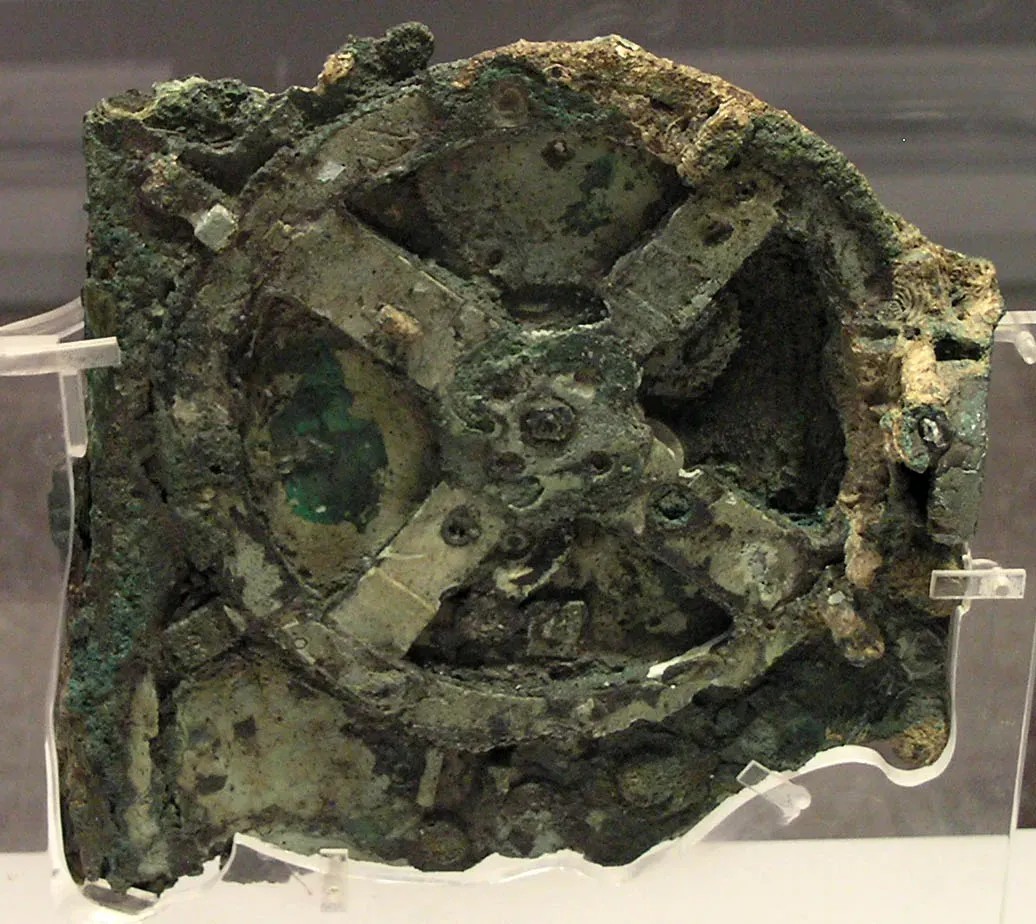
When sponge divers off the Greek island of Antikythera stumbled on a Roman-era shipwreck in the early 1900s, no one expected to find what many now call the world’s first analog computer. Encrusted in bronze and almost thrown away as junk, the Antikythera Mechanism turned out to be a complex system of gears that could predict eclipses, track planetary movements, and model celestial cycles with shocking precision. For something built over two thousand years ago, it looks less like a simple instrument and more like a piece of precision engineering from the Renaissance.
The big question is uncomfortable: if one device like this survived, how many others were lost, and how advanced was ancient Greek science really? It hints at a tradition of high-level mechanical engineering that we barely have scraps of, suggesting that our picture of ancient technology might be filtered through massive gaps in the archaeological record. Personally, I think this find forces us to admit that tech booms have probably come and gone before, then vanished under waves, fires, and forgotten libraries. We may not be the first civilization to stand at the edge of something big and then lose the instruction manual.
Pavlopetri: A Sunken Bronze Age City That Rewrote Maritime History
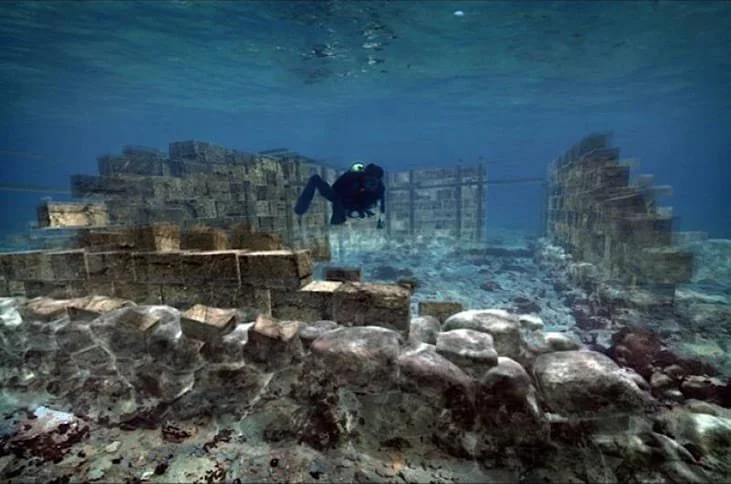
Just off the coast of southern Greece, archaeologists mapped the remains of Pavlopetri, a submerged town that dates back more than three thousand years, possibly even earlier. This is not just a random cluster of stones; it has streets, buildings, courtyards, and what looks like an organized urban plan, preserved under shallow waters. For a long time, we assumed complex, planned coastal cities were a later development, but here’s a fully fledged Bronze Age port quietly sitting on the seabed.
Pavlopetri raises a slightly haunting question: how many coastal towns from deep antiquity are gone, drowned by changing sea levels and earthquakes before we ever knew they existed? Our vision of early civilizations is mostly based on what survives on land, but places like this hint that a whole layer of maritime society is missing from the story. It makes our current coastlines feel temporary too, like we are just tenants on the edge of a slowly rising sea that will one day file our cities under “future archaeology.”
Heracleion and Canopus: Egypt’s Lost Port Cities Beneath the Waves
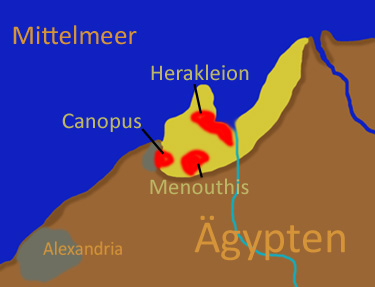
For centuries, the Egyptian port city of Heracleion (also called Thonis) was something between legend and a footnote, known from old texts but not from the ground. That changed when underwater archaeologists located vast temple complexes, colossal statues, docks, and shipwrecks buried in the mud of Aboukir Bay. Alongside Heracleion, parts of another ancient city, Canopus, emerged as well, revealing an entire drowned world of canals, shrines, and bustling harbors that once sat at the mouth of the Nile.
These discoveries complicate the story of how Egypt met the wider Mediterranean world. Instead of a simple narrative of pharaohs on one side and Greek and later Roman traders on the other, Heracleion and Canopus show intense, messy cultural mixing at a scale we had not fully appreciated. They also raise a practical question: how many major religious centers and economic hubs have disappeared under rivers and seas, quietly erasing evidence of political and spiritual life? It is hard not to wonder if our tidy maps of “ancient Egypt” are missing entire chapters that sank with its ports.
The Uluburun Shipwreck: A Bronze Age Cargo That Mapped a Globalized Past
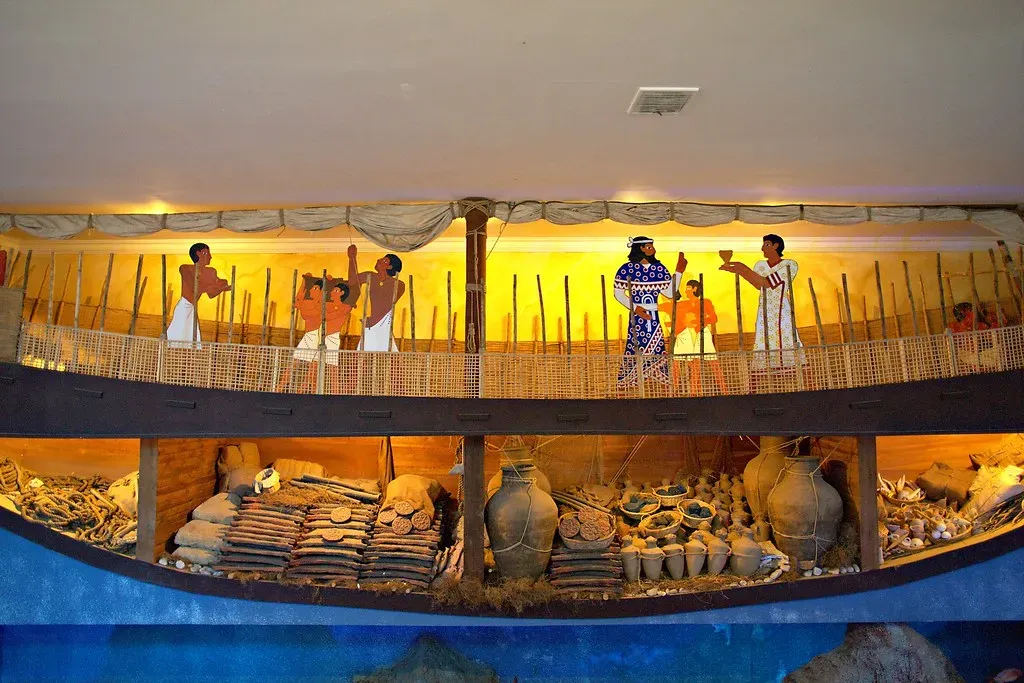
Off the coast of modern Turkey, divers in the late twentieth century found the Uluburun shipwreck, a late Bronze Age merchant vessel that feels like a time capsule of ancient globalization. Its cargo held copper ingots, tin, glass, ivory, luxury goods, and exotic materials traced to places stretching from central Europe to the Near East and North Africa. Each object is like a passport stamp, showing how far networks of trade already reached more than three thousand years ago.
The sheer diversity of the cargo kills the idea that ancient societies were mostly isolated pockets occasionally bumping into each other. Instead, it hints at an economic and political web intricate enough that when it faltered, the whole Bronze Age world in that region began to unravel. To me, the Uluburun shipwreck feels disturbingly modern: a single ship, loaded with raw materials and luxury goods, moving through a fragile system that can break under stress. It makes you look at our current shipping lanes and wonder how different, really, our world is from theirs.
Roman Shipwrecks Full of Amphorae: Wine, Oil, and Questions About Consumption
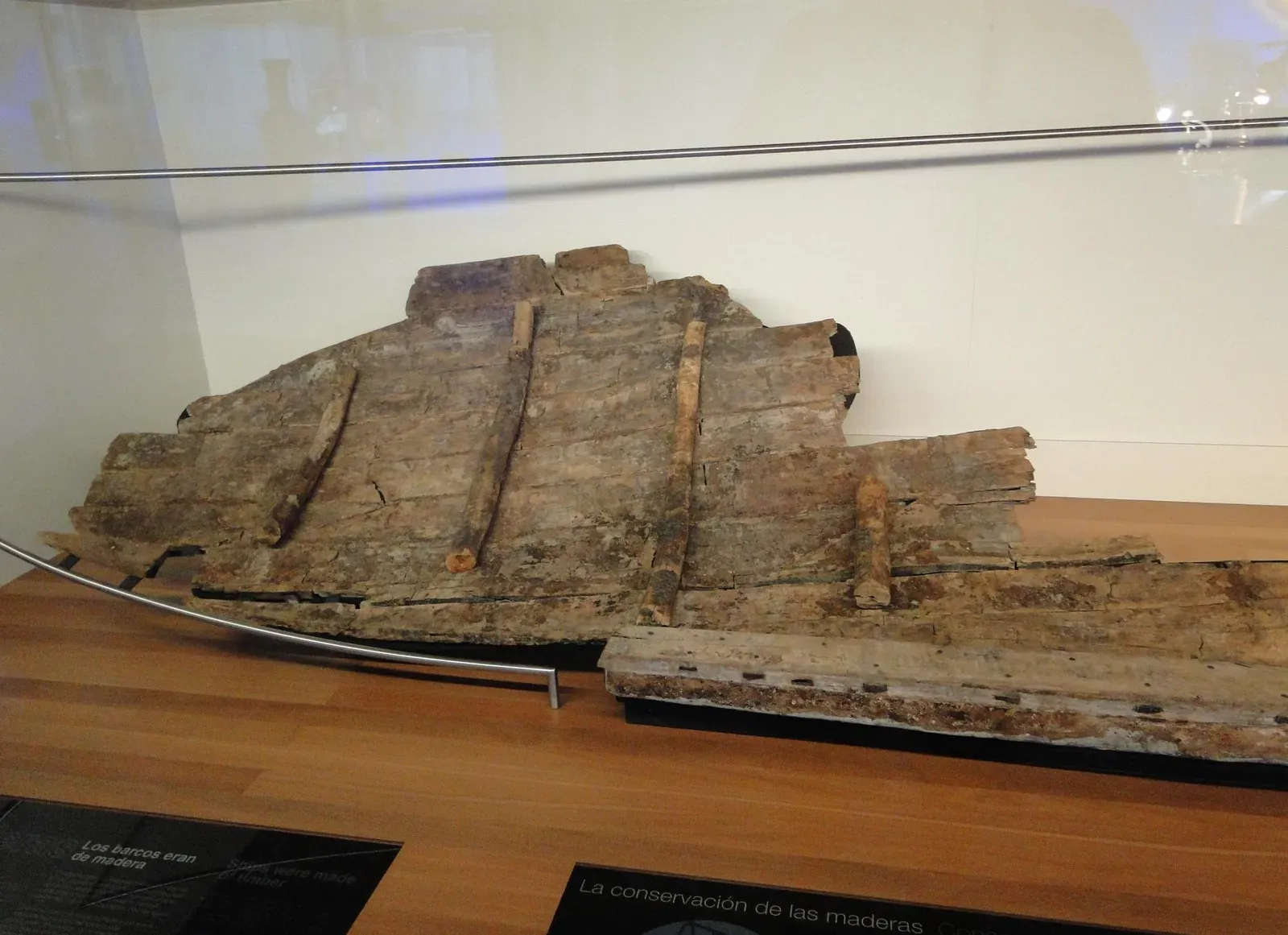
All across the Mediterranean seabed lie Roman shipwrecks stacked with amphorae, the large ceramic jars that carried wine, olive oil, fish sauce, and other goods. Some wrecks preserve their cargo almost intact, rows of jars still packed in tight like the ancient equivalent of shipping containers. When researchers trace where these amphorae were made and where the ships sank, they reveal sprawling trade routes that fed the appetites of cities from Rome to provincial ports.
What unsettles historians is how massive and routine this flow of goods seems to have been. It hints at consumption on a scale that demands efficient administration, relatively stable sea lanes, and a culture deeply tied to imported staples and luxuries. That raises a bigger question: how dependent was the Roman world on this constant movement across water, and how vulnerable did that make it to war, piracy, or climate shifts? In a way, these broken jars lying on the seafloor look like an ancient warning label about building your society on always-on logistics.
Nan Madol’s Offshore Ruins: A Coral City That Shouldn’t Exist Where It Does
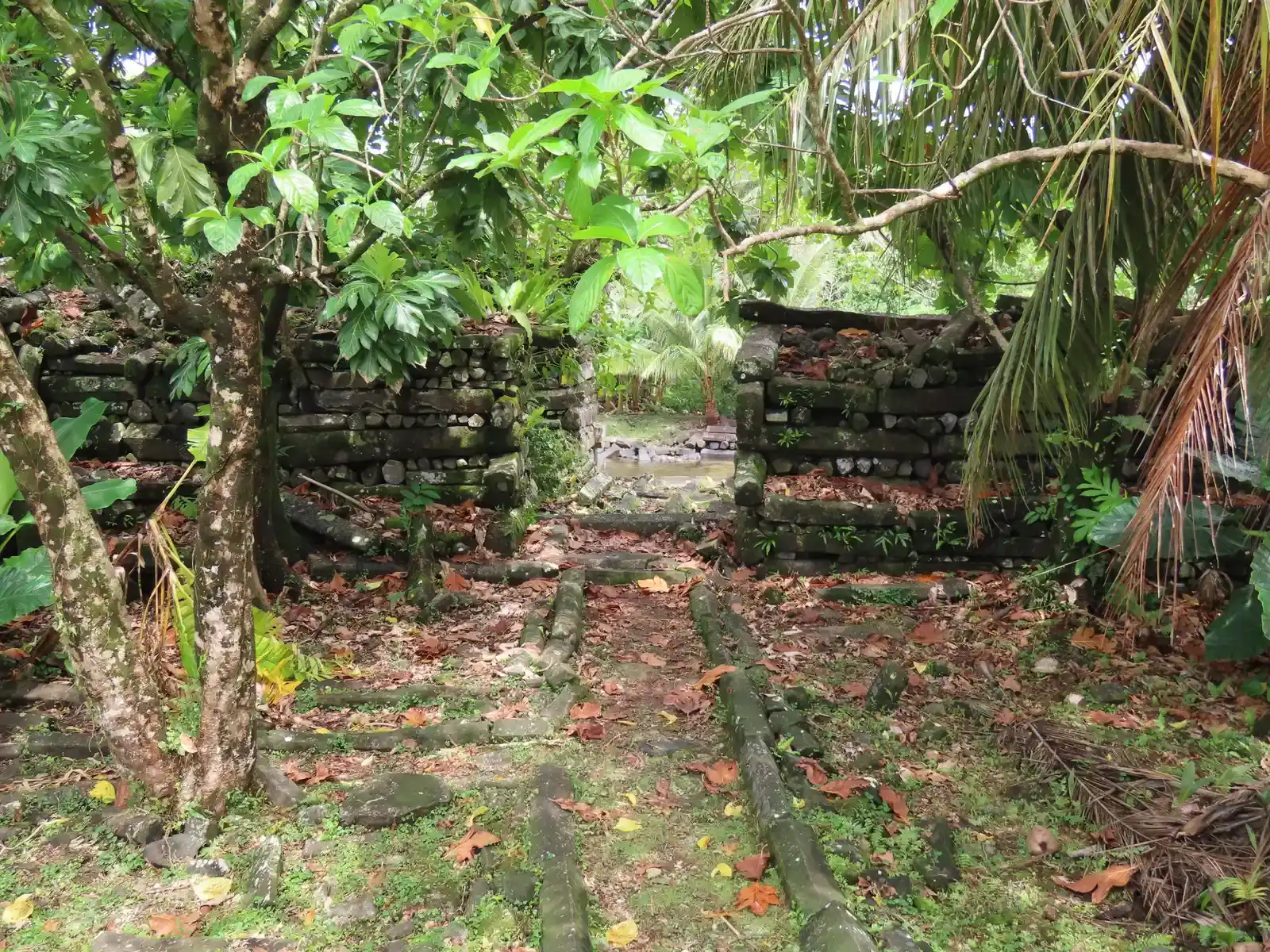
While not completely submerged, the ruins of Nan Madol off the coast of Pohnpei in Micronesia sit partly in tidal channels and lagoons, their massive basalt blocks forming an eerie stone city on the water. Built centuries ago by the local Saudeleur dynasty, this complex of artificial islets and canals has puzzled researchers for generations. The stones are huge, and the logistics of moving and stacking them in such a watery, unstable environment defy easy explanation with simple tools and boats.
Nan Madol raises questions less about technology and more about social organization and belief. Why build such an elaborate, labor-intensive ritual and political center essentially in the ocean, and how did leaders convince or compel people to do it? Some modern engineers argue that the practical challenges alone suggest a sophisticated local understanding of tides, buoyancy, and leverage that we still do not fully appreciate. Standing there, half on land and half in water, it feels like proof that human ambition has always been happy to ignore common sense and physics when power and ritual are involved.
The Mahabalipuram Pagodas: Temples Revealed by a Receding Sea

On the coast of India near Mahabalipuram, local legends spoke of seven grand temples, most of them supposedly swallowed by the sea. For years, only one iconic shore temple remained on land, fueling stories of the others. After unusually strong waves and a tsunami temporarily pulled back the waters in the early twenty-first century, people reported seeing the outlines of submerged structures offshore, leading to underwater surveys that identified man-made remains beneath the waves.
These drowned structures suggest that the famous temple complex once extended further out, and that rising seas or dramatic coastal changes erased entire sacred landscapes. It raises thorny questions for historians of religion and architecture: how many coastal ritual centers, celebrated in old stories, have simply vanished under the waterline? It also nudges us to pay attention to oral traditions; what we dismiss as myth can sometimes be distorted memories of very real environmental disasters. In this case, the ocean quietly confirmed what storytellers had been saying for generations.
Doggerland: A Sunken Prehistoric Landscape in the North Sea
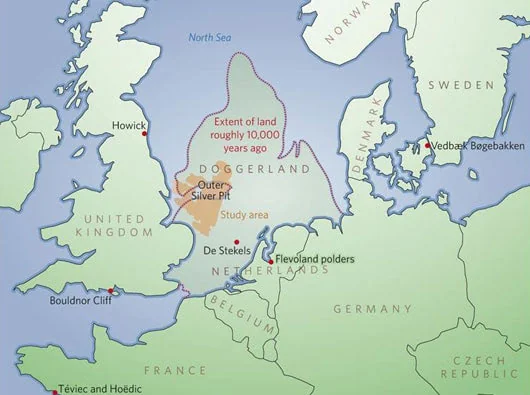
Between Britain and mainland Europe lies the North Sea, but not so long ago in geological terms, much of that area was dry land known as Doggerland. As fishing trawlers and offshore projects pulled up ancient bones, tools, and even traces of human activity, scientists became more confident that a once-inhabited region now lies underwater. This was not just a narrow causeway but a broad landscape of rivers, marshes, and settlements that slowly drowned as sea levels rose after the last Ice Age.
Doggerland challenges how we picture early European communities and their movements. Instead of isolated groups hopping across a narrow channel, there may have been a big, well-settled land bridge that people called home for millennia. When it disappeared, that loss must have been gradual and terrifying, a creeping flood that pushed families, animals, and entire cultures uphill. For me, Doggerland is one of the most unsettling discoveries because it feels like a mirror held up to our own coastal cities facing a warming world.
The Baltic Sea “Anomaly” and Submerged Stone Structures
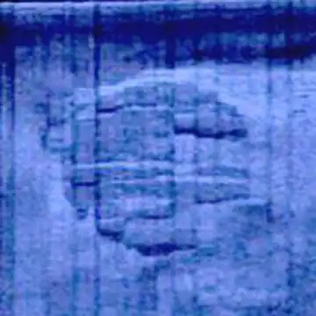
In the relatively shallow, cold waters of the Baltic Sea, sonar has revealed a variety of curious shapes, from stone arrangements that look like possible ancient structures to the much-hyped “Baltic Sea Anomaly,” a strange formation that some claimed was artificial. Most serious researchers lean heavily toward natural explanations, pointing out that geology can produce some very odd shapes. But mixed in with the hype are legitimate finds of old submerged settlements and stone features that really are human-made.
The confusion and debate here highlight a broader problem: sonar images and partial dives can easily fuel wild speculation when the data is thin. Yet, even when we strip away the sensational claims, there is still enough evidence of ancient activity on now-submerged Baltic coasts to force a rethink of how people used these shorelines. The real story is not a single “mystery object” but the quiet realization that as seas rose and coasts shifted, human traces were simply left behind, waiting for fishermen and survey teams to stumble over them centuries later.
Pacific Underwater Petroglyphs and Rock Art: Messages Beneath the Waves
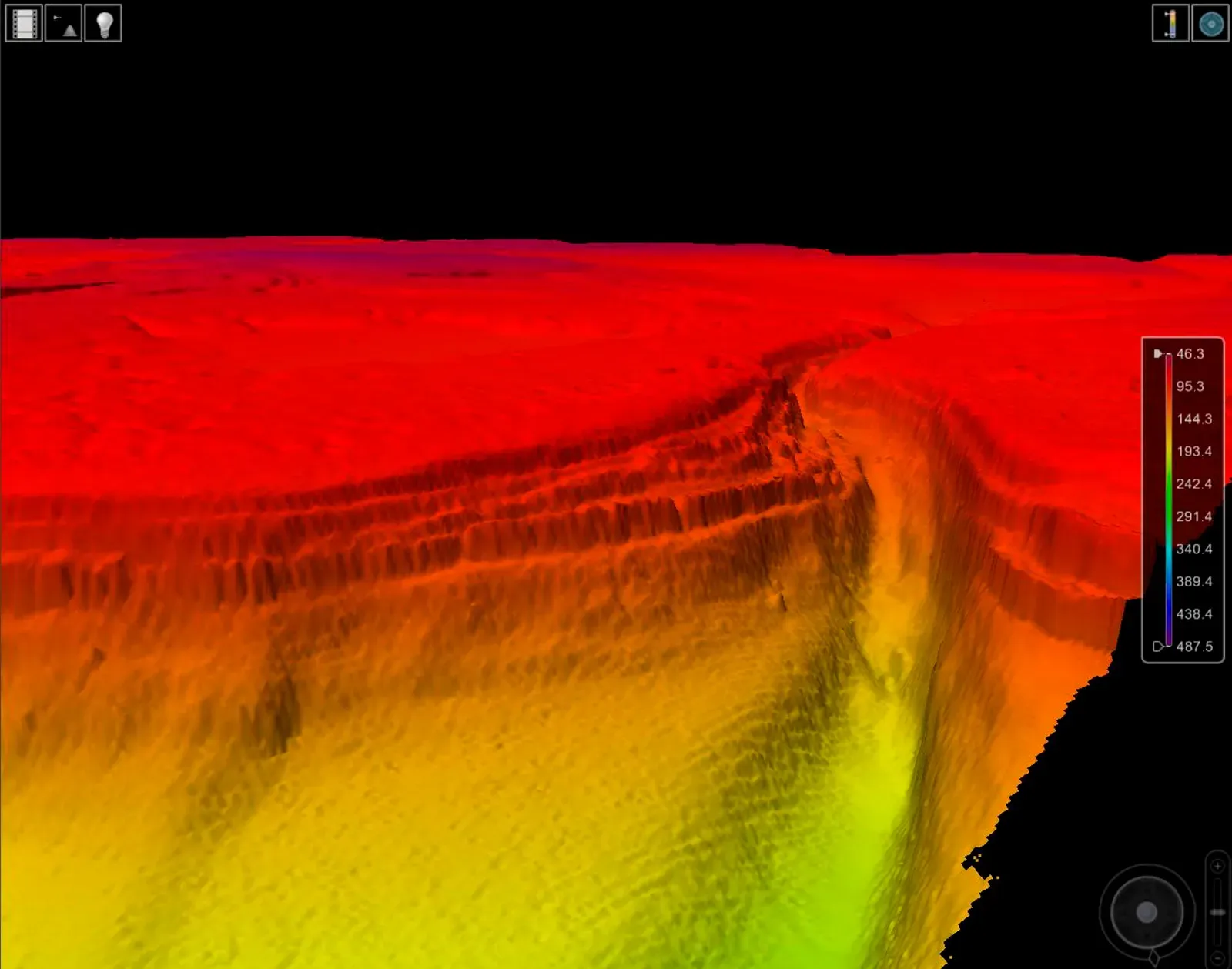
In parts of the Pacific and other coastal regions, divers have reported rock carvings and petroglyphs now sitting below the waterline, sometimes only visible to those willing to strap on a mask. These carvings often match styles found on shore, suggesting that they were originally made at or near sea level before the coastline changed. That means people once stood where fish now swim, carving symbols, figures, and patterns into exposed rock surfaces.
These submerged artworks raise intriguing questions about what those locations meant to the people who carved them. Were they sacred spots, navigational markers, or storytelling spaces that slowly slipped under the surf? They also remind us that “sea level” is not a fixed concept but a moving line that can erase cultural landscapes in a few human lifetimes. Seeing something as intimate as rock art underwater hits differently; it feels like hearing voices speak from a room that has already filled with water.
Clinker-Built Viking Ships and Lost North Atlantic Routes
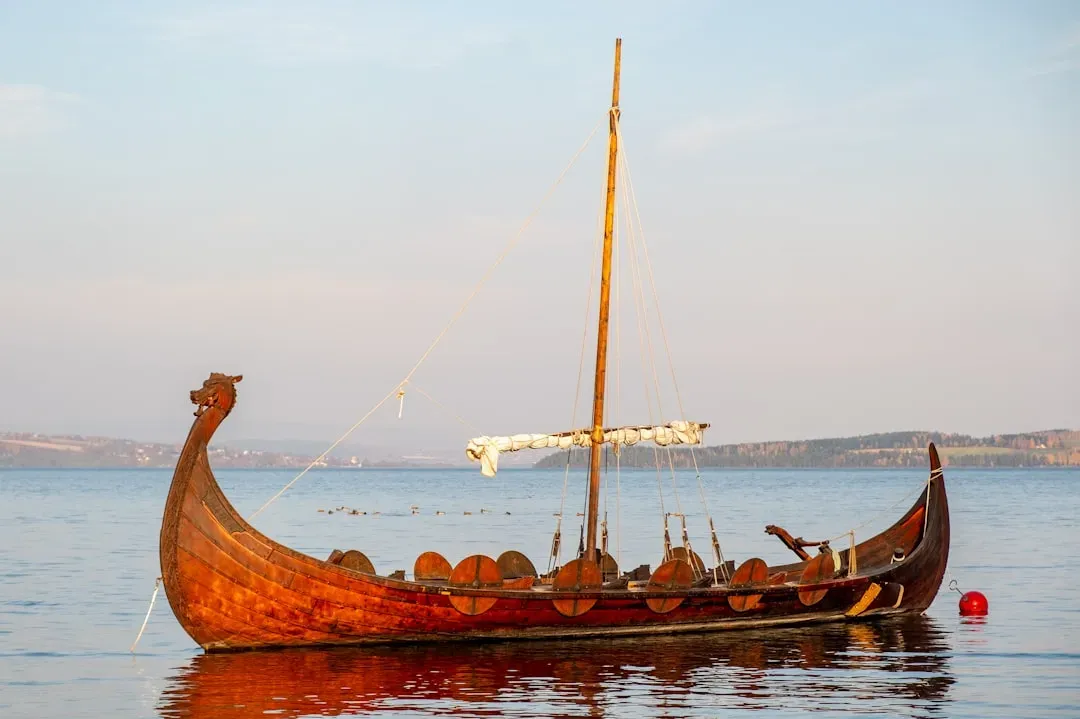
Several well-preserved Viking ships have been found in fjords, harbors, and shallow coastal waters, but underwater surveys keep adding new wrecks and fragments to the list. Their clinker-built construction, with overlapping planks and flexible hulls, shows how finely tuned these vessels were for both coastal raiding and serious open-sea voyaging. Some wrecks and isolated finds in places like the North Atlantic hint that Norse sailors may have traveled more frequently and more widely than the old school narratives admitted.
Every time a new ship or piece of Viking-age gear is found offshore, it chips away at the idea that transatlantic or sub-Arctic voyages were rare, one-off experiments. Instead, there may have been more regular movement between Greenland, North America, and northern Europe, much of it never documented in surviving texts. That leaves us with a lingering question: how much early contact and cultural exchange happened that left almost no written record, surviving only in a handful of drowned timbers and iron nails? In a way, those ships feel like the rough drafts of global exploration, most of which were thrown out by the sea.
The Terracotta Warriors’ Submerged Relatives and Sunken Harbor Mysteries
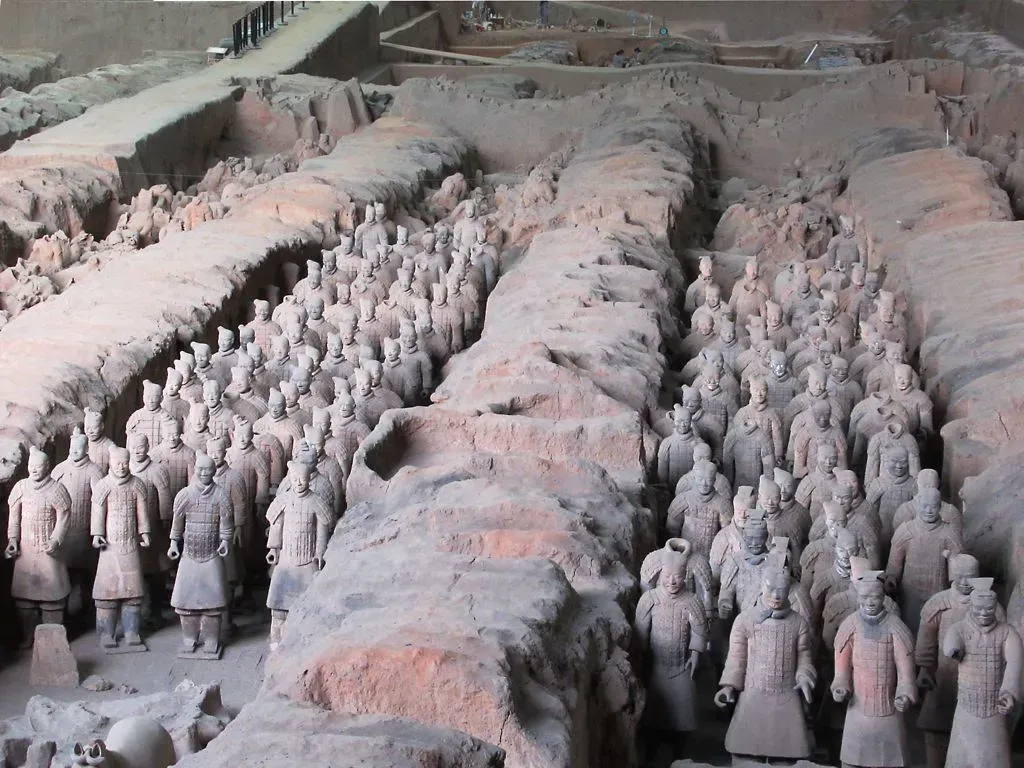
While the main Terracotta Army in China sits safely on land, coastal and underwater archaeology in East Asia has revealed shipwrecks and harbor remains tied to powerful dynasties that moved armies and tribute by sea. In some cases, sunken vessels have yielded weapons, armor fragments, and ceremonial items that echo the martial culture seen at famous inland sites. These finds suggest that the story of imperial power is not just one of land-based armies, but also of fleets and naval logistics that we only partly understand.
What remains murky is just how central these maritime networks were to projecting power and culture along coasts and to distant islands. As more underwater sites are surveyed, a picture emerges of ports, warehouses, and lost ships that once carried soldiers, officials, and luxury goods across dangerous waters. For me, this chips away at the idea of neat boundaries between “land empires” and “sea powers.” Under the waves, you start to see a blurrier, more dynamic world where states leaned on the ocean more than their surviving chronicles like to admit.
Opinionated Conclusion: The Sea Is History’s Hard Drive, and We’ve Barely Plugged It In
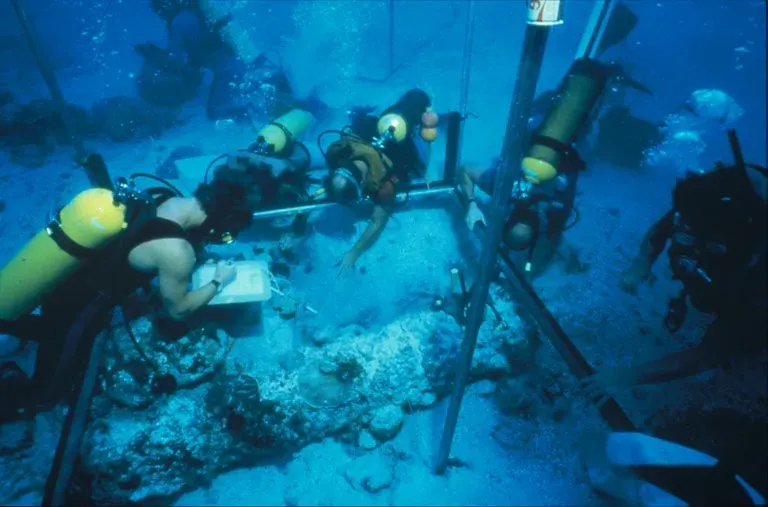
Looking at these twelve discoveries, it is hard to keep pretending that our history books are anything more than drafts written from whatever scraps happened to survive on dry ground. The ocean has swallowed cities, ports, battlefields, shrines, trade routes, and quiet little villages that never made it into ink. Every time divers pull up a gear-filled bronze box, a flooded street grid, or a cargo of goods from half a continent away, it feels like the past is politely tapping us on the shoulder and saying, “You left a few things out.” I honestly think our current view of ancient history is distorted not because anyone meant to get it wrong, but because so much of the evidence is sitting under saltwater, out of sight and out of reach.
Here is the unsettling opinion I keep circling back to: we probably underestimate ancient people in almost every direction – what they knew, where they traveled, how they traded, what they built, and how they coped when their world literally went under. Rising seas and sinking coasts have erased entire chapters, and we are only just starting to read the footnotes that washed back ashore. If the ocean is history’s hard drive, we have maybe scanned a few corrupted folders and a handful of recovered files. The real question is not whether the past still holds surprises; it is how many more are lying in the dark, waiting for the next diver, storm, or sonar scan to bring them up. What else do you think is sitting on the seafloor, quietly rewriting the story we tell about ourselves?