
Spend a little time watching crows, and you quickly realize they are not just “background birds.” They are sharp, moody, and oddly tuned in to what is happening around them. Many people, including experienced farmers and coastal villagers, swear that crows act differently right before storms, earthquakes, or other natural disasters, almost like feathery early‑warning systems. Science is still catching up to these stories, but what we already know about crow intelligence and sensitivity to environmental cues makes these claims hard to ignore.
When I first started paying attention to crows, I just thought they were loud neighbors with attitude. Then I noticed how their routines shifted before big storms: different calls, sudden gatherings, and eerie silence where there was usually chaos. That personal pattern is what hooks a lot of people into this topic. While we need to be careful not to turn every unusual crow into a supernatural omen, there are some consistent, fascinating behavior patterns that keep showing up around natural disasters. Here are nine of the strangest, and what might really be going on behind them.
1. Sudden, Intense Flock Gatherings in Unusual Places
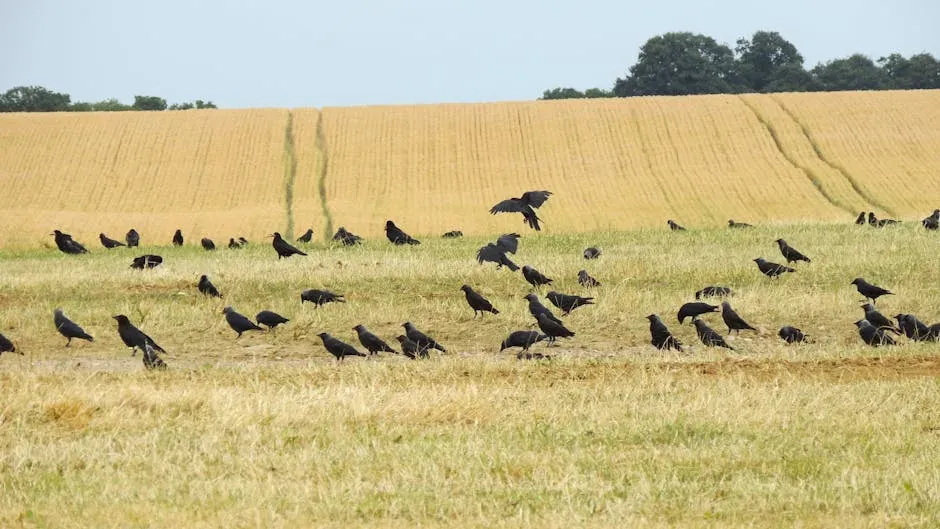
One of the most commonly reported patterns is big groups of crows suddenly gathering in places they do not normally use, often in open fields, parking lots, or on exposed hilltops. People sometimes describe it as a “crow convention,” with dozens or even hundreds of birds landing, calling, and taking off again in tight waves. If you live somewhere with regular storms or earthquakes, you may notice that these gatherings seem to spike right before something big rolls through.
From a scientific perspective, this could be linked to how sensitive crows are to changes in air pressure, wind direction, and even low‑frequency sounds that humans cannot hear. A sudden gathering might be the crow equivalent of an emergency town hall, where they reassess feeding areas, roosting spots, and safe routes as the environment shifts. It is not magic; it is risk management. But when you see a huge black cloud of birds swirling over a normally quiet area, especially under a strange, heavy sky, it is hard not to feel that something is coming.
2. Unnerving Silence in Places Usually Full of Crow Noise
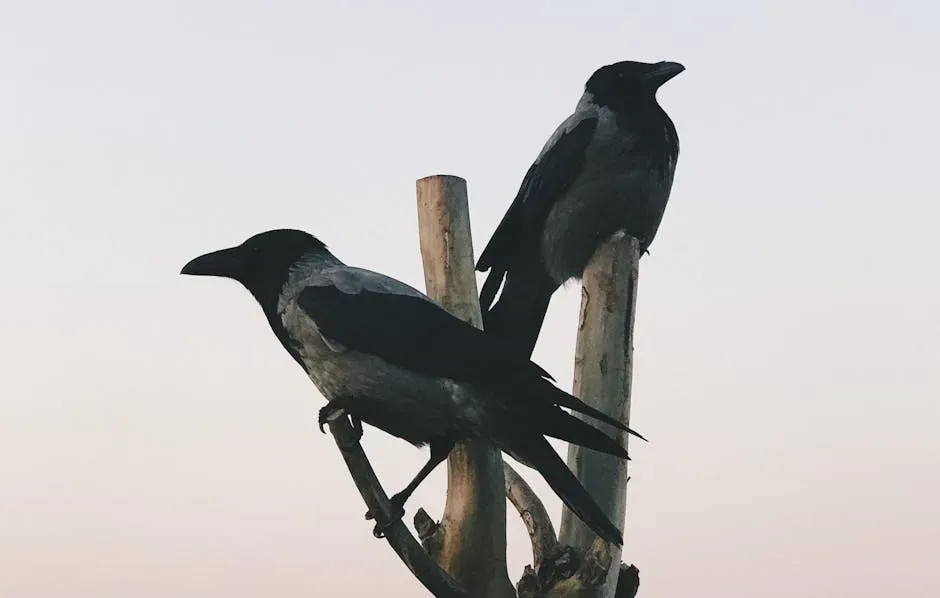
Just as telling as a sudden crowd of crows is their sudden absence. In neighborhoods where crows are usually noisy and ever‑present, a drop into complete silence can feel almost unsettling. People living near fault lines or in hurricane zones sometimes notice that the typical morning racket of caws and wing flaps goes strangely quiet in the hours before a major event.
There is a rational explanation for this: silence is a survival strategy. Many animals go quiet when they sense predators or unfamiliar danger, and extreme weather or seismic activity might trigger the same defensive instinct. If air pressure plummets, or if the ground starts giving off tiny vibrations before humans feel anything, crows may shift to low profile mode, roosting in dense cover and minimizing noise. When the birds that normally seem fearless suddenly vanish from view and sound, it can be a subtle, living barometer telling you that the balance of the environment has changed.
3. Frantic, Repetitive Alarm Calls With No Visible Threat
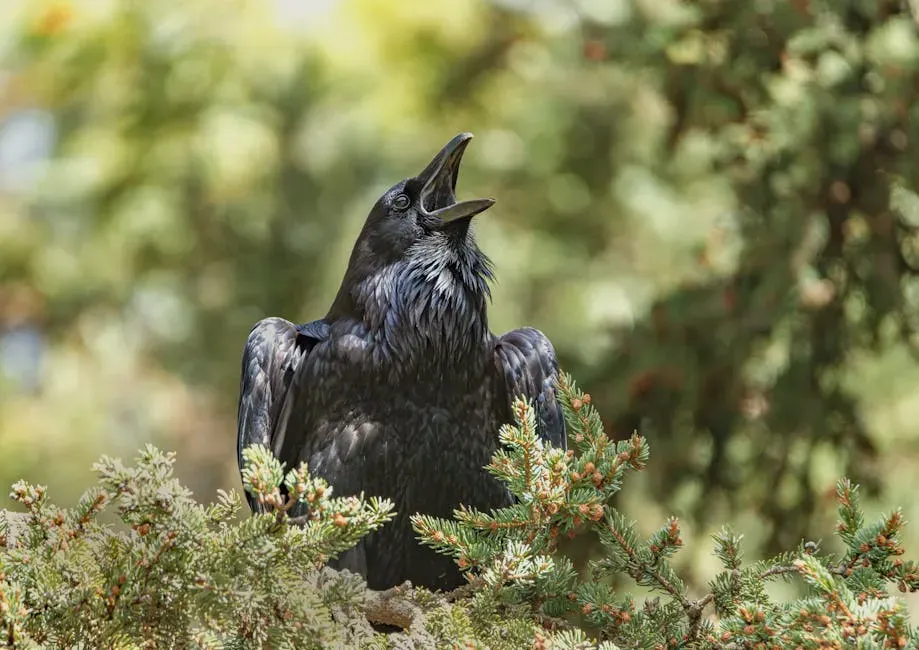
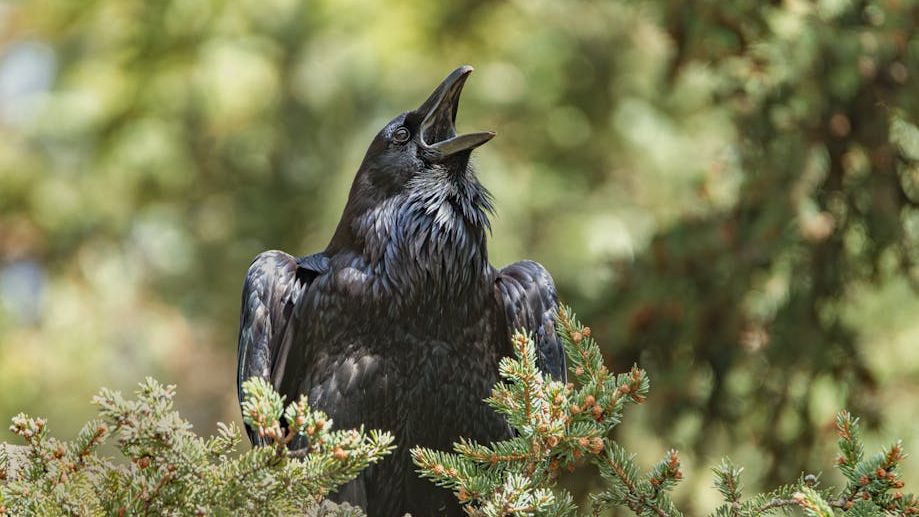
Most people recognize the difference between casual crow chatter and serious alarm calls. Alarm calls are sharper, more frequent, and more urgent, often repeated in quick bursts. In the lead‑up to storms, earthquakes, or even volcanic activity, observers sometimes report waves of intense crow calling with no obvious predator in sight. It sounds like the entire neighborhood has just seen something terrifying, even though the sky looks empty and no hawks or cats are visible.
One possible reason is that crows may be reacting to subtle sensory data we do not pick up, like distant rumbles, infrasonic waves, or sharp changes in the wind that signal danger to a bird’s finely tuned body. These birds are also masters at social learning; if one crow gets unsettled by a strange sensation or sound, others quickly copy that response. What starts as a single nervous bird can cascade into a full‑blown vocal storm. To human ears, it sounds like hysteria over nothing. But to the crows, it might be a critical early alert system, even if we cannot see the trigger yet.
4. Relentless Flight Circles Over Specific Spots
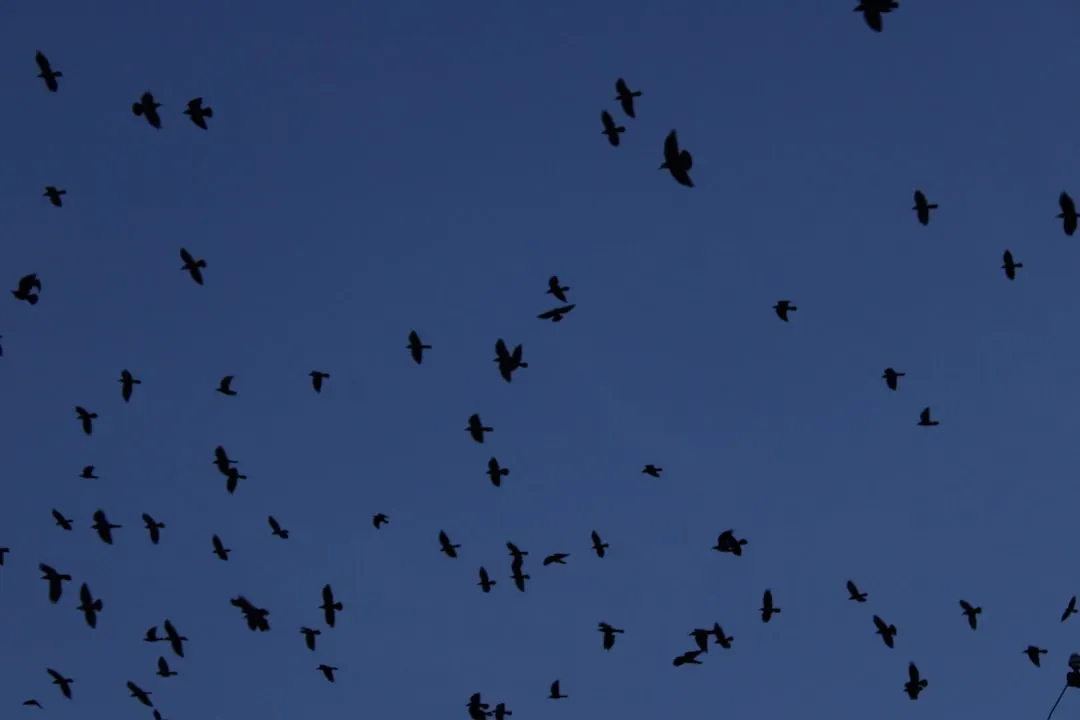
Another eerie behavior people notice before natural disasters is crows flying repeated circles over the same patch of ground or rooftop, calling and looping as if they are inspecting something invisible. Sometimes they fly low and tight, other times high and wide, almost like they are tracing a boundary around a place. This can go on for minutes or even longer, drawing attention simply because it is so persistent and focused.
There are a few potential explanations. One is that crows may be responding to shifting magnetic cues or unusual air movements funneled by local topography, testing where it feels safest to travel or roost. Another is social: if a familiar roosting tree or structure suddenly feels unstable or exposed, they may be collectively scouting for a better refuge. Either way, when you see crows circling obsessively over one spot under an otherwise calm sky, it may be their way of renegotiating their map of safety in real time.
5. Mass Relocation From Usual Roosts to Lower or More Sheltered Areas
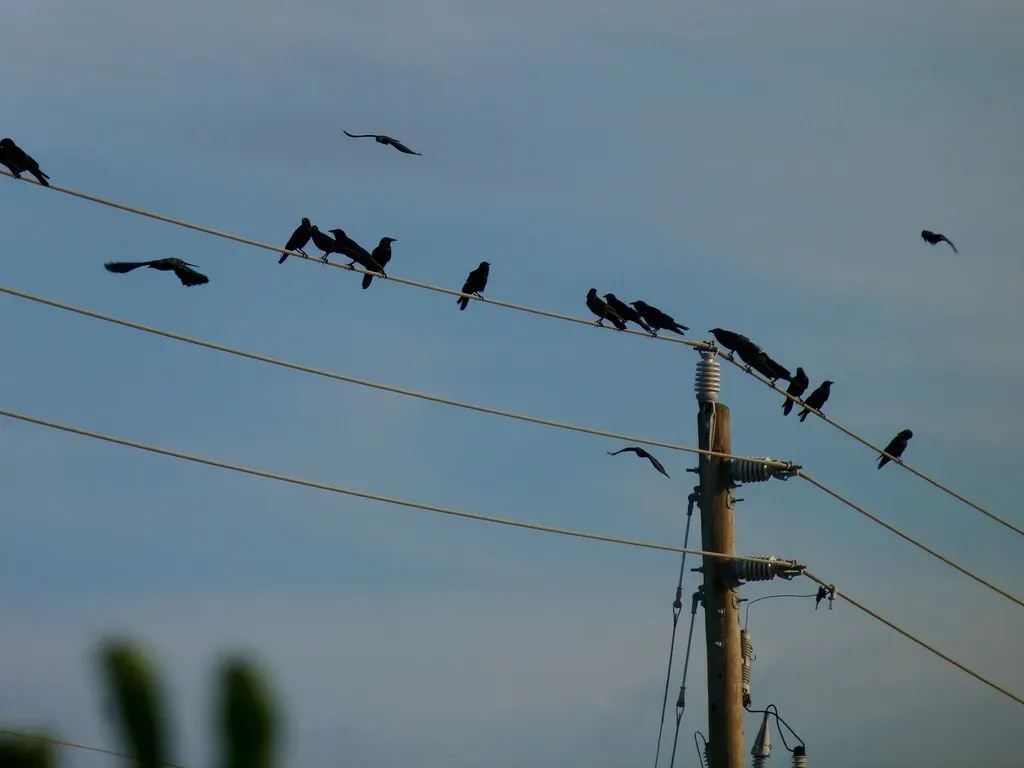
Crows are creatures of habit. They return to the same roosts night after night, sometimes in staggering numbers. That is why a sudden, mass shift in where they choose to sleep can be such a powerful signal. Before major storms or intense cold snaps, people sometimes see crows abandoning their usual tall trees and exposed perches in favor of lower, more sheltered spots like dense shrubs, thickets, or building ledges tucked from the wind.
This behavior is easier to spot in cities, where crow roosts can be dramatic and long‑established. If thousands of birds that normally line a particular row of trees suddenly vanish and reappear in a narrow alley or protected courtyard, that suggests they have recalculated the risk. Changes in wind speed, humidity, barometric pressure, and incoming noise can push them to seek cover earlier than usual. It looks strange to us because we like to believe the world is still “normal,” but the crows have already voted with their wings that something big is about to test their survival skills.
6. Hyperactive Ground Foraging and “Last‑Minute” Food Frenzies
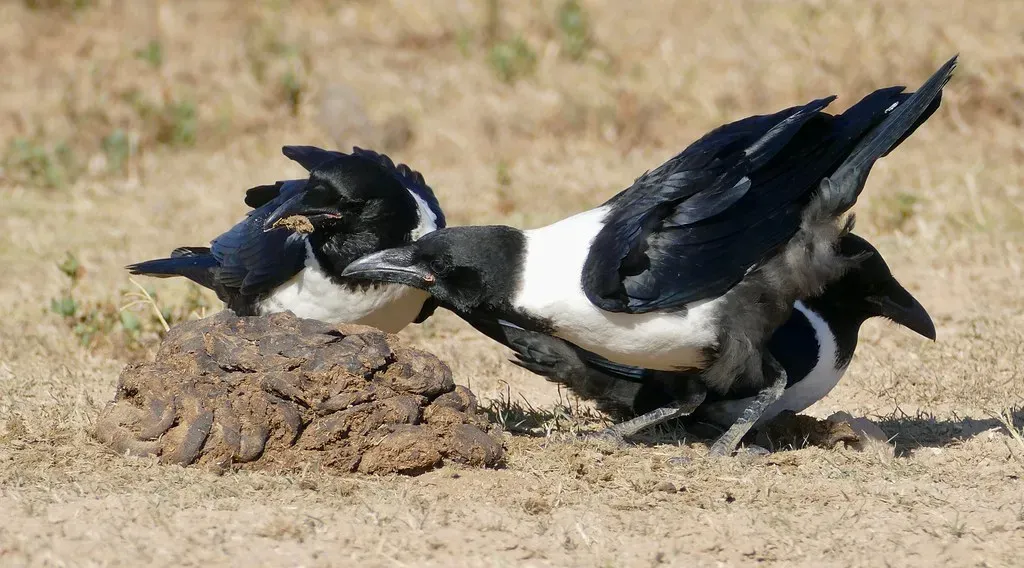
In the hours leading up to some natural disasters, observers report unusually intense ground foraging by crows. They move fast, grab food quickly, and seem less picky than usual, scooping up anything remotely edible. It can look like a frantic shopping trip right before a store closes: get what you can while you can. This behavior is especially noticeable before long storms, cold fronts, or blizzards, where food access may be limited for days.
From an energy budget perspective, this makes perfect sense. Birds live on tight caloric margins, and crows are smart enough to prepare when the environmental cues suggest lean times ahead. A sharp drop in pressure, changes in wind, and darkening skies can all combine into a clear message: eat now, complain later. When you see crows swarming lawns, fields, or trash areas with unusual determination, almost ignoring nearby humans or distractions, they may be stocking up before nature turns off the buffet.
7. Avoidance of Coastal Lines, Riverbanks, or Open Water
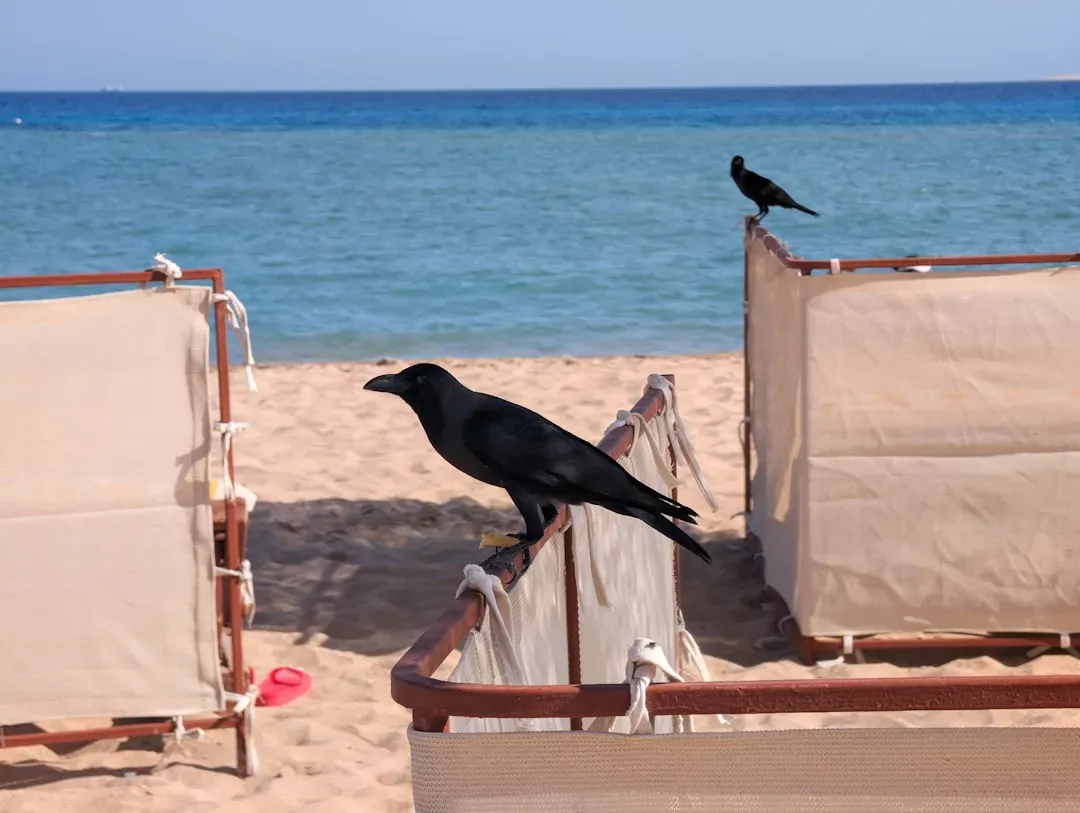
Just before certain natural disasters involving water, like tsunamis or massive storm surges, anecdotal reports describe crows leaving coastal edges, beaches, and riverbanks where they usually feed. Instead of patrolling shorelines for fish, crabs, or scraps, they shift inland, sometimes perching in trees that give them a wide view of the landscape but keep them away from the immediate waterline. To people who notice these patterns, the empty shore can feel uncomfortably exposed.
Birds are highly sensitive to wind direction, wave patterns, and subtle vibrations travelling through air and ground. If incoming waves or pressure changes send unfamiliar signals, crows may simply trust their instincts and move to higher or more stable ground. They do not know words like “tsunami” or “storm surge,” but they are experts at acting on discomfort. When the usual black silhouettes vanish from piers, harbors, and riversides, it might be less superstition and more a brutally honest risk calculation from animals that have learned not to argue with the sea.
8. Uncharacteristic Boldness Around Humans and Urban Areas
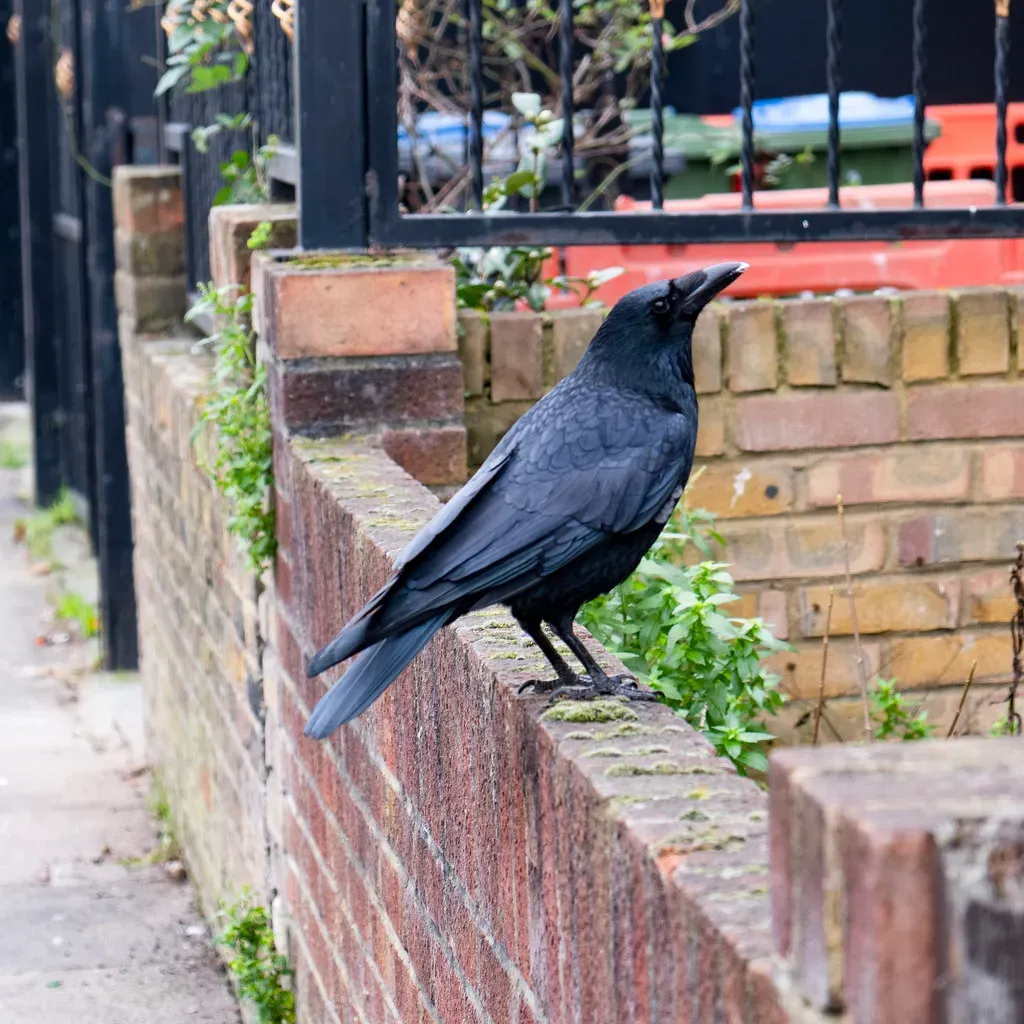
Crows are already bold birds, but before some natural disasters they can seem even more fearless, flying closer to people, cutting across roads at low altitudes, and clustering in busy human spaces where they normally keep a bit more distance. People sometimes describe them as acting “desperate” or “pushy,” snatching food quickly or lingering in parking lots and gas stations longer than normal. It can feel like the usual invisible boundary between wildlife and human life has thinned.
This behavior may be driven by stress and resource pressure. If their usual feeding areas feel unsafe or are already being disrupted by wind, rain, or ground motion, crows may fall back on the most reliable food sources they know: us and our waste. Streetlights, signs, and building edges also offer stable perches in turbulent weather, so crows may crowd into urban pockets that hold heat, light, and food. To a human standing underneath all of this, the result can feel strangely like a crowd of anxious, black‑winged refugees looking for last‑minute security.
9. Disorganized, Erratic Flight Patterns That Look Almost Panicked
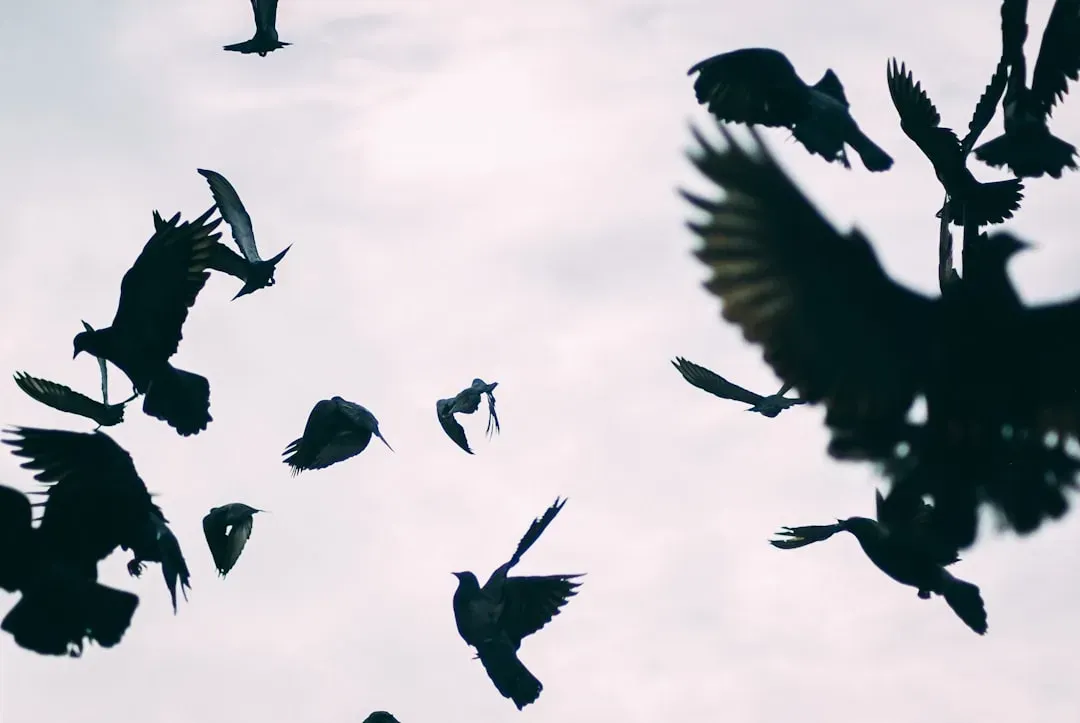
Perhaps the most chilling behavior reported around natural disasters is erratic, seemingly panicked flight. Instead of their usual steady, purposeful routes, crows may burst into chaotic, zigzagging movements, colliding with each other, changing direction mid‑air, or dropping suddenly toward the ground before pulling back up. Flocks may explode from trees without any visible predator, whirl in frantic loops, then scatter in all directions as if fleeing something only they can feel.
There are several possibilities here, and they do not all point to supernatural warning powers. Strong and shifting winds can disrupt flight control, seismic waves can produce disorienting vibrations, and stress hormones may spike when the environment starts behaving in unfamiliar ways. Crows, like people, can become confused when their usual rules no longer apply. To us, these erratic flights can feel like a glimpse into a danger we have not yet fully seen. Whether we label it panic or adaptation, it is a reminder that animals often react to the world’s first whispers of chaos long before it shouts at us.
Conclusion: Omen, Overreaction, or Overlooked Early‑Warning System?
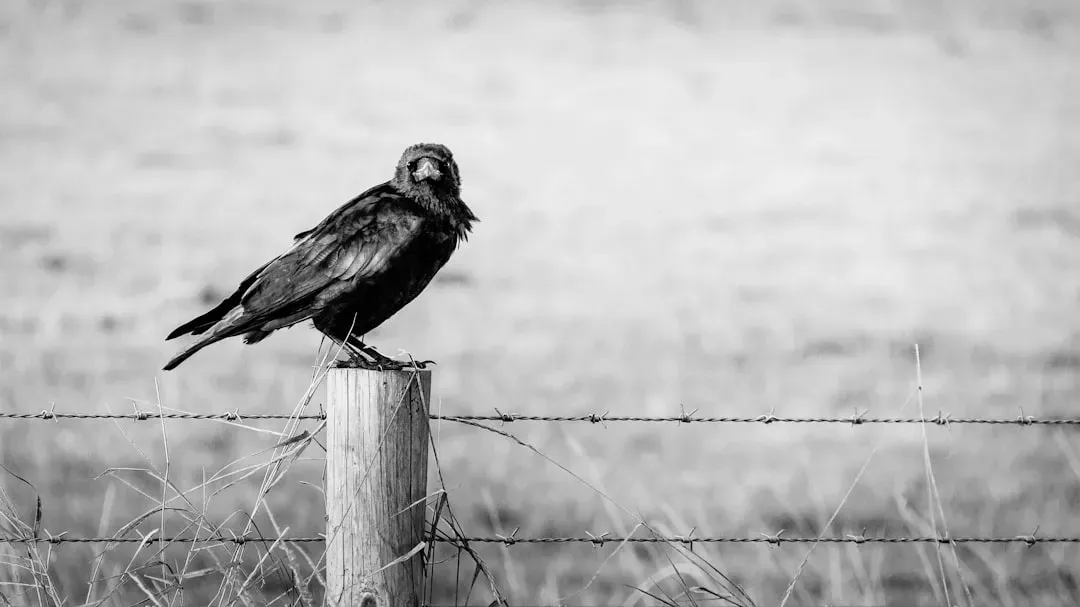
So, are crows really tiny prophets of doom, or are we just good at spotting patterns after the fact? The honest answer sits somewhere in the middle. We know crows are incredibly intelligent, socially complex, and acutely sensitive to environmental changes, which makes it perfectly reasonable that they would react early to shifting pressure, odd sounds, and subtle ground movements. At the same time, humans are experts at storytelling, and we sometimes remember the dramatic moments when crow behavior lined up with disaster and forget all the ordinary weird days when nothing happened afterward.
My own view is this: taking crow behavior seriously does not require superstition, just humility. These birds are reading a version of the world we do not have access to, tuned to signals we barely understand. If you see sudden mass gatherings, eerie silence, frantic calls, or empty coastlines filled with a strange absence of black wings, it is worth pausing and paying attention to your surroundings. Even if nothing catastrophic follows, you have just noticed that nature is talking. The real question is not whether crows can sense disasters before we do, but how often we ignore the quiet warning signs written in wings and calls because we are too busy staring at a screen. Did you expect crows to have this much to say about the state of the world?