
If you could step into the mind of someone living a thousand years ago, most of what you take for granted today would sound like wild fantasy. The idea that the Earth is a tiny rock circling a random star in an ordinary galaxy? Unthinkable. The notion that everything around us, including our own bodies, is made of invisible atoms and swirling quantum fields? That would have sounded like pure magic.
Yet here we are, living in a world completely reshaped by a handful of powerful scientific theories. These ideas didn’t just tweak a few details; they ripped up old maps of reality and forced us to redraw everything from scratch. Some of them were hated at first, mocked, or even treated as dangerous. But over time, as evidence piled up, they changed how we see the universe, life, and even ourselves.
Heliocentrism: Moving Earth From the Center of the Universe
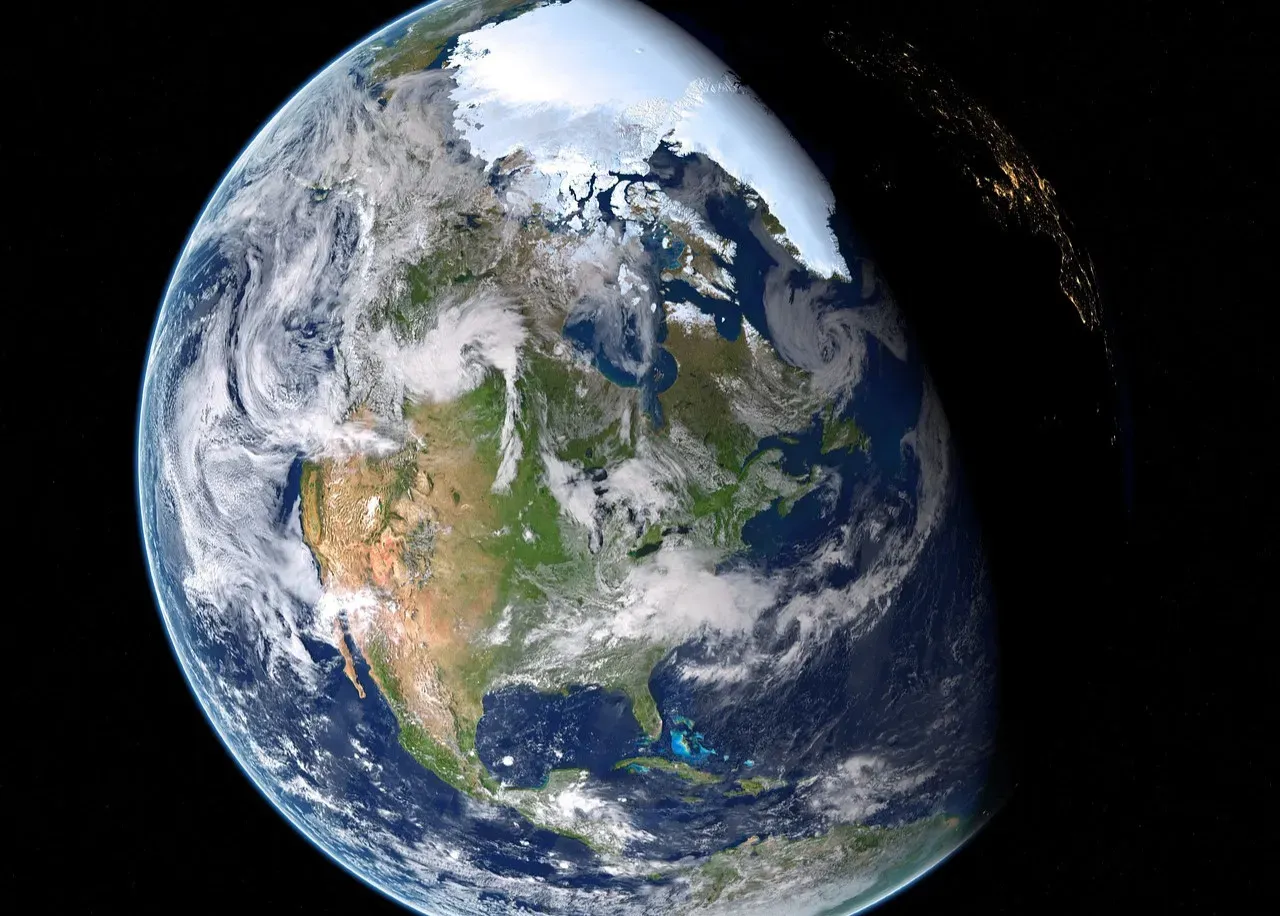
Imagine growing up your whole life convinced that everything in the sky spins around you, and then being told, actually, we’re the ones doing the spinning. That’s the shock heliocentrism delivered when astronomers argued that the Earth orbits the Sun, not the other way around. For a very long time, the dominant belief in Europe and many other cultures placed Earth at the center, both physically and spiritually, which made the early heliocentric idea feel almost insulting.
What made heliocentrism so powerful wasn’t just the claim itself but the math and observations backing it up. Planets that once seemed to wander unpredictably suddenly followed smooth, understandable paths when the Sun was placed at the center. Over time, better measurements, telescopes, and calculations stacked up in favor of this new model. The emotional impact was huge: humanity had to accept that we’re not sitting on a cosmic throne but orbiting a star in a vast, indifferent universe. That shift in perspective still echoes through science, philosophy, and even how we think about our place in the world.
Newtonian Mechanics: Turning Motion Into Math

Before Isaac Newton, motion was kind of a mess conceptually. People had bits and pieces of understanding – arrows fly, apples fall, wheels roll – but no single, unified way to explain all of it. Newton’s laws of motion changed that by giving the world a simple mathematical framework that worked frighteningly well. Suddenly, everything from a falling stone to a spinning planet could be predicted with equations, not just guessed at or described with vague ideas.
This theory turned the universe into something that could be calculated, not just admired. It fueled engineering, navigation, architecture, and later, the Industrial Revolution. Ships could travel more safely, cannons could be aimed more accurately, and later on, trains and machines could be designed with confidence. Even though we now know Newtonian mechanics breaks down at very small scales or very high speeds, it’s still the language we use to build bridges, launch rockets, and keep planes in the sky. It proved that reality follows rules we can discover and write down, which might be one of the most empowering ideas humanity has ever had.
Electromagnetism: Revealing the Invisible Forces All Around Us
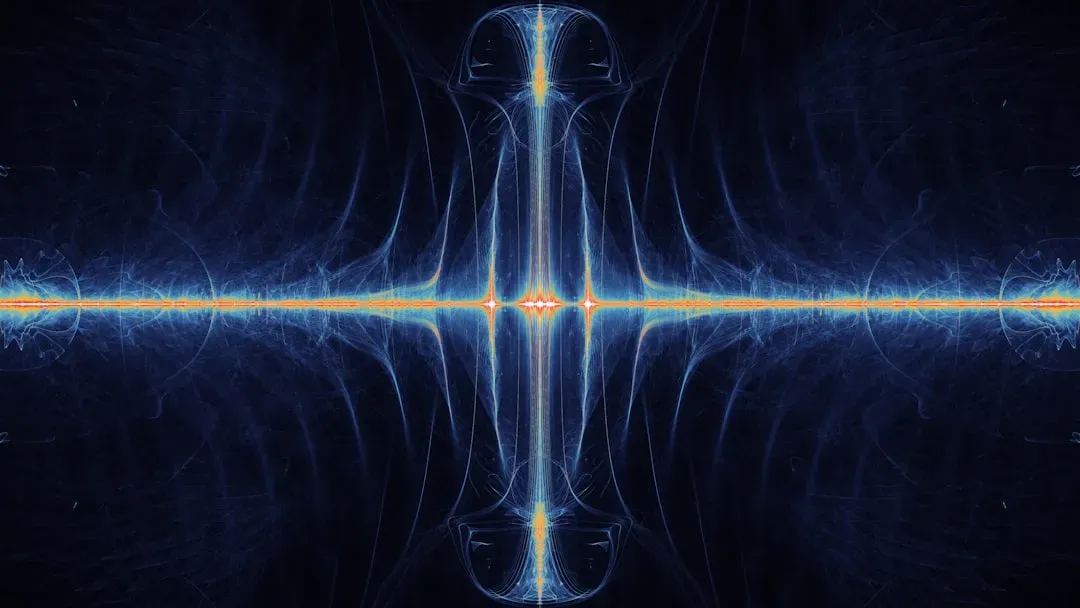
Flip a light switch, send a text, or simply listen to the radio, and you’re living inside the story of electromagnetism. For most of human history, electricity and magnetism were mysterious party tricks: static shocks, lightning, lodestones pointing north. The breakthrough came when scientists realized these weren’t separate curiosities but different faces of the same underlying force. That unification was like suddenly discovering that thunder and waves and wind were all part of one giant hidden pattern.
The theory of electromagnetism didn’t just explain things; it predicted them. It showed that light itself is an electromagnetic wave, connecting optics, electricity, and magnetism into one coherent picture. From there, technologies exploded: electric power grids, motors, telegraphs, radios, later computers and the internet. The world we live in – filled with power lines, screens, signals, and wireless everything – is a direct consequence of understanding that invisible fields and moving charges knit reality together in ways our ancestors could not have imagined.
Thermodynamics: Discovering the Rules of Energy and Heat

Thermodynamics started with something very down-to-earth: steam engines. Engineers and scientists wanted to know how to squeeze more useful work from heat, and in trying to do that, they stumbled on deep rules about energy itself. They found that energy can change forms – from heat to motion, from fuel to movement – but it never truly disappears. At the same time, they discovered that there’s a built-in direction to many natural processes, a kind of arrow saying some things can’t be perfectly reversed.
This idea is captured in the concept of entropy, which, put simply, is a measure of disorder or spread-out energy. You can burn wood into ash and gas, but you can’t easily turn the ash and gas back into perfectly stacked firewood. That one-way street explains why hot coffee cools down, why batteries drain, and why perpetual-motion machines are fantasy. Thermodynamics quietly sits behind climate science, engines, refrigeration, and even how we think about information. It tells us that there are hard limits to what’s possible, no matter how clever we are, and it forces us to take energy use, waste, and efficiency seriously.
Evolution by Natural Selection: Redefining Life and Our Origins

There’s something both humbling and awe-inspiring in the idea that every living thing on Earth is part of one giant family tree. Evolution by natural selection proposes that life changes over time as traits that help organisms survive and reproduce become more common. No long-term master plan, no instant leaps – just small changes adding up over wildly long stretches of time. It’s almost like a slow, relentless editor, keeping what works and tossing out what doesn’t.
The impact of this theory is enormous because it rewrote our own origin story. Instead of being separate from nature, humans became one branch on the same tree as birds, fish, and bacteria. Fossils, genetics, and observations in the wild all point in the same direction, reinforcing the idea that species aren’t fixed, but constantly shifting. Evolution reshaped biology into a connected, historical science, where the strange features of life can be traced back to survival, reproduction, and chance. It also forces difficult questions about how we treat other species when we recognize them as distant cousins rather than mere background scenery.
Germ Theory of Disease: Invisible Killers and How We Fight Them
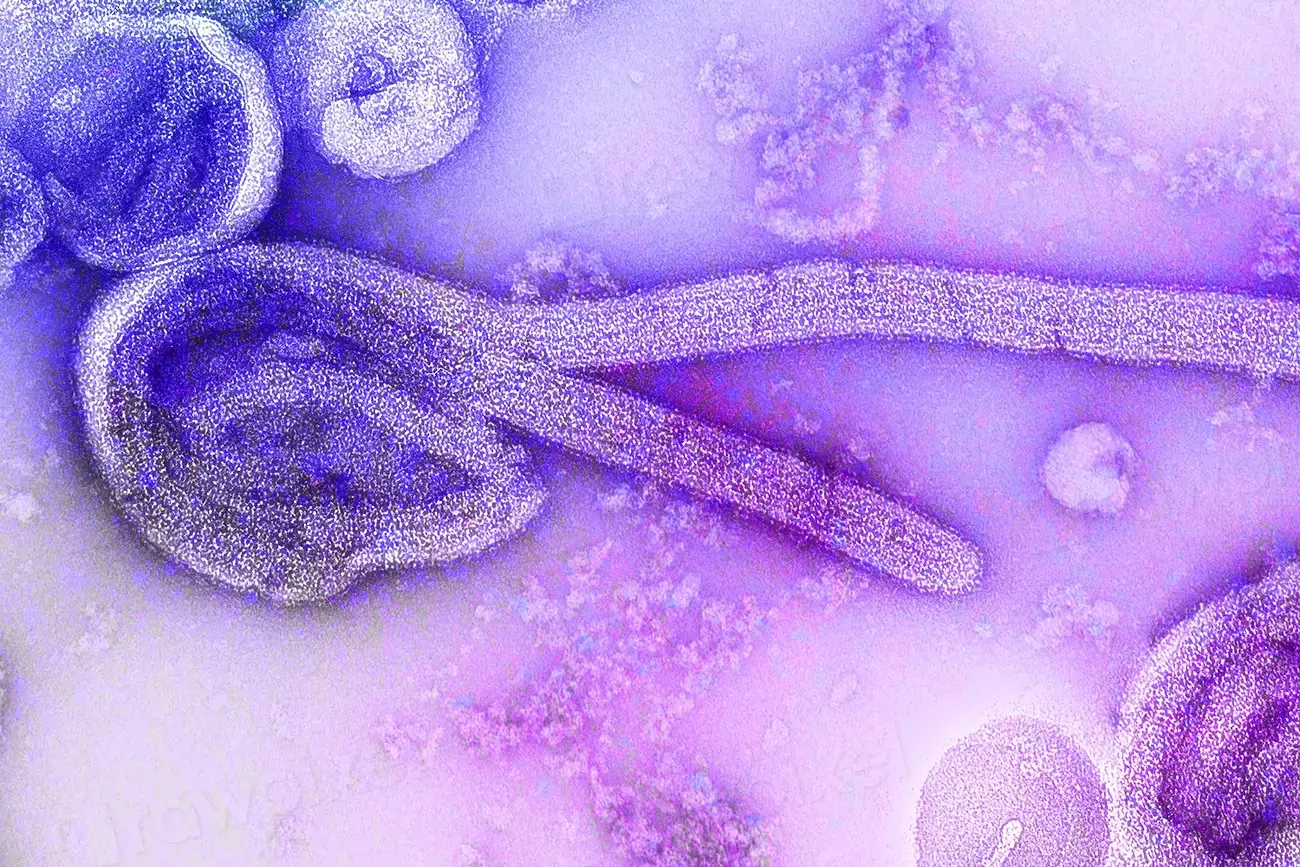
There was a time when people blamed disease on curses, “bad air,” or moral failings. The idea that tiny living things – too small to see – were invading our bodies and making us sick was a radical shift. Germ theory argued that many illnesses come from specific microorganisms such as bacteria and viruses, each with its own way of infecting and spreading. That single insight turned medicine from guesswork into something far more targeted and effective.
Once doctors and scientists accepted germ theory, everyday life began to change. Handwashing, sterilizing instruments, pasteurizing milk, and cleaning water supplies suddenly became powerful life-saving tools rather than mere neat habits. Vaccines and antibiotics emerged from the same understanding, transforming plagues that used to wipe out whole communities into manageable threats, at least in many parts of the world. Even in the twenty-first century, during outbreaks and pandemics, we’re still relying on the basic logic of germ theory: identify the microbe, understand how it spreads, and block its path.
General Relativity: Bending Space, Time, and Our Intuition
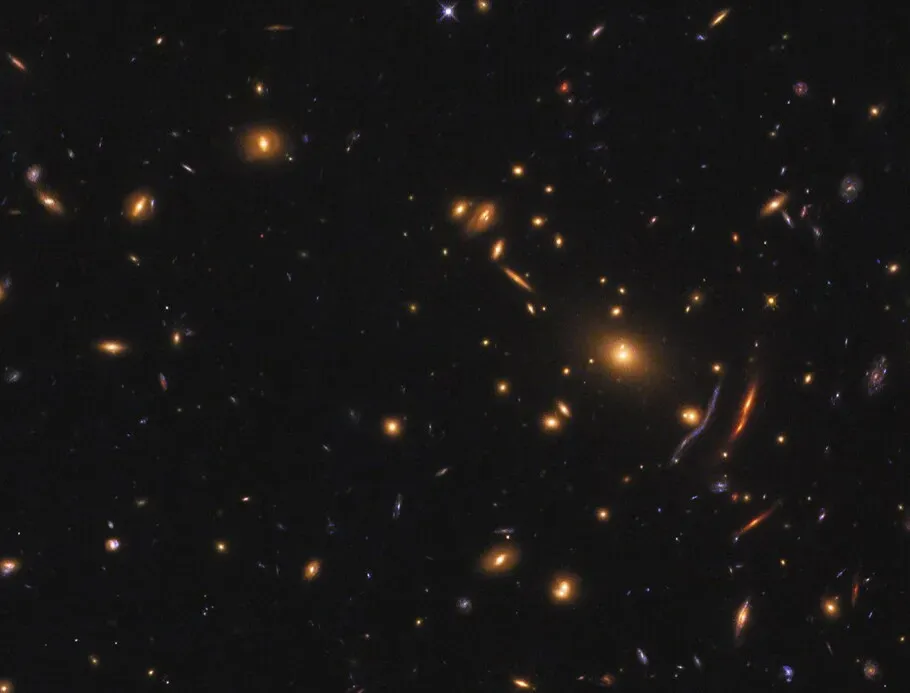
It’s hard to overstate how strange general relativity sounds when you first hear it. The theory says that gravity isn’t really a “force” in the traditional sense but the result of mass and energy bending space and time themselves. Picture a heavy ball sitting on a trampoline, creating a dip that other objects roll into – that’s a crude metaphor for how planets and stars warp spacetime. Objects follow the curves, and we feel that as gravity.
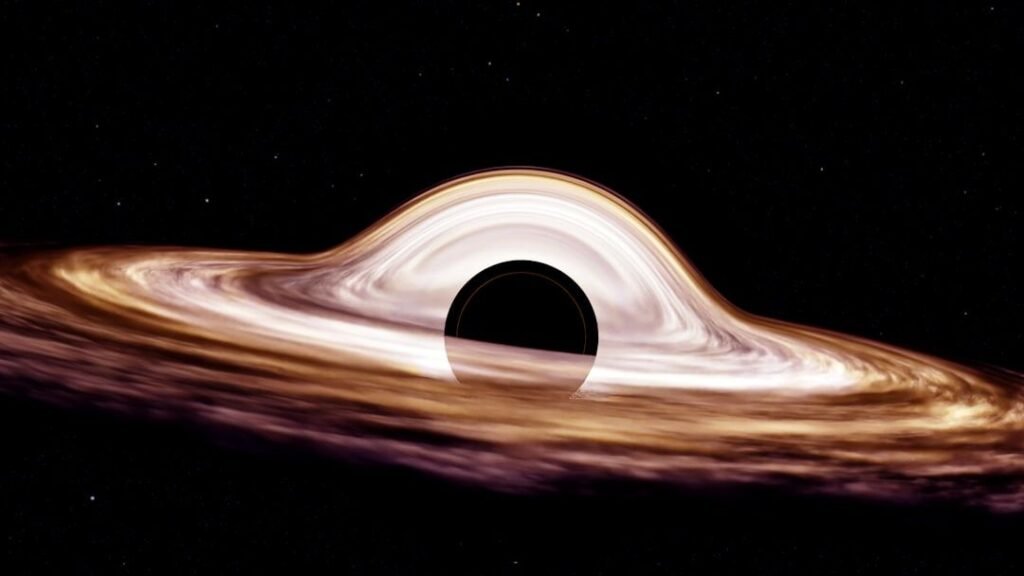
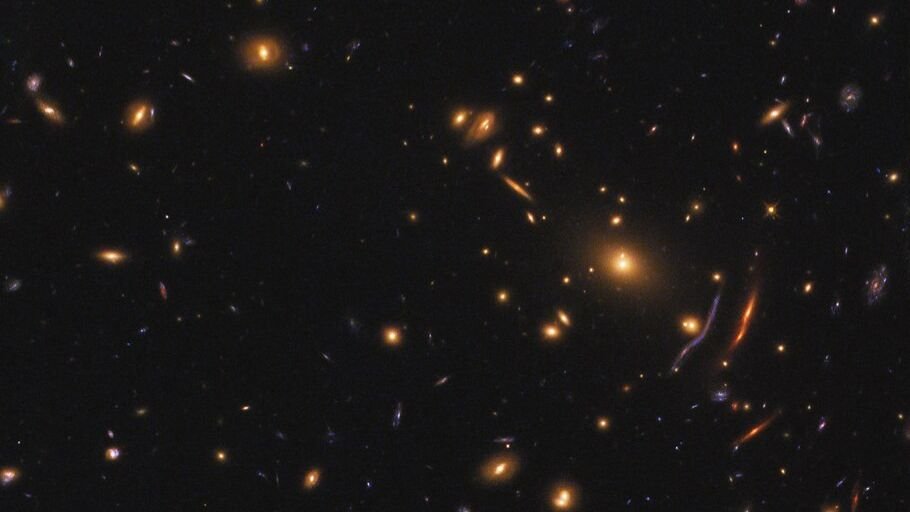
What started as a bold new way to think about gravity has passed test after test, from the bending of starlight around the Sun to the extremely precise timing of GPS satellites. Without accounting for relativity, your phone’s navigation system would steadily drift off course. Even more mind-bending is how this theory reshaped our view of the universe: it led to the idea of black holes, expanding space, and modern cosmology. It suggested that the universe has a history, an evolution of its own, rather than being an eternal, unchanging backdrop.
Quantum Mechanics: The Bizarre Rules of the Very Small
If classical physics made the universe feel like a giant, predictable machine, quantum mechanics came along and smashed that simplicity. At atomic and subatomic scales, particles act in ways that seem almost mischievous: they behave like both particles and waves, exist in multiple possible states at once, and only “choose” when measured. Instead of neat, predictable paths, we get probabilities and uncertainty built right into the foundations of reality.
As unsettling as it is philosophically, quantum theory works with unbelievable precision. It explains the structure of atoms, the behavior of electrons in materials, and the way light interacts with matter. Without it, there would be no modern semiconductors, lasers, MRI machines, or much of today’s electronics. The fact that such a strange, counterintuitive theory underpins so much of our everyday technology is a constant reminder that reality does not have to match our instincts. The world is weirder than common sense suggests, and yet we can still understand and use those weird rules.
Plate Tectonics: A Restless, Moving Planet

For a long time, mountains, continents, and oceans were seen as permanent fixtures, almost like the facial features of Earth itself. The idea that entire continents slowly drift around and that the ground beneath us is broken into massive plates took time to sink in. Plate tectonics proposes that the planet’s outer shell is divided into pieces that move over geological time, driven by heat and convection in the mantle below. When those plates collide, separate, or grind past each other, they reshape the planet in dramatic ways.
This theory tied together earthquakes, volcanoes, mountain building, and the matching fossils and rock layers found on now-distant continents. It turned what looked like isolated puzzles into different chapters of the same story. Understanding plate tectonics doesn’t just satisfy curiosity; it helps with assessing geological risks, finding natural resources, and reconstructing Earth’s deep past. It also adds a kind of quiet drama to everyday life: that calm-looking landscape you’re standing on is actually riding a slow, unstoppable conveyor belt of rock, shifting beneath your feet whether you notice it or not.
A Moving Target Called “Reality”
Looking across these theories, a pattern quietly emerges: every time we think we’ve nailed down how the world works, a new idea comes along and stretches our understanding further. We’ve moved from seeing Earth as the center of everything to realizing we’re on a drifting plate on a small planet in a vast, expanding universe, built from strange quantum rules and shaped by invisible forces and microscopic organisms. Each theory took something familiar – the sky, illness, motion, rock, light – and revealed it to be far more complex and surprising than it first appeared.
What’s striking is how these theories don’t just live in textbooks; they ripple through daily life, from vaccines and smartphones to GPS and electricity, even to how we see ourselves as part of nature rather than above it. And yet, as solid as these ideas feel today, history suggests that future theories will probably challenge them, extend them, or reinterpret them in ways we can’t yet imagine. If so much can change in just a few centuries, what else about reality might still be waiting to be turned upside down next?