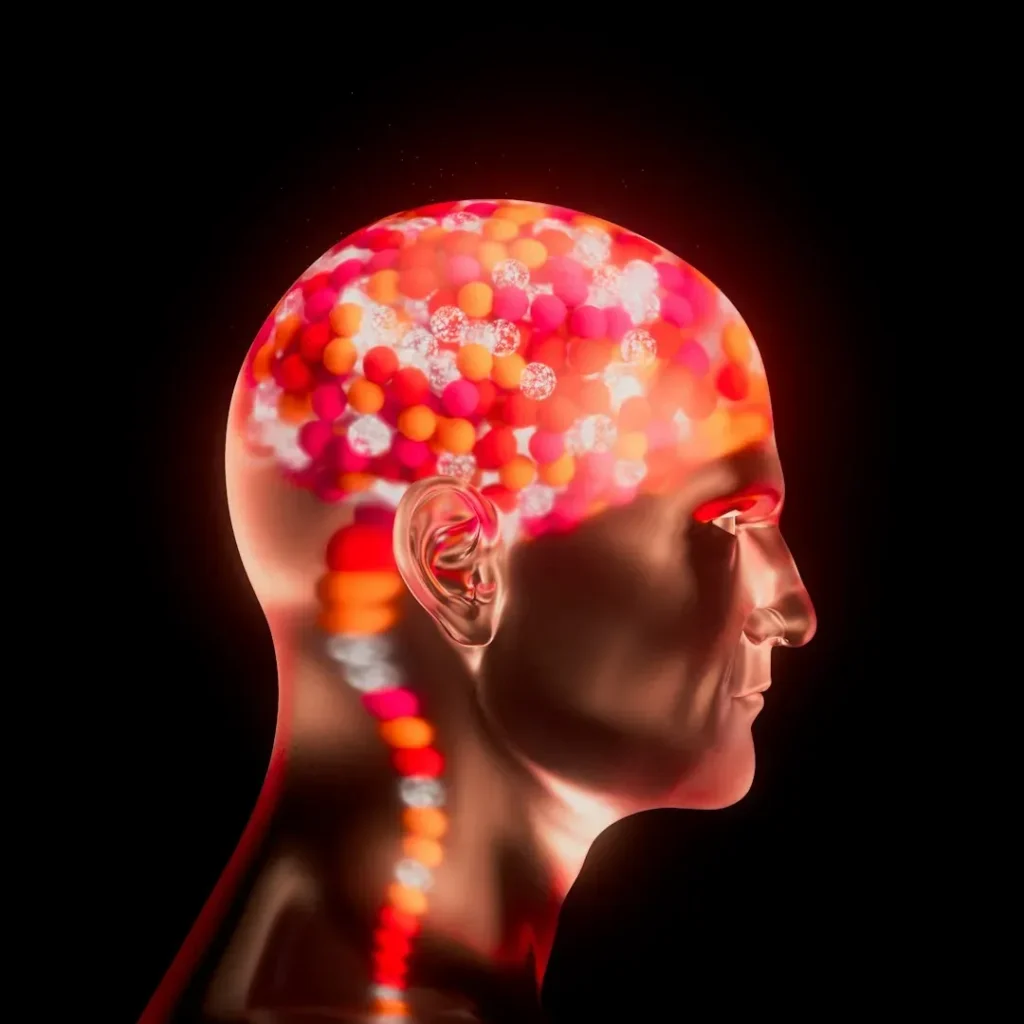

Imagine you walk into a room and, without anyone saying a word, you just feel it: the tension, the unease, the quiet panic in the air. You might think you’re simply “picking up on vibes,” but under the surface your nervous system is running a fast, sophisticated scan of the people around you. Your heart, your senses, even your sweat glands can subtly change in response to another person’s fear, often before you consciously realize anything is wrong.
What makes this so fascinating is that it isn’t mystical at all; it’s biology. Your body is wired to detect danger indirectly, through other people’s faces, voices, and even their smell. Evolution has turned you into a social alarm system, where one frightened person can prime the whole group’s physiology. As you read through these nine responses, you’ll probably recognize moments in your own life when your body reacted first and your mind only caught up later.
1. Your Brain’s Threat Radar Lights Up (Even Before You’re Aware)
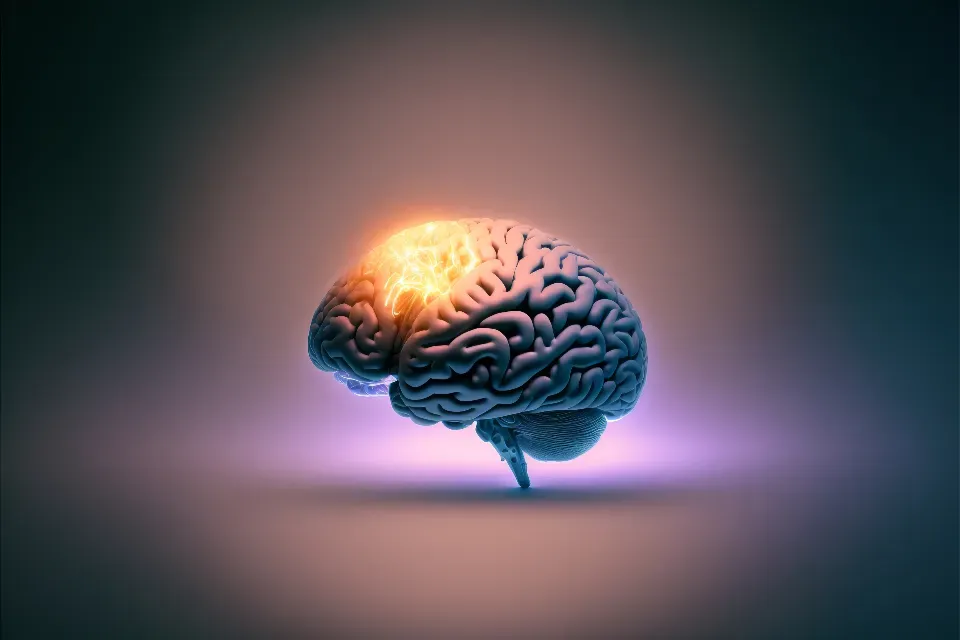
The moment you sense that someone nearby is afraid, your brain’s threat circuits kick into gear, often faster than your conscious thoughts. Visual and auditory information about their facial expression, body posture, or tone of voice can travel through a quick, low-detail route straight to your amygdala, the brain area deeply involved in fear processing. You might still be thinking, “Something feels off,” but your amygdala has already started nudging your body toward a state of alert.
At the same time, your cortex – the more analytical, reflective part of your brain – is trying to make sense of what you’re seeing and hearing. You may start rapidly scanning for an explanation: Is there a threat? Did something happen? Did you miss a cue? This dance between the fast emotional system and the slower thinking system helps you react quickly without completely losing control. You feel the other person’s fear in your gut first, then you start building the story in your mind around it.
2. Your Autonomic Nervous System Subtly Shifts into High Alert
When your brain picks up on someone else’s fear, your autonomic nervous system quietly adjusts in the background. The sympathetic branch, which prepares you for action, becomes more active, while the parasympathetic branch, which supports rest and digestion, eases off a bit. You might not jump or bolt, but inside, your body is already leaning toward a “get ready” mode. It’s like moving your foot over the brake pedal while driving even before you actually need to slow down.
This shift can show up in small ways you might notice only in hindsight. You might feel just a touch more restless, find it harder to relax your muscles, or notice a vague sense of unease without knowing why. Your body is essentially saying, “Something around us might be dangerous, be prepared to move.” You’re not fully in fight-or-flight, but you are no longer in a fully calm, baseline state either.
3. Your Heart Rate and Breathing Pattern Quietly Change

Even if you look perfectly calm on the outside, your heart and lungs tend to respond quickly to perceived fear in others. Your heart rate may climb slightly, and your heartbeat can become a bit stronger and more noticeable, especially if the situation feels intense or ambiguous. Sometimes your heart rhythm becomes more variable as your body weighs whether to stay put, fight, or flee. It’s your internal engine revving softly, ready to accelerate if you suddenly need to.
Your breathing often follows suit. You might start taking shallower, slightly faster breaths without realizing it, or hold your breath briefly while you assess what is going on. In a crowded space where someone suddenly looks terrified, your body might reflexively tighten your chest and shorten your inhale. These seemingly minor shifts are part of a larger physiological strategy: get oxygen delivery ready for quick movement, even if you end up just standing there watching and listening.
4. Your Muscles Tense and Your Posture Adjusts for Action
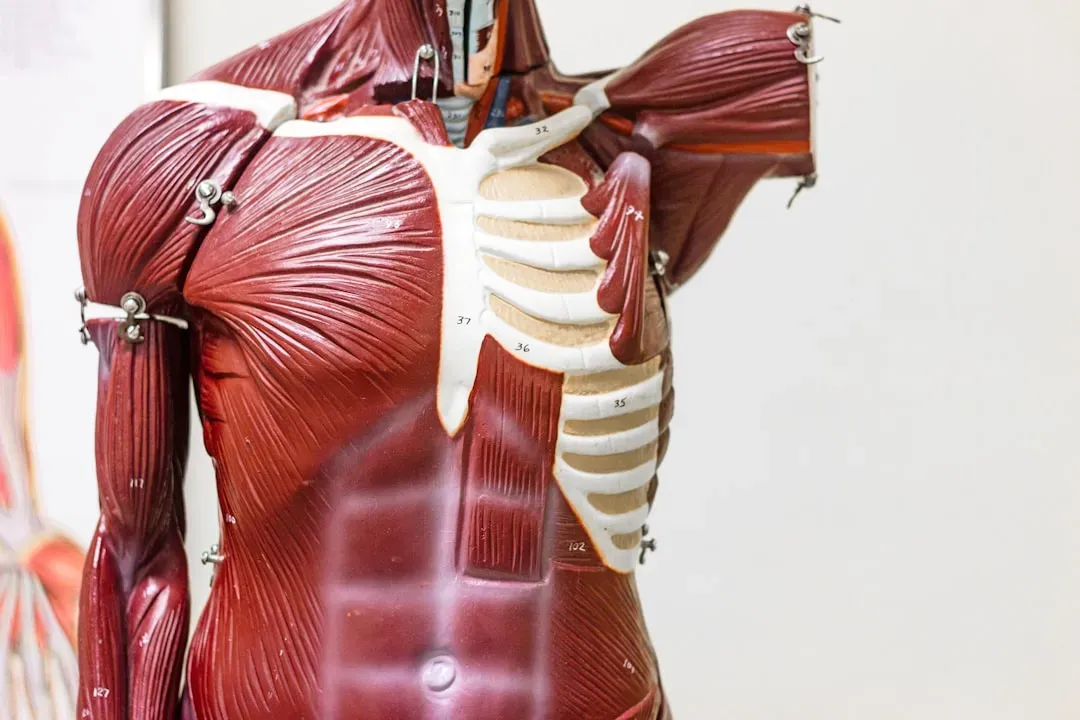
When your body senses fear nearby, your muscles prepare subtly, almost like a coiled spring. You might tense your shoulders, clench your jaw, or tighten your hands without intending to. Your legs could feel a little more ready to move, even if you’re just sitting in a chair. This mild muscle activation increases your readiness to either step in to help, step back to protect yourself, or rapidly leave the situation.
Your posture often shifts as well, even by a few degrees. You may lean forward to get more information, angle your torso toward an exit, or subtly turn your body toward the frightened person to monitor them. These micro-adjustments can happen quickly and outside your awareness. If you pay attention, you may notice that when someone suddenly gasps or looks panicked, your whole body does a kind of mini-flinch, then holds steady, like a runner just before the starting gun.
5. Your Senses Sharpen and You Start Hyper-Scanning the Environment

The instant you detect fear in someone else, your sensory systems usually become more alert. You might find that sounds feel a bit louder, movements in your peripheral vision stand out more, or small changes in the environment suddenly matter. Your brain begins prioritizing any cue that could hint at danger: a strange noise, a suspicious figure, an unusual object. You essentially shift from “background mode” to “search mode” without meaning to.
At the same time, your attention narrows around what seems important. You may fix your gaze on the person who looks scared, watching their eyes and where they’re looking, almost as if their fear is a spotlight showing you where to look next. This hyper-scanning has an evolutionary logic: if someone else has noticed a threat before you, tuning in to their reactions can buy you precious seconds. You trade a little bit of calm for a lot of extra awareness.
6. Your Face and Voice Start Mirroring the Fear You See

One of the most striking responses is how automatically your own facial muscles respond to another person’s fear. When you see someone’s eyes widen, eyebrows raise, and mouth tense, your face may subtly echo parts of that expression. This can happen so fast that you barely notice it. Your nervous system uses these tiny mimicry responses to help you understand and feel what the other person is feeling, like an emotional copy-and-paste at the muscular level.
Your voice can shift too. You might start speaking more quickly, more softly, or with a tighter, higher tone. Even if you are trying to stay calm and reassuring, a hint of tension or urgency can slip into your speech. You may ask more questions, repeat yourself, or use shorter sentences. In social settings, your face and voice become part of an emotional feedback loop: the other person’s fear shapes your expression, and your changed expression can then reinforce or soothe their state, depending on how you respond.
7. Your Hormones Begin to Prime You for Fight, Flight, or Help

As your brain and autonomic nervous system respond to someone else’s fear, your hormonal system starts to adjust in the background. Stress-related hormones like adrenaline can rise, pushing your body further into a state of readiness. You might feel a slight rush, a flutter in your stomach, or that sense that time has slowed down a little. These hormonal shifts nudge your heart, muscles, and senses toward peak alert performance, even if there’s no obvious threat yet.
Over a slightly longer timescale, if the fearful situation continues, other hormones like cortisol can increase too, helping your body sustain a state of vigilance. That can make you more focused, but also a bit more jumpy or irritable. You may feel torn between wanting to get away and feeling compelled to stay and see what happens. Your body is balancing self-protection with the social instinct to stay connected to others in distress, and your hormones are the chemical messengers running that negotiation.
8. You React to Fear Scents and Subtle Bodily Cues

Most of the time, you do not consciously notice it, but your nose and skin are also part of how you detect fear in others. When people are afraid, their sweat composition changes, and research suggests that these “fear sweat” signals can influence the people around them. You may never smell anything distinct, yet your body can still respond. Your brain can process tiny chemical changes in the air and quietly tune your emotional state to match the tension nearby.
Along with chemical cues, you pick up on small physical signs: trembling hands, a stiff walk, shallow breathing, or a quiver in someone’s lips. You might notice your own skin reacting too, with a slight chill, subtle goosebumps, or a prickle at the back of your neck. These reactions can feel eerie, but they are your nervous system integrating a flood of subtle clues. Instead of one loud warning bell, you get a thousand tiny whispers telling you that someone close to you is scared.
9. Your Social and Empathy Circuits Pull You Toward Action
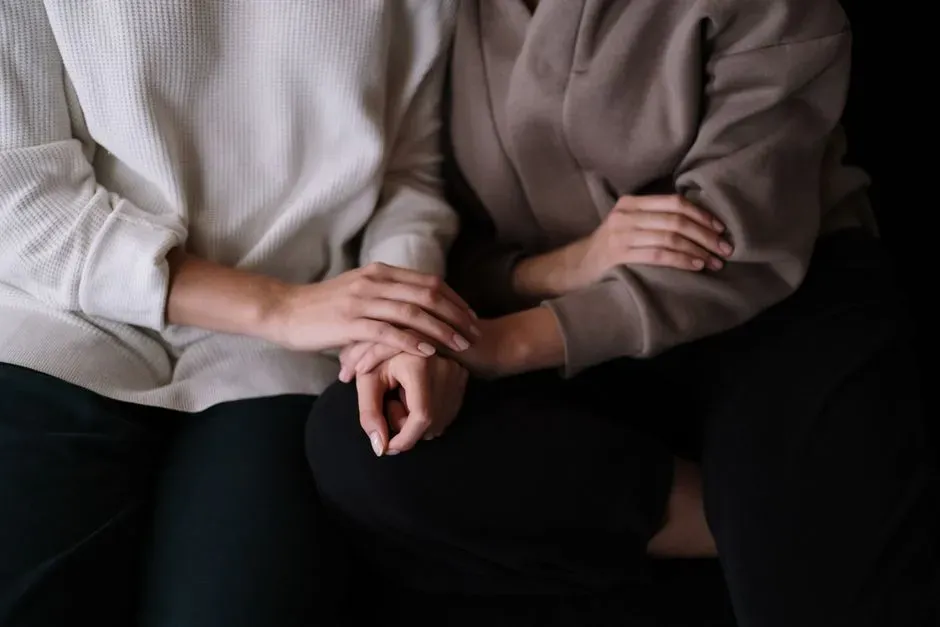
Beyond the raw fear response, your brain has specialized networks that make you deeply social, and those get activated when someone nearby is afraid. You might feel an urge to comfort them, ask what’s wrong, or stand closer to show support. At the same time, another part of you might be calculating how much danger you are personally in. This tension between empathy and self-preservation can be surprisingly intense, even in everyday situations like a tense argument or a sudden loud noise in public.
As your empathy circuits light up, you often mentally simulate what the other person might be experiencing. You imagine what they see, what they think might happen, and how you would feel in their place. That mental simulation can deepen your own emotional reaction, sometimes leaving you shaken even after the moment has passed. In that way, fear spreads not just like a signal, but like a shared experience; your physiology is participating in someone else’s story whether you want it to or not.
When you put all these responses together, you can see how deeply your body is designed to tune into other people. Your heart, hormones, muscles, senses, face, and even your sweat all participate in a silent conversation about safety and danger. You are not just an individual reacting to the world; you’re part of a living network where emotions ripple through groups in seconds. Next time you feel that sudden, inexplicable wave of unease near a frightened person, you’ll know it is not your imagination – it is your biology doing exactly what it evolved to do. Did you expect your body to be this social at the level of cells and nerves?