

You probably expect heart trouble in a dog to look dramatic: heavy coughing, struggling to breathe, or even collapsing. The unsettling truth is that your dog’s heart can be in real danger long before anything that obvious shows up. The earliest red flags are often quiet, physical shifts that are easy to shrug off as aging, the weather, or “just a weird day.” When you know what to look for, though, you stop guessing and start noticing patterns. You see that slightly swollen belly, that faint blue tinge on the gums, or that new nighttime restlessness for what it really might be: a subtle SOS from your dog’s heart. Think of this as learning a second language – your dog’s body language – so you can get them help before things spiral into a crisis.
1. Subtle Swelling in the Belly or Lower Chest
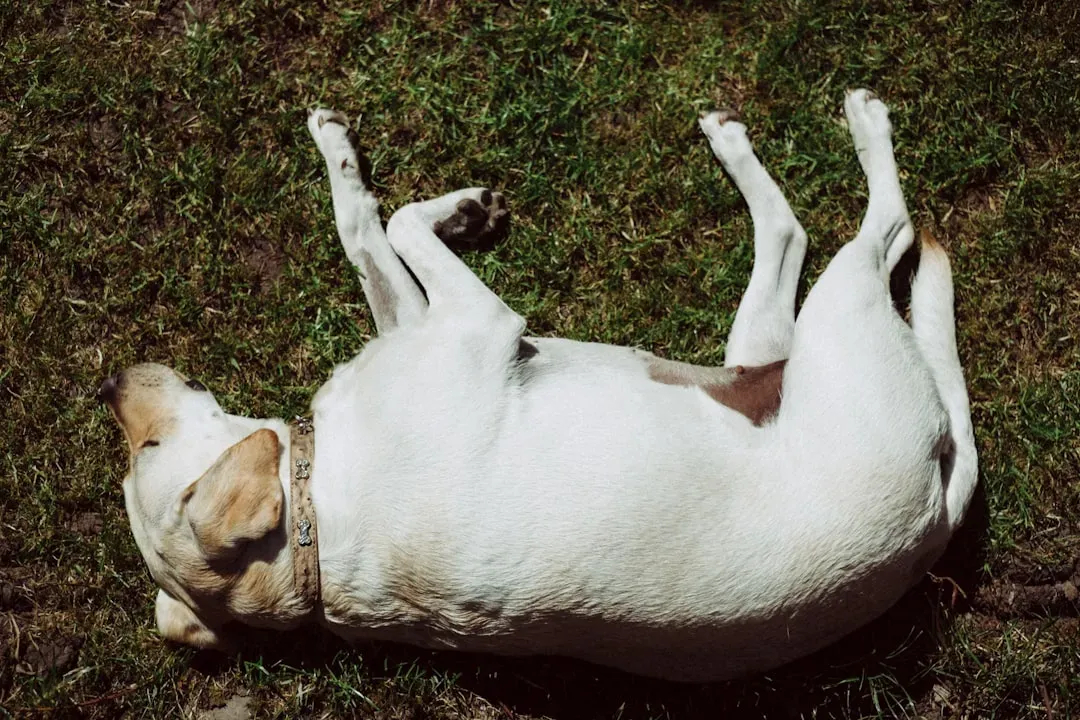
One of the earliest physical changes of heart disease in dogs can be a very gentle bloating of the belly, long before your dog seems actually “sick.” This can happen when a failing heart struggles to pump efficiently and fluid slowly backs up into the abdomen or lower chest. You might notice that your dog’s underside looks rounder at night than in the morning, or that their ribs seem less defined even though their food and exercise haven’t changed. You may not see dramatic ballooning; instead, you might feel it when you run your hand along their belly and it feels a bit tighter or more drumlike than usual. Sometimes the fur hides it, but you notice that their harness fits differently around the chest or that their favorite sweater is suddenly snug. If this gentle swelling seems to creep in over days or weeks, especially in an older dog, it deserves a vet visit rather than a wait‑and‑see approach.
2. Changes in Gum and Tongue Color, Even Briefly
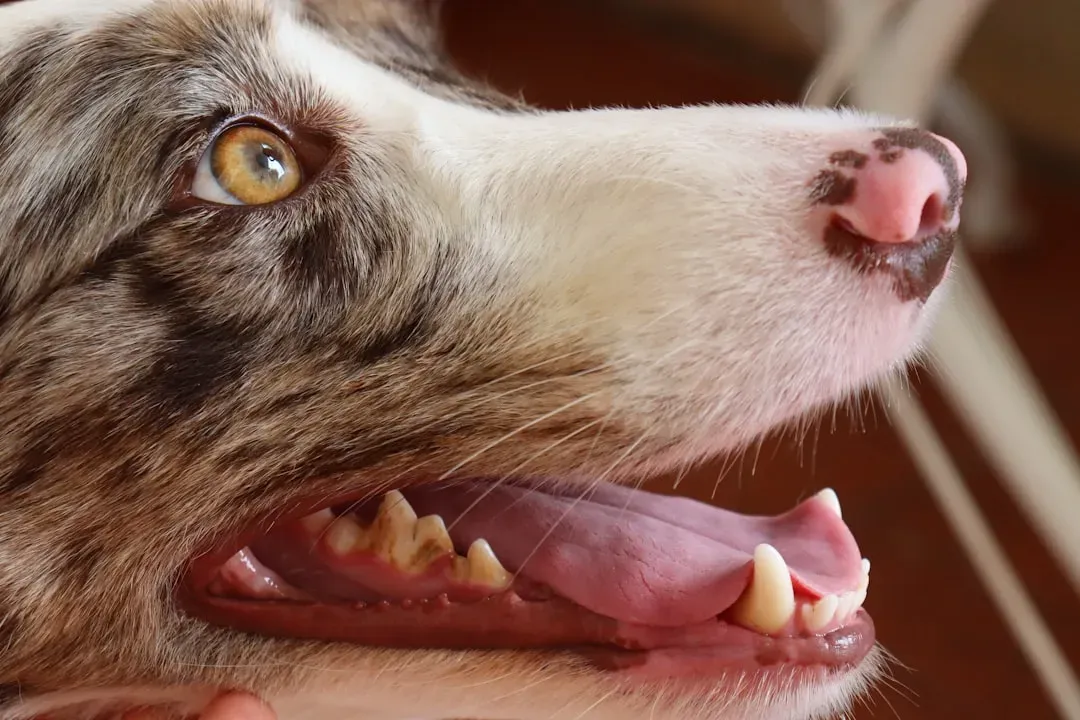
Your dog’s gums are like a live health monitor for circulation and oxygen. A healthy dog usually has gums that are a steady bubblegum pink, but when the heart starts to struggle, that color can shift toward pale, muddy, or bluish, sometimes only at certain moments. You might first notice it when your dog has just finished a mild walk and pants with their mouth open, or when they are excited and you happen to glance at the gums or tongue. These changes can be surprisingly quick – gums might look fine when your dog is resting, but turn a little grayish or purplish when they exert themselves. You could also see the tongue take on a darker, more dusky tone instead of a fresh pink. If you gently press your finger on the gums, the color should spring back fairly fast; if it takes longer than about the blink of an eye to return to pink, that can also hint that the heart and circulation are not keeping up the way they should.
3. Slight but Persistent Weight Loss and Muscle Wasting

A failing heart pushes the whole body into a kind of quiet energy crisis. Even before your dog seems clearly weak or sick, you may notice that they are slowly losing muscle along the spine, thighs, or shoulders, even though you are feeding the same amount. Their ribs may become easier to feel, while they still carry a bit of padding around the belly, creating a strange “skinny on top, round underneath” look. This muscle loss often sneaks up on you because you see your dog every day. You might only spot it when you bathe them and realize the bones feel sharper than before, or when a friend comments that your dog looks “thinner” from the side. When the heart is not pumping well, the body can shift resources away from muscle and toward the most vital organs. If your dog is losing condition without a clear reason, especially if they are older or a breed at higher risk for heart disease, it is worth checking their heart as part of the workup.
4. New or Worsening Exercise Intolerance That Looks Like Laziness
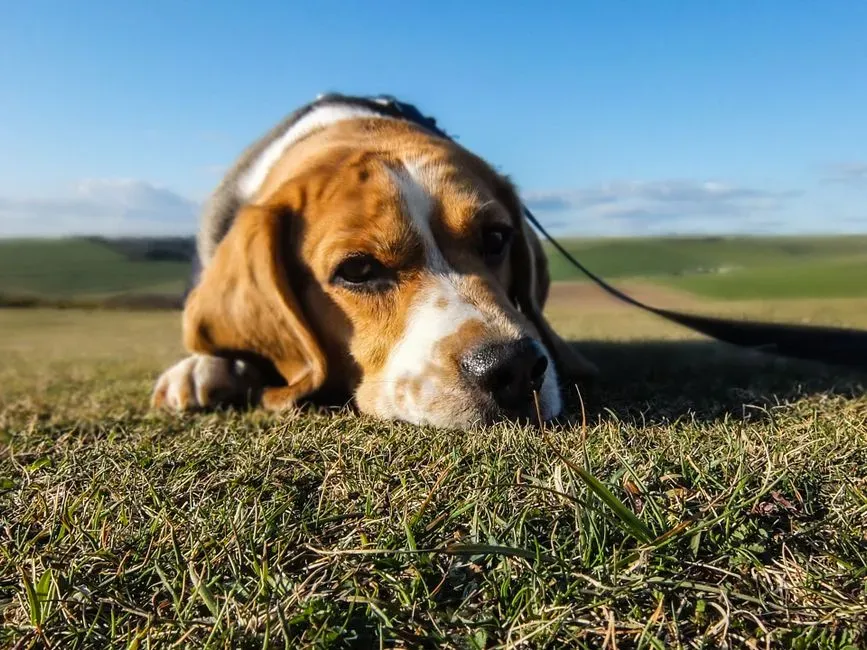
One of the earliest signs of heart trouble can look like your dog “just getting older” or “not in the mood.” Maybe they used to zoom to the door at the word “walk,” but now they hang back, lie down midway, or turn around sooner. You may notice they pause more at the bottom of the stairs or take longer to recover after a short game of fetch, even though the weather, surface, and routine have not changed much. This kind of exercise intolerance often comes on gradually, so it is easy to excuse – especially if your dog is a senior. But when the heart is struggling, it cannot deliver oxygen as efficiently to the muscles during exertion, so your dog feels fatigued faster. You might see them lie down during a walk when they used to keep going, or they may stop to “sniff” more often, which can actually be a way of taking little rest breaks. If your active dog quietly turns into a couch fan without a clear cause, consider that their heart might be part of the story.
5. Changes in Breathing Pattern at Rest, Not Just With Activity

You might assume breathing problems only show up once a dog is obviously in heart failure, gasping or coughing. In reality, one of the earliest physical shifts can be a tiny increase in how fast or shallow your dog breathes while sleeping or resting. If you watch their chest when they are calmly lying down, you may notice that the rise and fall is quicker than it used to be, even though they are not hot or stressed. A healthy relaxed dog typically takes only a modest number of breaths per minute at rest. When the heart is weakened, fluid can slowly creep toward the lungs, making it a bit harder to pull in air comfortably. That can turn into slightly faster, lighter breaths that you might not even notice unless you deliberately count. If you catch yourself thinking, “Why is my dog breathing like they just walked, even though they are just lying here?” that is a quiet but important question to share with your vet.
6. Cool Extremities or Uneven Body Temperature
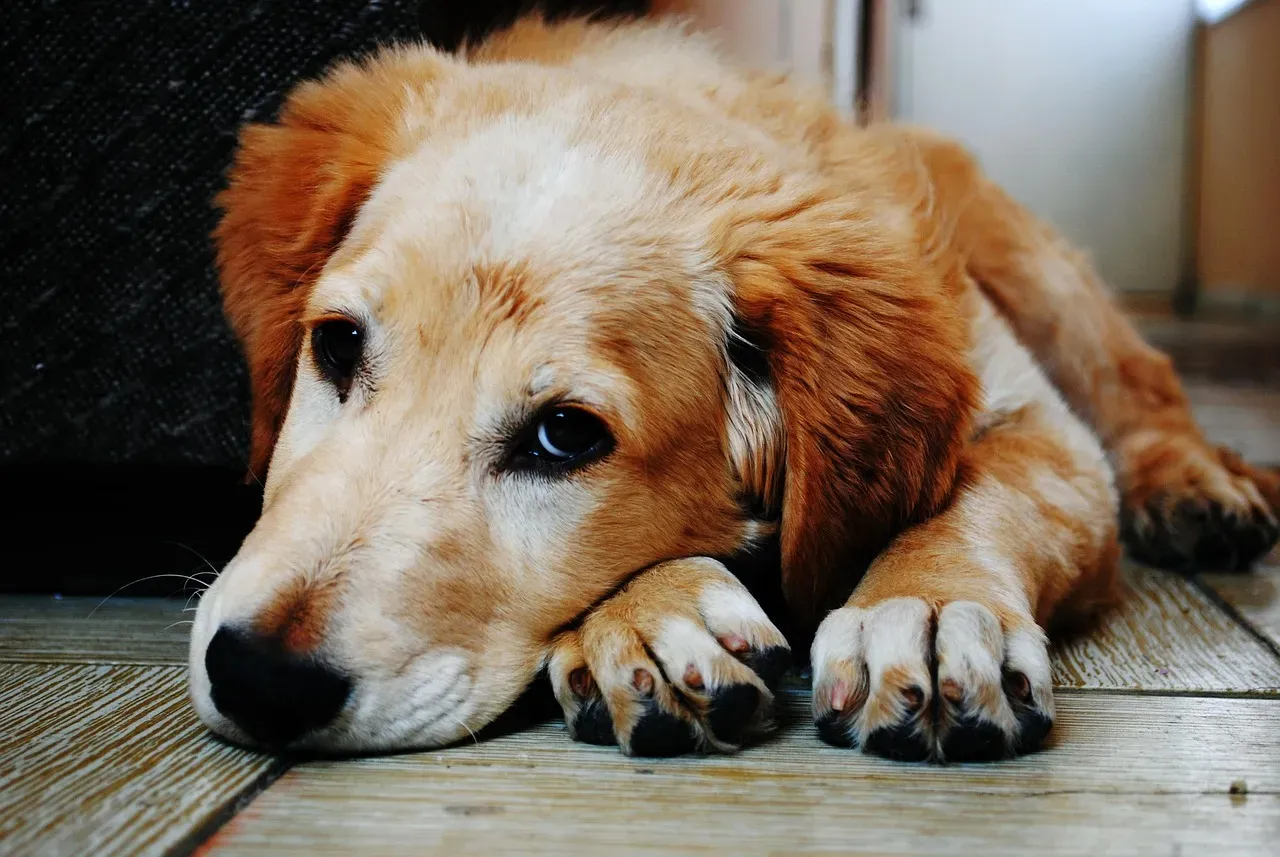
Poor circulation is one of the body’s clearest reactions to a failing pump, but it does not always scream for your attention. You might feel it when you stroke your dog and realize their ears, paws, or tail tip feel cooler than the rest of their body, even in a warm room. Sometimes only one paw or one ear feels especially chilly, which is easy to dismiss as random. When the heart cannot push blood efficiently to the farthest parts of the body, those areas can lose warmth compared to the core. You might see your dog seeking warmth more often – curling up in blankets, hugging heating vents, or choosing the sunniest spot in the house. If the coolness in the extremities is new, persistent, and not simply due to a cold environment, it can be a quiet physical whisper that the heart is not keeping up as well as it once did.
7. Subtle Neck Vein Distension or Pulsing
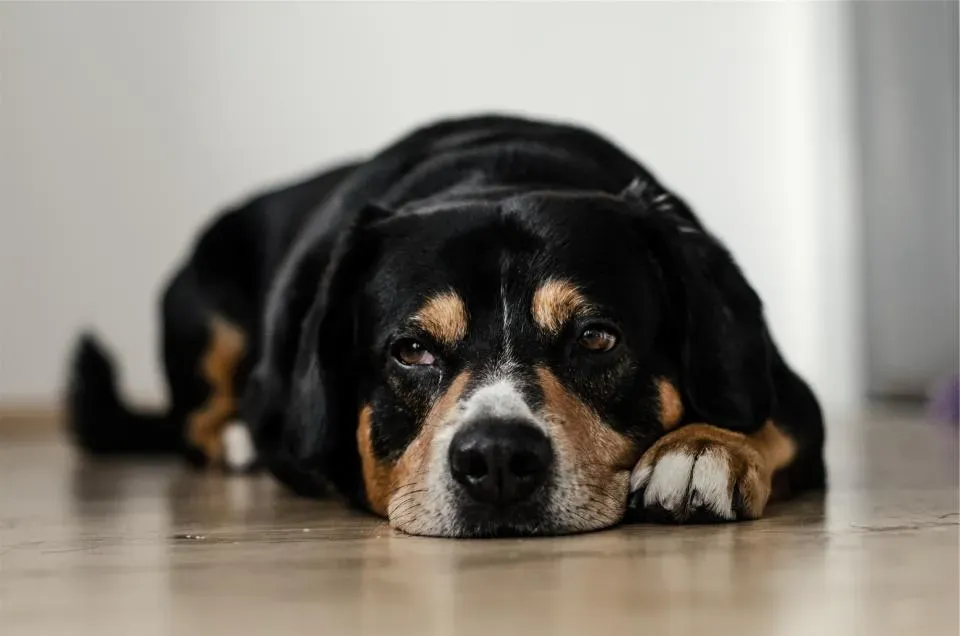
This one sounds technical, but once you know what to look for, it is not hard to spot. When the right side of the heart struggles, blood can back up into the big veins returning blood from the body to the heart, including the jugular veins in the neck. If your dog has short fur or a slim build, you might actually see a faint, unusual pulsing or mild bulging along the side of the neck when they are standing or sitting calmly. You might notice that this pulsing seems more obvious when your dog is upright and less visible when they are lying down. It is easy to confuse with normal movement from breathing or swallowing, so you have to watch carefully for a rhythmic, heartbeat‑like motion in the same spot. While not every dog will show this, and not every visible neck vein means heart failure, this kind of change is never something to ignore, especially if you are already worried about their heart.
8. Increased Nighttime Restlessness and Position Changes
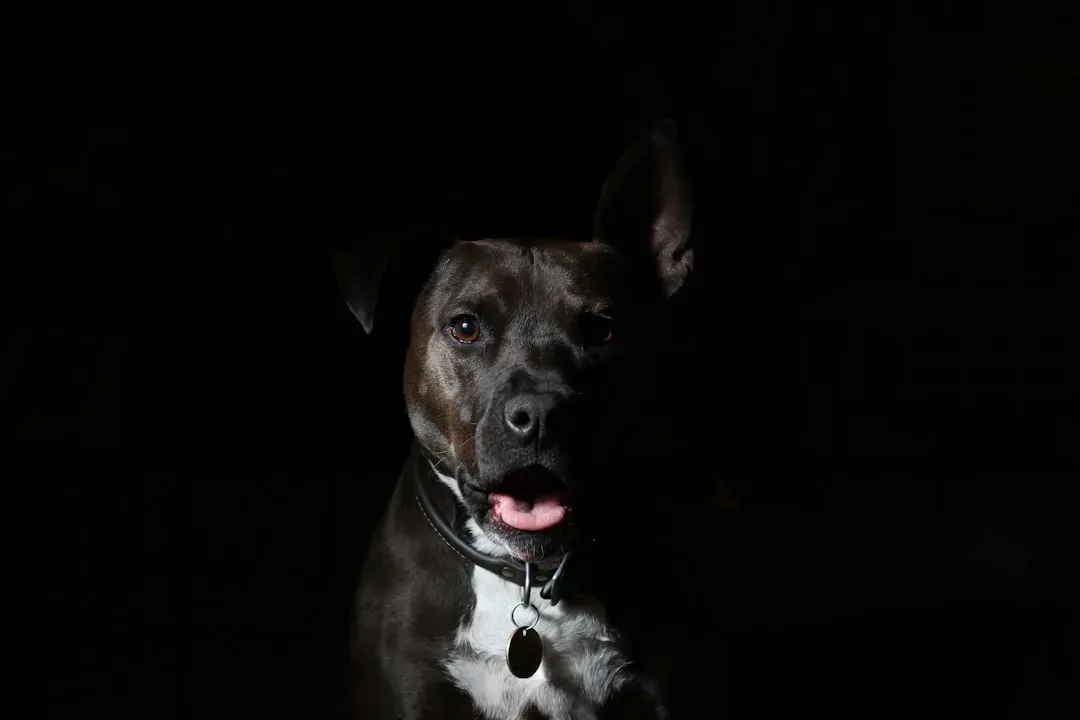
You might first notice something is off not during the day, but in the middle of the night when you are trying to sleep. A dog whose heart is beginning to fail sometimes finds certain positions uncomfortable because fluid or poor circulation makes lying flat harder on the lungs and chest. Instead of curling up and staying asleep, they may get up repeatedly, turn in circles, or move between beds and floors as if they cannot quite get comfortable. This can look like simple anxiety or aging, but it is often tied to how the heart and lungs feel in different positions. You might hear more frequent sighs, see more changes between lying on the side versus the chest, or notice that your dog seems to rest better when slightly elevated. If nighttime has quietly turned into a restless shuffle for your dog, and the routine or environment has not changed, it is worth considering whether their heart is part of the reason.
9. Mild, Occasional Limb Swelling or “Stocky” Ankles
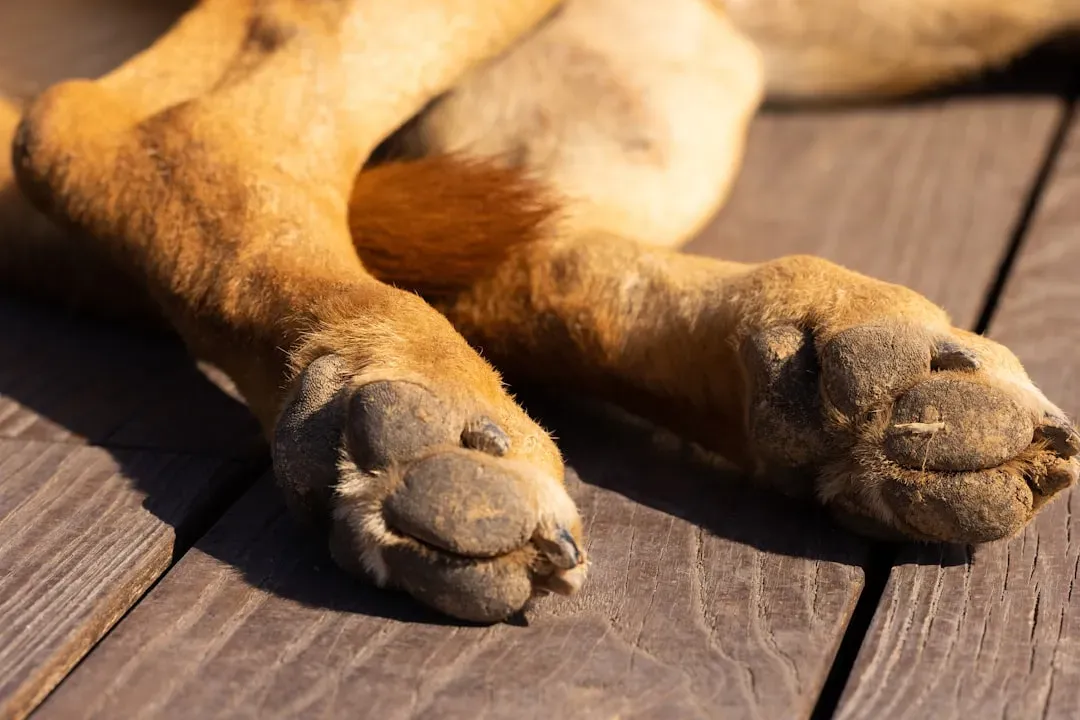
Another less obvious physical change is a gentle puffiness in the legs, especially around the lower parts, such as the ankles or paws. In some dogs, early heart failure can cause fluid to pool in the limbs, making them look a bit thicker or spongier than usual. You might notice that the fur seems to sit differently on the leg, or that you can leave a faint impression if you press gently with your thumb. Because dogs are furry and constantly moving, this kind of swelling can be really easy to miss unless you groom or handle them frequently. You may catch it when clipping nails or wiping muddy paws, and suddenly realize that one or both back legs look slightly “stockier” than you remember. Limb swelling has many possible causes, but in a dog with other quiet warning signs – like belly changes, fatigue, or altered breathing – it can be another piece of the heart‑disease puzzle.
Conclusion: Learning to Hear the Quiet Warnings
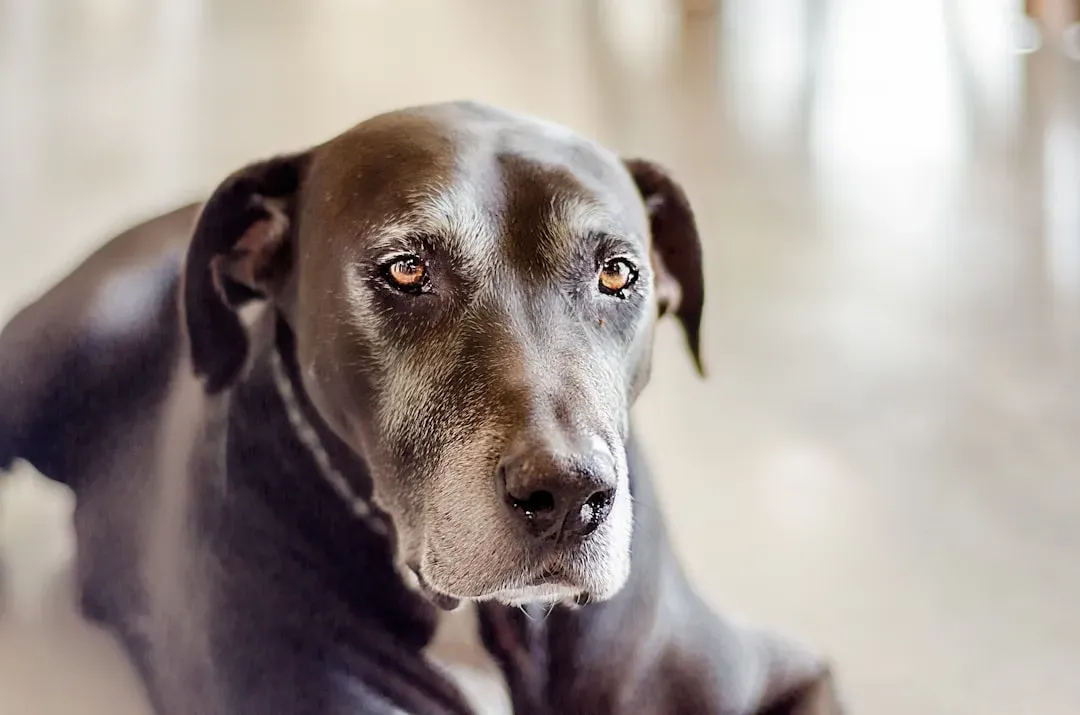
Living with a dog means living with a creature that rarely complains, even when something serious is brewing. That is what makes early heart changes so tricky: your dog may still greet you at the door, wag their tail, and eat dinner just fine while their body quietly adapts to a heart that is not working at full strength. By training your eyes and hands to notice small shifts – subtle swelling, color changes, altered breathing, or new restlessness – you give yourself and your dog a precious advantage. You do not need to become a cardiologist; you just need to become a little more curious and a bit more observant. If you ever catch yourself thinking, “This is probably nothing, but it feels different,” that is usually the moment to call your vet rather than talk yourself out of it. Early detection will not magically erase every heart problem, but it can buy more good days, more gentle walks, and more quiet evenings with the dog who trusts you completely. Now that you know what to look for, what will you notice the next time you run your hand along your dog’s side?