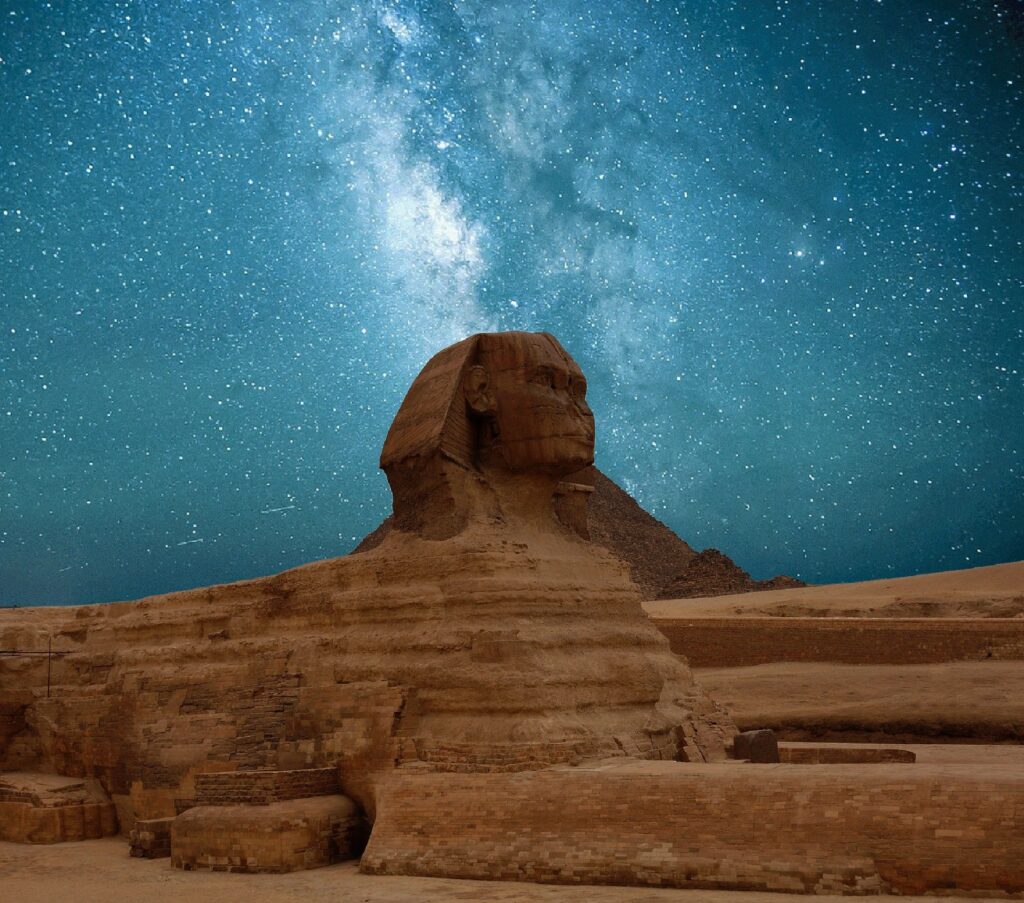

Most people assume ancient stone circles and pyramids were built for shelter, worship, or burial – full stop. But archaeoastronomers have spent decades proving something far stranger: dozens of the world’s most sacred structures were engineered as celestial instruments, calibrated to sunrise angles, star risings, and solstice shadows with a precision that modern surveyors still find hard to explain without lasers or satellites. Some of these alignments are accurate to within a fraction of a degree, built by people with nothing but ropes, poles, and centuries of patient sky-watching.
Here’s what archaeologists and astronomers actually say about the 17 sites that prove our ancestors were far better stargazers than history gives them credit for.
#17 – Rujm el-Hiri’s Silent Stone Rings
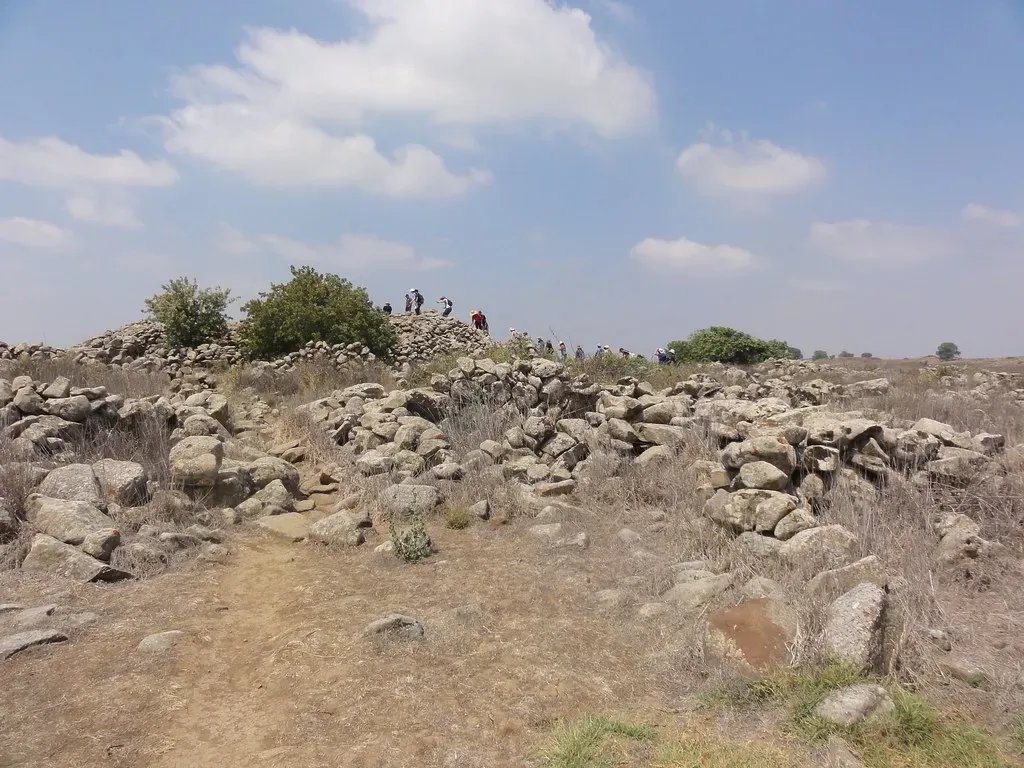
Most visitors see a pile of concentric stone circles in the Golan Heights and shrug. Archaeologists see a calendar frozen in basalt.
Rujm el-Hiri is an ancient megalithic monument consisting of concentric circles of stone with a tumulus at center, believed to have been used as an ancient calendar. At the times of the two equinoxes, the sun’s rays pass between two rocks at the eastern edge of the compound, the entrance to the center opens on sunrise of the summer solstice, and other notches in the walls indicate the spring and fall equinoxes.
Researchers believe the site was also used for astronomical observations of the constellations, and found it was built with dimensions and scales partly based on the stars’ positions. That’s not casual guesswork – that’s a builder tracking multiple celestial events at once. Next up, a Bronze Age hilltop that pulled off something even bolder.
#16 – Kokino’s Bronze Age Sky Map
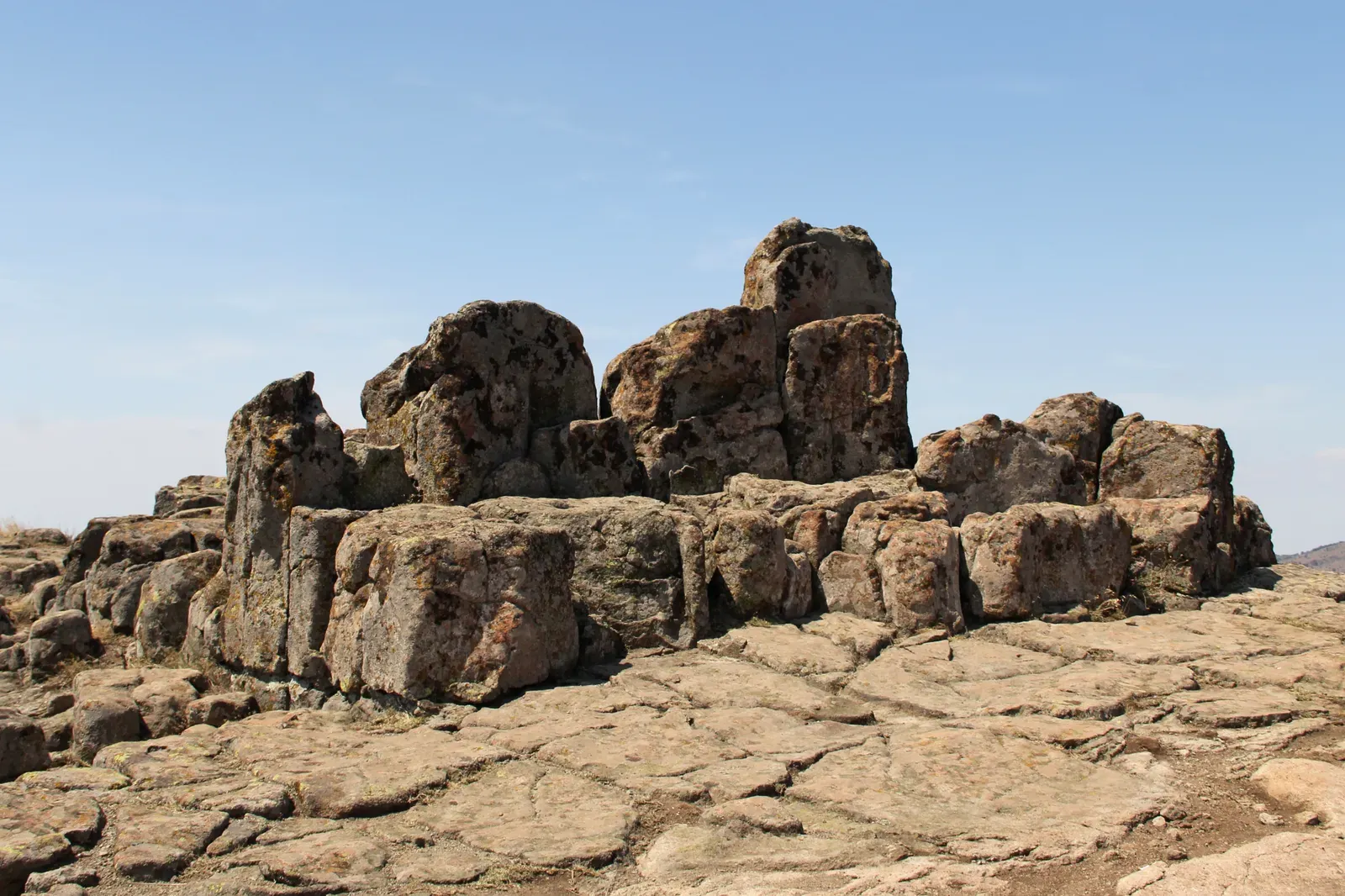
Long before telescopes, a hilltop in North Macedonia doubled as a functioning solar observatory. Kokino sits on a volcanic peak and dates back roughly 3,800 years, making it one of the oldest confirmed observatories in Europe.
The site’s stone markers and natural rock thrones were positioned to track sunrise points across the horizon, letting Bronze Age observers pin down solstices and equinoxes using nothing but shadow and stone. What makes Kokino stand out is that it wasn’t just religious theater – it functioned as a working seasonal clock for an entire farming community, dictating planting and harvest timing.
Local chieftains likely used the same platform for ceremonial purposes, turning astronomy into political authority. Whoever could “predict” the sun’s return after winter effectively controlled the calendar – and the people who depended on it.
Fast Facts
- Location: a volcanic peak in North Macedonia
- Age: roughly 3,800 years old
- Function: tracked sunrise points to mark solstices and equinoxes
- Bonus role: doubled as a seat of political and ceremonial power
Next, a buried wooden ring in Germany that might be even older than it looks.
#15 – The Goseck Circle’s Forgotten Gates
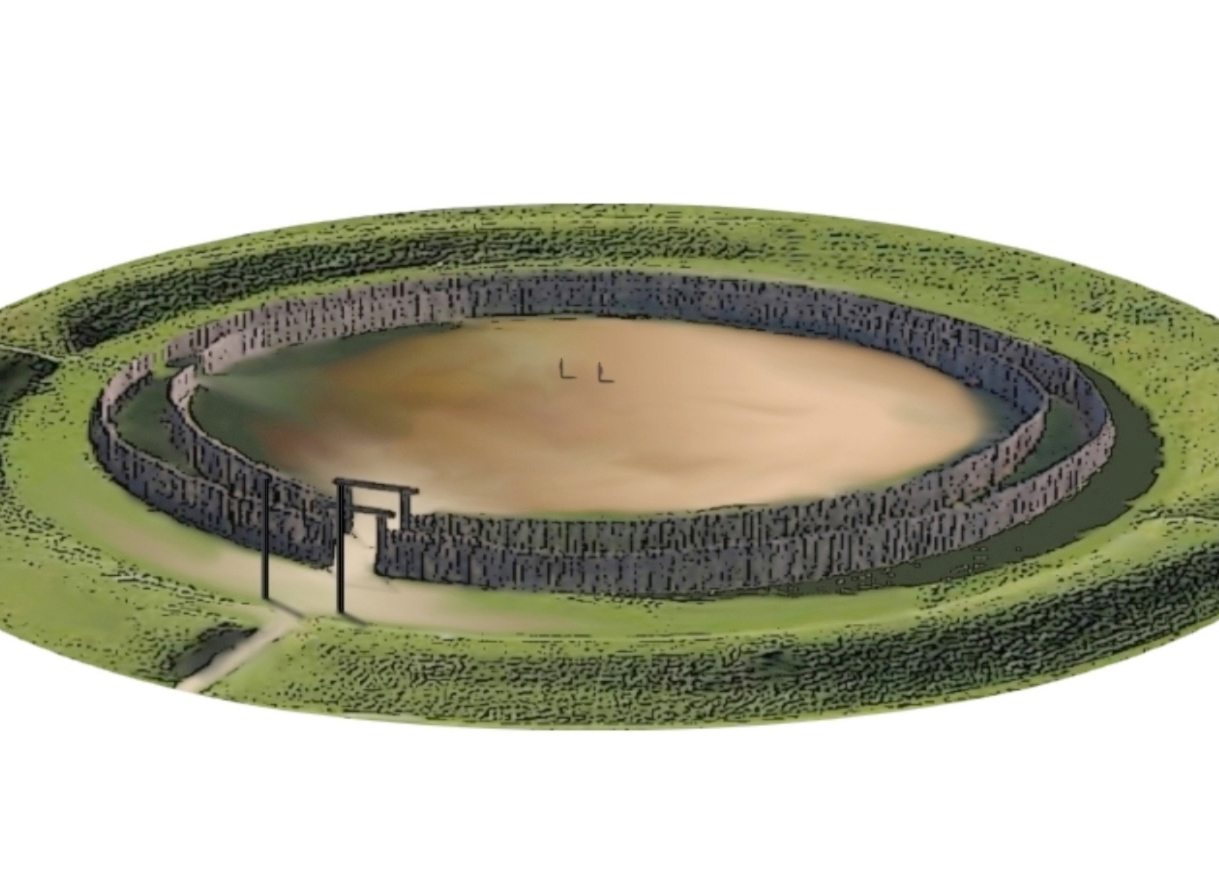
Buried under German farmland for millennia, the Goseck Circle may be the oldest solar sanctuary ever discovered – older than Stonehenge by over a thousand years. Excavators uncovered a wooden palisade ring with precisely placed gates.
Two of those gates line up exactly with the sunrise and sunset positions of the winter solstice, meaning Neolithic farmers built an entire enclosed structure just to catch one specific moment of light each December. That’s a staggering amount of engineering effort for a single sunrise.
Most tourists have never heard of Goseck, yet many archaeoastronomers argue it deserves the same fame as Stonehenge – it’s simply older, less photogenic, and buried under crops instead of standing dramatically on a hill. That underdog status is exactly why researchers keep pushing to get it more recognition. Up next, a Maltese temple that pulls off three solar tricks at once.
#14 – Mnajdra’s Twin Temple Trickery
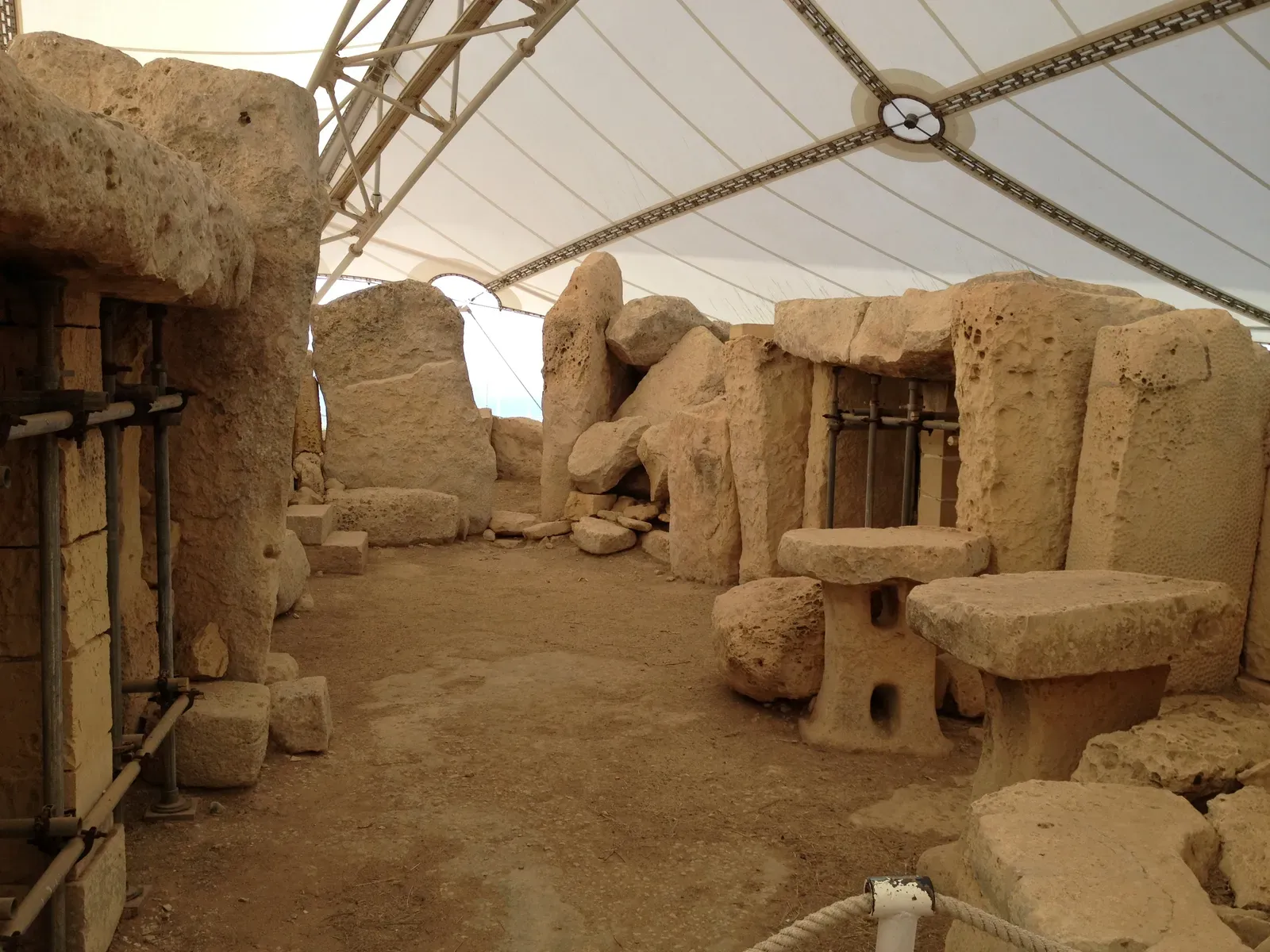
On a cliff overlooking the Mediterranean, Malta’s Mnajdra temples do something almost no other Neolithic structure manages: they track sunrise on the equinoxes, summer solstice, and winter solstice simultaneously, using three separate temple entrances.
Stand in the right doorway on the spring or autumn equinox and sunlight streams straight down the main corridor and hits the back wall dead center. Shift to the solstice doors, and the same trick plays out on entirely different days of the year – meaning the builders essentially constructed a triple-function solar calendar out of limestone, thousands of years before written language reached the island.
Many historians consider Mnajdra more astronomically sophisticated than its more famous neighbor, the Hypogeum – a controversial opinion, but one gaining traction as laser surveys confirm just how deliberate those doorway angles really are. Next: an Indian temple built entirely out of stone wheels that actually tell time.
#13 – Konark’s Sun Temple on Wheels
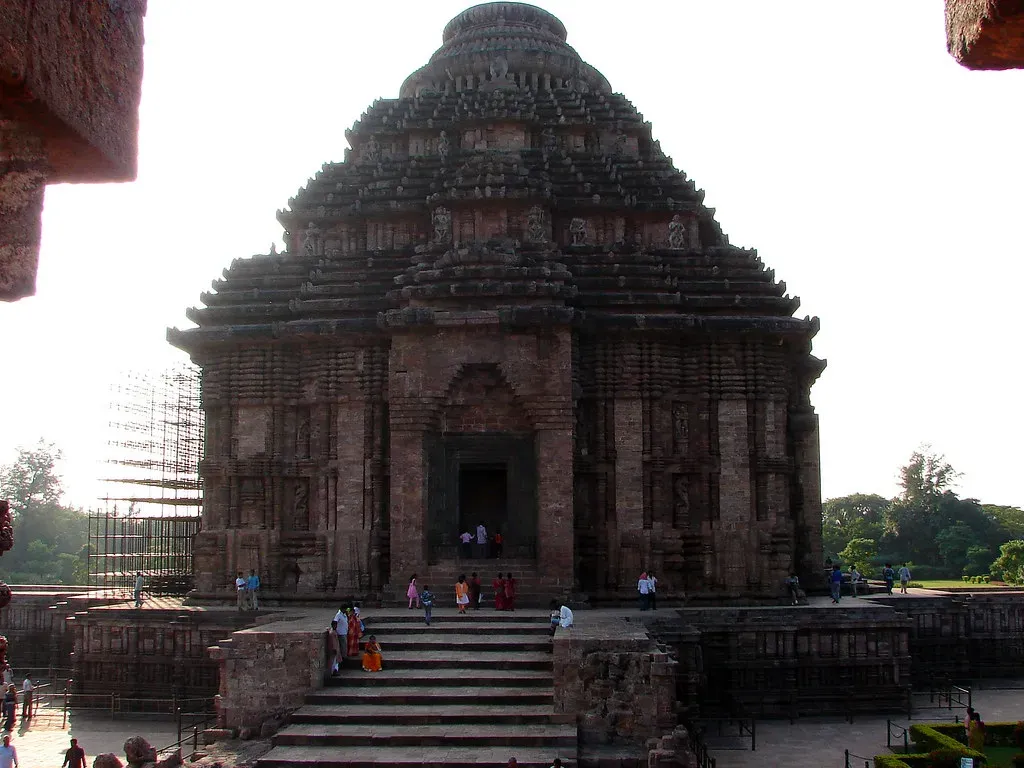
India’s Konark Sun Temple doesn’t just honor the sun god Surya symbolically – it’s built as a giant working timepiece. Erected in 1250 CE by King Narasimhadeva I, the temple’s 24 massive stone wheels, each about 3 meters in diameter, function as sundials, with shadows indicating time intervals and aligning to track daily solar paths.
That means visitors could once read the actual time of day from the shadow cast by a single carved spoke – an accuracy level that puts most modern decorative architecture to shame. The temple’s overall orientation and light-shadow patterns correspond to summer and winter solstices, integrating equinox observations with the temple’s symbolic representation of the sun’s annual journey.
Every wheel was essentially a functioning clock disguised as religious art – a detail most visitors walk right past while admiring the carvings. Konark proves sacred architecture and applied science were never separate disciplines in ancient India. Next up, a desert mystery that still splits archaeologists into two camps.
#12 – The Nazca Lines’ Sky-Sized Riddles
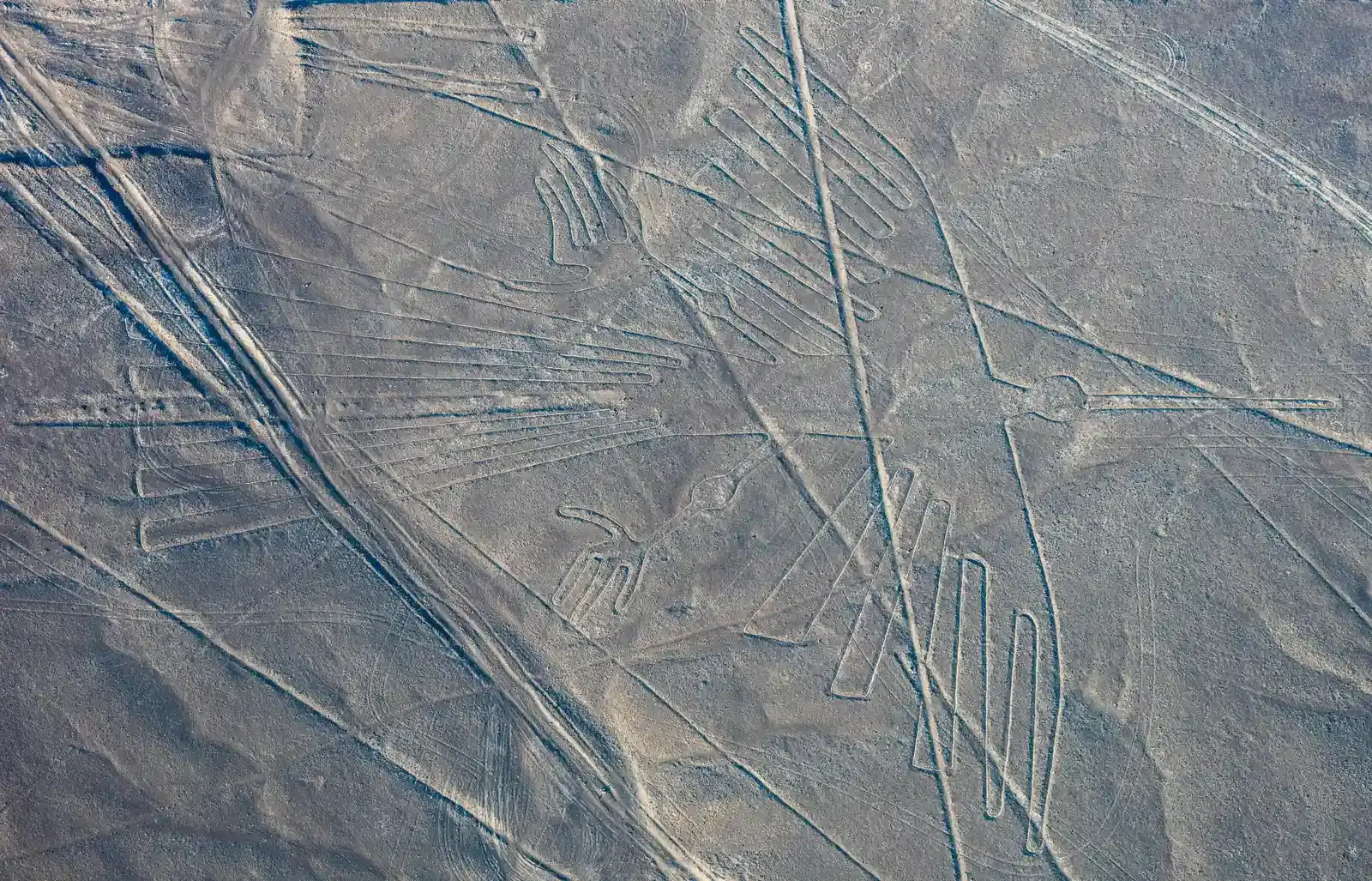
Carved into the Peruvian desert floor, the Nazca Lines are famous for their massive animal geoglyphs – but some researchers argue several of the straight lines radiating across the plain point toward solstice sunrise and sunset positions, not just random directions.
The scale alone is what makes this claim so striking: some lines stretch for miles across the desert, only visible in their entirety from the air. That means the builders never saw their own finished “artwork,” yet somehow maintained arrow-straight accuracy across kilometers of uneven terrain using ground-level surveying alone.
This remains one of the more debated entries on any archaeoastronomy list, and plenty of researchers push back hard against solar interpretations, arguing many lines simply point to water sources or sacred mountains instead. That controversy is exactly why Nazca keeps drawing fresh research expeditions decade after decade. Next: a Mexican pyramid that was deliberately built off true north.
#11 – Teotihuacan’s Sunset-Chasing Pyramid
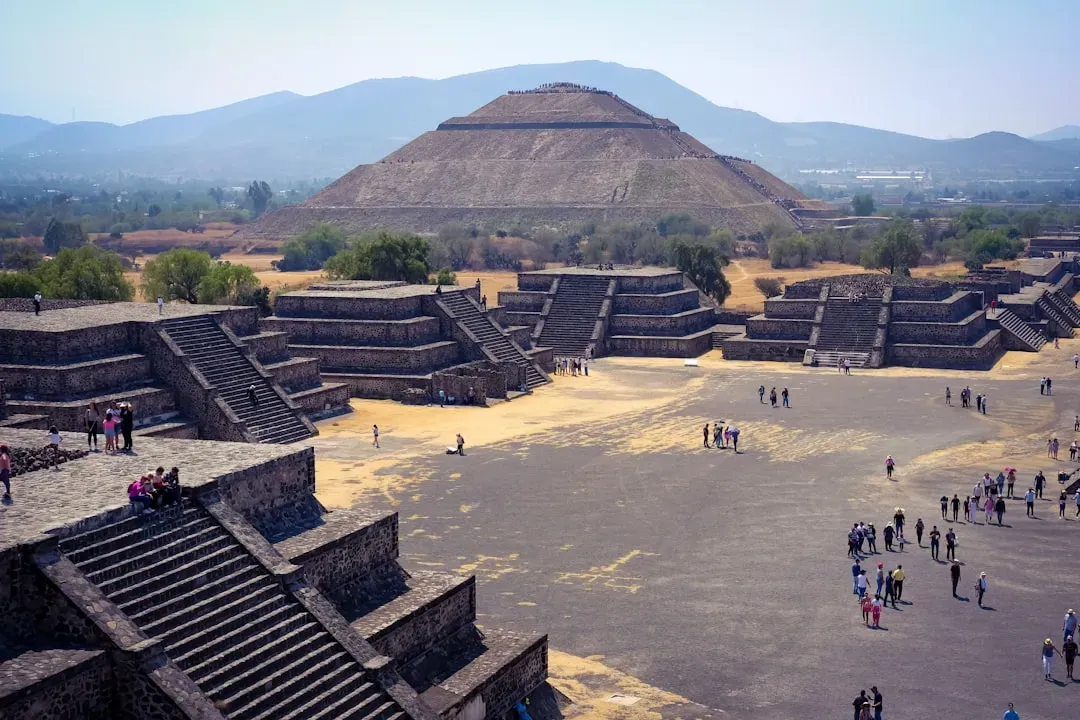
Mexico’s Pyramid of the Sun at Teotihuacan doesn’t face true north like a compass would suggest – it’s rotated by roughly 15 degrees, a deliberate skew that lines the structure up with specific sunset points on the horizon on key calendar dates.
That rotation wasn’t a construction error. Archaeologists now believe the entire city grid was laid out around this solar skew, meaning ancient urban planners reshaped an entire metropolis just to keep every street and temple axis pointed at the same celestial target.
It’s a detail that upends the assumption that “true north” was always the ancient default – many pre-Columbian civilizations prioritized solar accuracy over compass accuracy, and frankly, that’s a more sophisticated approach than we usually give them credit for. Next up, a temple that broke every rule of its own religion – on purpose.
#10 – Angkor Wat’s Backward-Facing Genius

Angkor Wat, built in the 12th century by the Khmer Empire, is the largest religious monument in the world, and its orientation and bas-reliefs reveal astronomical connections – the temple is oriented toward the west, unusual for Hindu temples, which often face east.
That backward orientation isn’t a mistake; it’s the whole point. During the equinoxes, the Sun rises directly over the central tower when viewed from the western entrance, and researchers have also identified alignments corresponding to solstices and possible lunar cycles.
Most temples in Hindu tradition face sunrise for obvious symbolic reasons, so Angkor Wat’s western orientation has sparked genuine scholarly disagreement over whether it was designed as a funerary monument, a solar observatory, or both at once. That single design choice still fuels academic papers today. Next up, a fragile stone dagger that modern tourists may have already broken.
#9 – Chaco Canyon’s Fading Sun Dagger
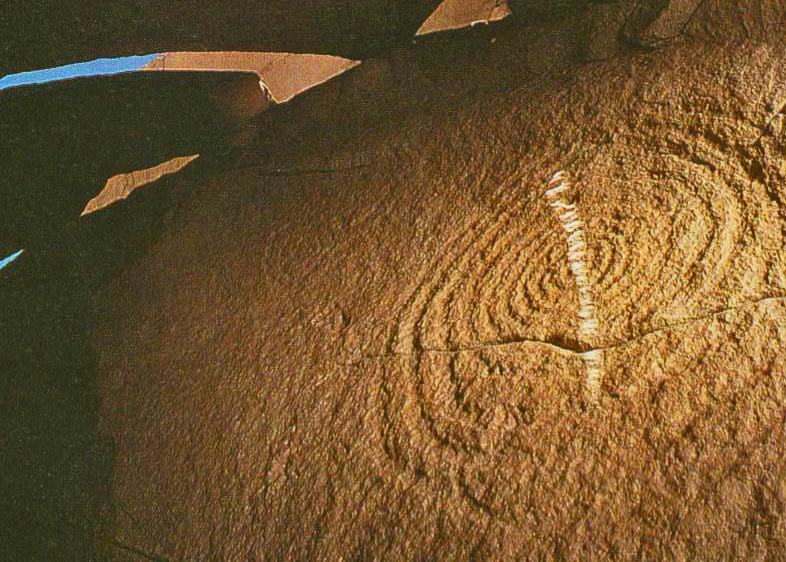
High atop New Mexico’s Fajada Butte sits one of the most delicate solar instruments ever built by human hands – three stone slabs positioned to cast a blade of light across a spiral petroglyph. The most famous astronomical feature at Chaco is the Sun Dagger, consisting of three large stone slabs leaning against a cliff face in front of two spiral petroglyphs, where on the Summer Solstice a single dagger of light pierces the center of the larger spiral.
On the Winter Solstice, two daggers of light perfectly frame the large spiral, and on the Spring and Autumn Equinoxes, a smaller light dagger passes exactly through the center of the smaller spiral. That’s four distinct calendar events tracked by three unmoved rocks.
Quick Compare
- Summer Solstice: one dagger of light pierces the center of the larger spiral
- Winter Solstice: two daggers of light frame the large spiral
- Spring & Autumn Equinoxes: a smaller dagger passes through the smaller spiral’s center
- Today: erosion and foot traffic since the 1980s have thrown the alignment slightly off
Tragically, due to erosion and ground shifting caused by modern foot traffic in the 1980s, the slabs have moved slightly, and the Sun Dagger no longer aligns as perfectly as it once did. We may have permanently broken a thousand-year-old solar clock just by walking near it – a sobering reminder of how fragile this kind of precision really is. Next: a “fort” that turned out to be one of the most accurate calendars ever built.
#8 – Chankillo’s Toothy Solar Horizon
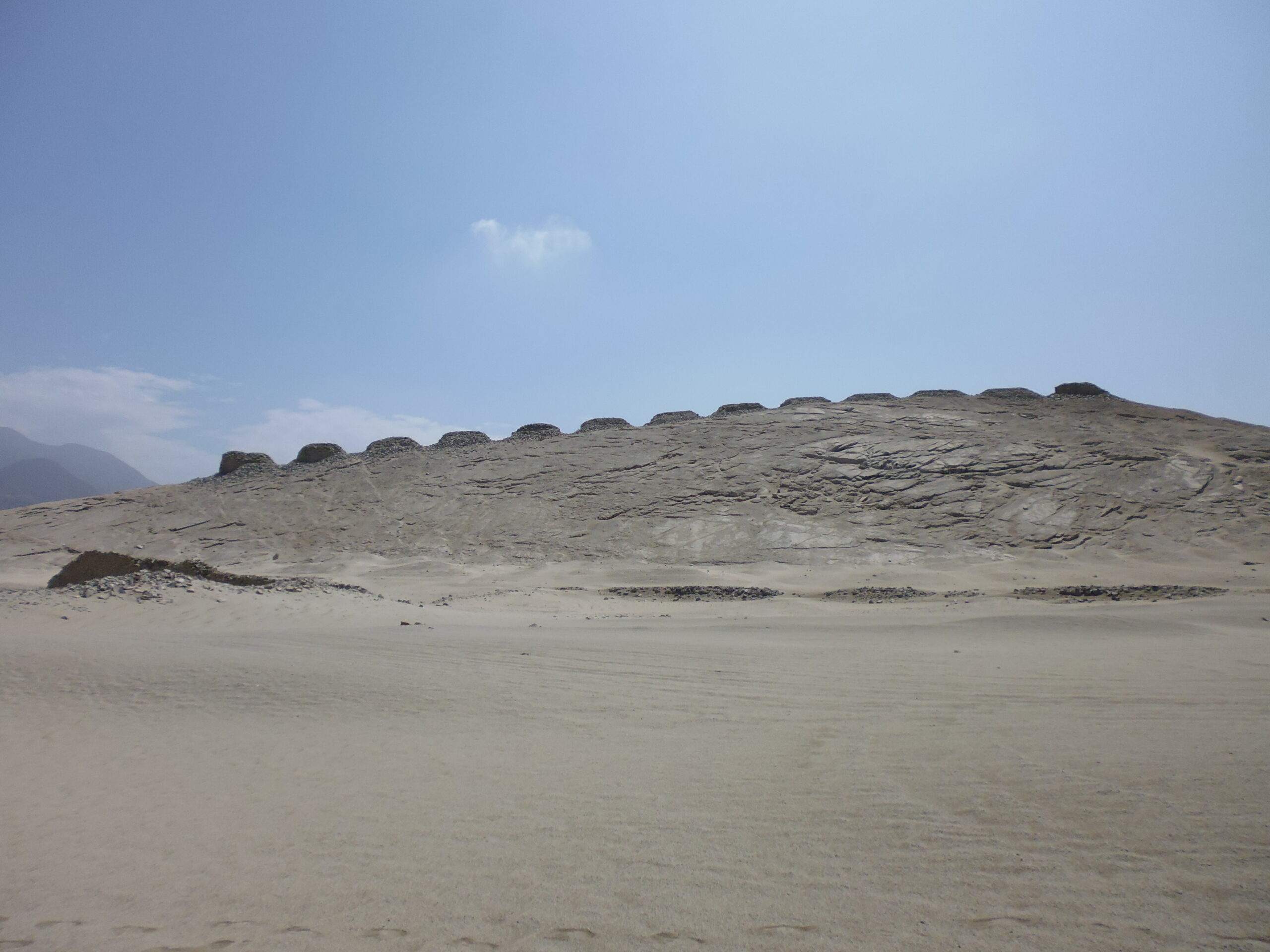
Long dismissed as a strange desert fort, Peru’s Chankillo turned out to be something far more impressive once astronomers finally studied it properly. The Thirteen Towers of Chankillo run north to south along a low ridge within a fourth-century B.C.E. ceremonial complex, and from evident observing points within the adjacent buildings to the west and east, they formed an artificial toothed horizon that spanned almost exactly the annual rising and setting arcs of the Sun.
The accuracy here is almost unbelievable for a 2,300-year-old site: an onlooker standing at a specific observation point below the ridge could predict the time of year within two or three days based just on sunrise or sunset. The site shows great innovation by using the solar cycle and an artificial horizon to mark the solstices, the equinoxes, and every other date within the year with a precision of one to two days.
That’s a functioning day-counting calendar built into a hillside two millennia before printed calendars existed. The Chankillo towers provide evidence of early solar horizon observations and sophisticated Sun cults, preceding the Sun pillars of Incaic Cusco by almost two millennia. Next up, the mountaintop stone the Inca literally named after tying down the sun.
#7 – Machu Picchu’s Sacred Sun Peg
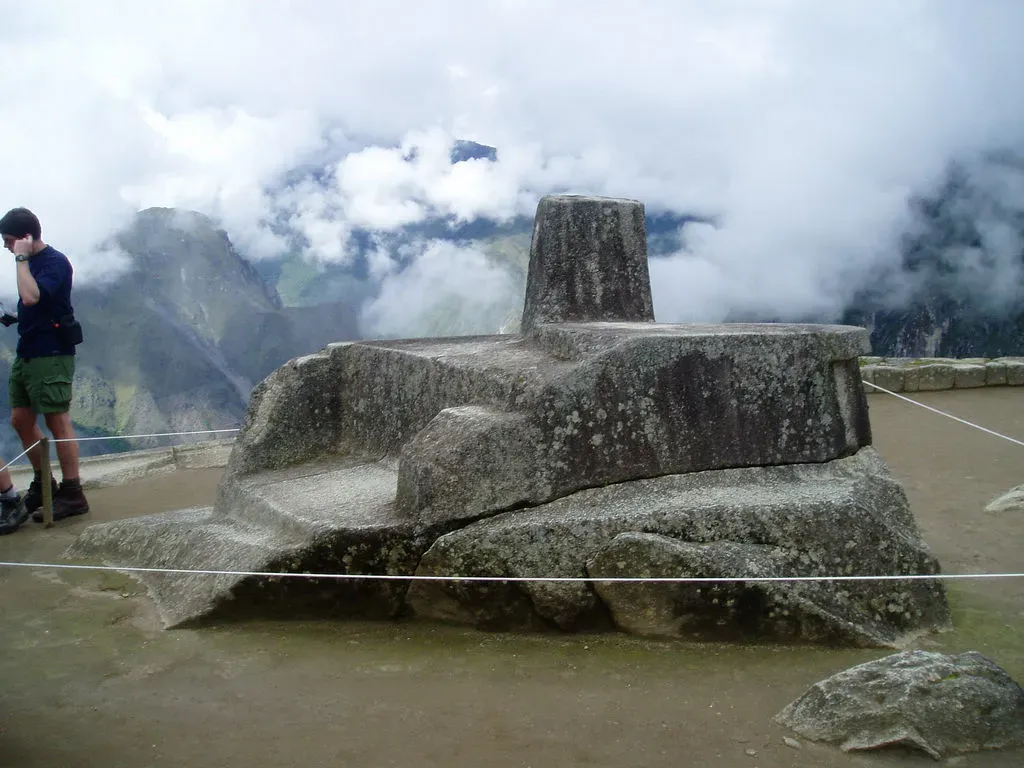
Perched above the Intihuatana stone at Machu Picchu, Inca priests once conducted rituals timed to a single carved rock’s shadow. This ritual stone, often described as associated with the Sun, has an orientation that appears to align with solar events, including the equinoxes.
Constructed around AD 1450 and abandoned within a century, Machu Picchu was a sacred site for Inca leaders, who claimed descent from Inti, the sun god – which makes an accurate solar marker practically a political necessity, not just religious decoration. The giant stone at the top of this sacred mountain called Intihuatana translates roughly to “place to tie the sun.”
Some modern researchers push back on how literally we should interpret Intihuatana’s solar function, arguing much of the ceremonial meaning was lost when the Spanish destroyed similar stones elsewhere in Peru. That gap in the record is exactly why Machu Picchu’s stone remains one of the most argued-over artifacts in Incan archaeology. Next: an Egyptian temple aligned to two different celestial targets at once.
#6 – Karnak’s Winter Solstice Sightline
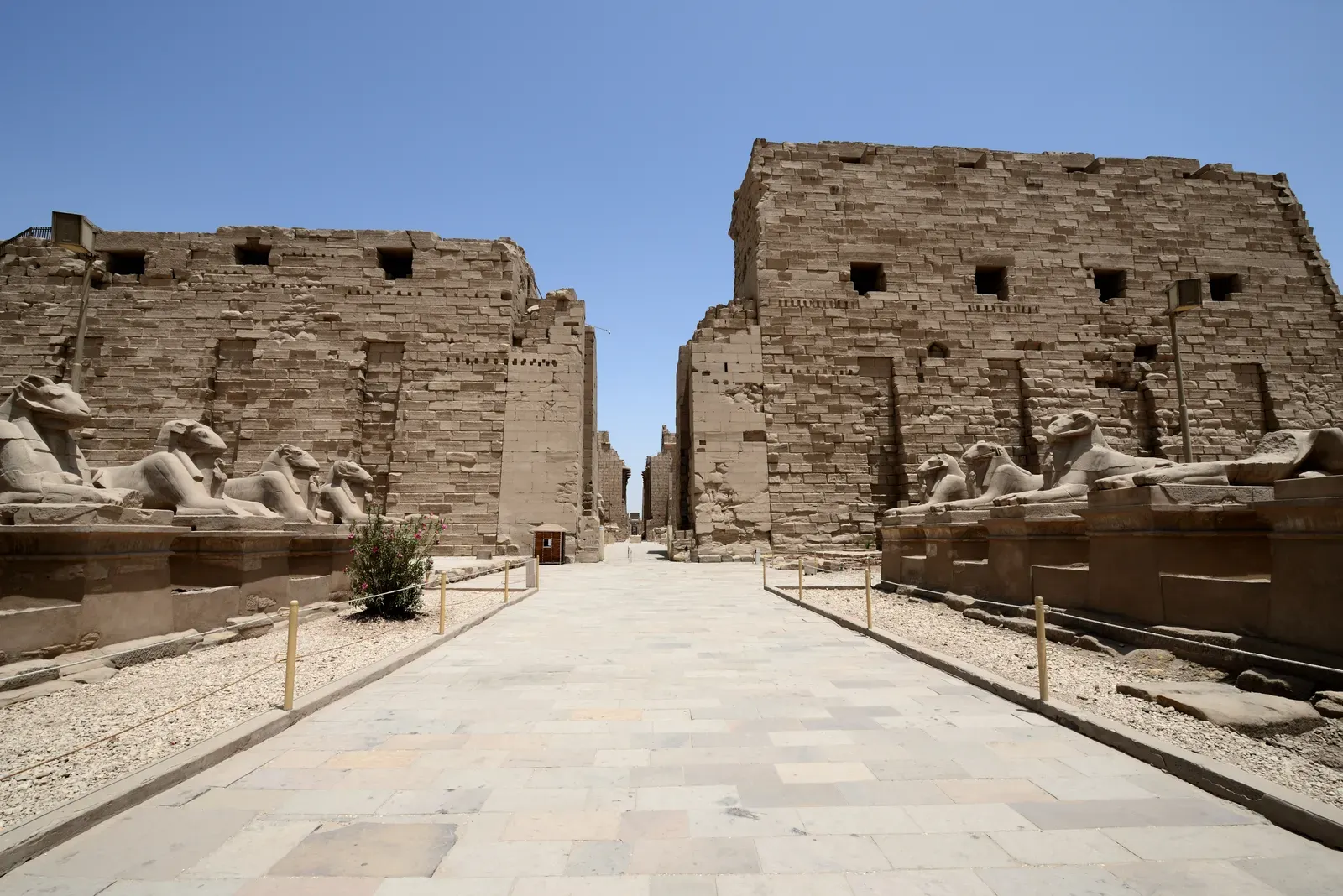
Egypt’s largest temple complex wasn’t just built to impress – it was built to catch one specific sunrise. The Great Temple of Amun at Karnak was aligned with the summer solstice sunrise, signifying rebirth, renewal, and divine power conferred upon the Pharaoh by the Sun God.
The alignment of the main axis of the Karnak Temple with the solstice sunrise is a marvel of ancient engineering, and during the event, the sun would illuminate the inner sanctum, where the statue of Amun-Ra resided. Researchers note the reason the solstice sunrise can be experienced so clearly today is that some of the eastern walls that would have blocked the view have since collapsed – meaning modern visitors are accidentally seeing an even purer version of the original design.
Some Egyptologists go further, suggesting the courtyard and pylon of Ramesses II, as well as the avenue of sphinxes, were correctly aligned with the position of the star Vega at dawn on the summer solstice around 1290 BCE. That’s two separate celestial alignments layered into one temple axis. Next up, a pharaoh’s face that only gets lit by sunlight twice a year.
#5 – Abu Simbel’s Illuminated Pharaoh
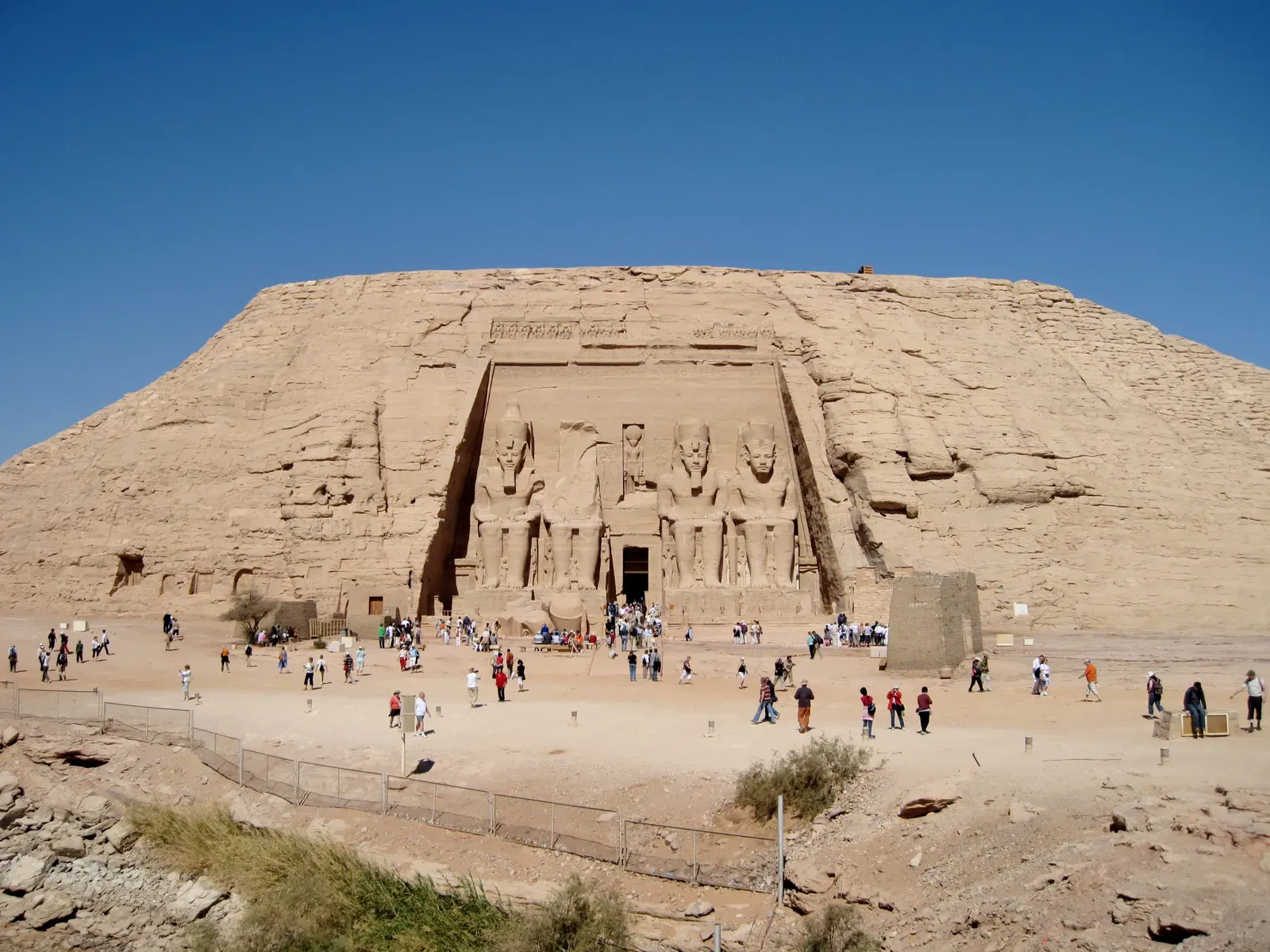
Twice a year, sunlight travels 200 meters through solid rock just to land on one man’s face. The phenomenon of solar alignment on the Holy of Holies in the Temple of Ramses II occurs twice every year on February 22 and October 22, as the sun’s rays penetrate the front corridor with a length of about 200 meters until it reaches the platform holding the statue of King Ramses II alongside the gods Ra-Hor, Amun, and Ptah.
For about twenty minutes, the light fully illuminates three of the four seated sculptures – Ramses II, Ra, and Amun – while the statue of Ptah, god of the underworld, always remains in the shadows. That’s a deliberate exclusion, not a design flaw: darkness for the god of darkness, light for everyone else.
Here’s the twist most tourists never learn: during the 1960s UNESCO-led relocation, the temple was moved to higher ground and slightly rotated, so the spring alignment now occurs on February 22, roughly one month earlier than it did originally, and this modern date is no longer linked to the equinox but still produces a spectacular illumination. The precision we celebrate today is technically a happy accident of 20th-century engineering, not the pharaoh’s original math. Next: the pyramid where a shadow turns into a slithering snake.
#4 – Chichén Itzá’s Descending Serpent
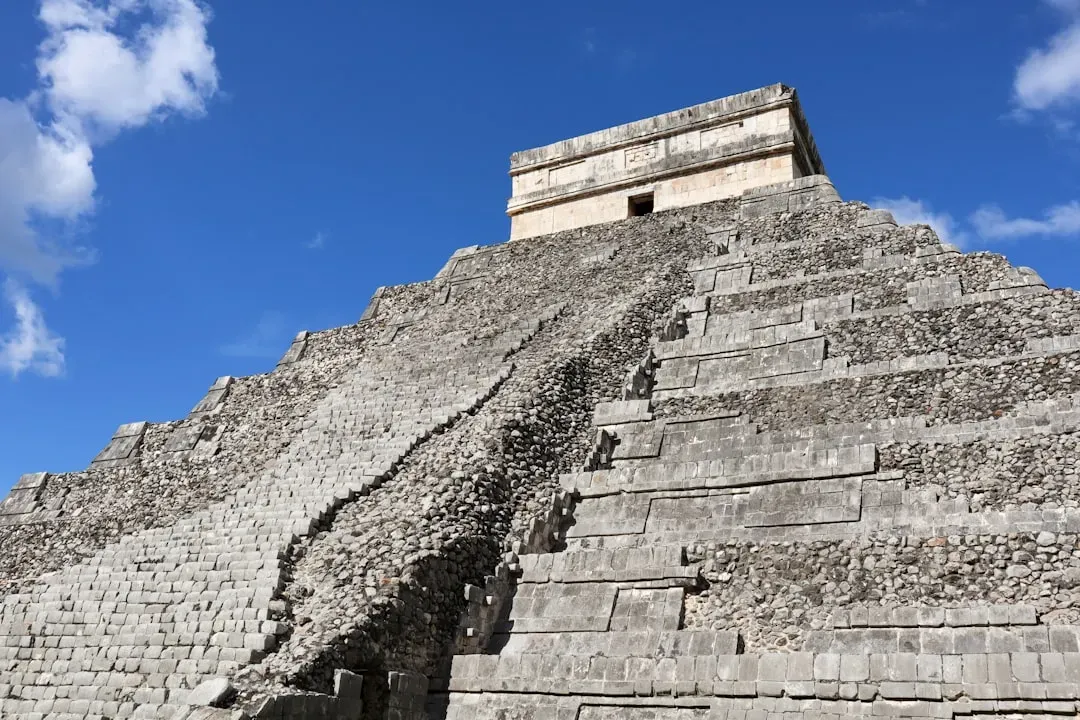
Mexico’s El Castillo pyramid performs a trick twice a year that still draws thousands of spectators. During sunsets of both equinoxes, a serpent-like shadow descends the pyramid’s stairs, a phenomenon known as “the descent of Kukulcán,” referring to the feathered serpent god.
The effect only works because the pyramid’s nine terraces cast a stepped shadow pattern that, at the exact equinox sun angle, links up with a carved serpent head at the base of the staircase – creating the illusion of a snake slithering down solid stone. The equinox alignment may have marked agricultural cycles or ritual events, and at Chichén Itzá, astronomy was woven into myth, governance, and daily life rather than treated as abstract science.
Skeptics point out the illusion is somewhat forgiving – it’s visible for several days surrounding the actual equinox, not just one – which has led some archaeoastronomers to argue the “precision” here is more theatrical than scientific. That’s a genuinely fair critique, and it hasn’t stopped the crowds one bit. Next up, an Irish mound older than the pyramids that still works to the minute.
#3 – Newgrange’s 17-Minute Miracle
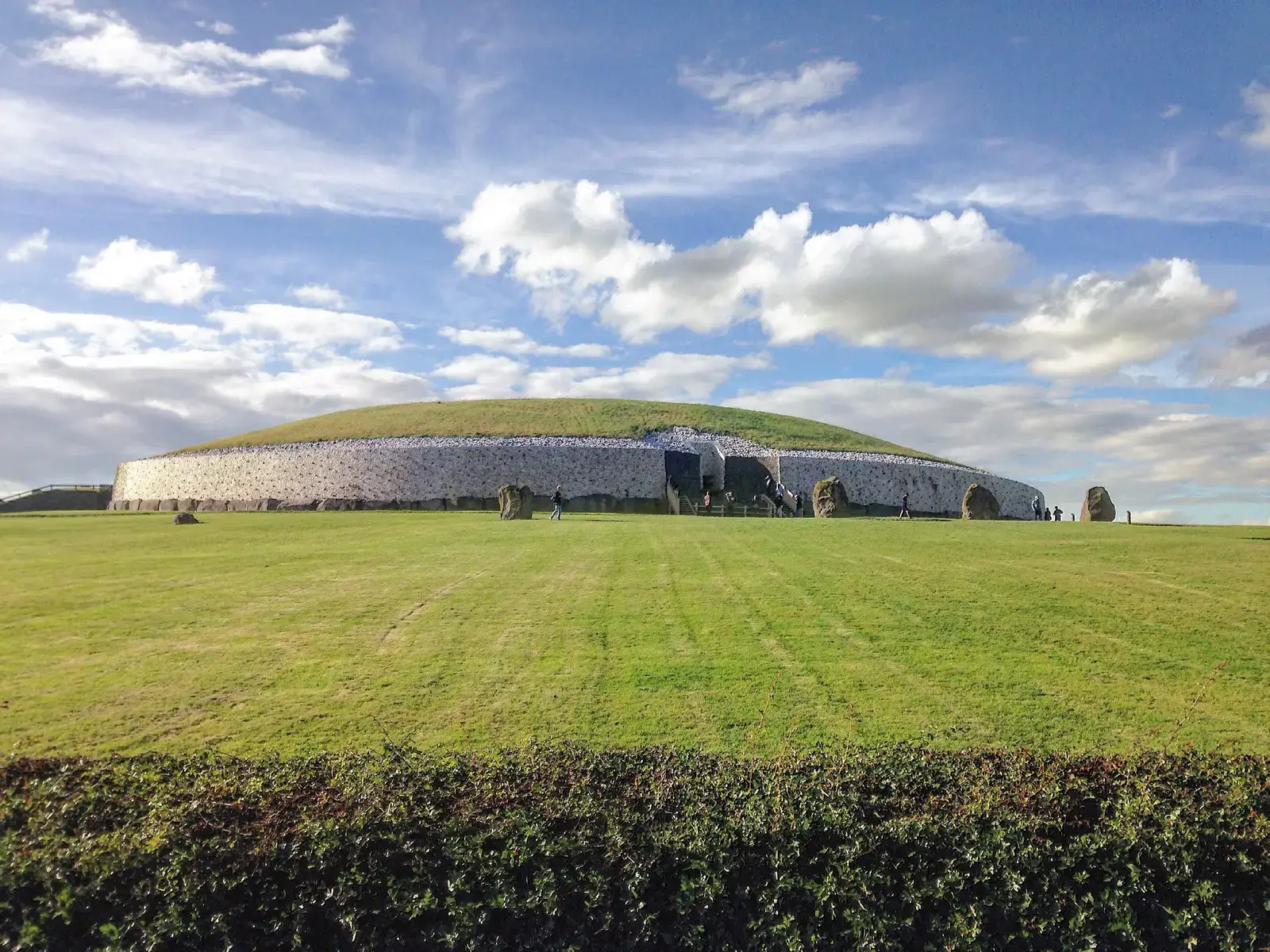
Ireland’s Newgrange doesn’t just predate Stonehenge – it predates the Egyptian pyramids too. Older than Stonehenge and the pyramids of Giza, Newgrange was built around 3200 BCE, and this large circular mound contains a passage and chamber aligned with extraordinary precision.
At dawn on the winter solstice, sunlight enters a specially designed roof box above the entrance, travels down the narrow passage, and illuminates the inner chamber for a few minutes – while for most of the year, the chamber remains in total darkness. For five days around the winter solstice, that beam illuminates the small room for 17 minutes at dawn, and because the room holds only 20 people at a time, thousands enter a lottery every year hoping to be one of the lucky visitors allowed inside.
At a Glance
- Built: around 3200 BCE, older than Stonehenge and the Giza pyramids
- Illumination window: 17 minutes at dawn, for five days around the winter solstice
- Chamber capacity: only 20 people at a time
- Access: thousands enter a public lottery each year for a chance to get inside
Think about that: a monument built roughly 5,200 years ago still functions exactly as designed, down to the minute, without a single modern adjustment. That’s a level of engineering durability most contemporary buildings could never match. Next: the monument that made archaeoastronomy famous – and still keeps its biggest secret.
#2 – Stonehenge’s Solstice Sightline
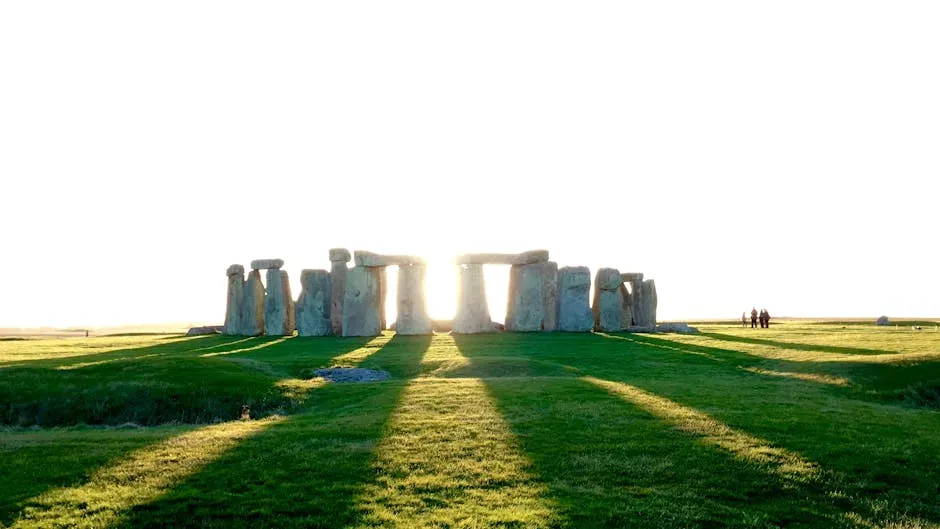
No list like this is complete without the monument that made archaeoastronomy famous in the first place. Stonehenge is aligned in the direction of the sunrise of the summer solstice and the sunset of the winter solstice, with an opening in the henge earthwork facing northeast, and the summer solstice Sun rose close to the Heel Stone, its first rays shining into the centre of the monument.
Every year on the summer solstice, thousands of people travel to Wiltshire, England, to visit Stonehenge, where humans arranged massive stones in a circle around 3000 B.C. to mark the relationship between the Sun and the seasons – and on that dawn, the Sun rises directly above the Heel Stone.
Here’s the controversial part most guidebooks skip: to this day, researchers do not know who built this awe-inspiring prehistoric stone monument and what its actual purpose was. We’ve confirmed the alignment down to the degree, yet the builders’ identity and full intent remain genuinely unknown – a gap that keeps this “solved” mystery permanently unsolved. Next up, the site that beats them all on sheer mathematical audacity.
#1 – The Great Pyramids of Giza’s Cardinal Obsession
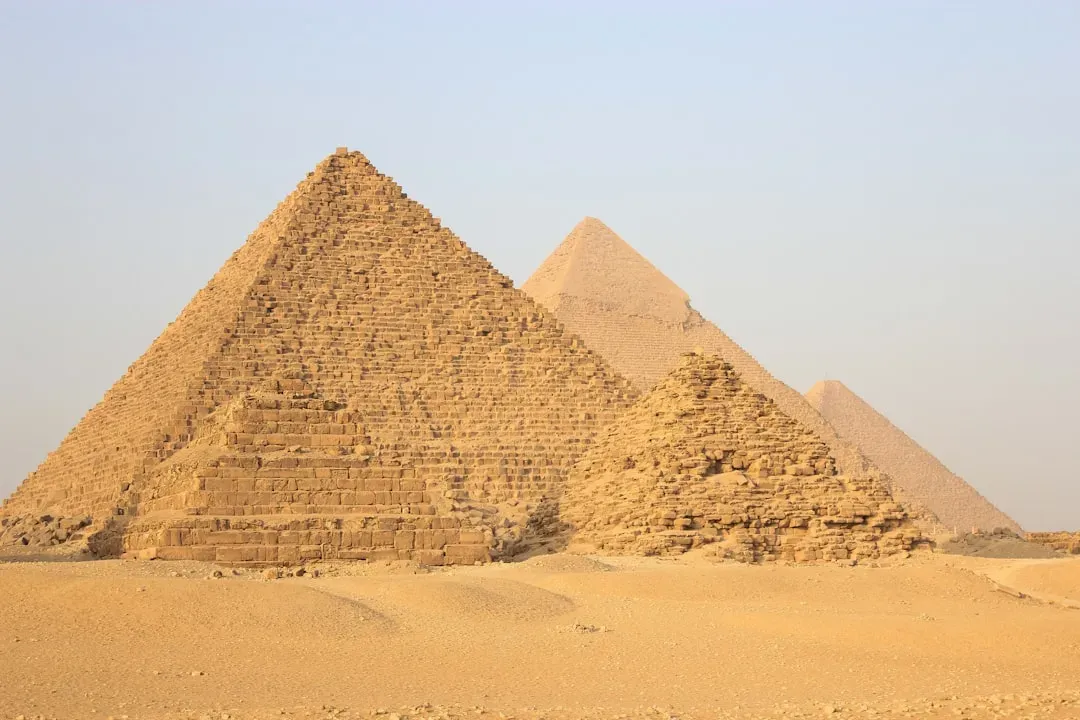
Nothing on this list beats the sheer mathematical audacity of Giza. The pyramids weren’t just built big – they were built to align almost perfectly with true north, south, east, and west, an achievement modern surveyors still study closely. The consistency of alignment between Menkaure’s pyramid, its subsidiary structure, and the valley temple is notable in itself: none of them has a deviation greater than half a degree, with the valley temple aligned within about 0.2 degrees of the main pyramid despite being well separated and at a lower elevation.
One leading theory for how they pulled this off involves nothing more than a stick in the sand. By counting 91 days after the summer solstice, one lands squarely on the fall equinox, and on that day, a pole stuck in the ground functions as a gnomon, casting a shadow that can be tracked across the day. With an extremely tall gnomon to minimize error, the marks created by the shadow’s tip form a line pointing almost perfectly east and west, and the pyramid’s corners could then be aligned to match.
Worth Knowing
- Deviation between Menkaure’s pyramid and its subsidiary structures: less than half a degree
- Valley temple alignment: within about 0.2 degrees of the main pyramid, despite distance and elevation differences
- Likely method: a tall gnomon casting shadows tracked across a single day near the fall equinox
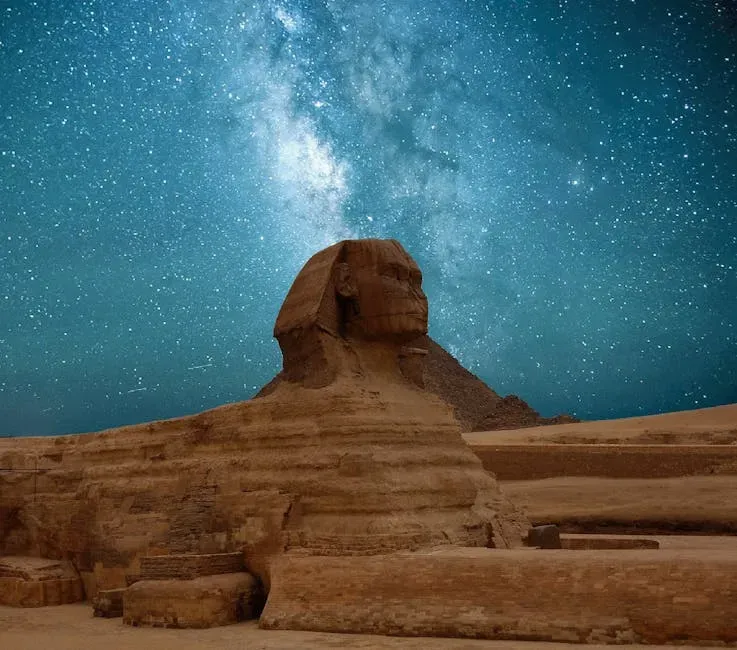
- Sphinx bonus alignment: its paws frame the summer solstice sunset between the Khufu and Khafre pyramids
Even more intriguing is the Sphinx’s connection to the horizon. The fact that the summer solstice sun sets between the pyramids of Khufu and Khafre as viewed from the paws of the Sphinx forms a natural version of the akhet, or “horizon,” hieroglyph. Whether that was intentional symbolism or coincidence is still debated – but a civilization capable of half-degree cardinal accuracy 4,500 years ago earns the benefit of the doubt.
The Bottom Line
Skeptics love to call archaeoastronomy “pseudoscience dressed up in ruins,” but the sheer number of independently verified alignments – from Chankillo’s day-by-day solar calendar to Giza’s half-degree cardinal precision – makes coincidence a hard argument to sustain. These weren’t lucky guesses; they were the product of generations of patient sky-watching, passed down without writing, computers, or telescopes.
What’s genuinely frustrating is how few of these sites get the recognition Stonehenge and the pyramids receive, despite some, like Chankillo and Goseck, being arguably more astronomically sophisticated. Which of these 17 sites do you think deserves way more attention than it gets? Drop your pick in the comments.