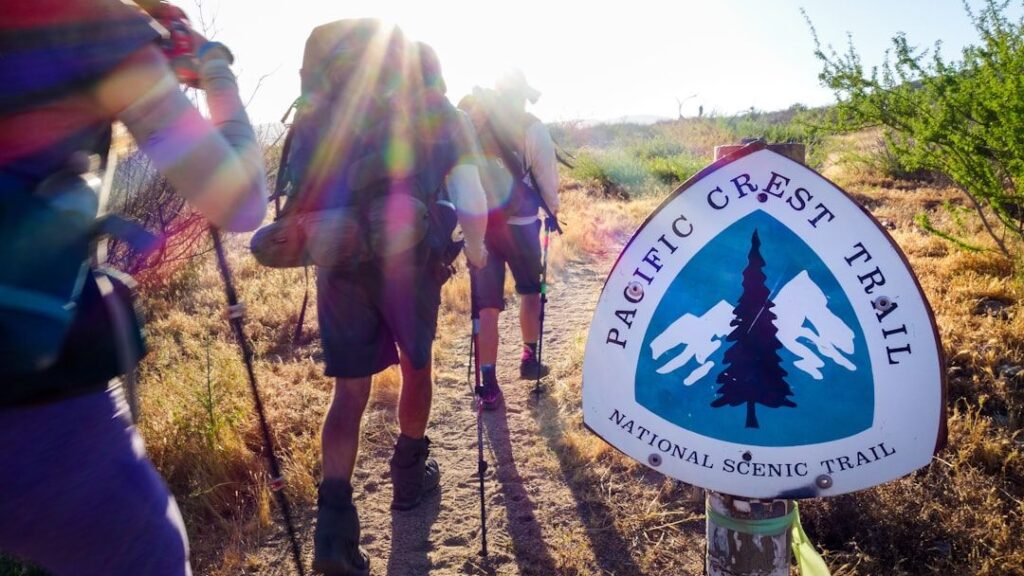

Every long-distance trail has its legends, but every now and then a story surfaces that makes even seasoned hikers stop, stare, and quietly decide they’d rather not camp alone that night. The claim that nine hikers on the Pacific Crest Trail all reported seeing the same strange figure, then disappeared within two days, sounds like something pulled straight from a late-night horror forum. Yet it plays on a very real mix of human fear, wilderness risk, and the eerie feeling that sometimes the backcountry is watching you back.
There is no verified case file that neatly matches this headline: no official report listing nine named hikers, a documented sighting, and a single confirmed vanishing event tied together in one neat bow. What we do have, though, is a messy overlap of real disappearances, credible dangers, campfire stories, and the way social media can turn half-truths into full-blown modern folklore. Looking closely at this kind of tale tells us less about a literal “figure” on the trail, and more about how our brains react when we mix isolation, risk, and mystery in just the right dose.
The Pacific Crest Trail: Beauty, Risk, And A Perfect Myth-Making Machine
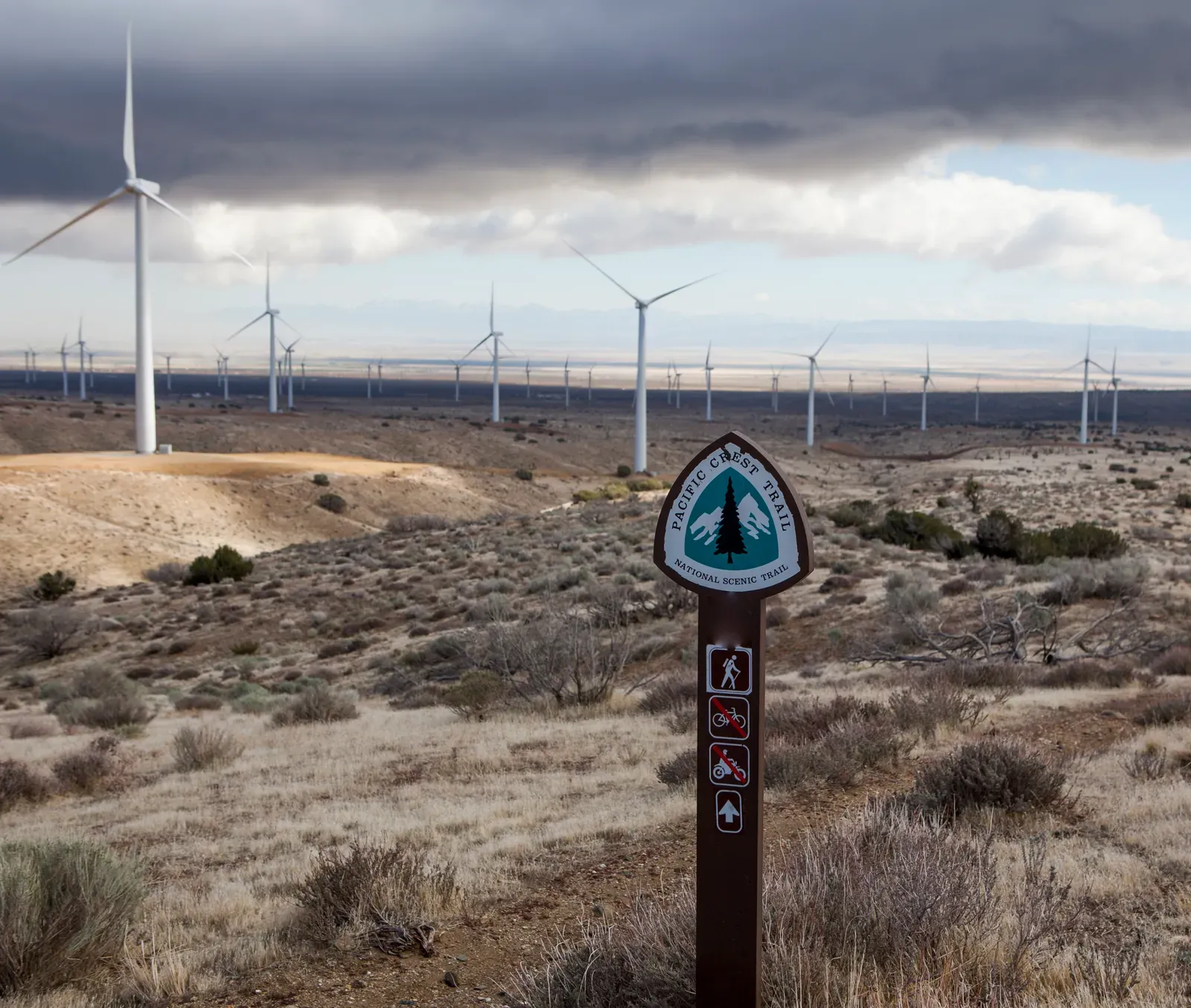
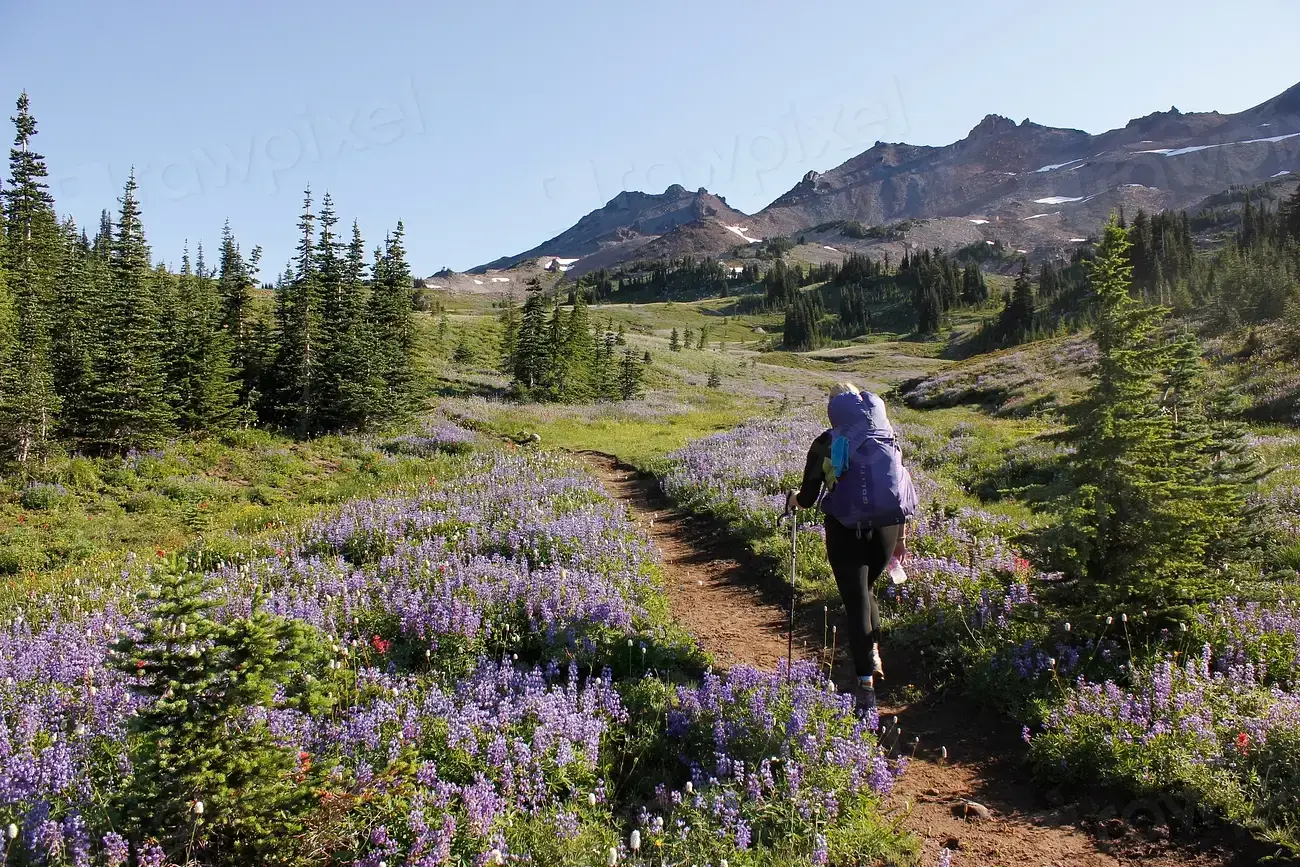
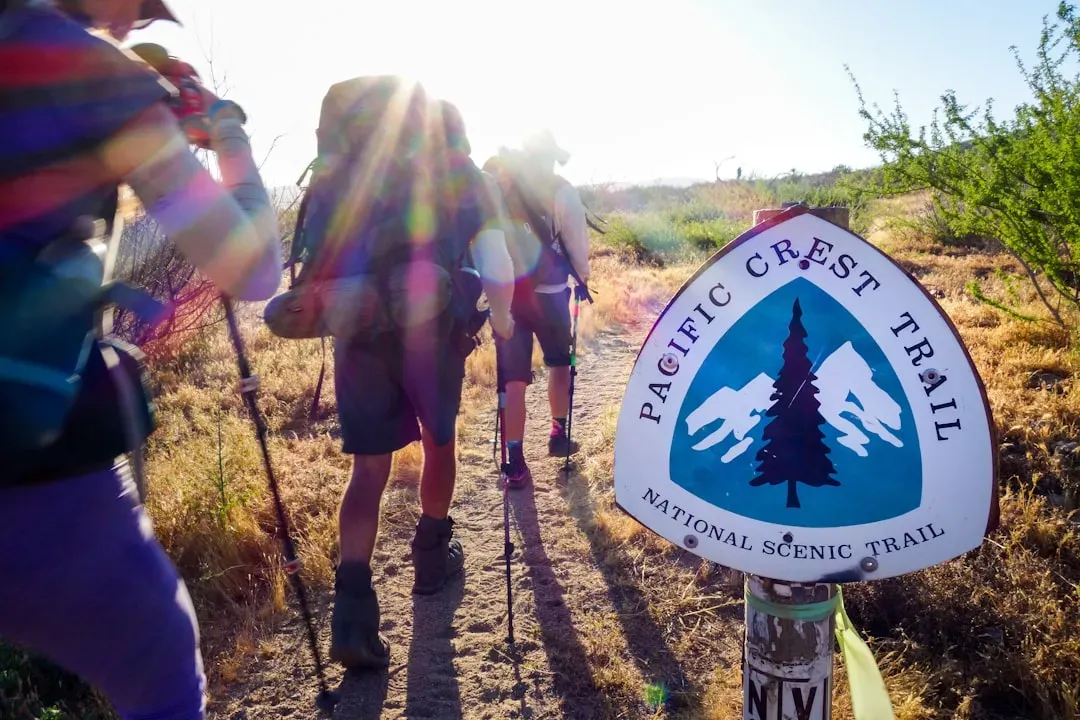
The Pacific Crest Trail (PCT) runs for more than two and a half thousand miles from Mexico to Canada, cutting through deserts, snowy passes, volcanic landscapes, and deep forest. It is one of the most stunning and demanding long-distance hikes in North America, drawing thousands of thru-hikers and section hikers each year. When you are out there for days on end, surrounded by nothing but trees, wind, and the crunch of your own footsteps, the trail feels like its own world with its own rules.
That isolation is a big part of the appeal, but it is also what makes the PCT a magnet for stories like this. Communications can be spotty, weather can change fast, and a simple ankle twist in a remote section suddenly becomes a serious problem. Mix in sleep deprivation, altitude, dehydration, and the mental strain of hiking long days, and you get the perfect environment for misperceptions, near-misses, and strange encounters that morph into legends with each retelling.
What We Actually Know About People Vanishing on the PCT
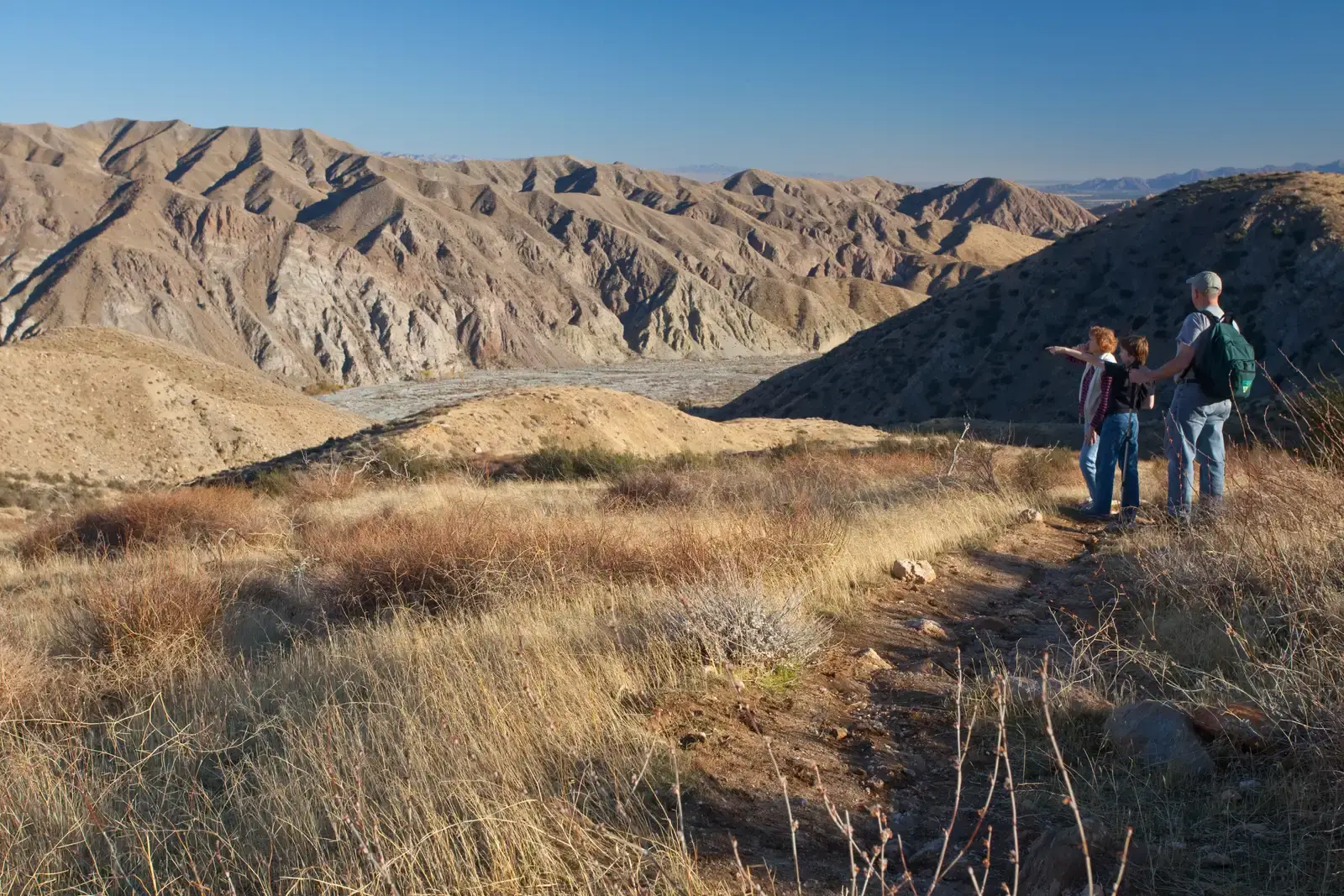
People do go missing in and around the Pacific Crest Trail, but the reality looks very different from the neat horror-movie narrative. Most incidents involve a single hiker who becomes lost, injured, or separated from their group, sometimes in bad weather or rugged terrain. In many of those cases, search-and-rescue teams eventually find the person, alive or deceased, and the cause is something painfully ordinary: hypothermia, a fall, or a navigational mistake. There are a few unresolved disappearances, but they are individual cases, spread out across years and states.
If nine hikers were known to have vanished from the PCT within a 48-hour window under connected, suspicious circumstances, it would be a major national story and the subject of heavy law enforcement and media scrutiny. That kind of coordinated mystery simply is not documented in any official record or reputable reporting. Instead, the “nine hikers and a strange figure” idea appears to be a composite: pieces of real missing-person cases, threads from online creepypasta, and the internet’s love of turning isolated incidents into a single chilling narrative.
The “Strange Figure” Archetype And Why Our Brains Love It
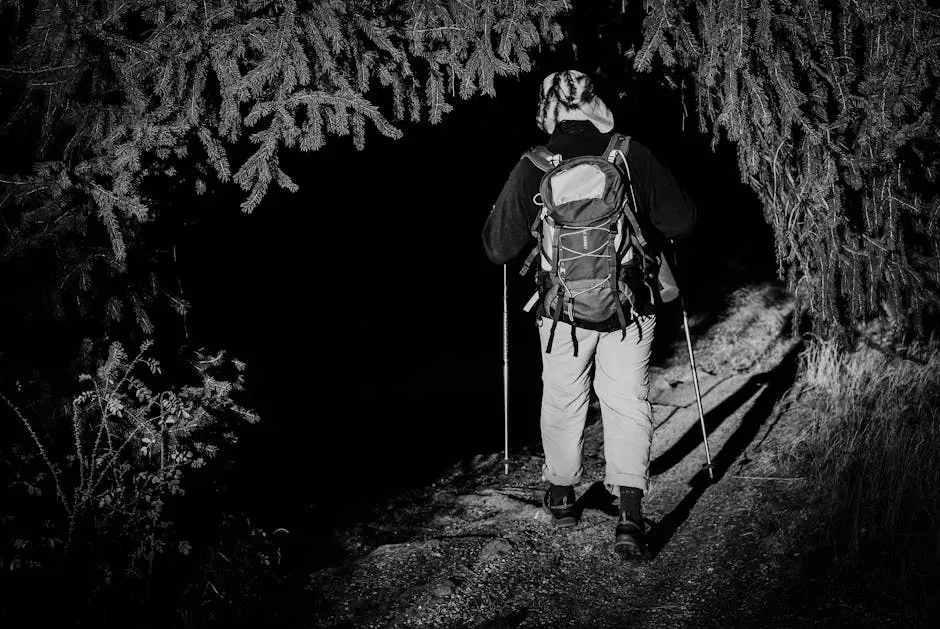
Whether it is called a figure, a shadow, or something standing just beyond the tree line, this character shows up in countless stories from the woods. Psychologically, the image taps into one of our oldest fears: another presence in our space that we cannot fully see or categorize. On trail, that might be a distant hiker you only glimpse through branches, a hunter in camouflage, or even a burned tree stump that, in the corner of your eye, looks like someone watching you. Your brain fills in the missing data with something that feels meaningful, and usually unsettling.
Hiking alone or in small groups for days magnifies this effect. Low sleep, chronic fatigue, and the white noise of the forest push the mind into a slightly altered state where vague shapes and sounds are constantly being interpreted and misinterpreted. A rustle becomes a threat, a silhouette becomes a person, and a series of coincidences can turn into a story about a persistent, impossible figure stalking multiple groups. Once one person describes that figure in vivid detail, others are more likely to reinterpret their own half-remembered experiences through the same lens.
Thin Air, Tired Minds: How Wilderness Messes With Perception
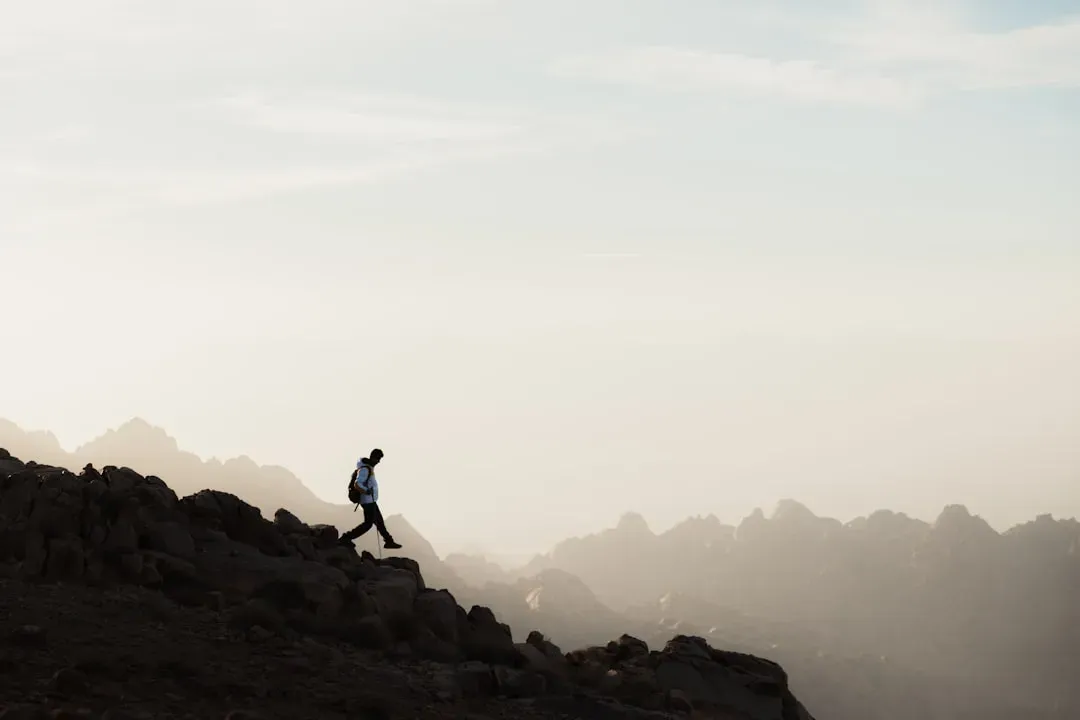
I still remember a night camping high in the Sierra (on a different trail) when I was absolutely certain someone was circling my tent, only to realize at dawn it had been a loose guyline flapping against the fly in the wind. On the trail, your senses are primed for danger, but your brain is running on fumes. That combination often produces moments that feel terrifyingly real in the moment but fall apart under daylight and rest. The PCT amplifies this with altitude, dramatic temperature swings, and long stretches where you see almost no one.
Scientifically, we know that sleep deprivation and mild dehydration can induce visual and auditory hallucinations, especially in extreme sports and endurance contexts. Ultra-marathoners, polar explorers, and thru-hikers describe seeing people who are not there, hearing voices in the wind, or misinterpreting shadows and patterns. When nine hikers separately talk about seeing something uncanny, it is entirely plausible that each experience was the product of stressed nervous systems, not a shared external entity. The mind is an incredible special-effects department, and it does not always need much raw material to build a convincing monster.
Social Media, Creepypasta, And How A Rumor Becomes “Truth”
In the age of Instagram, TikTok, and online forums, a half-formed rumor can travel the length of the trail long before snowmelt reaches Canada. One person posts about a “weird guy in the trees who kept showing up,” another comments about a vaguely similar experience years earlier, and suddenly there is a thread titled something like “Anyone else seen the tall figure near mile 800?” Screenshots get shared without context, and before long the story picks up details it never started with, like an exaggerated game of telephone.
Legends about multiple hikers vanishing after seeing the same figure are tailor-made for this environment. They hit all the beats people love to share: danger, mystery, a big round number like nine, and the idea of an unsolved threat still out there. Once enough people repeat the tale, some start treating it as established fact, even in the absence of names, dates, or official reports. That does not mean everyone is lying; it just means we are very good at confusing repetition with evidence, especially when a story is scary and exciting enough to stick in our heads.
Real Dangers on the PCT That Are Scarier Than Any Shadow
While the image of a strange figure stalking hikers is chilling, the actual threats on the Pacific Crest Trail are far more mundane and, in a way, more frightening because they are so real. River crossings after snowmelt can be brutally dangerous; a misstep in fast, cold water can sweep even a strong hiker downstream in seconds. Snowfields on steep slopes can send you sliding into rocks or trees. Heat exposure in the desert section, sudden storms in the Sierra, and hidden fractures in talus fields are all proven killers, and they do not need any supernatural help.
There are also human risks, but they look more like occasional crimes, intoxicated behavior at trailheads, or rare confrontations, not a single mysterious entity haunting the corridor. Most PCT hikers report the community as overwhelmingly supportive and kind, with trail angels, ride offers, and shared meals. Focusing on a shadowy figure can ironically distract from the skills and precautions that actually keep people safe: navigation competence, weather awareness, emergency communication devices, and the humility to turn back when conditions turn ugly.
How Law Enforcement And Search Teams Really Handle Missing Hikers
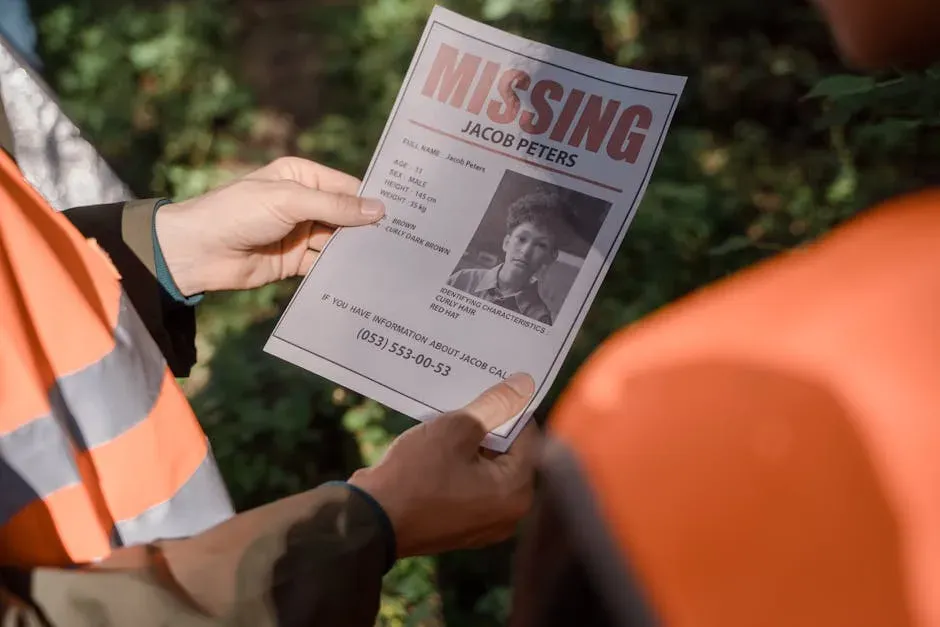
When someone is reported missing on or near the PCT, the response is usually methodical rather than cinematic. Local sheriffs’ offices, park rangers, and volunteer search-and-rescue teams coordinate searches using last known points, phone pings, car locations at trailheads, and witness interviews. They look at weather patterns, terrain, and the missing person’s experience level to model likely routes. Family members are contacted, bank records can be checked, and in some cases, aerial or drone searches are used to cover difficult terrain more efficiently.
In a scenario where nine hikers were known to vanish in connection with a specific stretch of trail and a shared description of a strange figure, law enforcement would almost certainly shut down sections, issue public warnings, and keep the public extensively informed. The absence of such documented action strongly suggests that the nine-hiker story, as a single connected event, is not something authorities have ever faced. That does not make every report of a weird encounter untrue, but it does mean we should be skeptical of neat, dramatic plotlines that do not show up in any real investigative record.
Why We Keep Telling These Stories Anyway
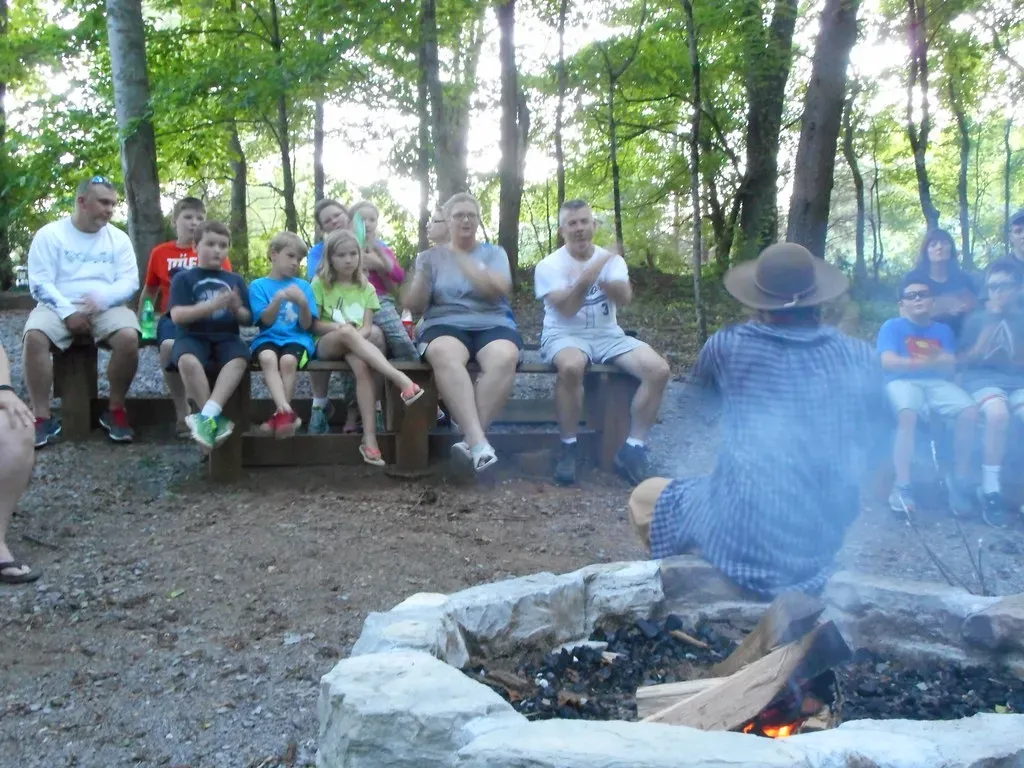
There is a reason campfire tales and urban legends evolve to fit modern settings like famous long trails, highways, or national parks. The wilderness is one of the last places where most of us feel both tiny and unshielded; out there, we cannot pretend that civilization has tamed everything. Stories about strange figures and vanishing hikers turn that quiet vulnerability into something you can point at, describe, and shiver about with friends. It is easier to say “something is out there” than to sit with the uncomfortable truth that nature itself can be dangerous and indifferent.
On a more personal level, these stories give the trail a kind of mythic personality. Instead of being just a line on a map, the PCT becomes a character with moods and secrets. I actually like that, in moderation. It reminds people that the outdoors is not a theme park and that respect and preparation matter. The trick is not letting the spooky narratives overshadow the real experiences of joy, struggle, boredom, and awe that define most people’s time out there.
Balancing Mystery And Reality: My Take On The “Nine Hikers” Legend
If you strip away the dramatized headline, what sits underneath is a cluster of very human elements: risk, isolation, misperception, and our appetite for a good scare. I do not believe there is credible evidence that nine hikers all saw the same specific figure on the Pacific Crest Trail and then literally vanished within a tight 48-hour window in one connected case. What I do believe is that scattered real disappearances, unsettling encounters, and the natural distortion of online storytelling have fused into a durable, haunting legend that people keep resharing and reshaping.
Personally, I think we do ourselves a favor by holding both ideas at once: respecting the mystery of the backcountry while staying anchored to what we can actually verify. The trail does not need a faceless stranger lurking in the trees to be powerful, intimidating, or worthy of deep caution. The truth is already intense enough: people out there are relying on their judgment, their gear, and each other in an environment that does not negotiate. Maybe the more interesting question is not whether a single dark figure is hunting hikers, but why we are so eager to believe it might be. What do you find scarier – the legend, or the reality that most of what happens out there is up to us?