
You probably walk past billions of invisible organisms every single day without giving them a second thought. Most people think about the world around them in terms of what they can see, touch, or immediately experience. Yet there’s an entire universe thriving right under your nose, on your skin, in the air you breathe, and even in the water droplets clinging to moss outside your window.
These microscopic beings play crucial roles in natural processes and human existence, from single-celled organisms to complex micro-animals. Let’s be real here, the microscopic world is far stranger and more fascinating than most science fiction movies could ever dream up. So let’s dive in and discover nine hidden wonders that are closer to you than you might think.
The Indestructible Water Bears Living in Your Backyard
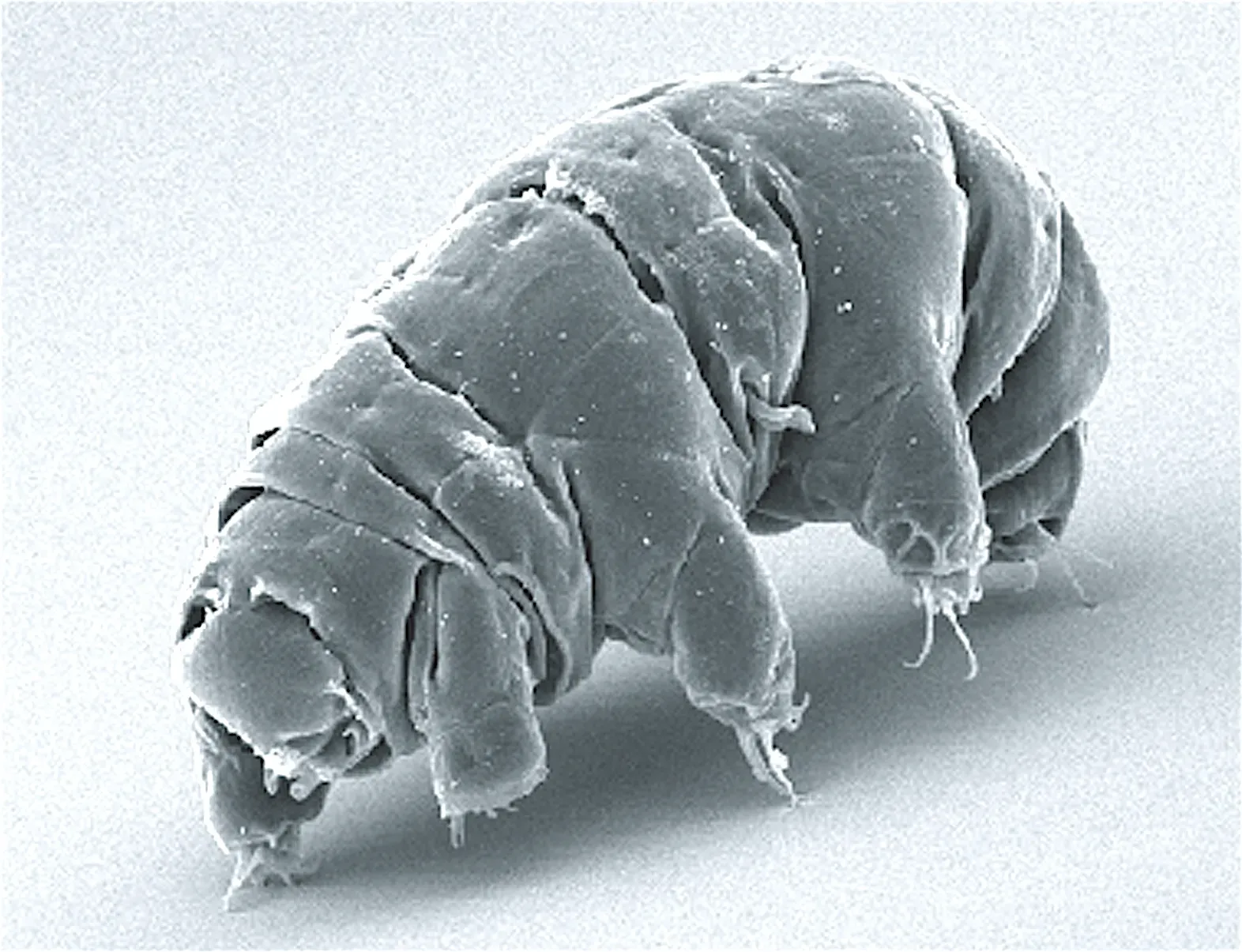
Tardigrades are common in mosses and lichens on walls and roofs, and can readily be collected and viewed under a low-power microscope, making them accessible even for amateur scientists. These adorable little creatures earned their nickname because they waddle like tiny bears when they move, complete with eight legs and a plump body. Scientists have discovered roughly 1,300 species of tardigrades worldwide, and these creatures need a thin layer of water around their bodies to prevent dehydration.
What truly sets tardigrades apart is their almost supernatural ability to survive. They can go up to 30 years without food or water, live in temperatures at absolute zero and above boiling, and handle pressure six times greater than the ocean’s deepest trenches. When conditions get rough, they suspend their metabolism by drawing their legs in and forming a desiccated cyst where no metabolic activity takes place, and in this state they can go without food or water for several years. It’s hard to say for sure, but these microscopic survivors might just outlast us all.
Dust Mites Feasting on Your Skin Right Now
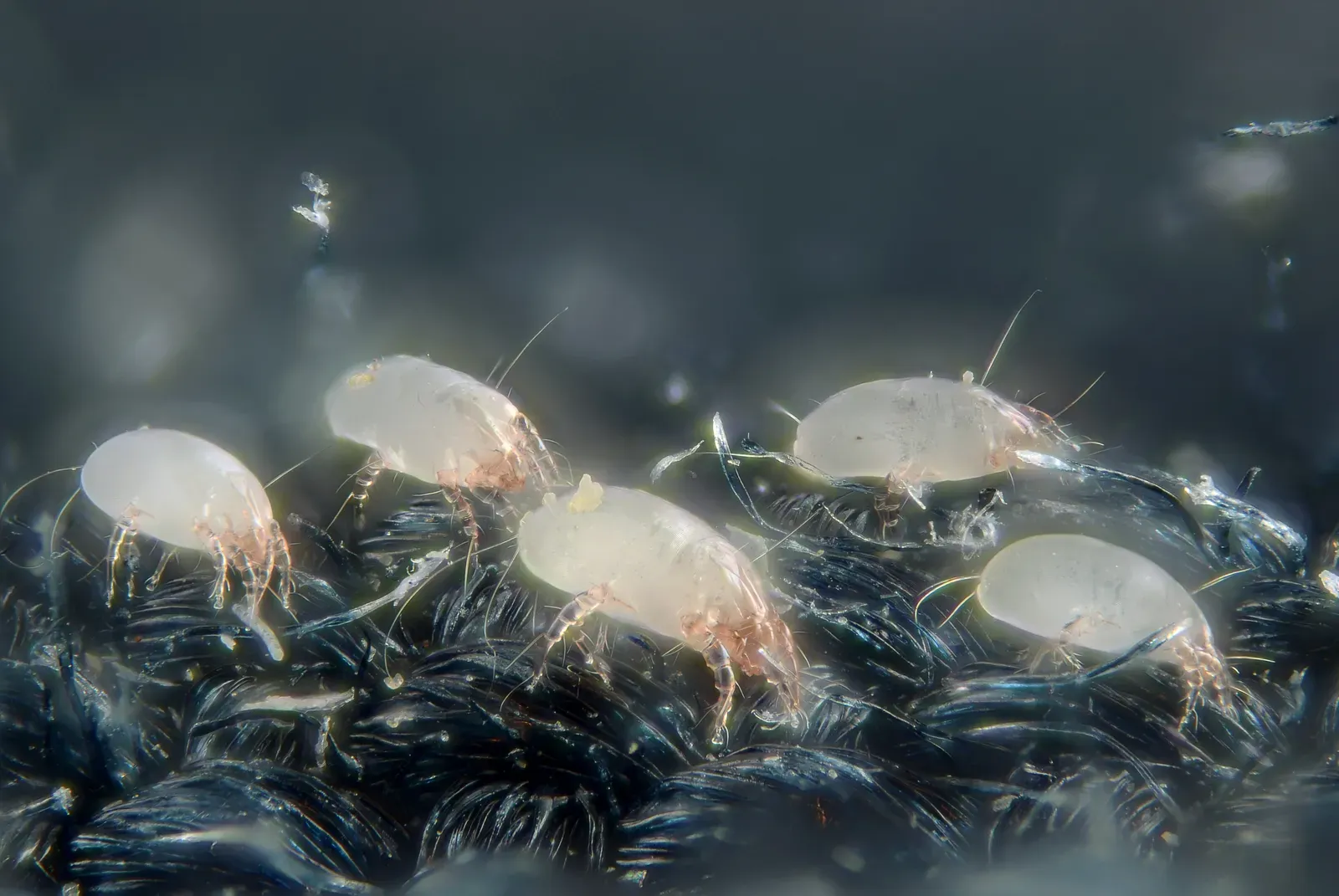
Here’s something that might make your skin crawl. Dust mites are microscopic, insect-like pests that commonly live in house dust and feed on flakes of dead skin, or dander, that are shed by people and pets. On an average day, one person may shed 1.5 grams of dead skin cells, which can feed up to 1 million dust mites at a time. Think about that next time you make your bed.
These microscopic arthropods are only about one-quarter to one-third of a millimeter long, and you can only see them under a microscope where they look like small white spider-like creatures. The good news is they are too small for us to see and are not parasites that bite, sting or burrow into our bodies. Detectable dust mite allergen was found in the beds of about 84% of surveyed United States homes, and in Europe, detectable allergen was found in 68% of surveyed homes. Let’s be honest, they’re practically unavoidable roommates.
Your Skin’s Invisible Army of Bacterial Protectors
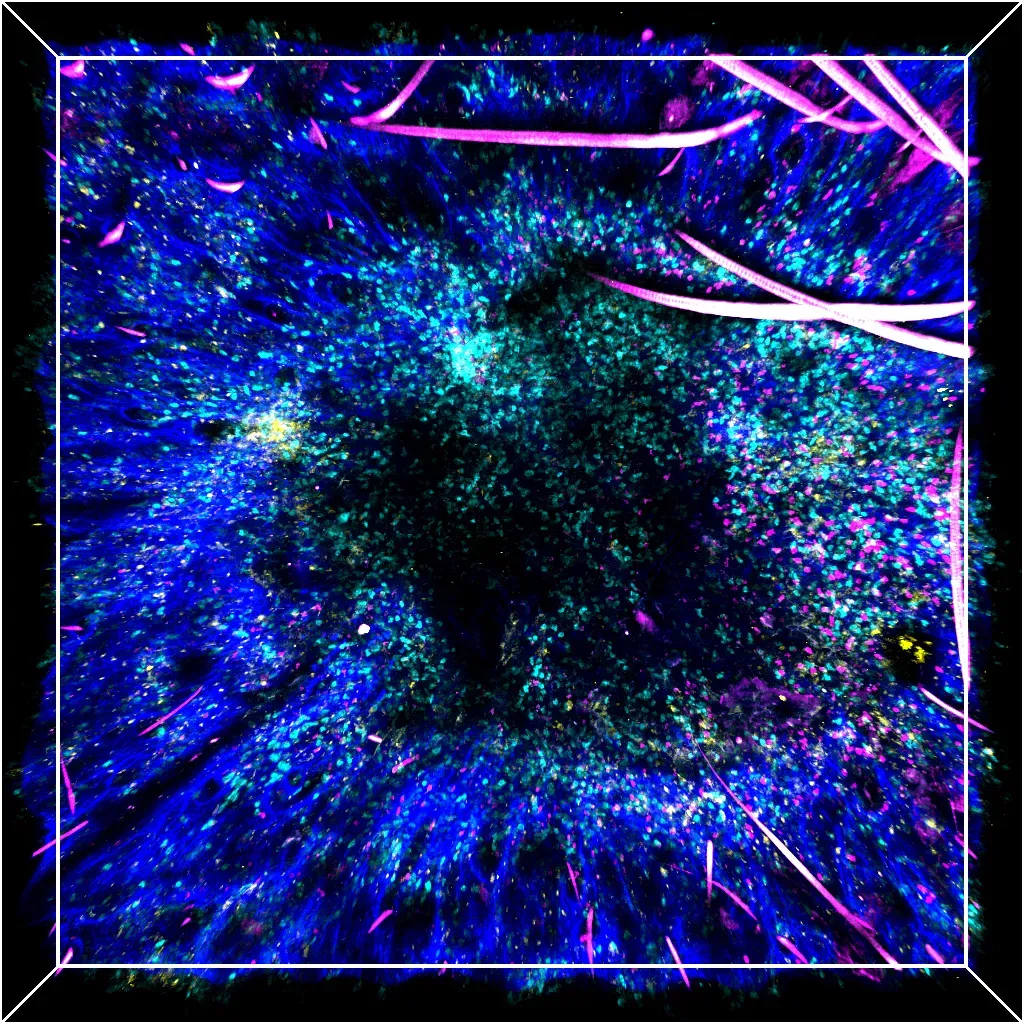
Typically, a person has around 1,000 species of bacteria on their skin, and as might be expected from such a large area covering roughly two square meters for an average adult, the skin offers a variety of distinct ecosystems that favor different subsets of organisms. Before you reach for the antibacterial soap, you should know that most of these tiny residents are actually keeping you healthy.
A healthy skin microbiome helps prevent pathogens from invading and colonizing the skin by commensal bacteria simply filling that niche and using up nutrients, but also by directly producing bioactive metabolites with antimicrobial properties. Application of certain bacteria like S. epidermidis reduced water loss through the skin, showing the process to be symbiotic as the breakdown of sphingomyelin helped the microbes survive while creating ceramides to protect the hosts’ skin. Your skin is basically hosting a microscopic security force that works around the clock to keep you safe.
The Glass Artists Creating Oxygen in Water Droplets
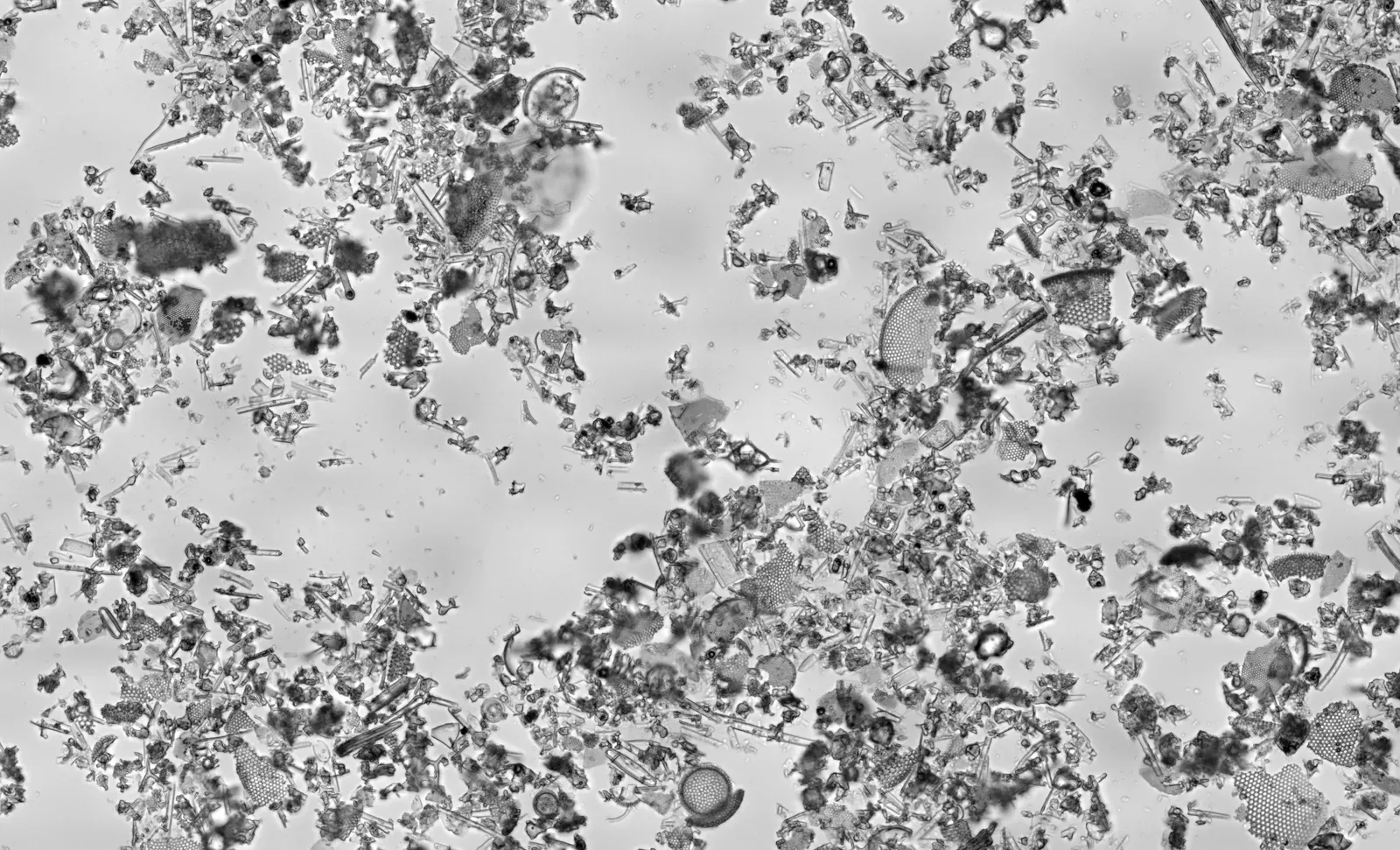
Diatoms are abundant and diverse with an estimated 200,000 extant species spread across almost all aquatic habitats, and one of their most outstanding features is their ability to produce complex, beautiful, silica frustules that are effectively intricate glass shells. These single-celled algae are basically nature’s glassblowers, and they’re incredibly important for life on Earth.
Living diatoms make up a significant portion of Earth’s biomass, generate about 20 to 50 percent of the oxygen produced on the planet each year, and take in over 6.7 billion tonnes of silicon each year from the waters in which they live. They are the only organism on the planet with cell walls composed of transparent, opaline silica which forms intricate and striking patterns, and they have light-absorbing molecules that collect energy from the sun and turn it into chemical energy through photosynthesis. Every other breath you take might just be courtesy of these microscopic glass houses floating in water.
Slime Molds That Challenge Our Definition of Life
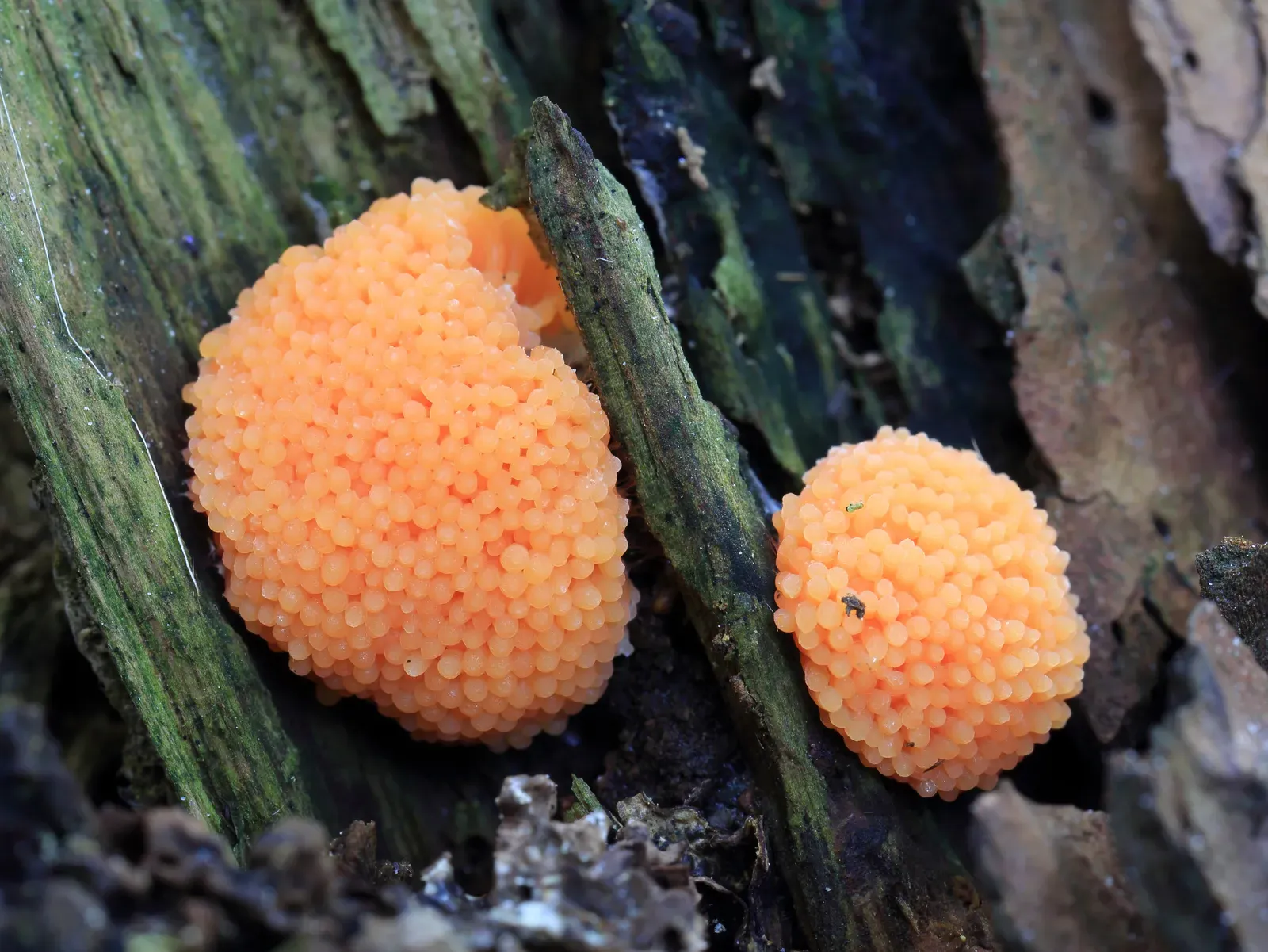
The tiny fruiting body of a slime mold called Lamproderma is a single-celled organism often thought to be among the strangest on Earth, and despite its rather unflattering common name, slime molds are astonishingly beautiful organisms. These creatures blur the line between plant, animal, and fungus in ways that make biologists rethink how we categorize life itself.
Slime molds spend part of their life cycle as individual amoeba-like cells that can hunt and eat bacteria. When food becomes scarce, something remarkable happens. Thousands of these individual cells come together to form a single organism that can move, make decisions, and even solve mazes. They can exist as both singular cells and as a unified multicellular organism depending on circumstances. Honestly, slime molds are nature’s way of showing us that life is far weirder and more flexible than our textbooks suggest.
Microscopic Hunters Swimming in Pond Water
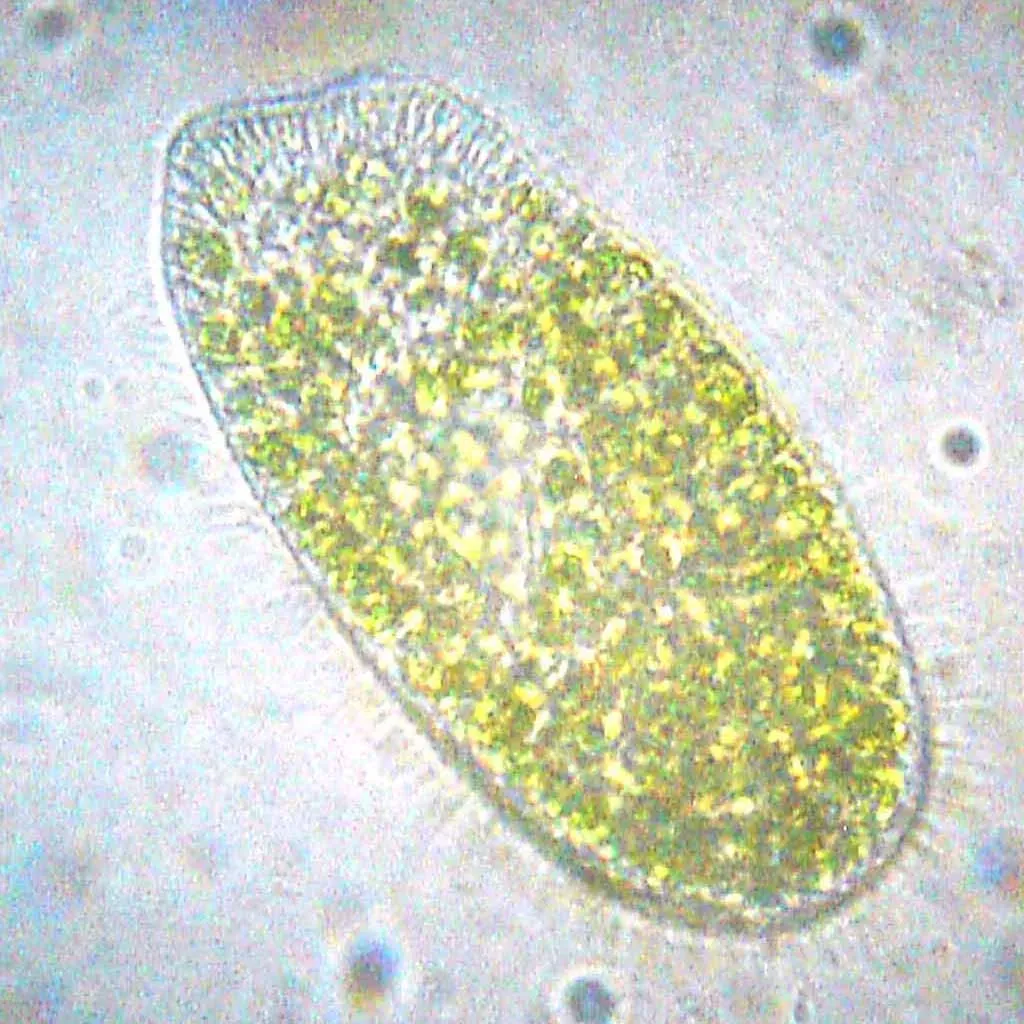
Paramecium are one of the most common and fascinating creatures you can observe under a microscope, as these tiny single-celled organisms are shaped like a slipper and swim around using tiny hair-like structures called cilia. They can be found in ponds, lakes, and other freshwater environments, and what’s really cool is they have two nuclei where one controls the cell’s functions while the other is used for reproduction, and they can also regenerate and repair themselves if damaged.
Paramecium are important in the food chain as a source of food for other microorganisms and even small fish, and they have a special defense mechanism where they can release tiny pellets called trichocysts to ward off predators. These single-celled organisms are basically the microscopic equivalent of highly mobile, self-repairing hunting machines. They patrol freshwater environments constantly, consuming bacteria and smaller organisms while avoiding larger predators through surprisingly sophisticated escape tactics.
The Ecosystem Thriving in a Single Drop of Water
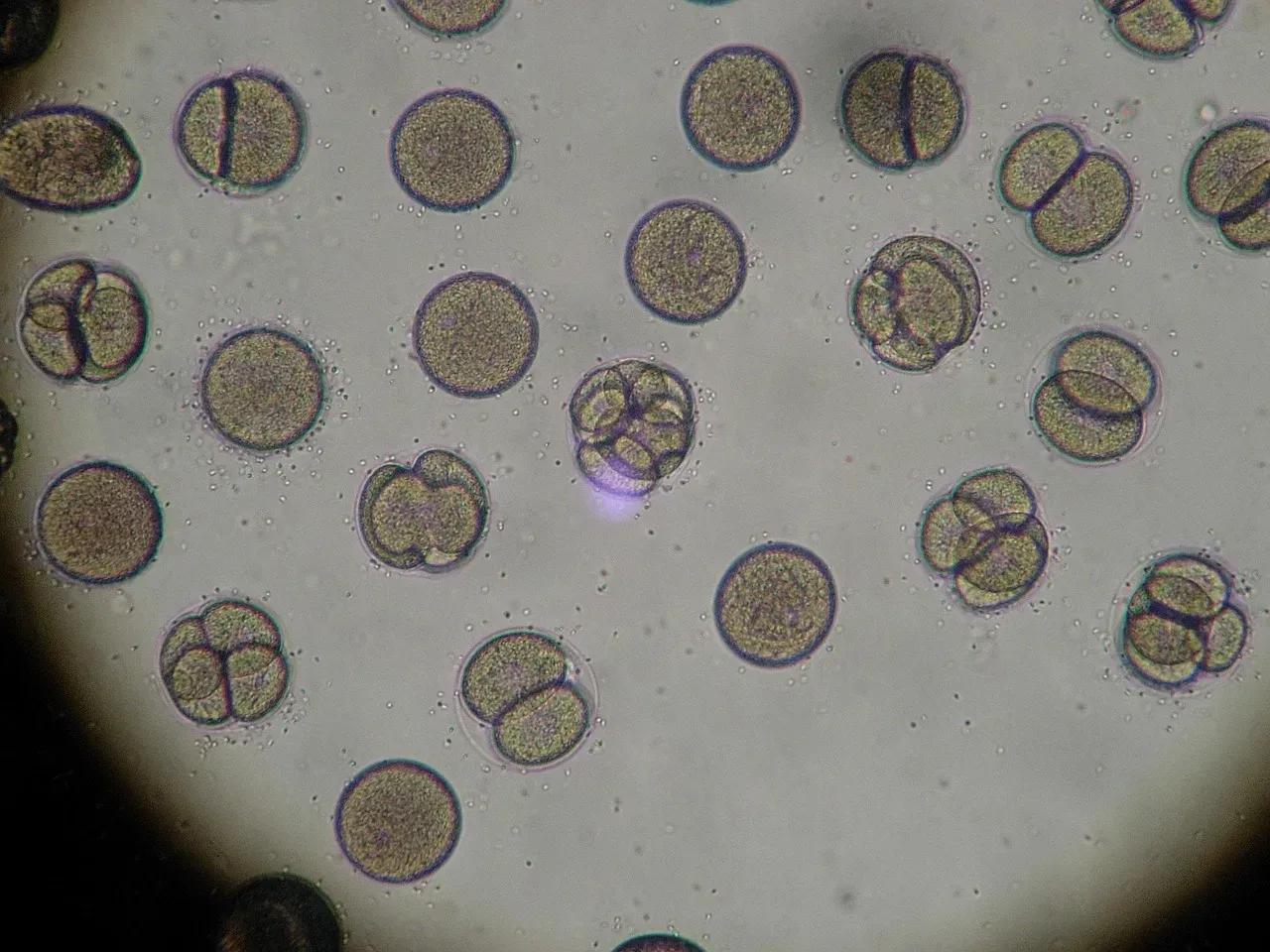
A drop of water might appear insignificant to the naked eye, but under the lens of a microscope it reveals a thriving ecosystem teeming with various forms of microscopic life, and this microcosm, bustling with biological activity, has significant implications for understanding the fundamentals of life and ecosystems. The biodiversity contained within a single droplet of water is staggering, as it can host a multitude of organisms including bacteria, algae, protozoa, and microscopic animals, creating a complex, interdependent ecosystem.
Bacteria, the most abundant organisms in water, are critical for nutrient cycling as they decompose organic material, thereby releasing nutrients back into the ecosystem. Protozoa, single-celled organisms with animal-like behaviors, are key predators in this microcosm as they feed on bacteria and algae to control their population, and they also serve as a food source for slightly larger microscopic animals, transferring energy up the food chain. Think of each water droplet as its own miniature planet with predators, prey, producers, and decomposers all interacting in a delicate balance.
Radiolarians Building Geometric Skeletons in the Ocean
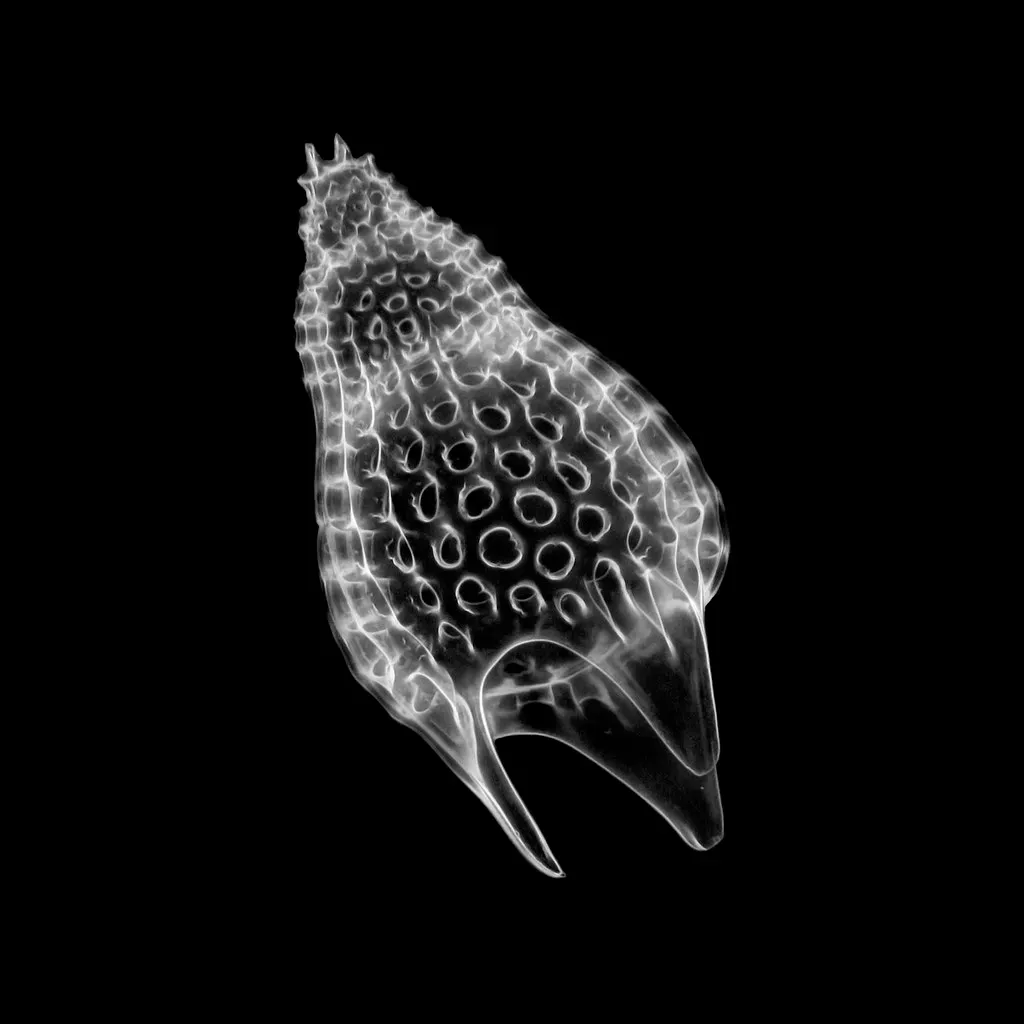
Radiolarians are single-celled organisms that have intricate skeletons made of silica, which makes them shimmer and sparkle like jewels, and they come in all shapes and sizes, from spiky spheres to delicate snowflakes. These microscopic organisms create some of the most geometrically perfect and aesthetically stunning structures found anywhere in nature. If diatoms are glassblowers, radiolarians are sculptors of crystalline architecture.
Some species of radiolarians can survive in the depths of the ocean where they endure extreme pressure and temperatures, and these creatures are found all over the world from the surface of the ocean to the depths of the abyss, making them one of the most abundant groups of plankton in the ocean and an important part of the marine food chain providing food for larger animals like big fish and whales. Their delicate skeletons accumulate on the ocean floor over millions of years, forming thick layers of sediment that tell the story of Earth’s climatic history.
Rotifers: The Wheel Animals Spinning Through Life
Rotifers, also known as wheel animals, are notable for their corona, a ciliated structure that whirls like a wheel to draw food into their mouth, and they primarily consume bacteria and algae. These microscopic animals earned their nickname from the mesmerizing circular motion of the tiny hairs around their mouths, which look like spinning wheels when viewed under magnification.
Rotifers are found in freshwater environments worldwide, from puddles to lakes. Despite their tiny size, they have a complete digestive system, a brain, and even light-sensing organs. Some species can survive being dried out completely, entering a state of suspended animation similar to tardigrades. When water returns, they simply rehydrate and continue their lives as if nothing happened. Here’s the thing: these creatures demonstrate that complexity isn’t always about size but about elegant solutions to survival challenges.
Conclusion: The Invisible World Around You
Exploring the microscopic world humbles us by showcasing the immense complexity and interconnectedness of life often hidden from our everyday perception, reminding us that even the tiniest organisms and structures contribute to the intricate tapestry of existence, and the microscopic realm challenges our perceptions of scale and beauty, urging us to appreciate the wonders that lie beyond our immediate gaze.
The next time you walk past a puddle, brush against moss, or simply touch your own skin, remember that you’re interacting with countless invisible neighbors. These microscopic wonders aren’t just fascinating curiosities. They’re essential partners in the grand dance of life on Earth, performing functions that make our existence possible. From producing the oxygen we breathe to protecting our skin from harmful invaders, the microscopic world is working tirelessly all around us.
What do you think is the most surprising microscopic organism you’ve learned about today? The resilient tardigrades that could survive in space, or perhaps the beautiful diatoms building glass houses in water? Share your thoughts in the comments.